Villa María Lodge

Villa María is the second of the De Las Carreras family lodges to open on the Río Grande after Kau Tapen, and has offered small private groups exciting fishing on some of the most productive pools in the lower river since 1994. Unlike Kau Tapen, which is located on the middle river, Villa María offers anglers first crack at newly arrived Sea Trout on the lower Río Grande. For fishermen who enjoy the challenges and rewards of two-handed rods, this is a dream come true! With friendly and dedicated house staff and guides, Villa María is very well suited to caring for small groups of friends and family.

Why Choose Villa María Lodge?

If you are tough enough.

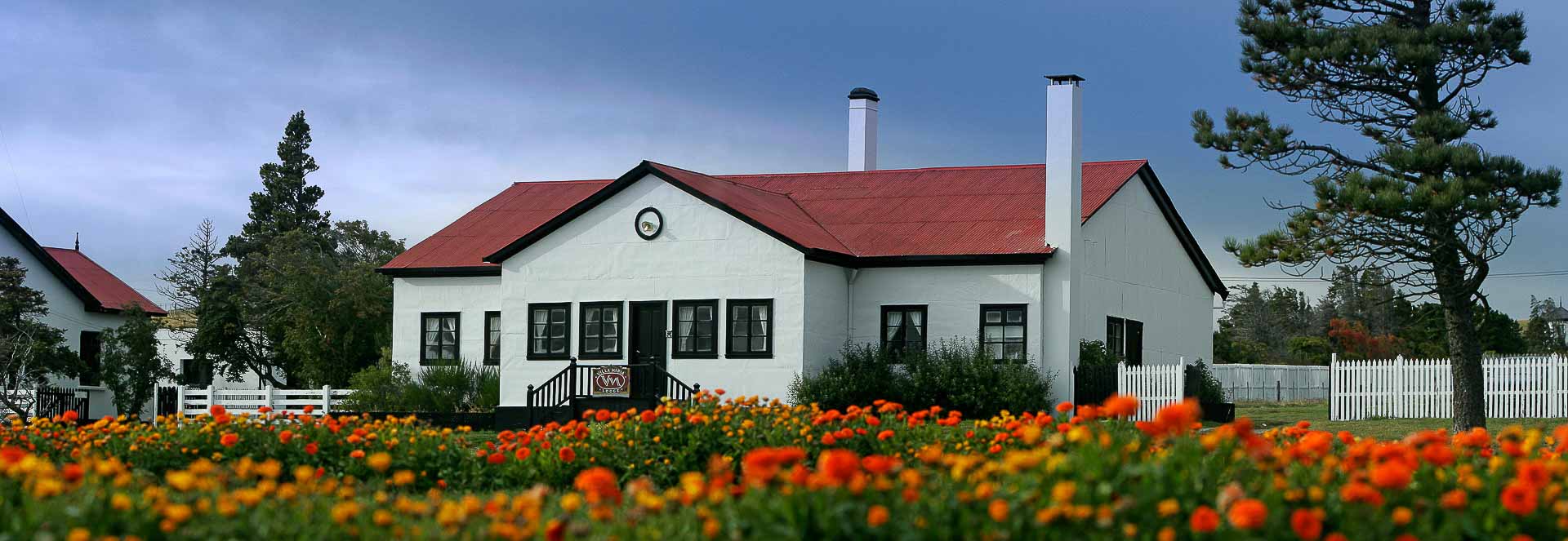
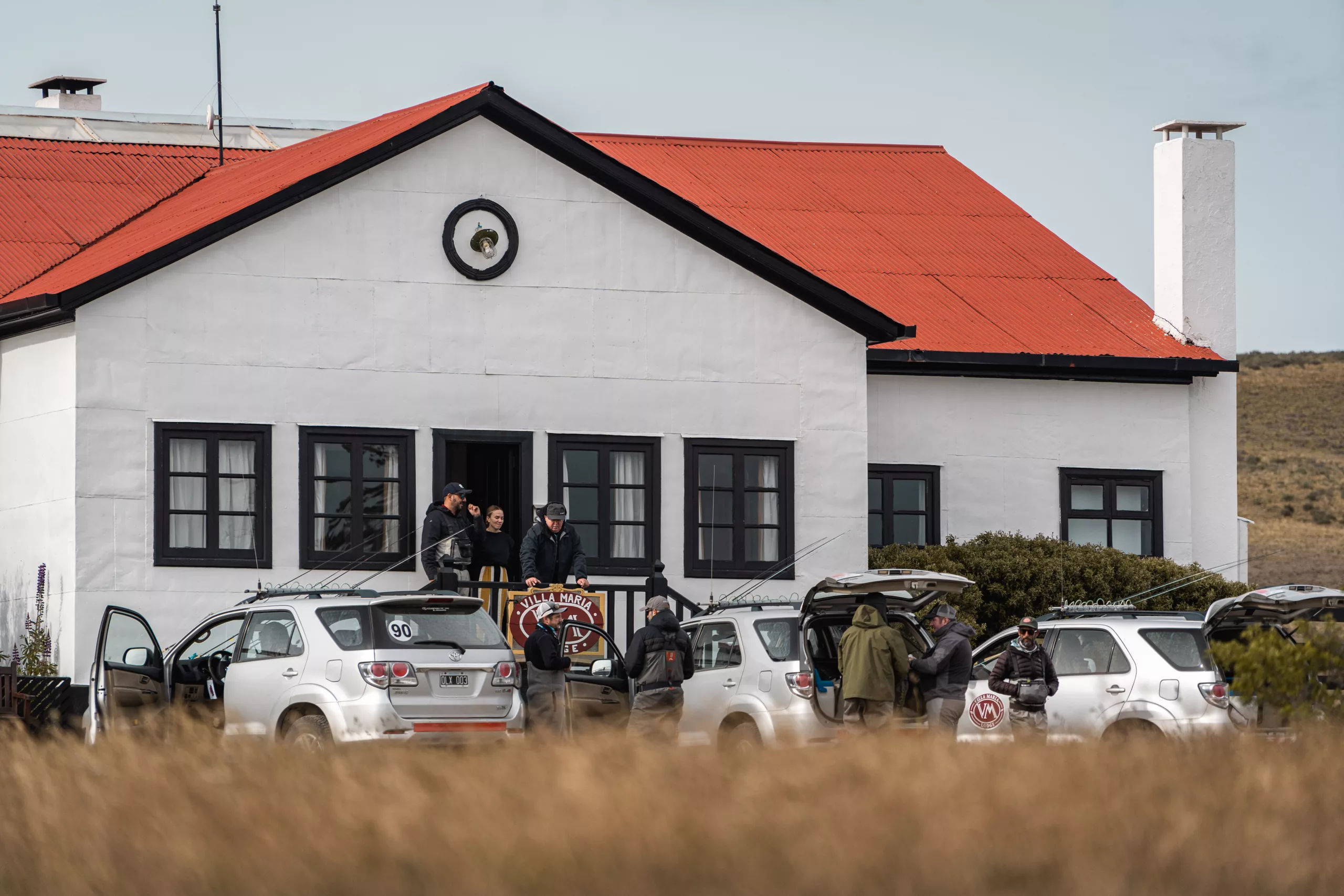
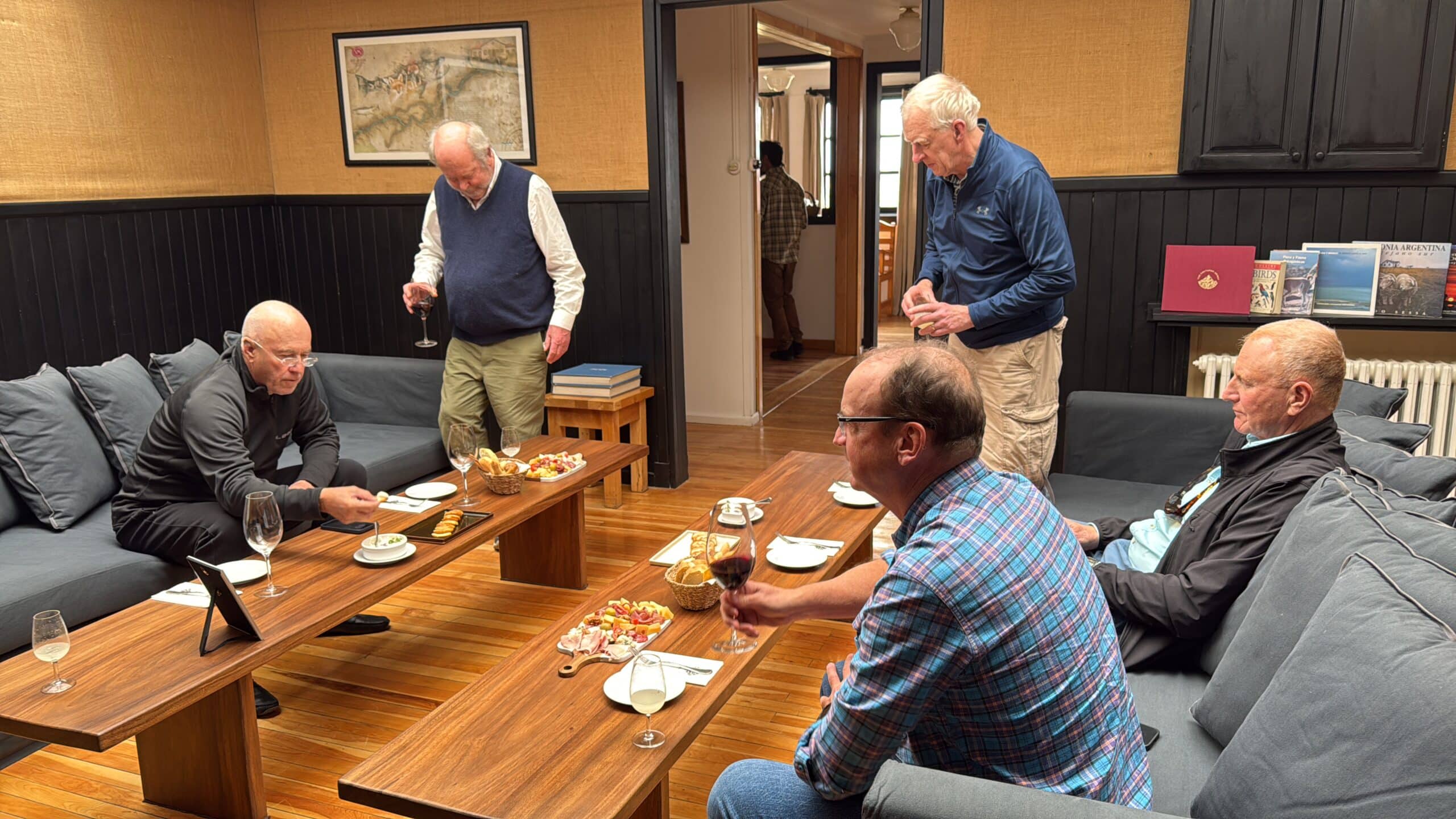
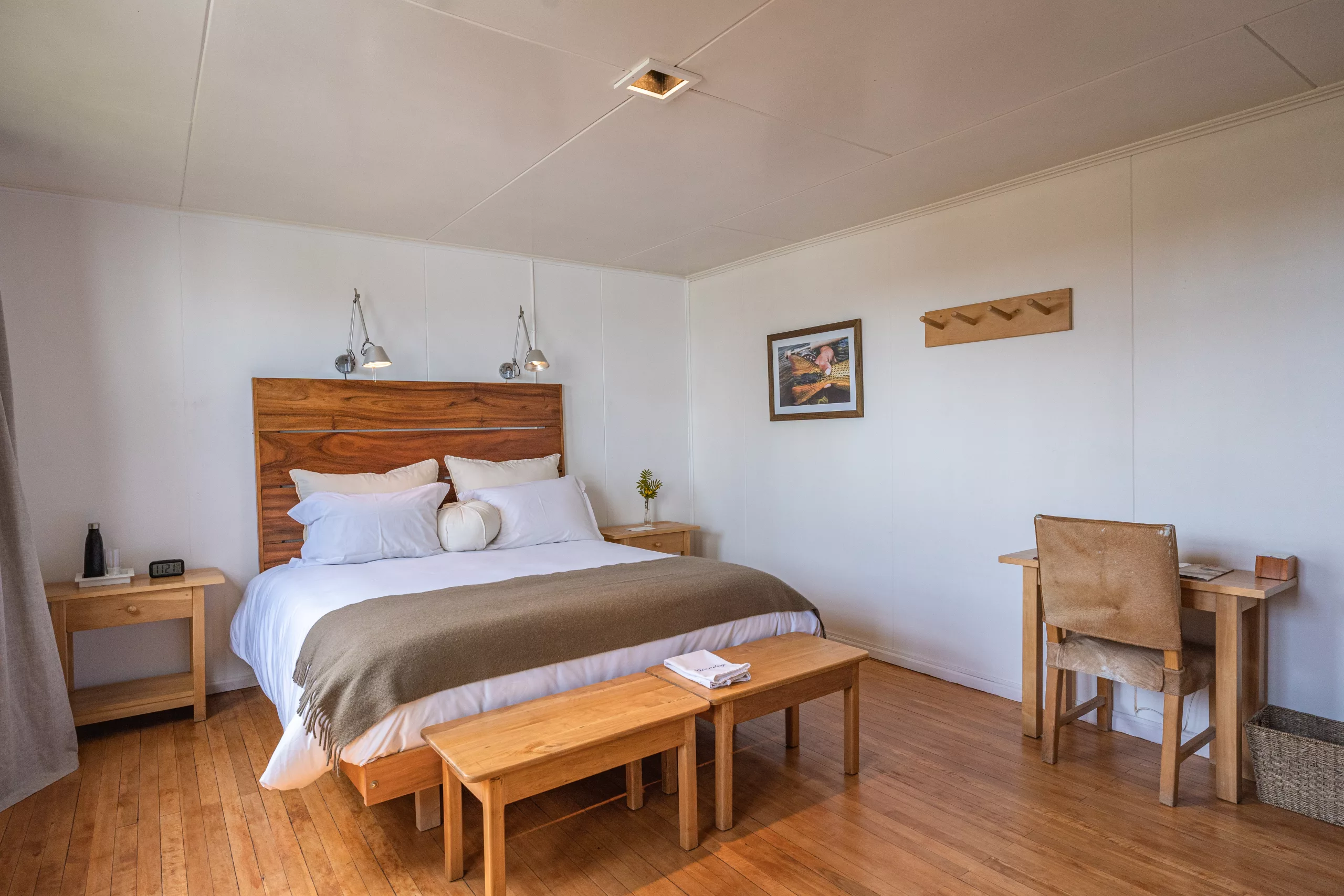
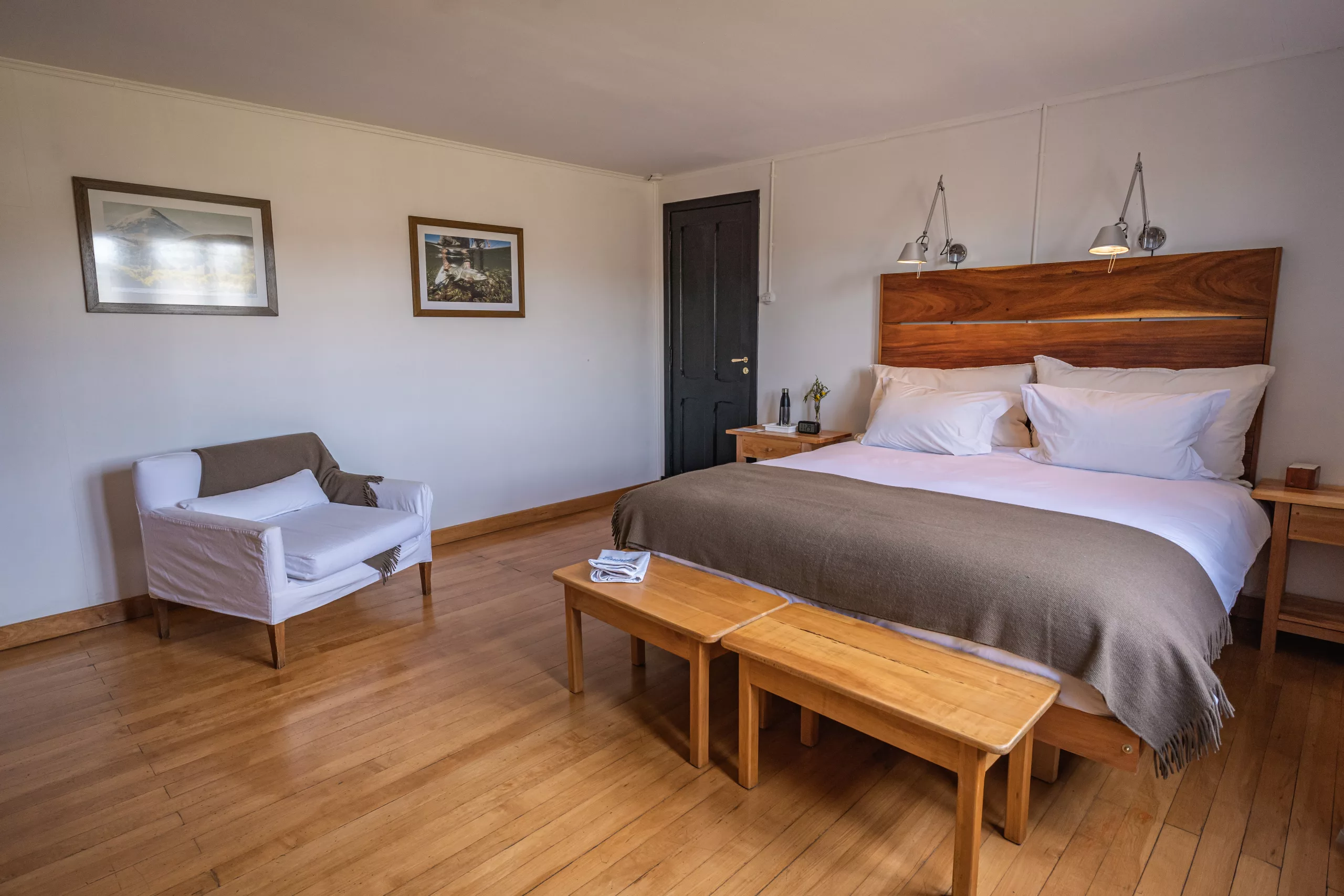
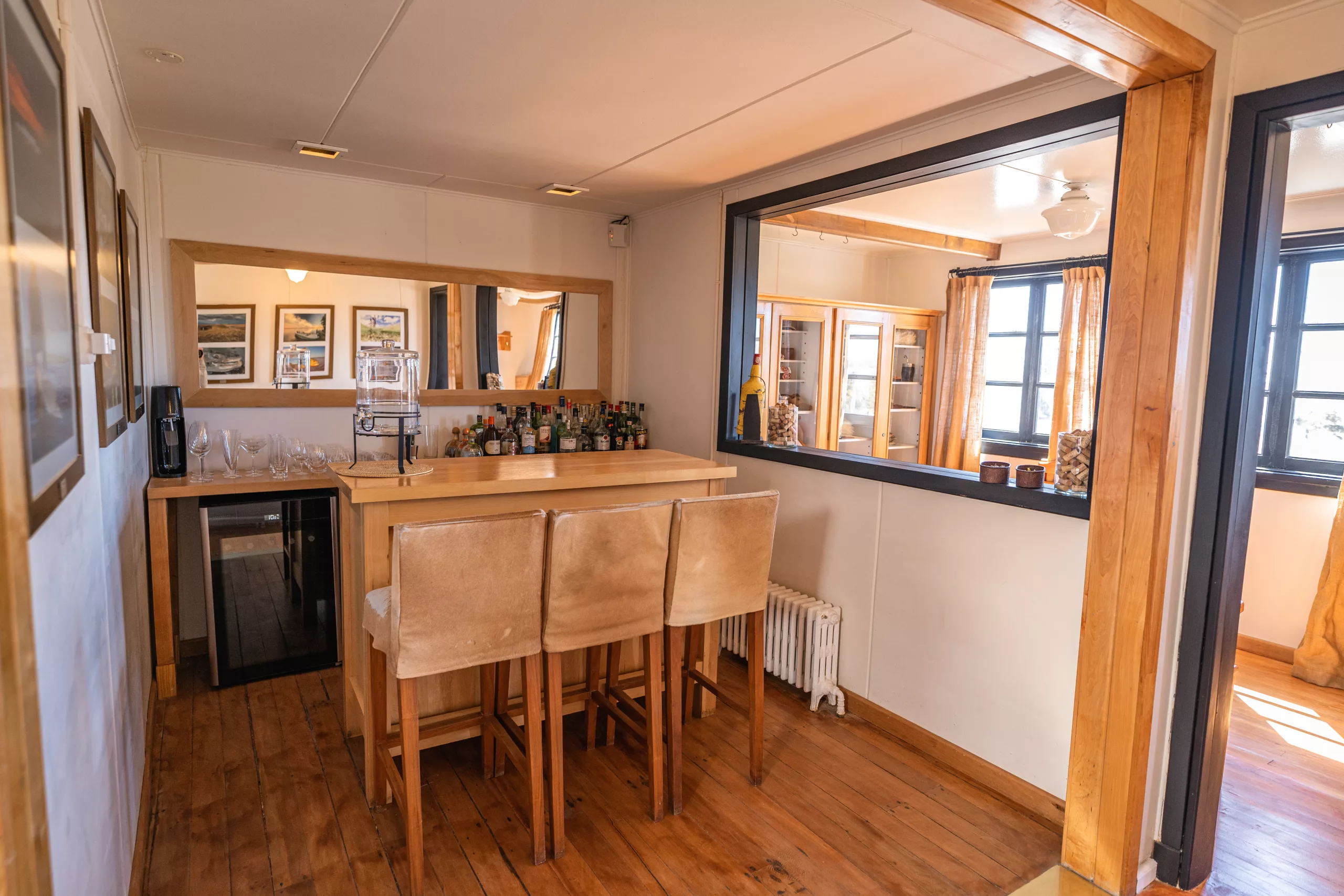
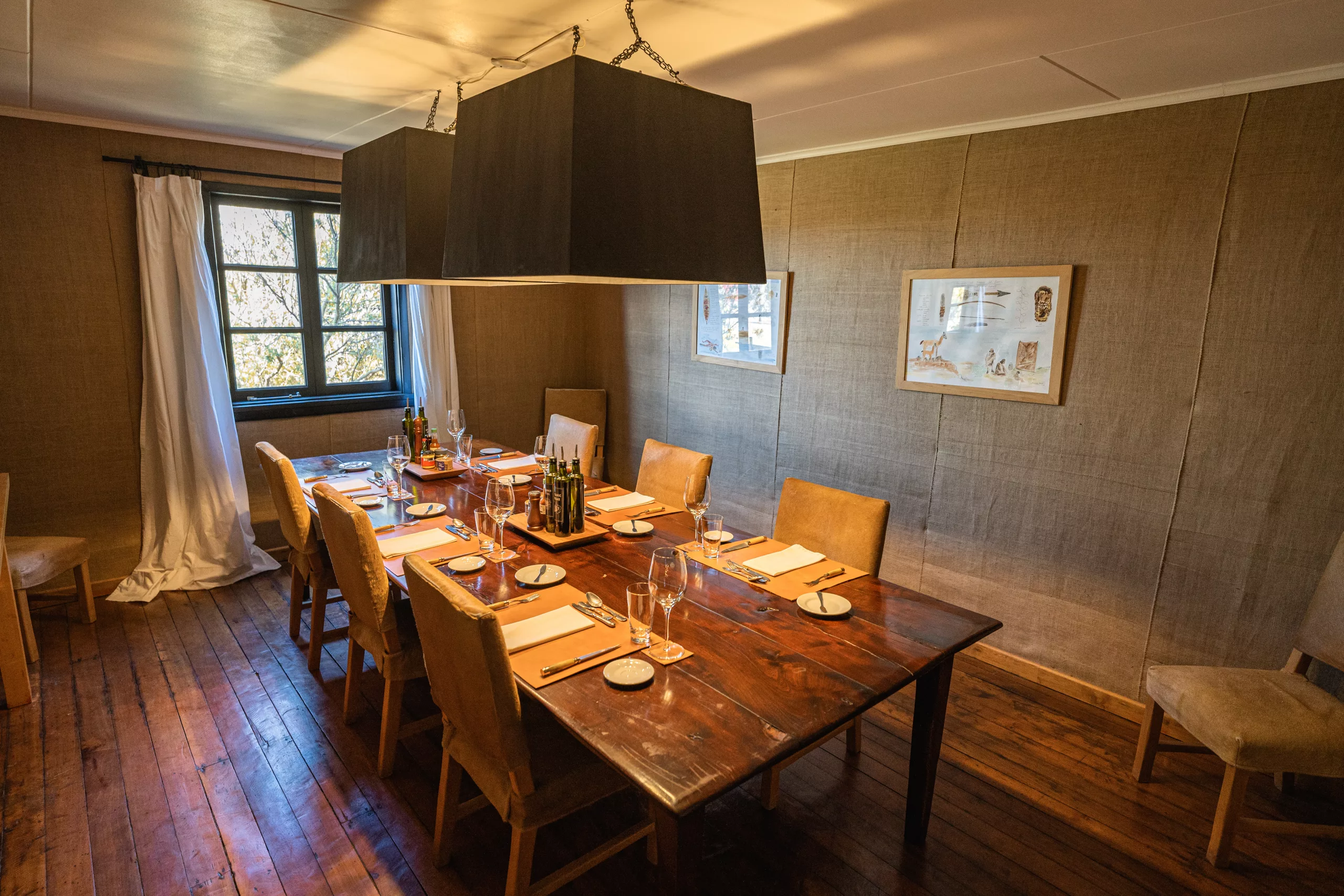
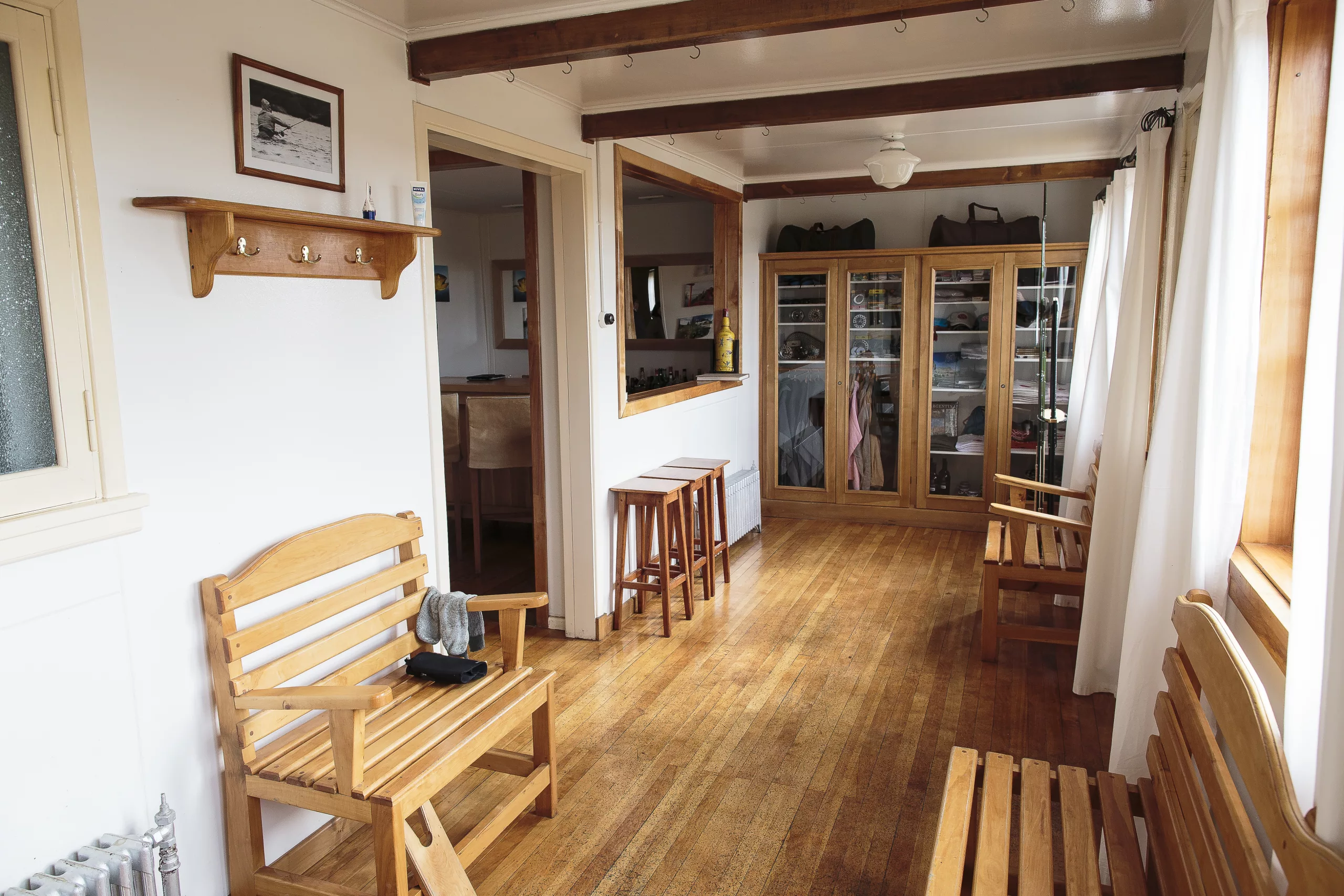
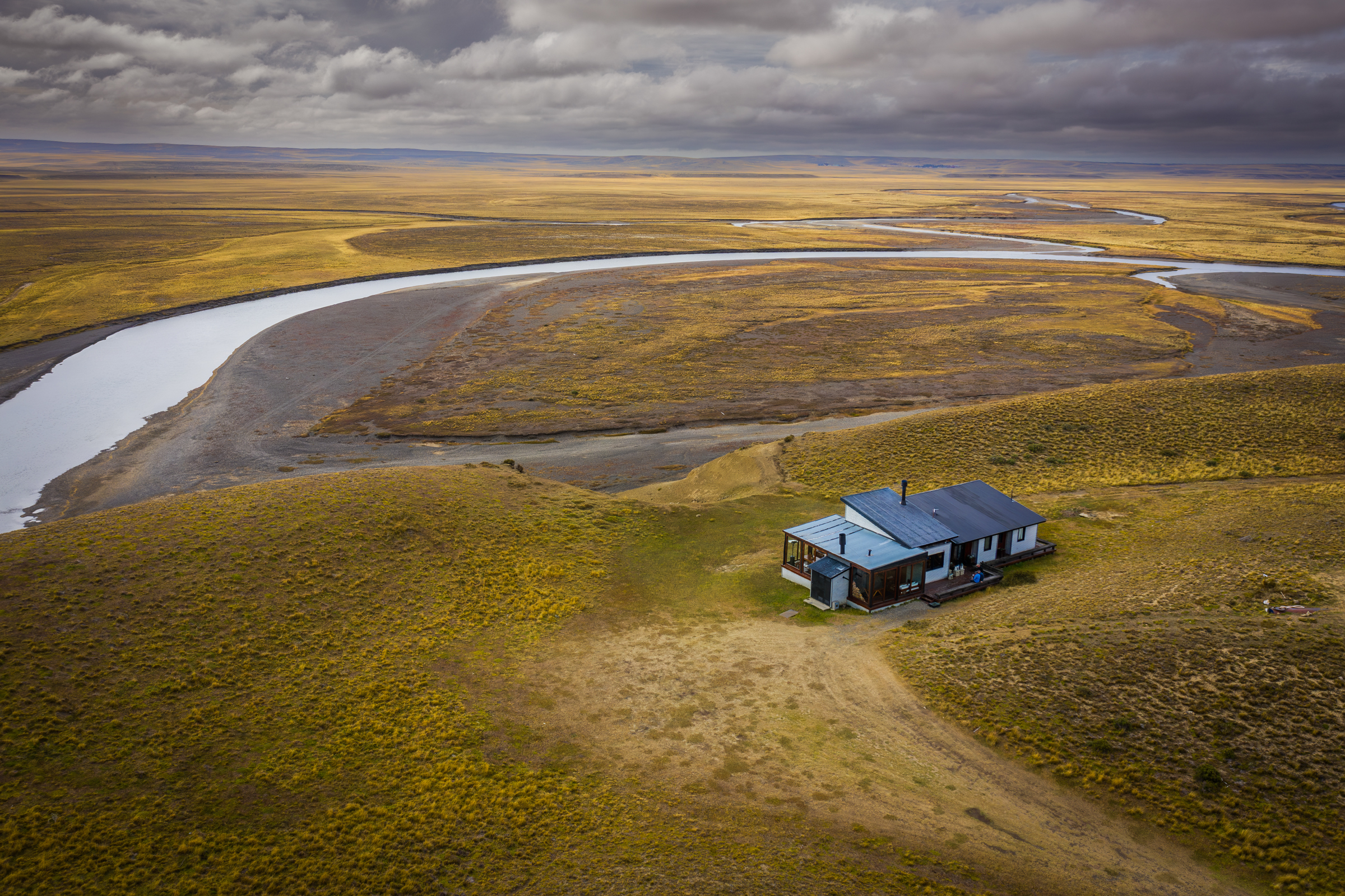
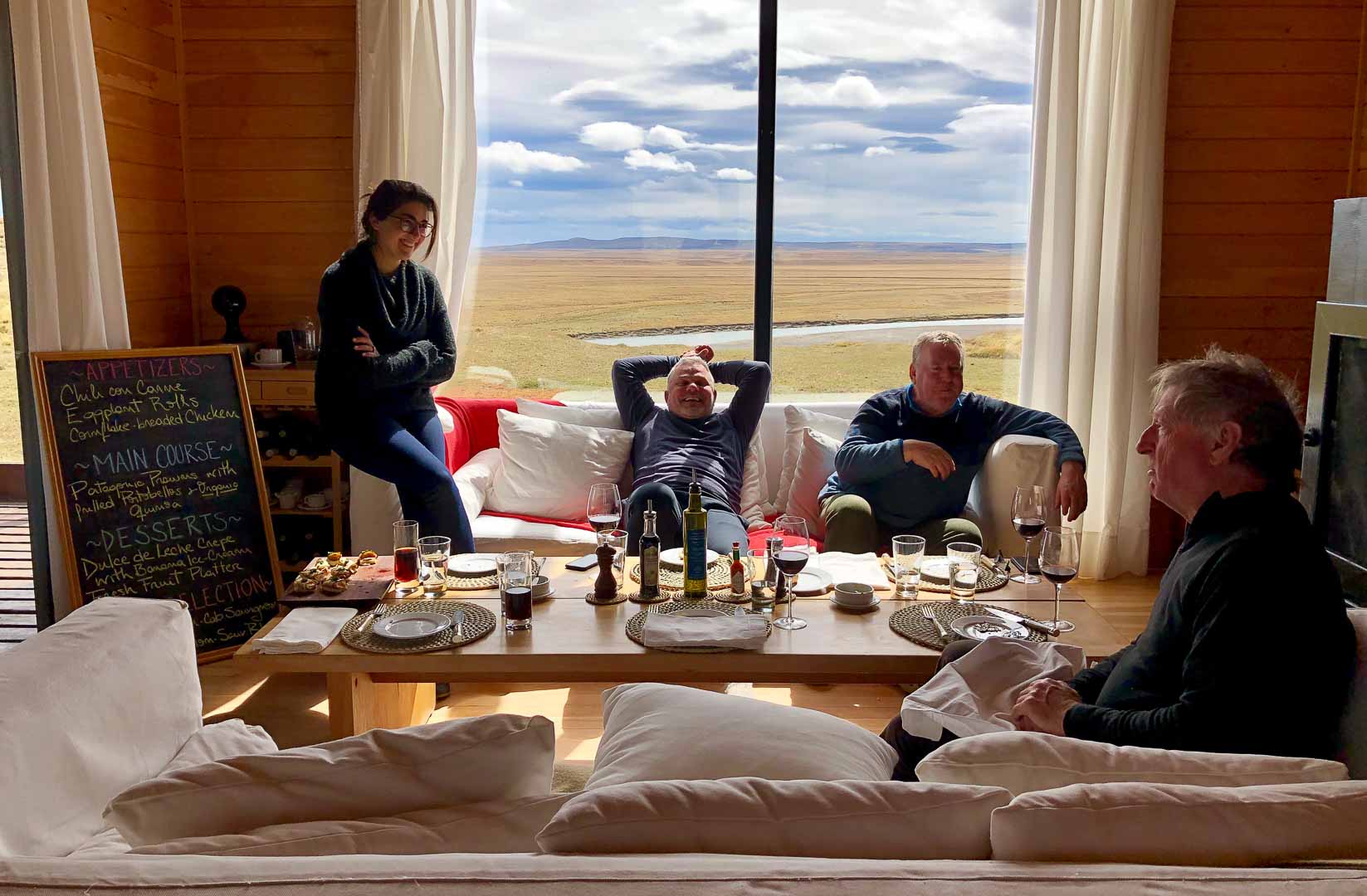
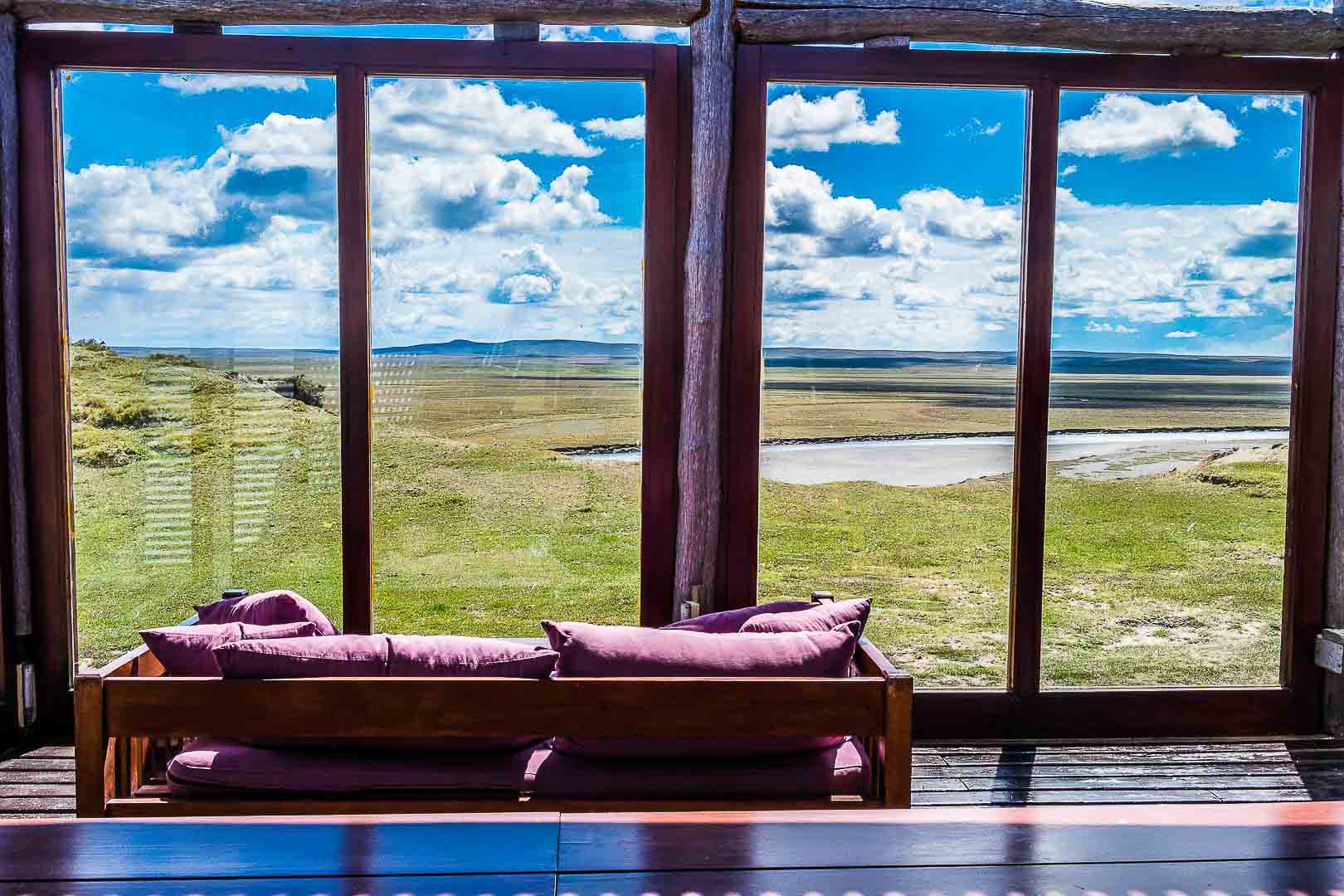
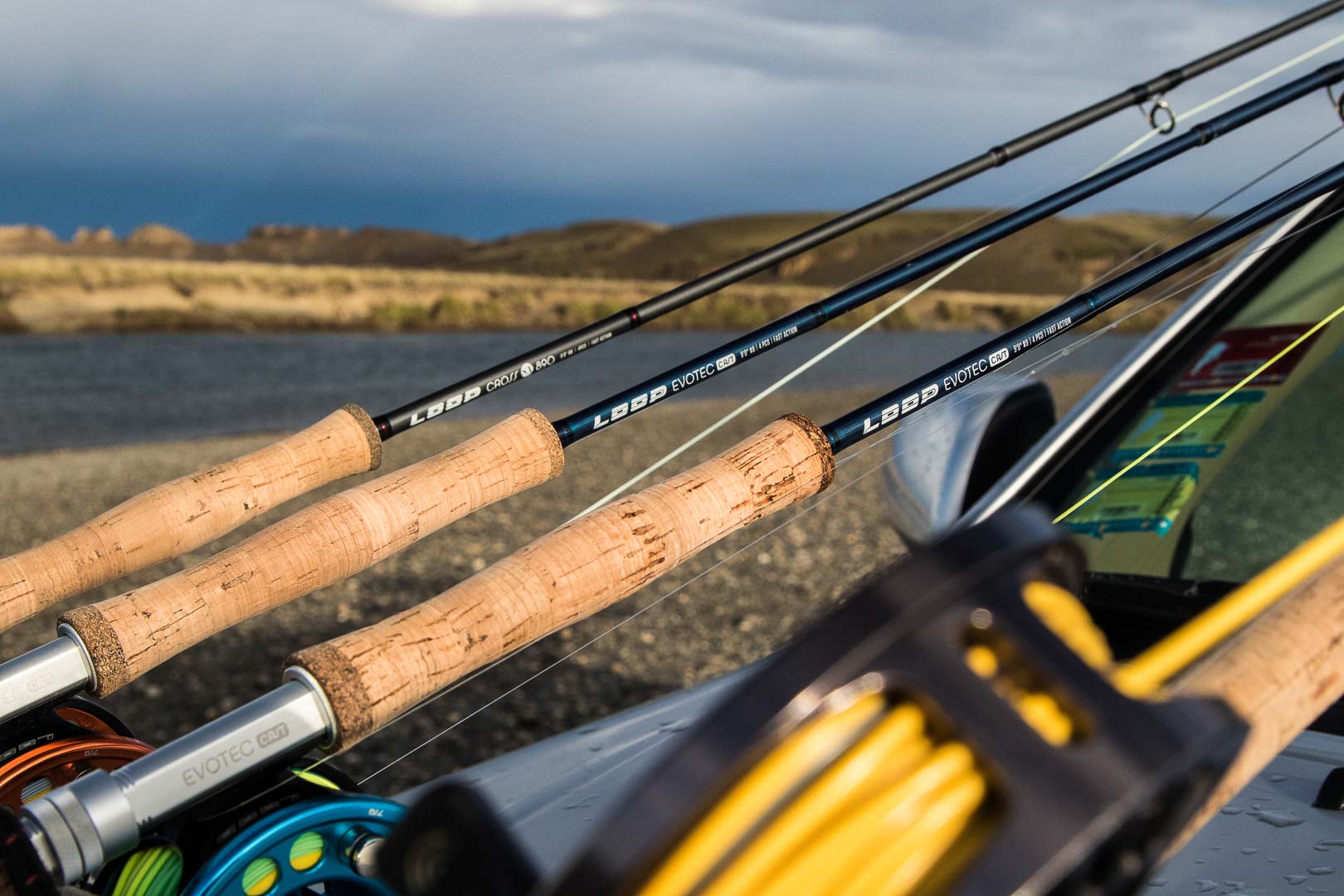
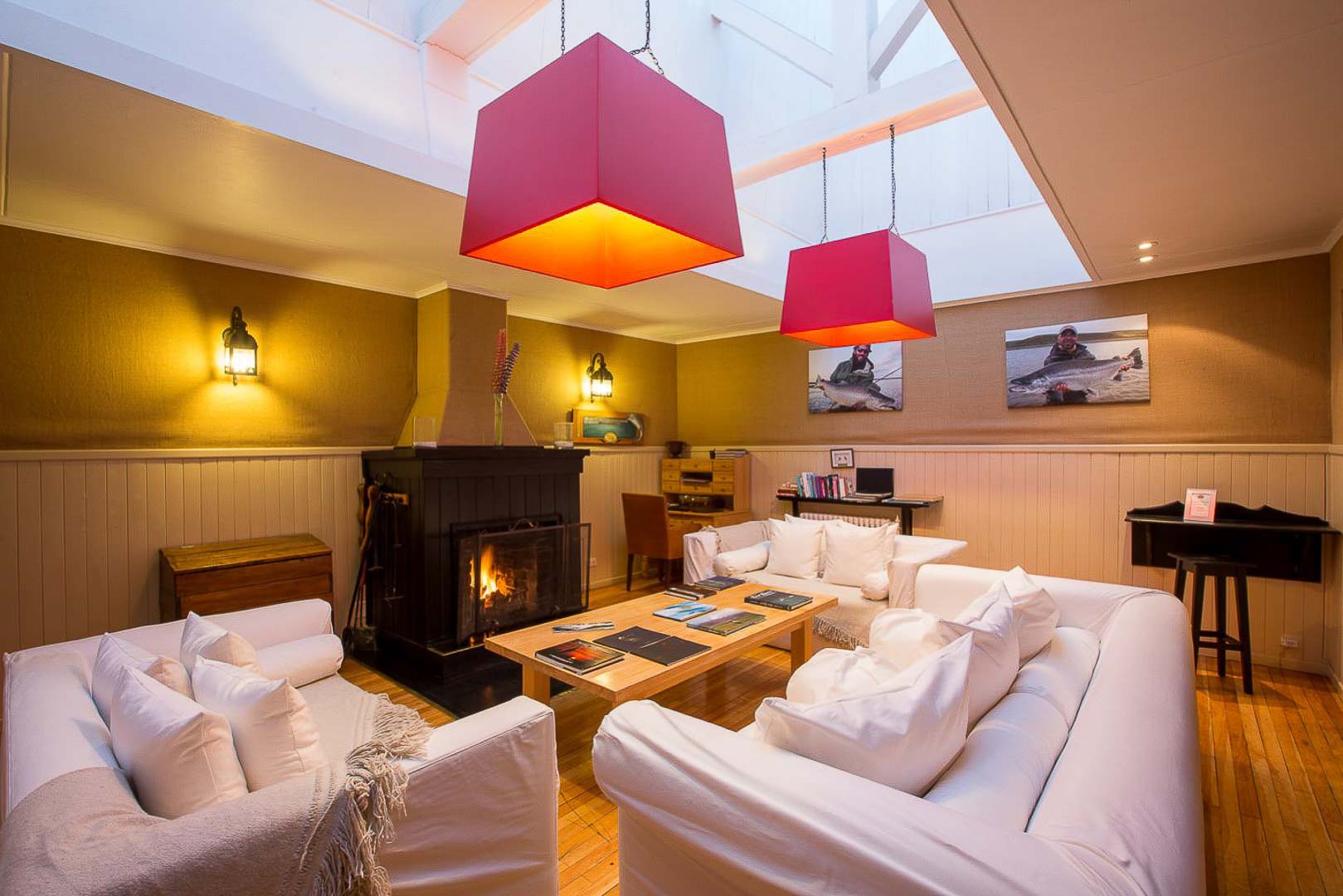
Though it appears to be a traditional ranch structure on the outside, make no mistake that Villa María Lodge is a modern, comfortable fishing lodge in every way today with 6 en suite double and single rooms, smart furnishings, and spacious living areas. Delightful meals are prepared daily by the lodge’s dedicated chef, so you will fish each day well fortified for battle with the Río Grande’s giant trout. Each evening, a roaring fire and well-stocked bar will welcome you back from the day’s adventures. The lodge has a tackle shop stocked with Loop rods, quality reels, flies, lines, clothing, and other on and off water gifts and essentials. In addition, guests have the full use of the lodge’s fly-tying table and gear storage rooms. And if one lodge was not enough, Villa María also boasts a day lodge on the river bank that is utilized to augment the daily fishing rotation. The day lodge is a small house with three rooms, including two queen-bedded rooms for midday siestas. Guests use the day lodge each afternoon, and doing so increases the fishing time and allows our anglers a place to relax at midday. Anglers may also choose to keep right on fishing after enjoying midday lunches that may include steaks or lamb cooked over open coals.

Estancia José Menéndez

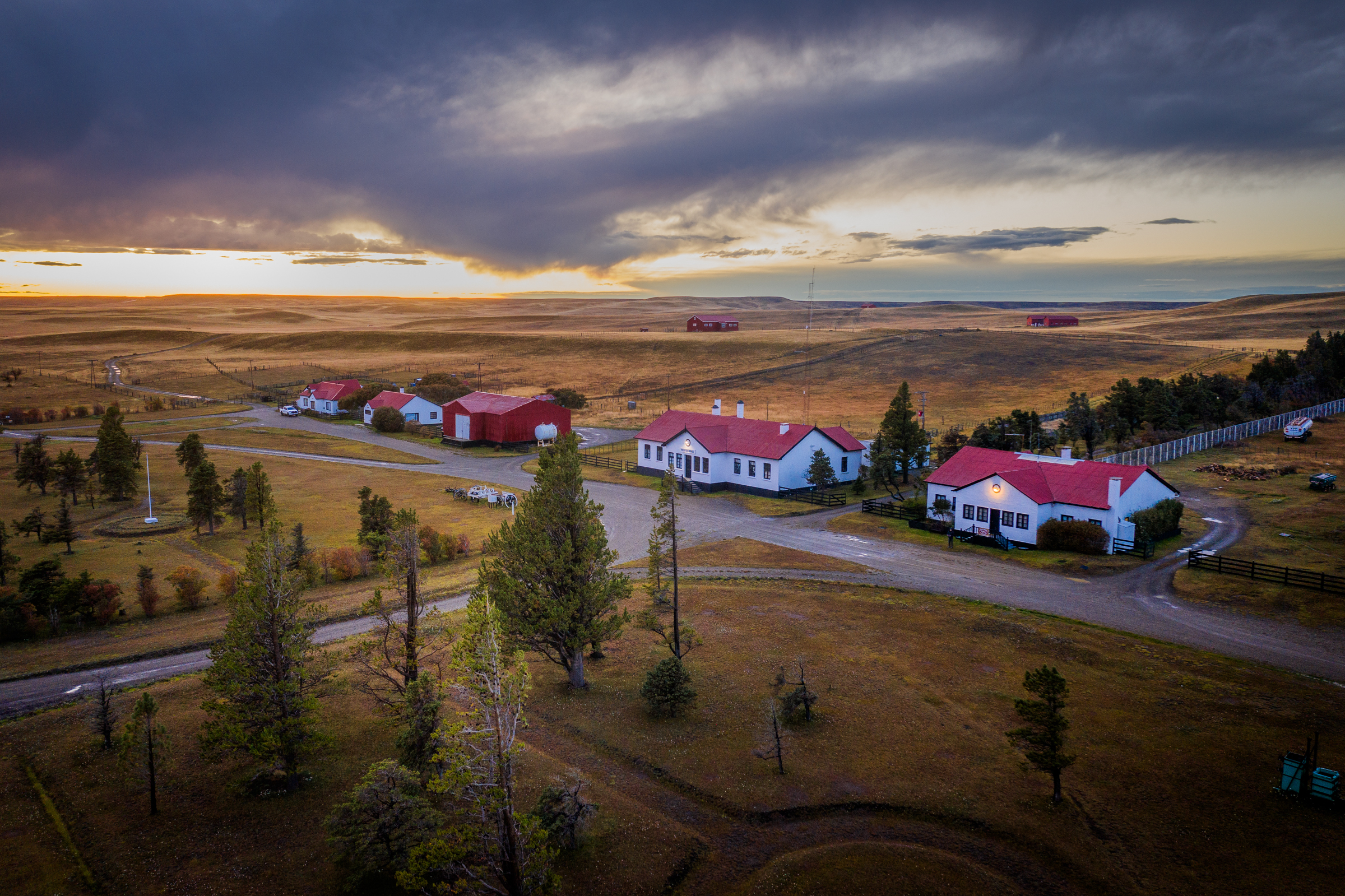
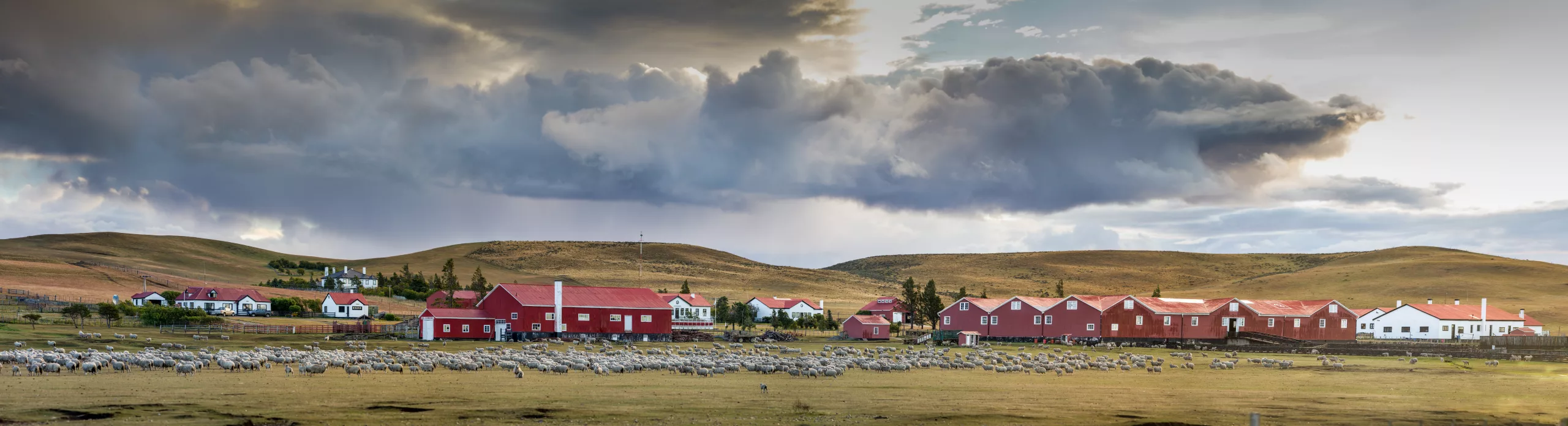
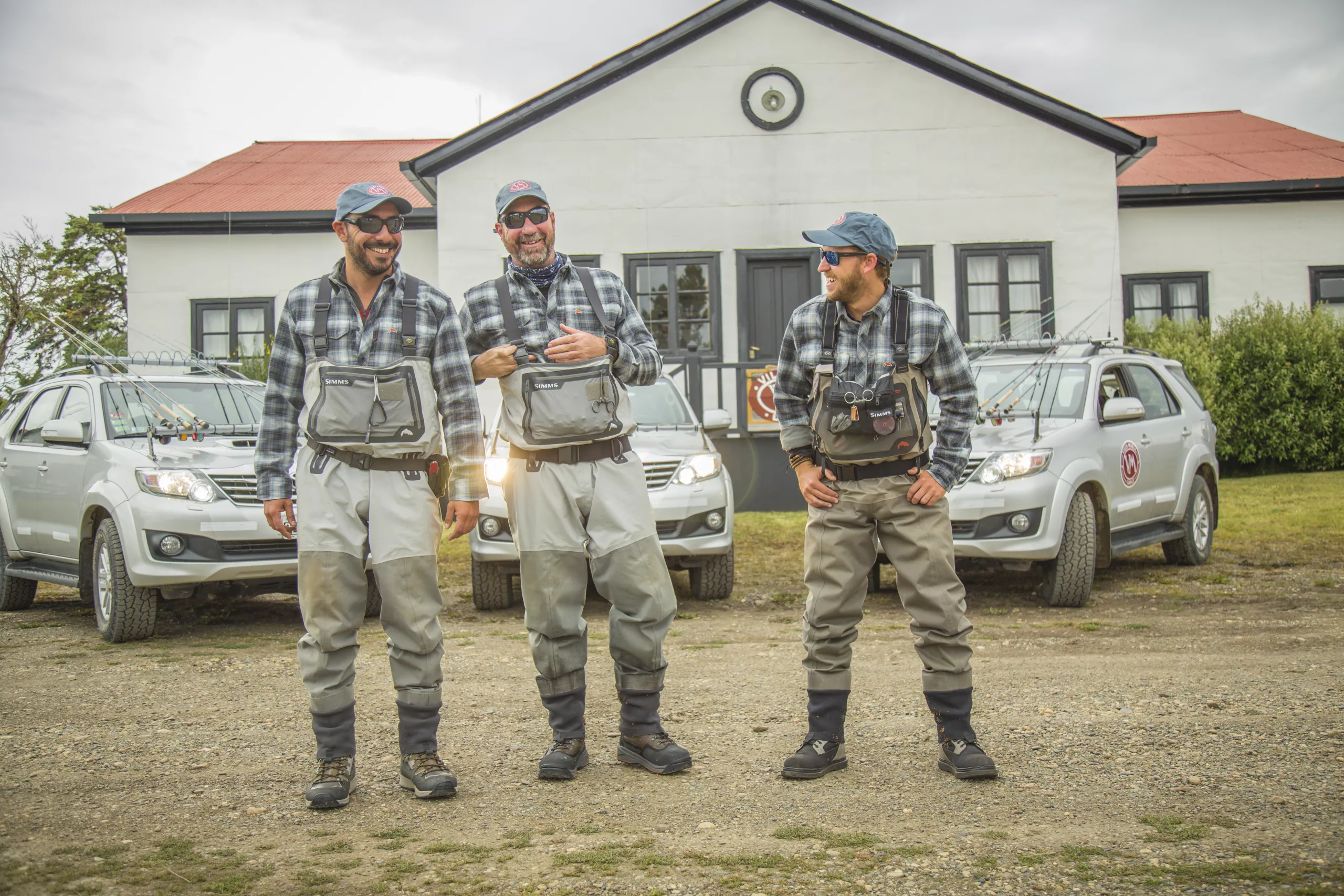
Villa María stands out immediately as a bright white building located in the heart of a cluster of buildings that is the José Menéndez Estancia. This ranch has a storied history. It was the first property for ranching baron José Menéndez in Tierra del Fuego and began operation in 1894. The ranch center was once a bustling village that supported enough family, laborers, shepards, and staff to run the vast sheep ranching operation that began on Tierra del Fuego’s barren landscape. The Menendez property also played host to a rather noted employee – slaughter house manager John Goodall – who first planted trout eggs in Tierra del Fuego’s rivers in 1940. A true visionary! Still surrounded by over 120,000 acres of grazing land, and still host to 40,000 sheep and 1500 head of cattle, the ranch property sits by the Río Grande and looks like a tidy movie set with white picket fences and colorful flower gardens. The lodge building that is now Villa María was once the ranch manager’s family home and has been completely renovated into a modern fishing lodge. 

What Time of the year should I come?

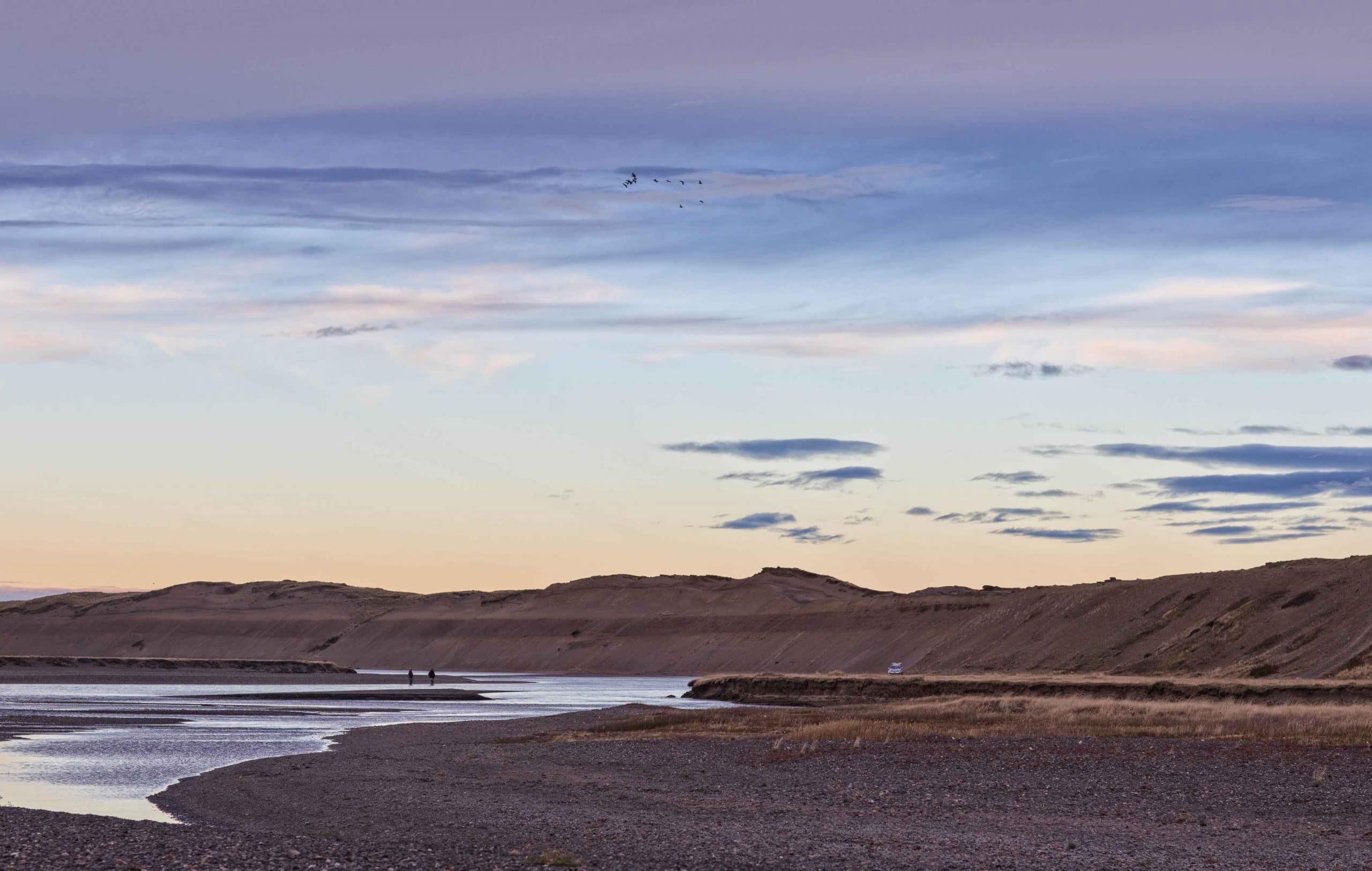
Villa María Lodge is situated in the lowest part of the Río Grande just a few hundred yards away from the tidal section of the river. This location impacts directly how the fish behave and how the fishing develops throughout our season. The regular fishing season on the Río Grande runs from November 1st until April 15th. As Villa María Lodge is situated in the lowest stretch of the Río Grande, the water level is the biggest factor affecting our fishing tactics, fly selections, and the behavior of the fish themselves. Every liter of water that enters the river system enters the estuary, meaning any water event, even in the highest reaches of the drainage can change our conditions. For instance, during a normal season, our section’s levels in November and December are higher and can become quite fast. This leads to the use of very heavy rod & line setups, including super-fast sinking lines and big flies. During high flows, we may also find the river uncross-able, preventing us from fishing the other bank. All this limits the possibilities and chances to properly fish the pools and catch fish. This phenomenon typically occurs again in April due to the melting of the early Andes snows and the autumn’s precipitations. 
This is why Villa María Lodge opts to run their fishing season during January, February, and March ensuring our anglers find the river in optimal condition. During these months of stable flows we are able to use comfortable angling setups, and encounter safer wading situations. Freeing our guides and anglers to fish from both banks, in order to use pool-specific techniques and adjust for varying angler skill levels and wind levels. Considering all of the above, we typically look at the Villa Maria season as broken into three parts: January (opening), February (mid-season), and March (End of season).

January (opening)

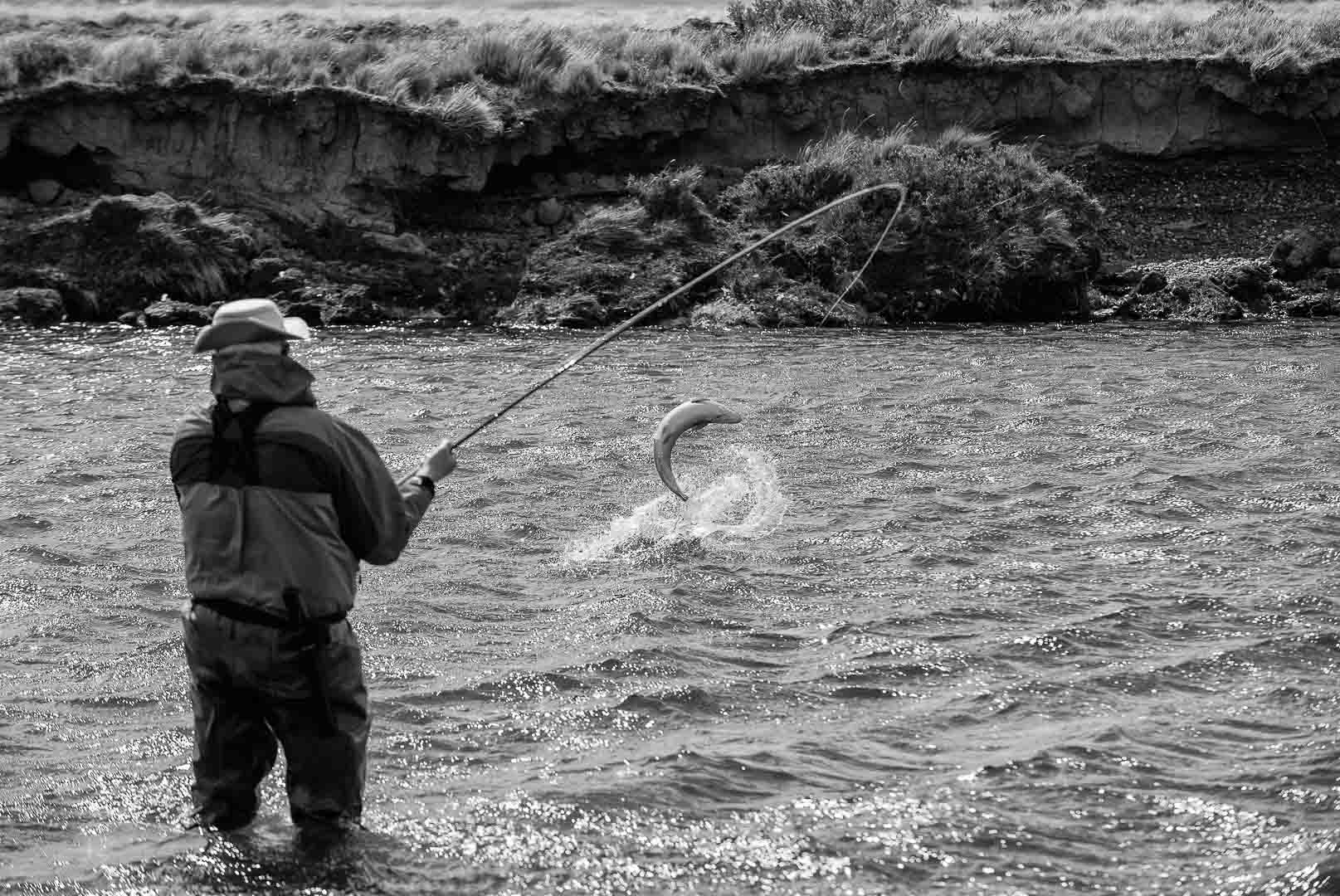
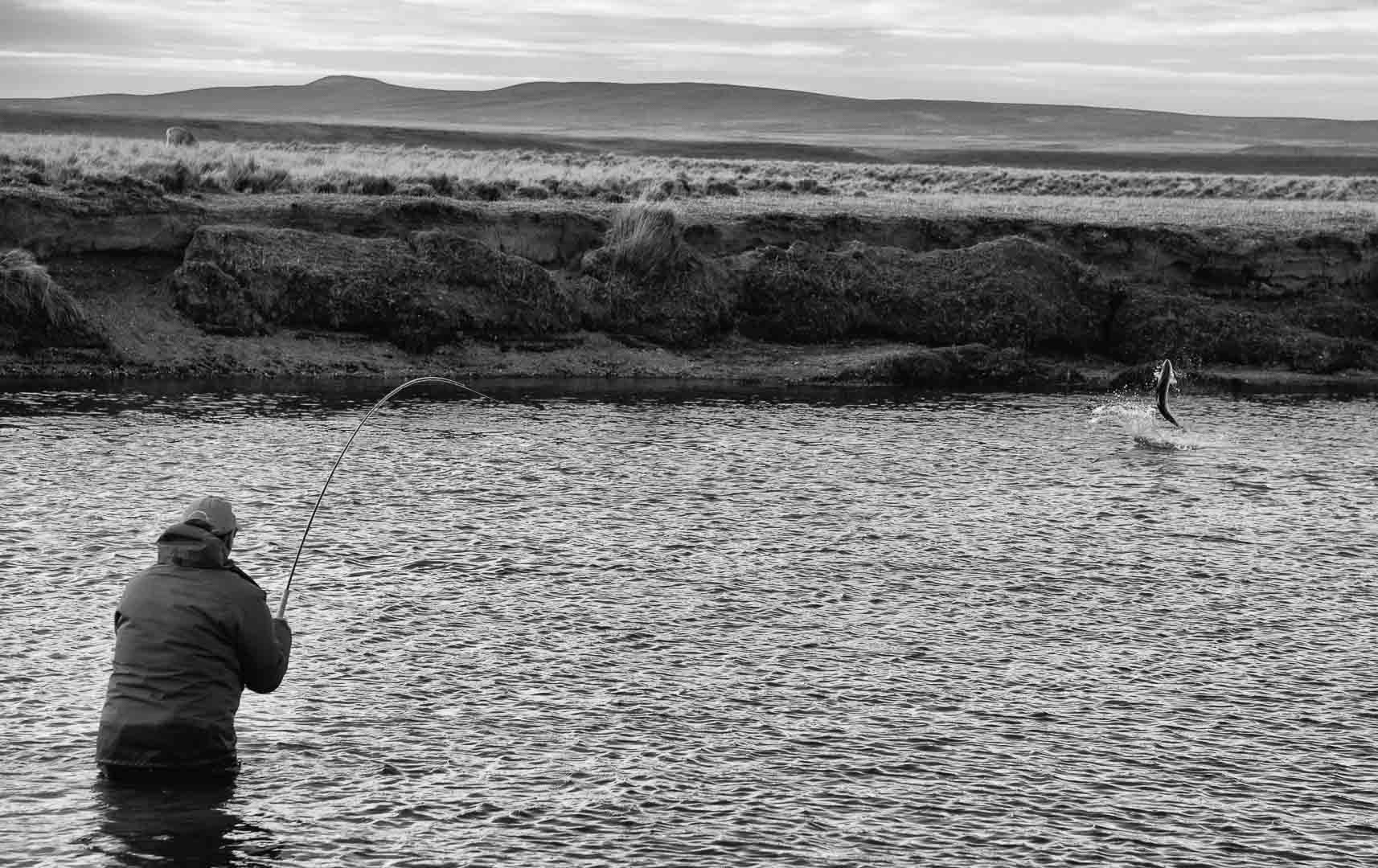
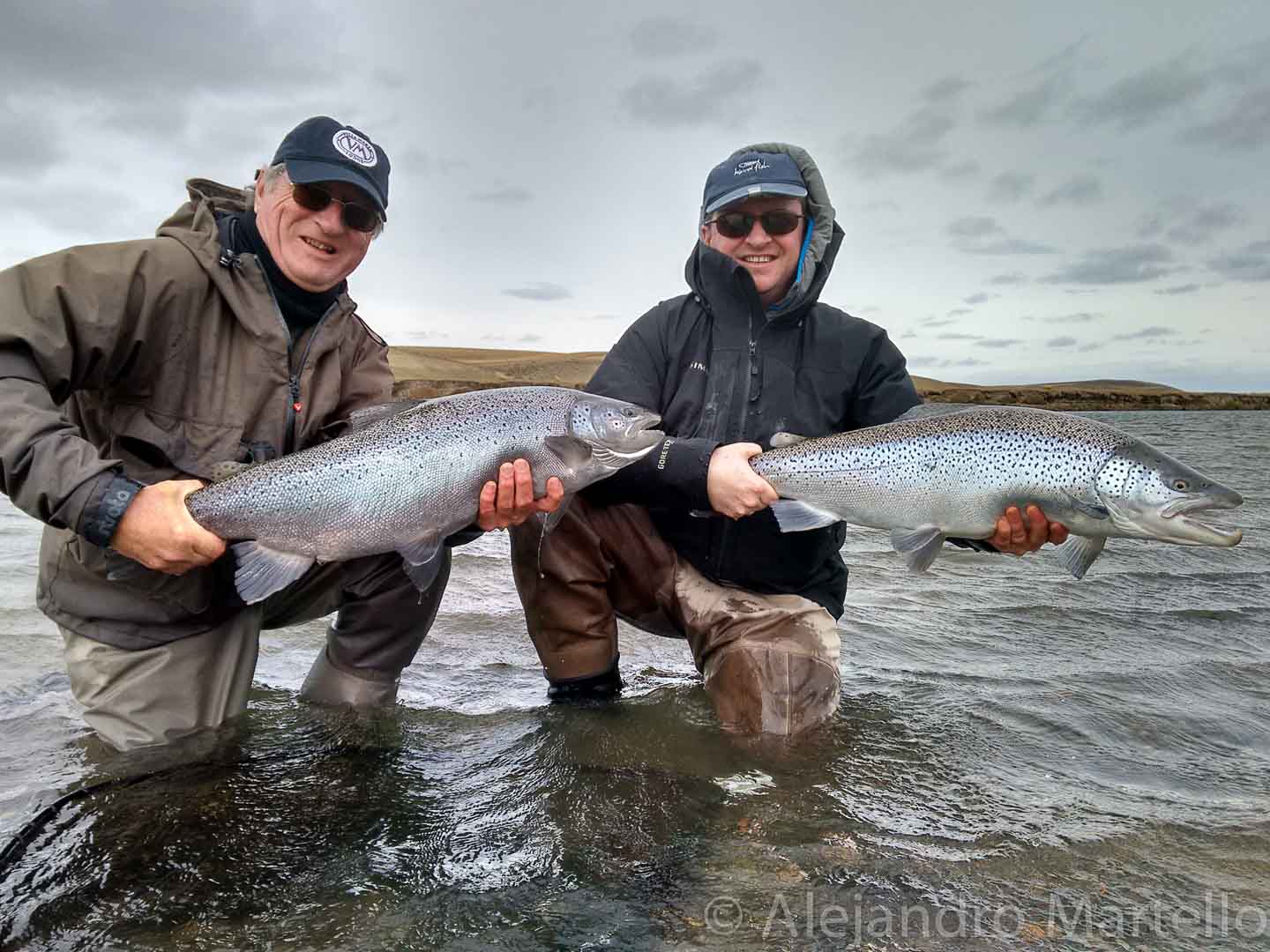
At the beginning of January, you will find the river at a good level, with fair-to-good visibility. Most of the pools will have a consistent flow and speed from their head to the tail out. The water level typically decreases throughout the month and the water clarity will also improve accordingly. In January you will be fishing almost exclusively for sparkling fresh fish. Fish that just got into the river that same night and some that have been in the system just a few days. Medium-to-large chrome fish are the norm and we typically catch more egg-laden females than male sea trout. Sometimes at a ratio of 10-to-1. It’s not that the males are not there, but they are not aggressive enough to start taking flies. Most of the fish will be located in the heads of the pools and will be aggressive towards flies swinging by. Visually, this is a sight to behold. You will watch as fresh fish porpoise and rooster-tail into new pools and it’s not uncommon to see schools of fish running from pool to pool through the riffles. 
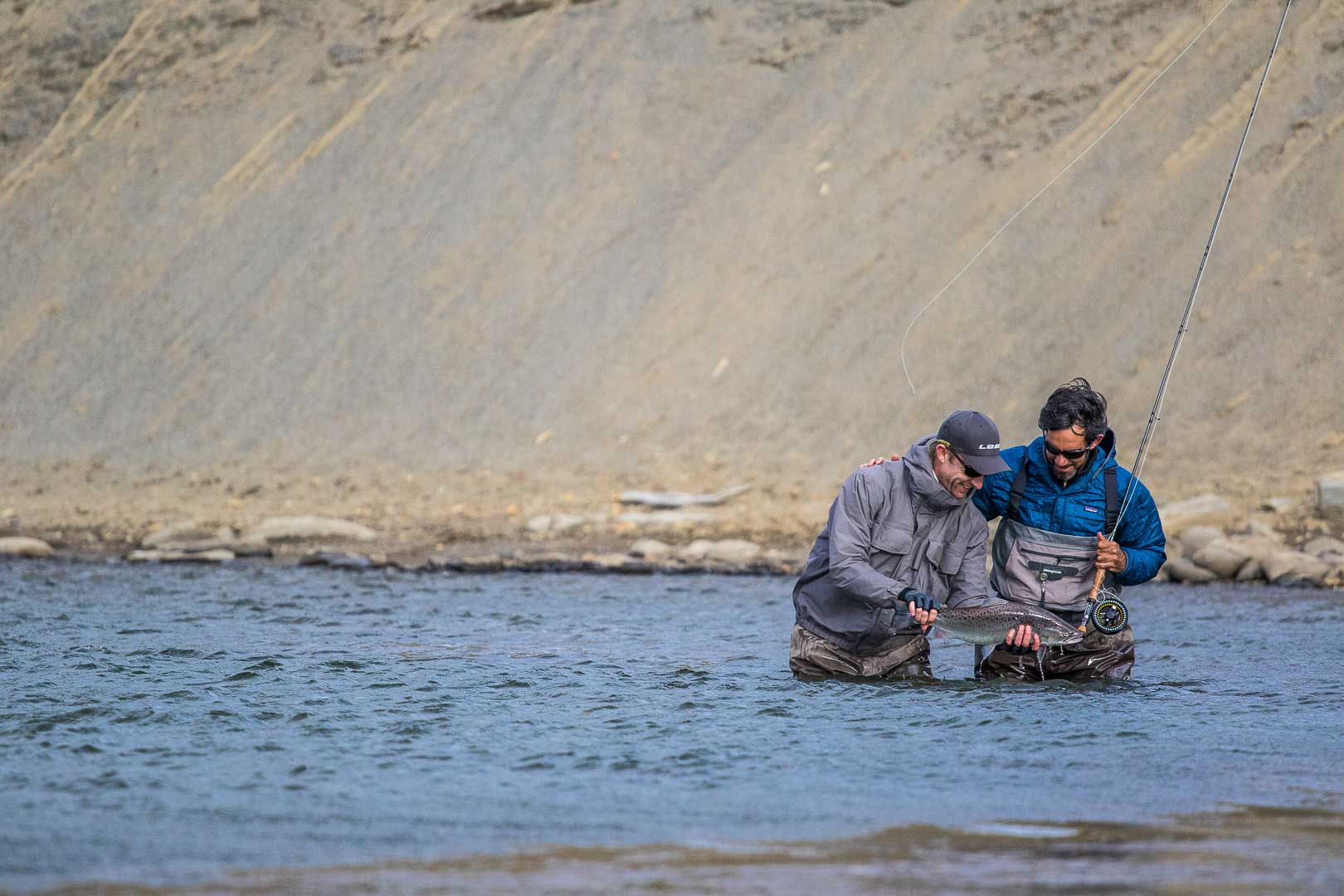
During this month, especially in the first 3 weeks, the fish are very dynamic and they move very quickly upstream. A pool that was packed in the morning session can look pretty empty during the evening and pools that looked dead for a couple of sessions or even days can come to life fast as the fish stop, rest, and run through them. That’s why during this time, the guides move a lot and fish several pools during the fishing sessions and the action can take place anywhere at any moment. 

January’s tactics are as dynamic as the fish stop and settle in different types of pools. You will fish deep classic bends that are beautiful holding pools and you will fish runs and shallows full of rocky structure. Most of the time you will be casting fast-to-super-fast sinking tips and medium-to-fast sinking shooting heads. But intermediate tips are gaining popularity rapidly as they are very nice to cast and they allow us to fish shallower pools and rocky places during windy days where a floating line can be pushed and dragged by the wind giving the fly an unwanted speed. 

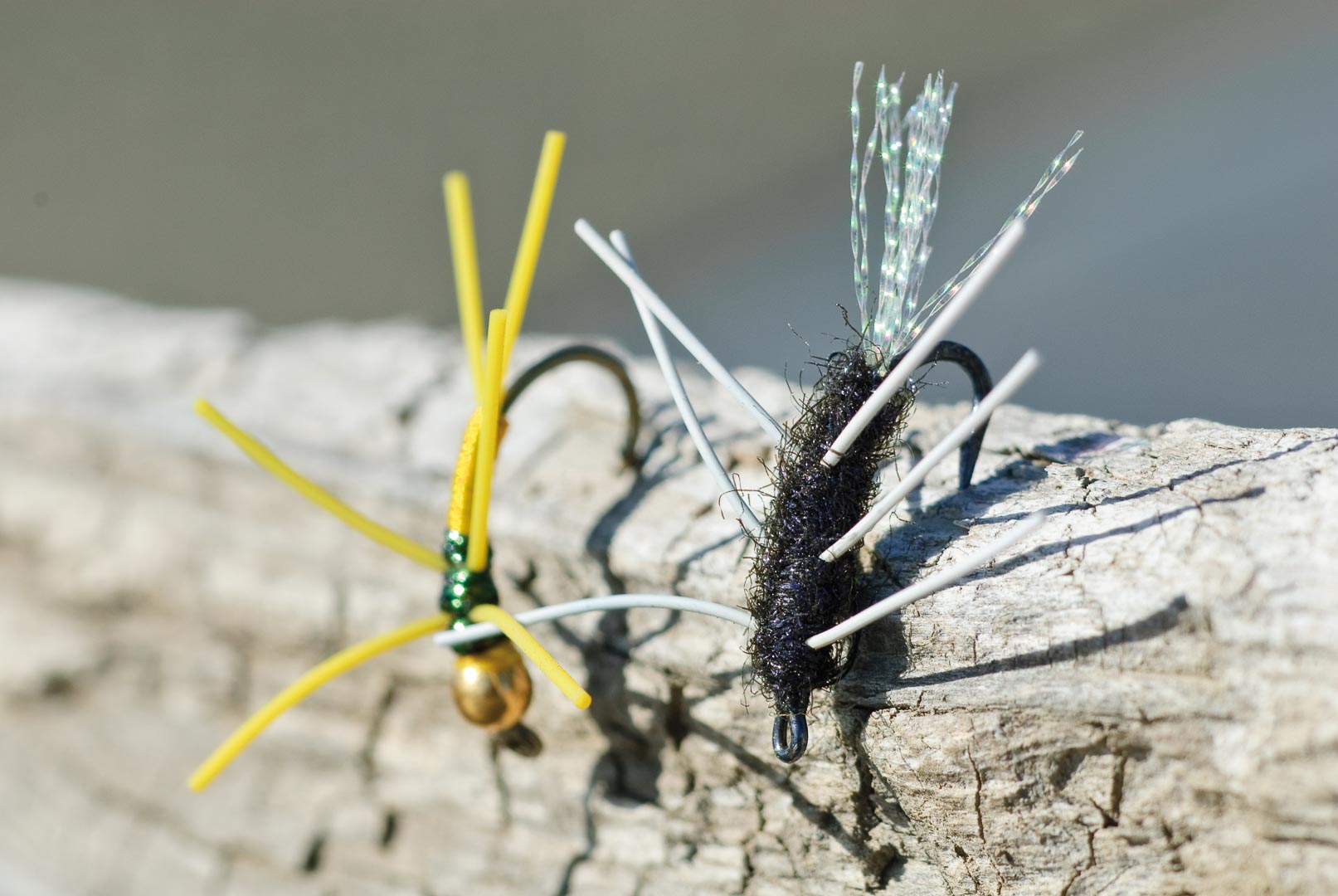
With regards to the flies, most of the time you will be fishing big rubber legged flies like those classic girdle bugs, yuk bugs, and the infinite derivations of those patterns. Streamers and leeches will also be thrown during the day. Some tube flies like Sunray Shadow are fantastic to use in shallower water attached to an intermediate line. Of course, these flies are not the only patterns that will catch fish. If the water conditions – and speed – is good enough you will start fishing with smaller nymphs, as well.
February (mid-season)

During February (and the end of January) the river keeps dropping, the pools start to flow slower, the water clears, and warms, as February is the warmest month of the year in Tierra del Fuego. All this leads us to wade and cast carefully, use lighter rods and lines, longer and thinner leaders and we also start using smaller flies. From the first cast of the day, the fish get more skittish, and starting with a heavy line with a big profile fly can be counterproductive most of the time. 

In February, fresh fish keep coming in numbers riding each tide, especially the first two weeks of the month. We typically find a very healthy mix of fresh, chrome fish and their earlier-arriving cousins who have been in the system since late December and January. During February, the running fish are typically smaller. Of course, there are fresh sea trout running weighing in the high teens, but due to the lower level of the river, the bigger fish might find it too difficult to run up through the lower river’s shallows. 

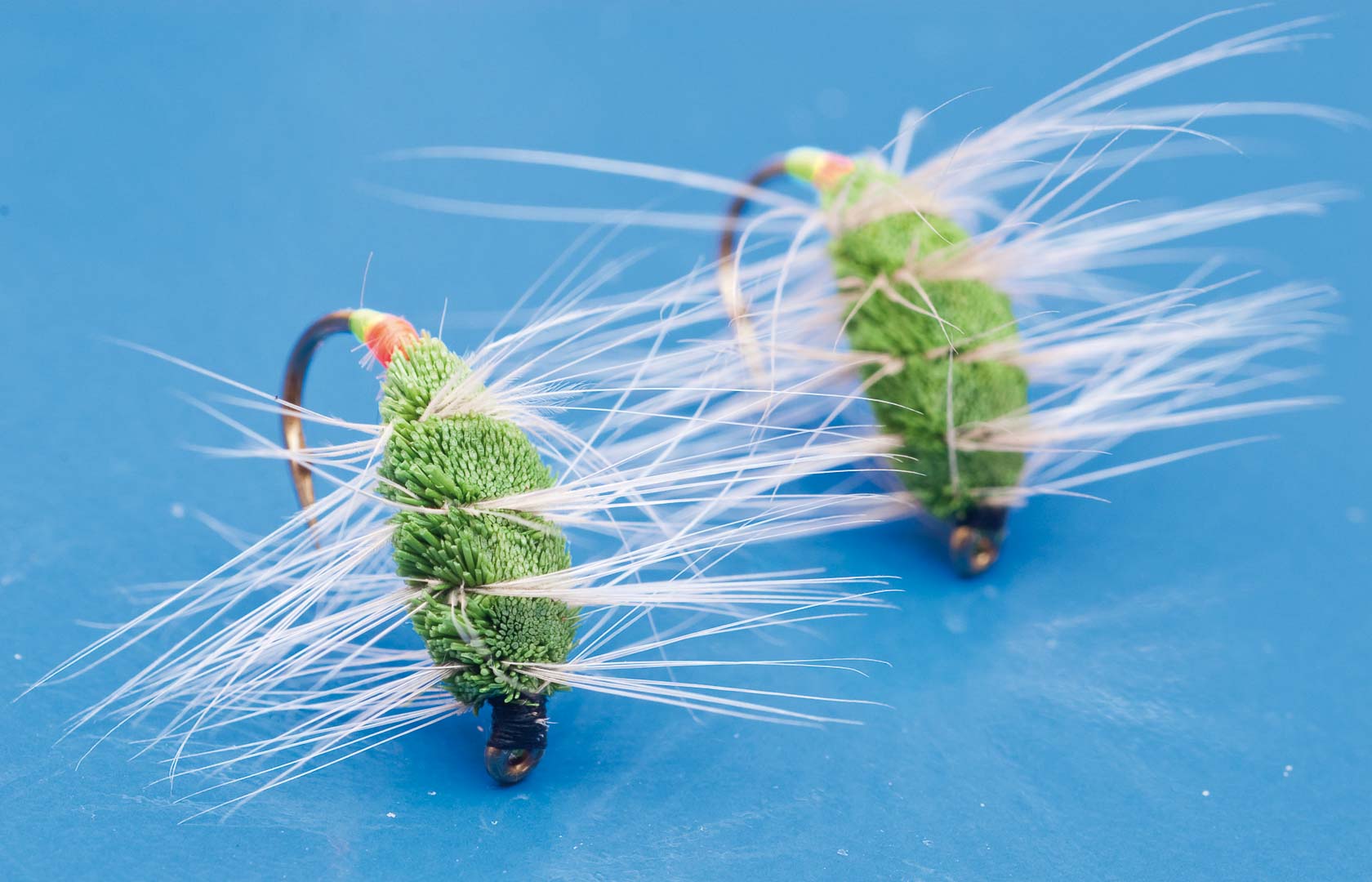
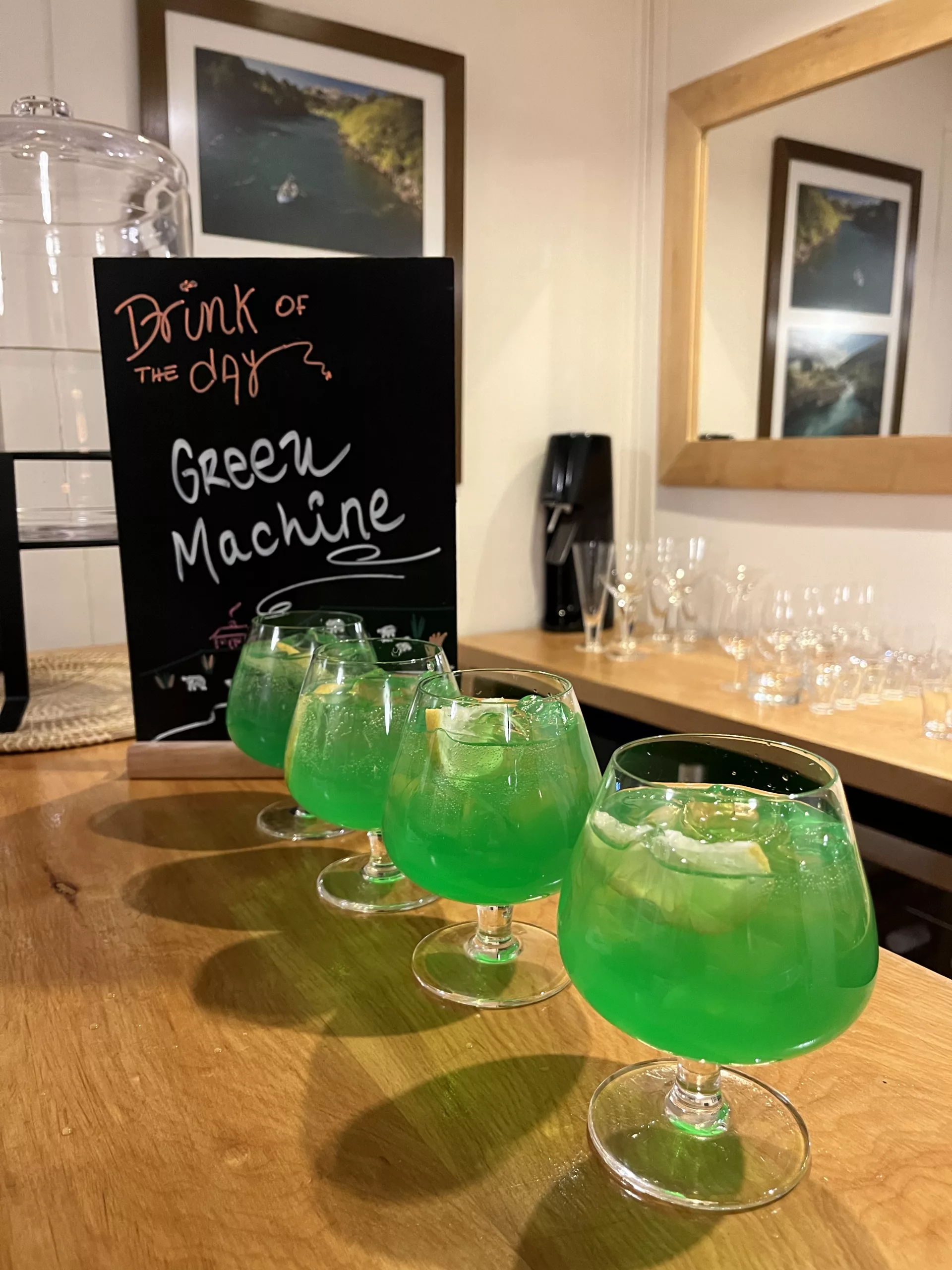
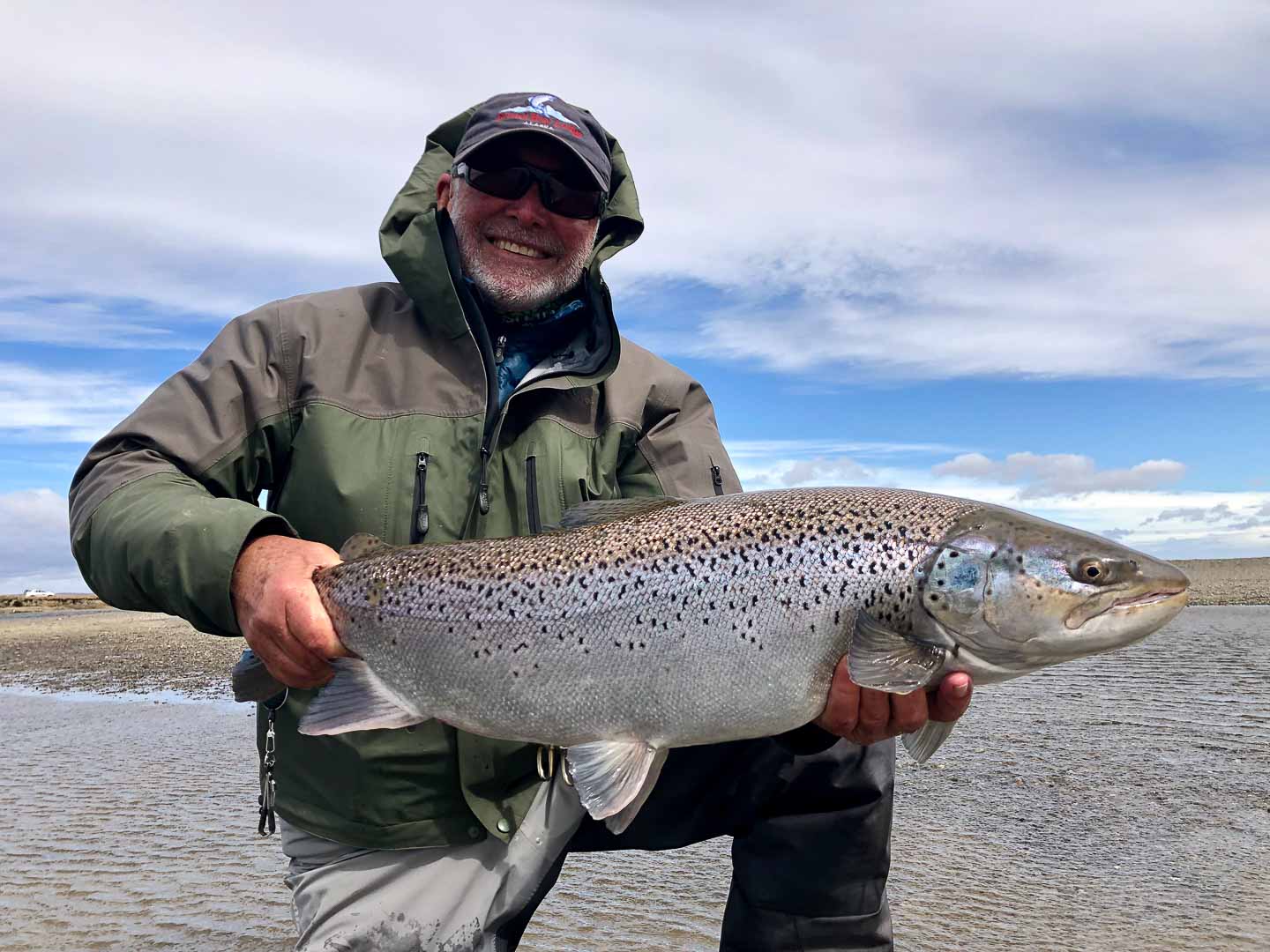
As the river gets lower, most of those shallower runs that we used to fish in January, are no longer good sections for holding, so the fish are found mainly in the holding pools, usually from top to bottom. During high sun hours, the fish might gather in the deepest parts of the pools, and as soon as the sun drops to the horizon, the fish spread out in the pools. This is when the “magic hour” takes place as the water gets cooler and the sunlight is not as harsh. You will keep using big streamers and leeches but mainly during the last half hour of the fishing day. Most days you will be using small rubber legs, nymphs, and big dry flies like Bombers and Green Machines.
March (end of season)

March starts by telling us that autumn is getting close. Winds drop significantly as the temperature does. We typically start experiencing rain showers and you may even spot some snow high in the Andes range. All this will contribute to a change in the river’s level and, as a consequence, the behavior of the fish. The main run of fish will be over but there will be pulses of fresh sea-trout arriving continuously, but in much smaller numbers than what we found in prior months. As the river rises compared to the driest season – late January and February – the fish will start to move upstream into the mid and upper section of the system and gather in numbers in places where they find the best spawning conditions. 
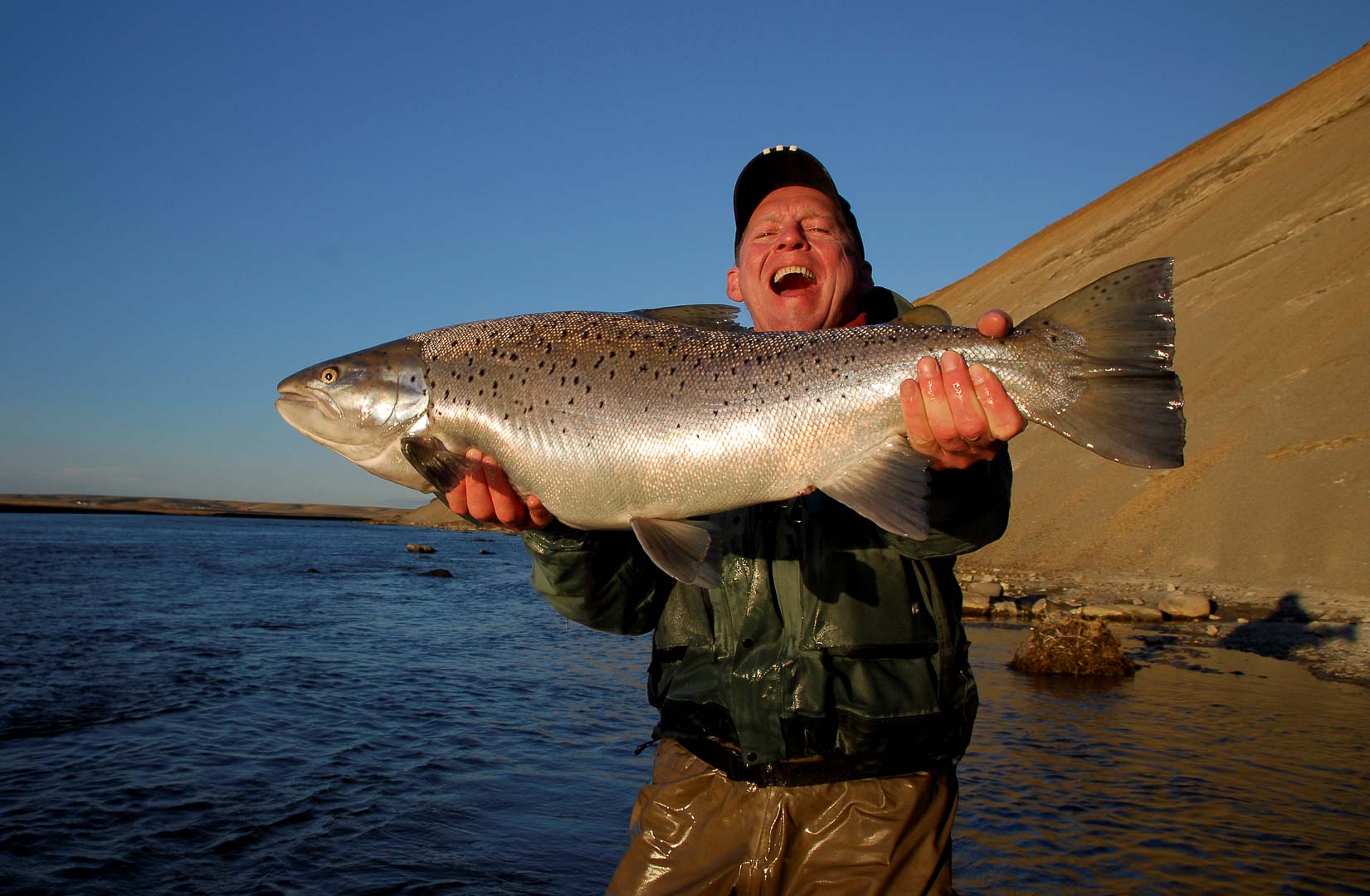
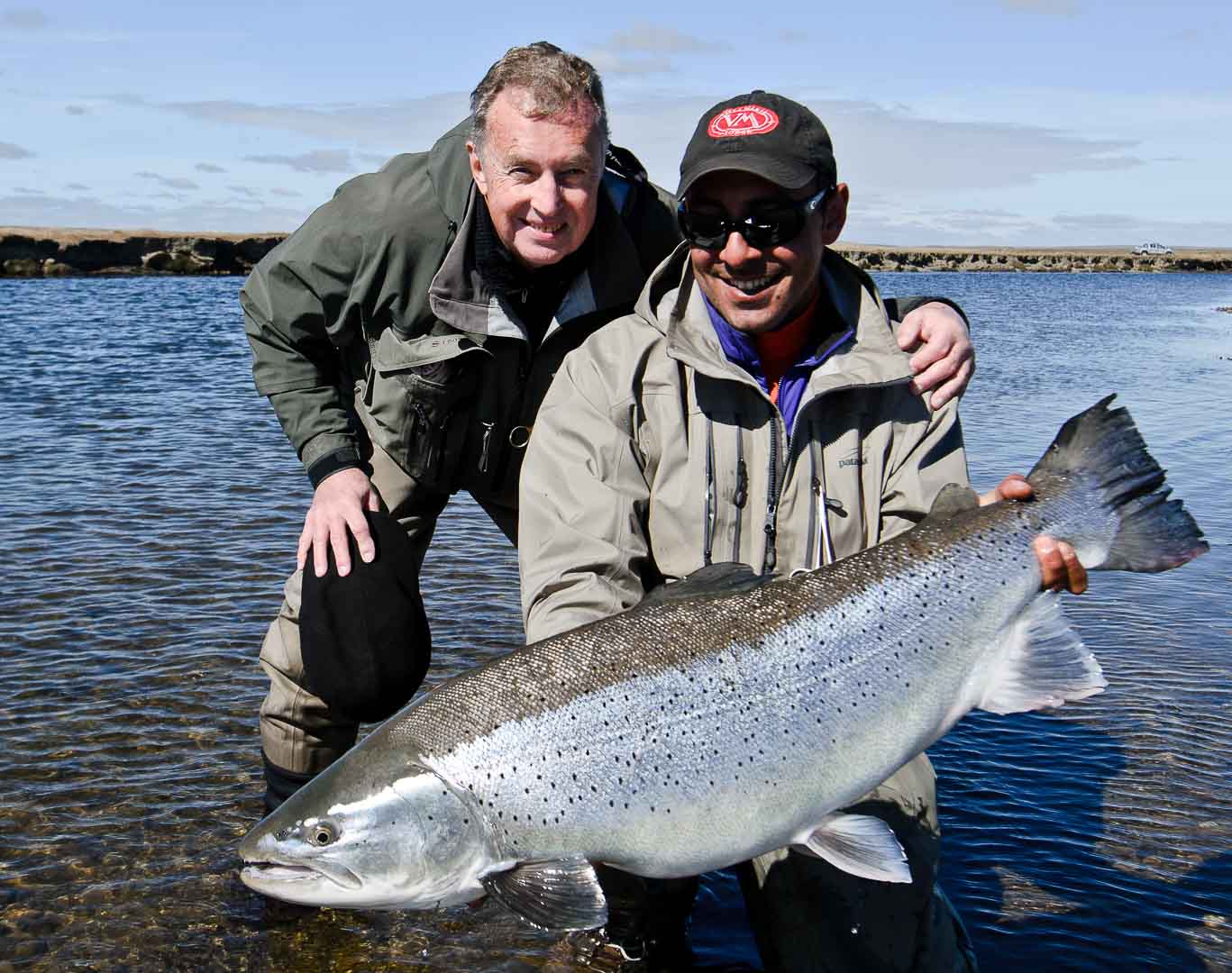
The fishing techniques will change accordingly to the water’s temperature, especially in the last 2 or 3 weeks of March. Early in the morning and late evening, the activity will be slower than midday when water temperatures reach their maximum. If the water gets too cold, you might need to use heavier lines, bigger flies (usually in bright colors), and fish them slowly along the pools to tease the territorial male fish that start to spread out in the pools and fight for the best mates and spawning grounds. And this is the main attraction of this time of the season, those huge red, male sea trout that were lacking aggression for months, now start attacking flies giving epic fights, tons of adrenaline, and timeless photographs and memories. We usually are asked “when is the best time to come” and our answer is always the same “depends what do you like to do and how do you like fish”.

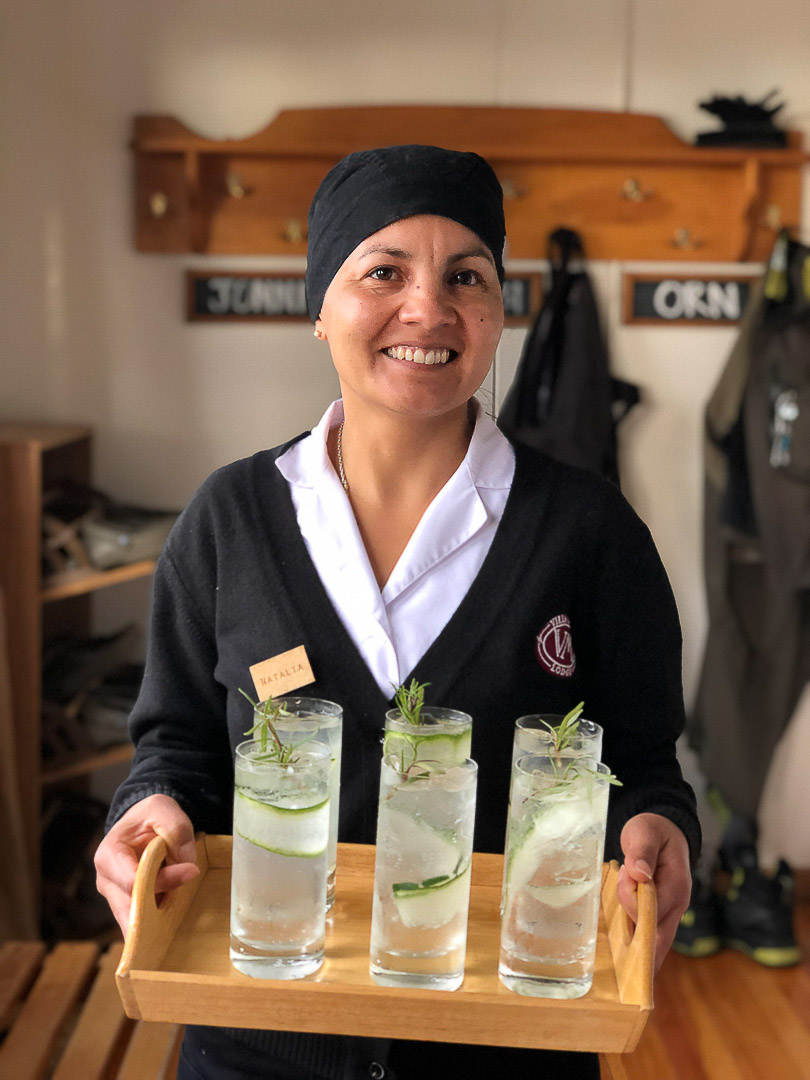
Guests fly into Buenos Aires, Argentina, and typically overnight there, with a day to spend touring this wonderful city. Arrival day at Villa María is set for Friday. Commercial airlines fly from Buenos Aires to the airport of Río Grande (3-hour flight), where a lodge representative will meet you. The transfer from Río Grande airport to the lodge takes 30 minutes. On arrival at the lodge, guests are welcomed with cocktails by the entire Villa María staff.

Location

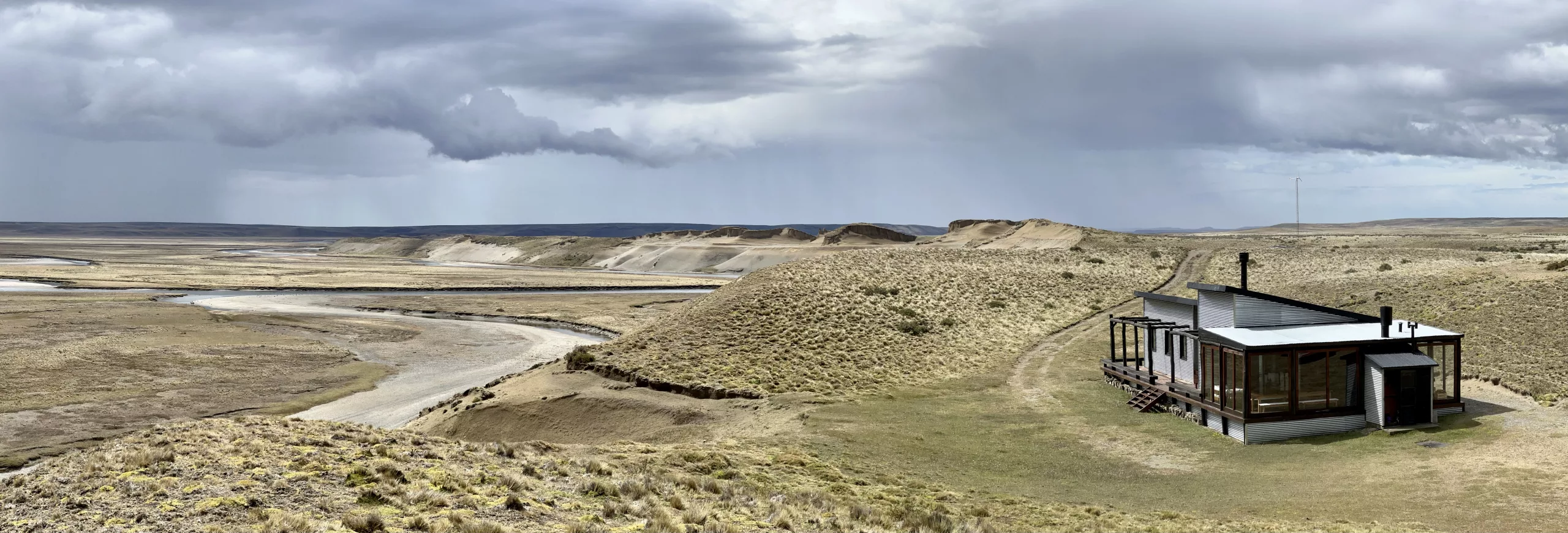
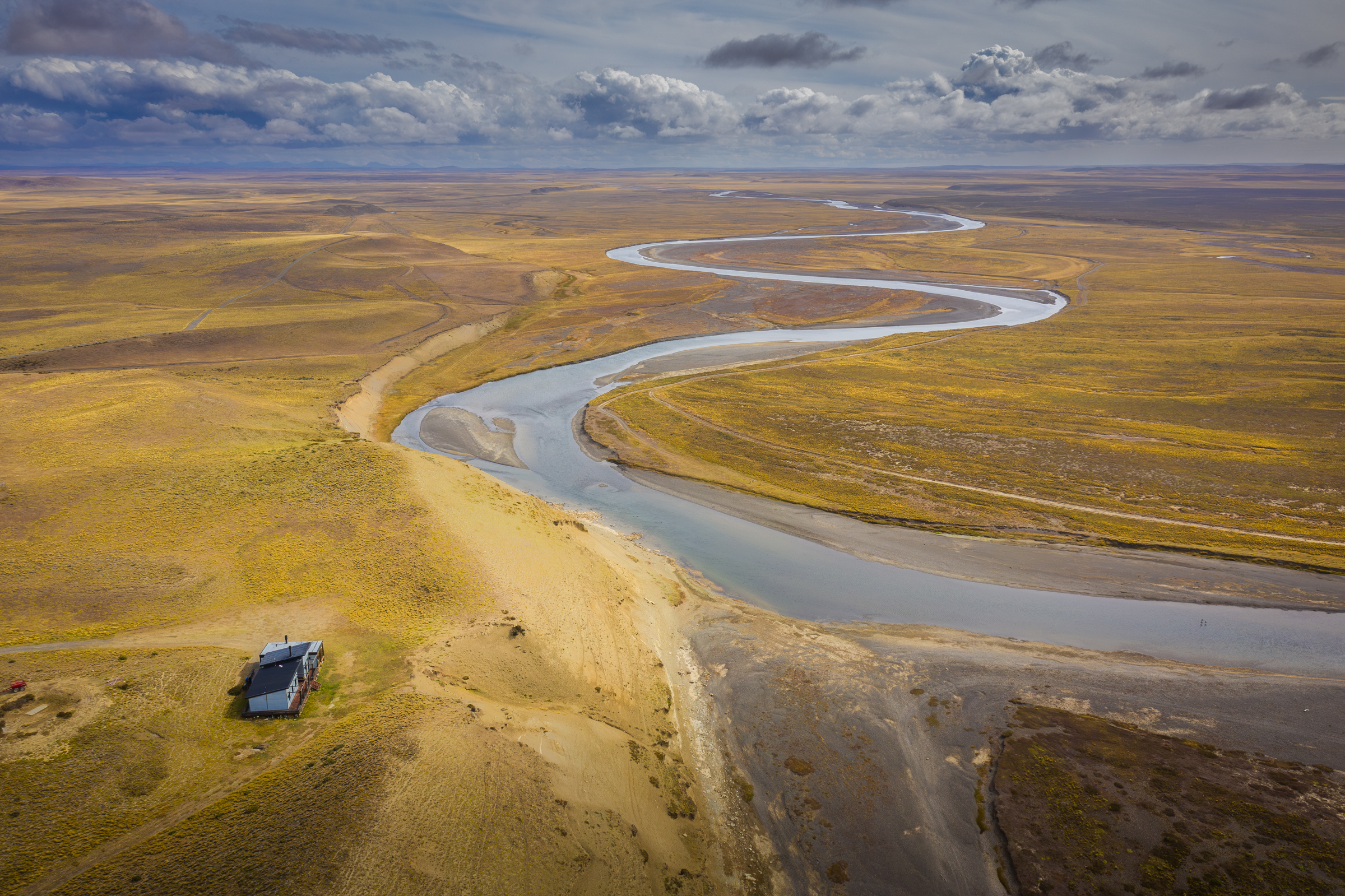
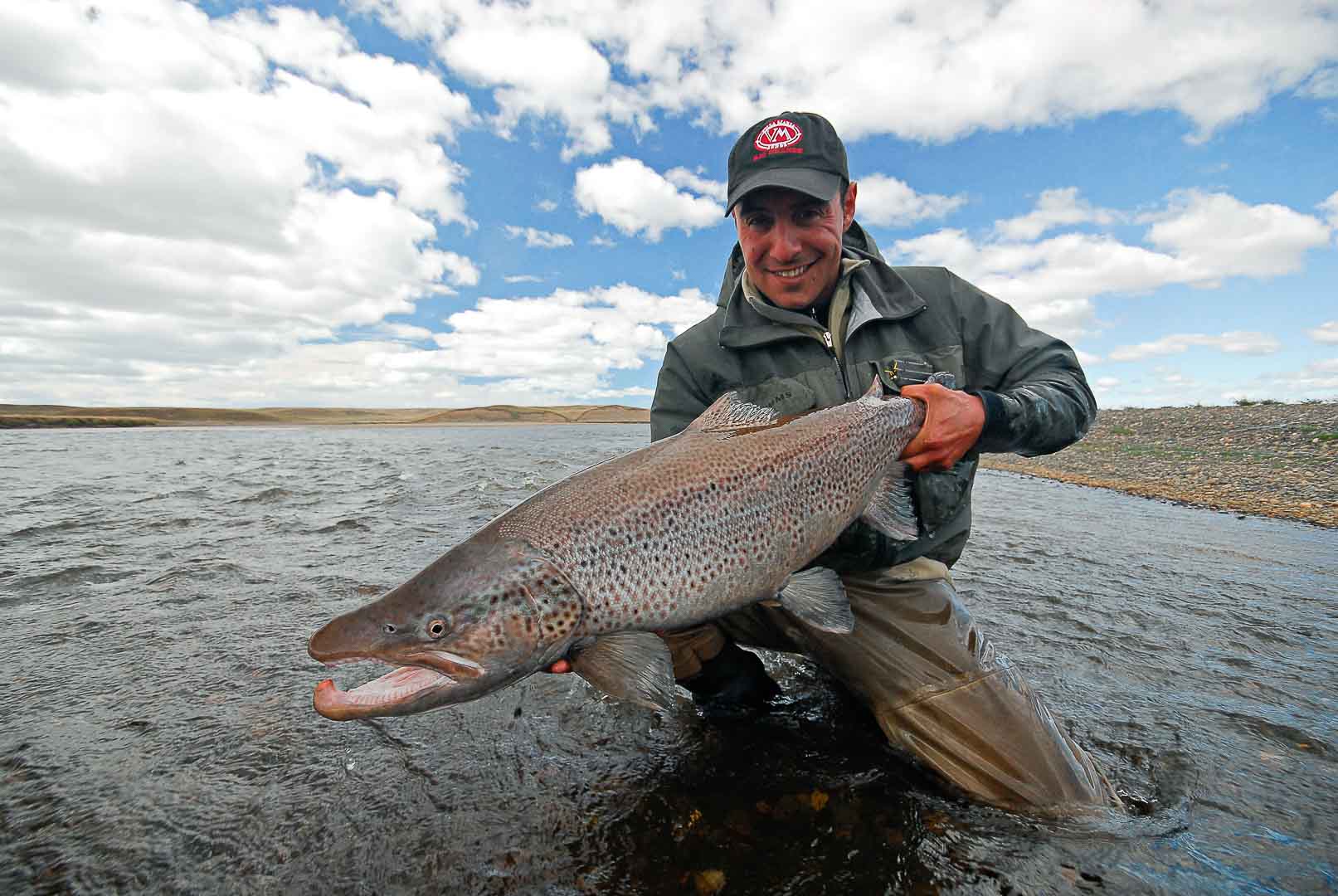
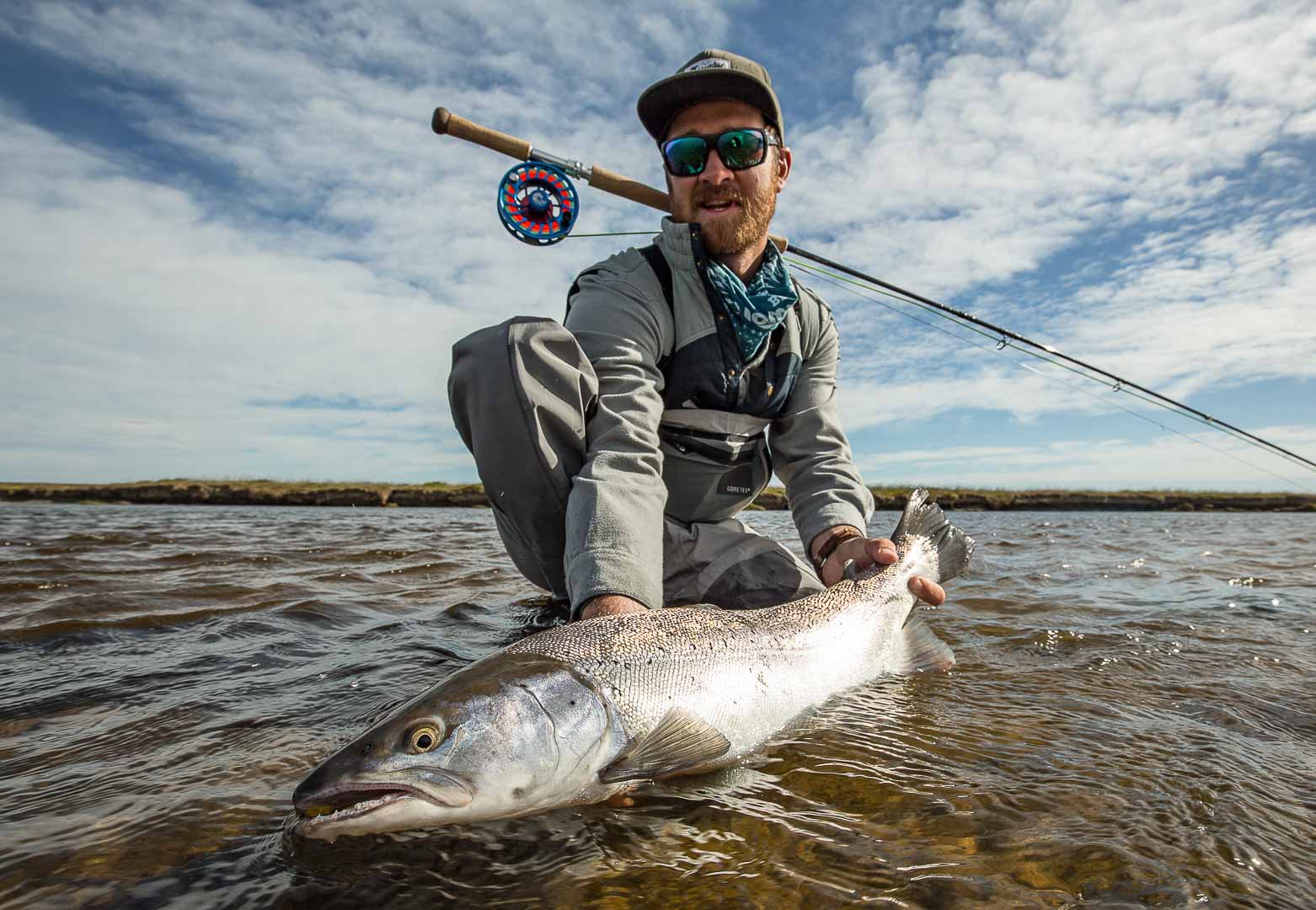
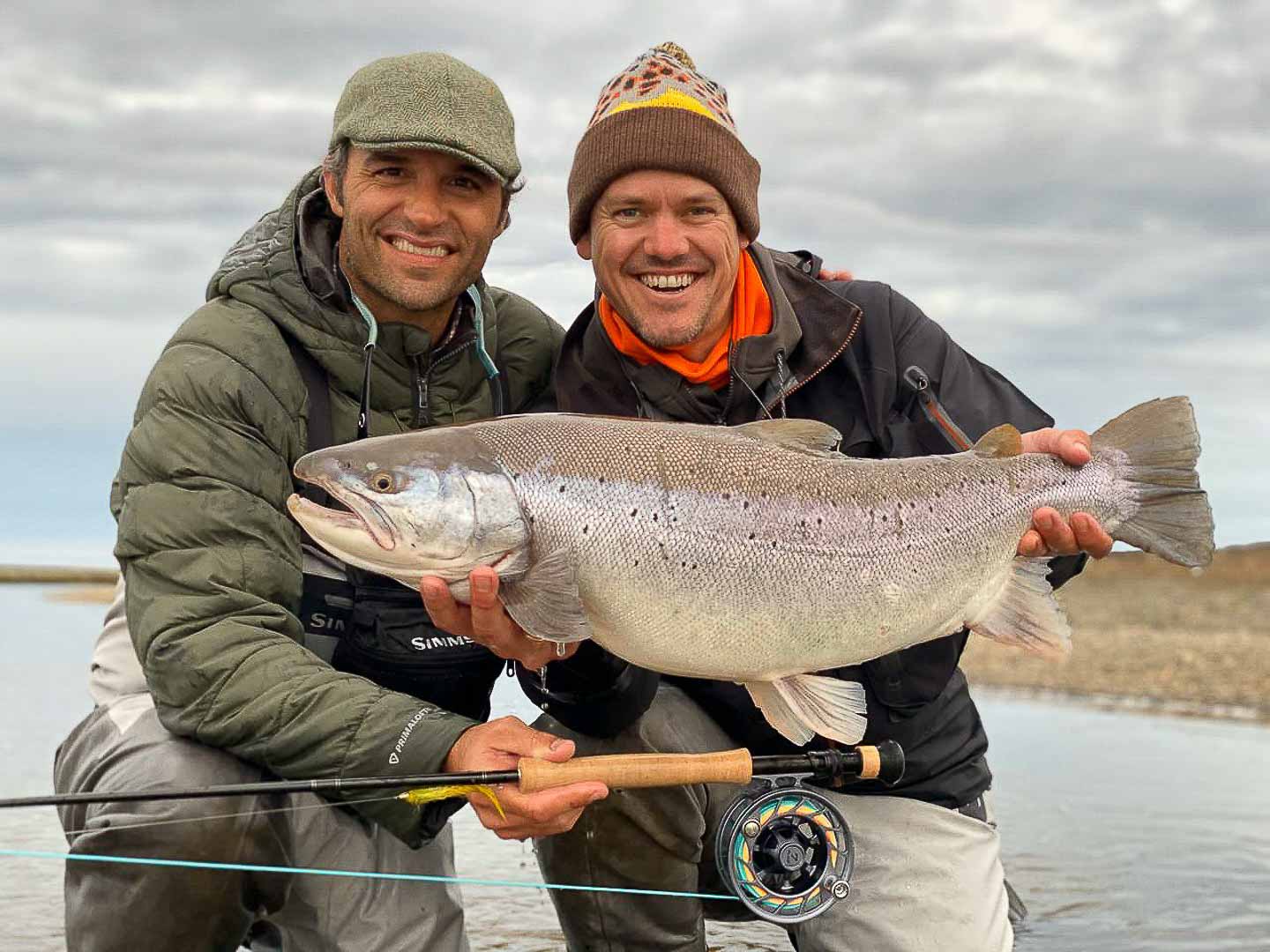
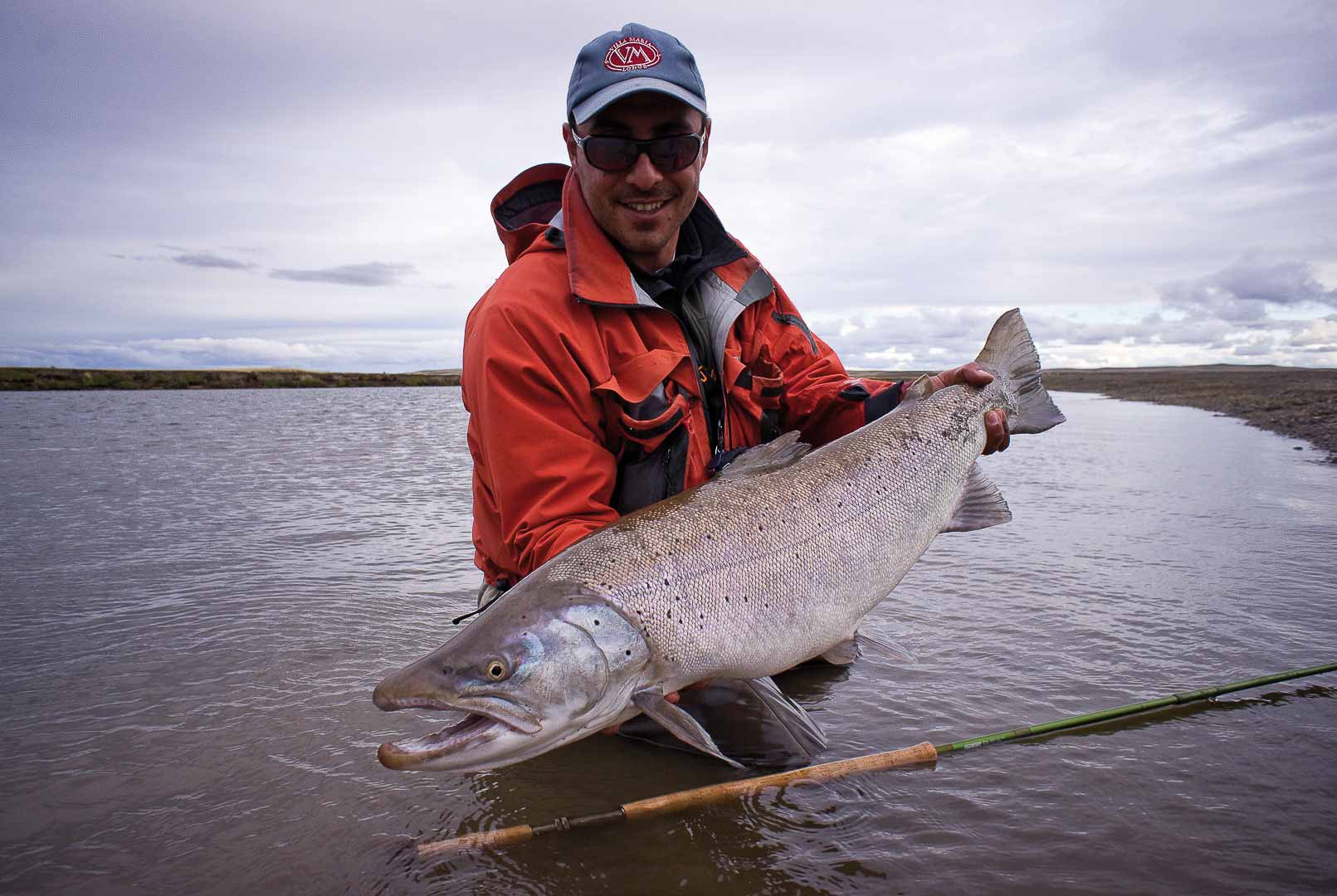
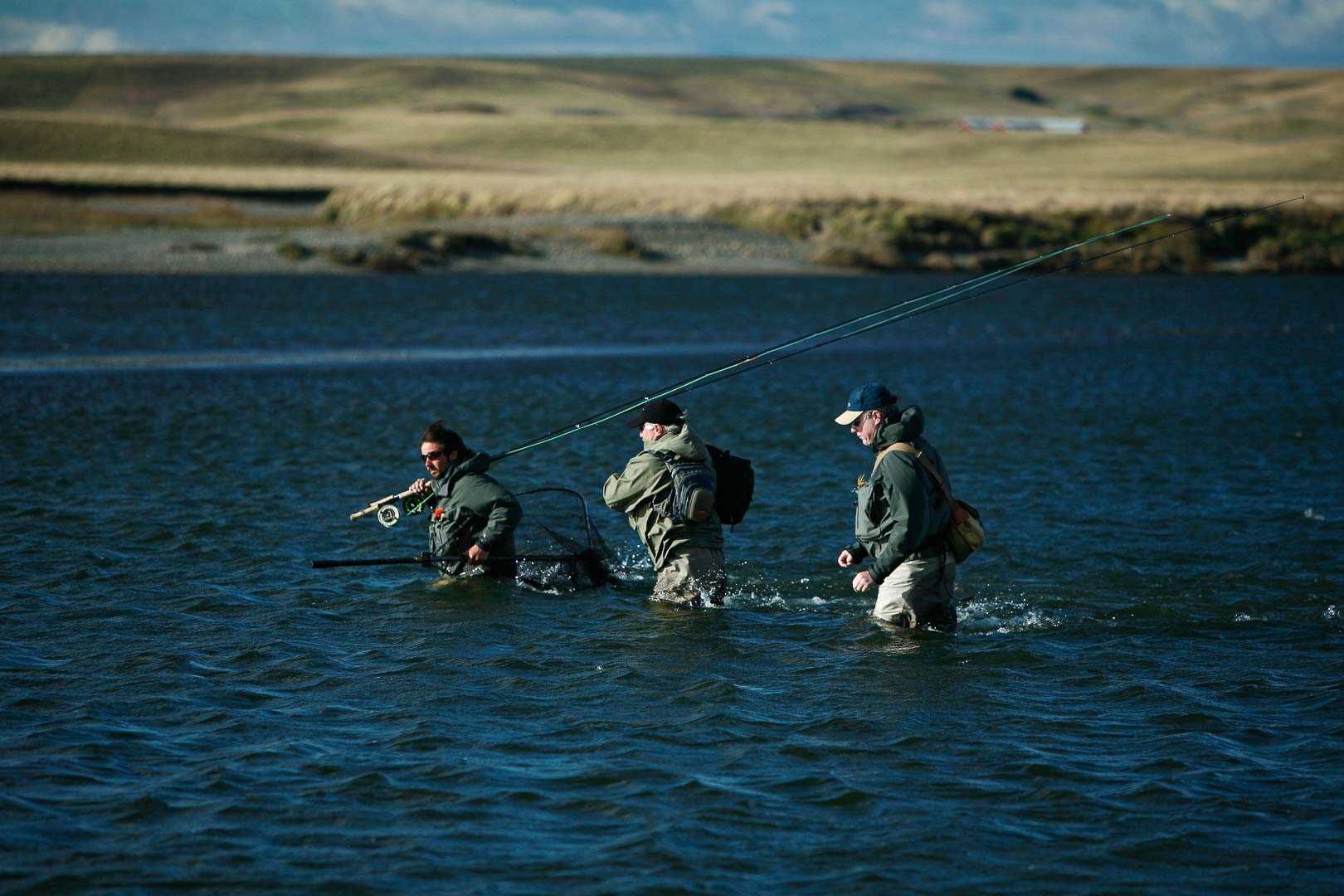
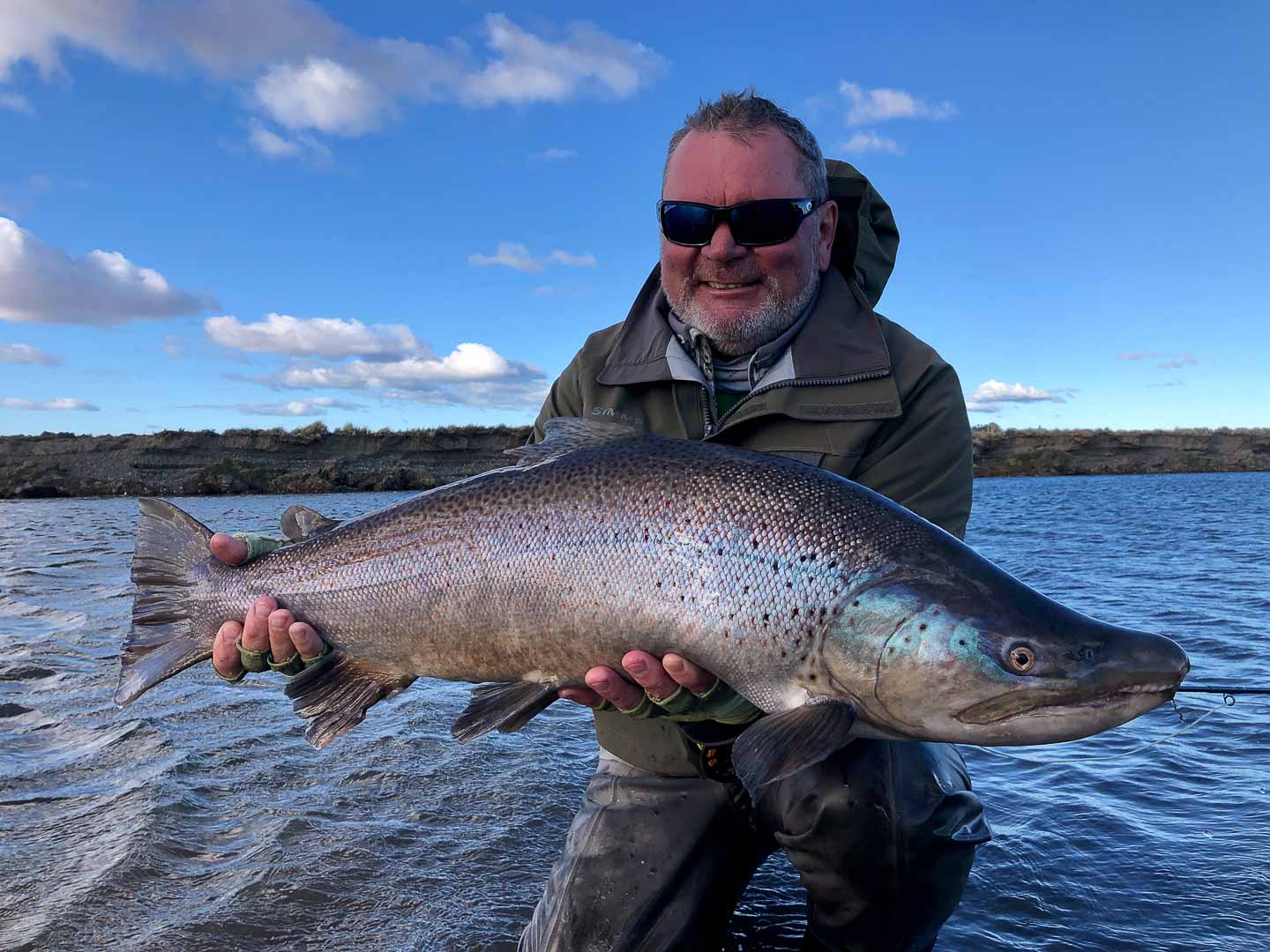
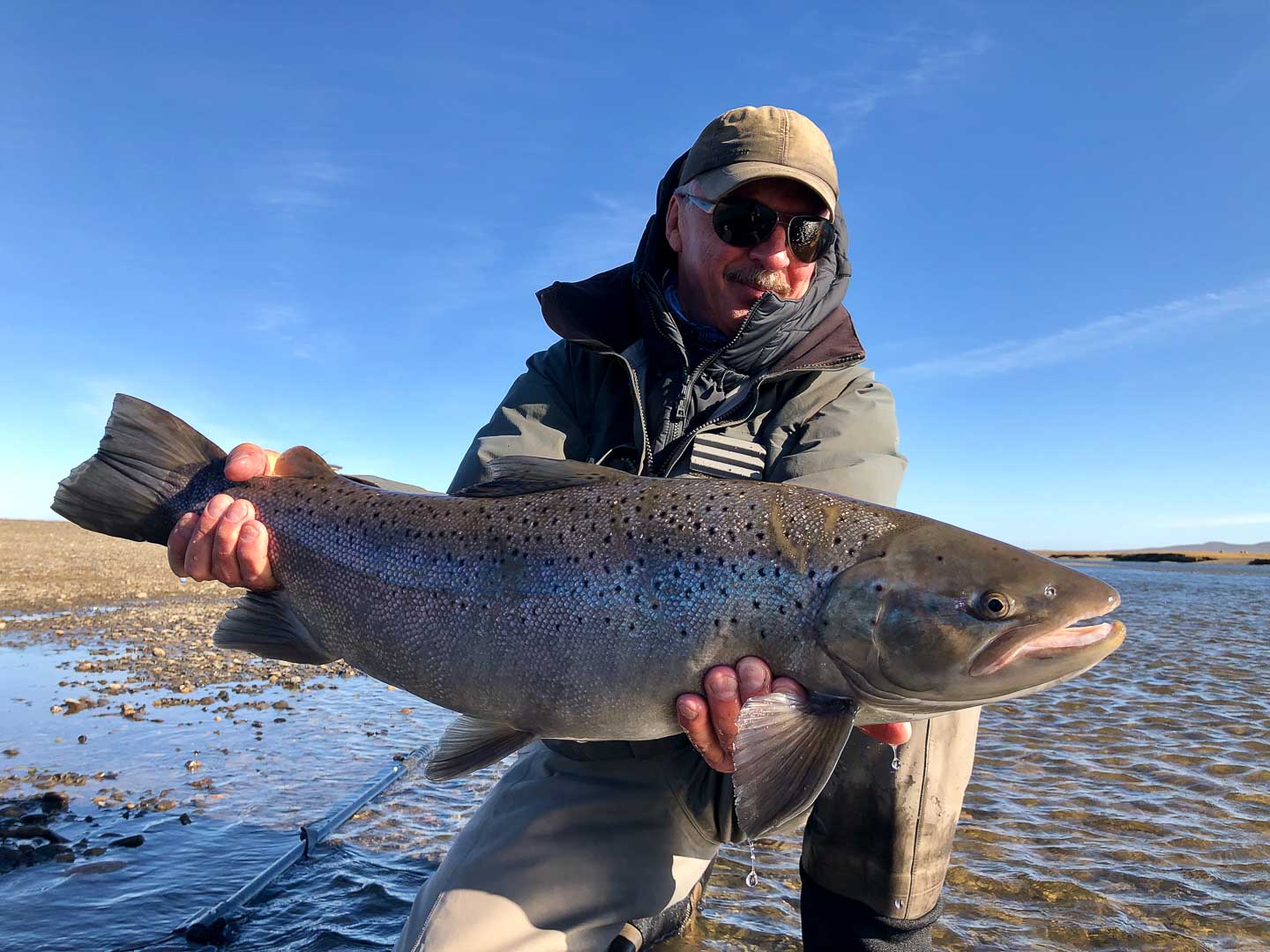
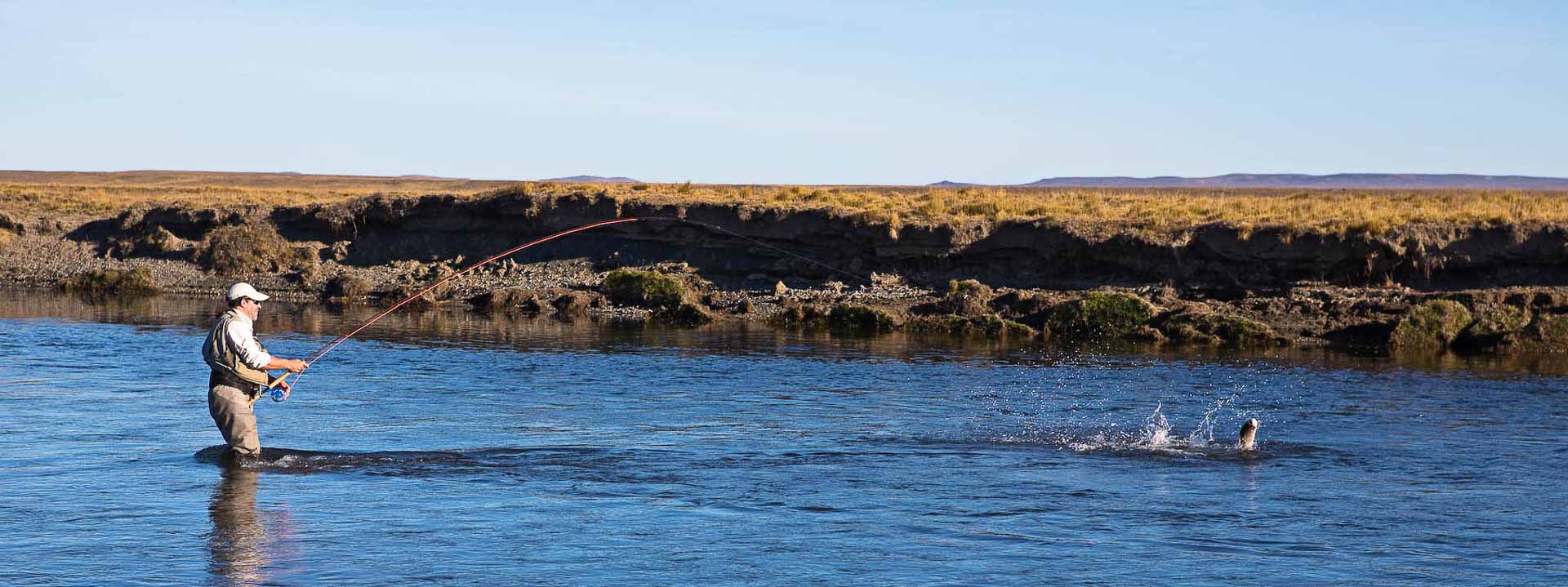
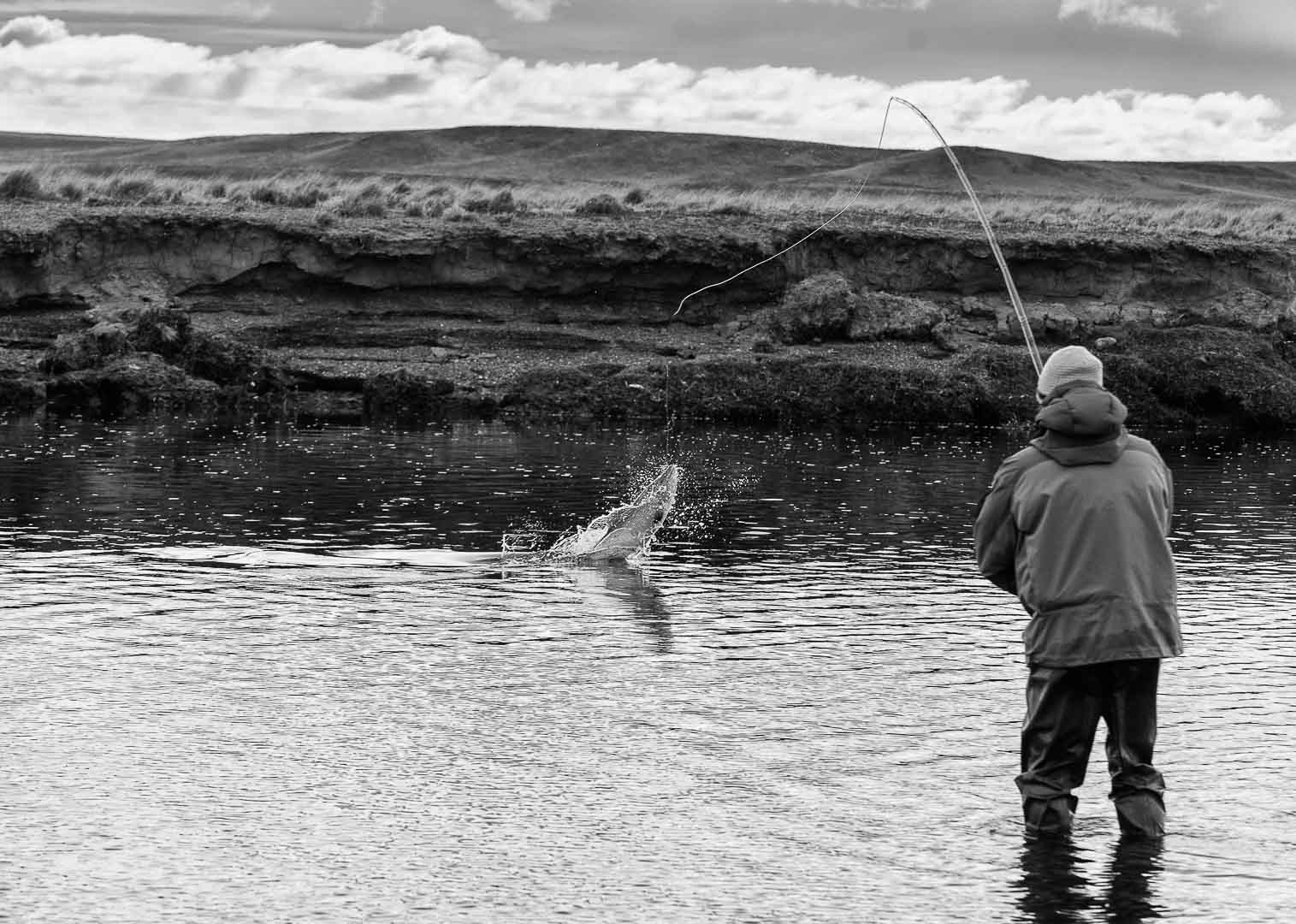
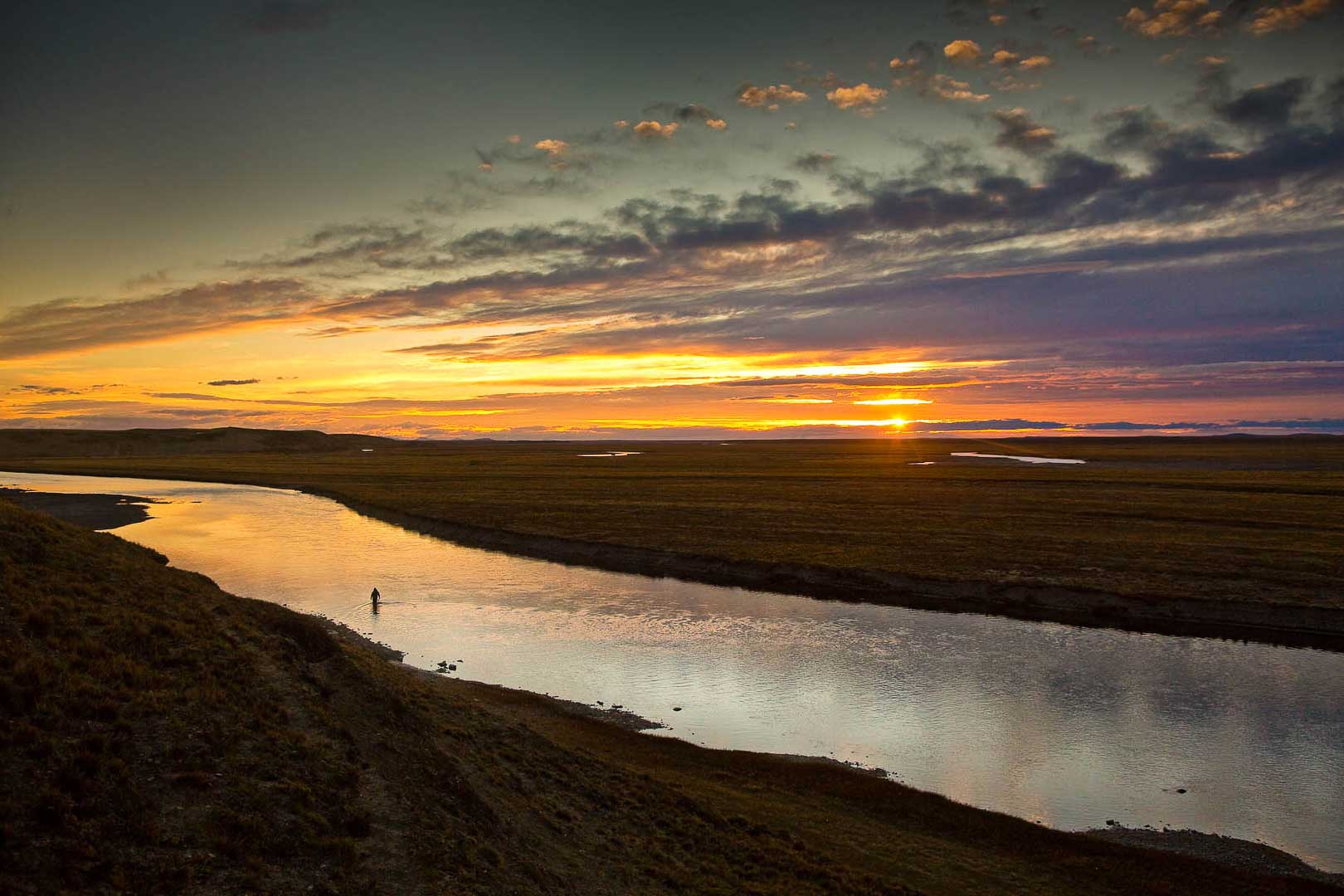
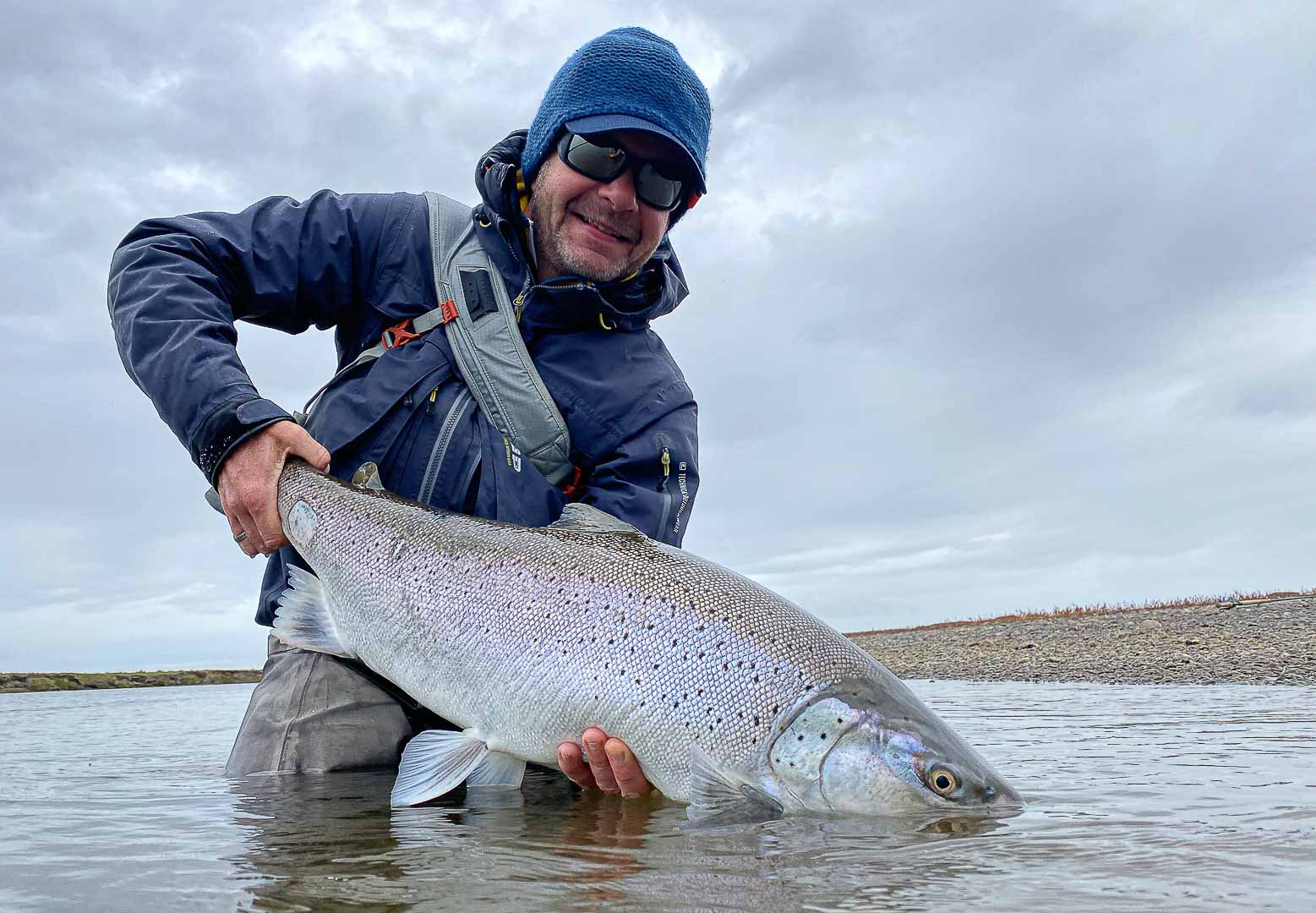
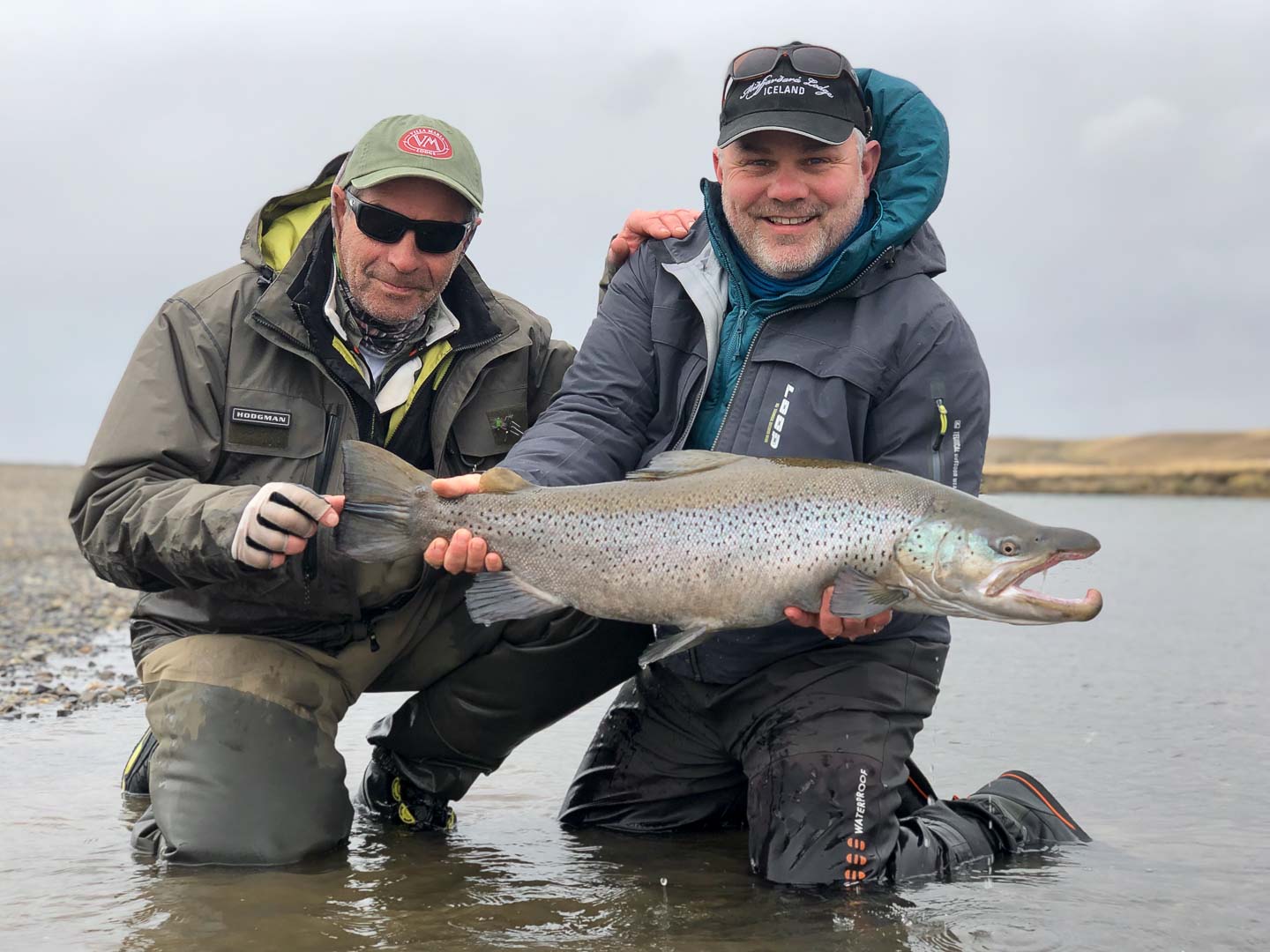
The lodge is located on the banks of the Río Grande, in Tierra del Fuego, Argentina, just a few miles above the tidal influence. Starting with the opening of Kau Tapen Lodge in the early ’80s, the Río Grande has become the most productive sea-run trout fishery in the world. While trout numbers fluctuate with conditions at sea, tides, water levels, and a host of other natural factors – the fact is we release 20-pound trout at Villa María each week of the season. A fish or two a day is the norm given average water conditions – but 6-8 fish days happen all the time! Anglers will fish both banks. Big pools and two-handed rods are the norms. 

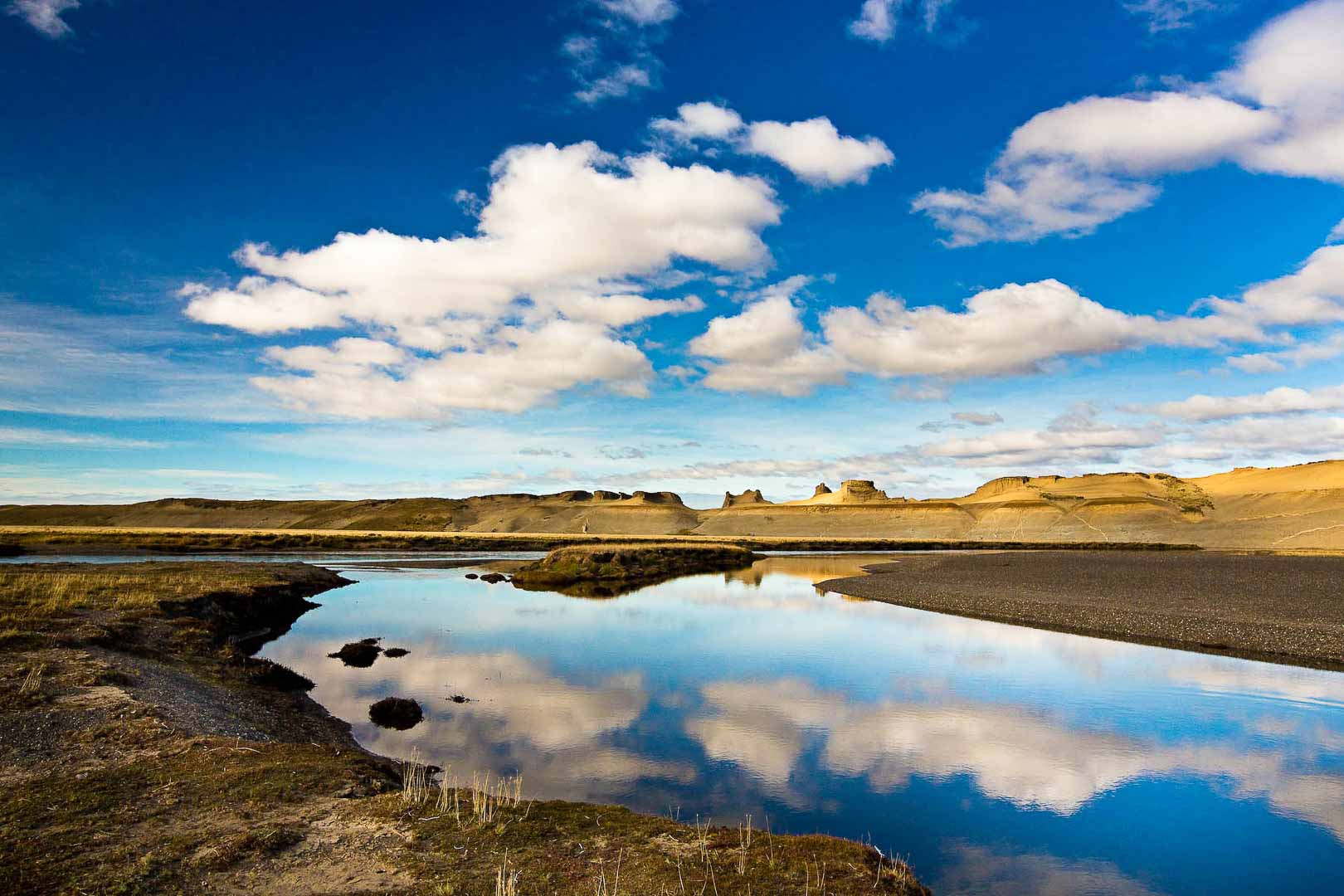
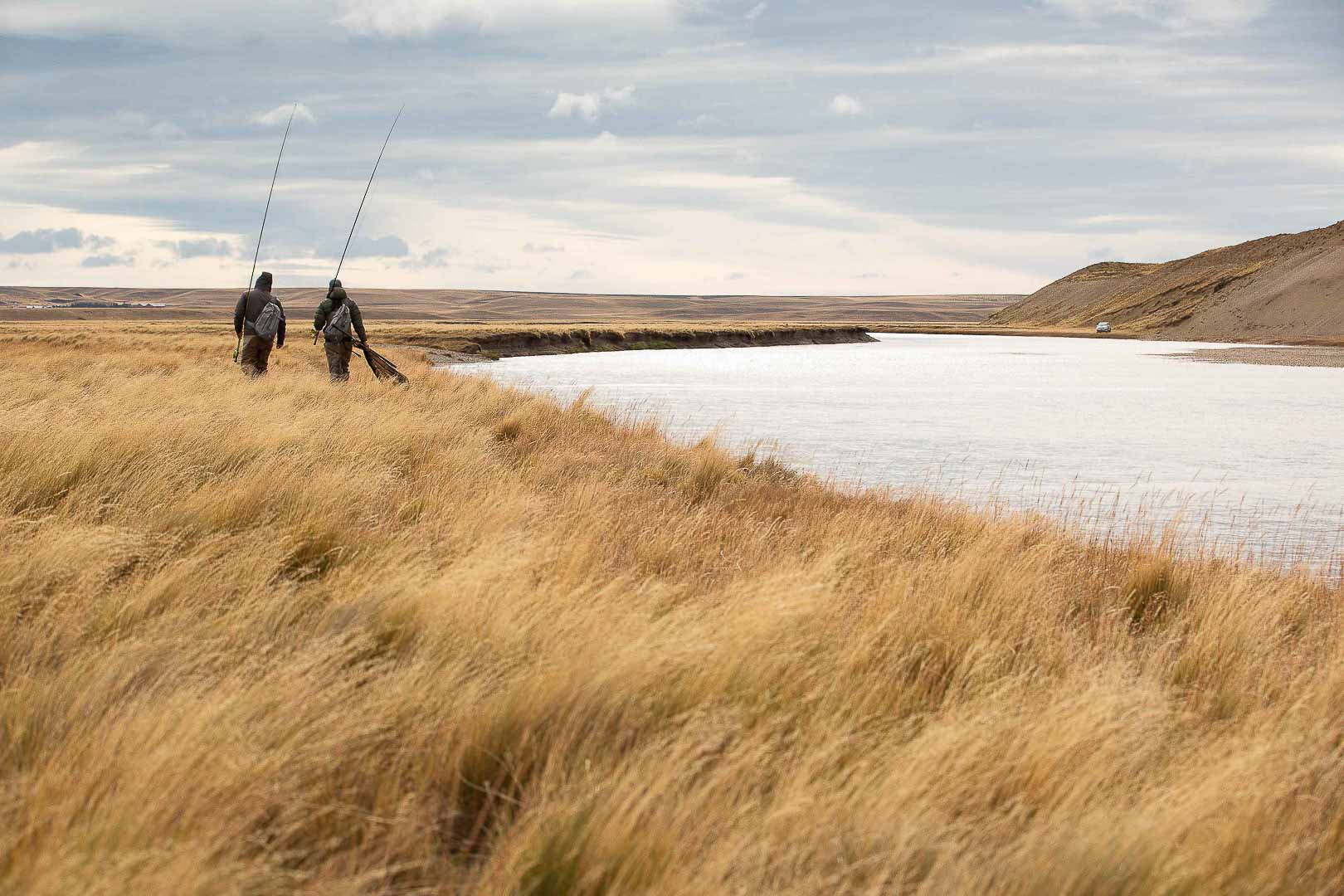
The lodge itself reminds many of the world’s best salmon camps; warm, cozy, and accompanied by cuisine and service at a very high level. Guides know the pools and the fish intimately. Days are spent on the water, with classic “huts” for midday breaks. The Río Grande flows from west to east, down from the Andes to the Atlantic Ocean through approximately 60 miles of Argentine territory. The landscape of Tierra del Fuego is reminiscent of Wyoming or the Scottish low country. It includes sparsely populated wilderness, large sheep farming estancias, and wild herds of llama-like Guanacos, as well as plentiful fox and condor populations.

The Fishing

What to expect on the water.

Río Grande Fishing

Although most of their lives are spent in the ocean, sea-run brown trout seem to retain more of the eccentricities of resident browns than, for instance, steelhead do of resident rainbows. Moody fish, they must be shown flies the way they want to see them at the precise time they’re ready to take. The Río Grande isn’t a big river. Thus, it’s compatible with a wide range of techniques; critical since a large sea-run brown trout may demand that a fly be fed to it on the bottom one hour but rise to a skating fly the next. Water levels can change from week to week and they generally drop as the season progresses.

Vary your presentations in each pool fished until you find the right formula of fly, line, drift or swing, and retrieve. Also heed the advice of your guide, whose primary aim is to recommend methods that will help you hook and bring more fish to the net. By and large, the Río Grande’s sea-run brown trout seem to lie near cut banks during the middle of the day, though in low water they will also lie in the faster necks of pools. They typically move into these areas during the early morning, evening, and nighttime hours.

Generally, “tails in the morning and heads at night” is a good rule. Also look for fish distributed throughout pools on calm, overcast days. On sunny days, one theory holds that sea-run brown trout will take best if they don’t have the sun in their eyes, although this theory, like others, is often affected by the number of fish in a particular pool and the number of “takers.”

Guests will leave the lodge around 9 o’clock after breakfast, fishing till around 1 o’clock. Following lunch and a siesta (the duration depends on the season), guests return to the river in the late afternoon and fish until dark. Fishing hours will change slightly depending on the time of year.

The first Brown Trout were stocked in Tierra del Fuego by English angler John Goodall in 1935. Shipped from Puerto Montt, Chile, 60,000 Salmo trutta eggs survived the arduous journey to be planted on the Candelaria and McLennan rivers, both tributaries of the Rio Grande.These fish eventually found their way to the sea, likely attracted by the rich nourishment found in the brackish estuaries. Sea-run brown trout now complete annual migratory cycles similar to most salmonids, spawning during the fall in freshwater. Juveniles remain in the river up to four years until their first ocean migration, where they will feed and grow for about 6 months before their first return to freshwater, weighing approximately 3 to 6 pounds. Researchers have found sea-run brown trout that have spawned more than 6 times. A trout that has completed 4 cycles of returning to freshwater can weigh more than 20 pounds. The frequency with which they return to freshwater is also an indicator that the fish face few threats. It’s also an example of the benefits of catch and release.

Fishing equipment

The suggestions that follow are drawn from over three decades of experience fishing the Río Grande under a wide variety of conditions.

Fly-Fishing Equipment

The suggestions that follow are drawn from over two decades’ experience fishing the Rio Grande under a wide variety of conditions.

RODS
Two Handed & Switch Rods
        • 7-8wt – 2 Handed 12-14 ft. rods 
        • 4-7wt Switch Rods – 11-12 ft. rods 

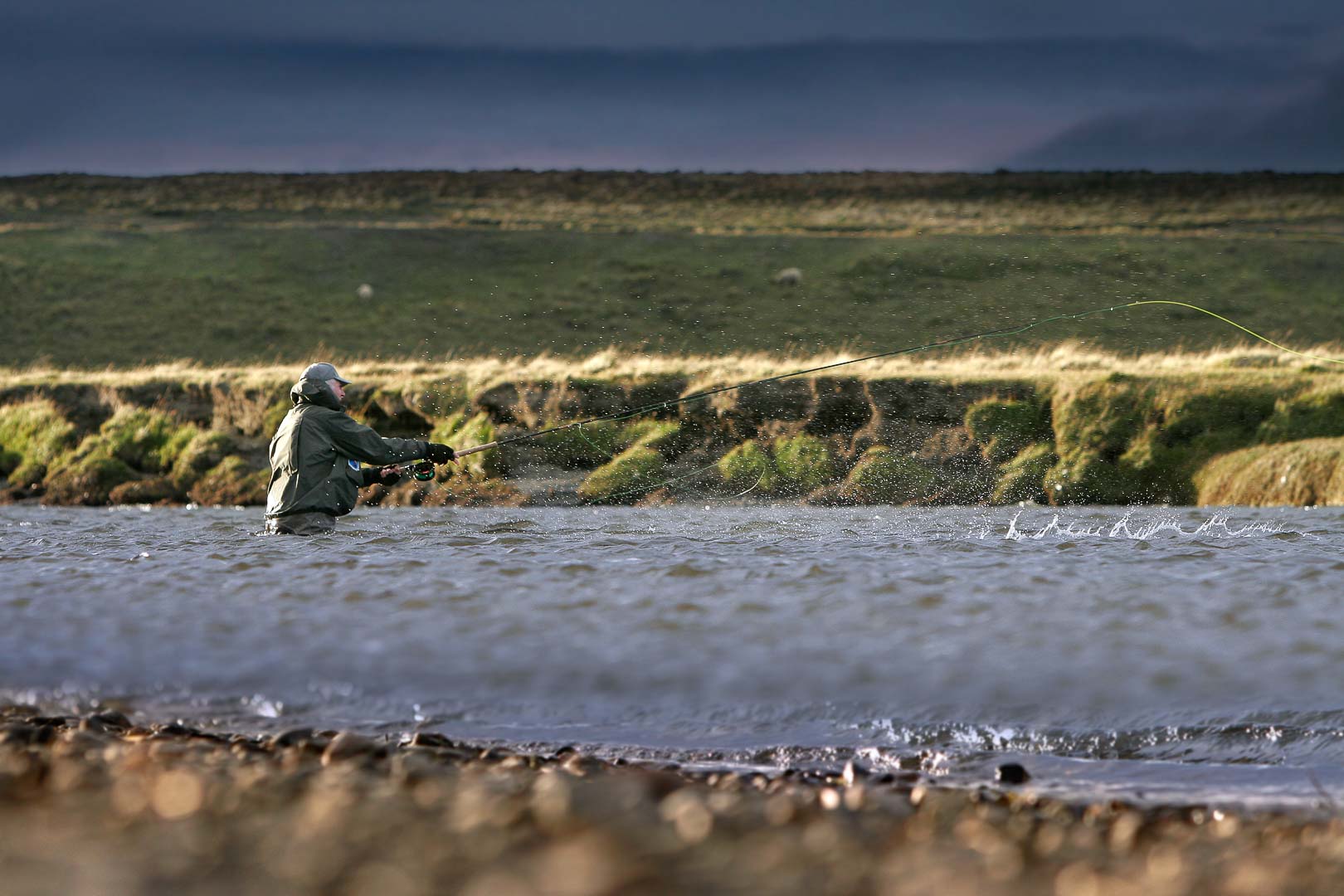
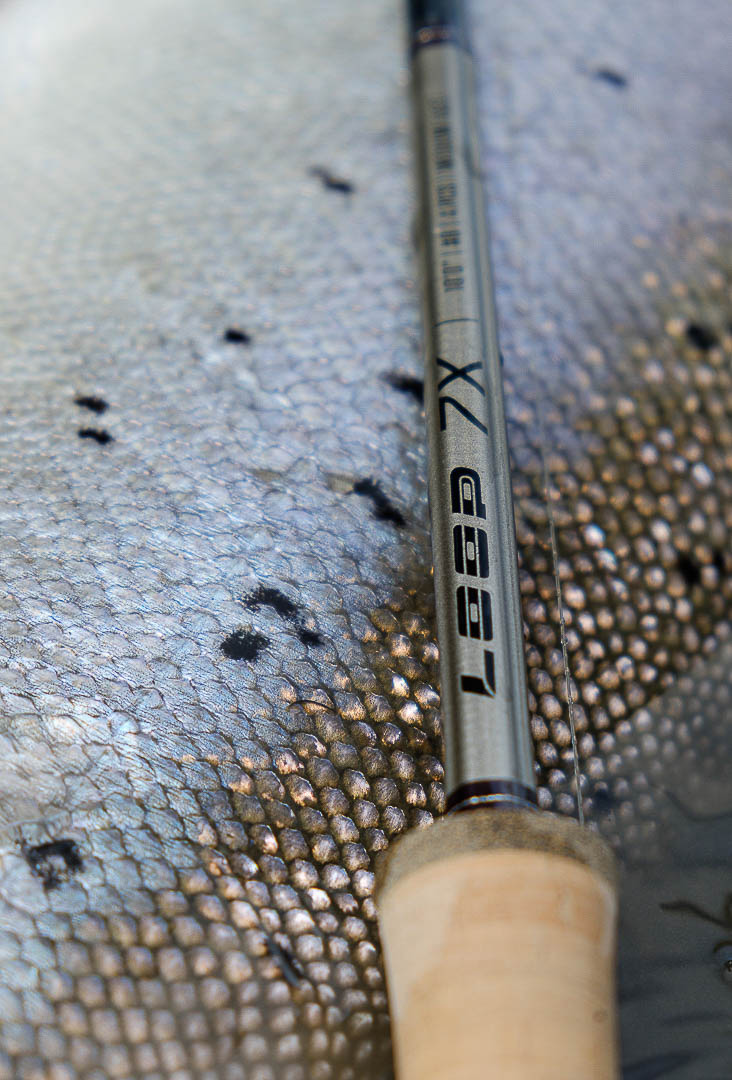
The Rio Grande features a natural design an instream architecture perfectly suited for Spey rods. Mending and controlling the line is also easier with a 2-hander. Use 7- to 9-weights from 12 to 14 feet long. If you’re new to Spey casting, our guides are expert instructors and will help you learn quickly. Lighter switch rods are also increasingly popular and allow anglers to cast a comfortable line with less effort, particularly on windy days. 

When the Río Grande experiences low water levels—a small to medium-sized river—consider bringing lighter Switch rods, as they are smoother and easier to handle under these conditions. Switch rods are classified by weight number, like other rods, but are also rated in grams and/or grains. 

In these situations, rods that can comfortably cast lines in the range of 19–34 grams (325– 550 grains) tend to perform exceptionally well, allowing for smoother, more delicate presentations in lower water. 

Single Handed Rods 
        • 7-8wt – Single Handed 9.6-10 ft. rod


Single-handers in 7- to 8-weights—and up to 10 feet long—can also be effective in lightwind conditions on the Grande or for technical, close-range nymphing on the Rio Menendez tributary. Longer rods make casting easier with the normal downstream southwest wind, while an 8 weight helps you to drive your line into or across the wind when necessary. Given the Rio Grande’s moderate flow and generally even gravel bottom, you’ll find an 7 or 8 capable of doing battle with even the river’s largest sea trout (15 to 25+ pounds), while it ensures the most action with smaller sea trout (4 to 10 pounds).

REELS

All reels should be equipped with at least 100yrds of 20 lbs backing. 

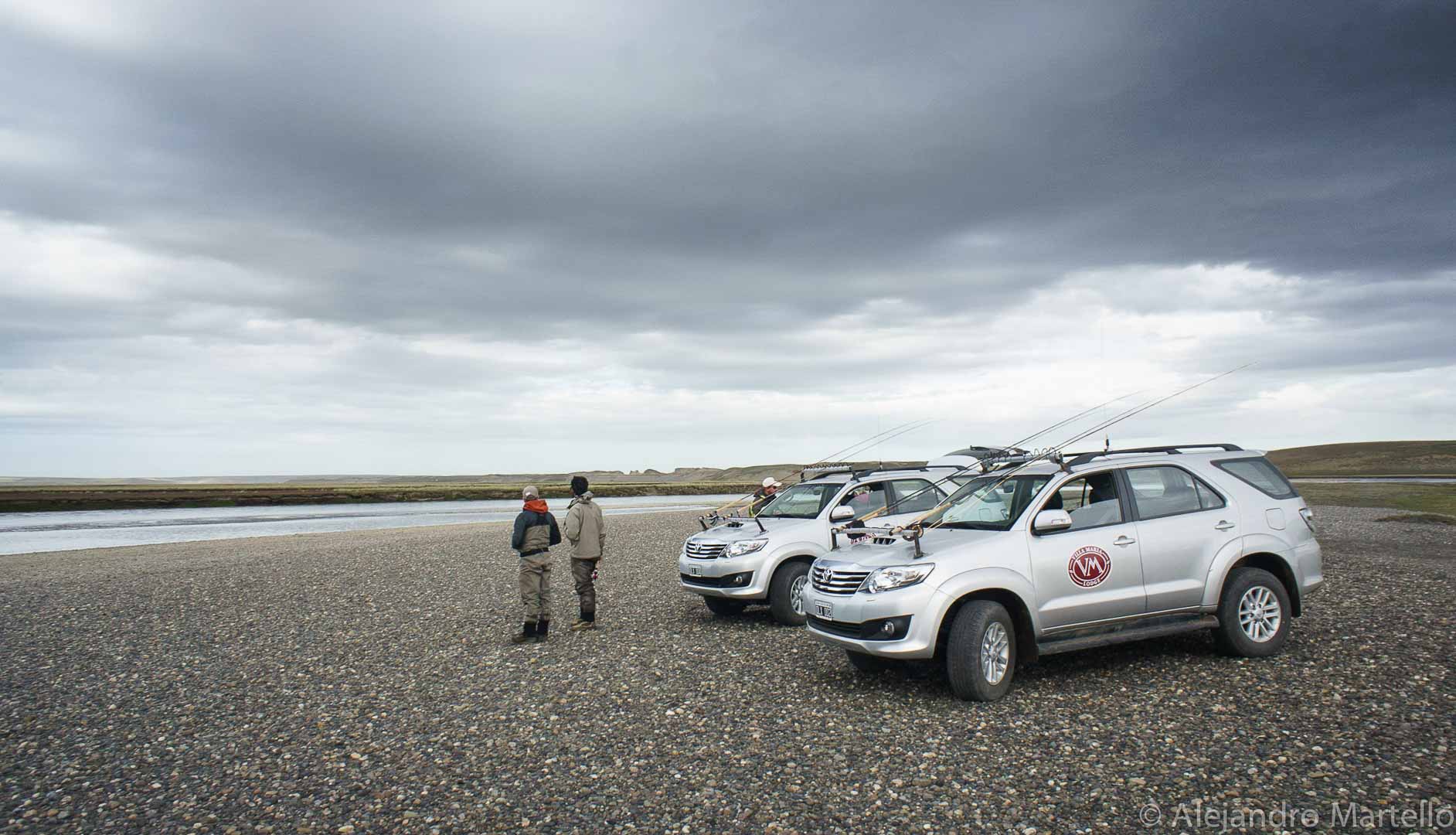
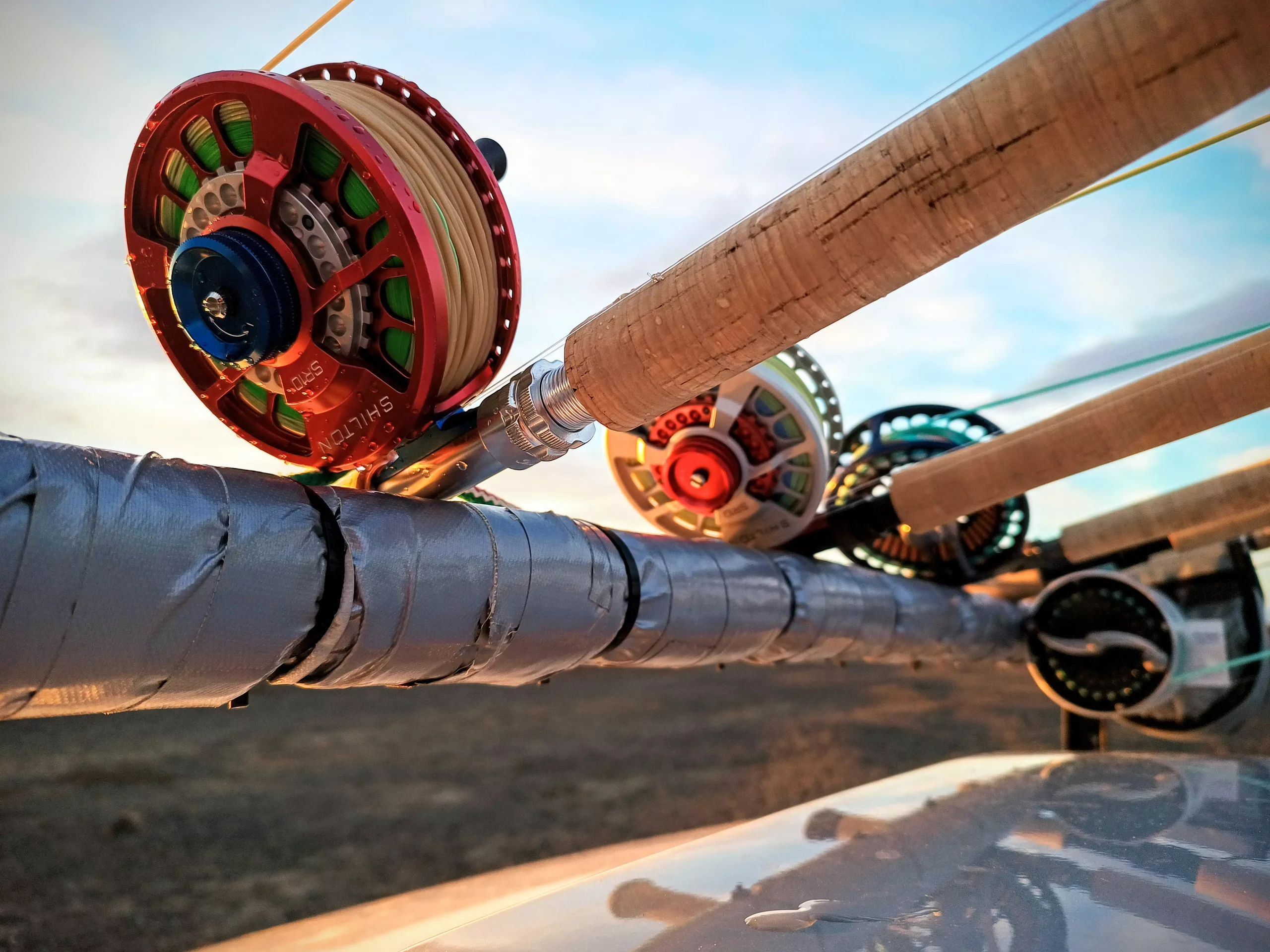
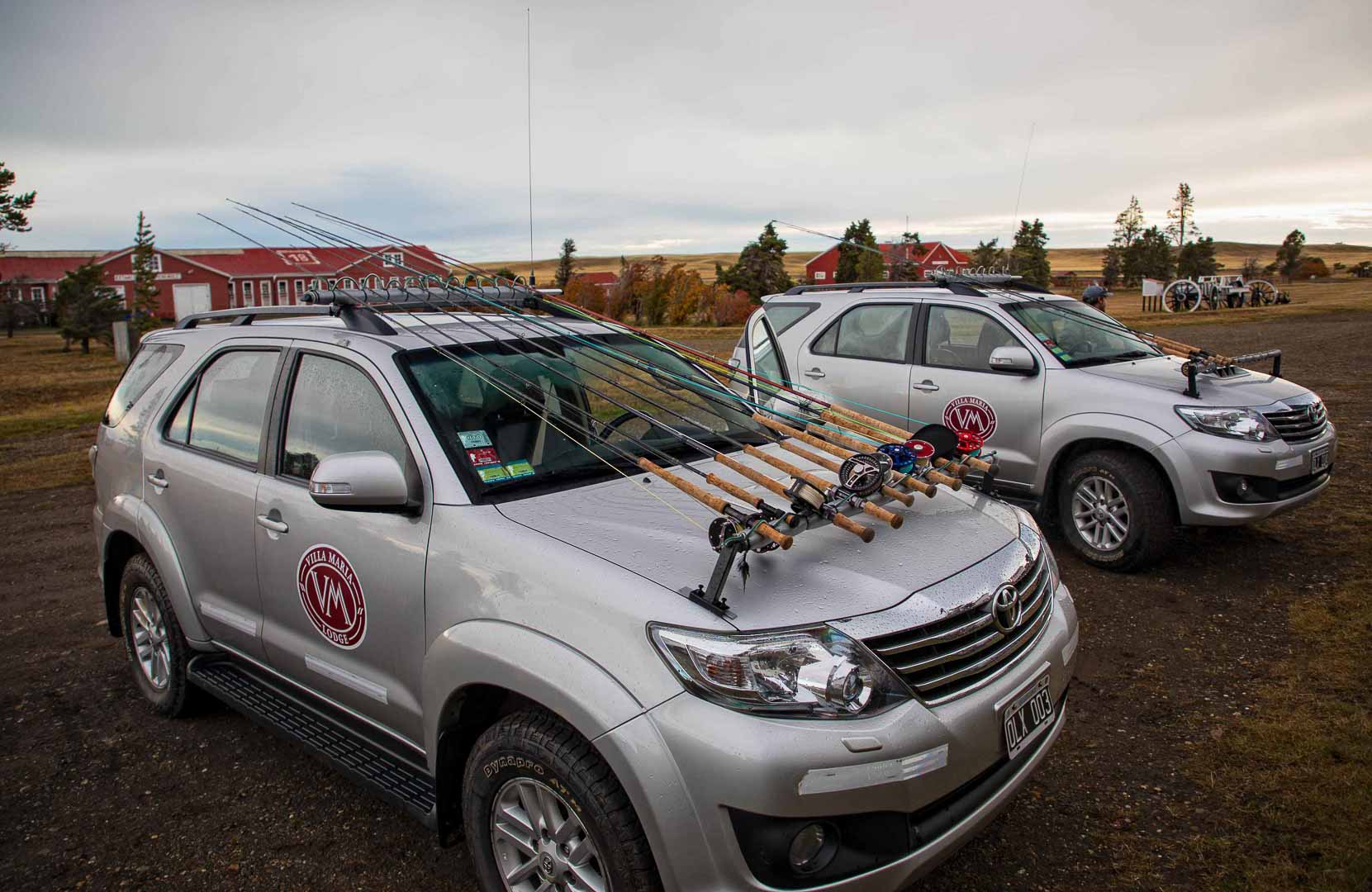
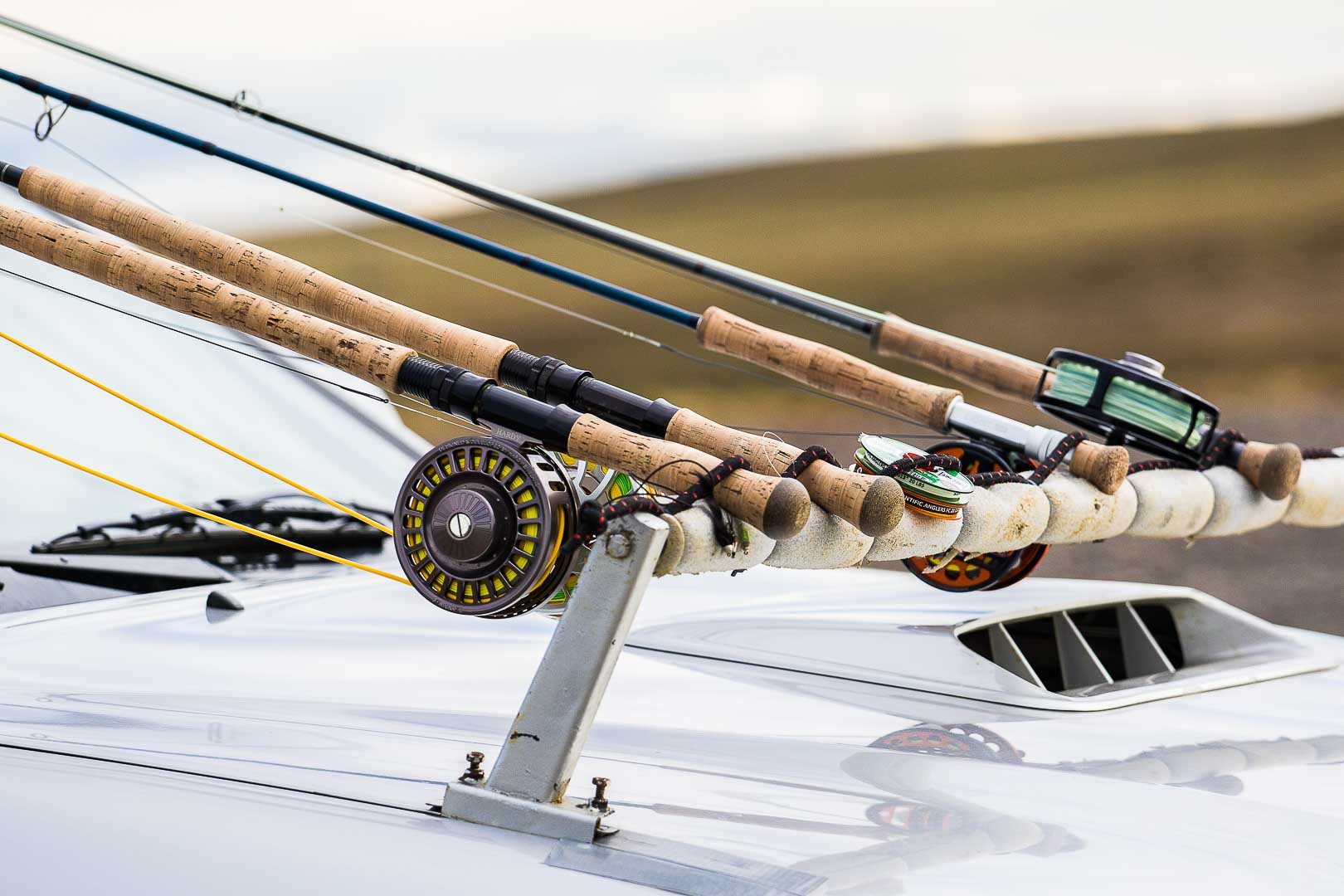
Rods and reels ride assembled on top of the vehicle to and from the river, and between beats each day, often in dusty conditions. To protect your valuable reels, bring neoprene or some type of close-fitting reel cover that can be easily removed.

LINES

For Two Handed Rods

        • Regular Belly Skagit heads (or Scandi if preferred) floating line 
        • Variety of Tips: Float, Intermediate and Sink (T-8, T-11, T-14, T-17) 8-15ft.

To be well prepared for Tierra del Fuego, anglers should include at least three lines to accommodate varying water levels and wind conditions. Weight-Forward fly lines are generally used on the Rio Grande. 

Floating lines are most useful during lowwater conditions and in the early morning and evening hours, when sea-run brown trout feed near the surface. Integrated sinking-tip lines also work great, while intermediate lines are also effective in some conditions. 

When using Spey rods, we primarily fish with Skagit (or Scandi) heads, ranging from floating to fast-sinking (S4). Generally speaking, Skagit lines perform better on very windy days or when casting larger flies, while Scandi lines offer smoother presentations. Most shooting heads are paired with sink tips, allowing you to target different depths effectively. RIO produces several versatile lines that work well with both Skagit and Scandi setups. Be sure to bring a selection of sinking tip leaders for these lines—Floating (F), Hover/Intermediate (H/I), Intermediate/Sink 3 (I/S3), and Sink 3/Sink 8 (S3/ S8)—to adapt to changing river conditions. Depending on your rod, use shooting heads in the 350–600 grain range for optimal performance.

It is also good practice to bring 30-foot spools of T-8, T-11, T-14, and T-17 so that guides can custom-cut the perfect tip on-site for your rod and line, ensuring the setup is precisely matched to the day’s water levels, current speed, and the grain weight required to balance the rod and head. 

Even experienced anglers often find their running line snarls when buffeted by wind. Prevailing southwest winds can be “harnessed” by roll casting or spey-casting, which eliminates the need to back cast—difficult to do with a trailing wind. We found that a simple roll cast carries even large streamers 35 to 50 feet across and downstream, or far enough to cover the holding lies. Weight-forward lines can be rolled effectively by stripping and shooting line during the cast.

For Switch Rods

        • 7 to 8wt Front Floating Taper Head (depending on rod weight)
        • Variety of Tips: Float, Intermediate and Sink (S2, S3, S4, S5, S6 & S7) 5-10ft.

Switch rods (as well as Spey rods) are classified by line weight. Generally speaking, the line weight of a rod is determined by the grain or gram weight (different units of measurement) that the rod is designed to handle for the head line. 

The ideal type of Switch rod to use depends on the angler’s skill level, as well as river conditions (low or high water) and weather (calm versus windy). The Río Grande can be effectively covered, even at medium to low water levels, with Switch rods in the 6- to 8-weight range, or rods that can handle 325 to 550 grains of head line. These heads should be paired with interchangeable tips in varying sink rates— typically 5 to 10 feet long—to adapt to changing water depths and flow conditions.

For Single Handed Rods

        • 7 or 8wt Floating Line (for skating flies or nymphing on your single hand rod)
        • 7 or 8wt Interchangeable tip fly line
        • 7 or 8wt Sink (200-400gr lines)

For anglers who prefer using single-handed rods, consider including at least three lines to accommodate varying water levels and wind conditions. Weight-forward fly lines are generally used on the Rio Grande. Floating lines are most useful during low-water conditions and in the early morning and evening hours, when sea-run brown trout feed near the surface. Integrated sinking- tip lines (200 to 400 grain) also work great. And intermediate sinking lines can be effective in some conditions. Also consider bringing some of the new interchangeable-tip fly lines for single-handed rods. These lines are extremely versatile and perform well in all conditions. They come with a range of interchangeable tips offering different sink rates—from Intermediate to Sink 8 (7–8 inches per second).

LEADERS & TIPPET
      • 10 to 20lbs – 9’-12 ft. Knotless Tapered Leaders (Qty: 4)
      • Tippet Spools: 8, 10, 12, 16 & 20lbs

Experience on the Rio Grande indicates that sea run brown trout are not particularly leader shy. While reasonable stealth should be exercised, your chief concern is to bring monofilament in sizes that will turn over the array of fly sizes and patterns you’ll be using. While fishing sinking lines, a few feet of straight (not tapered) monofilament will do fine. Maxima Ultra-green is a good choice as it has plenty of stretch, a factor worth considering when the sea run of a lifetime hits your fly! For floating lines it’s good to use knotless tapered leaders from 9 to 12 feet long (10 to 20 lbs)

FILES

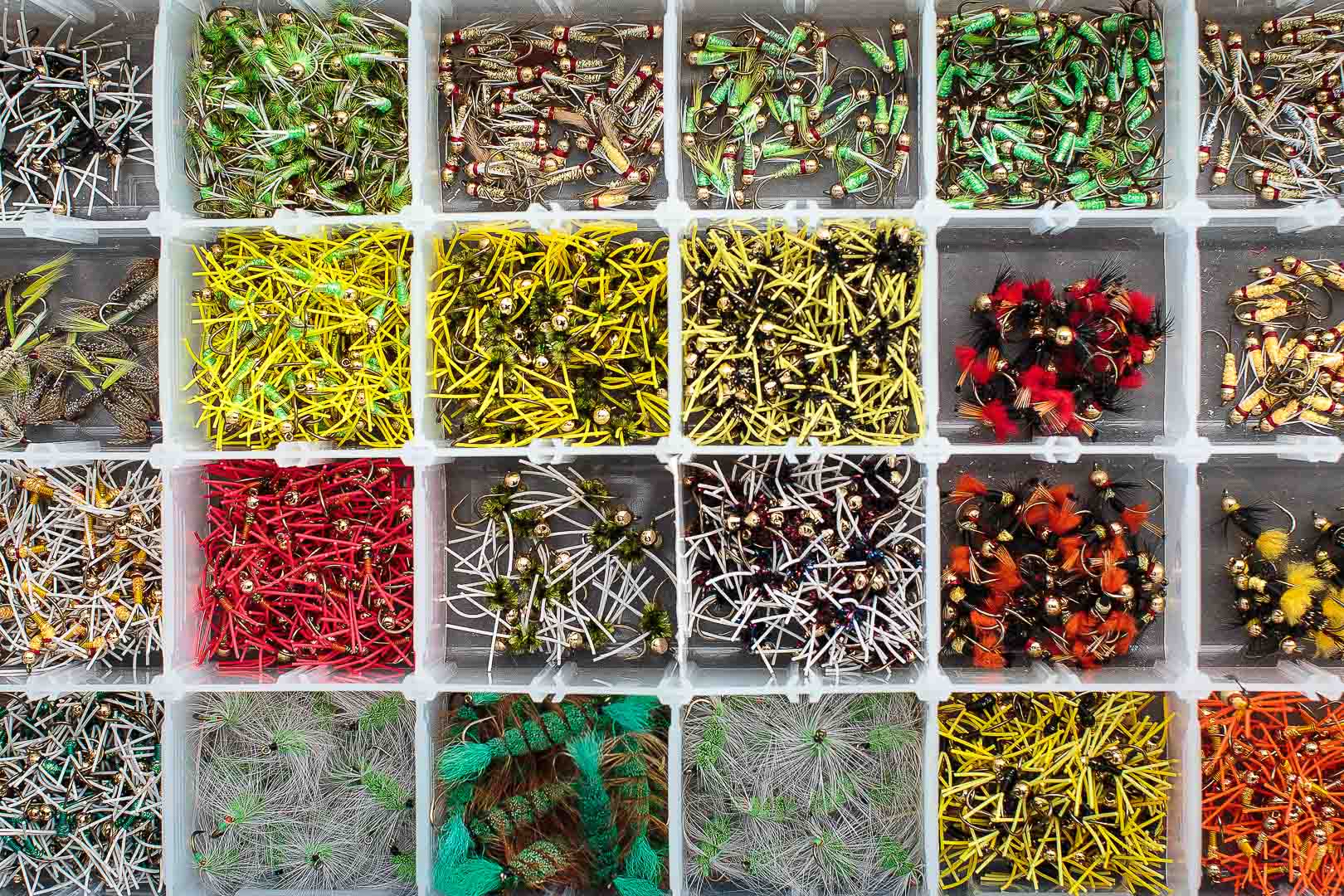
Villa María Lodge offers a wide selection of flies for purchase (approx. from $4 to $8.50 per fly). However, our guides will provide all the flies you need at no additional cost. 

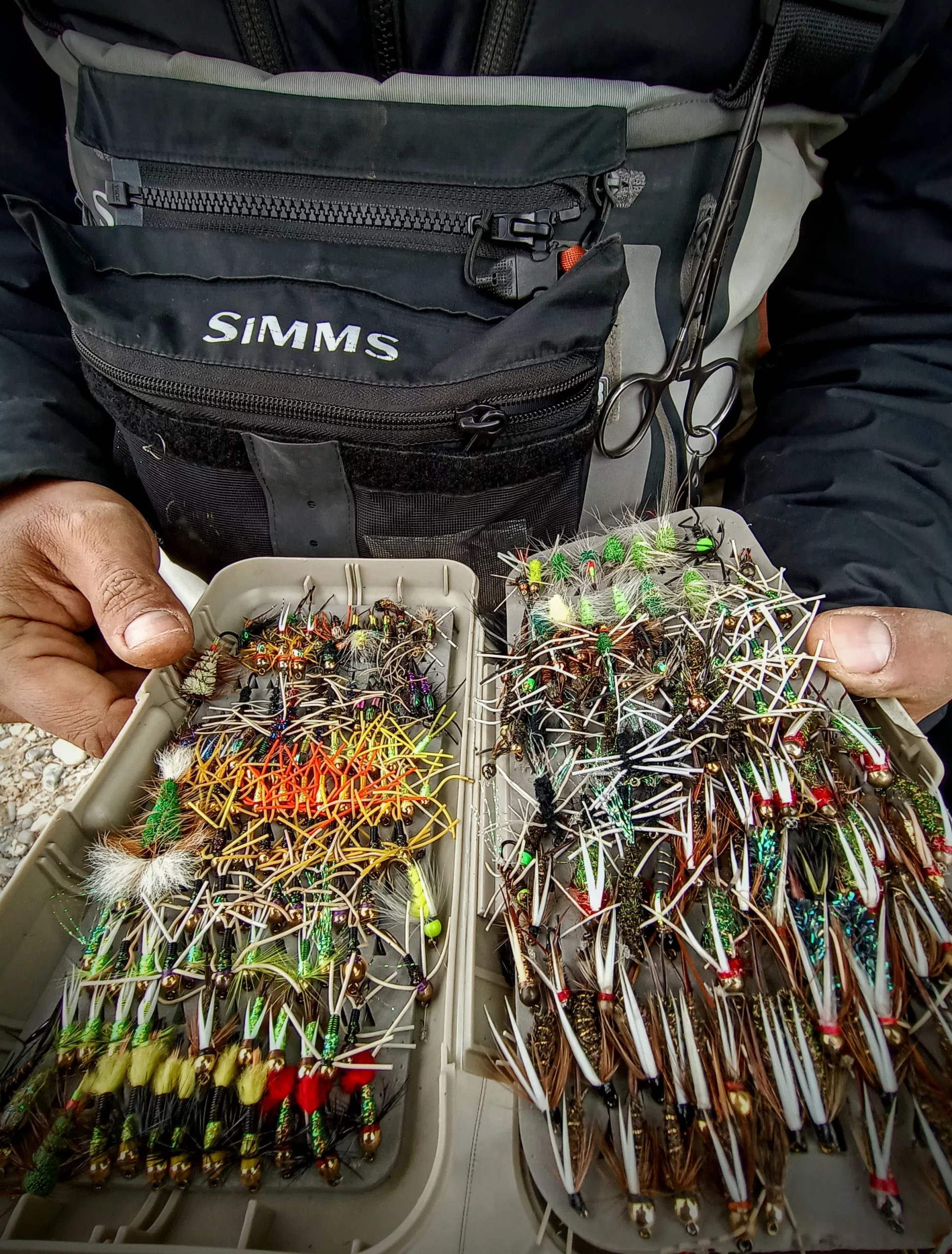
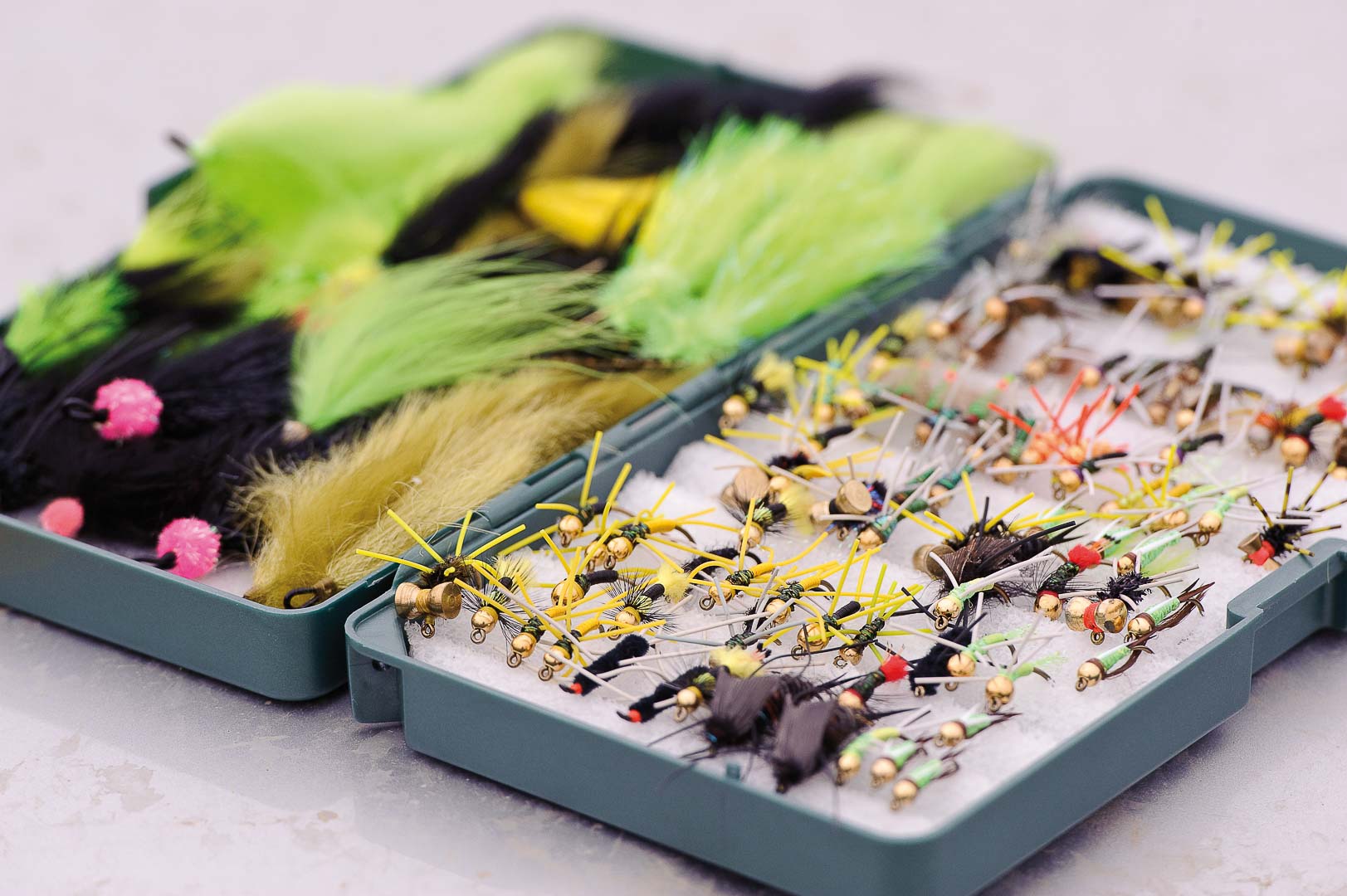
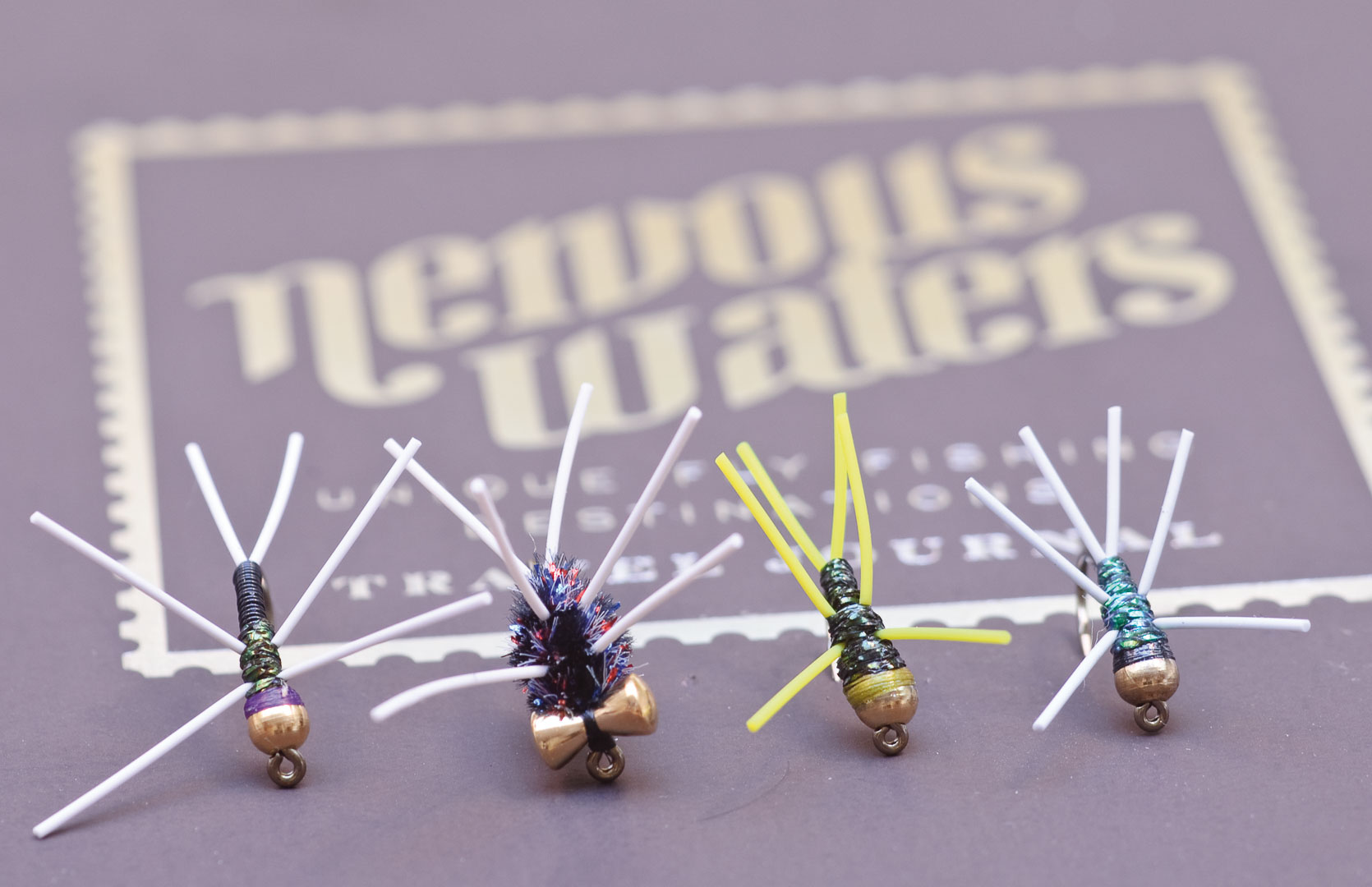
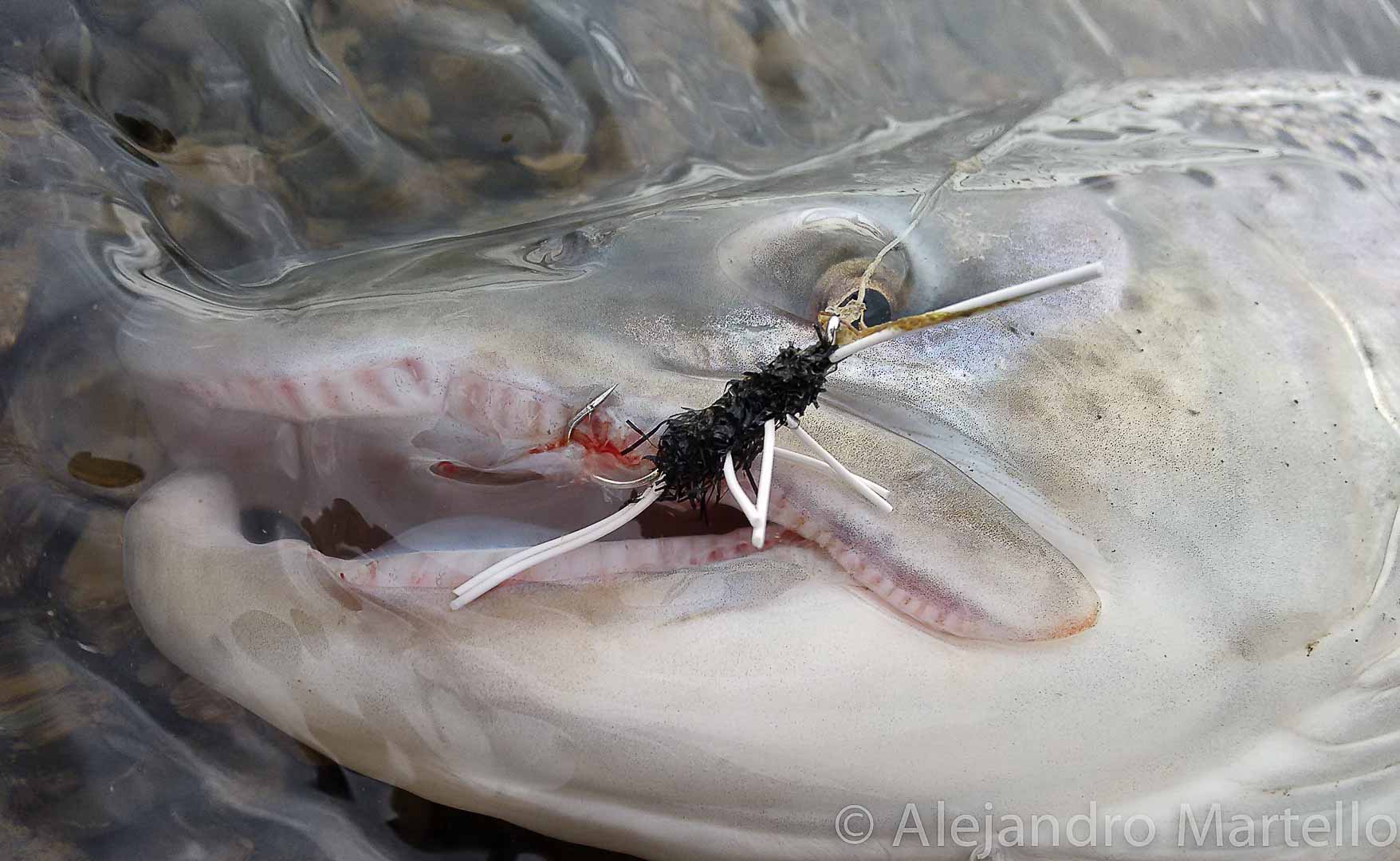
If you wish to bring your own flies, please be sure to pack a good variety. Sea-run brown trout are notoriously unpredictable—perhaps the only constant in their preferences is a penchant for black. The trout that eagerly takes your small salmon pattern one day may demand a fly with white rubber legs the next! Historically, most Río Grande fish were caught on large streamers, likely because those patterns were most commonly used. However, during low-water conditions, many large sea trout are taken on smaller wet flies, nymphs, and dry flies in sizes 6 to 12. We recommend bringing a diverse selection of flies in different patterns and sizes, and changing them frequently when a particular combination isn’t producing results. Your guide will help you determine the most effective options based on light conditions, water levels, and daily fish behavior. Please note that barbless hooks are strongly encouraged. 

Here are some of the most productive flies to use on the Río Grande:

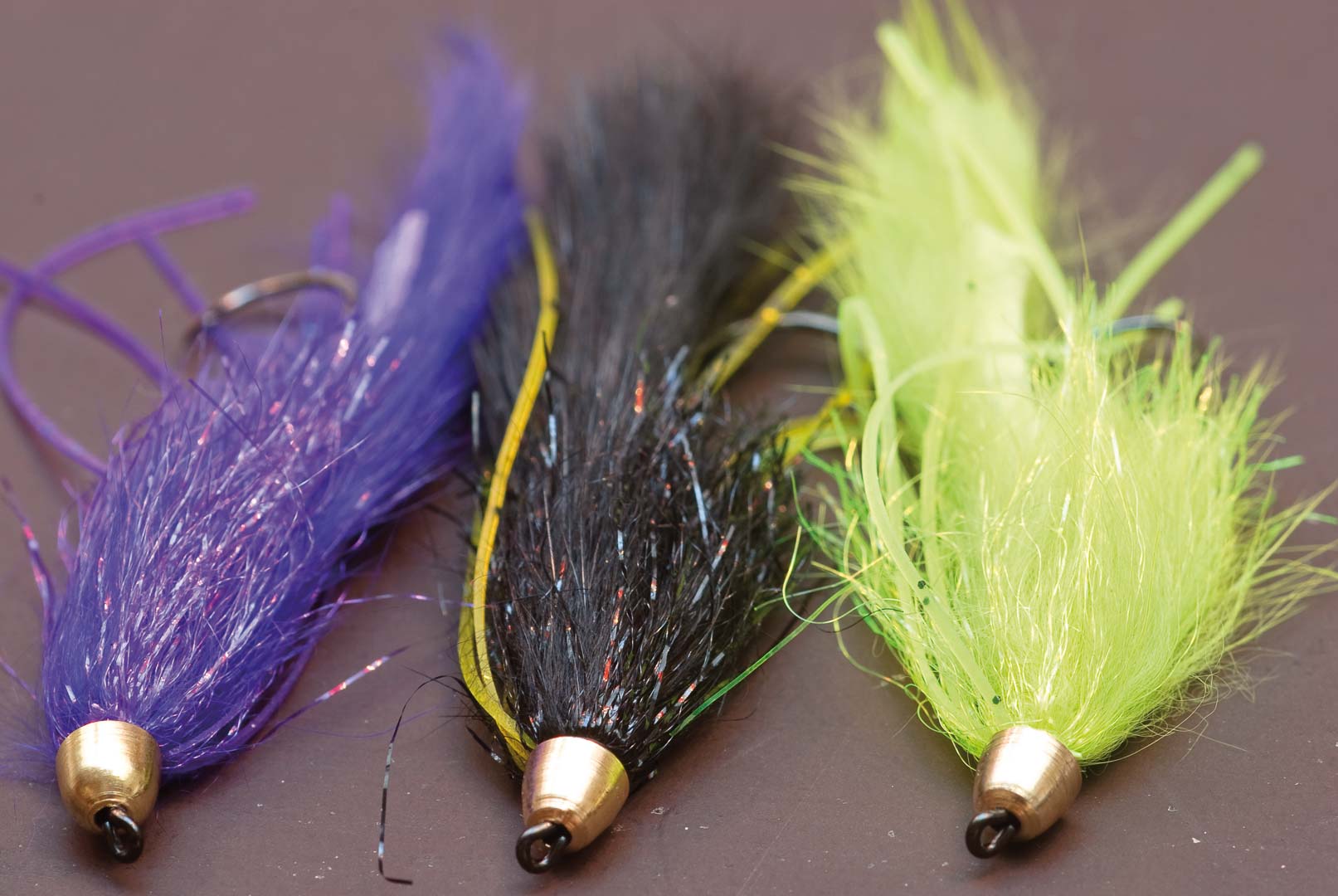
        • Collie Dog tube flies (3 1/2 – 4 1/2” long, both aluminum and copper bodies, with hard plastic tubing and #4 wide-gape hooks) 
        • Sunray Shadow in different sizes. 
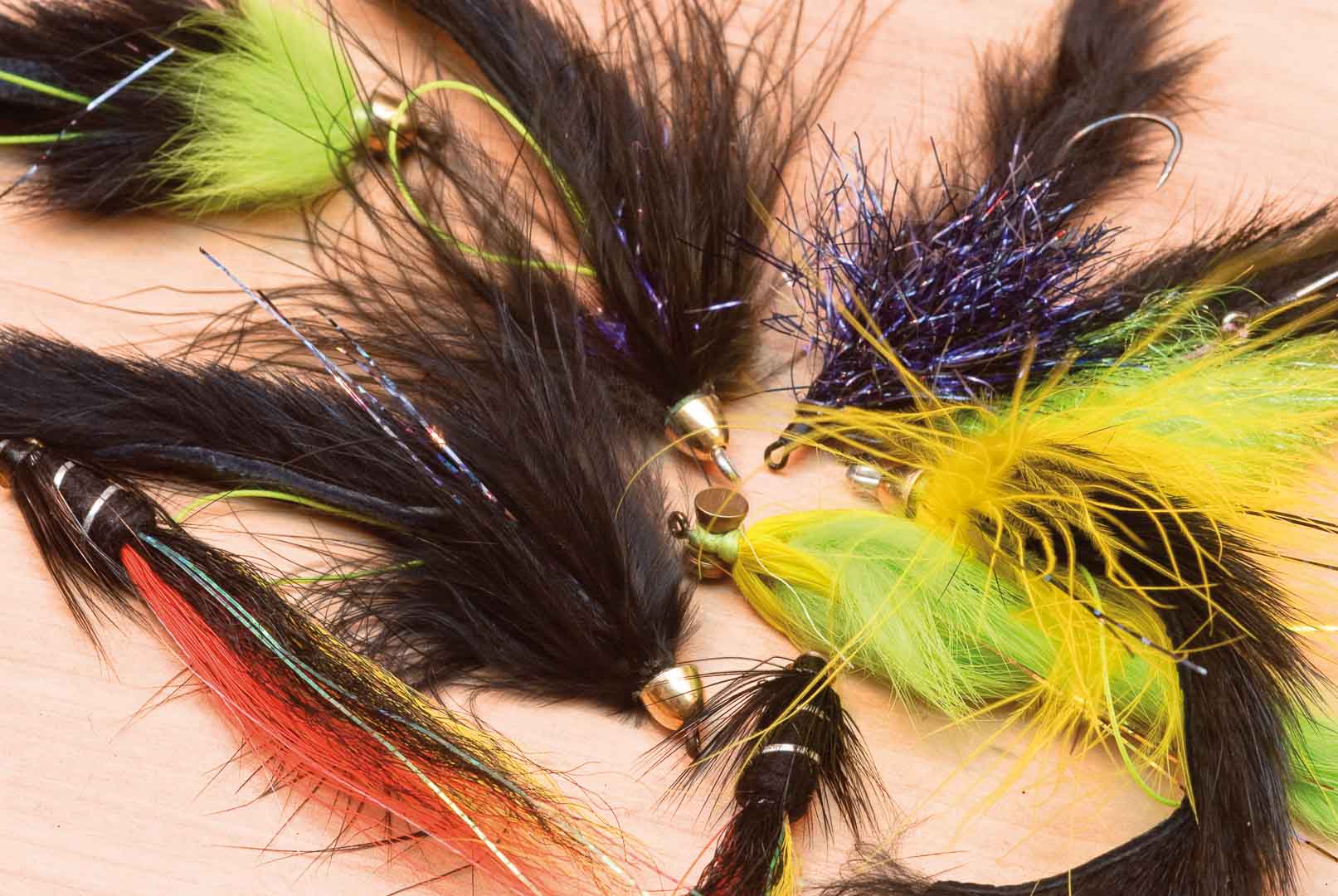
        • Bunny Leech, Zonker, Woolly Bugger (black/ olive), articulated string leech types, with electric blue flash, intruders (#2-4, wide gap and short shank hooks). Favorite color variations for the Rio Grande and the Menendez include Black/Chartreuse, Blue/Chartreuse, Black/Silver, or simply chartreuse. 
        • Peacock (now a staple on Rio Grande, tied on #2-4 hooks) 
        • Girdle or Yuk Bug rubber legs (#4-12) § Bitch Creek Nymphs (orange and black, #4- 12) § Bead Head Nymphs, Prince, Hare’s Ear (#6- 12) § Traditional Atlantic Salmon flies 
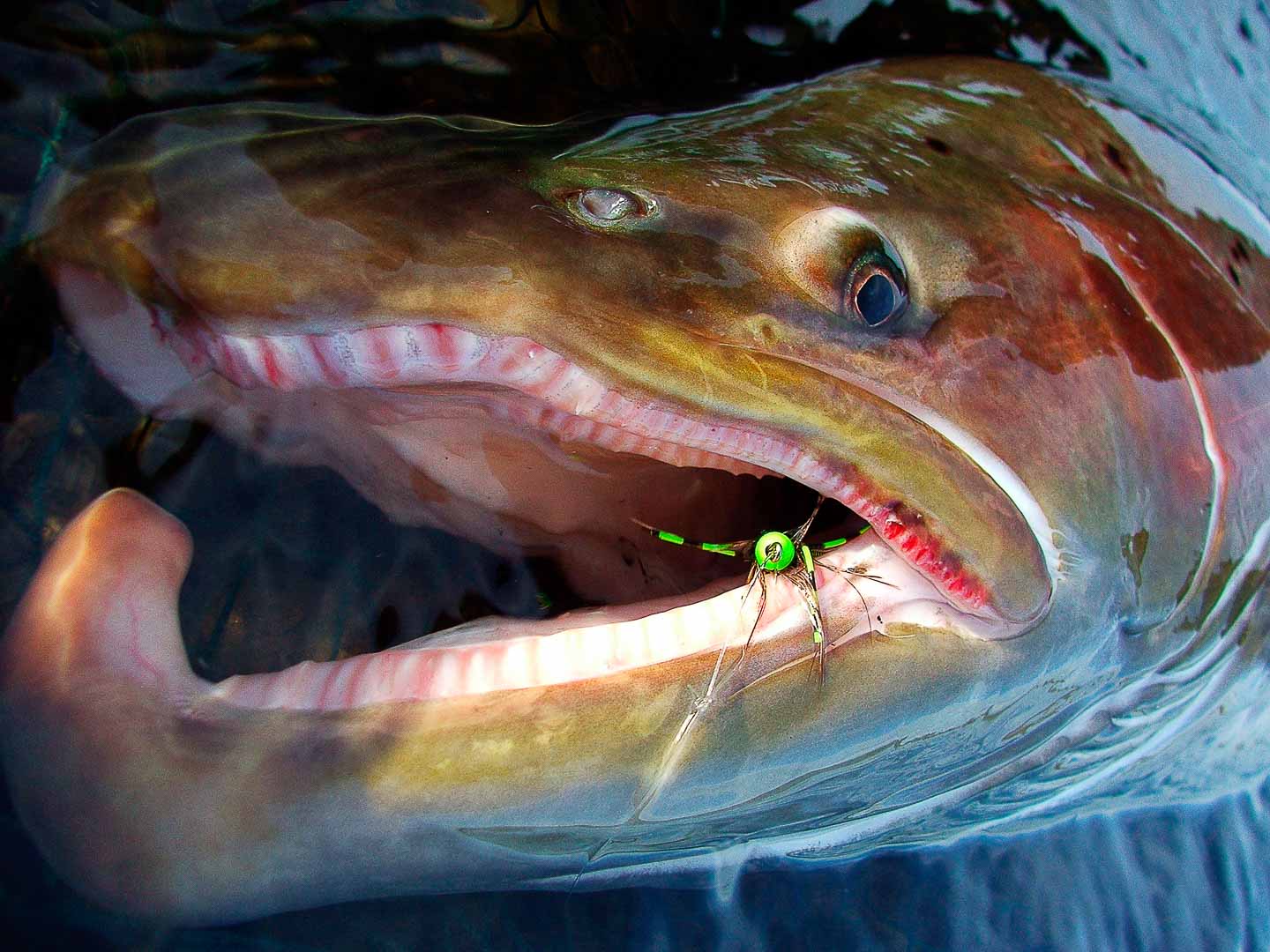
        • Bombers or other waking dry flies (#4-8 natural deer hair, black & green), for use drifted or with a Portland hitch 
        • Green Machine (both brown hackled & white hackled green machine work fine)

Include 1- to 2-inch tube flies if you have them, as tubes can be effective on the Rio Grande. Also, take any large dark trout or salmon fly in which you have confidence. Fishing a fly that has worked for you in the past, and in which you have confidence in is half the battle.

Note: Larger streamers should be weighted tied on heavy hooks with good gapes. Treble & Double hooks are not allowed on the Rio Grande.

Culinary Experience​

At Nervous Waters, our goal is to deliver a true taste of Argentina.

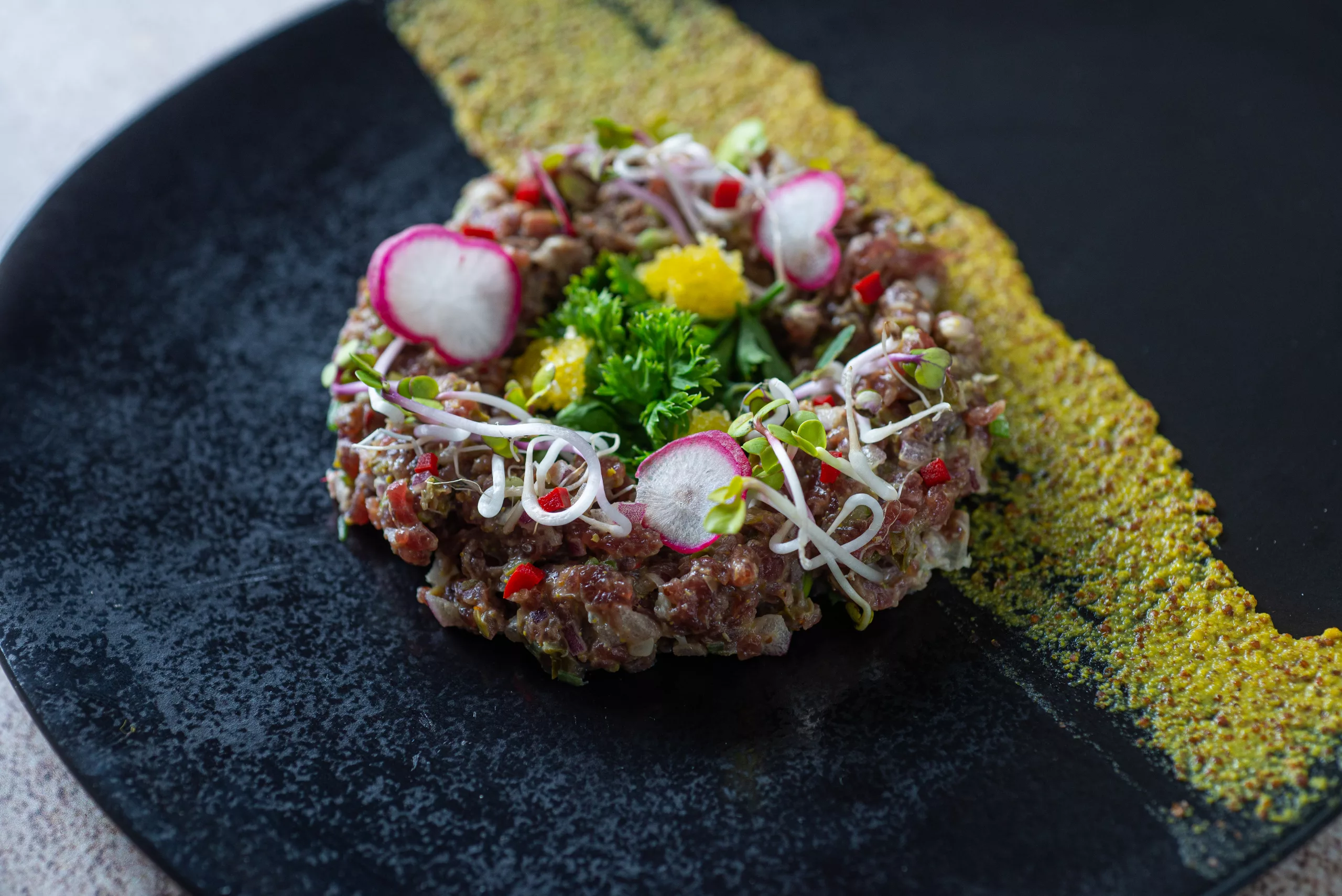
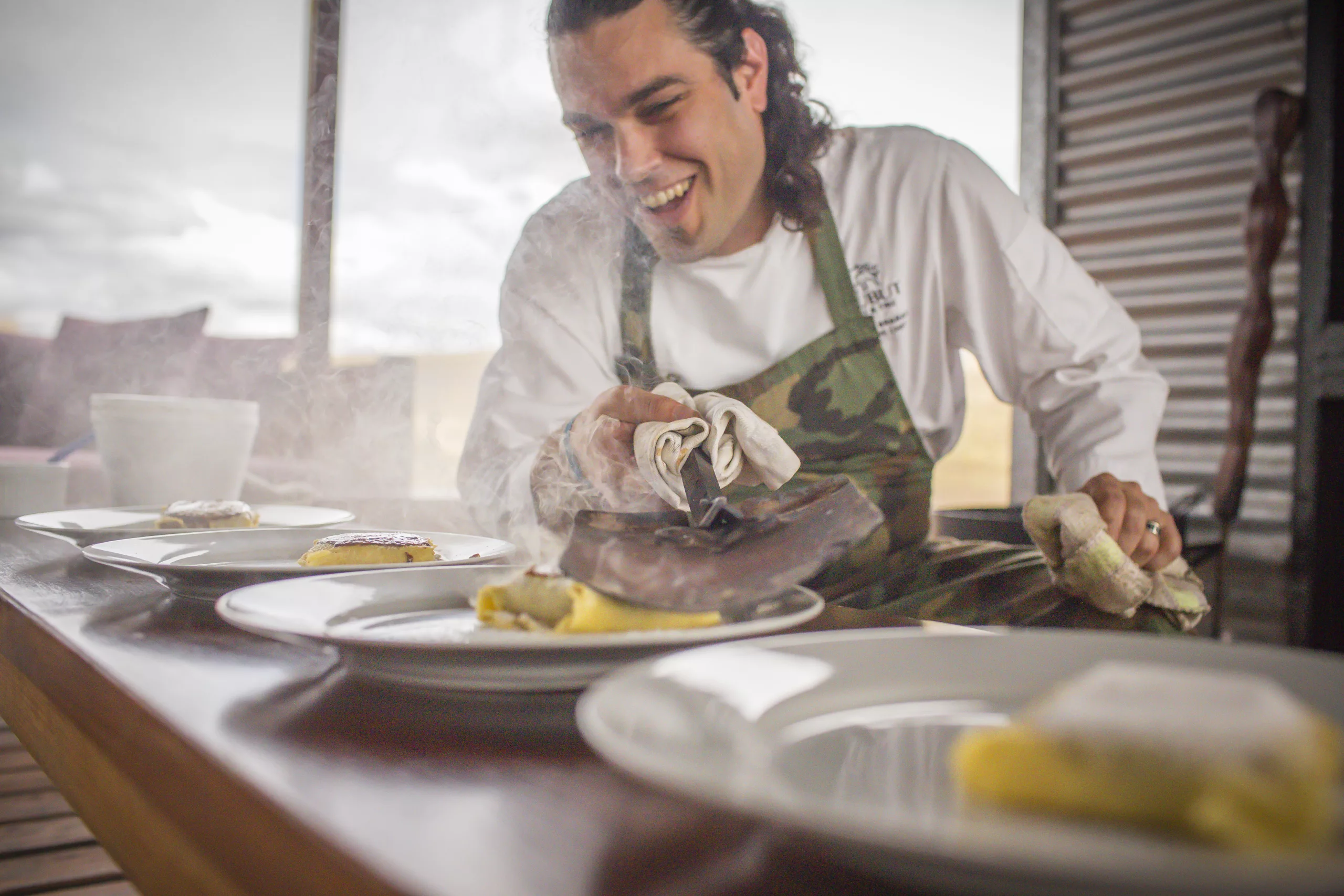
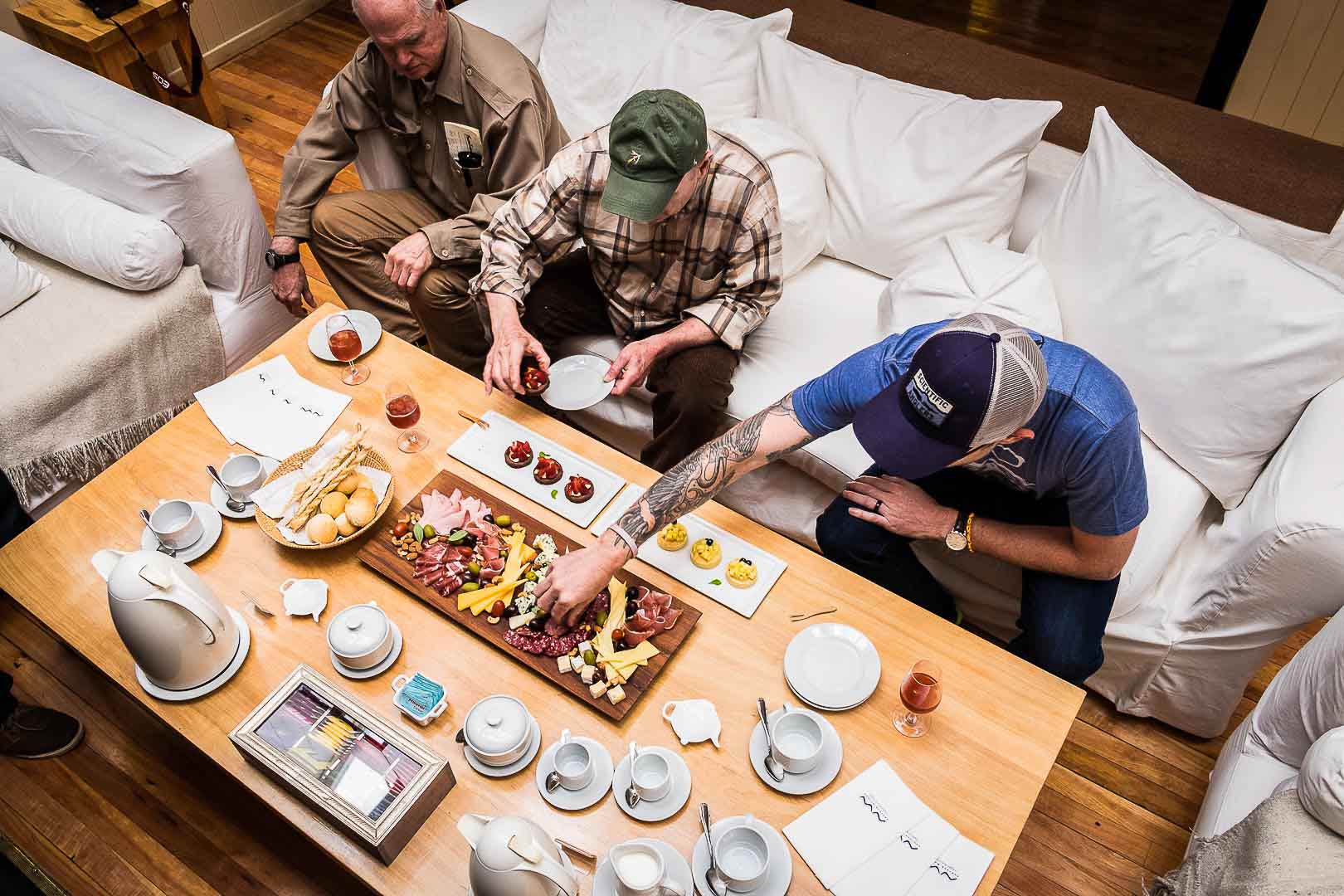
Our kitchens come to life through the use of fresh and regionally representative meats and products. By combining these elements, we create delicious flavors and varied textures that harbor hidden stories and share dining traditions with each plate. We have curated a top-notch team of experienced Argentine and international chefs, trained in both classic and avant-garde culinary techniques at each of our lodges.

Each meal is prepared with an artisan’s touch and influenced by the earthiness of the surrounding landscape. Sustainability is at the heart of our cuisine and a true connection to nature runs through every dish. To top it off, our guests enjoy each meal in our beautifully designed lodge dining rooms and outdoor lunch experiences. Chefs prepare every dish from scratch to be served at a minute’s notice. Freshness is paramount and perfecting the flavor is our key to success.

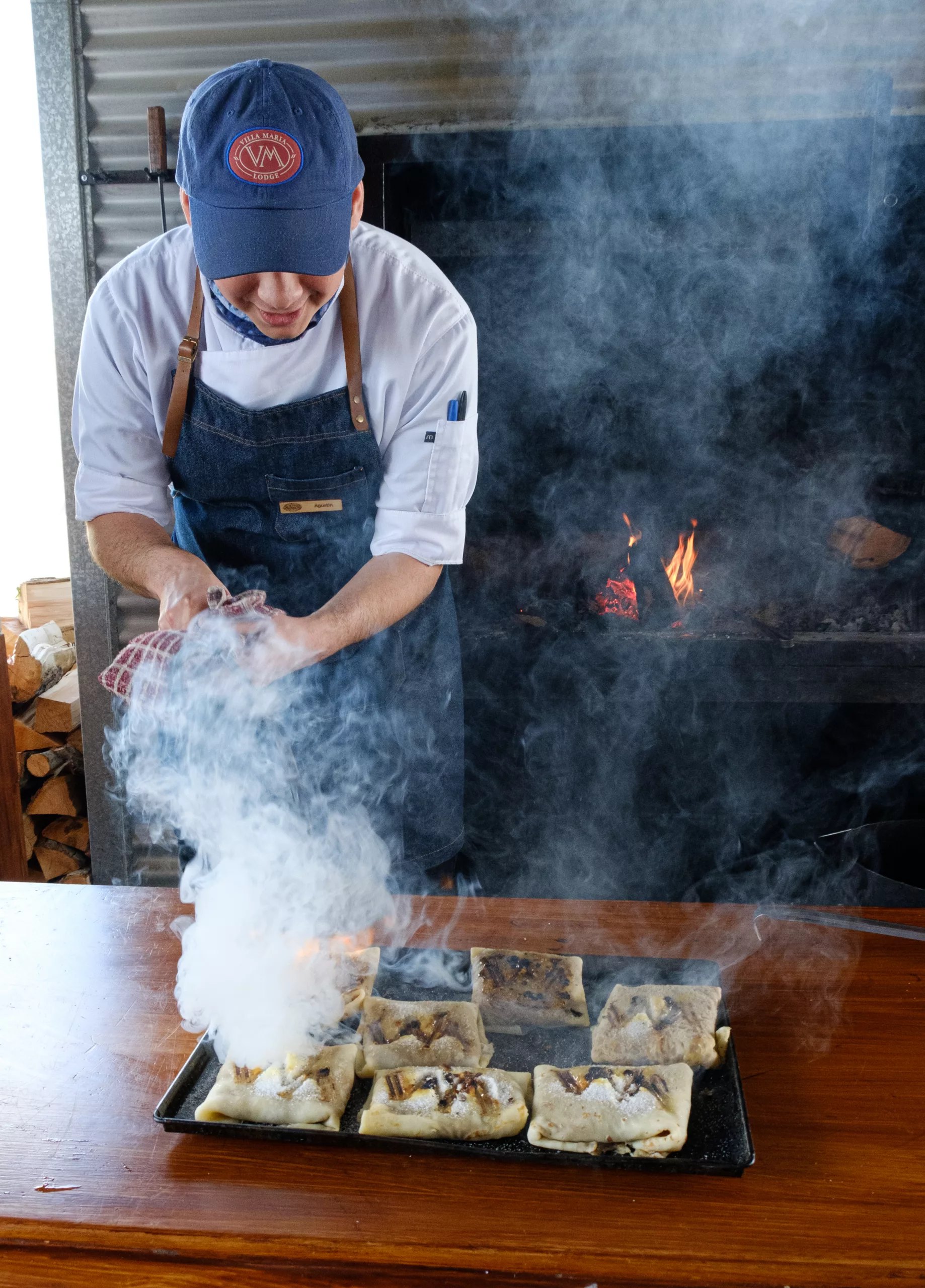
All our beef comes from Aberdeen Angus and Hereford steers. It is grass-fed cattle from our Pampas. We carefully select our suppliers, which guarantees the high quality, flavor, and tenderness of our meat. You will enjoy meat cooked on the fire and in several different ways in our lodges and in the field.

Breakfast is the most important meal of the day in our lodges. Choices stretch from local free-range Eggs Benedict to organic and healthy breakfast options. We change our menu daily to keep things fresh. Later in the day, our superb lunch and dinner menus are paired with some of Argentina’s—and the world’s—best wines; Bodega Catena Zapata.

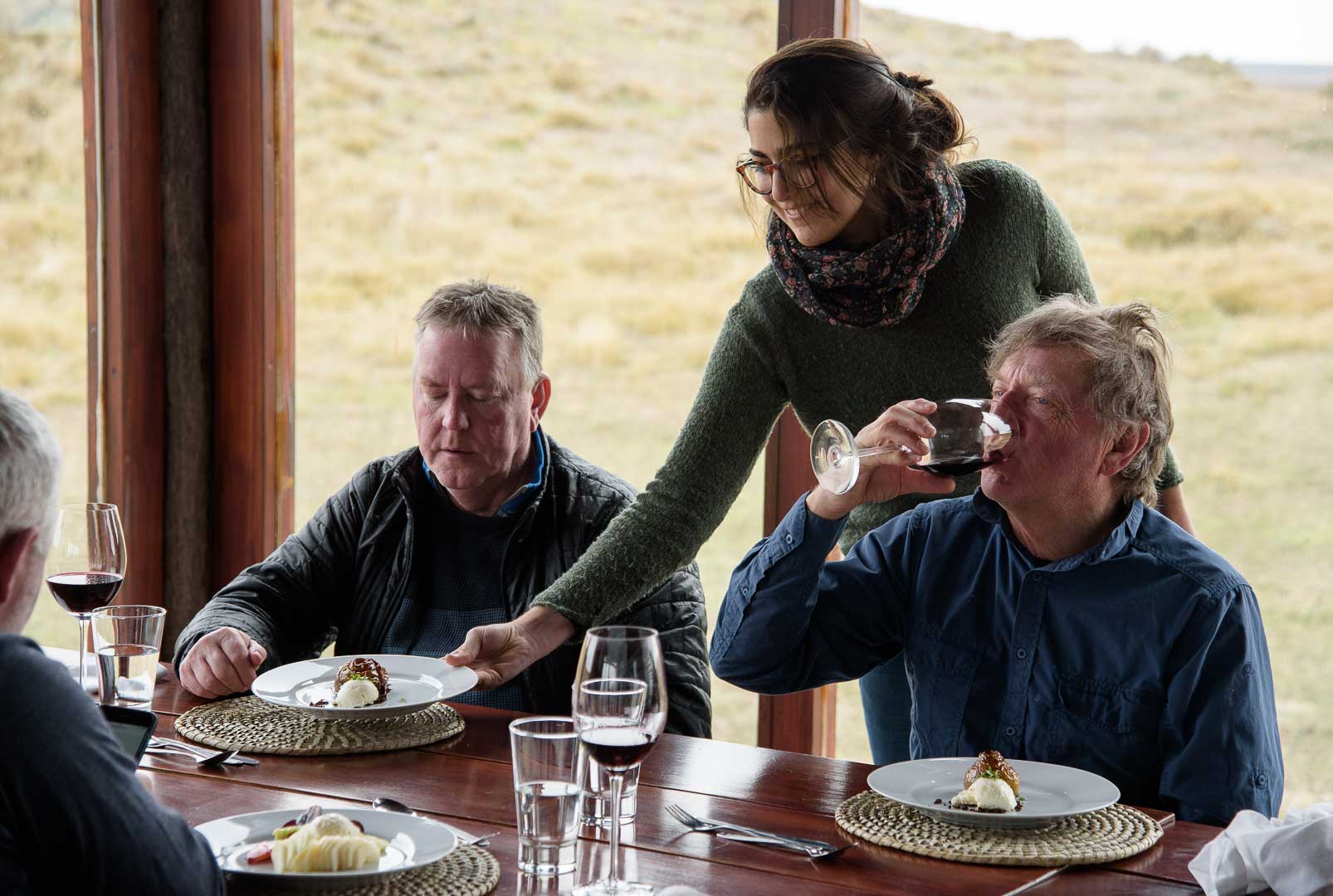
In addition to our focus on fresh food with organic origins, we also celebrate our Argentine heritage with a wine partnership that brings truly world-class vintages to our lodges. Our wide selection of finest wines, the best Argentine Malbec from the Mendoza region, and a large variety of other grape selections, are served by a knowledgeable team. We feel that the food we present and the wines we serve should mirror the sporting opportunities we offer—and be the finest available.

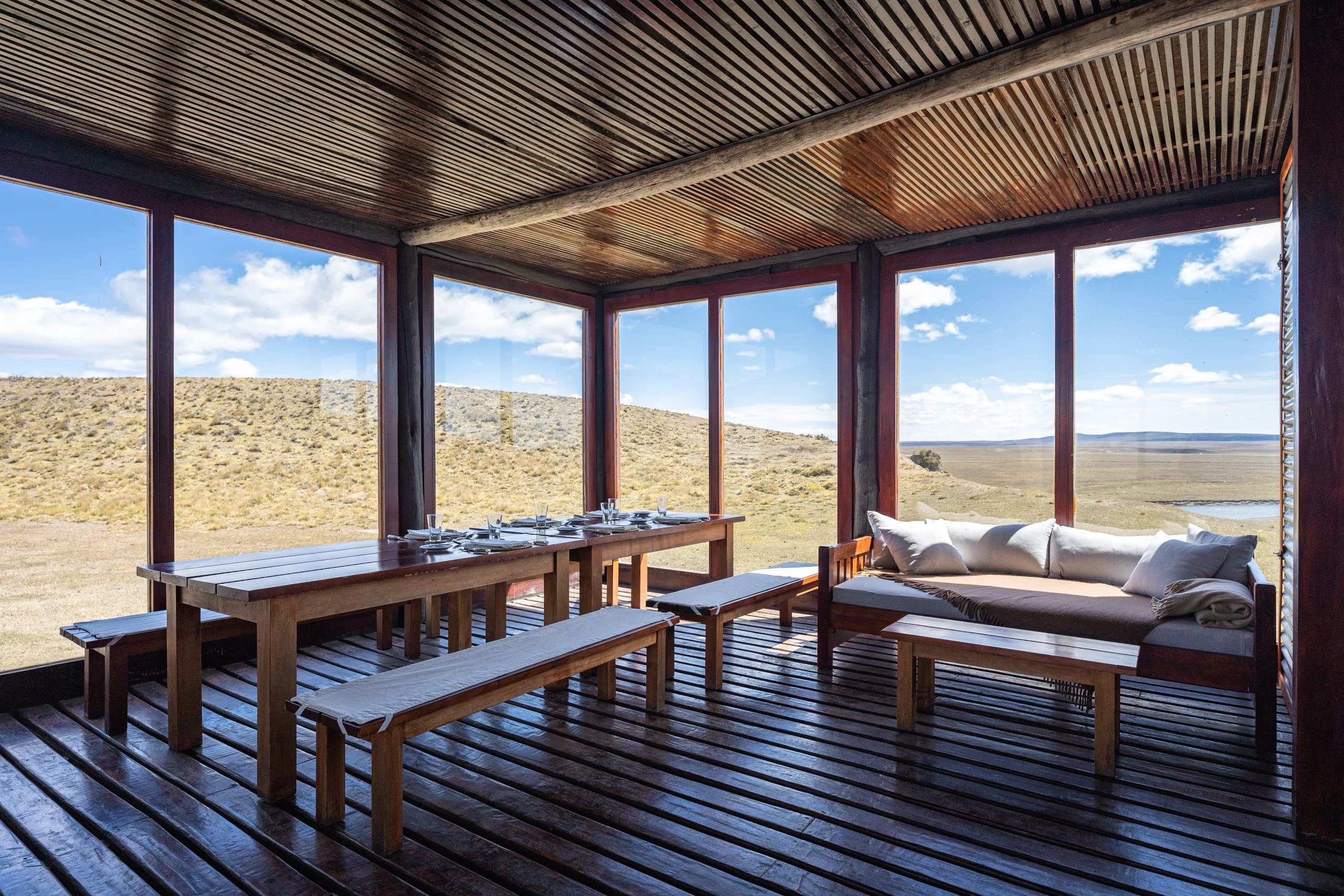
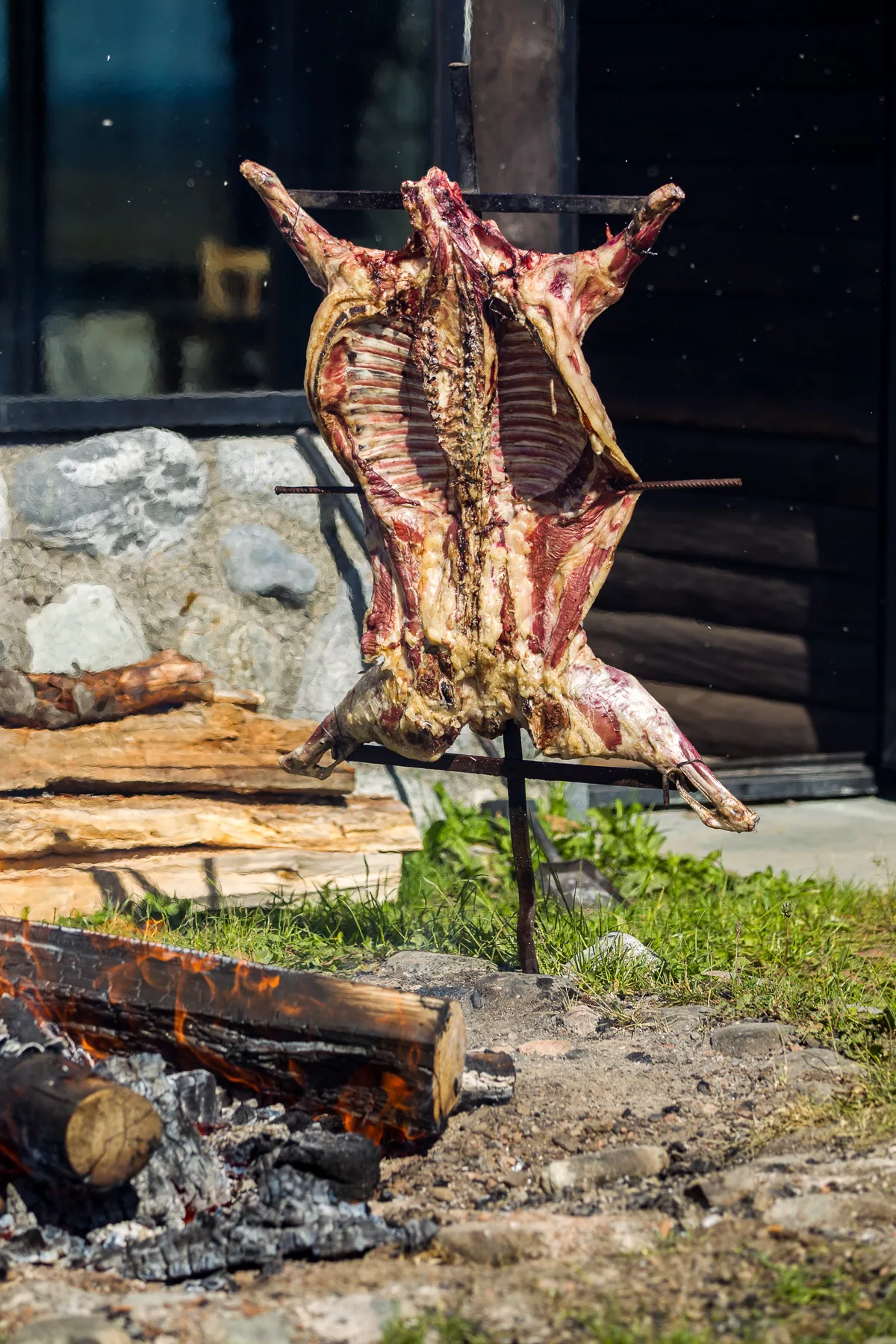
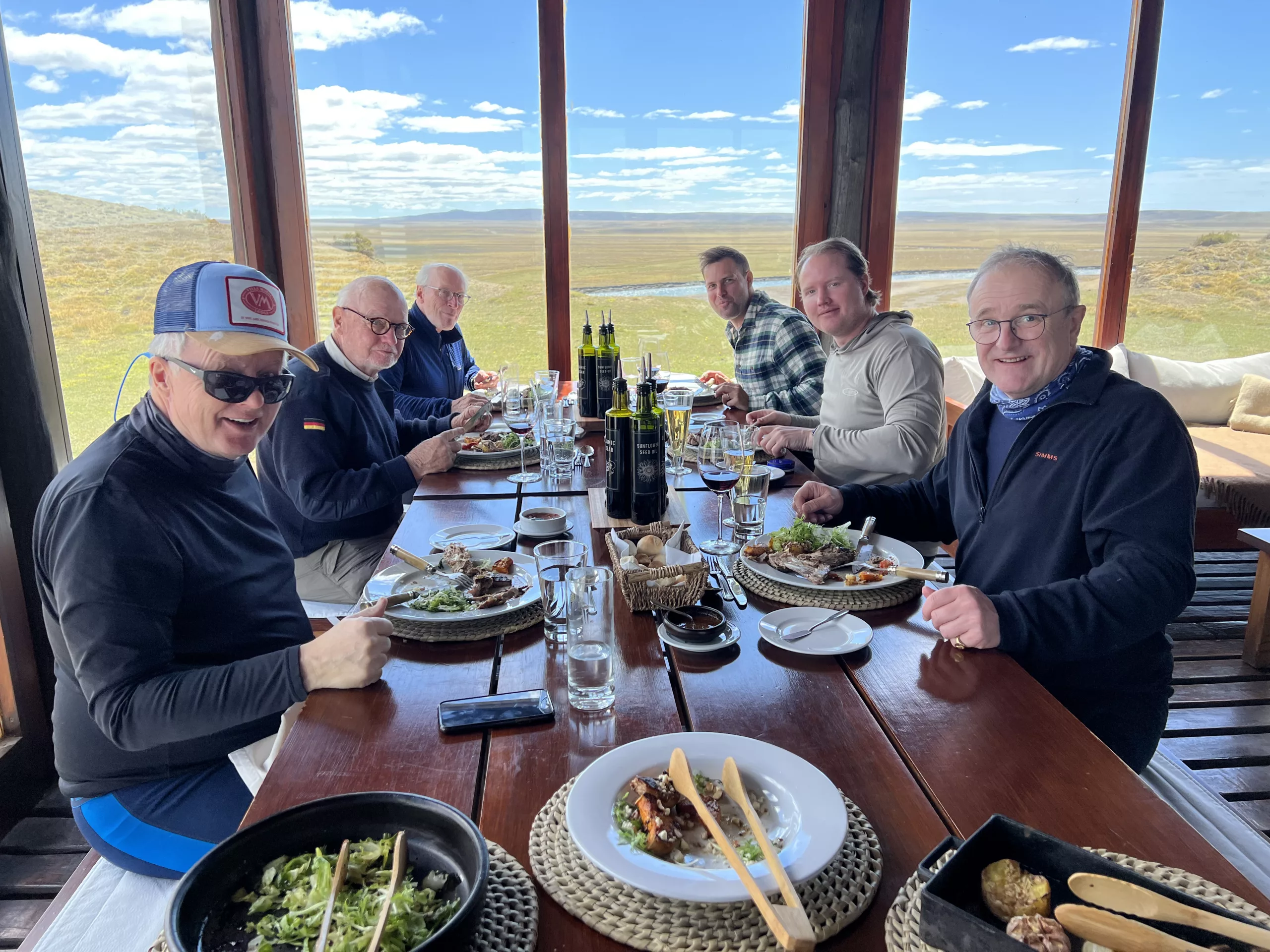
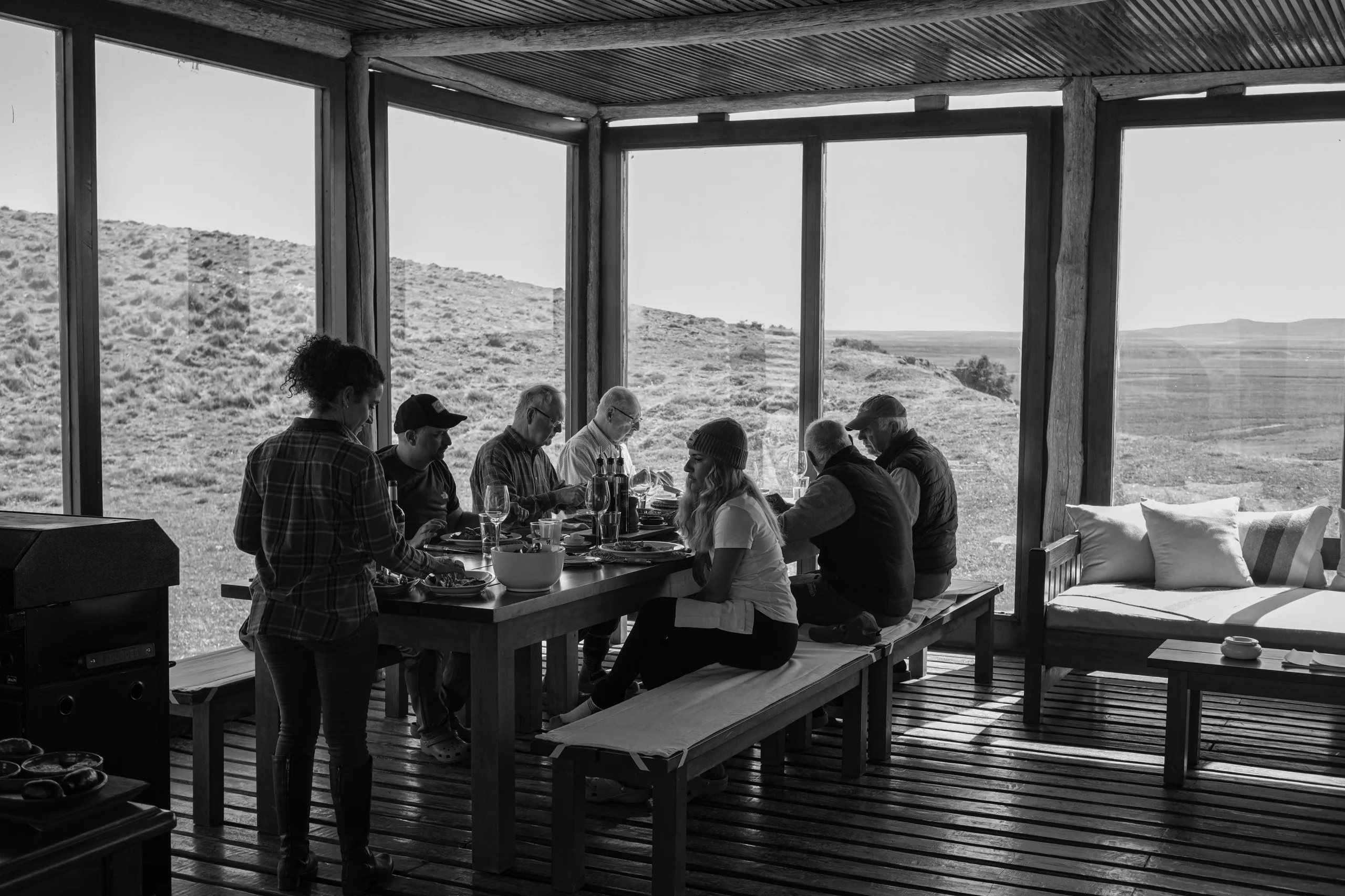
At Villa María Lodge, our kitchen is characterized by both classic preparations and modern flavors, offering local and worldwide specialties in a cozy and contemporary setting. Every day you’ll enjoy lunch down at our River House. Purpose-built to be a restful retreat overlooking the Río Grande where guests can take lunch and soak in the Tierra Del Fuego landscape. While you relax our chefs will prepare your dining experience. A rotating menu always keeps things interesting. No Villa Maria stay would be complete without enjoying our legendary Asado, like our famous Patagonian Lamb cooked over the open flame, paired with a table of fresh grilled vegetables, salads, and, of course, our house special Chimichurri!

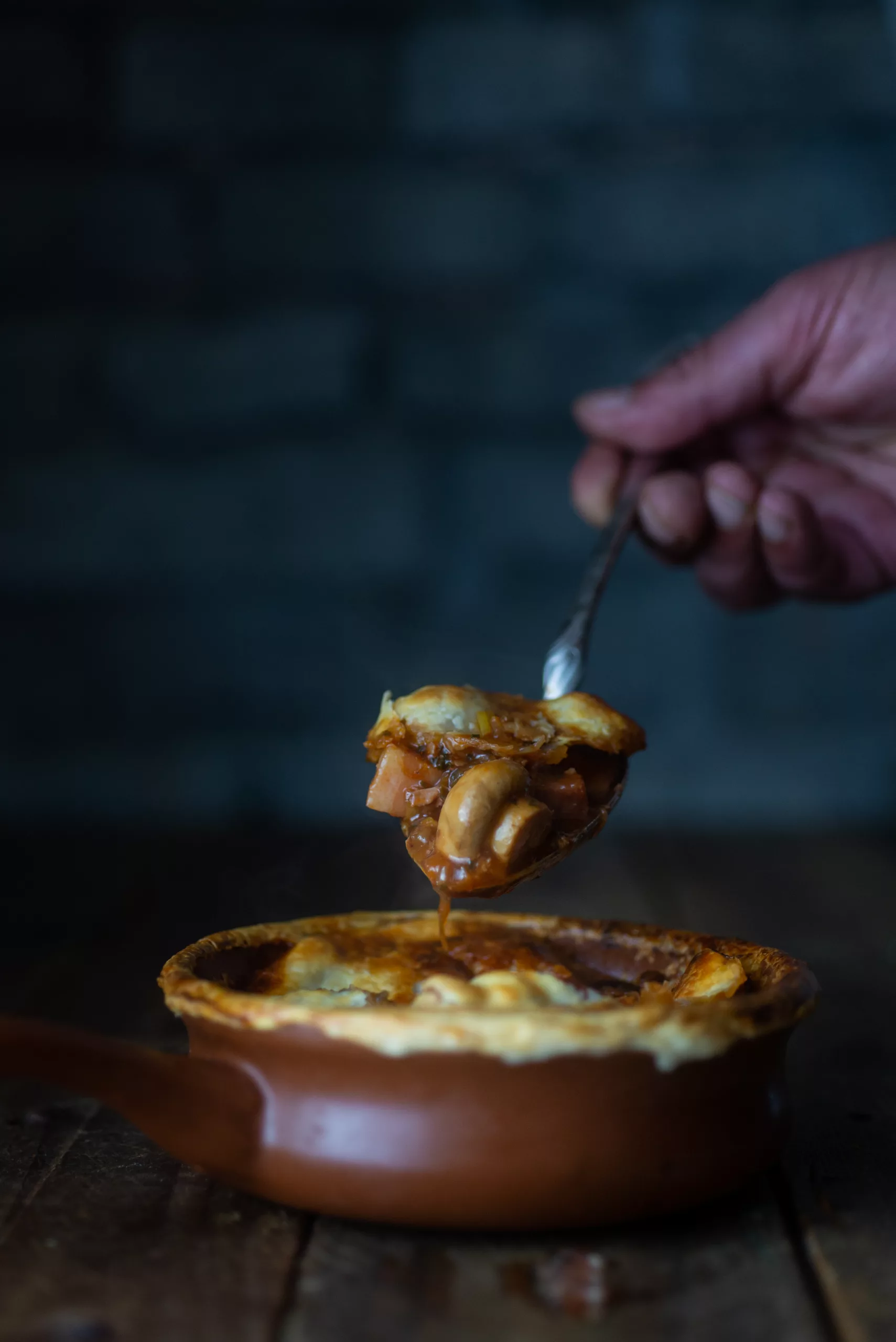
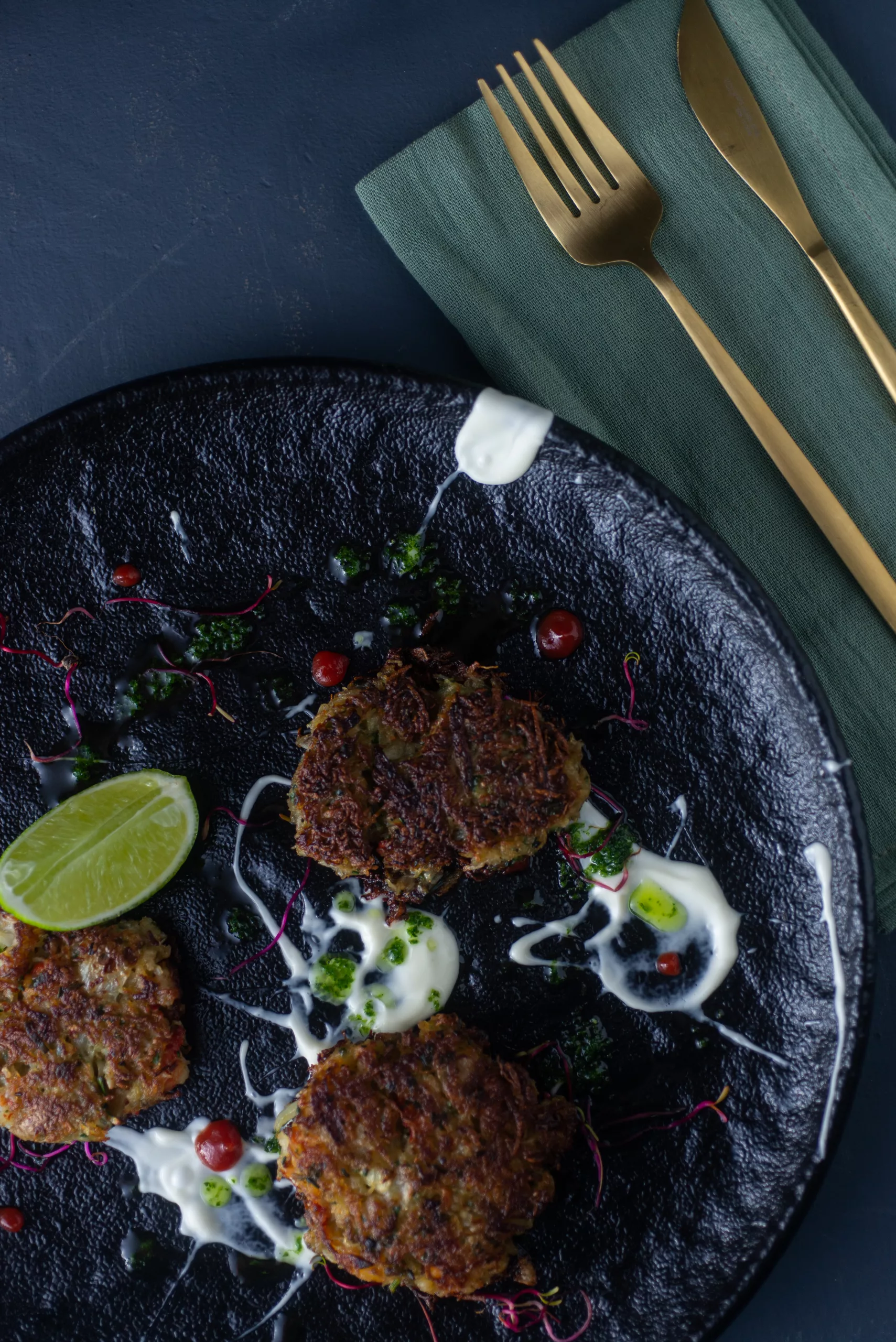
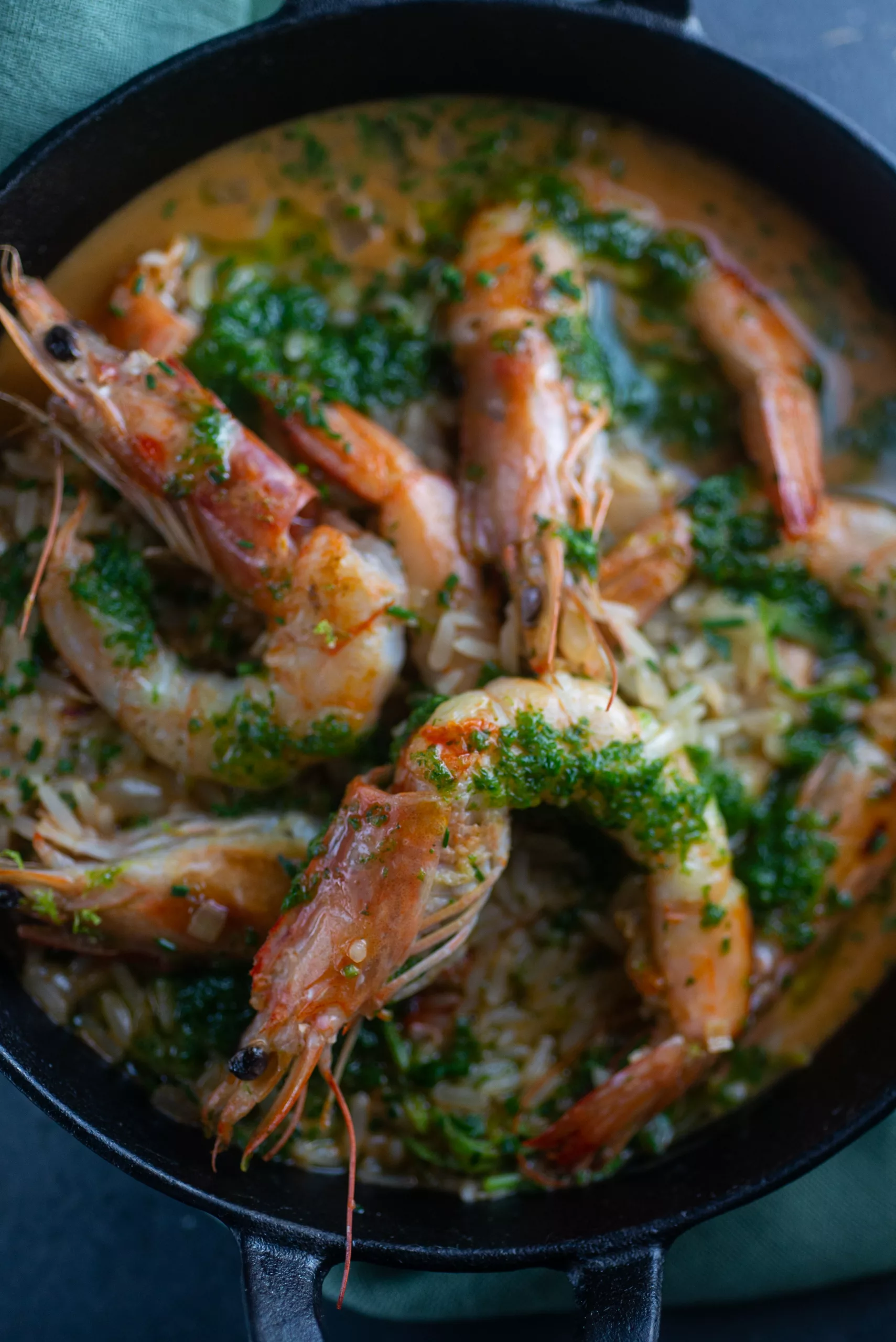
We specialize in creating meals that you will remember for years to come. Fresh oven roasted vegetables and baked desserts are the perfect way to warm up during those cold and windy Tierra del Fuego days. Mere miles separate our lodge from the sea, and you’d be remiss if you missed out on our ocean-fresh seafood offerings including King Crab, savory Sea Bass, Black Hake, and freshly plucked mussels. Fresh homemade pasta dishes are always available on our menu and rotate daily.

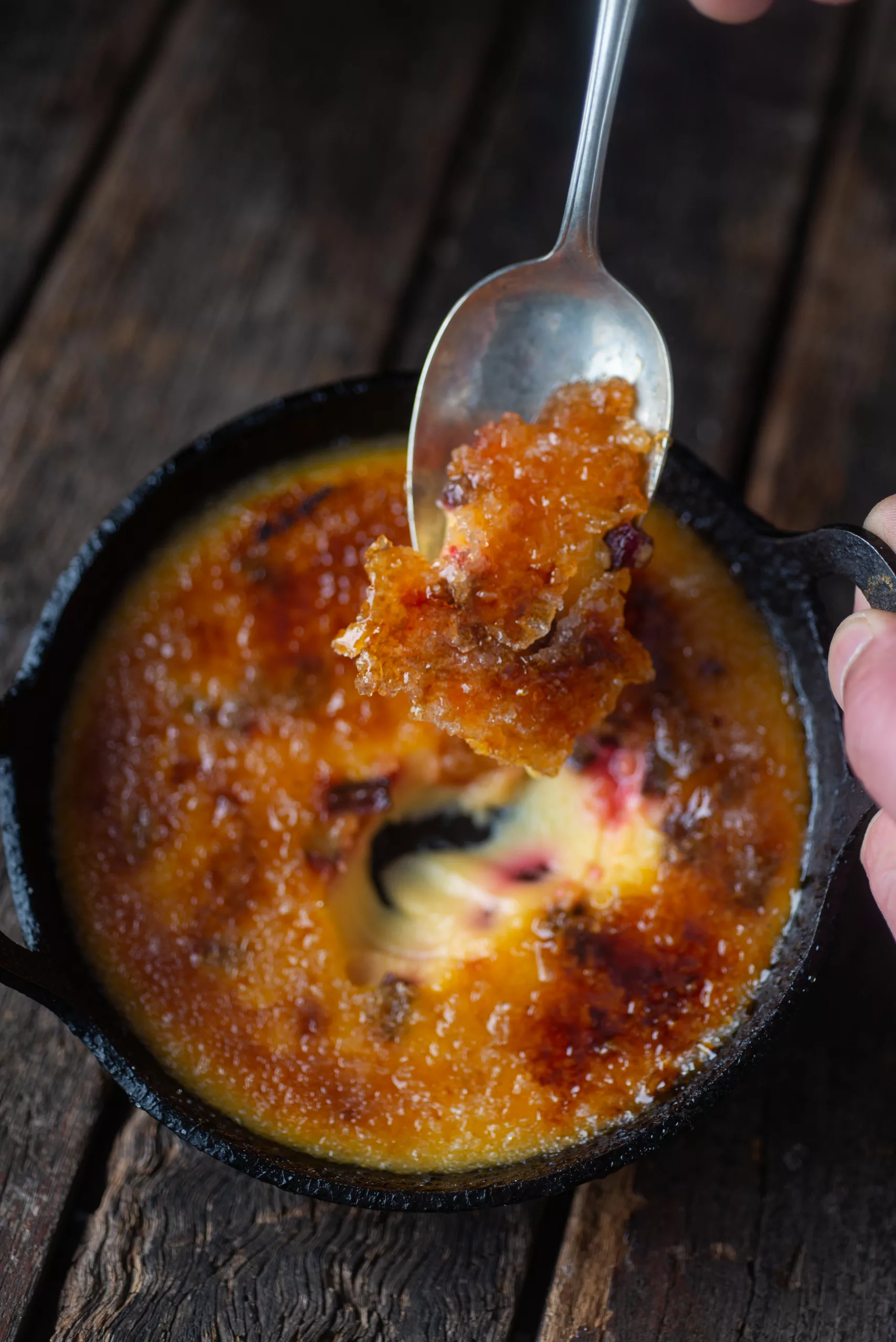
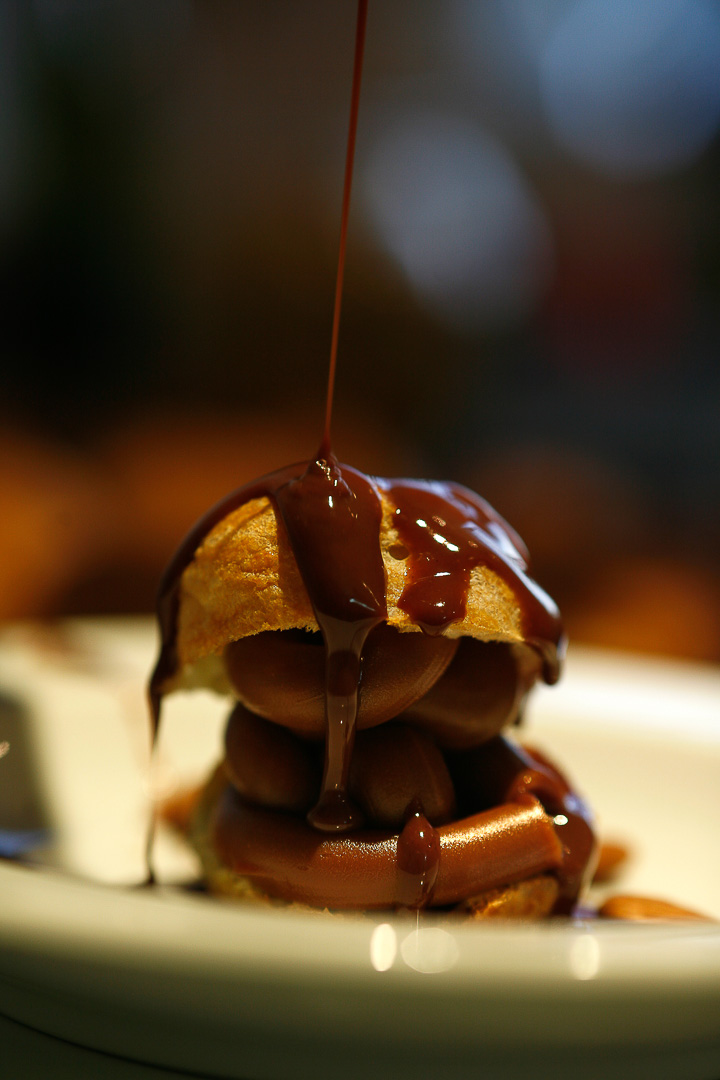
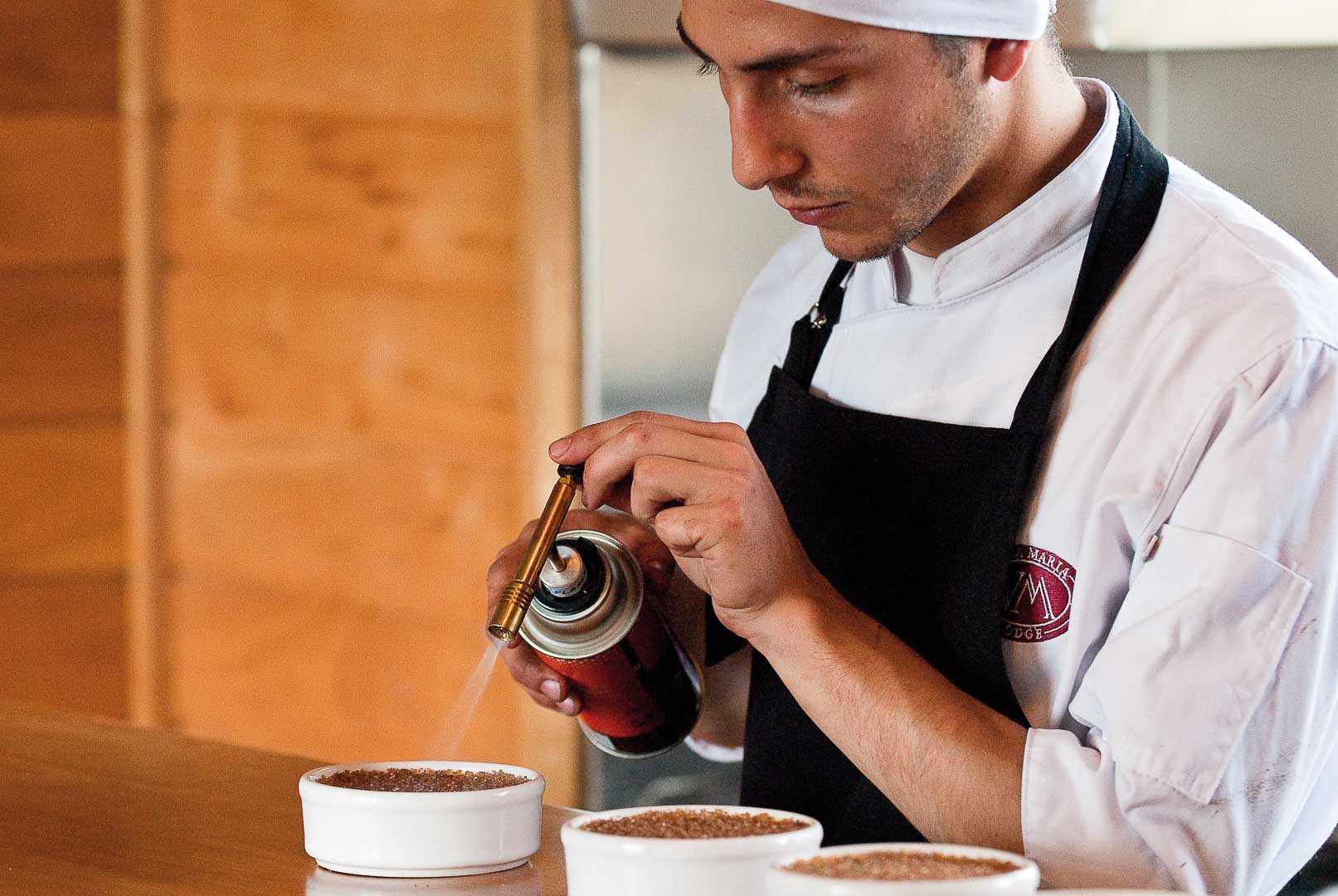
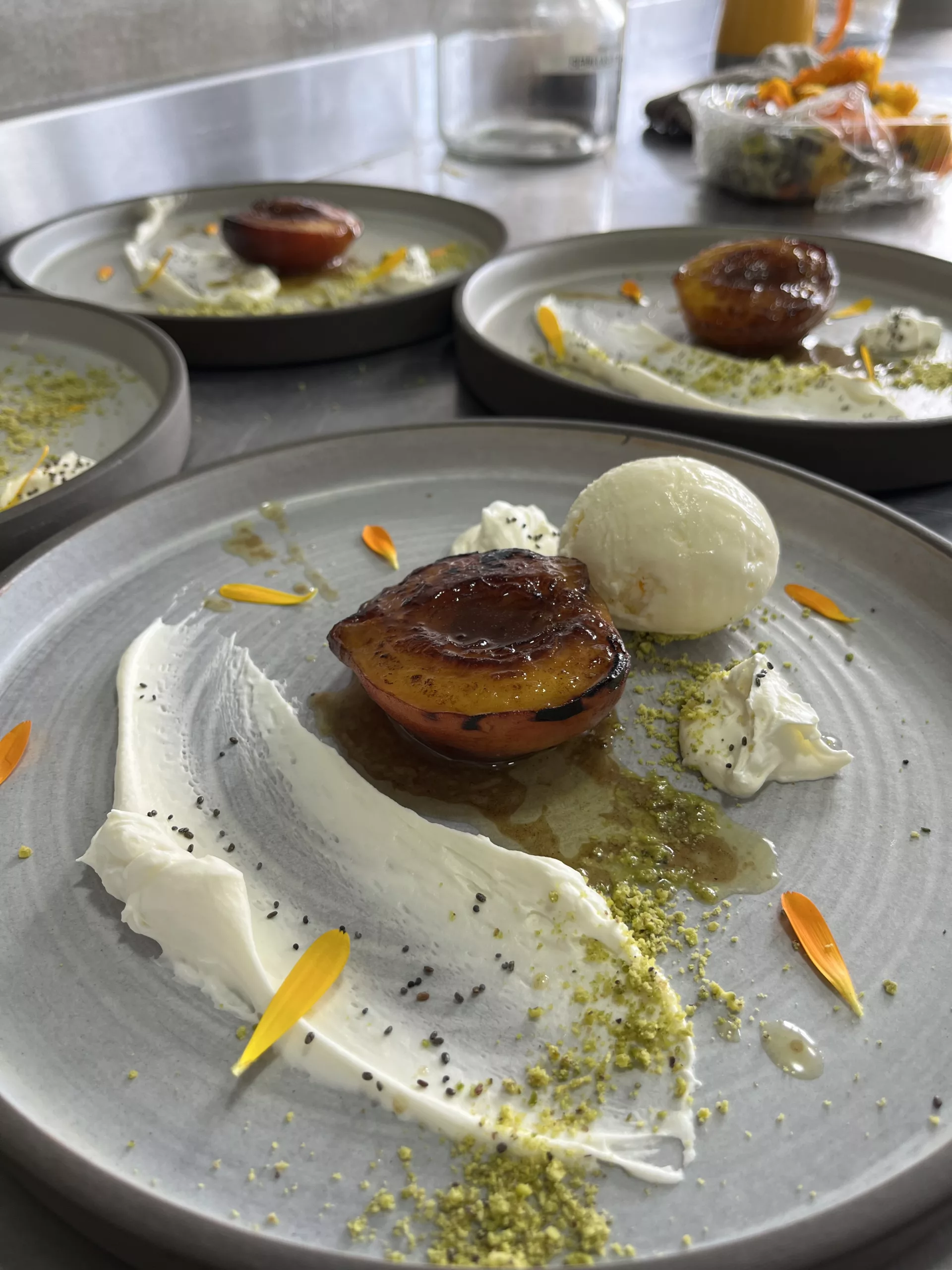
Of course, every Nervous Water’s meal features our decadent desserts prepared by our in-house pastry chefs. Favorites include homemade ice creams and sorbets, fresh baked cookies, seasonal baked fruit, and rich cakes.

Weekly Rates

Season 2026: December 26th, 2025 – March 27th, 2026

Prices are in US$ and per person

* Dec 26 - Jan 2

$ $ 12,950
  •  

* Jan 2 - Mar 6

$ $ 14,950
  •  

* Mar 6 - Mar 27

$ $ 12,950
  •  

Rates are based on 7 nights and 6 days fishing, and include a single room and shared guide. 

Fishing Licenses: $595 per person

Non-angler: $650 per night per person

* Friday to Friday weeks include:

Included

Not included

Combine your Trip

Double down on your sporting adventures and experience all The Kautapen Group has to offer by combining your stay with another of our hunting or fishing lodges.

Our research and experience tell us that over 65% of anglers are also actively interested in bird hunting and big game hunting. If you are a part of that majority and are interested in adding variety to your sporting life, look no further than David Denies Bird Hunting and Red Stag Patagonia. All three brands are owned and operated by the same company, The Kautapen Group, and each operation is dedicated to making your outdoor experience fun, memorable, and productive.

Interested in this Lodge? Let's plan your trip

What our guests think about us