Permit Fishing in Mexico & The Bahamas

Permit Fish

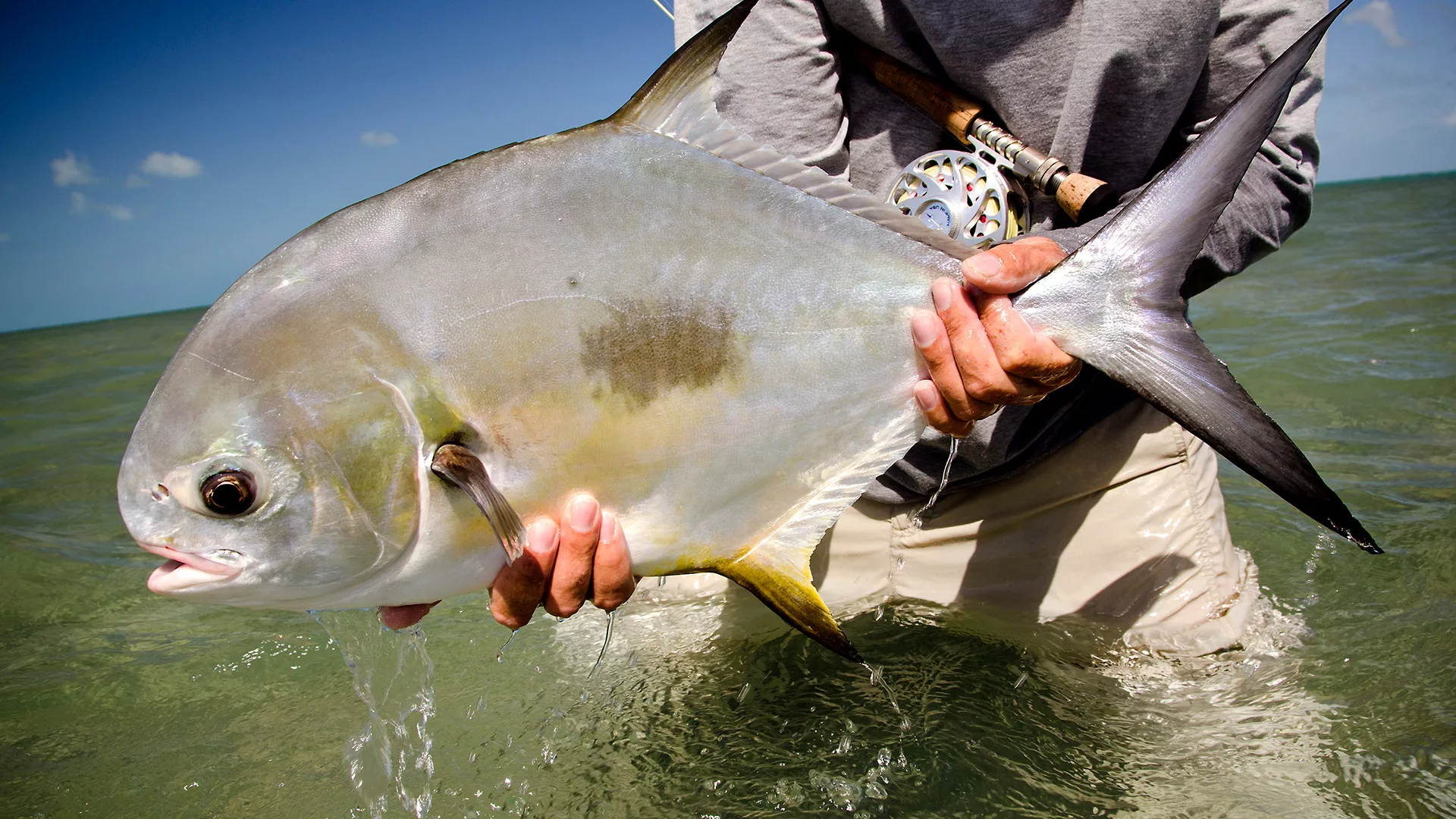
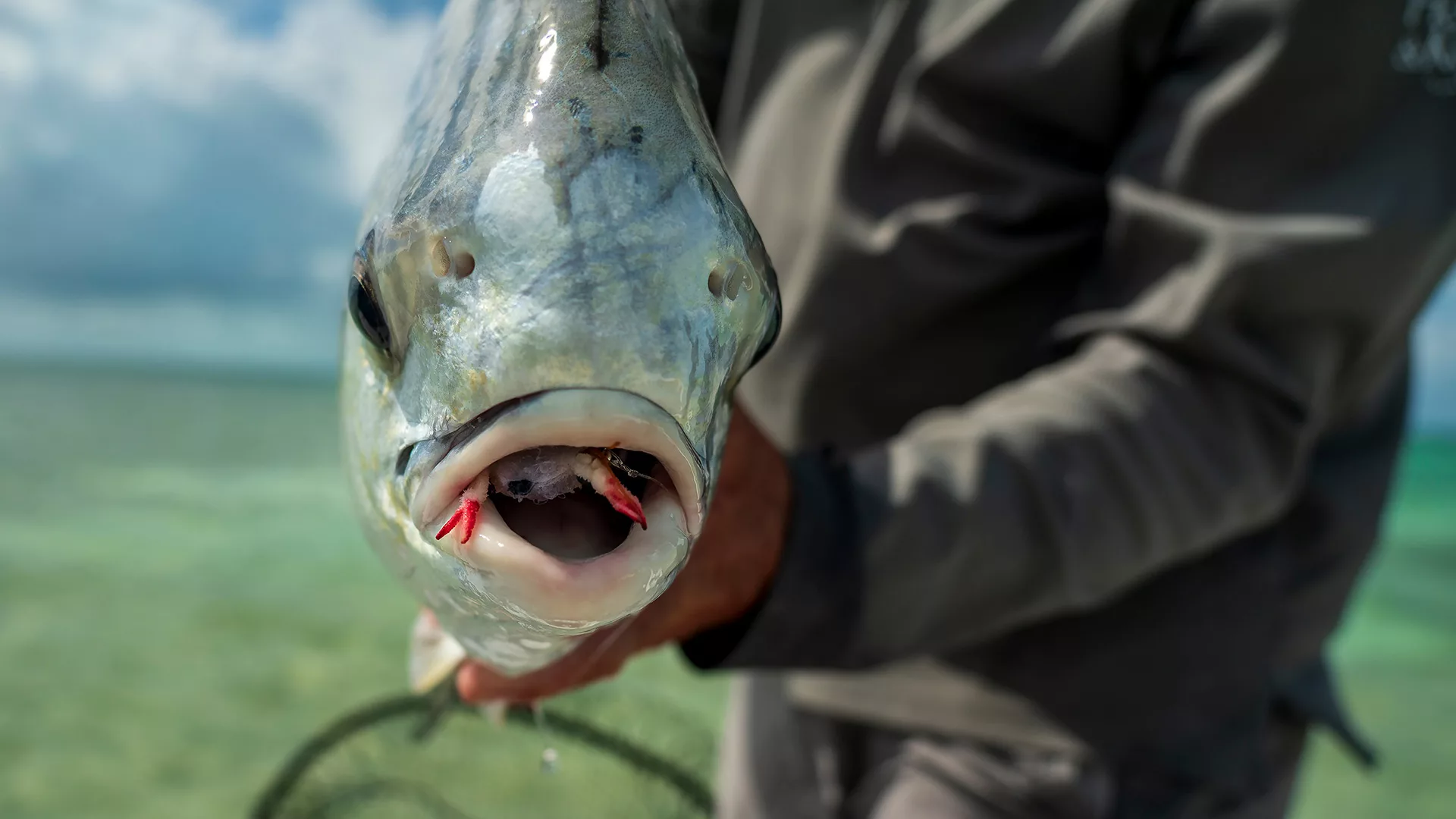
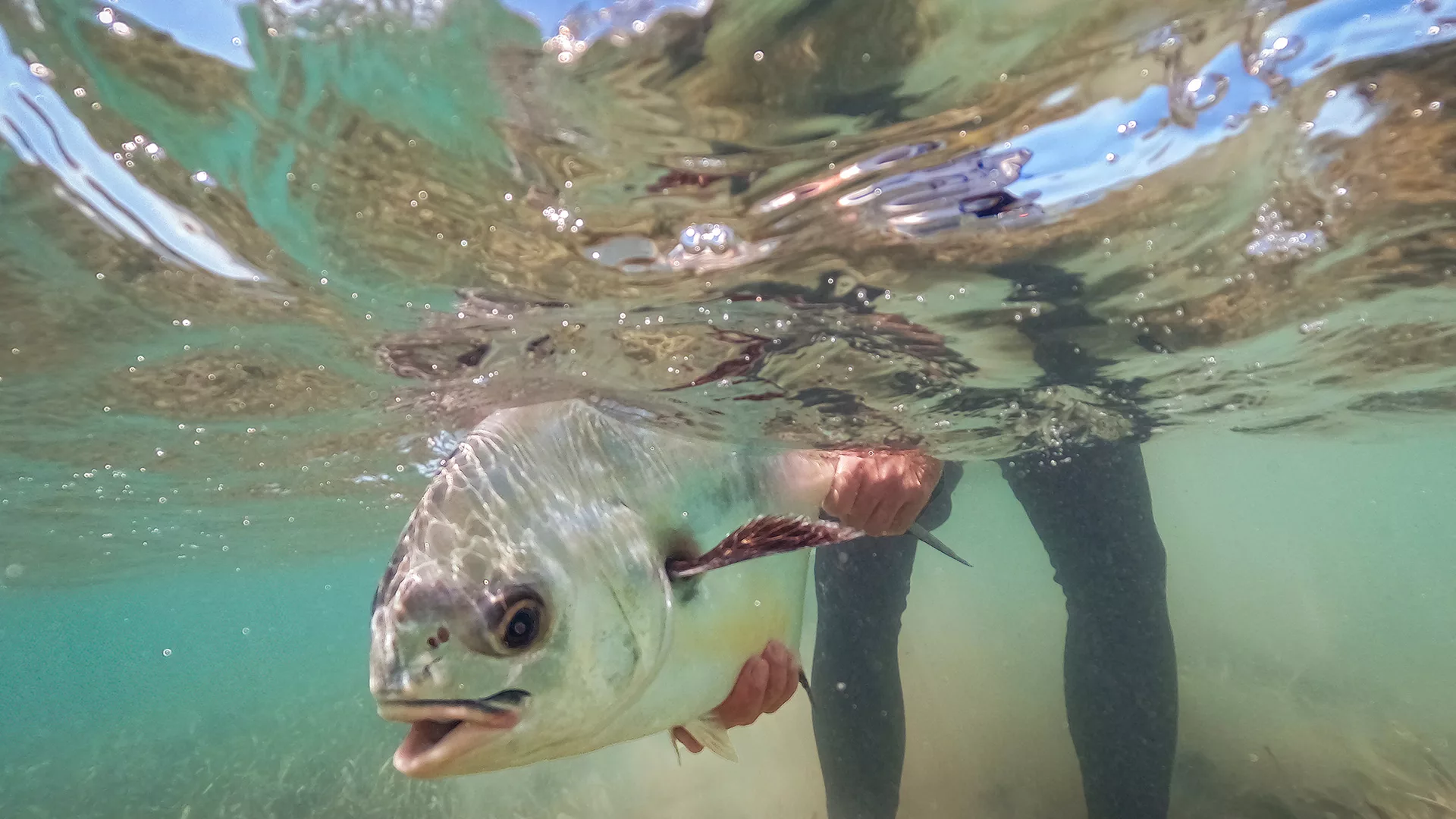
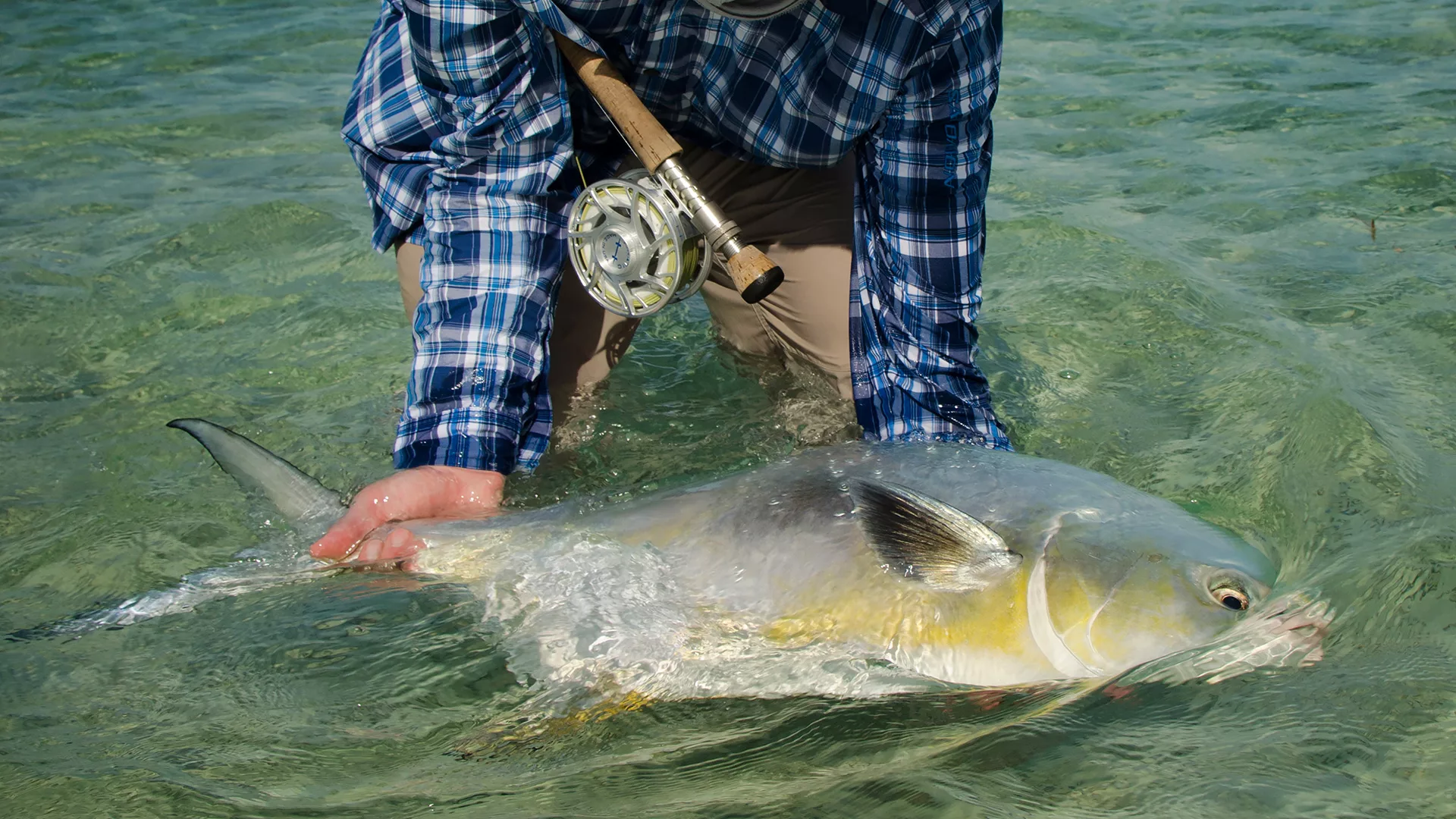
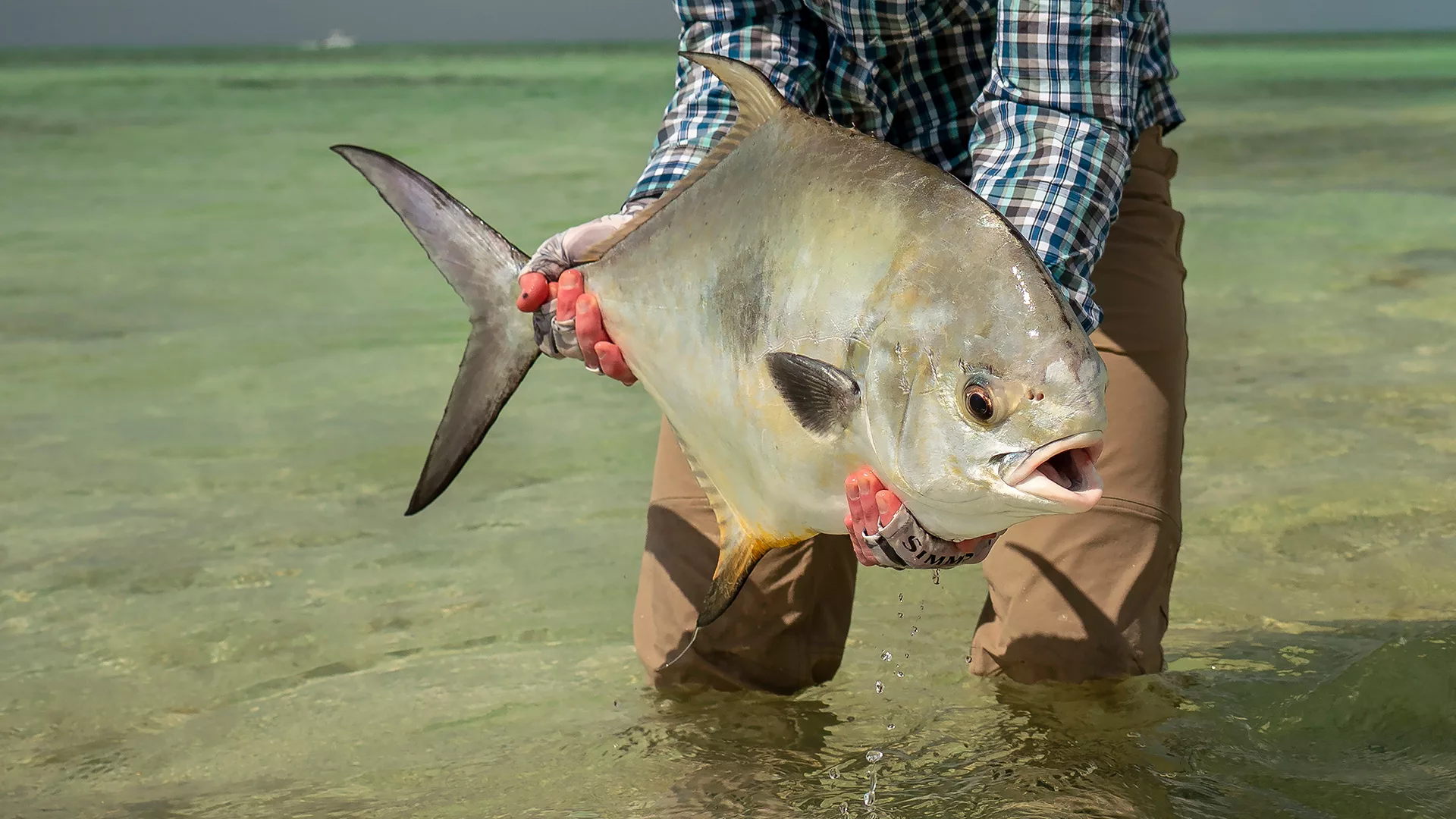
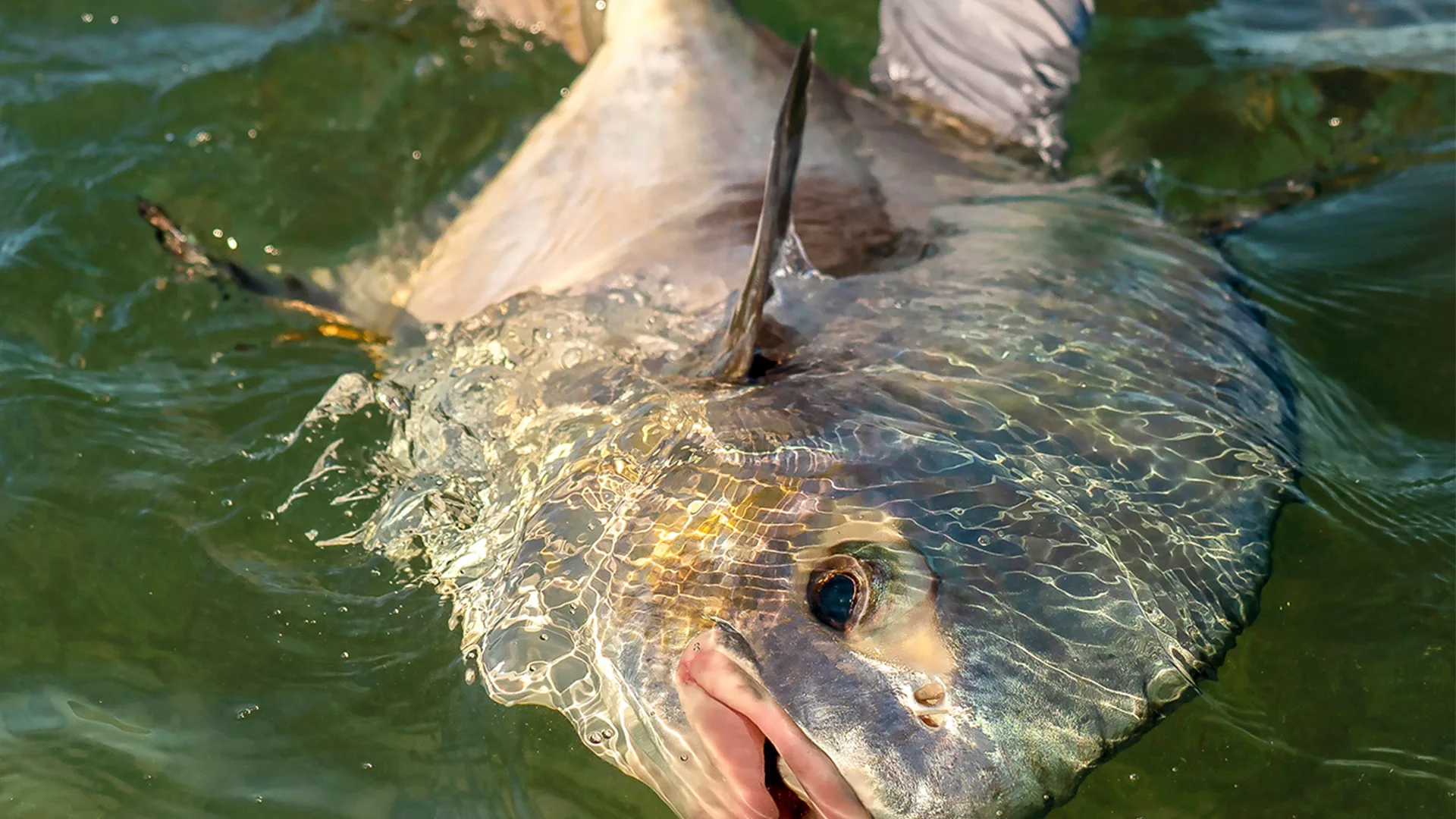
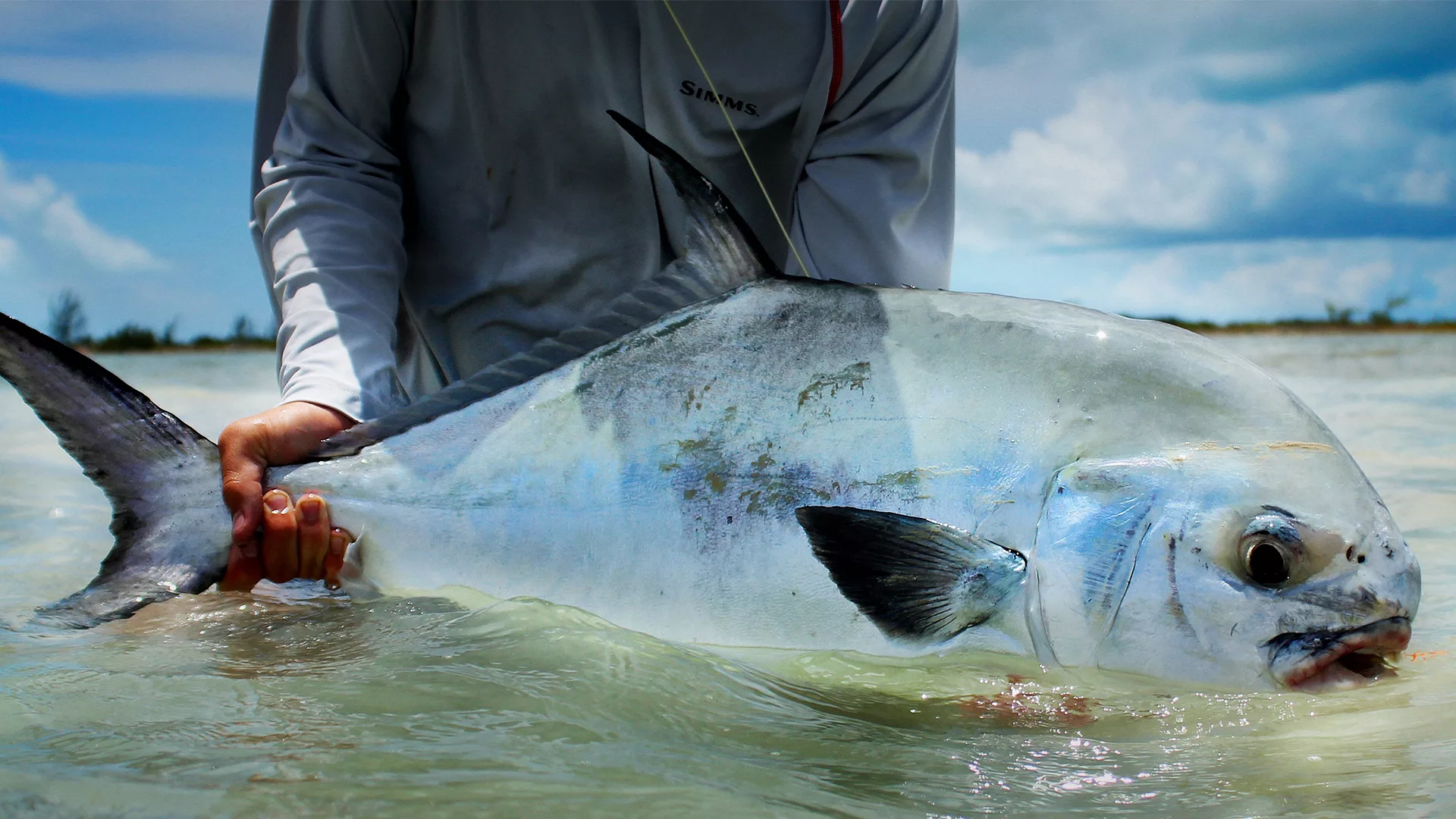
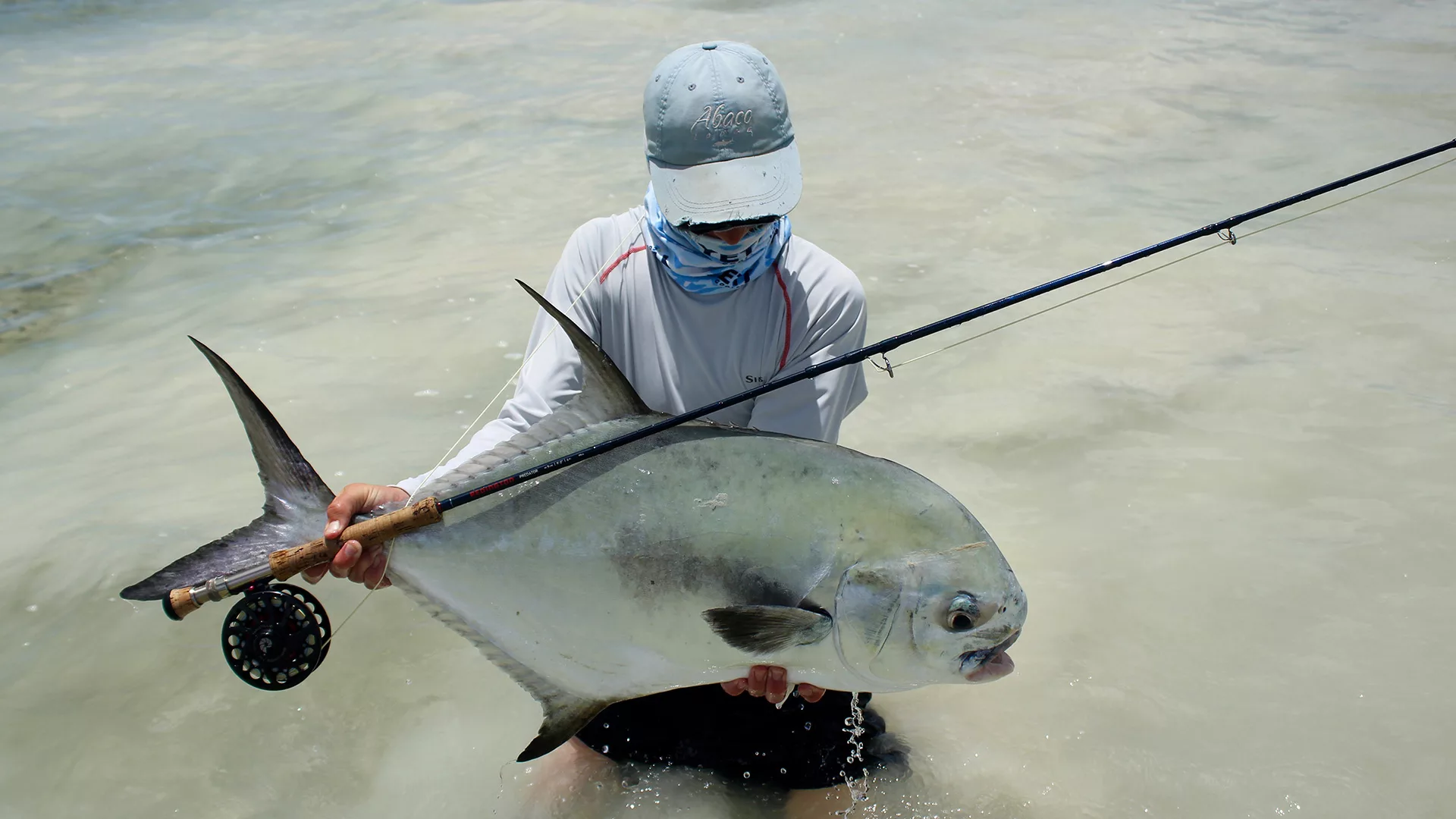
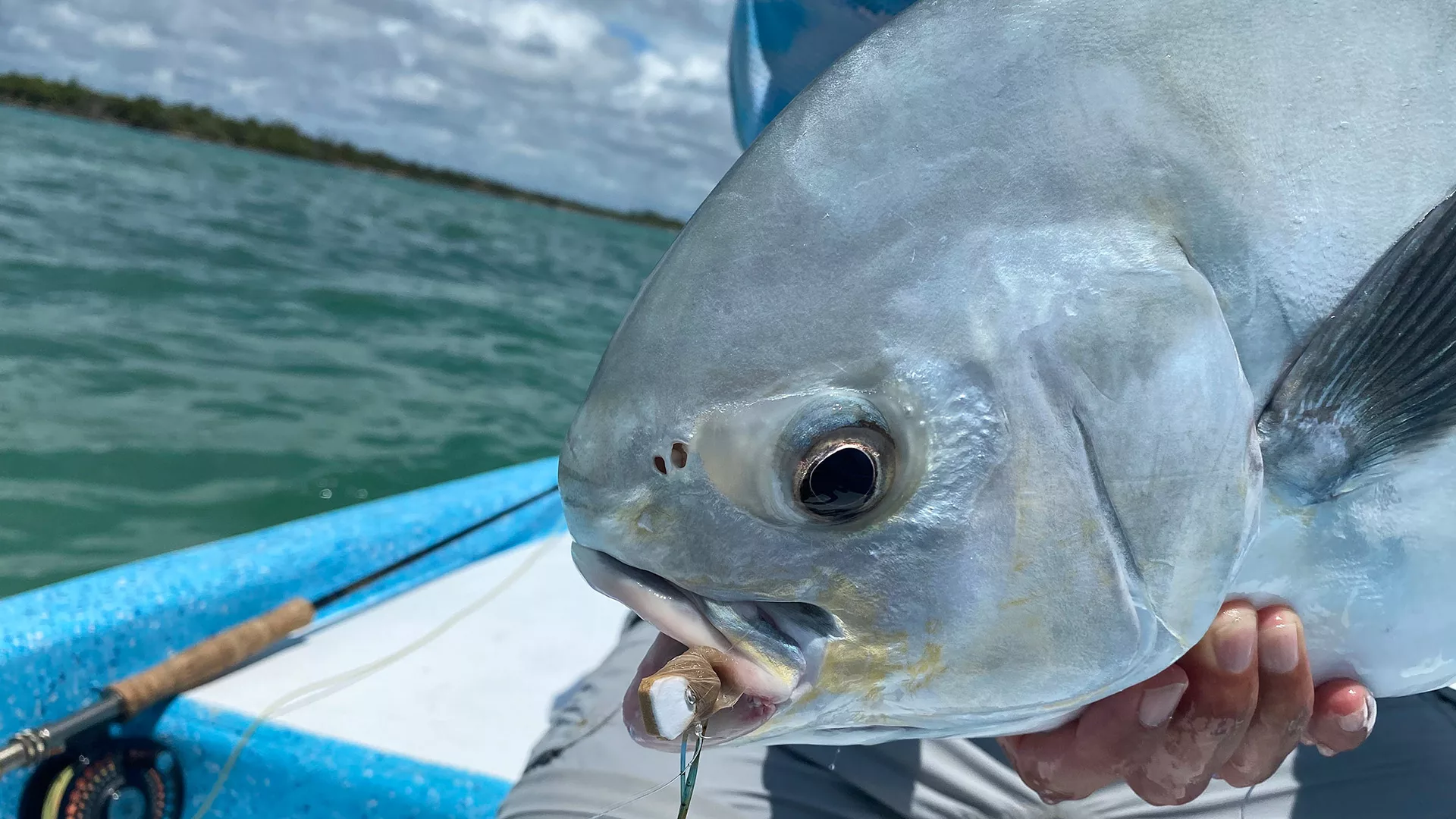
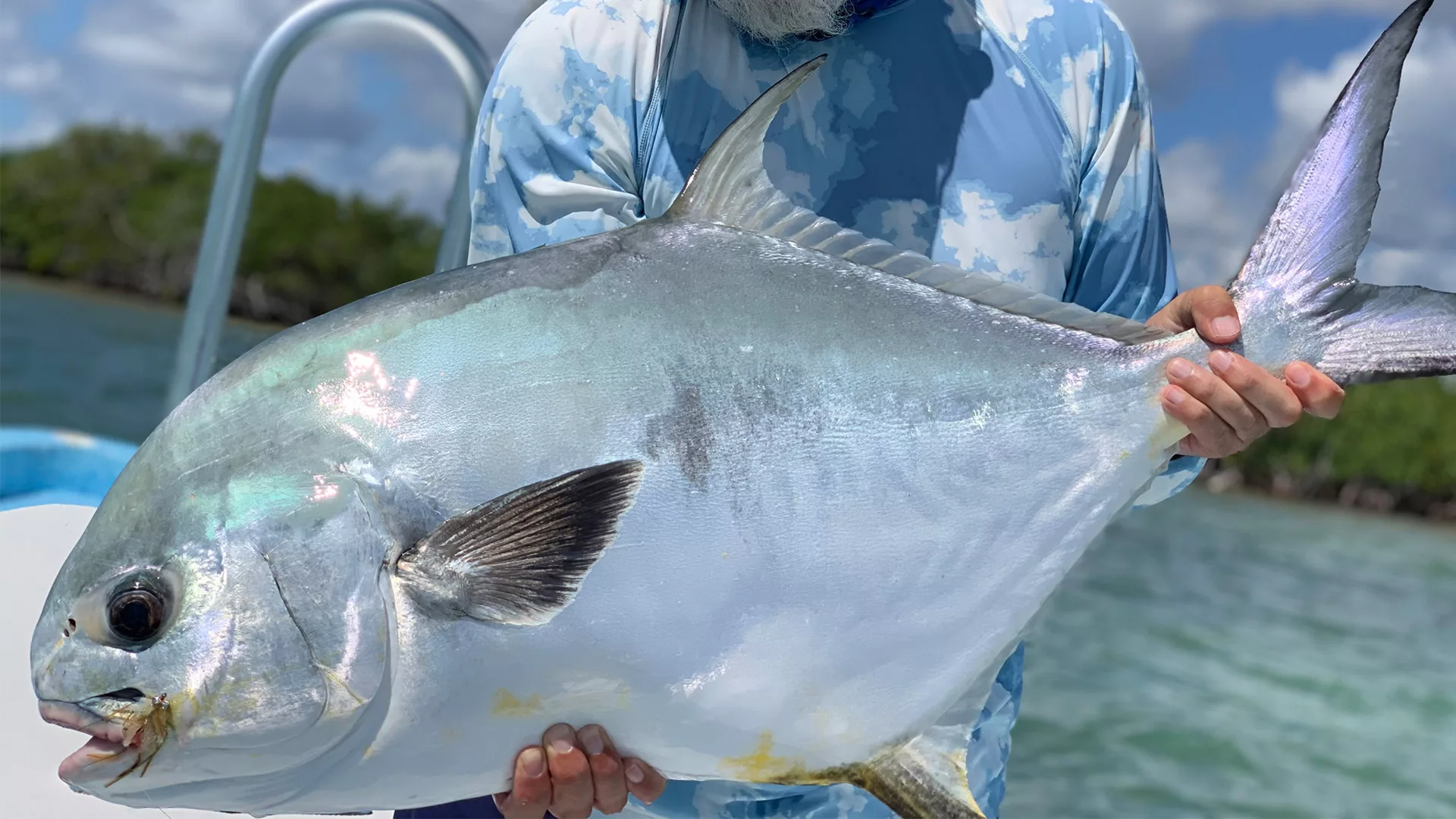
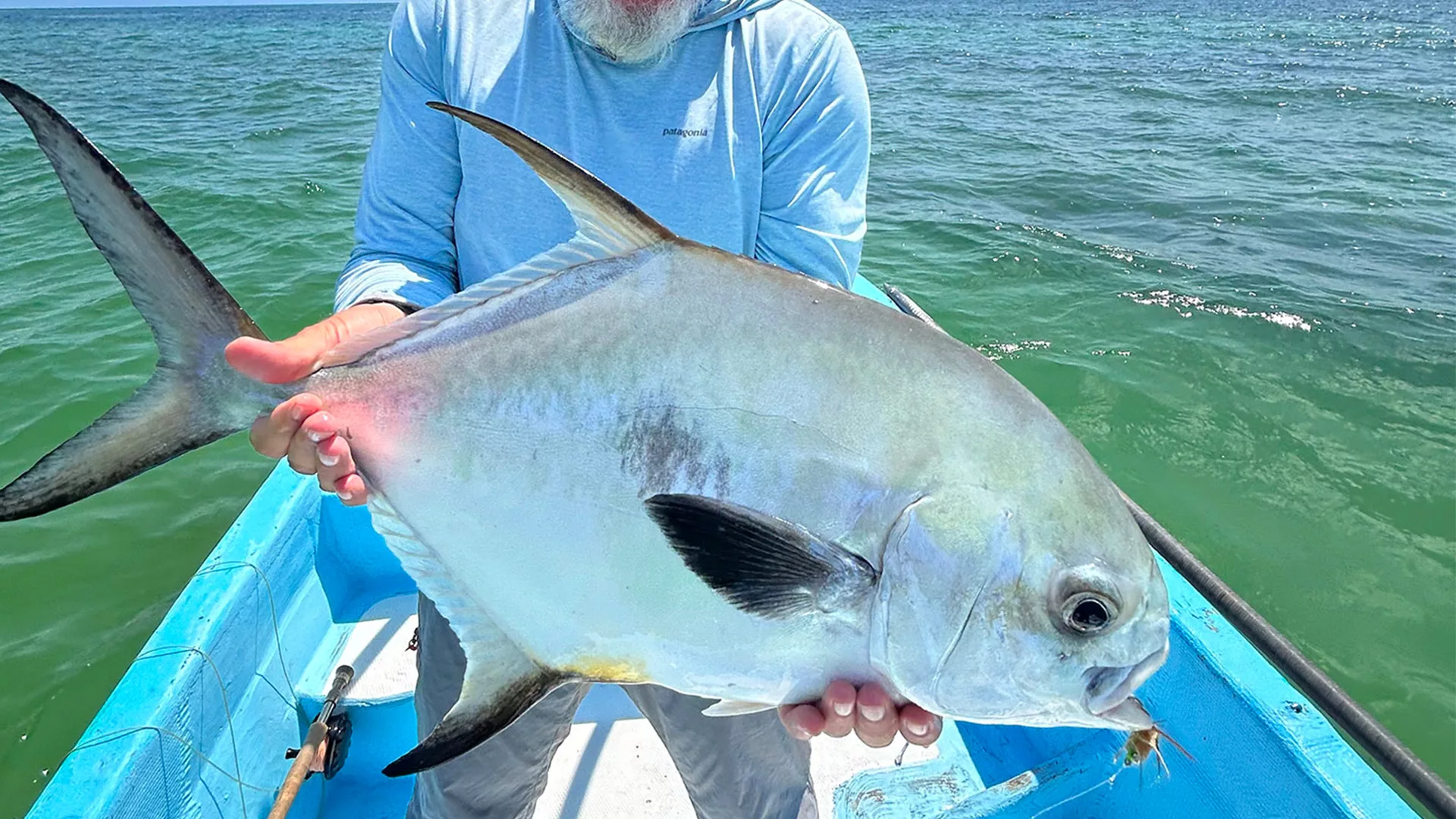
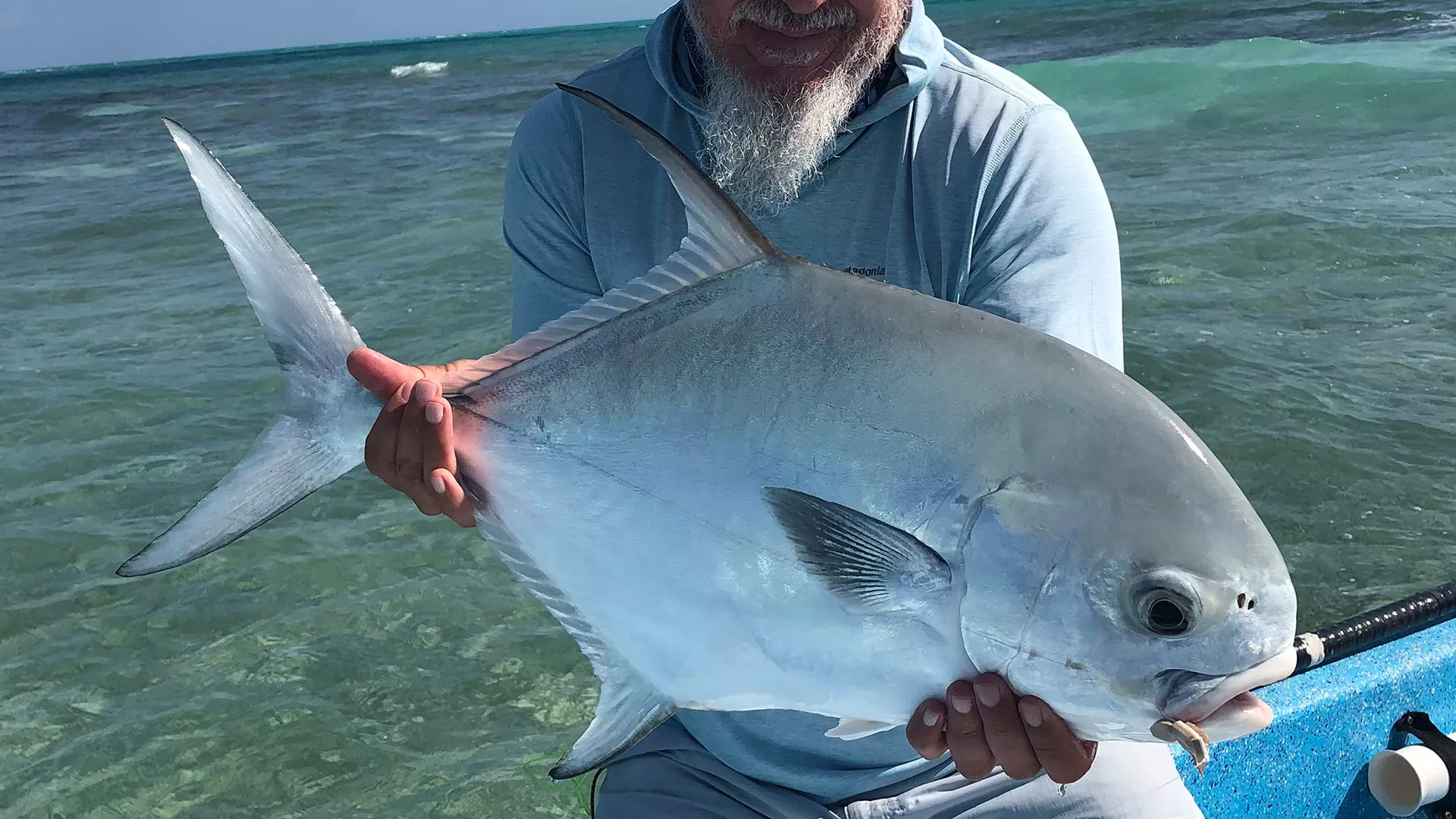
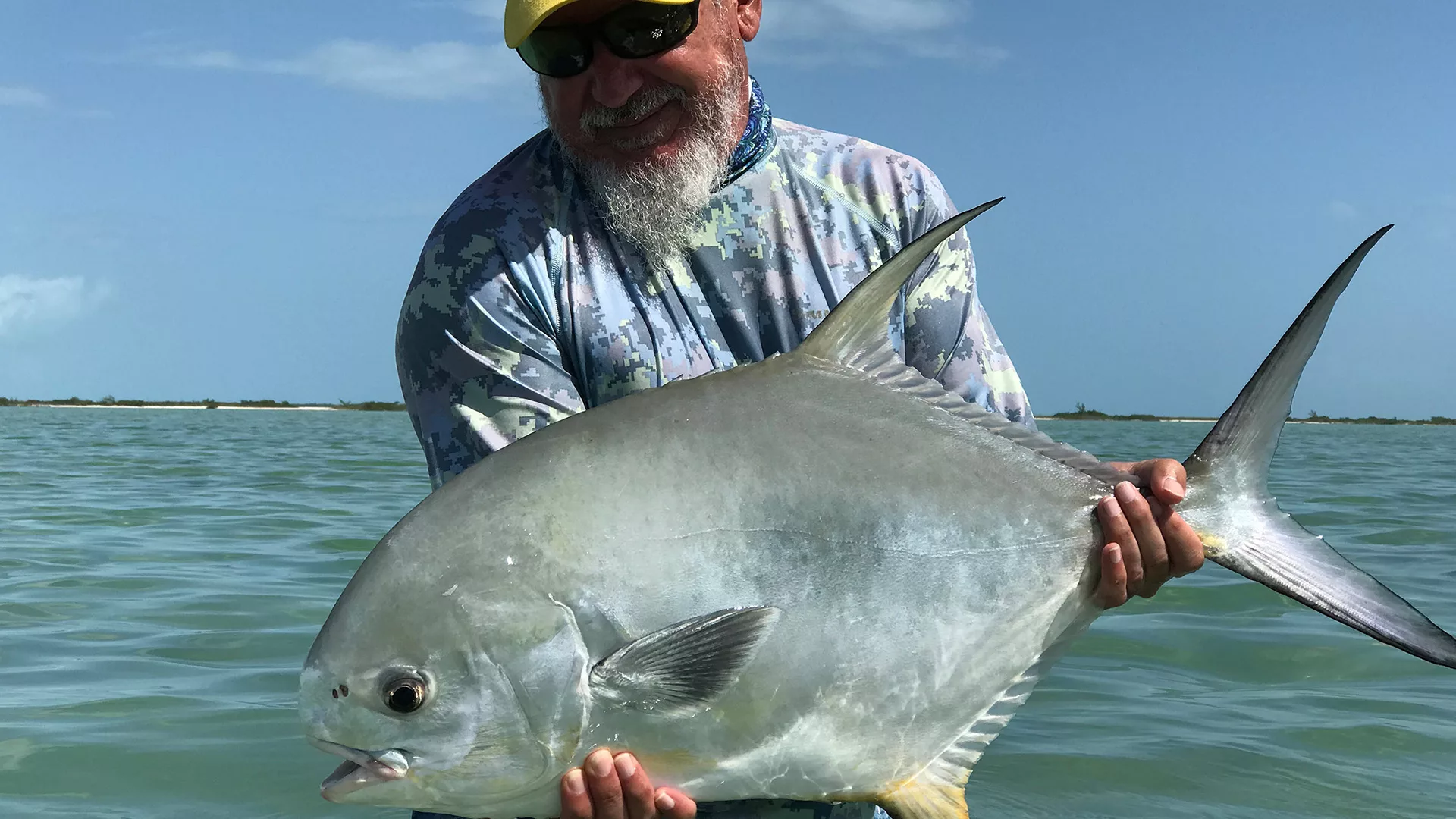
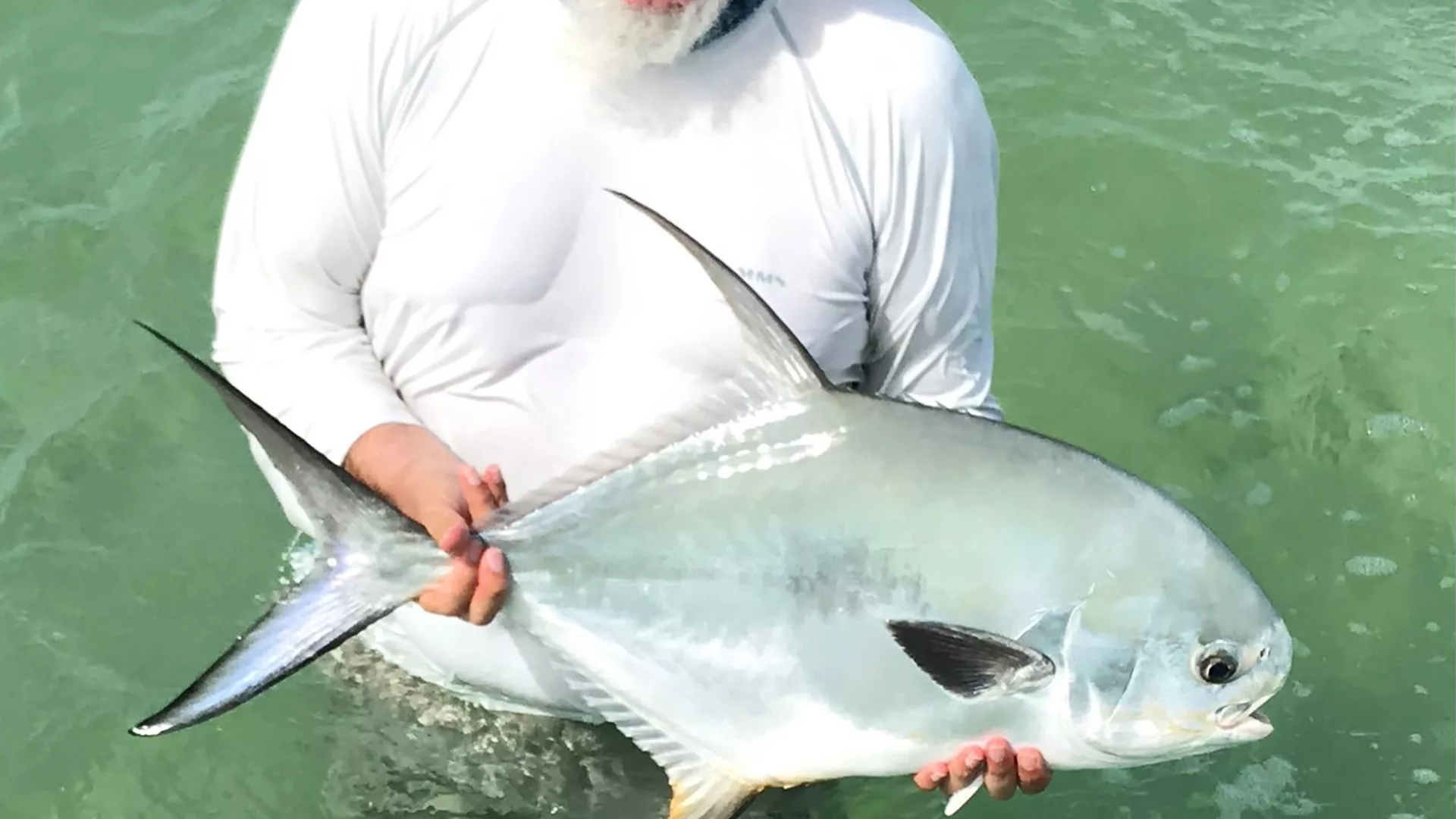
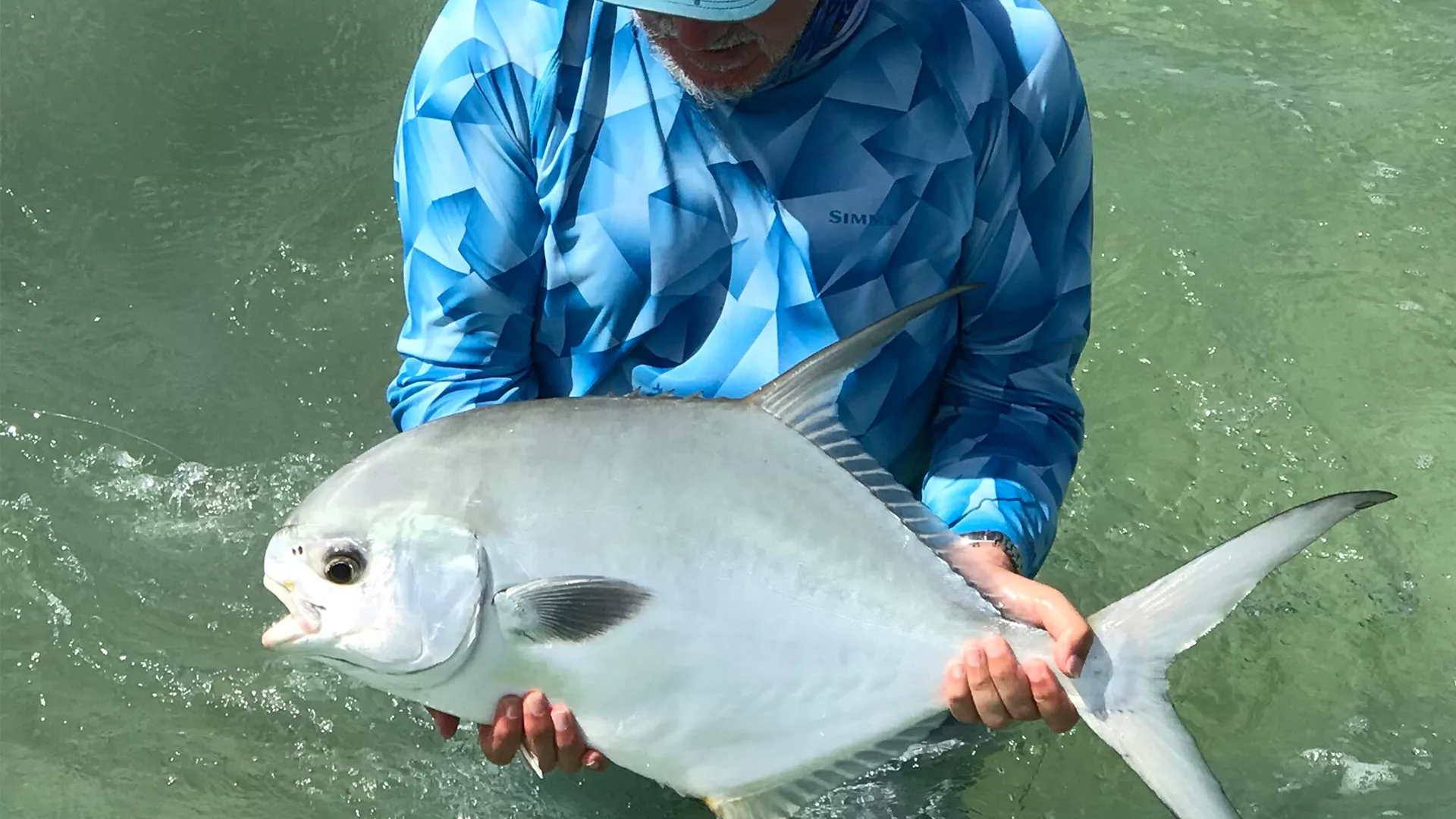
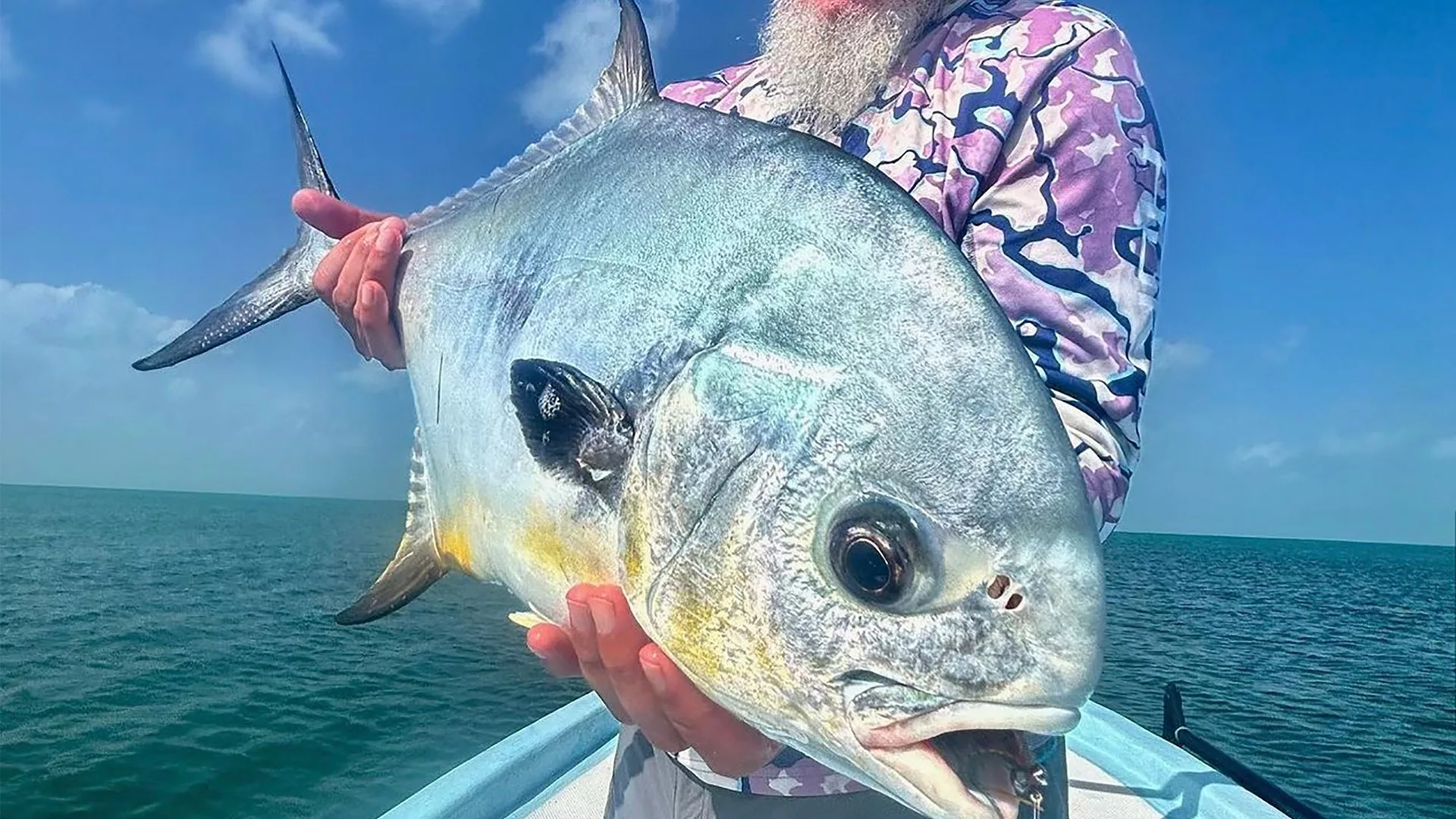
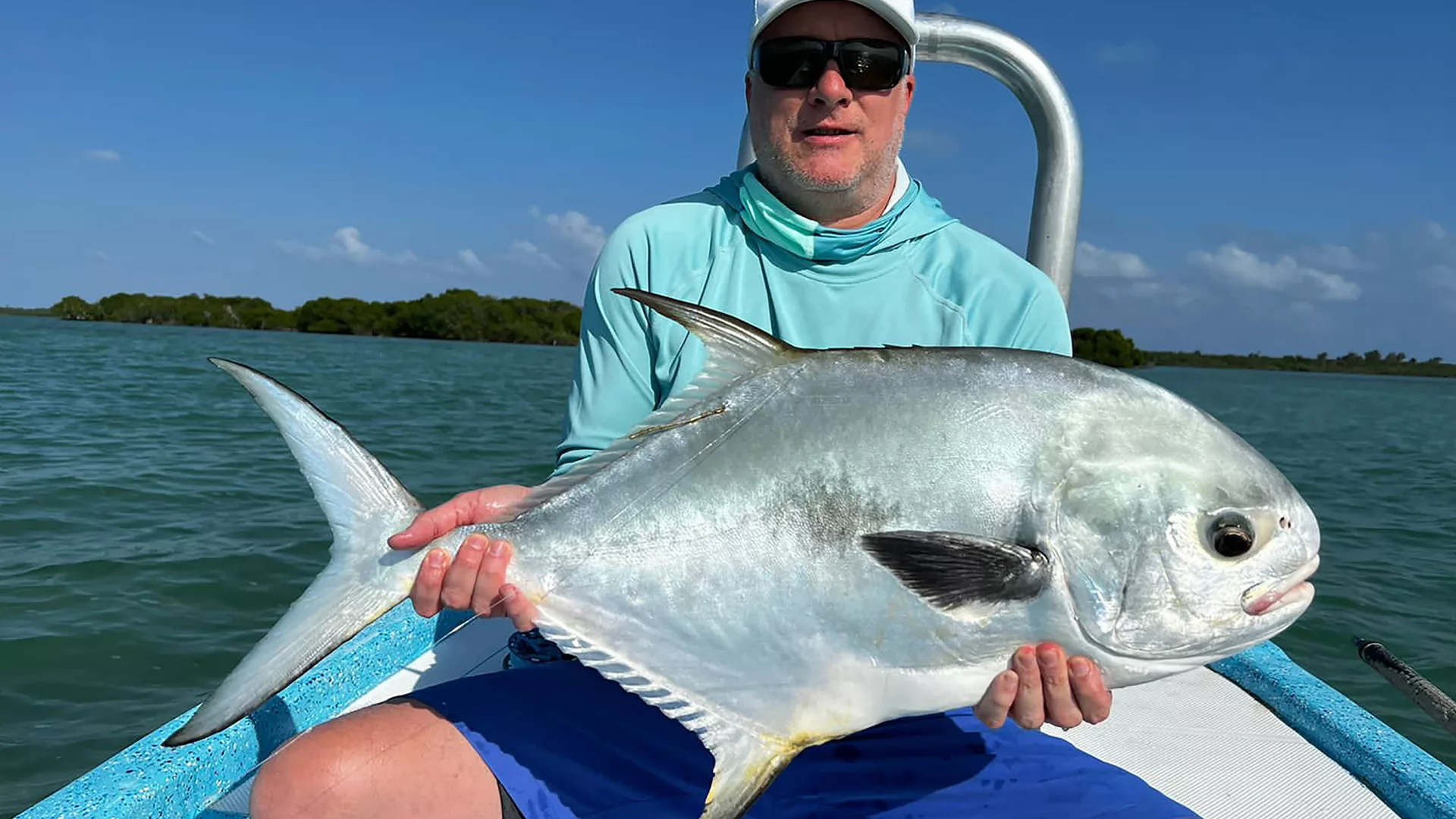
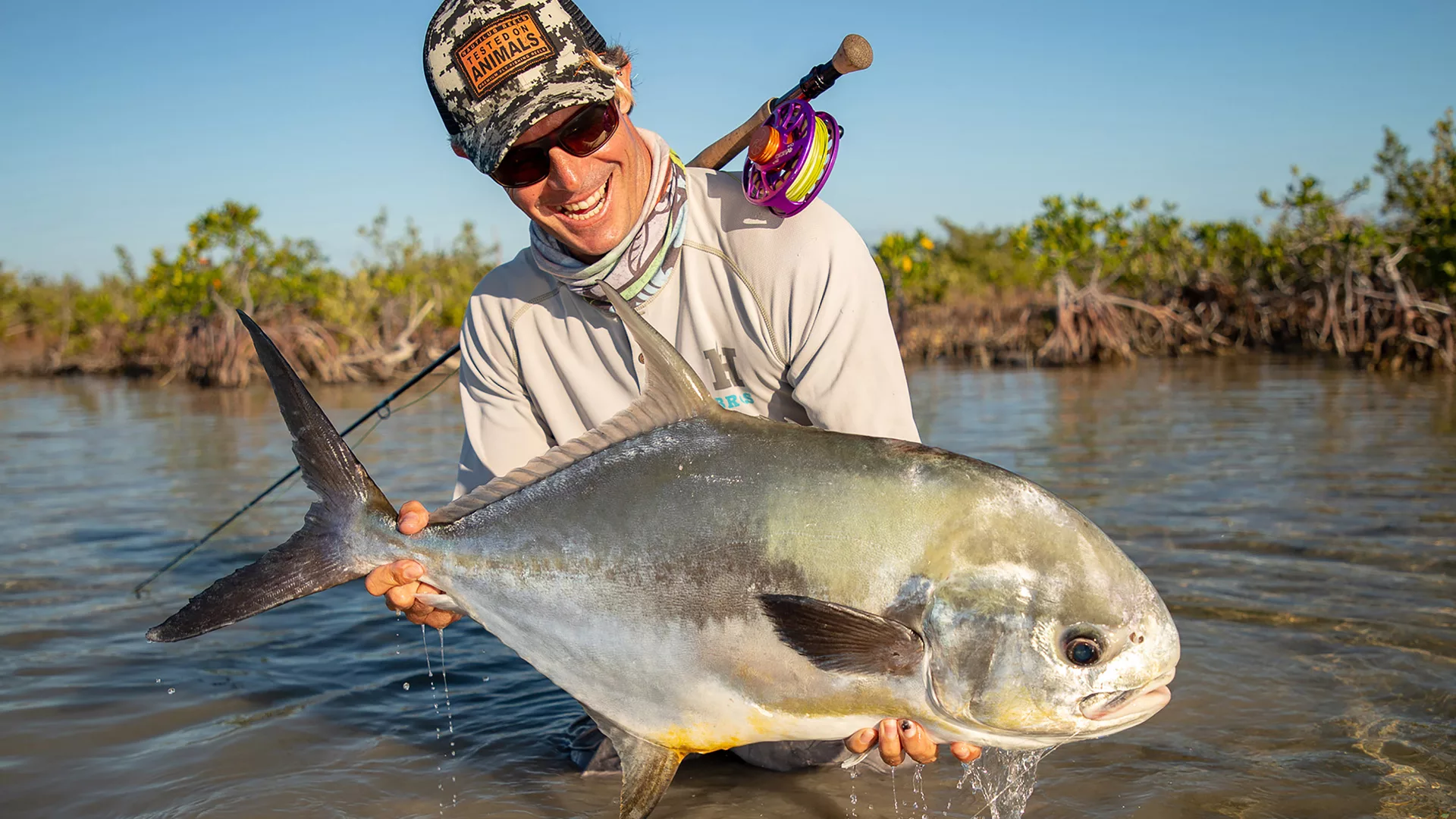
Permit, scientifically known as Trachinotus falcatus, rank among the most challenging and rewarding species in saltwater fly fishing. Powerful, fast, selective, and famously unpredictable, they have earned their reputation as the black-tailed devils of the flats. Their ability to appear, refuse, follow, vanish, and reappear in a matter of seconds is what makes every encounter so intense.

Across Nervous Waters destinations, permit fishing takes different forms. In Mexico, Mayazul Lodge gives anglers access to the classic permit waters of Ascension Bay from Punta Allen, while ESB Lodge and Beh Kay Lodge fish the vast and remote waters of Bahía Espíritu Santo from Punta Herrero. In The Bahamas, Abaco Lodge is best known for bonefish, but the Marls also produce regular opportunities at large permit, especially during the warmer months.

Whether tailing in skinny water, cruising over turtle grass, feeding along mangrove edges, or moving in schools across open flats, permit demand the best from every angler. Accuracy, patience, line control, fly choice, and nerves all matter. That is why landing one is never just another fish—it is one of the great achievements in saltwater fly fishing.


More about the Permit

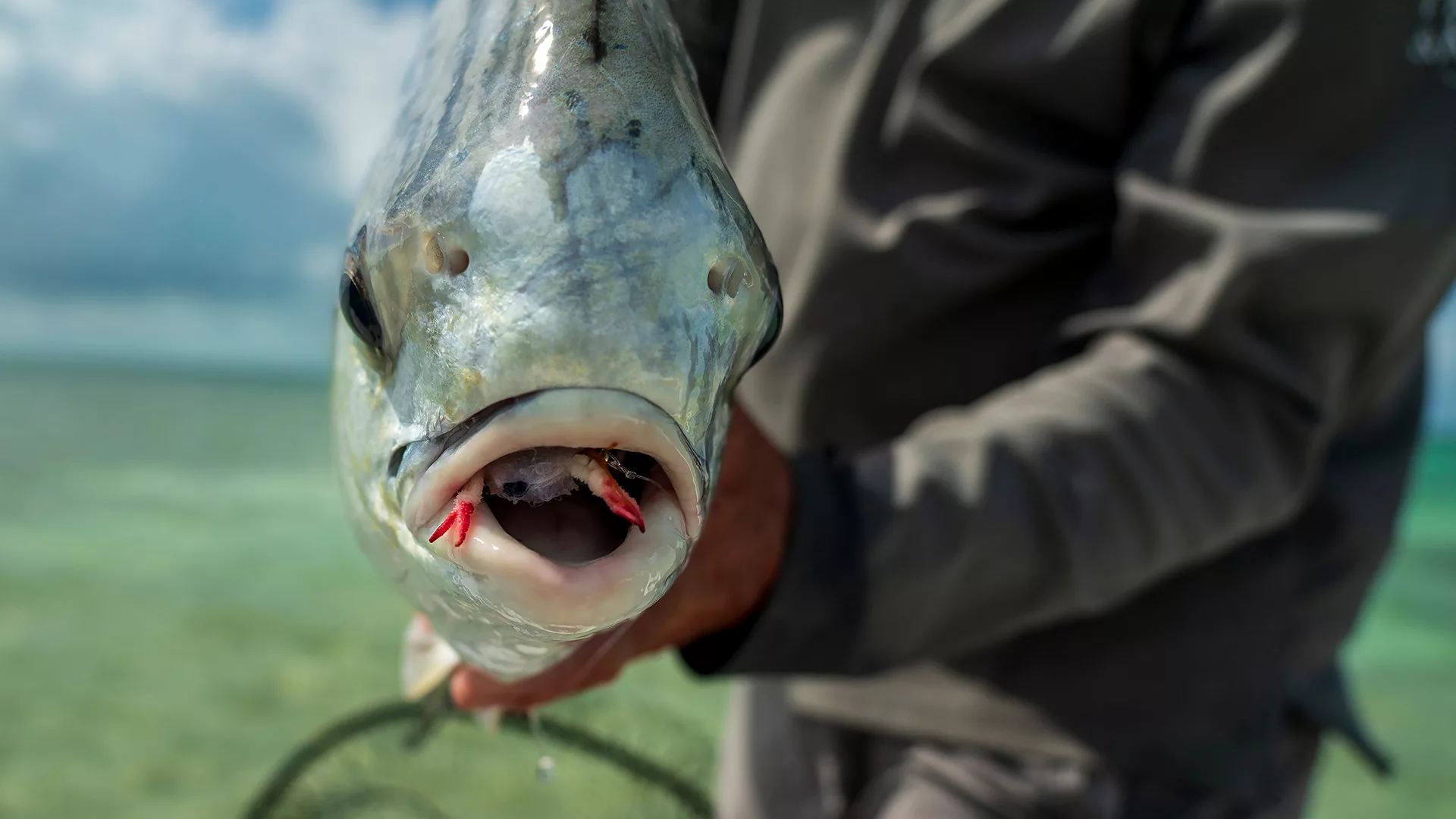
Permit fishing is a captivating pursuit built around stealth, timing, and composure. These prized flats fish are often found prowling shallow tidal flats in search of crabs, shrimp, and other small prey. Spotting a tailing permit in skinny water is one of the most exciting moments in saltwater angling, but getting the fish to eat is another story entirely. Each shot requires a careful cast, a natural presentation, and the discipline to stay calm when everything is happening fast.

In Ascension Bay, Mayazul Lodge places anglers in one of Mexico’s classic permit fisheries, where fish move across sand flats, turtle grass, mangrove edges, and protected water around Punta Allen. Farther south, ESB Lodge and Beh Kay Lodge fish Bahía Espíritu Santo, a vast protected system of white sand flats, turtle grass meadows, lagoons, natural channels, and mangroves. Here, anglers may encounter tailing singles, cruising fish, schools, and technical shots in constantly changing conditions.

In The Bahamas, Abaco Lodge adds a different kind of permit opportunity. The Marls are first and foremost a bonefish destination, but permit and juvenile tarpon are part of the fishery. Permit are seen regularly, and while they are not as numerous as bonefish, some of the largest permit in the Caribbean move through these flats.

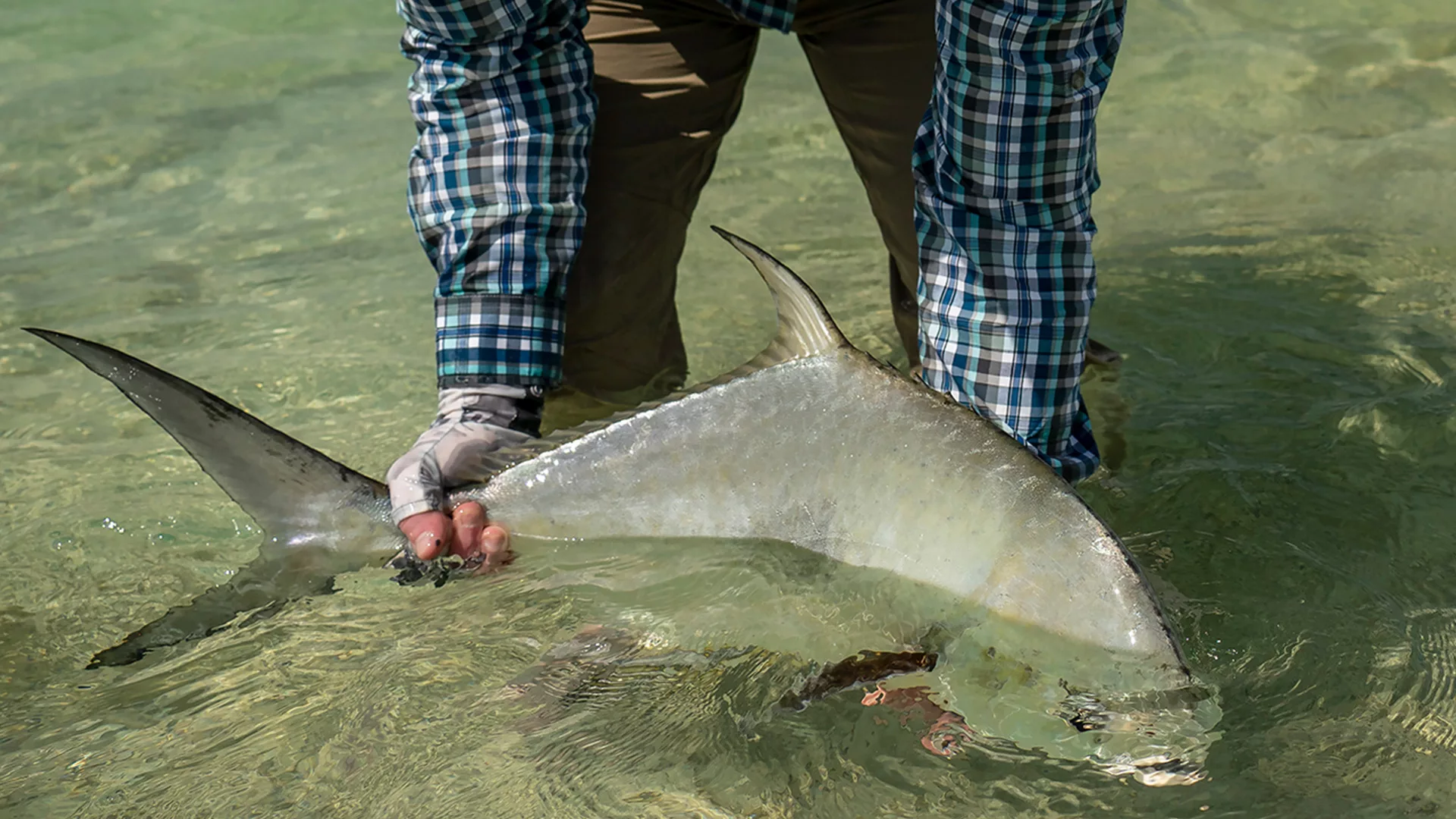
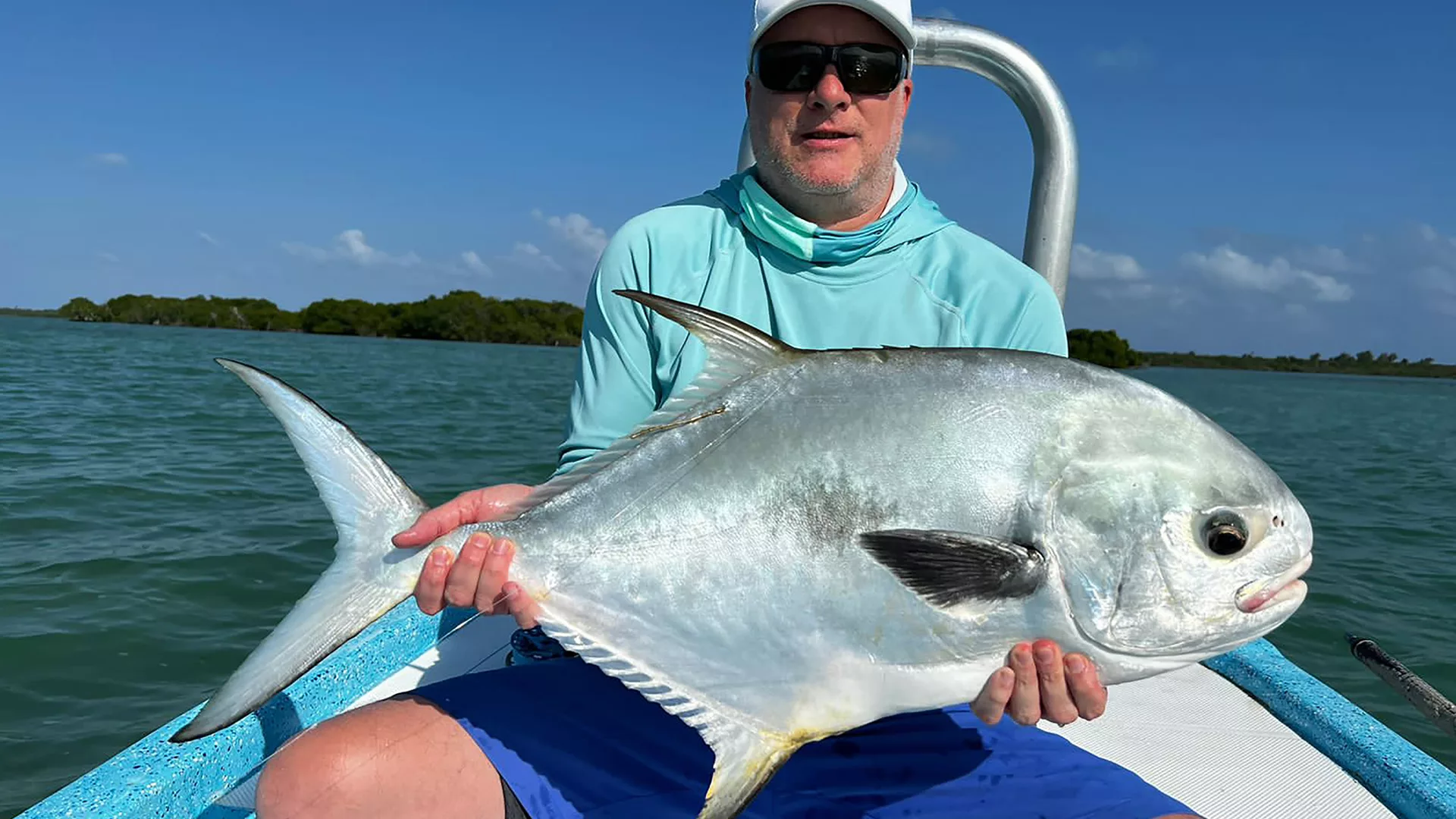
Permit can range widely in size, with trophy fish pushing well beyond ten pounds and larger specimens representing the pinnacle for many saltwater anglers. Their speed, strength, and dirty fighting tactics make them difficult from the first cast to the final moments of the fight. They thrive in subtropical flats environments—sand, turtle grass, channels, mangroves, and protected bays—where every tide, wind shift, and change in light can shape the day.

Mysterious, selective, and addictive, permit are the fish that keep anglers coming back. Every encounter feels earned, every refusal teaches something, and every landed permit becomes a story that lasts.