Chime Lodge
Patagonia Fly Fishing

Accommodations

10 anglers - 12 guests

Season

December to April

Getting There

Junín de los Andes, Arg.

The Fishing

Drifting on boats & wading

Target Species

Rainbow & Brown Trout

Fishing Equipment

Sgl-handed fly-fishing rods

Fishing Equipment

Sgl-handed fly-fishing rods

Media Gallery

Photos & Videos

Rates

Per person p/package

Combine Your Trip

The Kautapen Group

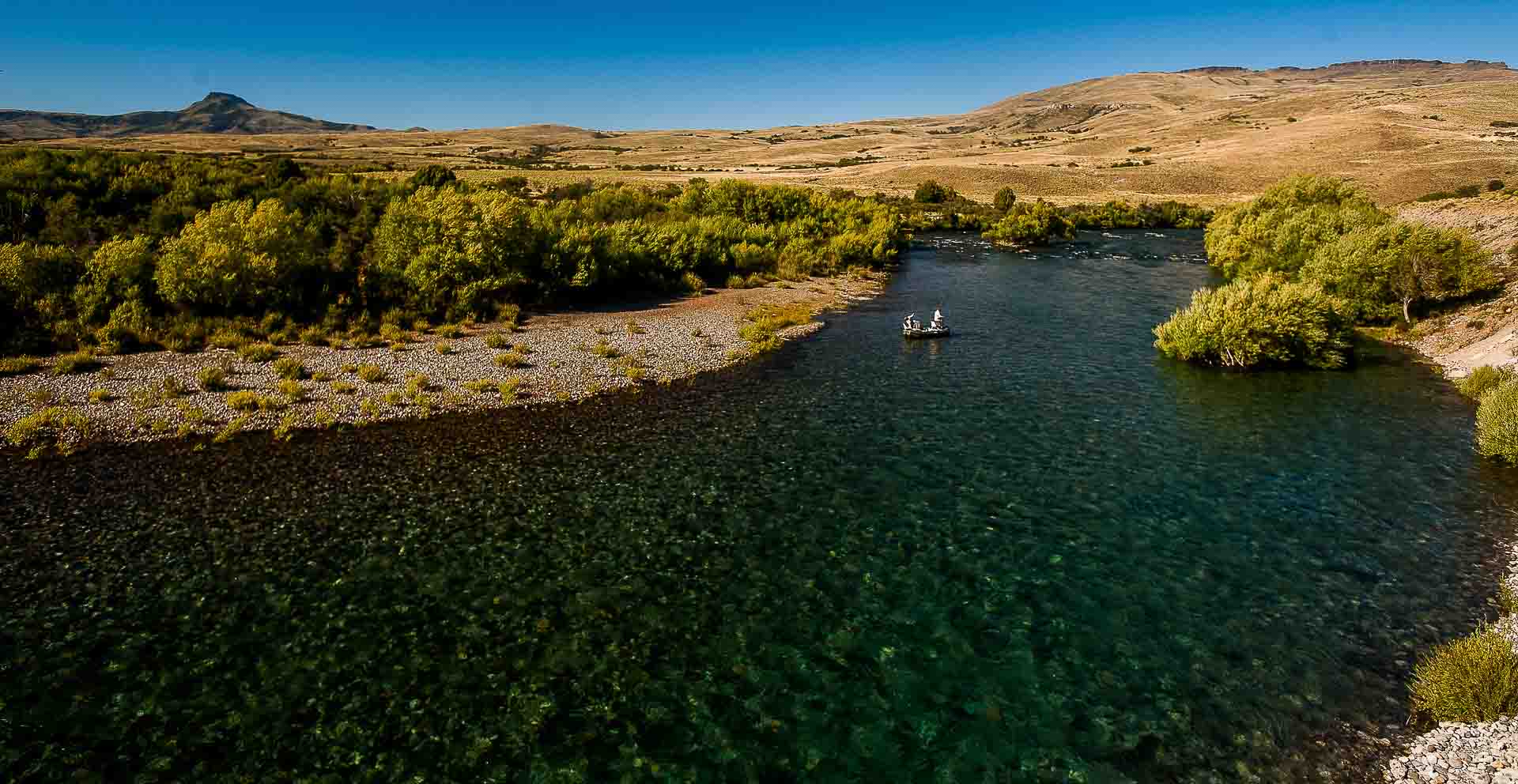
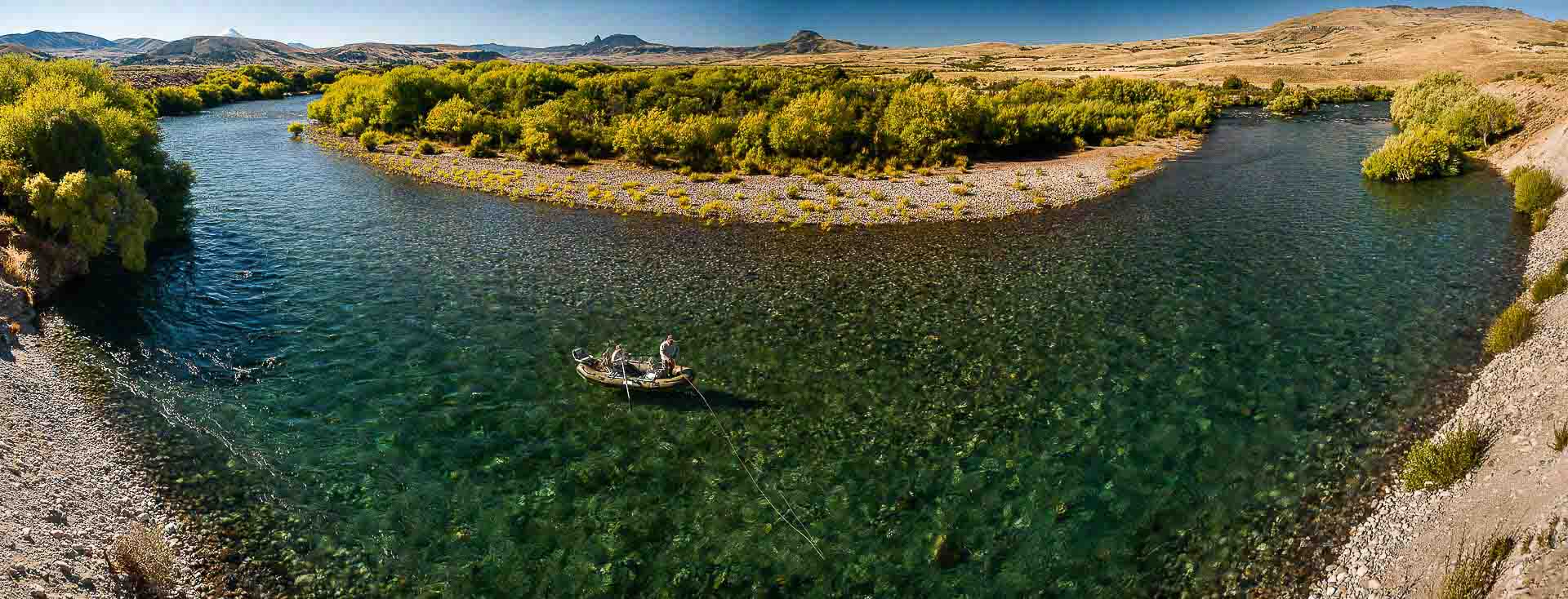
Edging the idyllic Chimehuín River, Chime Lodge is located in the heart of Northern Patagonia, making it a strategic hub for anglers from around the world who come to explore the region’s finest trout waters. In addition to floating and wade-fishing the Chimehuín River you’ll also find incomparable trout fishing on the nearby Collón Curá, Malleo, and Aluminé Rivers, as well as on trophy lakes such as Huechulafquen, Paimún, Tromen, and Curruhé.

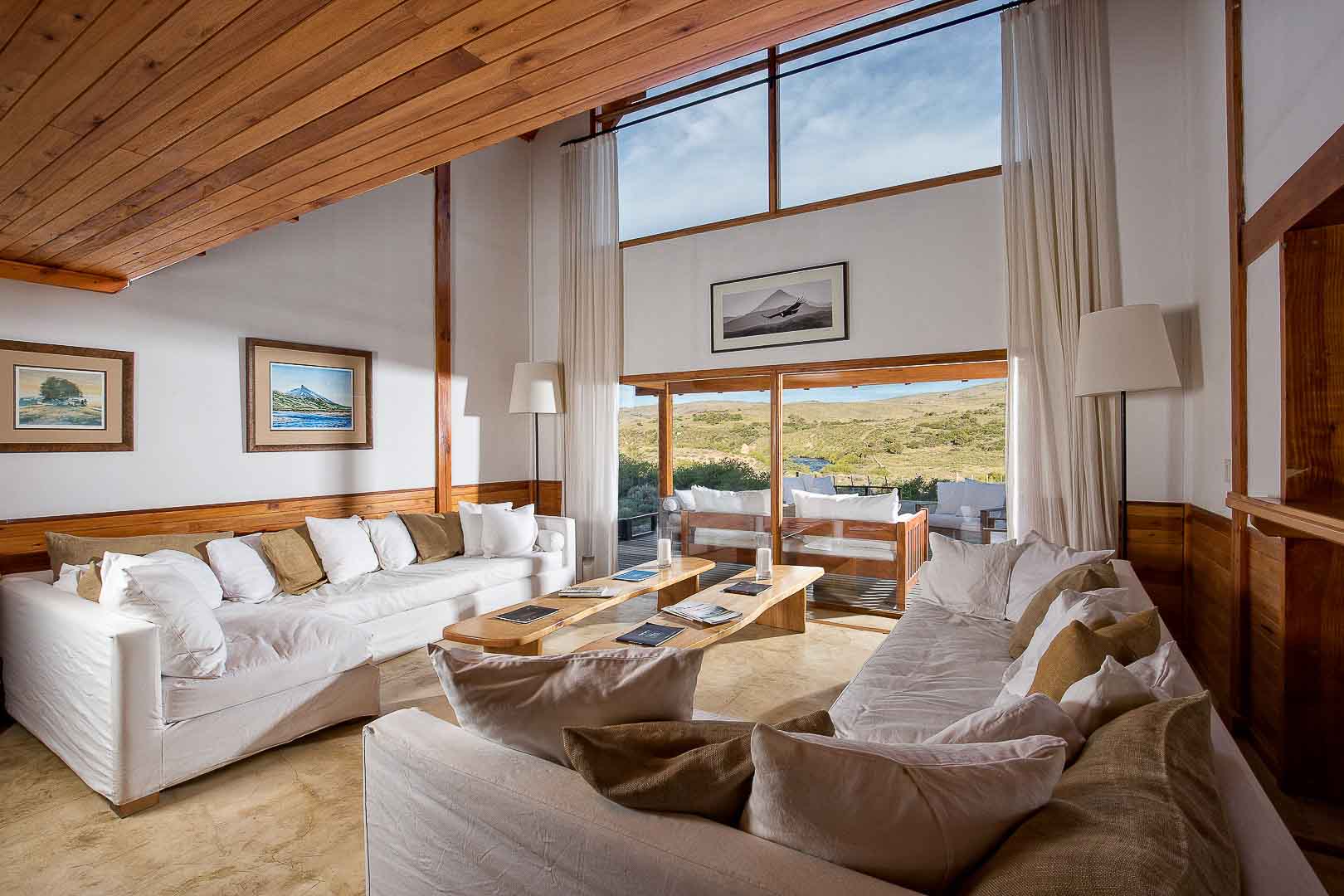
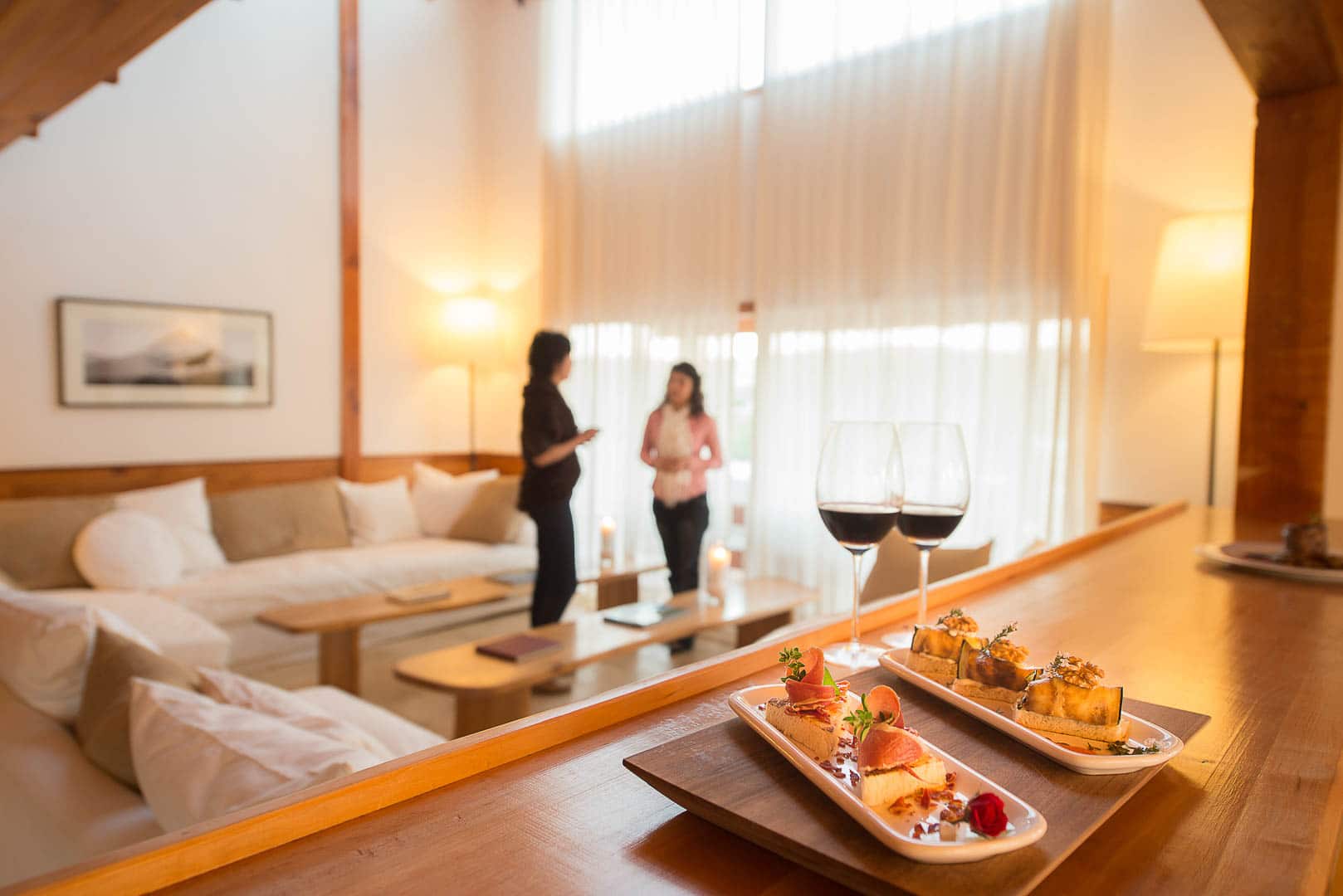
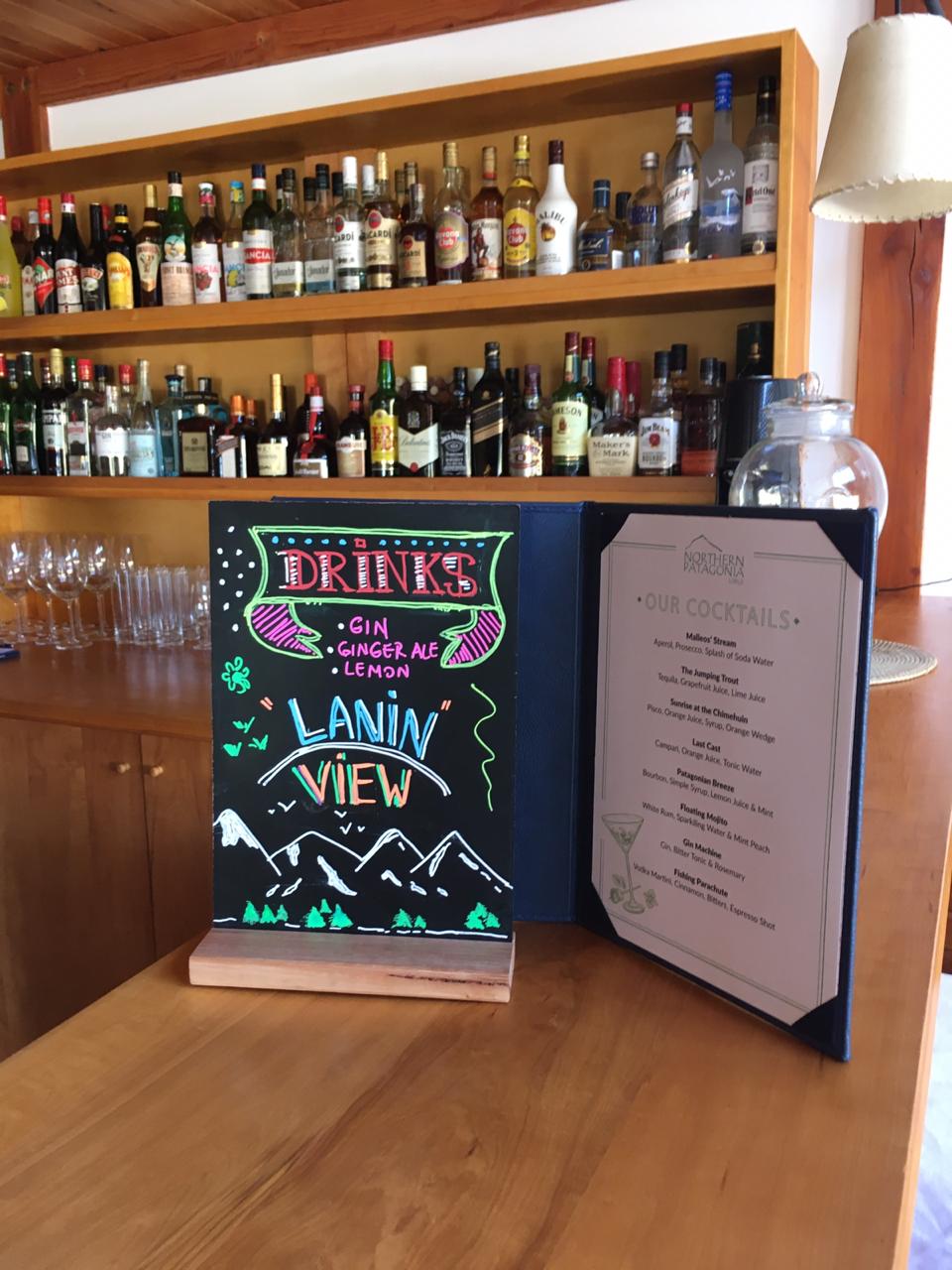
Off the water, relax in style at the lodge, whether reclining on the sprawling deck, enjoying the hot tub, or unwinding in the comfortable living room and bar overlooking the willow-lined Chimehuín below. All of this is paired with exceptional service, excellent cuisine, and a full selection of Argentina’s renowned wines. For those seeking an even more distinctive adventure, our two-night deluxe tent camp options offer a truly one-of-a-kind Patagonia experience.

Why Choose Chime Lodge?

Chimehuin Legendary Waters

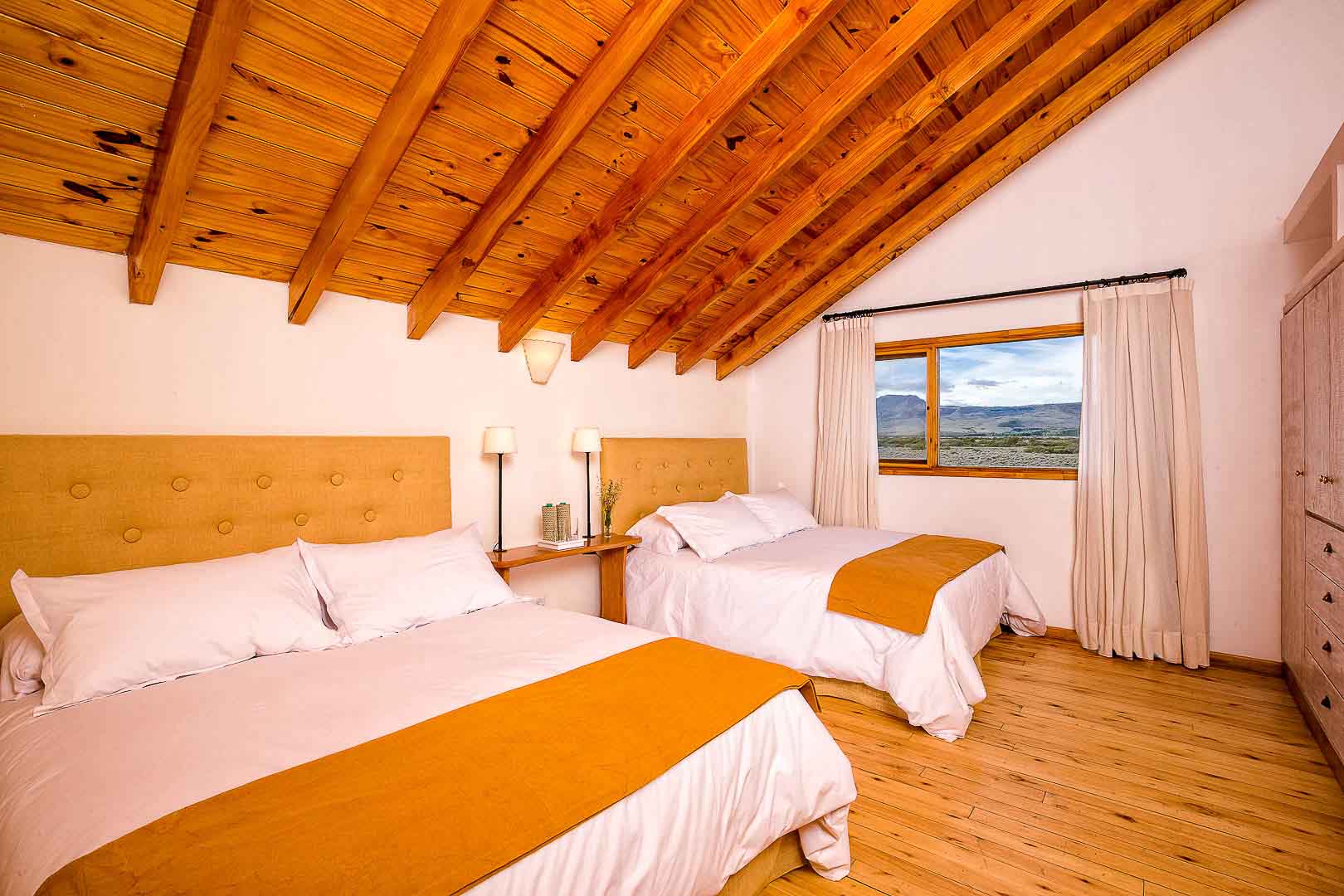
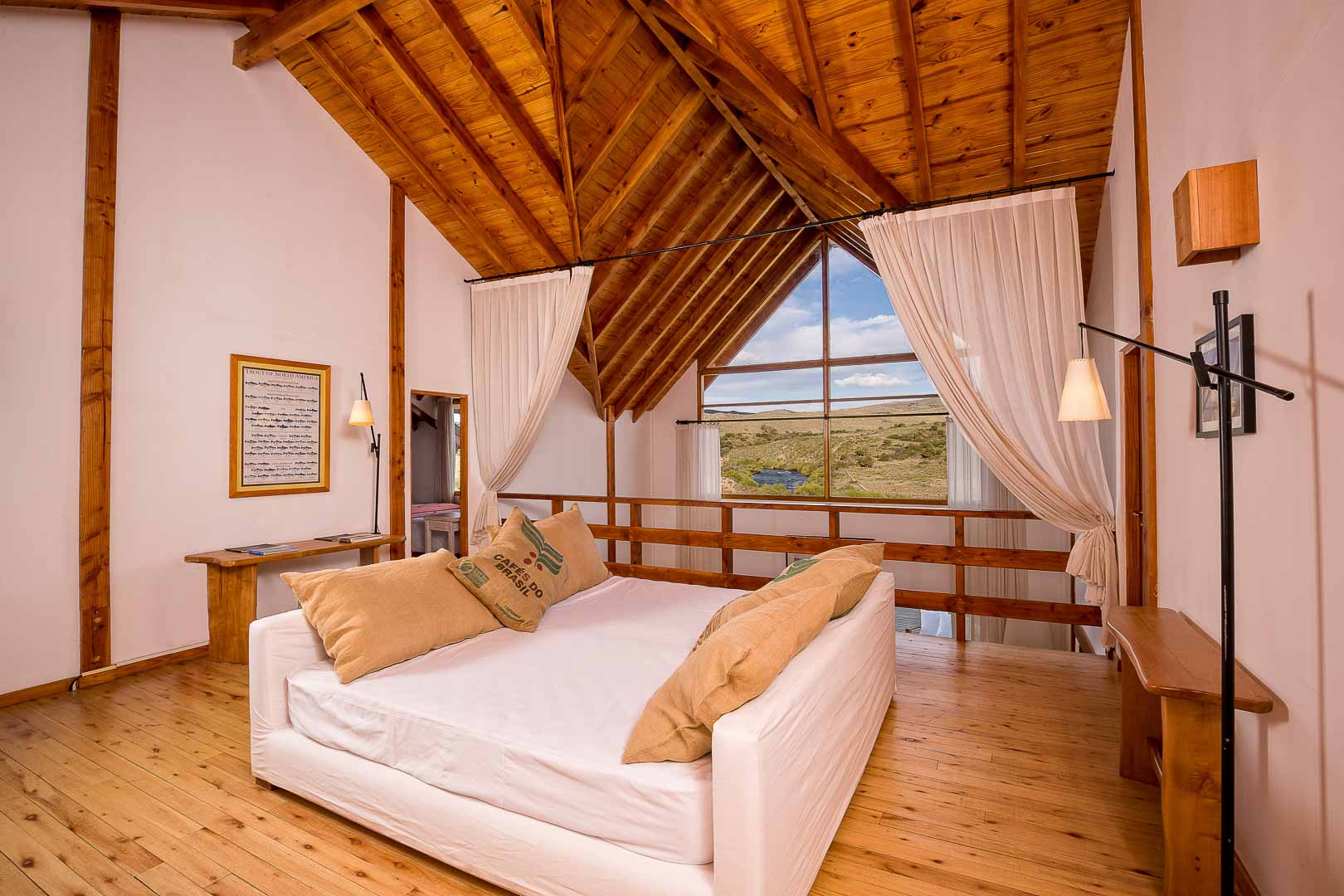
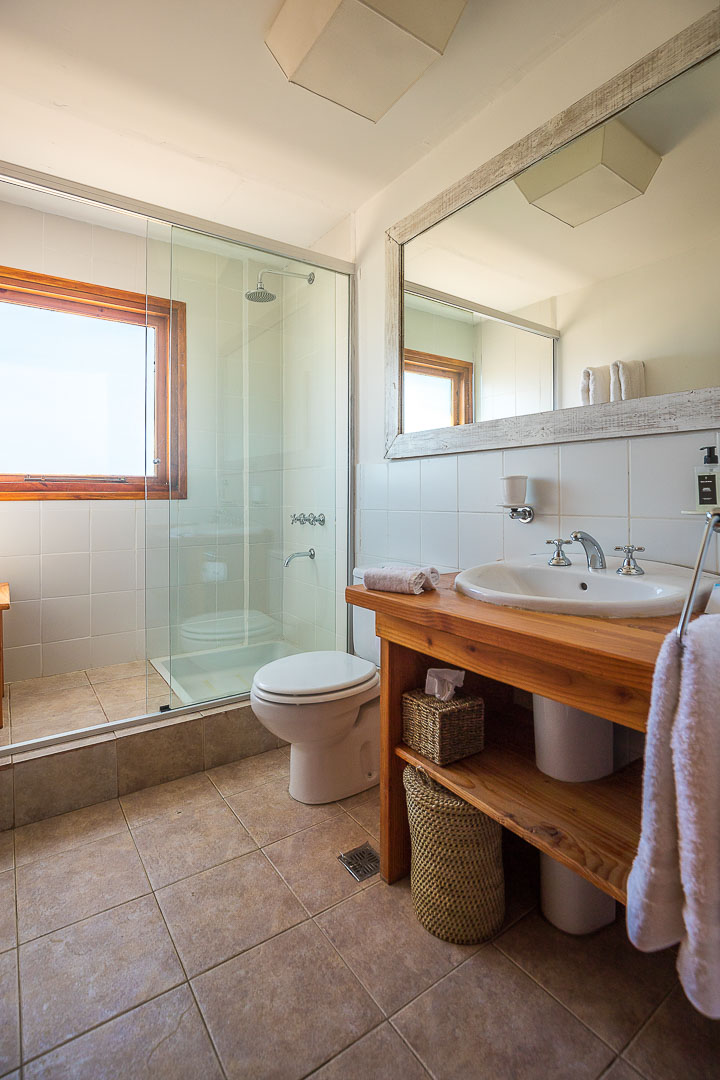
Chime Lodge was built in 2008 and is located on the upper Chimehuín River. Beautifully appointed, the lodge accommodates up to 10 guests in six spacious bedrooms, each with a private bathroom.

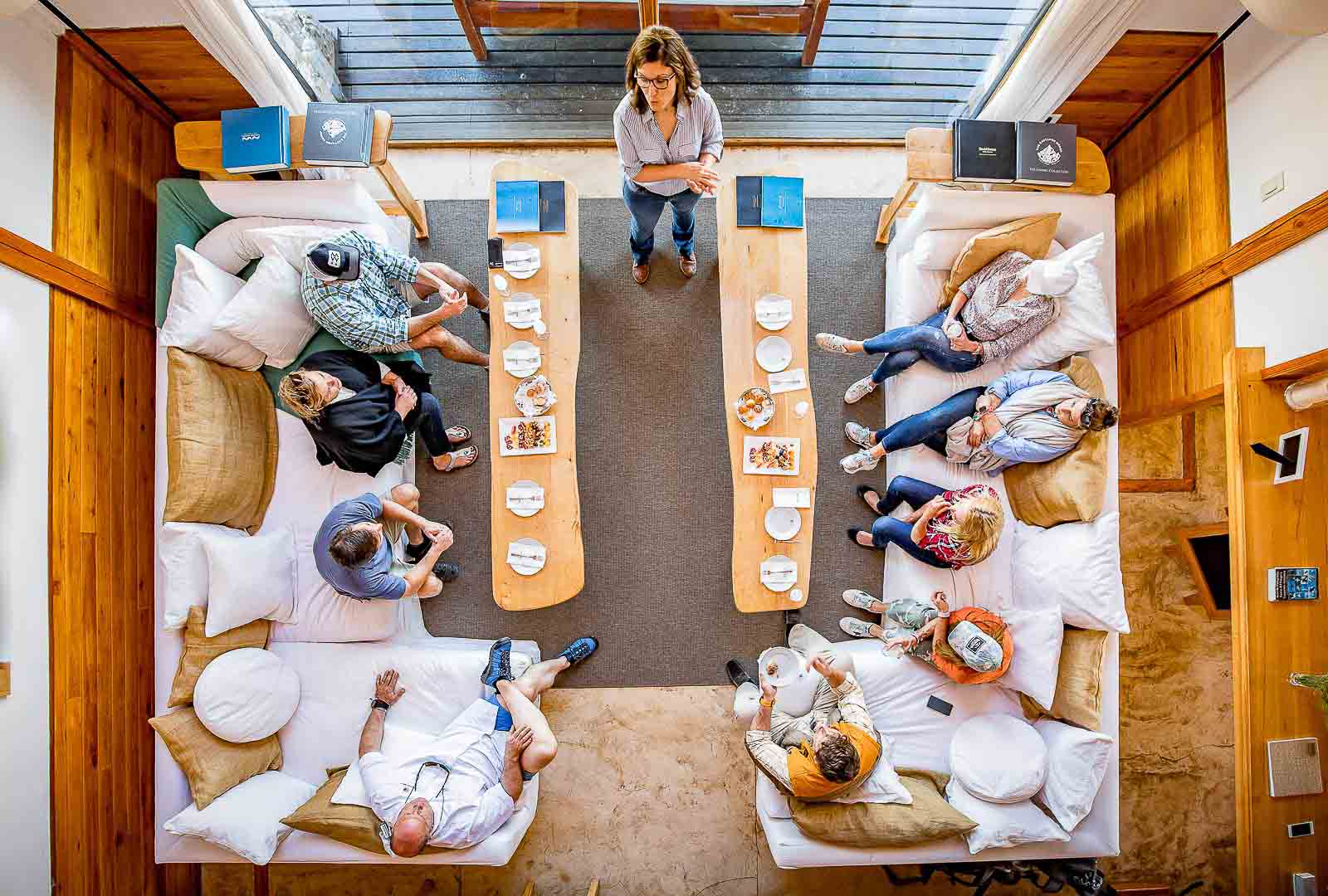
The lodge features two inviting living rooms, a reading and internet room, an open kitchen, and a generous dining area where guests enjoy excellent, thoughtfully prepared meals.

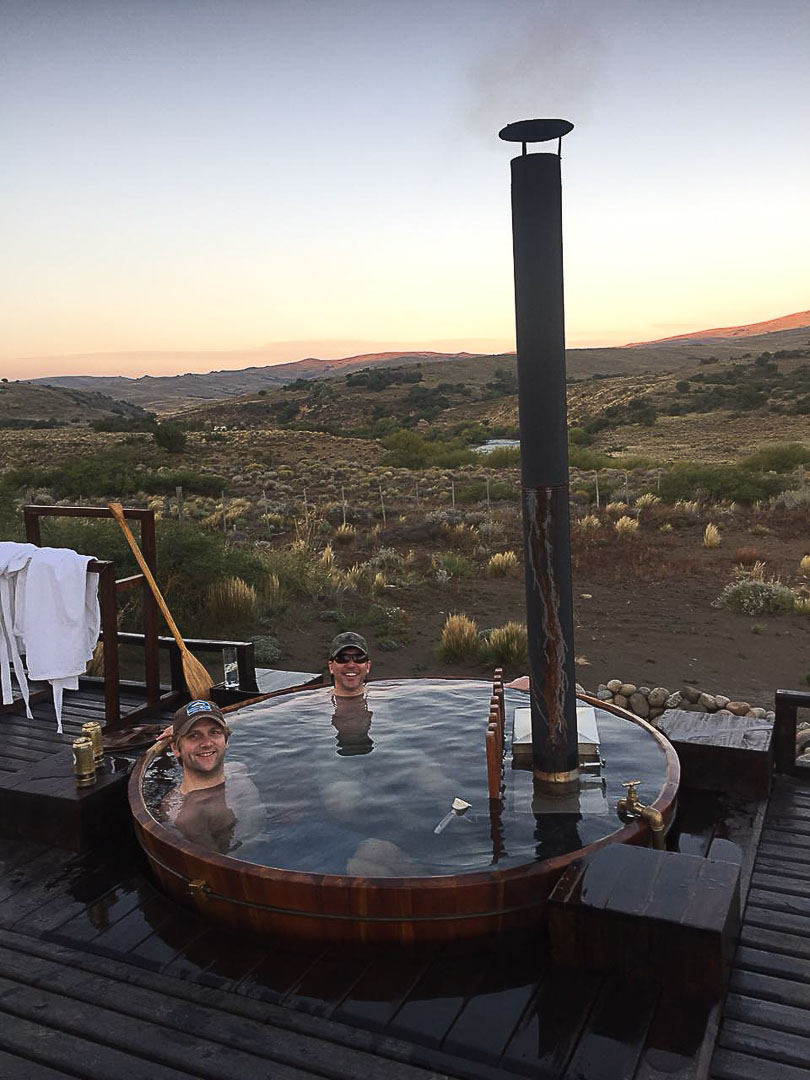
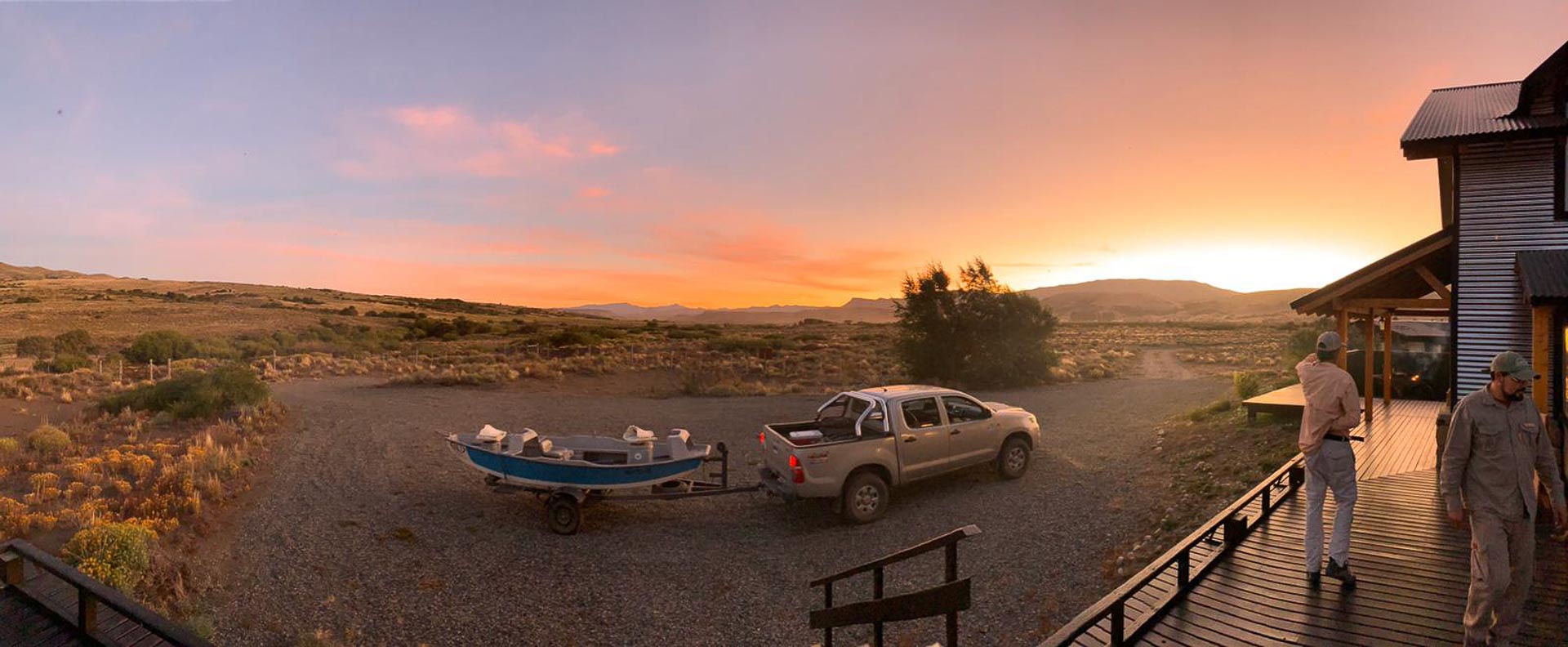
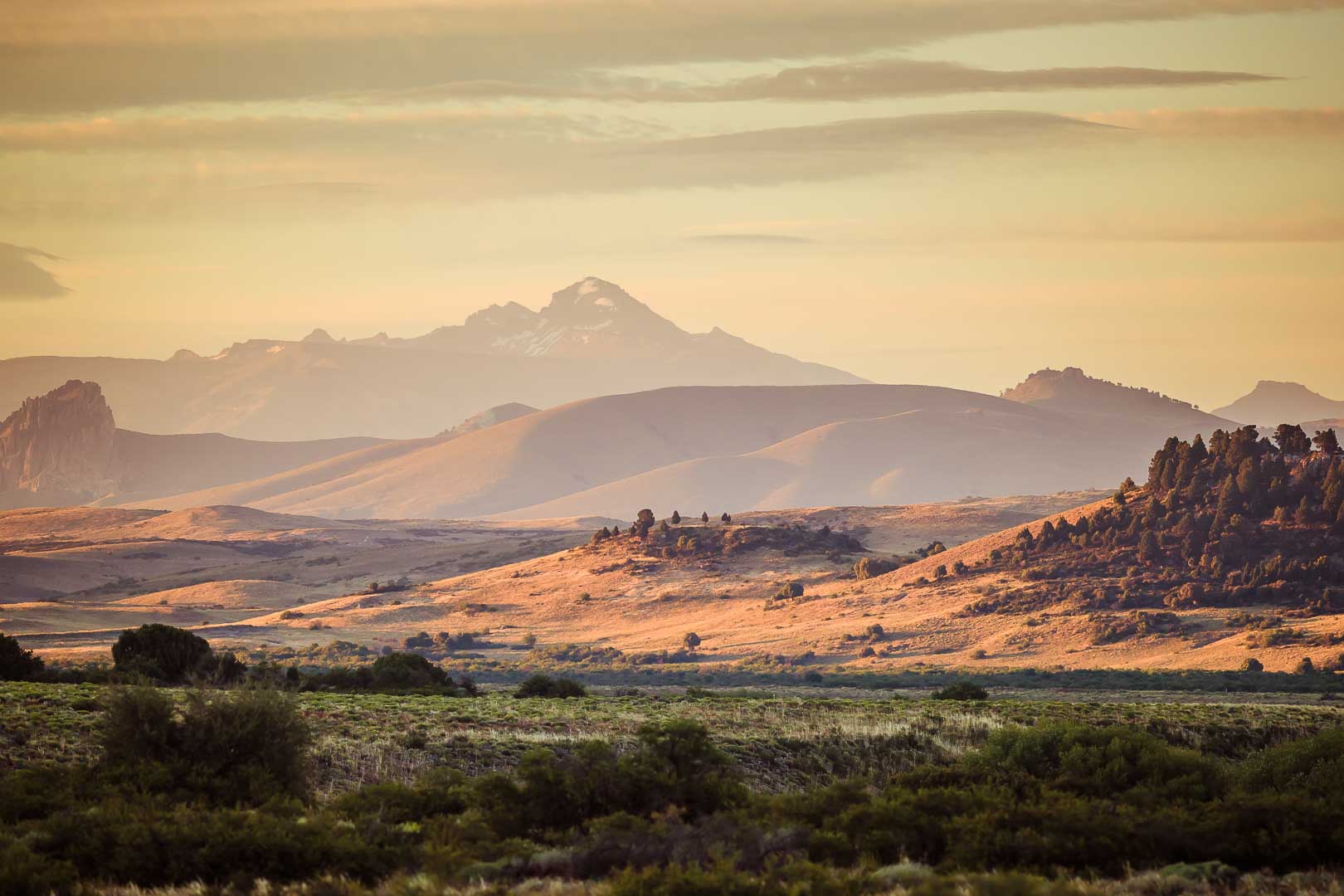
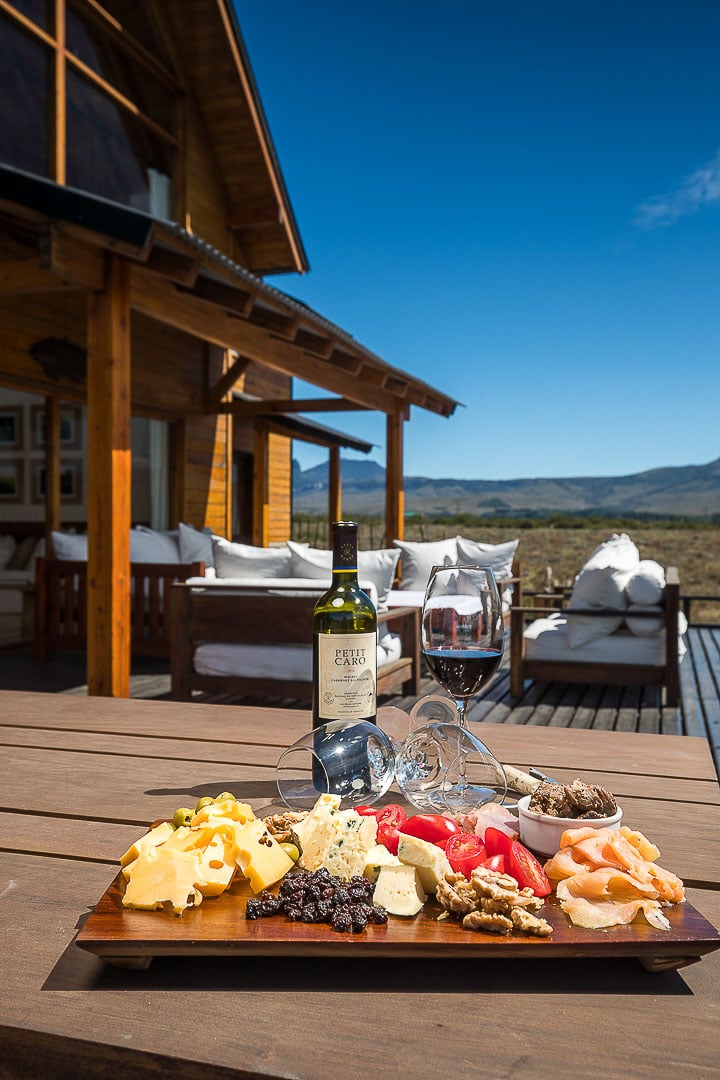
Outside, a spacious deck offers stunning dual-aspect views—on one side, the Chimehuín River, and on the other, the striking Lanín Volcano. The deck also features a wooden hot tub and an outdoor fire pit, perfect for relaxing after a day on the water.

SPRING (December 1st to January 1st)

The fishing season officially opens in Argentine Patagonia on November 1st; although, Chime Lodge normally don’t open their doors until the first of December. Spring is a special time to visit Patagonia as the Andes Mountains still hold a large amount of snow and valleys are covered with spring flowers. Precipitation decreases throughout the month of December and average temperatures rise along with the length of day until the summer solstice on December 21st.

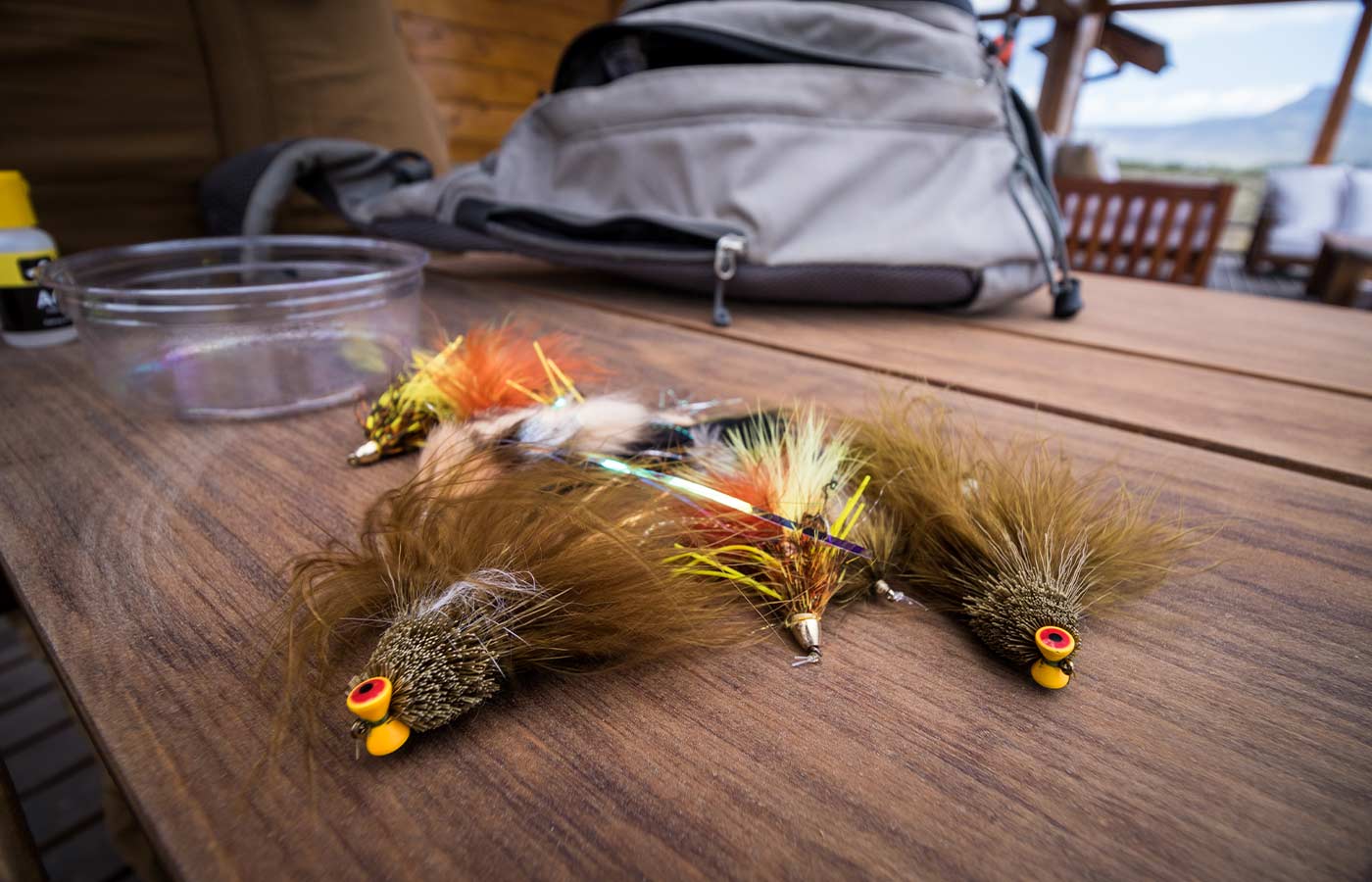
Area fisheries are full of water but almost every stream is fishable after December 1st due to the many river-lake systems in our area. Since the water is higher this time of the year, the largest fish tend to be more aggressive and accessible. Fishing is generally spectacular but flexibility is a must as streamers, dry flies, and nymphs are all used depending on the river levels and daily weather conditions. Large flies normally tied with rubber legs, long hackles, bunny fur, foam–you name it (chernoble’s, garbage, junk, bichos, mutant’s, big foam, etcetera.)—can be thrown and are very effective this time of the year due to the aggressive nature of the fish and the lack of pressure. You can leave your 5X at home but be sure to bring some 0X and even a sink tip to go down and dirty. Your guide will be as anxious as you are as they have been waiting for the season as long as you have.Normal tourism season begins after Christmas and the New Year so our area is much more relaxed and the fish are very willing.


SUMMER (January 1st to March 15th)

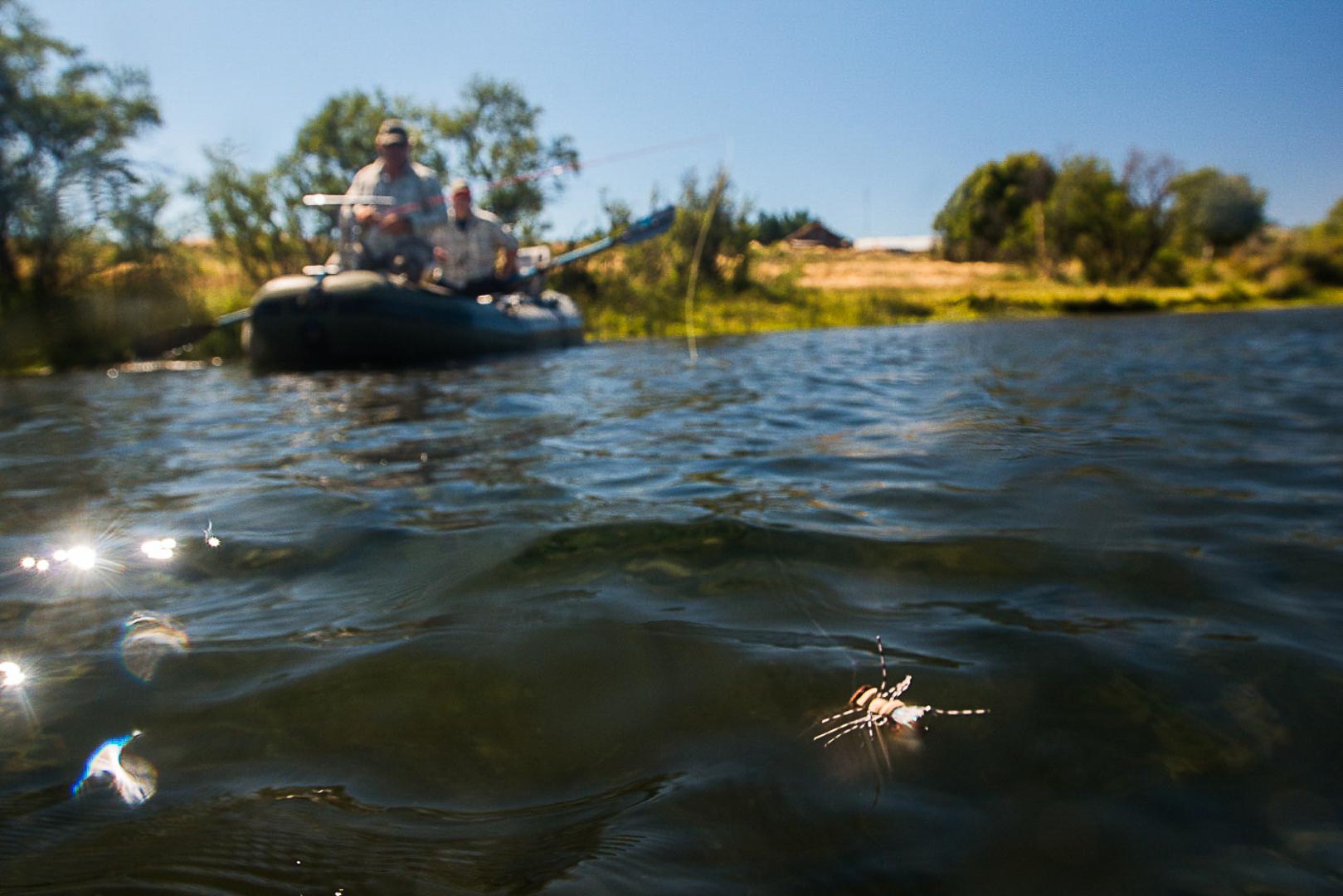
Summer is the most popular month for fishing and tourism in Patagonia. The kids are on vacation and tourists abound. The weather is the best this time of the year with decreasing precipitation and the warmest temperatures. Some snow remains on the highest Andes peaks but almost all the spring flowers are already gone. The grass is getting long, and with warmer temperatures you guessed it— hoppers and terrestrial insects are prolific and you will enjoy dry fly fishing almost exclusively. There are uncountable species of beetles, ants, hoppers, crickets, wasps, and other unidentified flying objects this time of the year and the trout are looking for them.

A South American phenomenon: the hottest, brightest, and clearest days are the best dry fly and fishing days! Yes, it’s true, a bluebird-fisherman’s dream! All the above being said about fish looking to slam dry flies is true, but the presentation is key on some streams as fish have seen a few gypsy kings, fat Alberts, Chernobyl ants, hoppers, etc…..and they are as suspicious as they are aggressive this time of the year. You might have to drop down to 3X, 4X, and occasionally even 5X and use a dropper to attract fish in the crystal clear water. You will have lots of sight fishing opportunities daily and wet wading is possible for the majority of the time.

Water levels continue to drop and water temperatures rise this time of the year. Every fishery is open and in perfect shape. This is Prime Time and getting a spot with Chime Lodge is not easy. Repeat customers reserve most spots year after year. If you can get a spot, you won’t be disappointed!

FALL (March 15th to May 1st)

Fall is the favorite of many anglers, and it is a great time to visit Patagonia. Summer tourist traffic drops off completely and Chime Lodge once again has a vast wilderness to themselves. Temperature decreases and precipitation rises this time of the year, which normally brings on the fall feeding frenzy of area trout with cooling and rising rivers. Browns and brook trout are getting ready to spawn and many of those larger fish, which swam back into the lake during the middle of summer, are migrating back to the river to feed or spawn. 

Fall colors in Patagonia are spectacular and if you are lucky enough to be able to come and enjoy the fall, you will probably become addicted to the beauty, the tranquility, and the fishing. Although the days are not as long as the spring and the summer, you still get plenty of time on the water, in fact, you might actually get more fishing as the guides are excited this time of the year.


Chapelco Airport (CPC) in San Martin de los Andes is the closest airport serving Chime Lodge. Aerolineas Argentinas (aerolineas.com.ar) runs regular commercial flights from Aeroparque Airport in Buenos Aires (AEP) to Chapelco (CPC) Airport and back. The drive from CPC to Chime Lodge takes 45-minutes.

Buenos Aires to the city of Bariloche (Code BRC) in Patagonia is another option. But the airport is located farther south and requires a longer drive (about 2.5 hours) to and from Chime Lodge. Please make sure that you notify us well in advance of your arrival time and flight so that we can arrange to meet you at Chapelco Airport or wherever you plan to land in Patagonia.

Location

Chime Lodge is conveniently located on the banks of the upper Chimehuin River in Argentina’s northern patagonia region, just a 45-minute’ ride from the San Martín de los Andes (CPC) airport. Its closest small villa is Junín de los Andes and is located just a 20-minute drive from the lodge.

The Fishing

What to expect on the water.

Chime Fishing

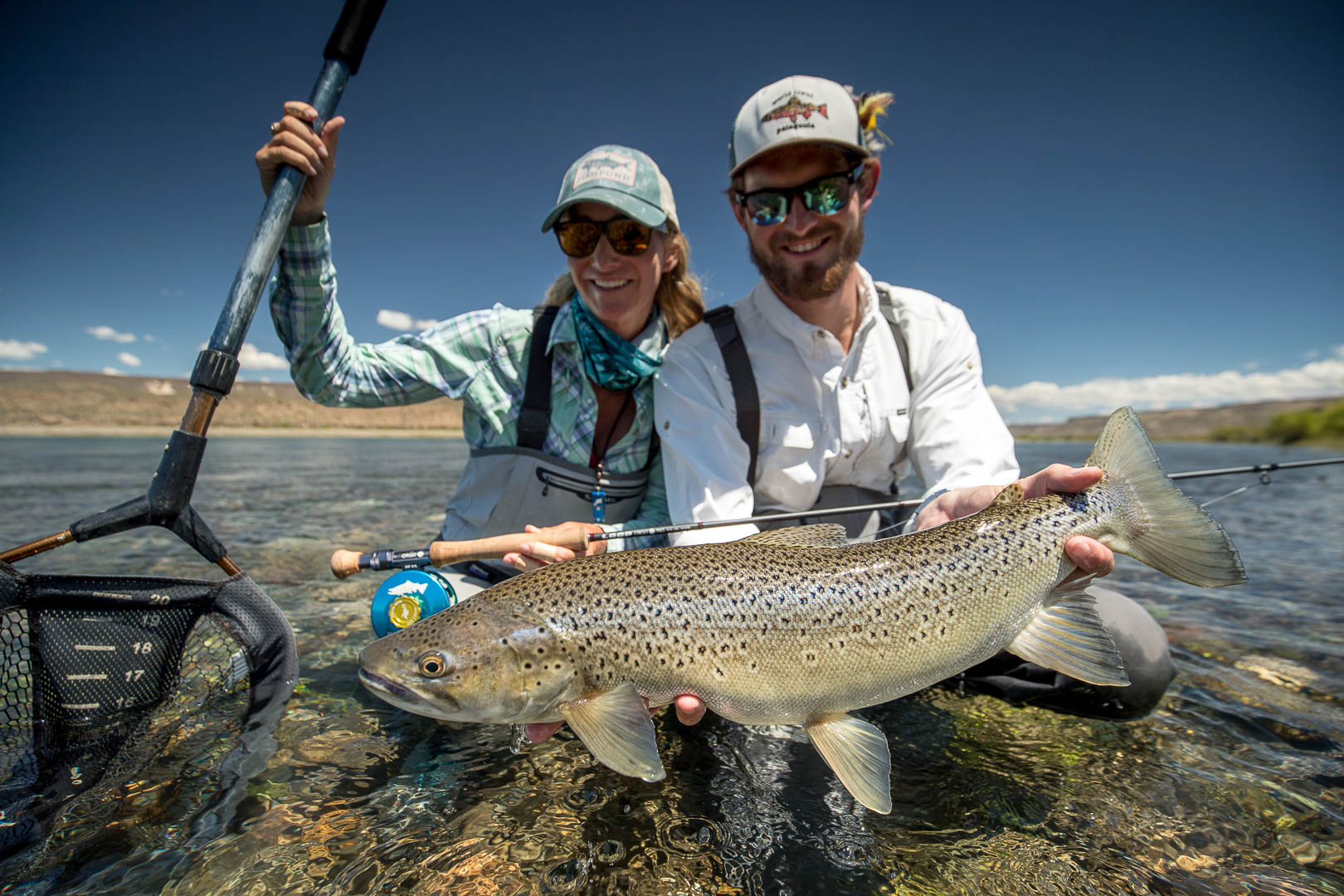
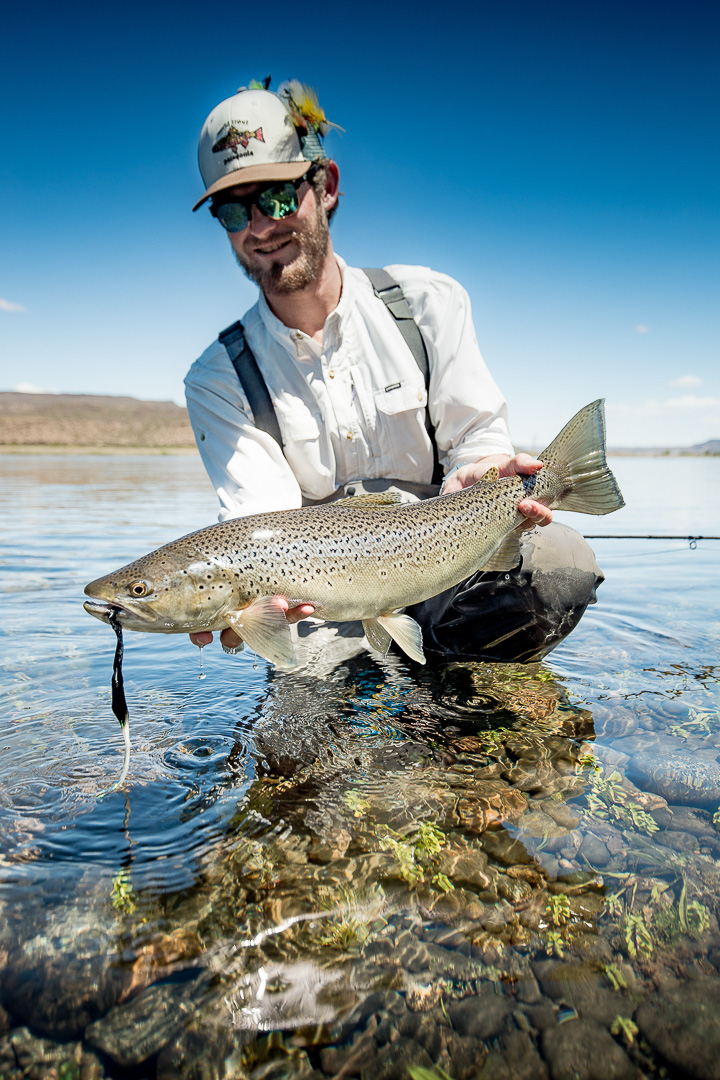
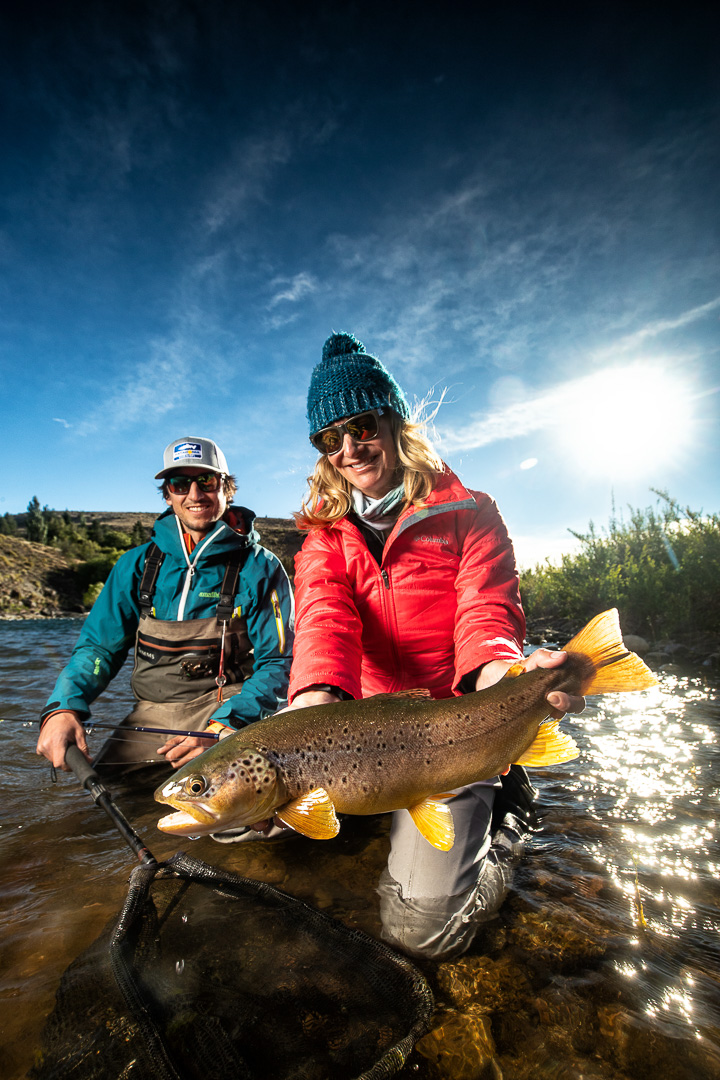
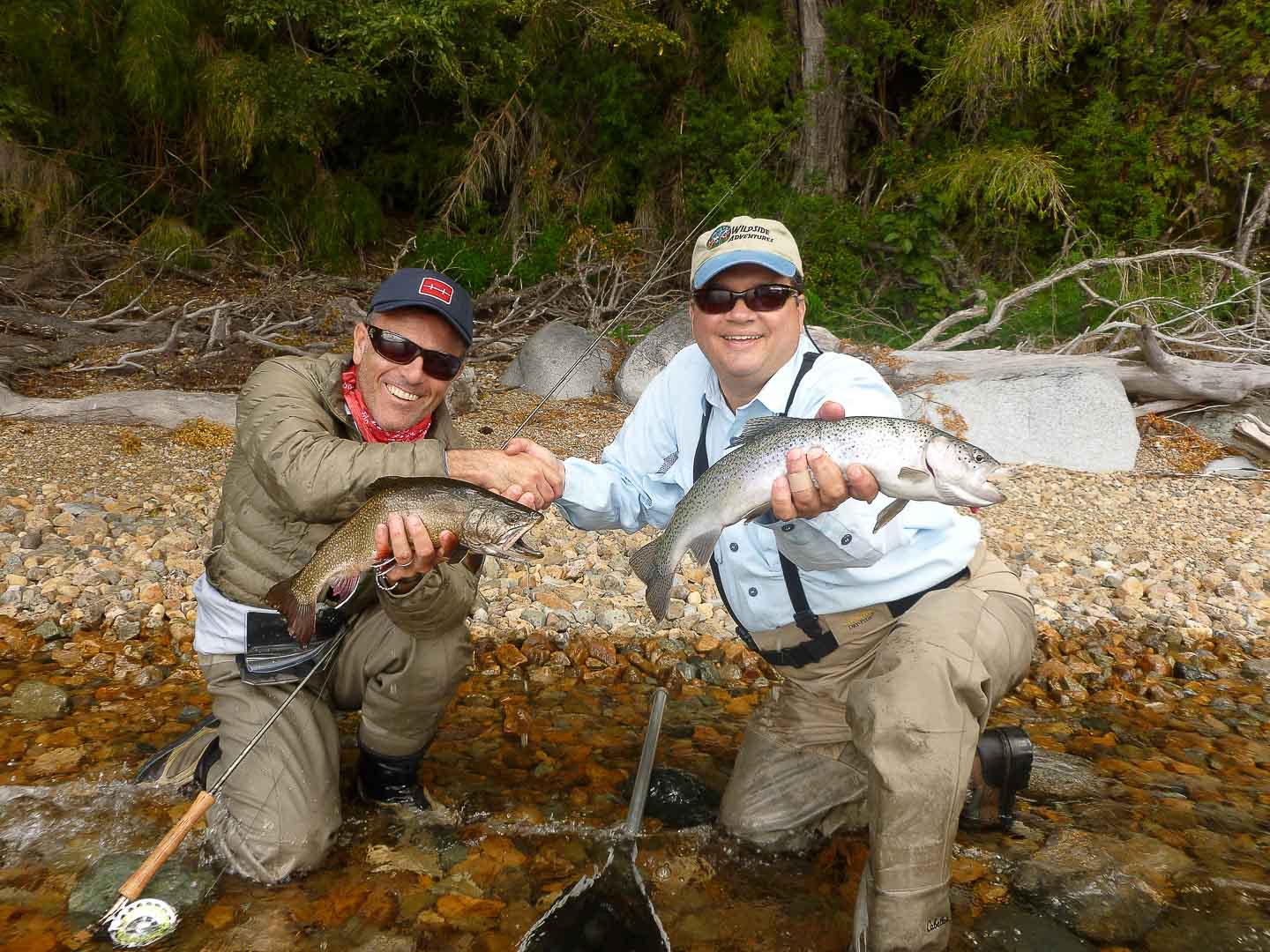
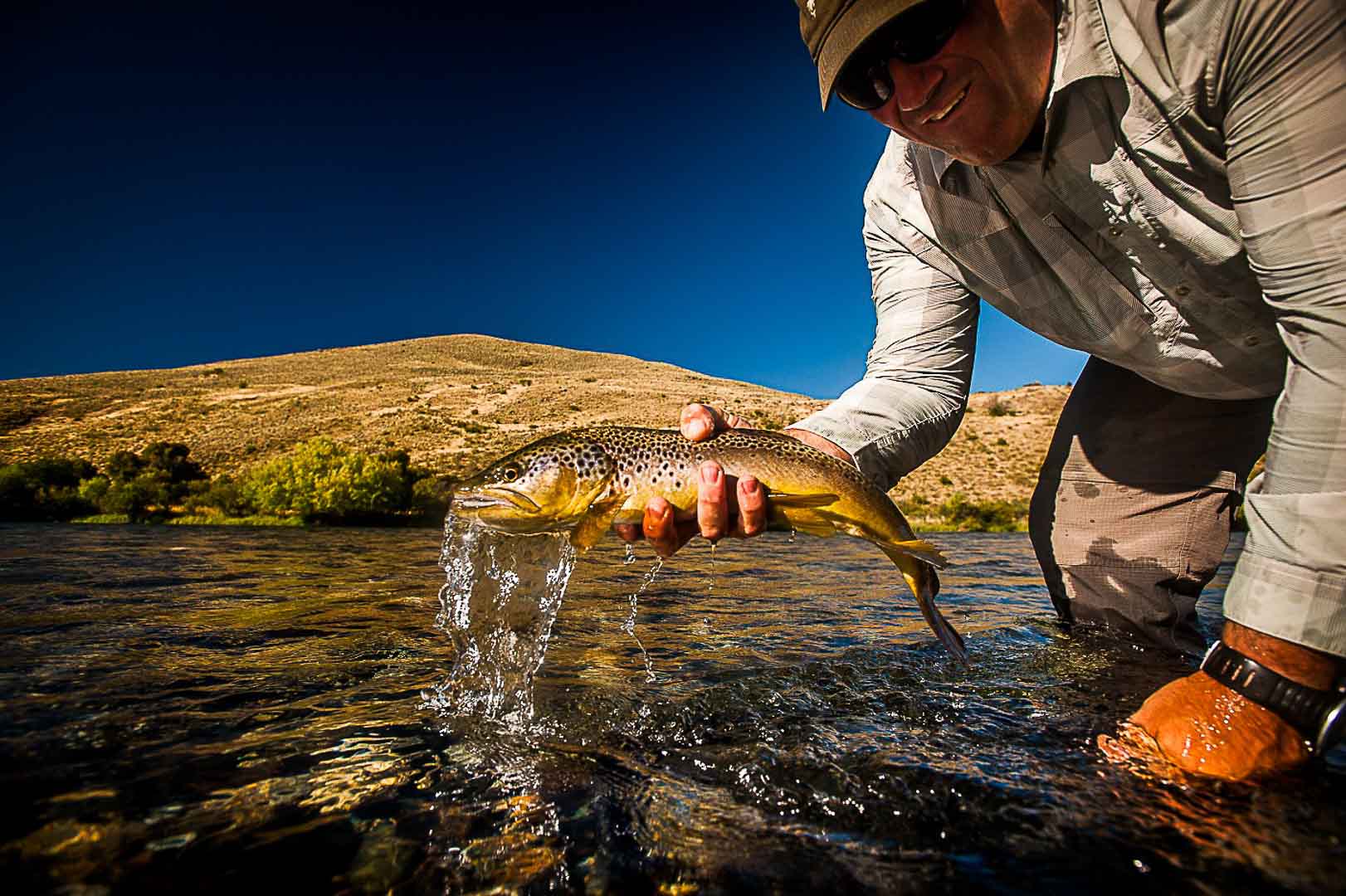
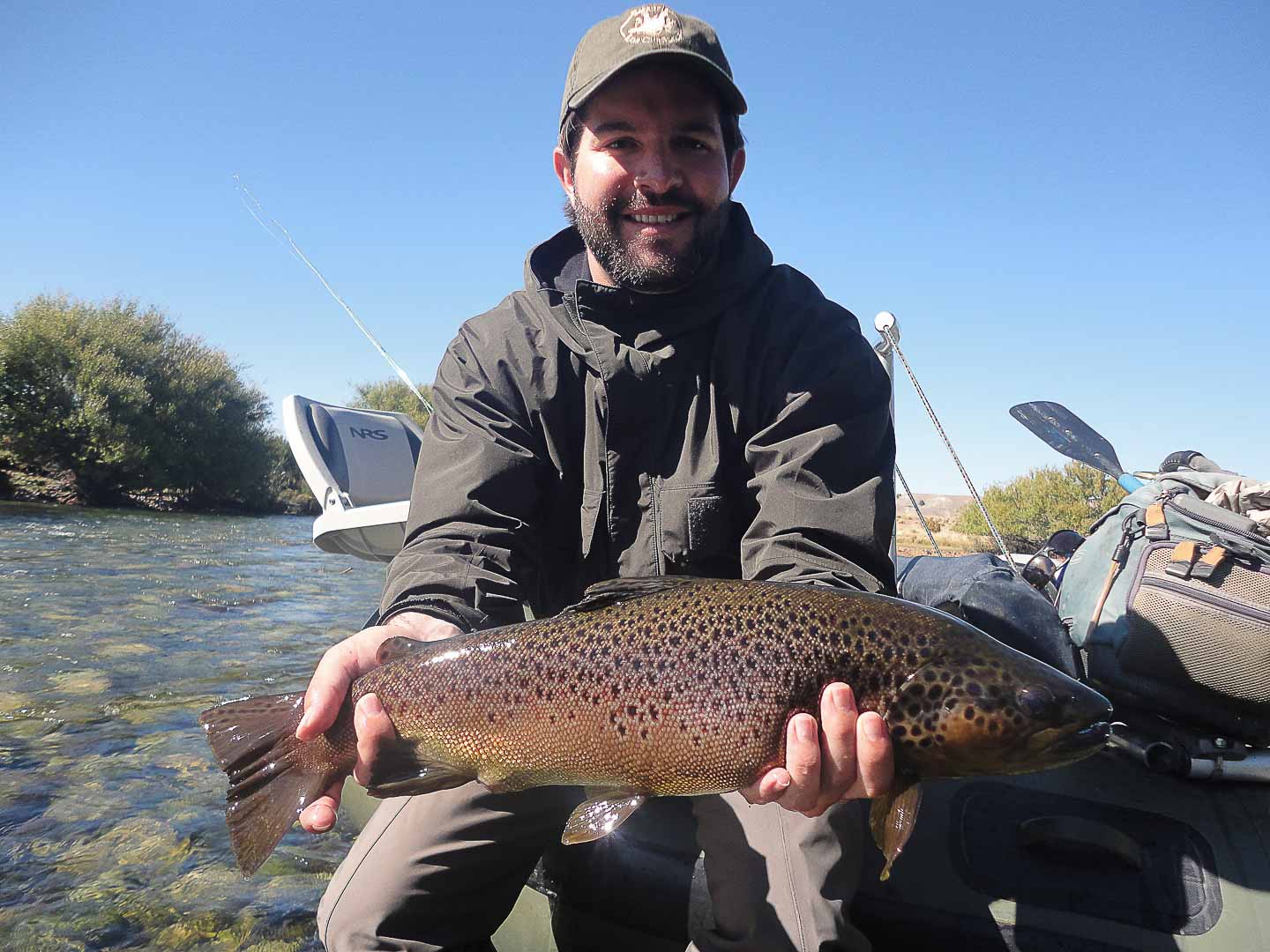
Overlooking the Chimehuín River, Chime Lodge offers front-door access to one of the greatest diversities of trout water in Northern Patagonia. Brown and rainbow trout are the primary targets, while brook trout and landlocked salmon are also present, though less common.

What truly sets Chime apart is its strategic location—providing access to some of the region’s most renowned rivers and lakes—combined with a team of highly experienced guides and truly five-star accommodations and service. Chime Lodge partners with PRG North (Patagonia River Guides North) to run its fishing program. With three generations of experience in the San Martín de los Andes region, PRG North brings unmatched local knowledge and expertise to every day on the water.

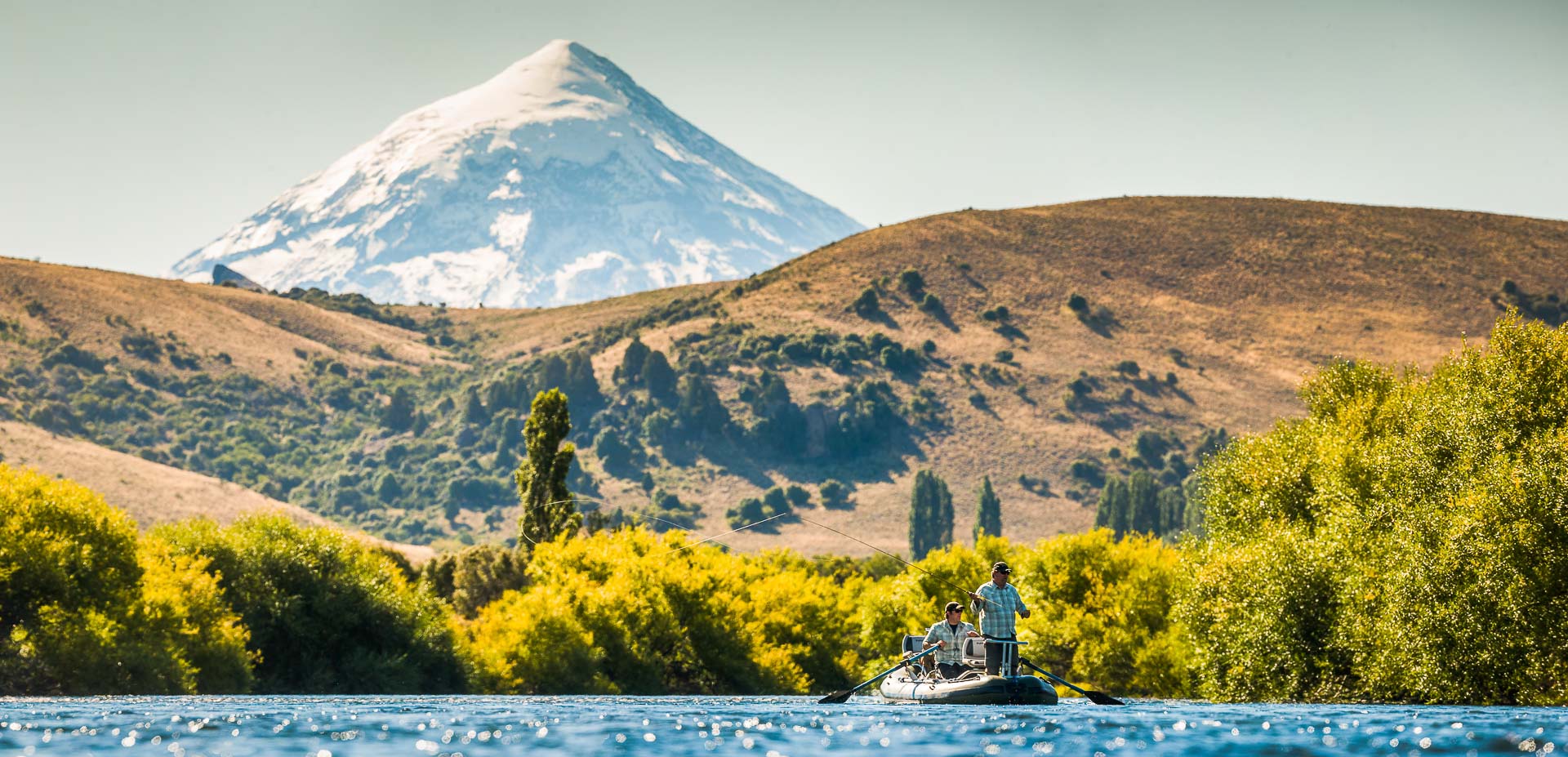
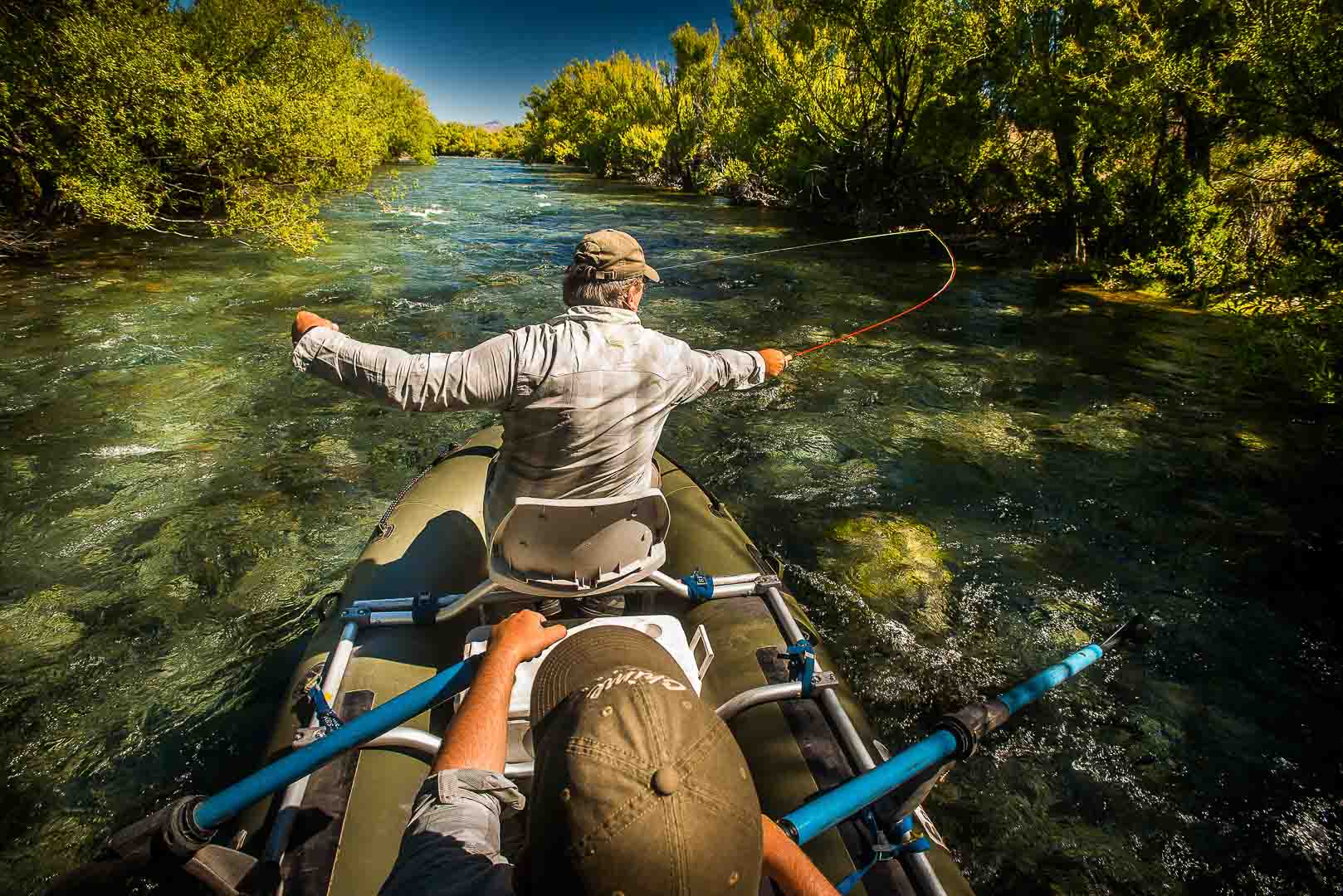
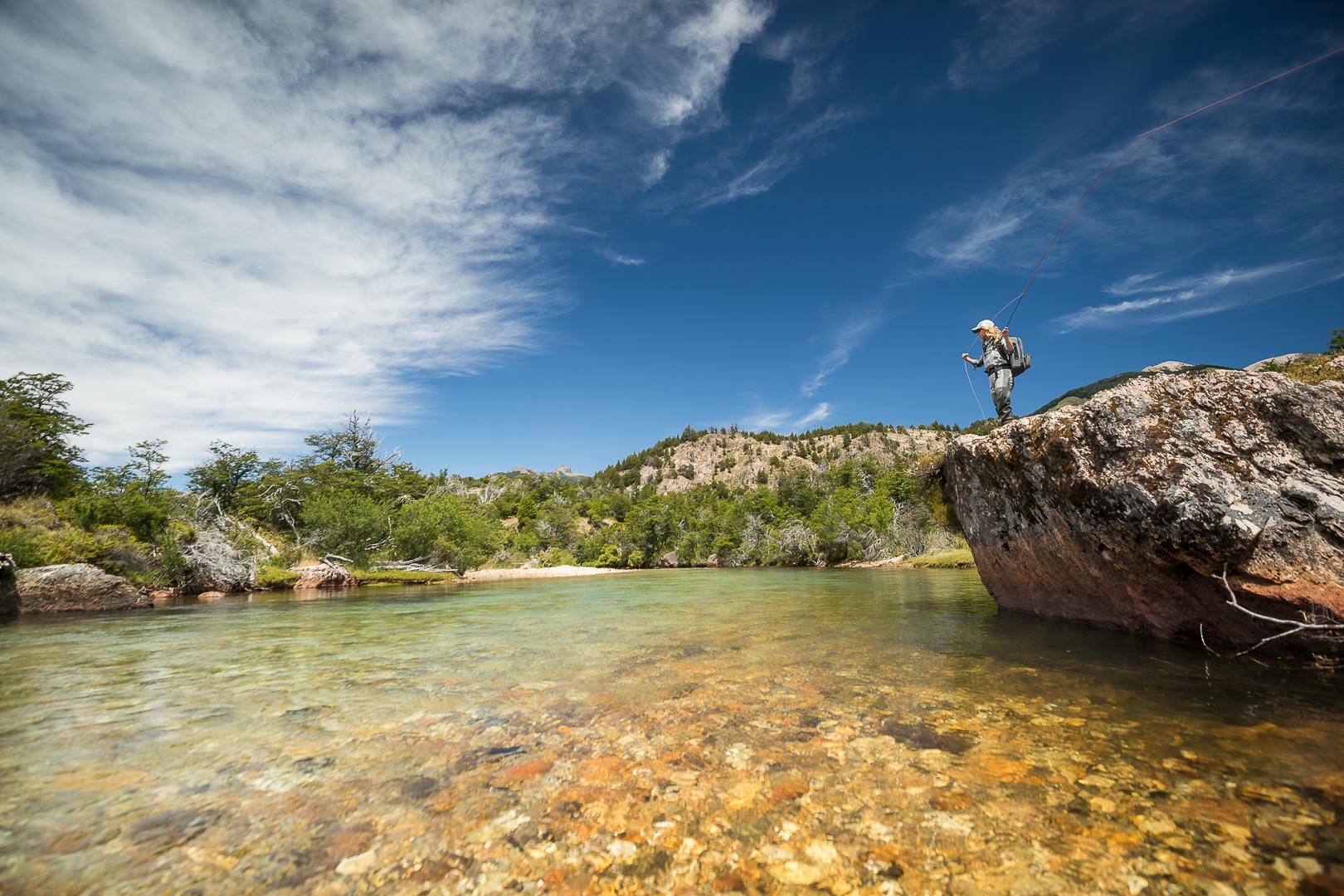
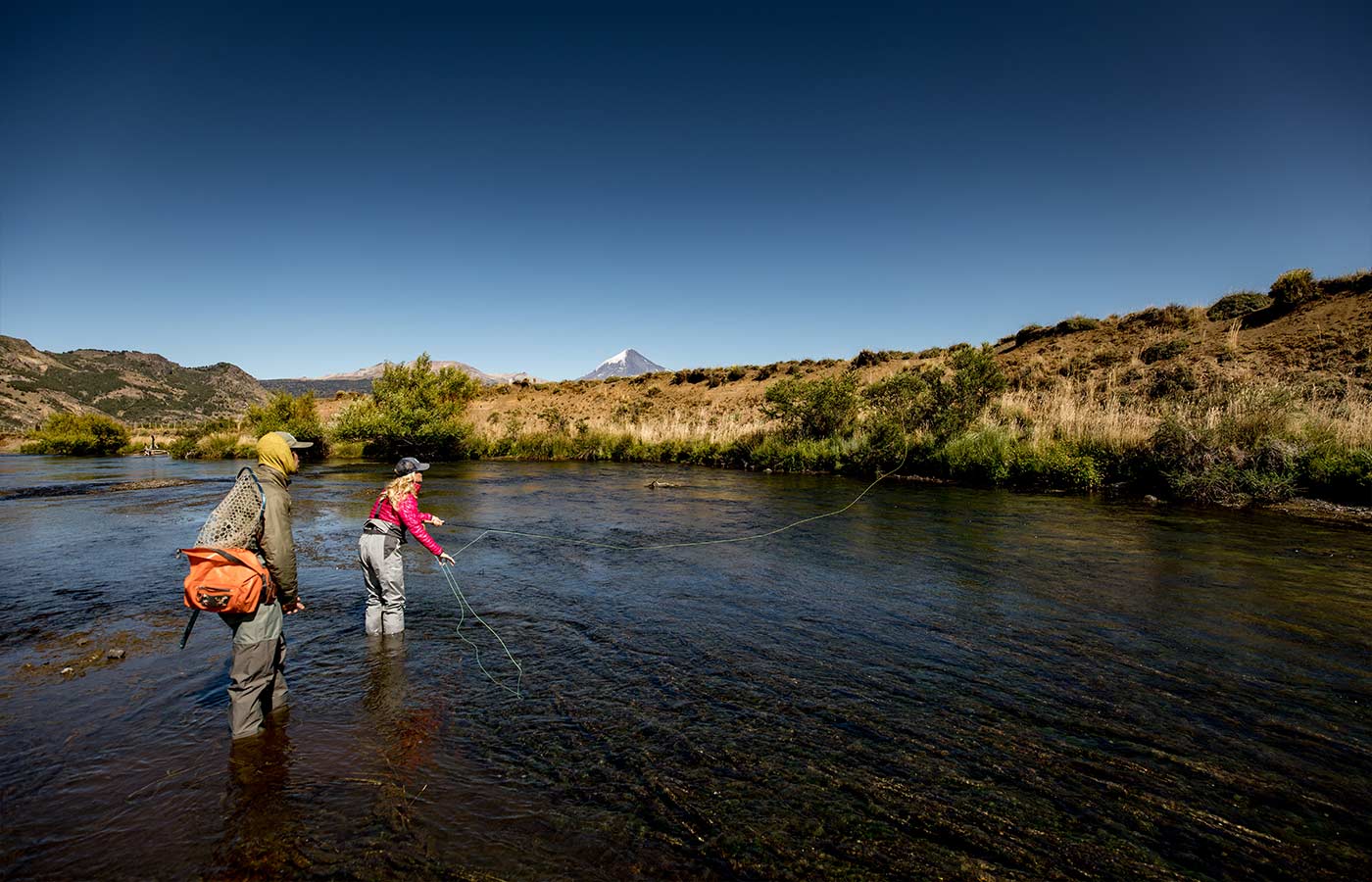
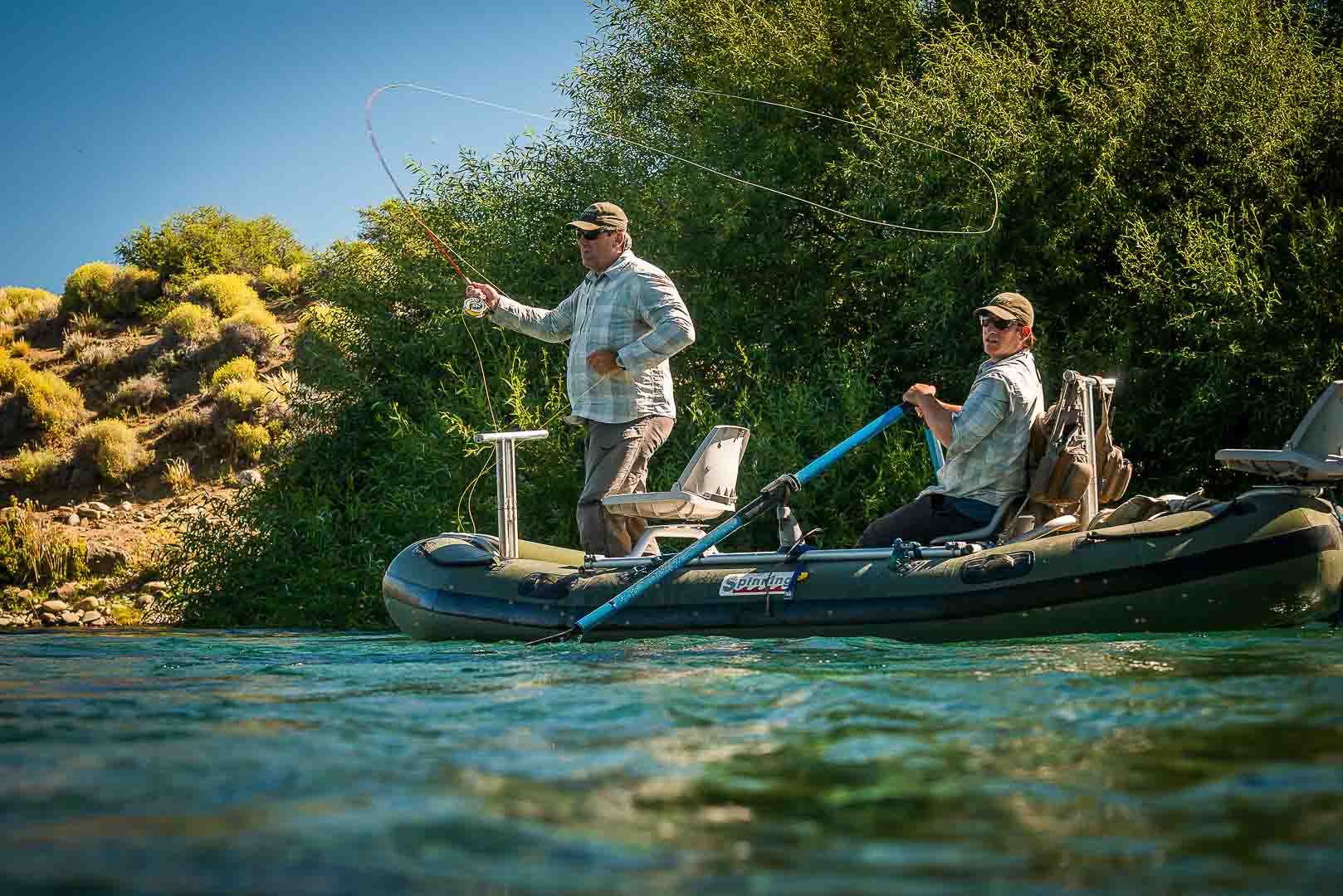
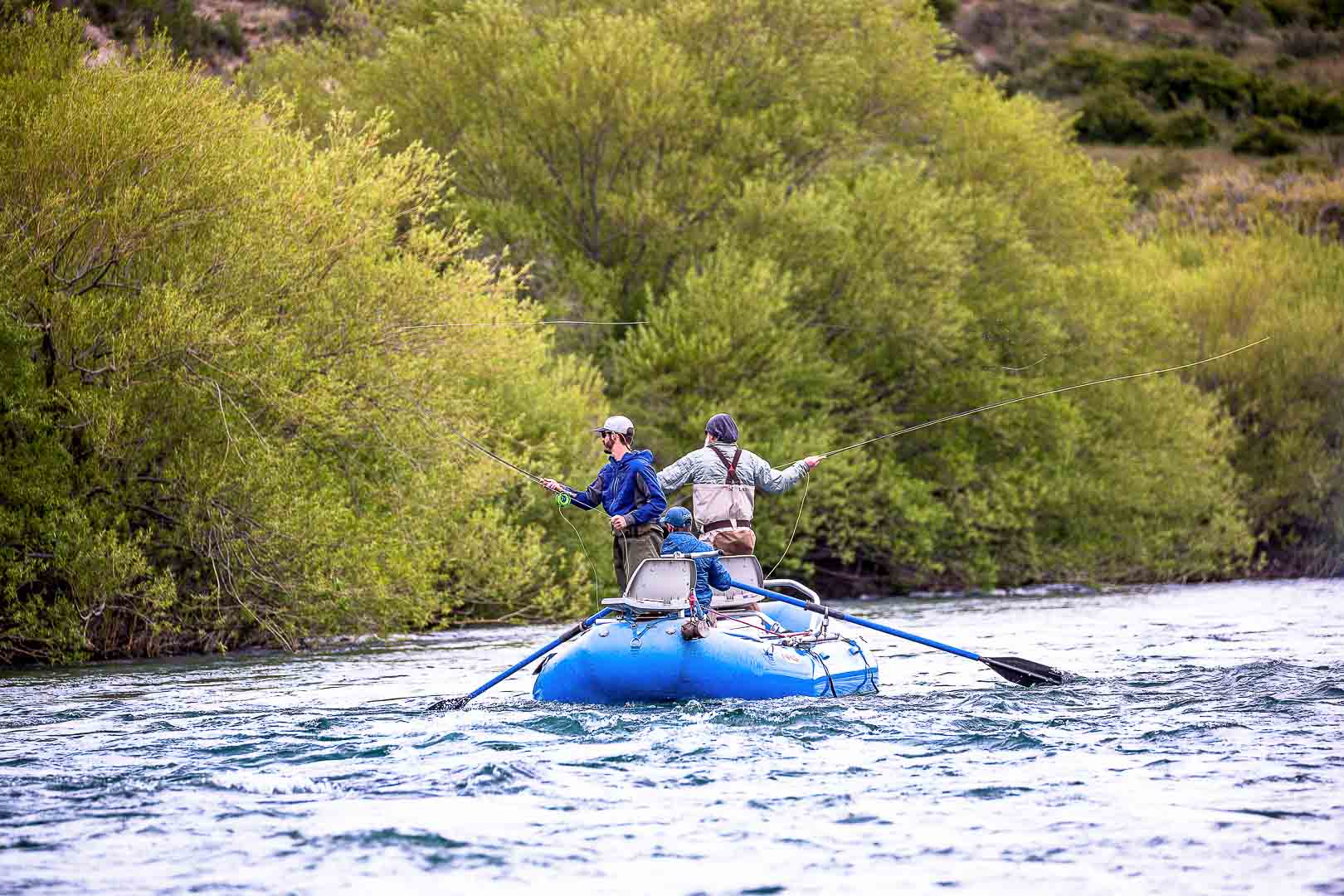
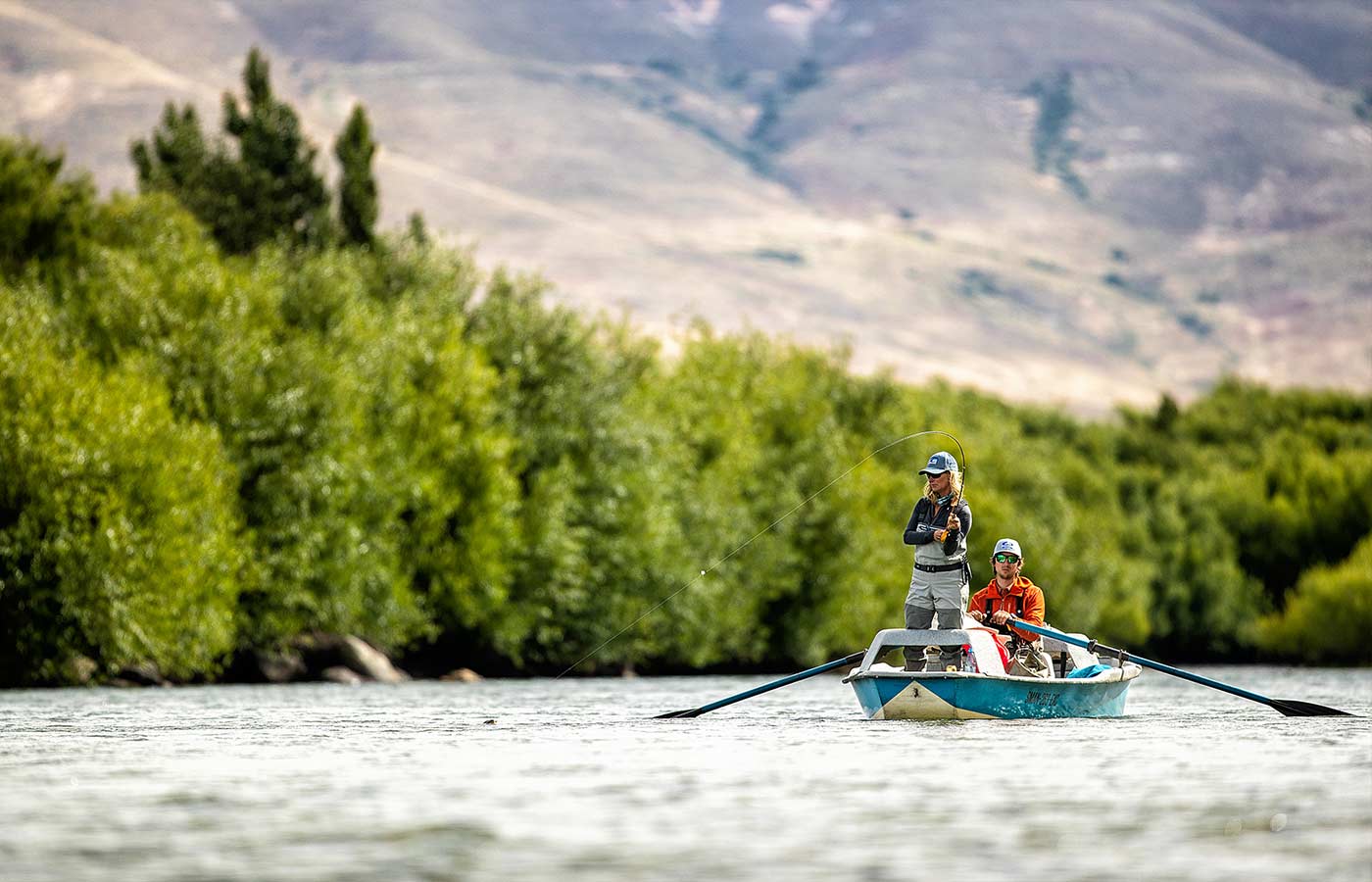
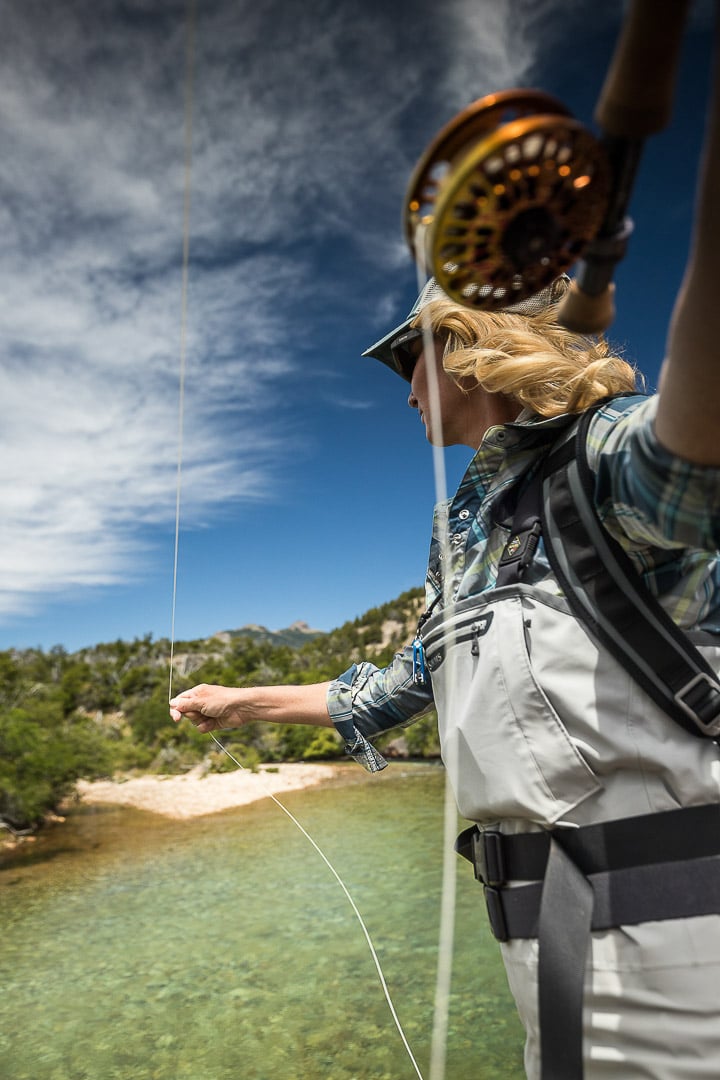
Most fishing is done from drift boats, though wade fishing is also readily available. The picturesque Chimehuín River is both wade- and float-friendly, flowing for 25 miles before joining the Collón Curá River—one of Patagonia’s most iconic fisheries. Nearby, smaller technical streams offer excellent opportunities for dry-fly, streamer, and nymph fishing, depending on the season.

Chime Lodge offers fully customized programs ranging from as short as two full days to trips of up to ten days. Unlike many lodges in the region, there are no fixed arrival and departure dates, allowing for a truly personalized experience tailored to each angler. For those looking to explore more remote waters, Chime also offers a two-night “Unplugged” glamping float program (see next pages for more details).

Beyond the rivers, the region is also defined by its exceptional lakes. Trophy stillwaters such as Tromen, Huechulafquen, Epulafquen, Verde, and Curruhé each offer unique characteristics and are known for producing large trout. In total, the area is home to more than 20 troutrich lakes.

This is a sample itinerary for the purpose of illustration only. These are the waters we typically fish from the lodge. We may vary your specific itinerary according to your fishing preferences and prevailing weather, temperature, water levels, fish migration, and the opinions of our guides. We can also arrange trips to other great fisheries from the lodge.

Day 1

    • Arrival in San Martin de los Andes at Chapelco Airport (around 2 p.m.)
    • Drive to Chime Lodge
    • After lunch, the fishing manager will assist anglers in preparation of fishing equipment
    • Cocktails, appetizers, and dinner at the lodge.

Day 2

    • Breakfast at the Lodge
    • After breakfast, we’ll drive to the Lower Malleo River
    • This section of the river is located in the Mapuche Reservation Amutuy Quime
    • It is wading only. There are hundreds of pools to fish all day long.
    • Back to the Lodge for appetizers and dinner
    • Recommended rods: 4, 5 or 6 wt with floating lines and 7’ to 12’ leaders

Day 3

    • Breakfast at the lodge
    • Our day starts at the Rinconada Bridge, which spans the Collón Curá River
    • This is big water, like the Madison in Montana, with fish from 12 inches to several pounds; there are brown and rainbow trout and Perca, our native fish. Percas put up a nice fight, much like a brown trout, and eat whatever you throw at them
    • We’ll float most of this river and we’ll stop and wade the many channels formed around the islands in the river
    • Back to the lodge for appetizers and dinner

Day 4

    • Breakfast at the Lodge
    • Drive to Lake Tromen, in the shadows of Lanín Volcano and 3 miles from the Chilean border, where we will fish for trophy brown, rainbow, and brook trout. We’ll fish from our rafts casting to submerged logs, weed patches, obstacles, and boulders where big trout live. There is a tiny spring creek that can be fished while we cook you a traditional Argentine Asado (BBQ) for small brookies, or you may fish the outlet of this creek for trophy size trout up to 7+ pounds
    • If you are in the mood of walking, there is a 40-minute walk to the mouth of the Malleo River. Fishing with dry flies sometimes produces nonstop action for rainbow trout and browns
    • Back to the lodge for appetizers and dinner

Day 5

    • Breakfast at the lodge
    • Float the Chimehuin River, from Piedra del Viento (200 yards upstream from Northern Patagonia Lodge) to the Military Bridge. It is an all-day float with a lunch break around 1 pm. We’ll fish the pools that made Junin de los Andes a world-class destination for fly anglers (Piedras Blancas, Currhue, and Parrot pools). A lot of fishing is done from the rafts, but we’ll stop at the best spots and wade
    • Back to the lodge for appetizers and dinner.

Day 6

    • Breakfast at the Lodge
    • Our day starts at the confluence of the Malleo and Alumine rivers. This is big water again, with fish from 12 inches to several pounds. There are brown and rainbow trout, some landlocked Atlantic salmon, and Perca, our native fish
    • Back to the lodge for appetizers and dinner

Day 7

    • Breakfast at the Lodge
    • Fish the middle Malleo River, with a streamside barbeque. This is pretty much the same (unforgettable) fishing as the lower Malleo River. You’ll love to be back on this jewel of a river
    • Back to the lodge for appetizers and dinner

Day 8

    • Breakfast at the lodge
    • Today we will say our good-byes and go to San Martin de los Andes for some shopping and lunch (depending on the time of departure flight) and then transfer to Chapelco Airport for departure.

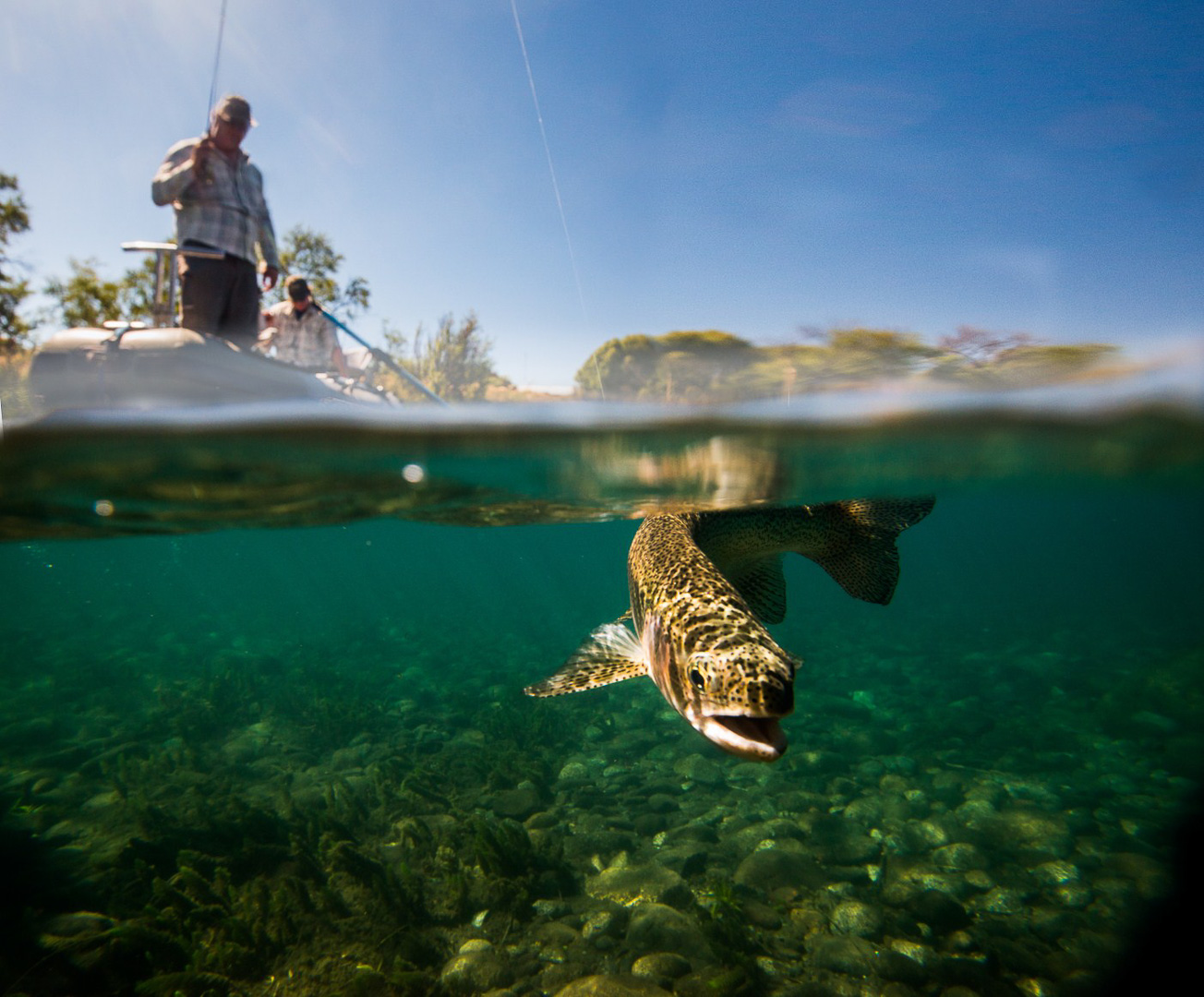
Rainbow Trout

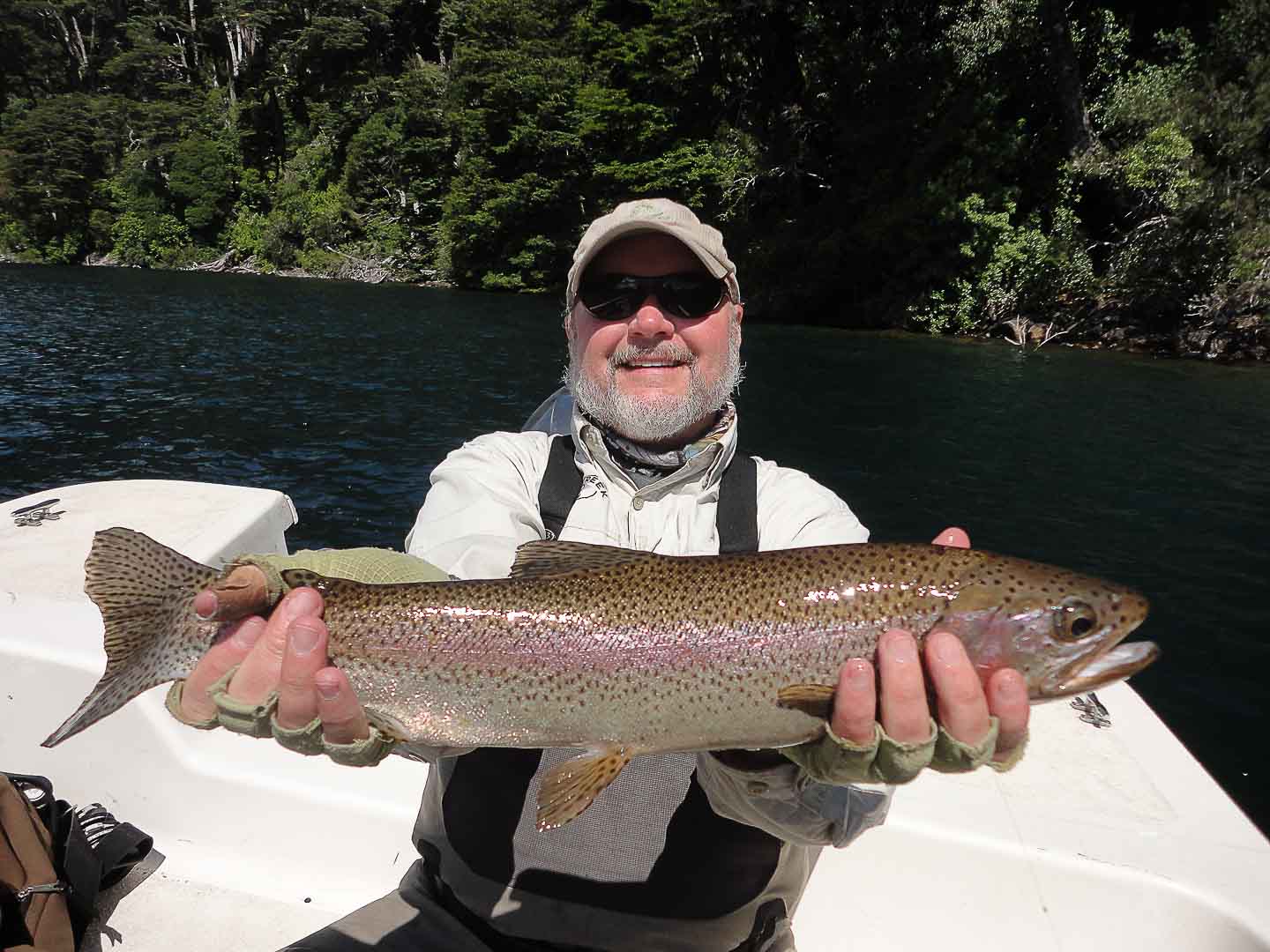
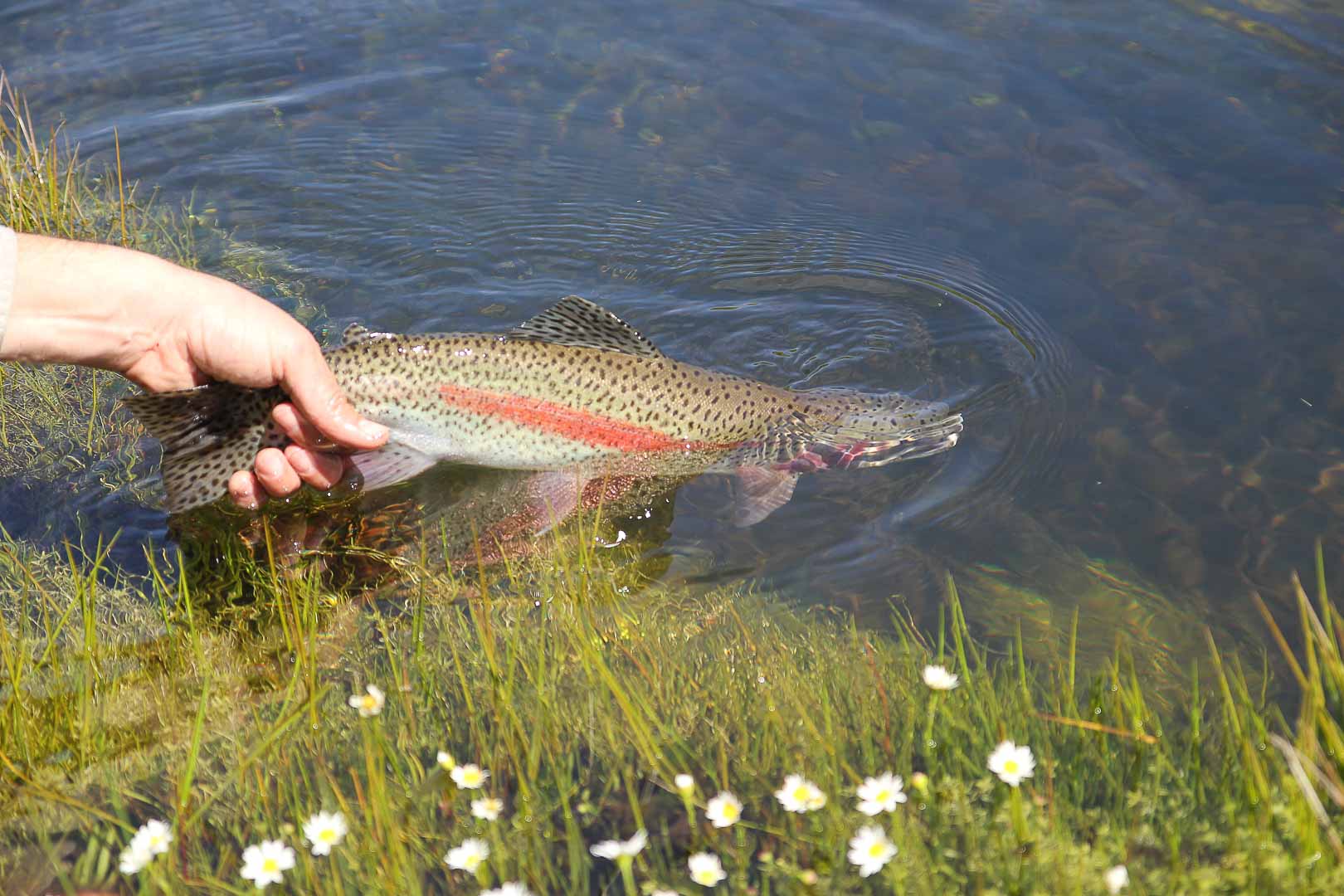
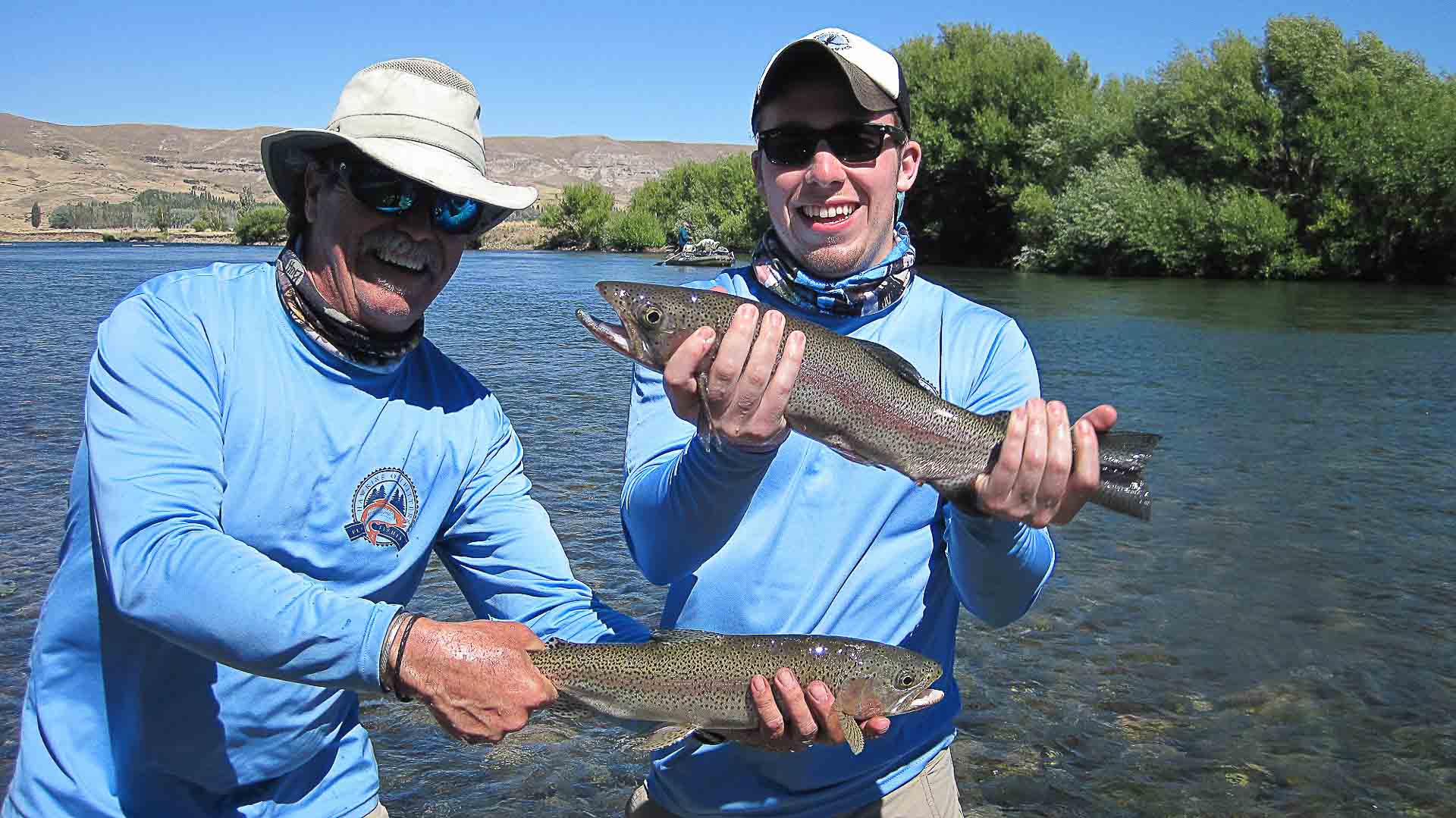
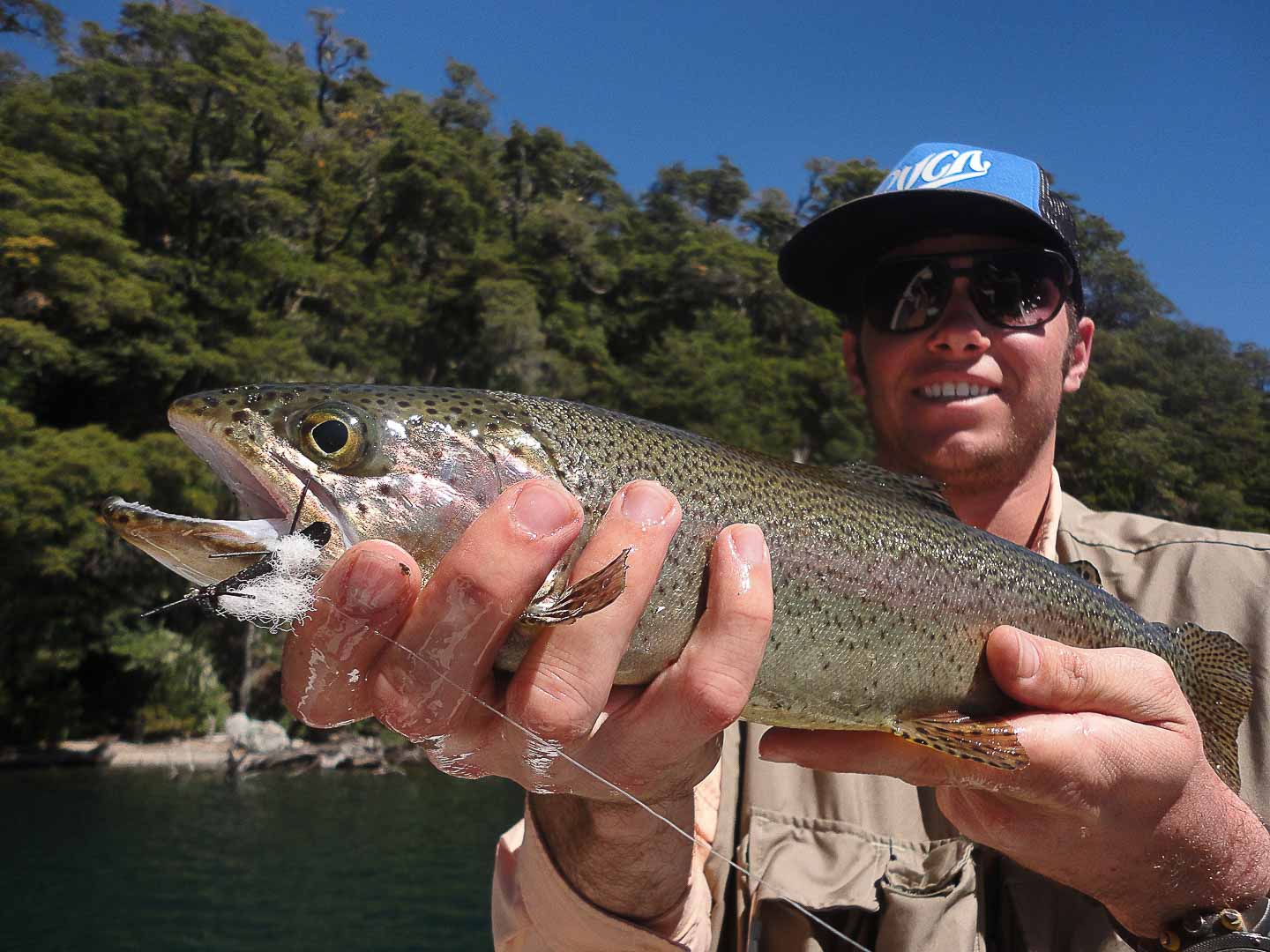
Is there a more beautiful or popular fish? Depicted on corporate logos, ball caps, and gas station signs, the rainbow trout is the ideal symbol combining beauty and sport. Rainbow trout (Oncorhynchus mykiss) is favored by fly fishers because of its beautiful coloration—for which it’s named—and its fighting ability. Wild rainbow trout typically have olive-colored backs, tails peppered with dark spots, and silvery sides that look as if they’ve been painted pink and crimson. The rainbow trout is actually a member of the Pacific salmon family and has been stocked on six continents. It can be found in freshwater streams, rivers, and lakes, also in saltwater bays and open ocean as steelhead (the sea-run form of the fish, which returns to freshwater to spawn). Trout prefer cold, oxygenated moderately moving creeks and streams with plenty of cover and pools, although they also do well in food-rich backcountry lakes and rivers.

Rainbow size generally relates to the size of the water they can be found in, as well as the available forage base. Smaller creeks are usually home to smaller fish, while bigger rainbows inhabit bigger watersheds. Generally speaking, a three-year-old rainbow trout in a general trout stream grows to 12 inches but can exceed 20 inches if food is abundant and water temperatures are stable throughout the year.
Brown Trout

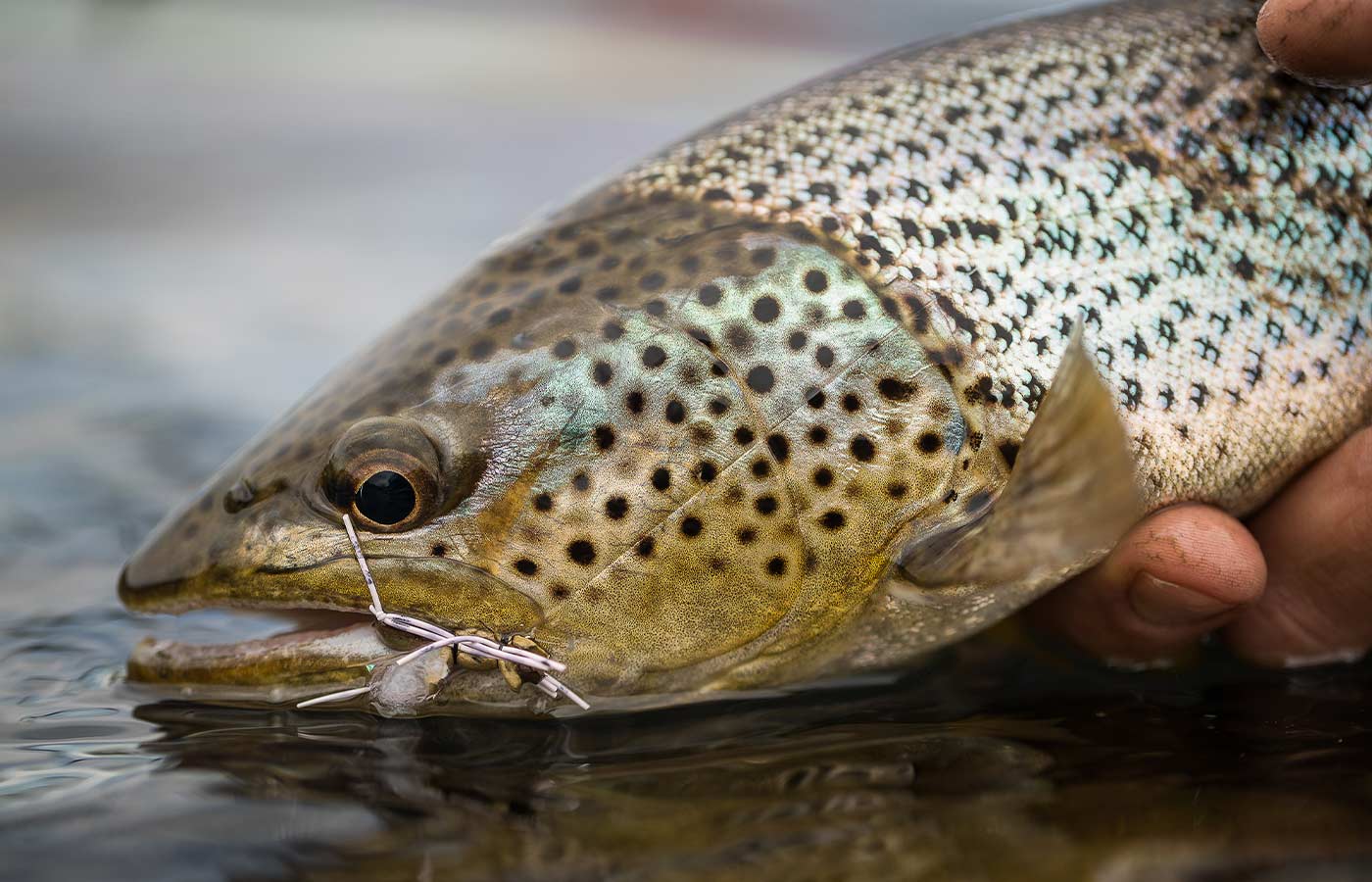
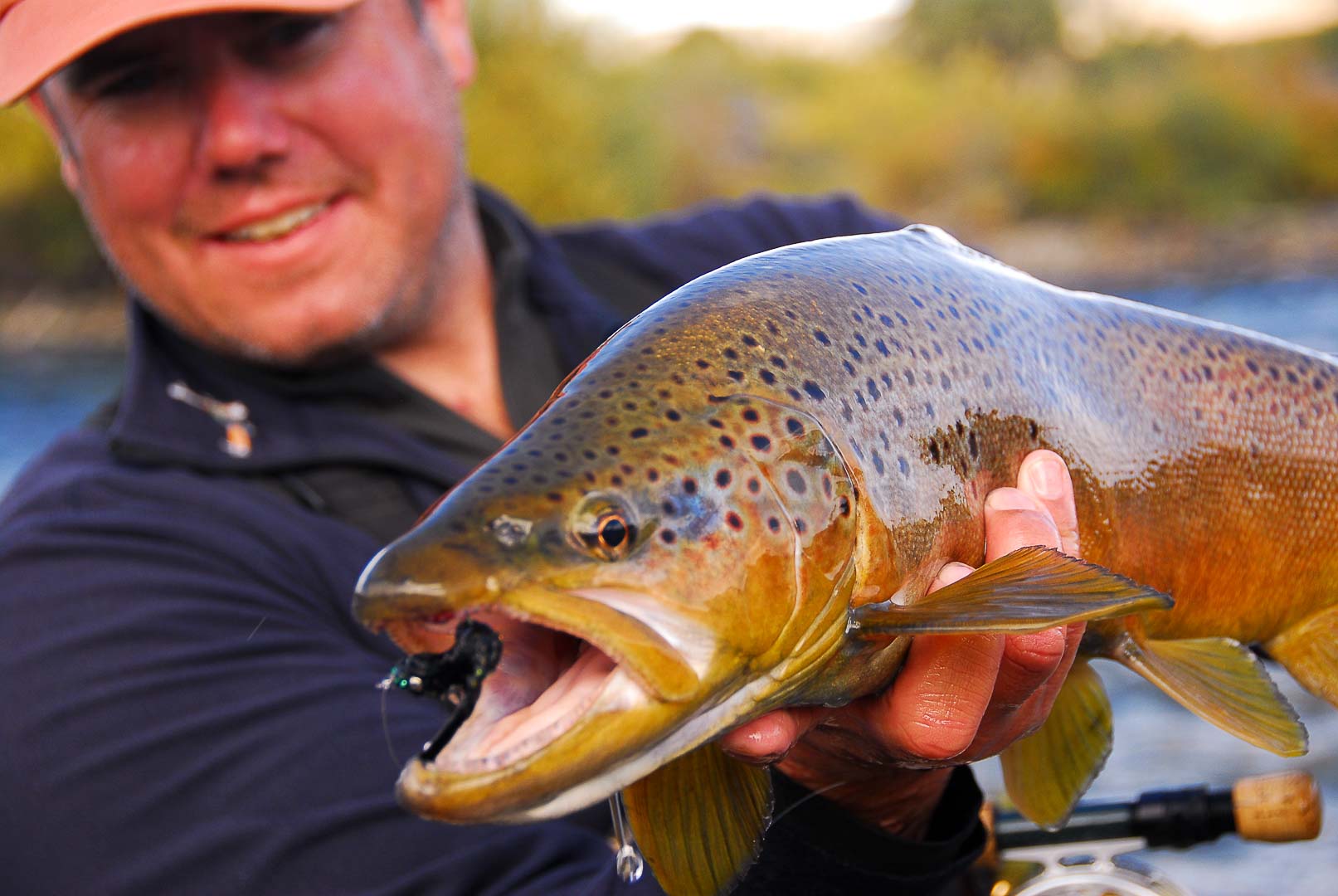
Brown Trout (Salmo trutta) and Sea Trout (S. truttamorpha trutta) are both fish of the same species. They can be distinguished by the fact that that resident, non-migrating browns live in freshwater river systems such as Chile’s Futaleufú, while the sea trout of Tierra del Fuego show anadromous tendencies, migrating to the ocean and returning to freshwater as massive steelhead-size specimens to spawn.

Brown trout are native to Europe and Asia, but the natural distribution of the migratory forms may be, in fact, circumpolar. Sea-run brown trout are not considered endangered in any location. But in some cases, individual stocks are under various degrees of stress because of habitat degradation and artificial propagation leading to introgression.

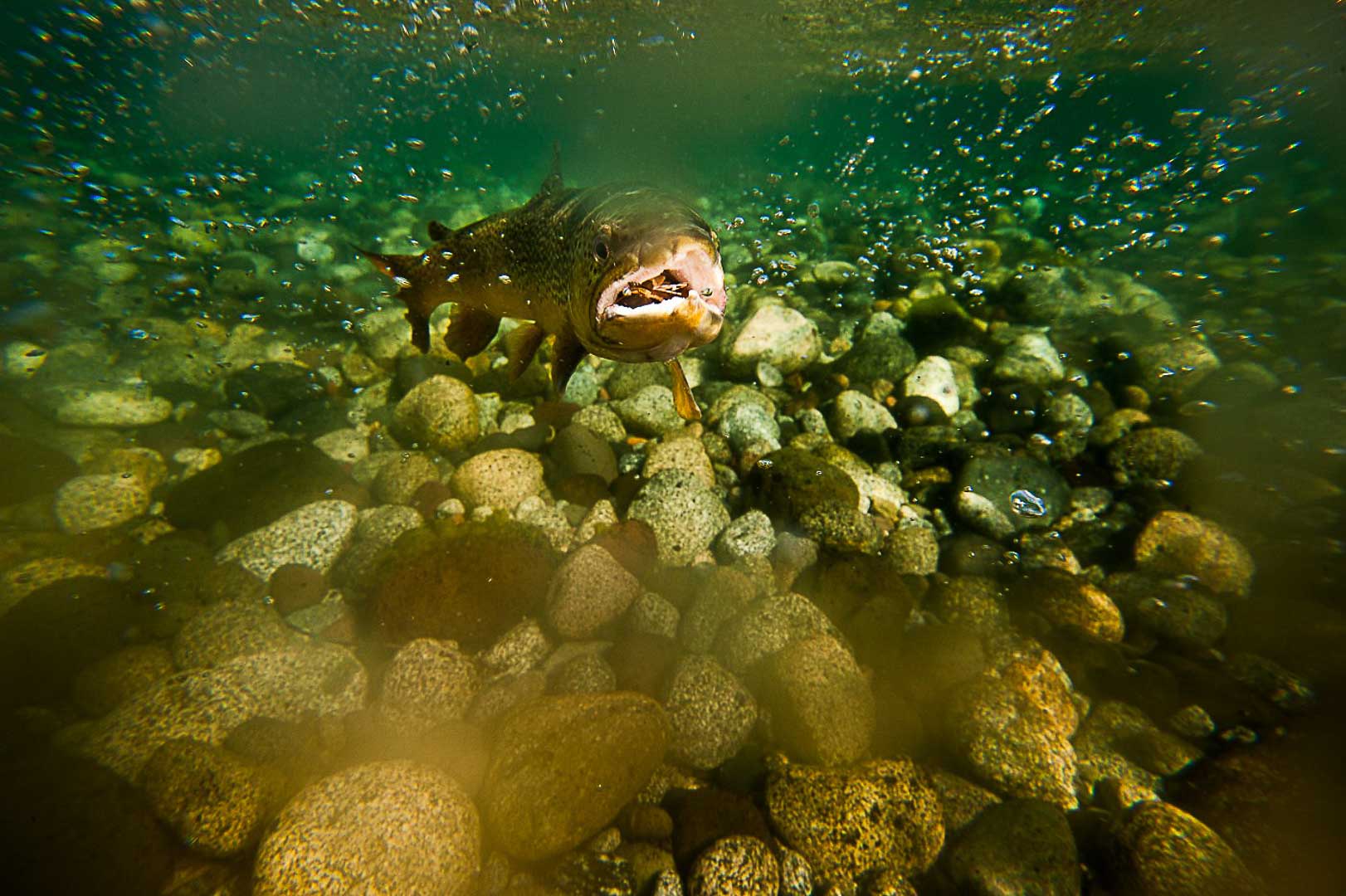
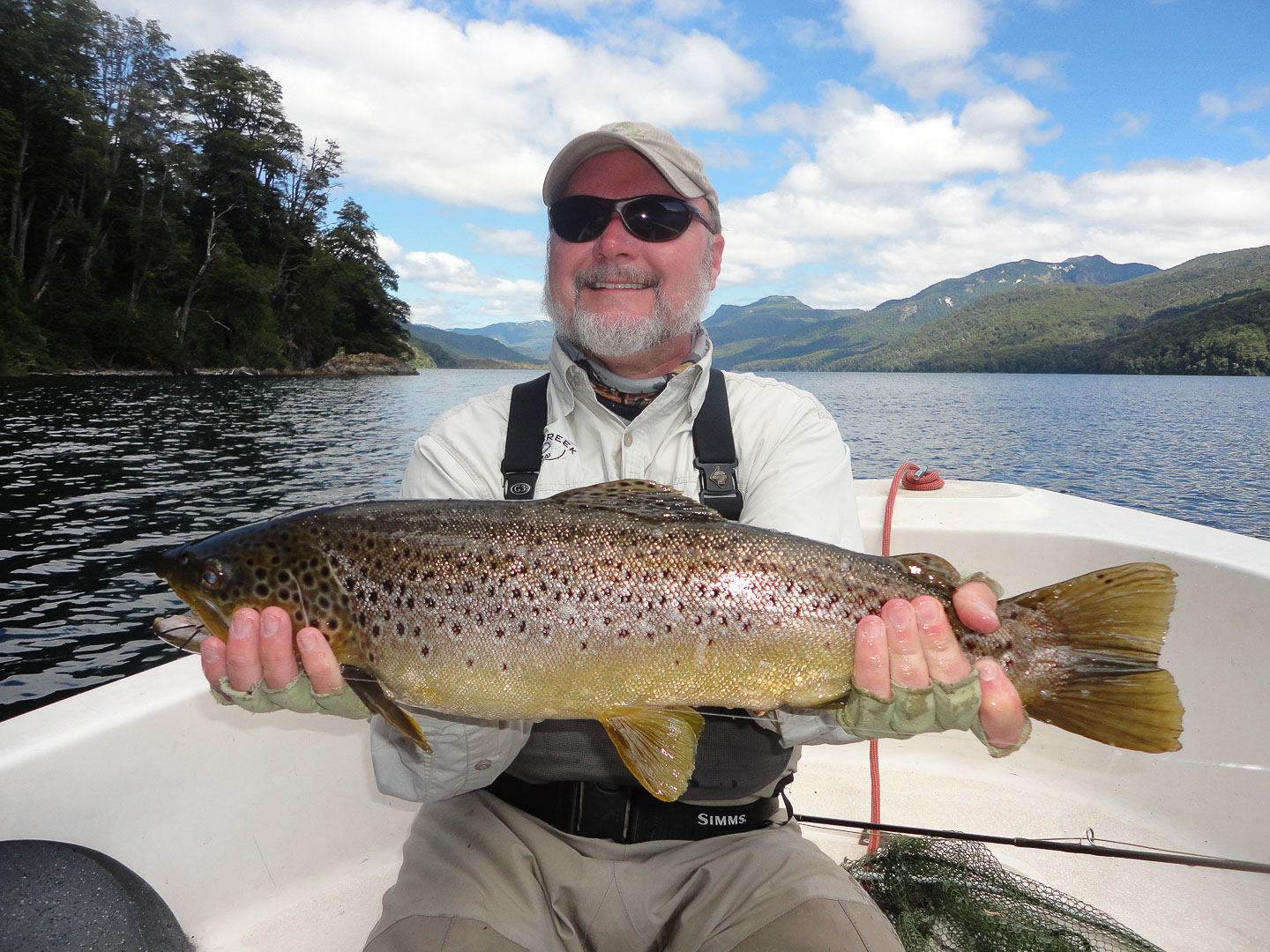
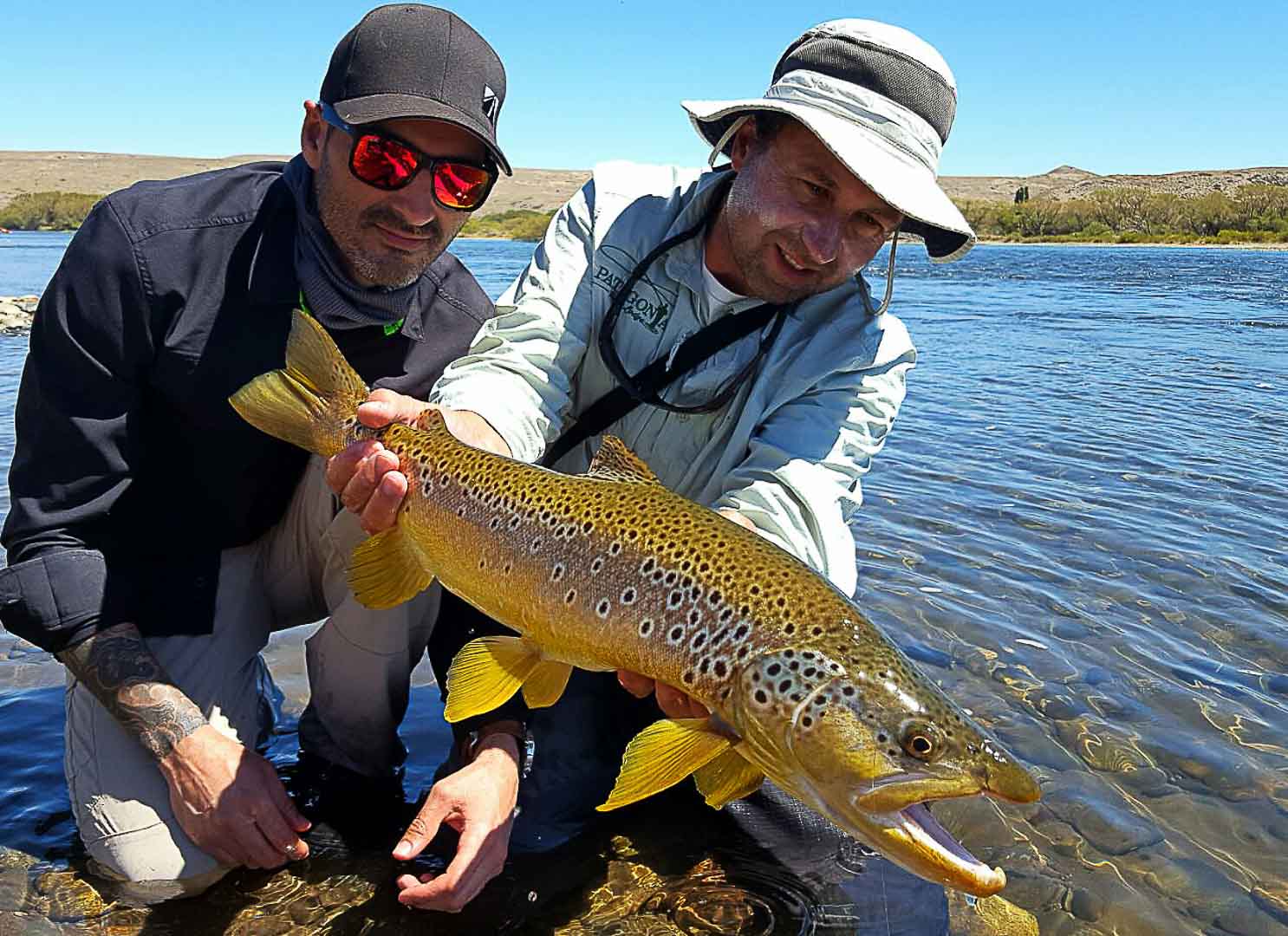
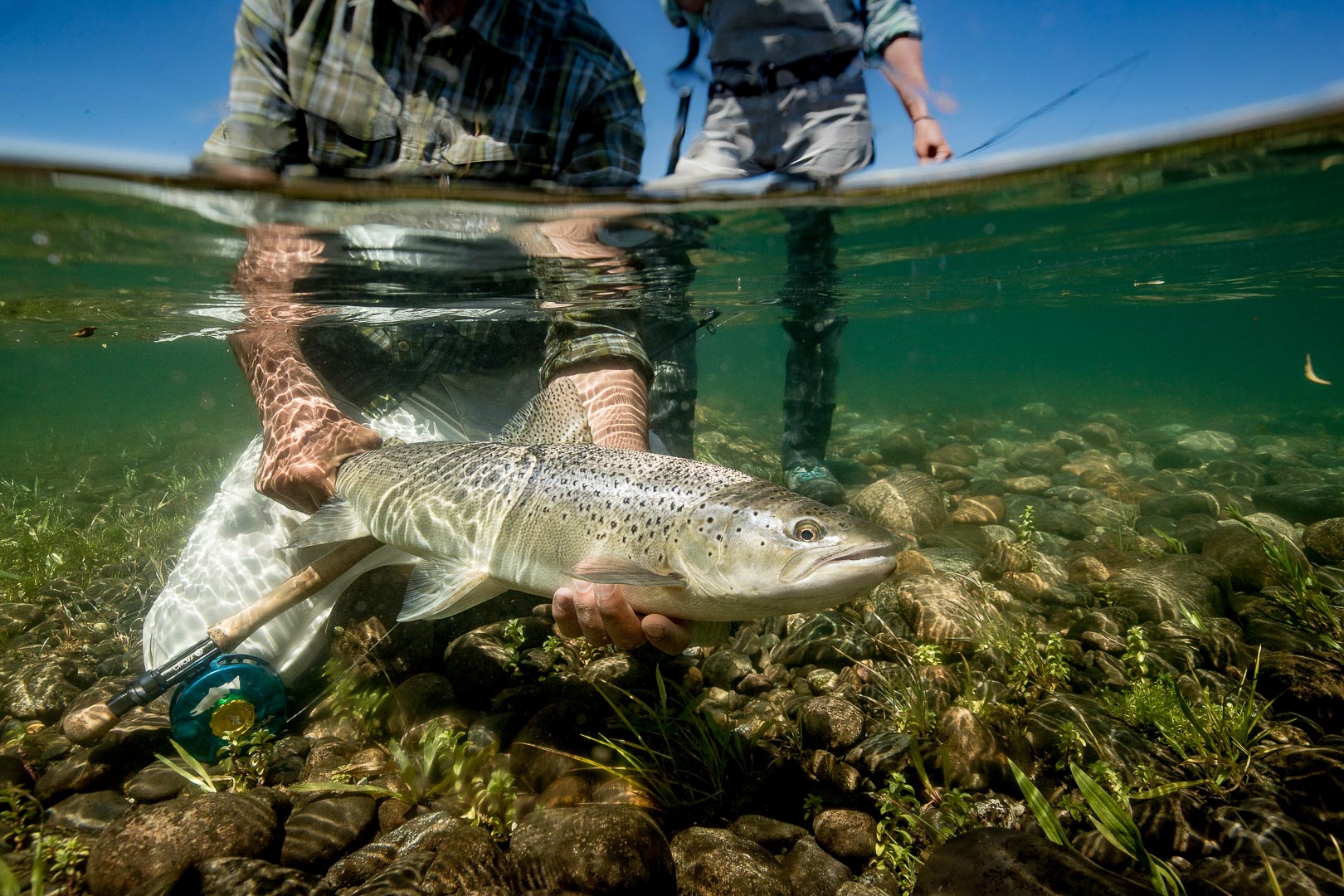
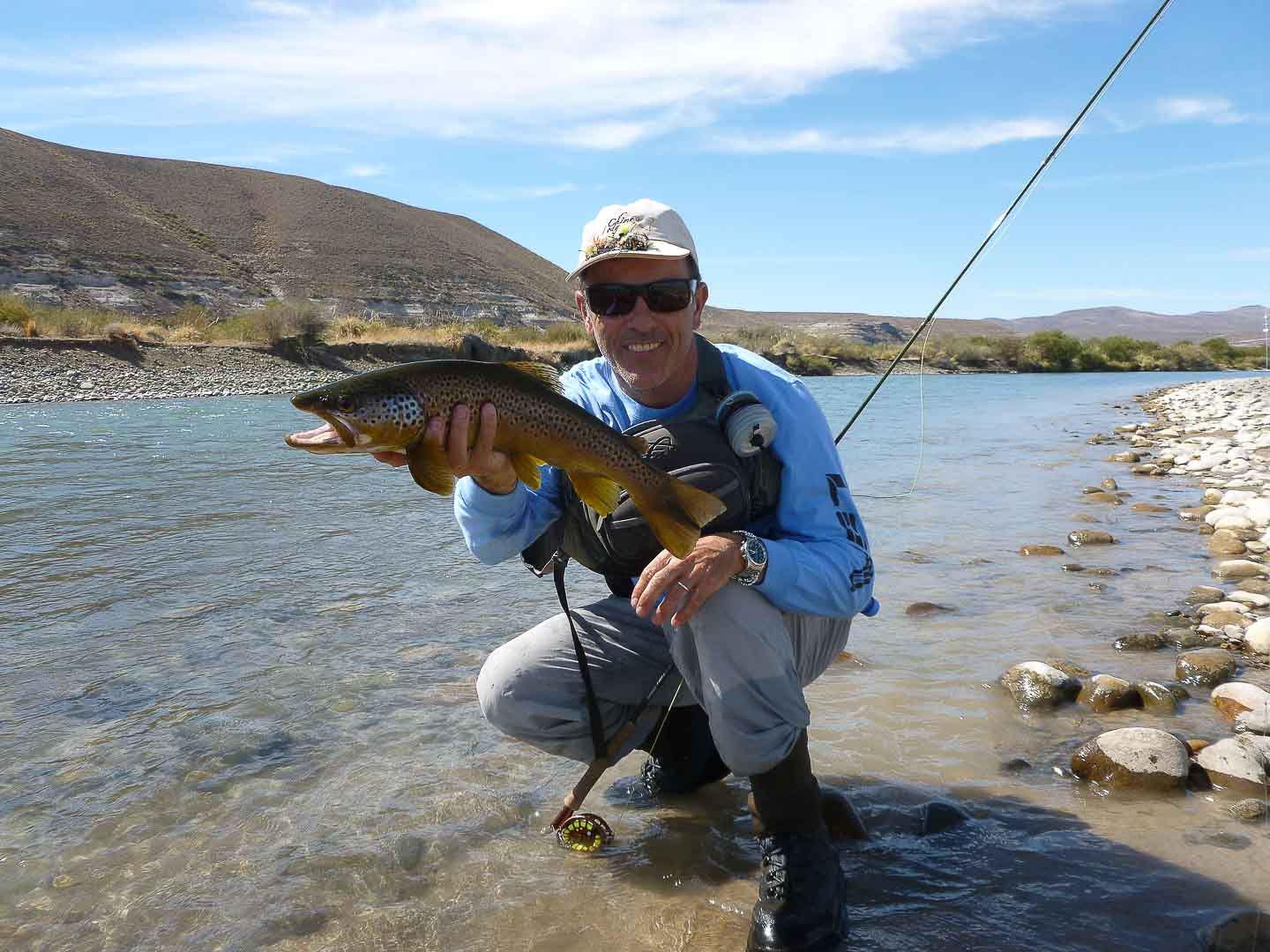
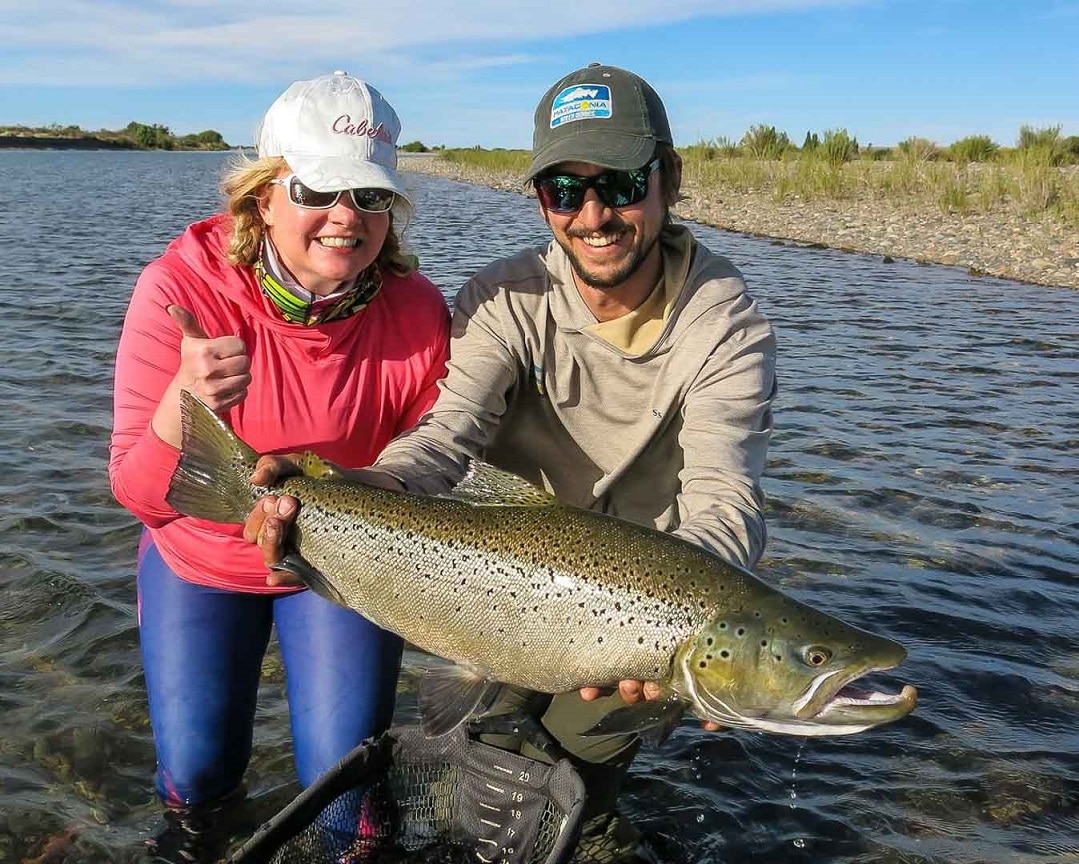
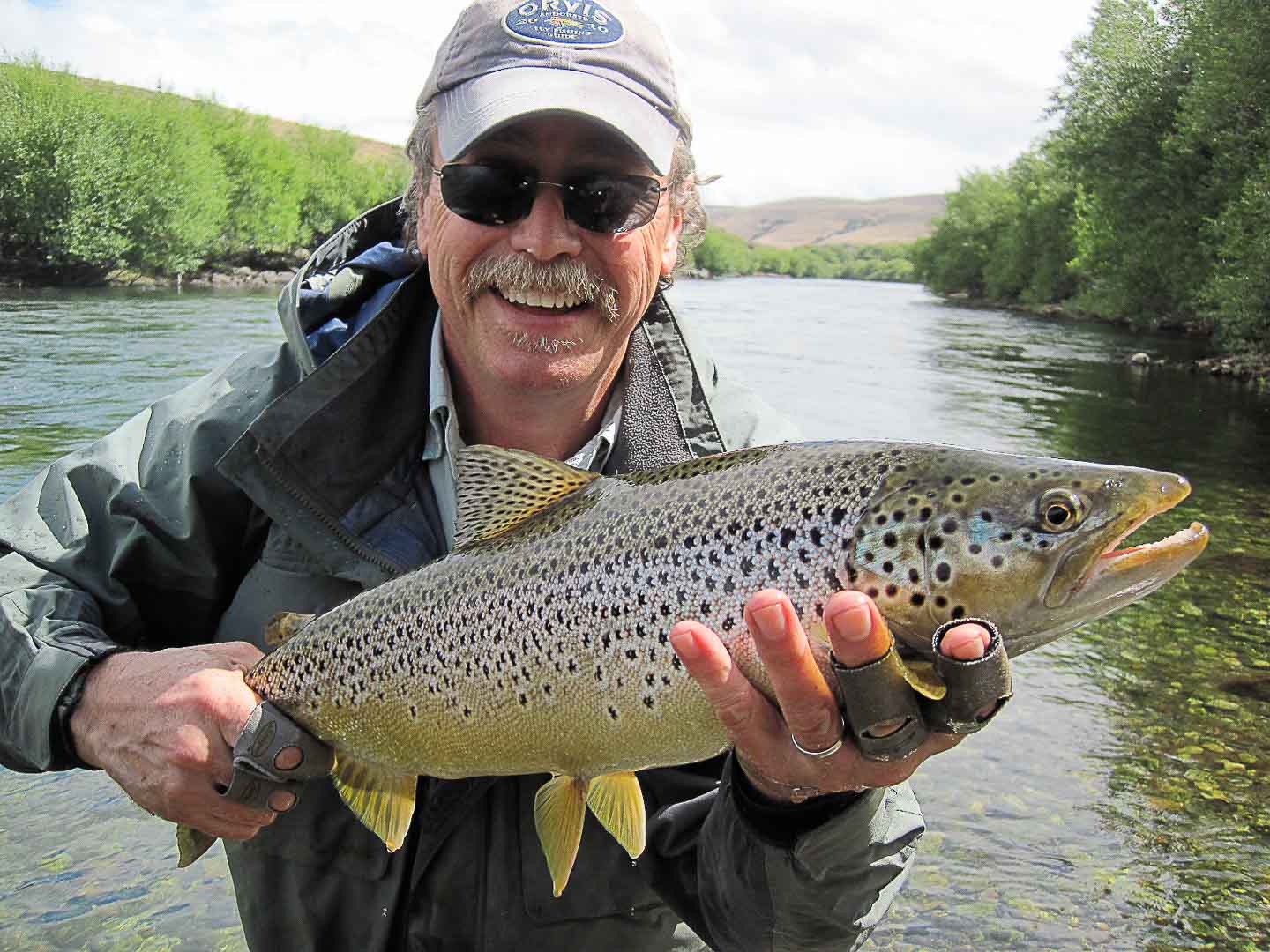
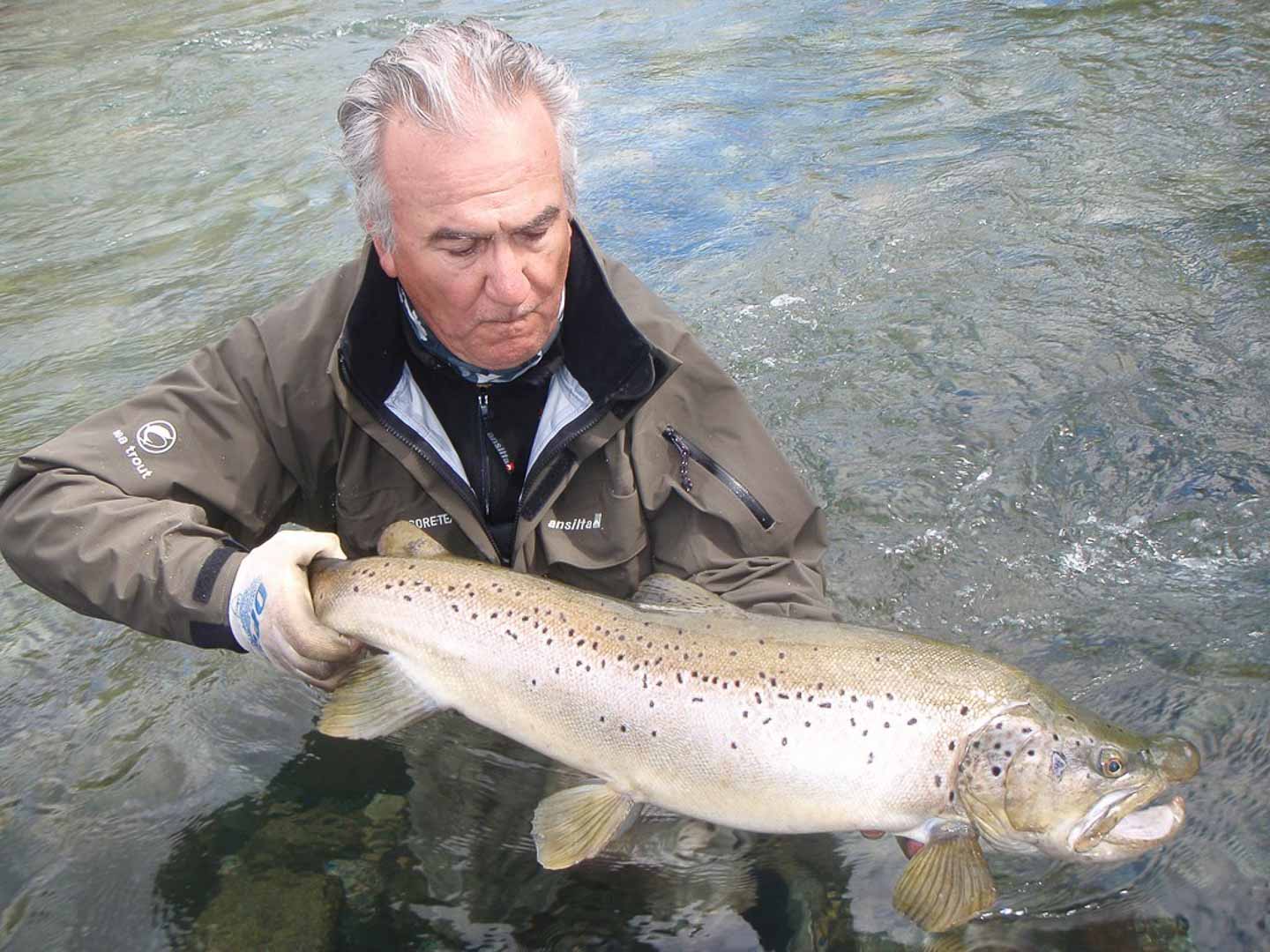
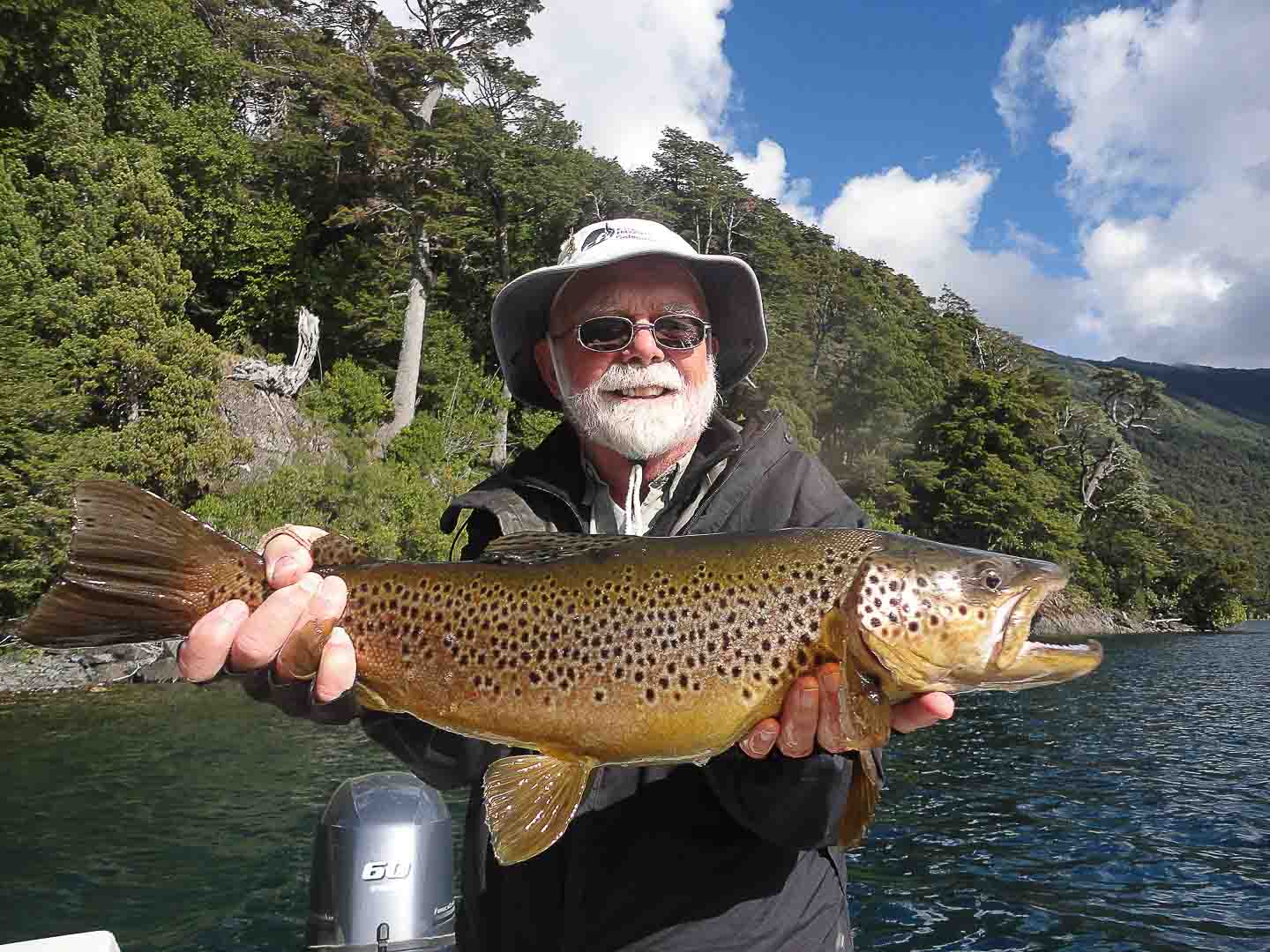
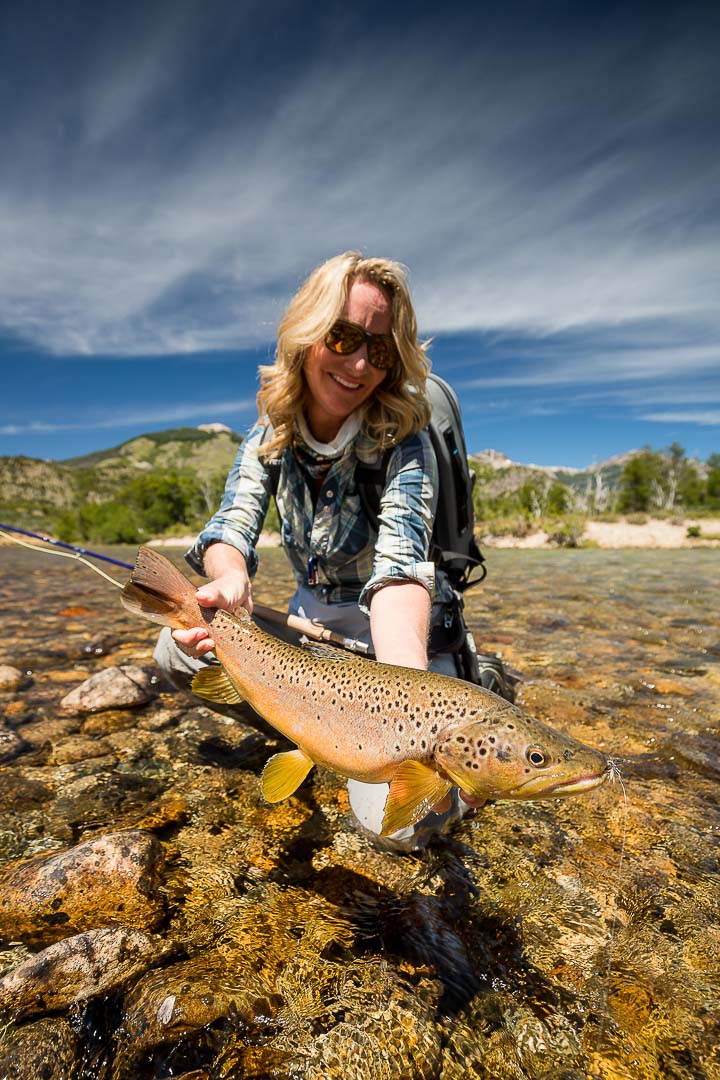
Brown trout like cold (60-65 degrees F, or 15-18 degrees C), well-oxygenated waters, especially large streams in mountainous areas. The in-stream cover is important, and they are more likely to be found where there are submerged rocks, undercut banks, and overhanging vegetation. Browns in freshwater have the ability to grow to 9+ pounds. Although in most small rivers, mature brown might average 2 to 3 pounds. The sea-run variations of Argentina are another story, and consistently push the 20-30+ pound range—a challenge for fly fishers seeking the biggest, baddest browns on the planet.

Brown trout are active both by day and by night and are predatory feeders. While in freshwater, the diet typically includes streambed invertebrates, small fish, frogs, wayward mice, and insects flying near the water’s surface. A brown’s penchant for insect larvae, pupae, nymphs, and adult insects is what makes this trout a fly-fishing favorite.

Unplugged Camps

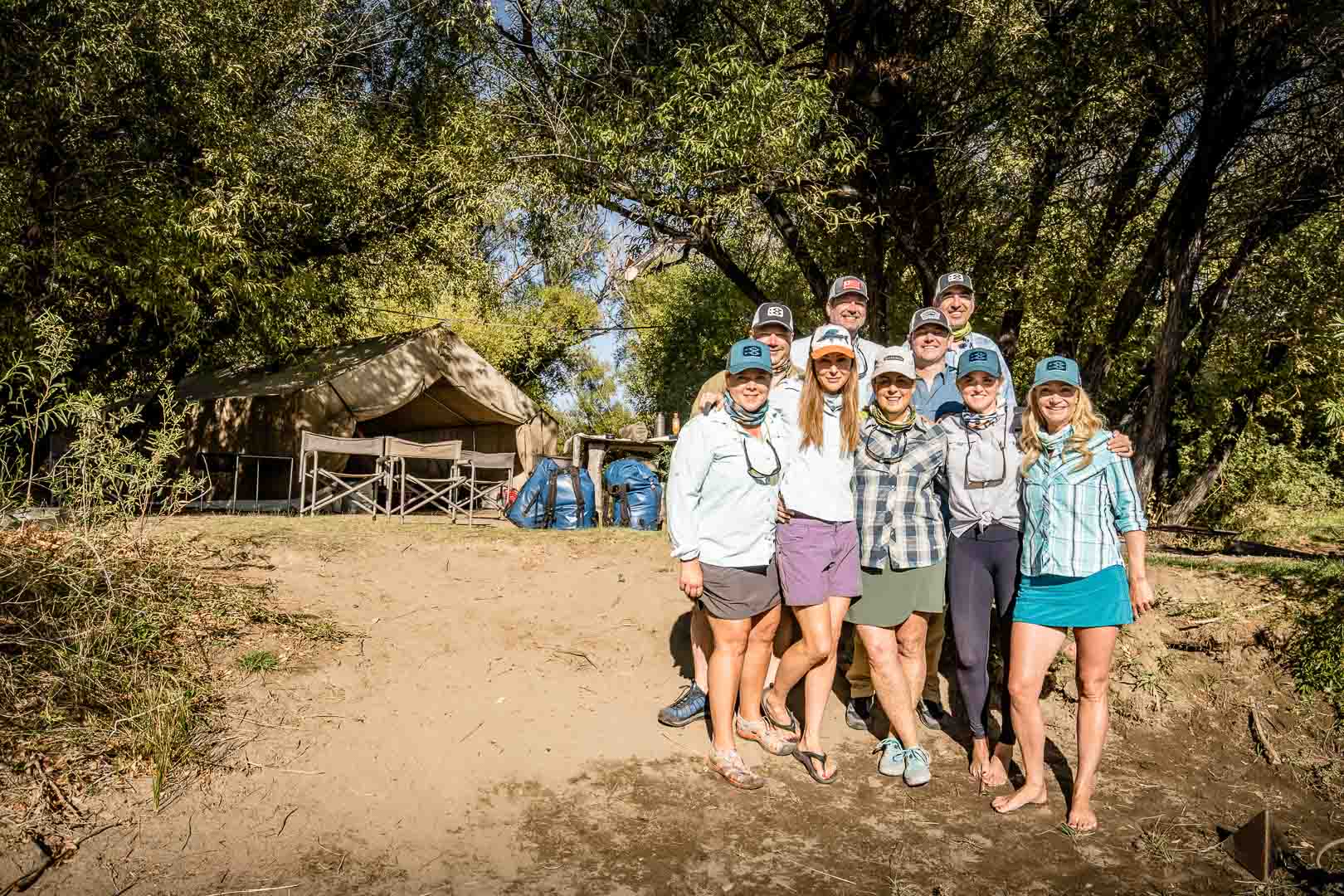
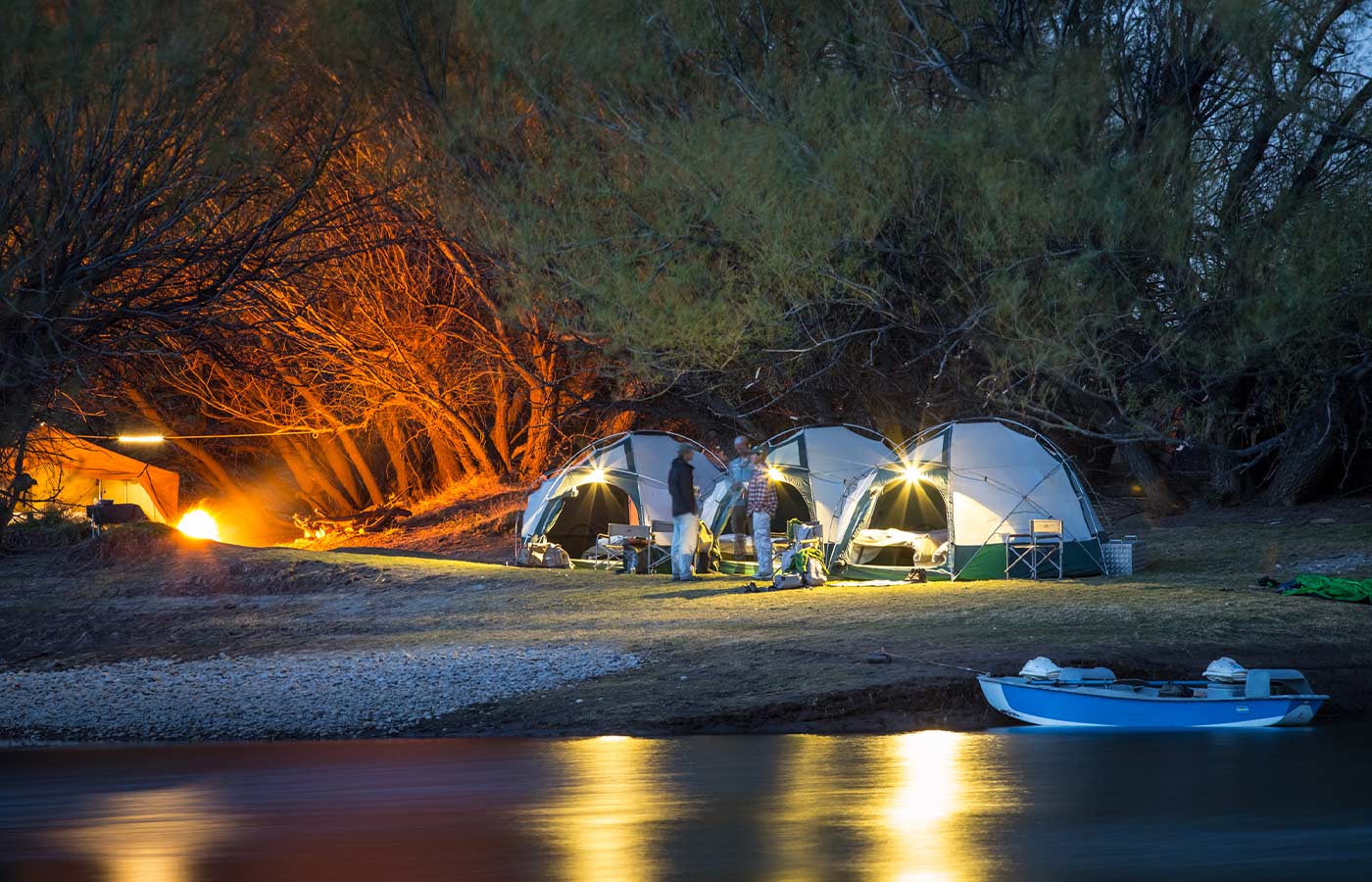
Chime Lodge offers the unique possibility of incorporating the Unplugged Camp within your lodge stay. Guests begin and end their trip at the lodge—enjoying the comfort of their room while leaving main luggage safely stored—before spending two unforgettable nights camping on the river during the week. This combination provides the perfect balance between wilderness adventure and lodge comfort.

Through PRG’s exceptional overnight camping program on the Caleufu, Aluminé, and Limay Medio Rivers, guests choosing to “unplug” and get away from it all enjoy long, unforgettable fishing days in some of Patagonia’s most remote and scenic waters. Camping is often the highlight of the entire trip, especially for those wanting to fish a few extra hours and fully immerse themselves in the experience.

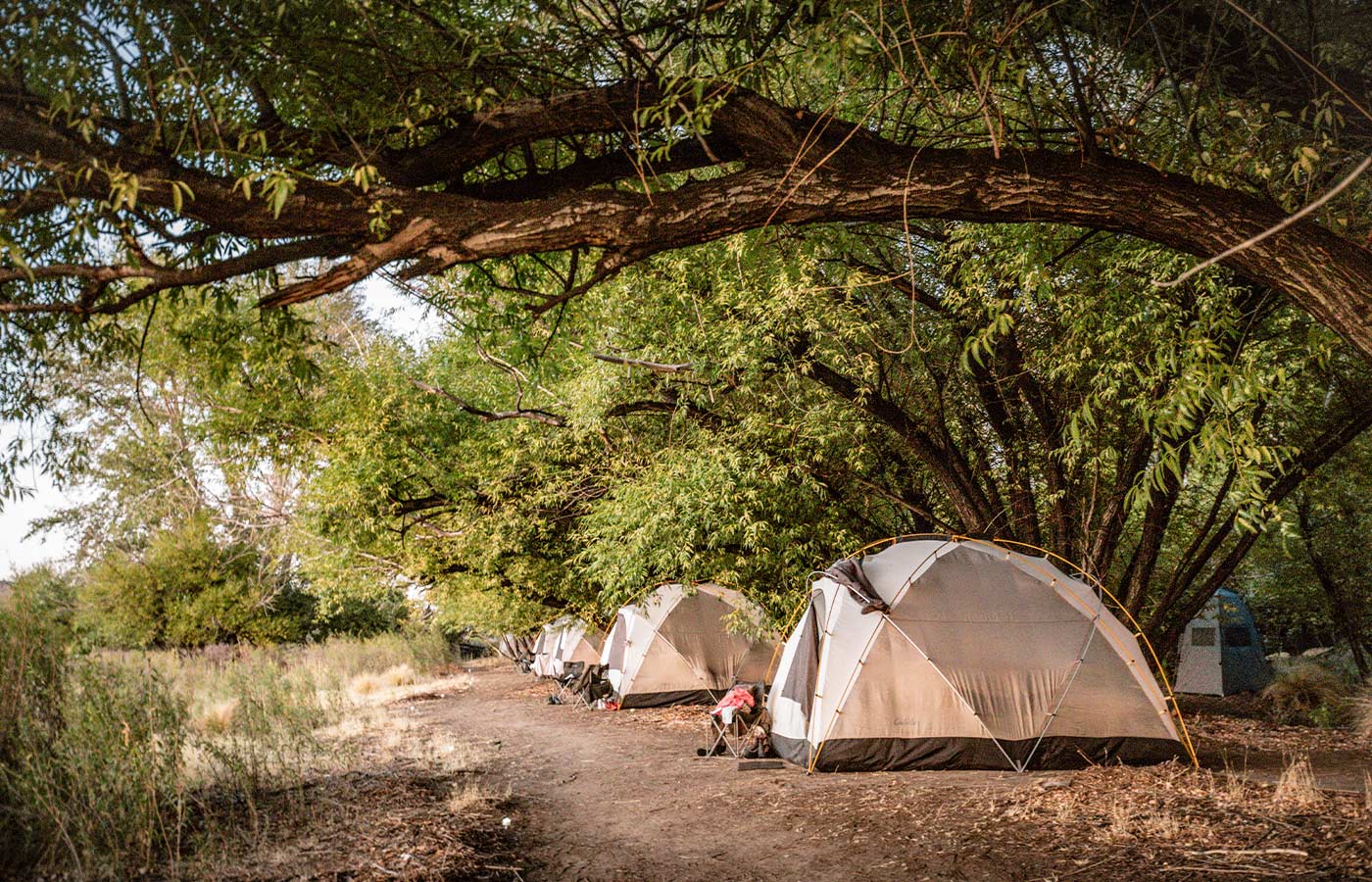
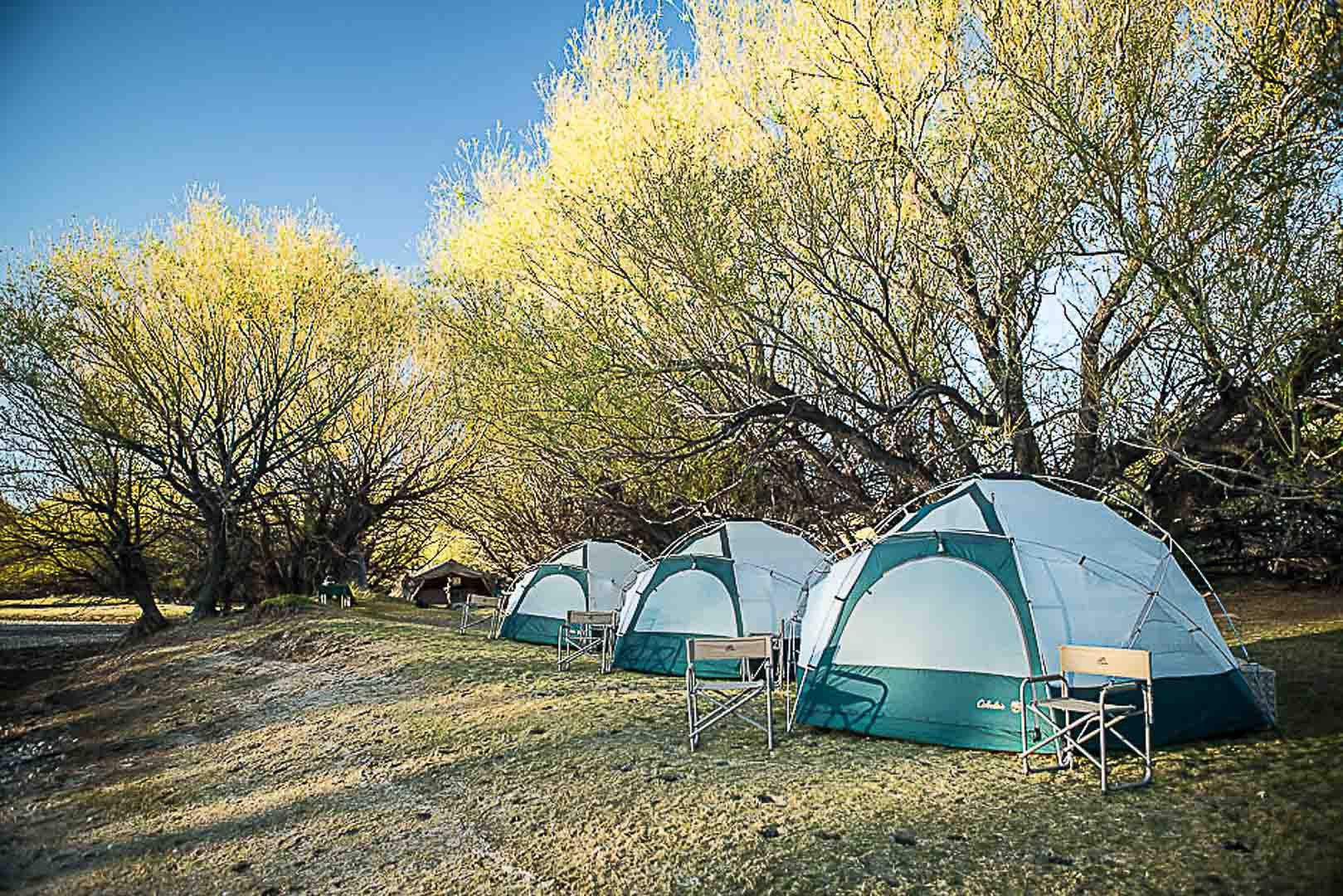
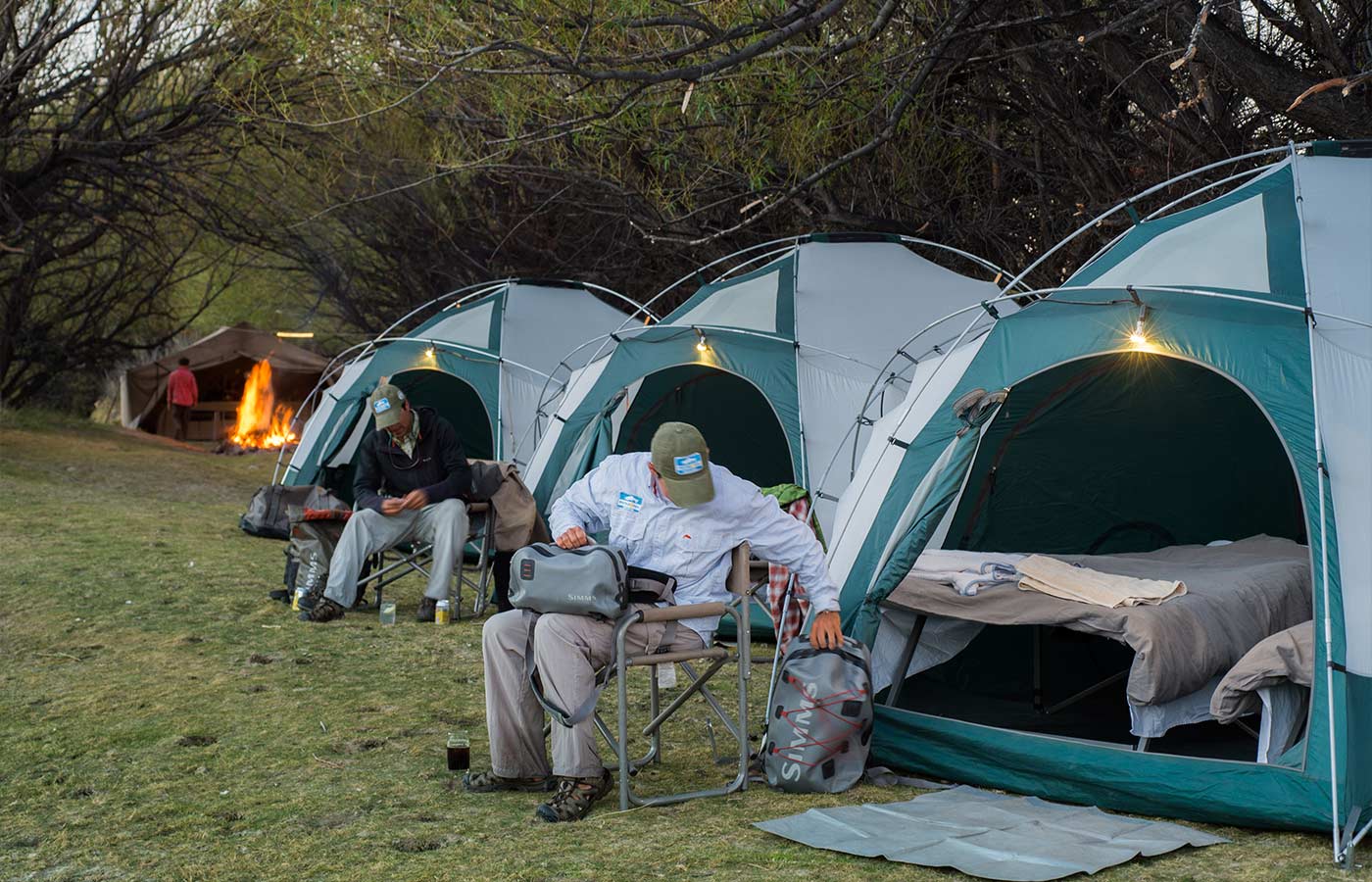
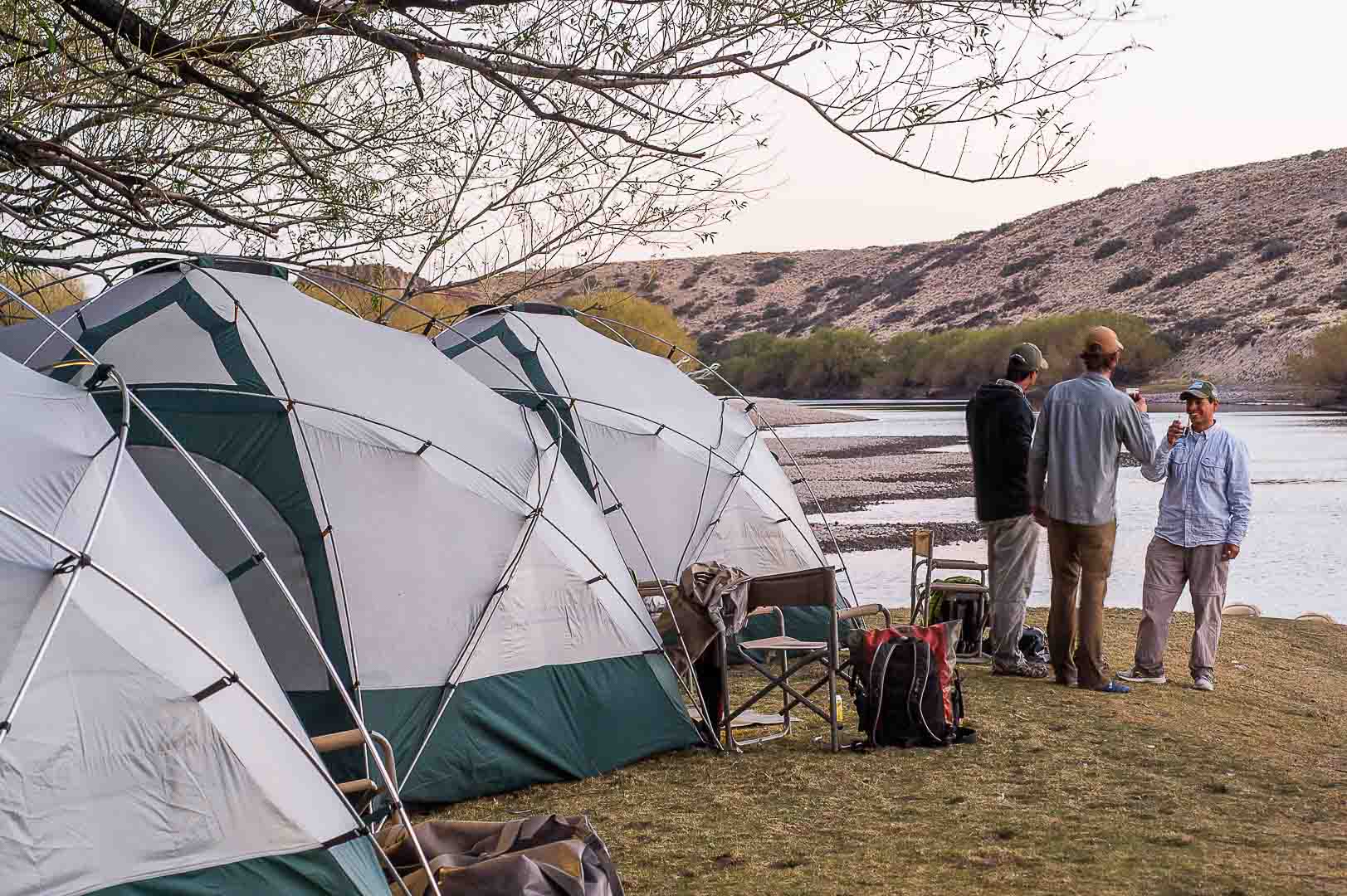
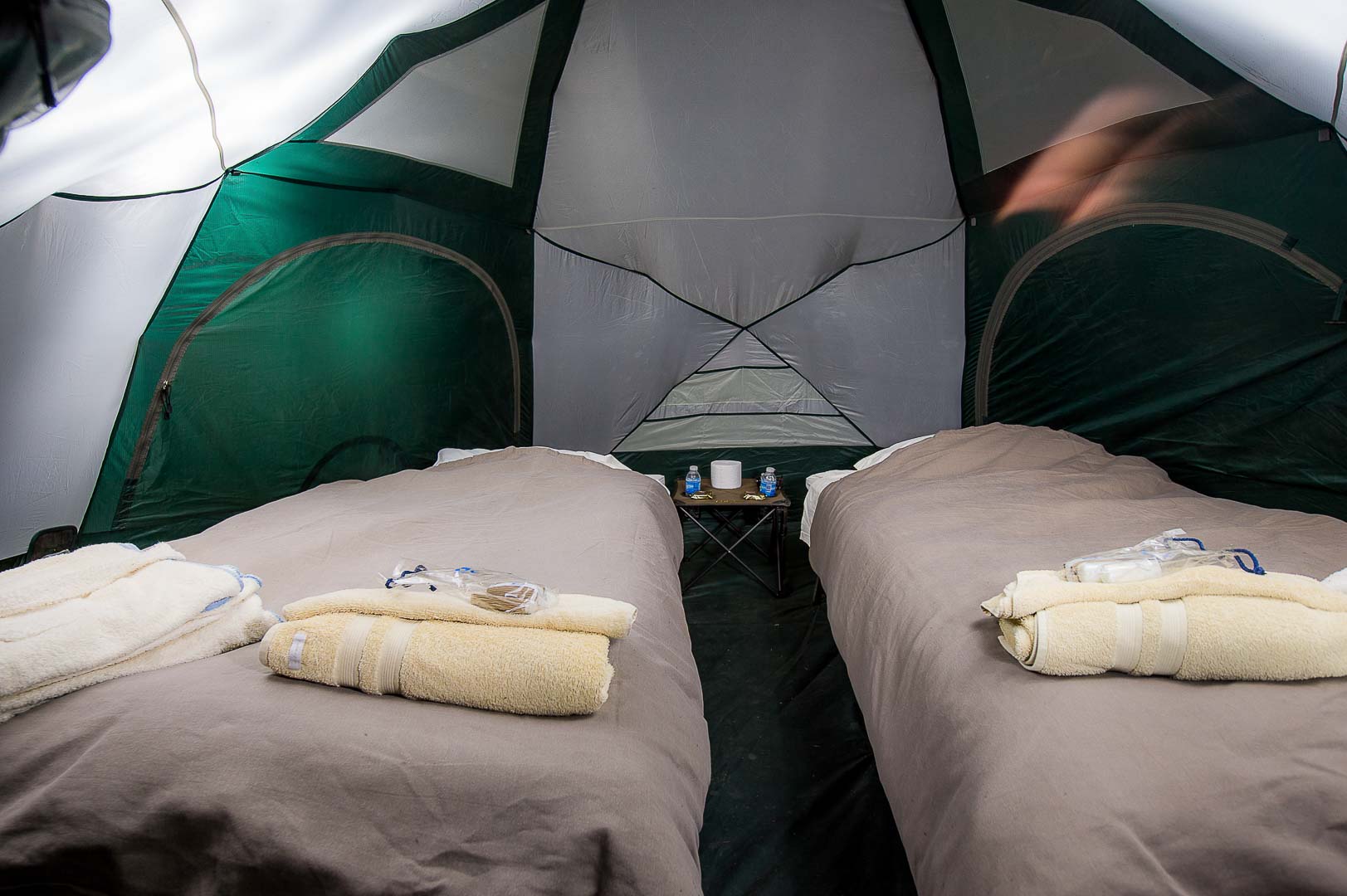
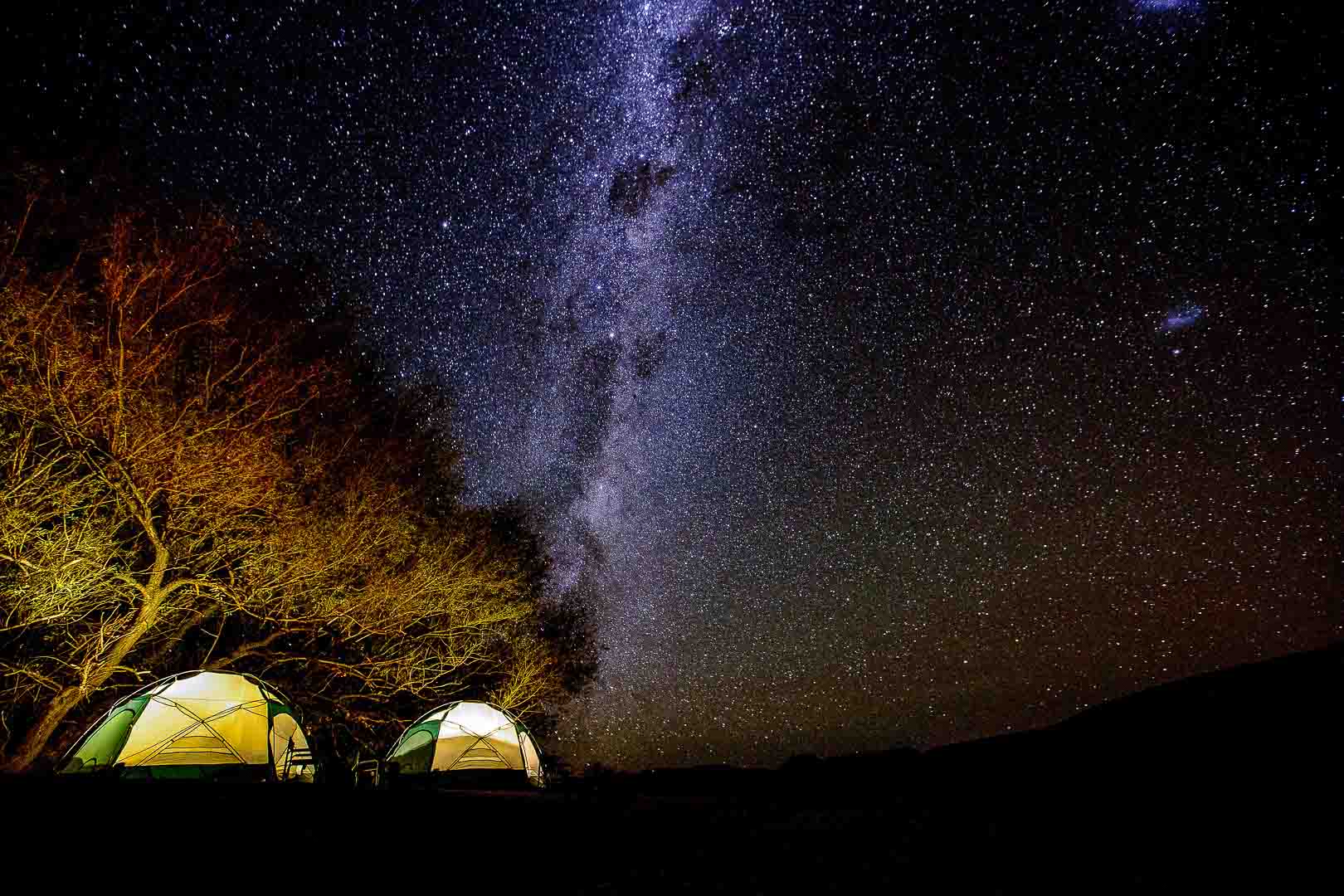
PRG’s “Unplugged” camps offer a deluxe experience, combining a high level of service with unexpected comforts in a remote setting. Guests stay in spacious 8-man tents, thoughtfully arranged for one or two anglers (double occupancy).This is far from a typical camping setup. Oversized cots are outfitted with fine cotton linens, warm comforters, and down pillows, ensuring a restful and cozy night under the Patagonian stars.

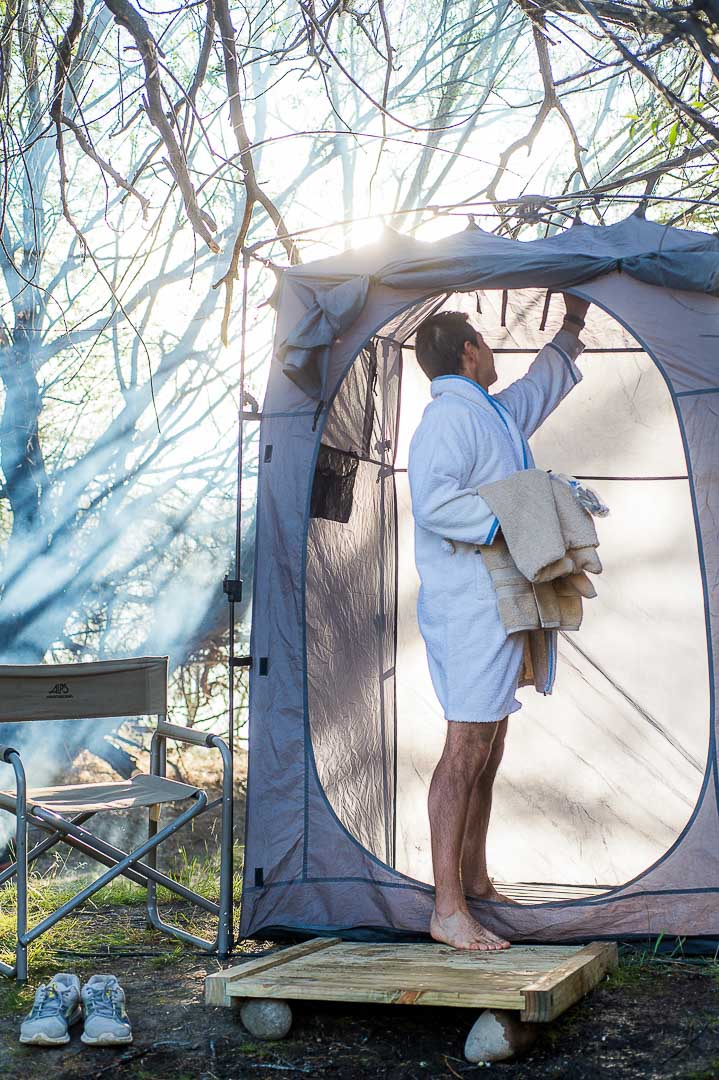
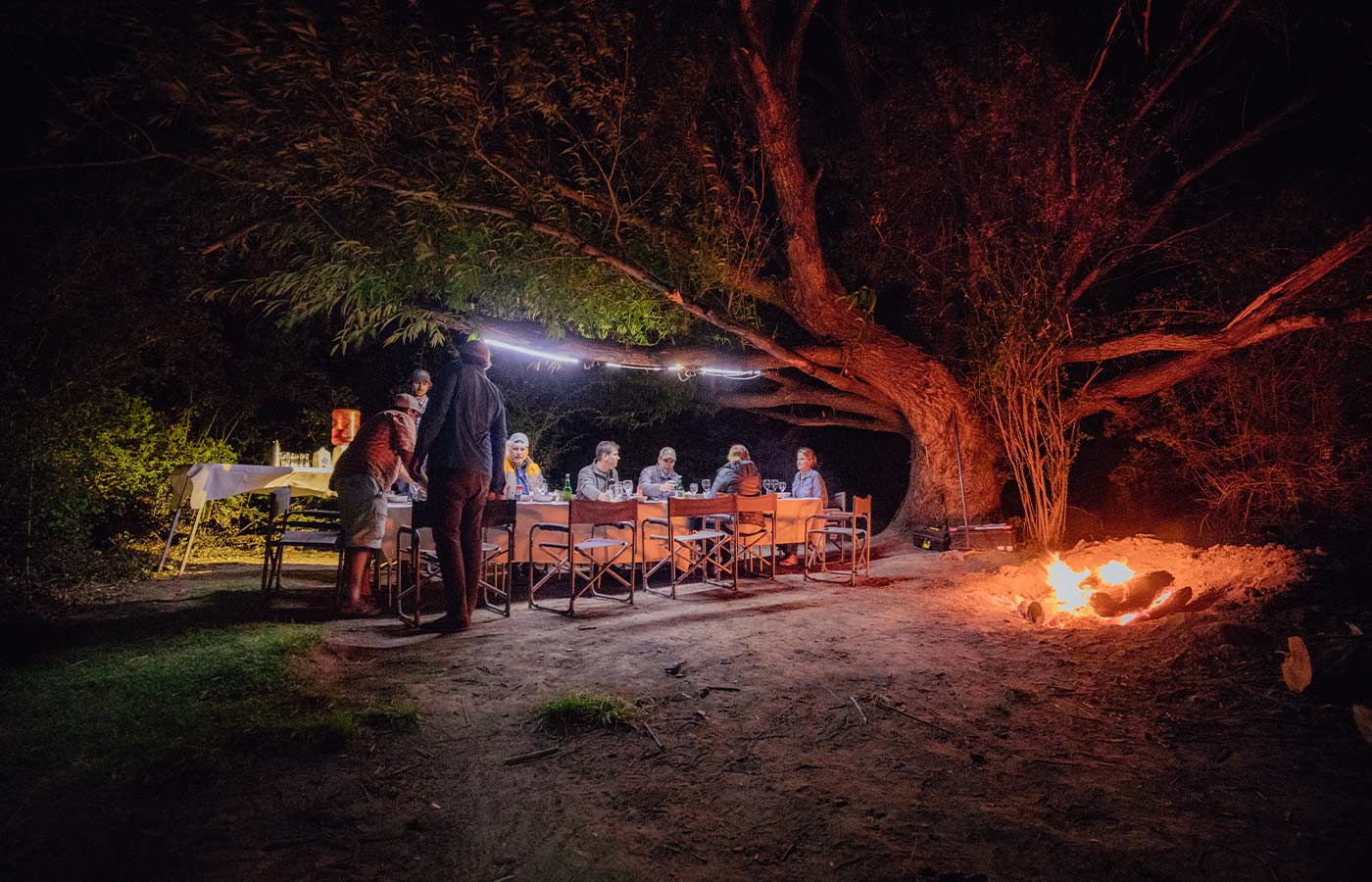
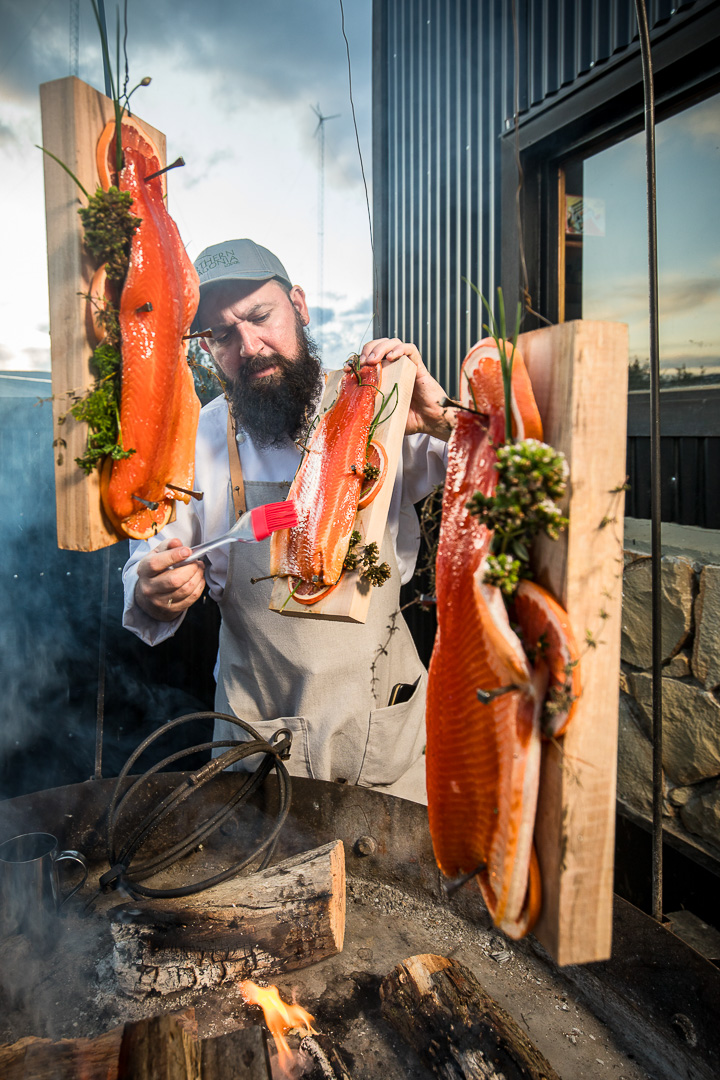
Camps are fully catered and include a professional chef who prepares both regional and gourmet meals, often cooked over a riverside fire. A state-of-the-art pressurized water system provides a continuous supply of hot water for private, enclosed showers. Each camp is also equipped with two private bathroom facilities and a 12-volt lighting system for tents, common areas, and pathways, allowing for easy movement throughout camp at any hour.

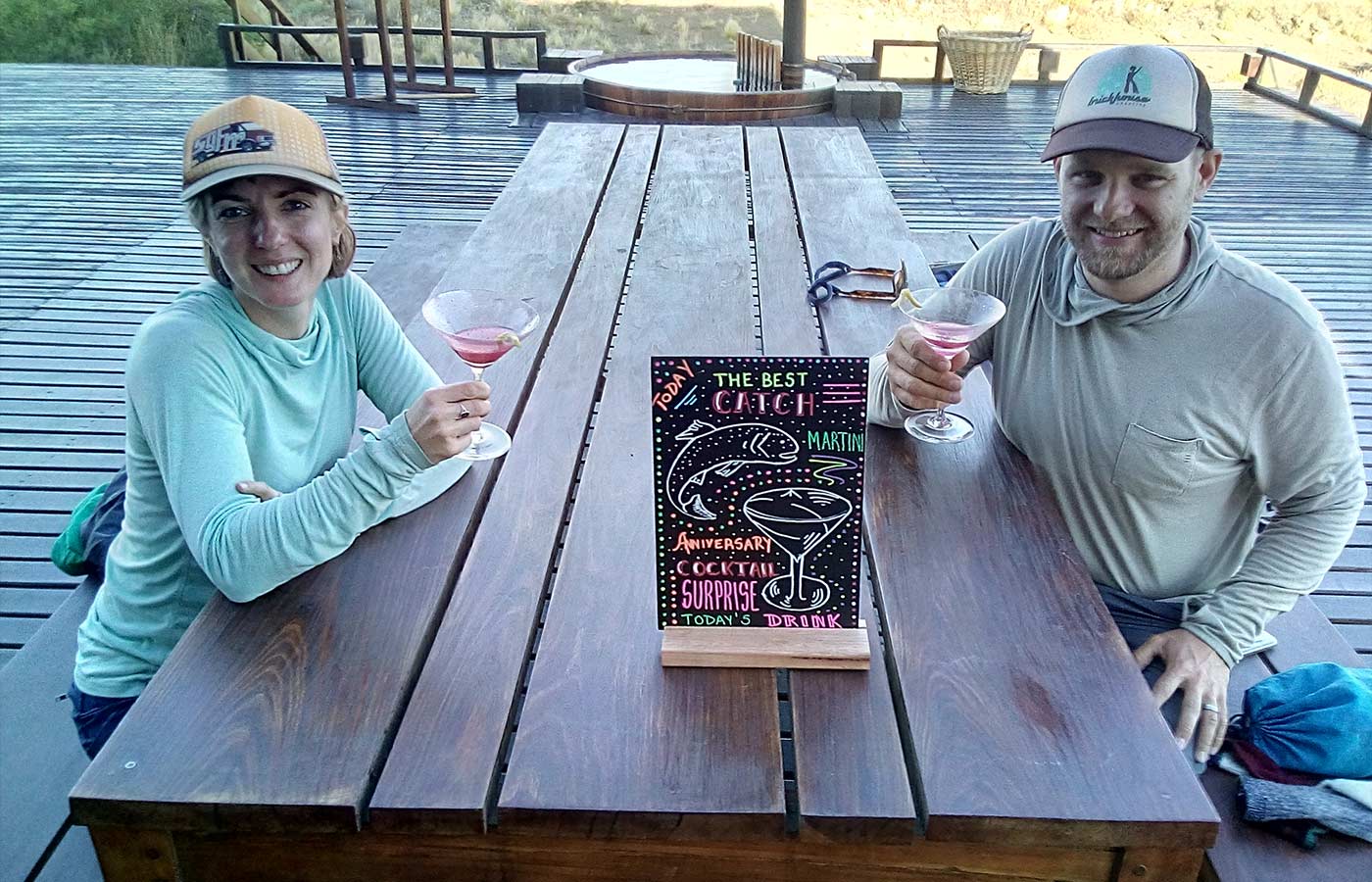
A fully stocked bar—complete with ice, mixers, fine wines, and snacks—is available to enjoy outdoors or inside a spacious dining tent when needed. Amenities for anglers include fresh towels, bathrobes, soap, shampoo, and headlamps, so there is no need to bring any additional or specialized gear.
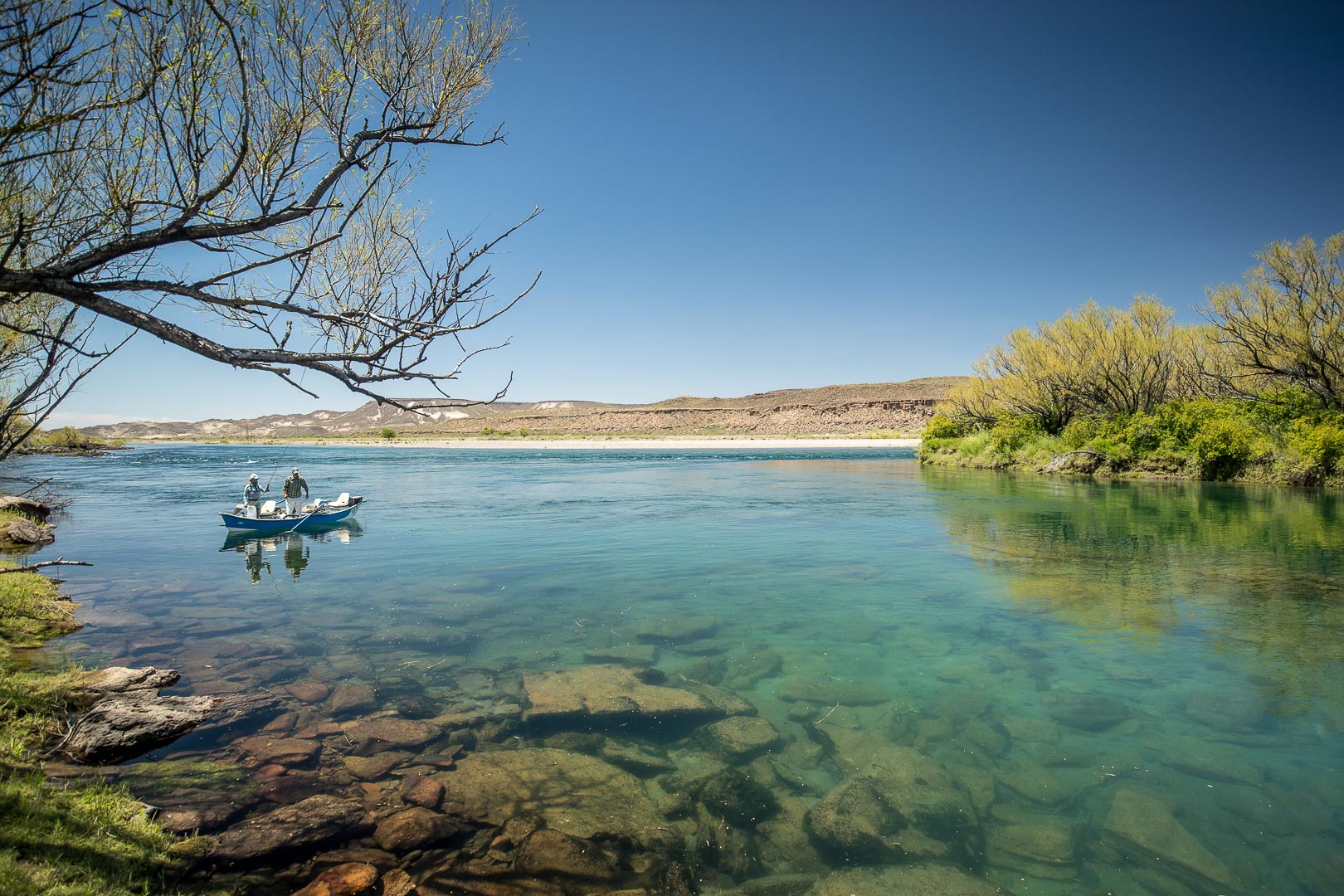
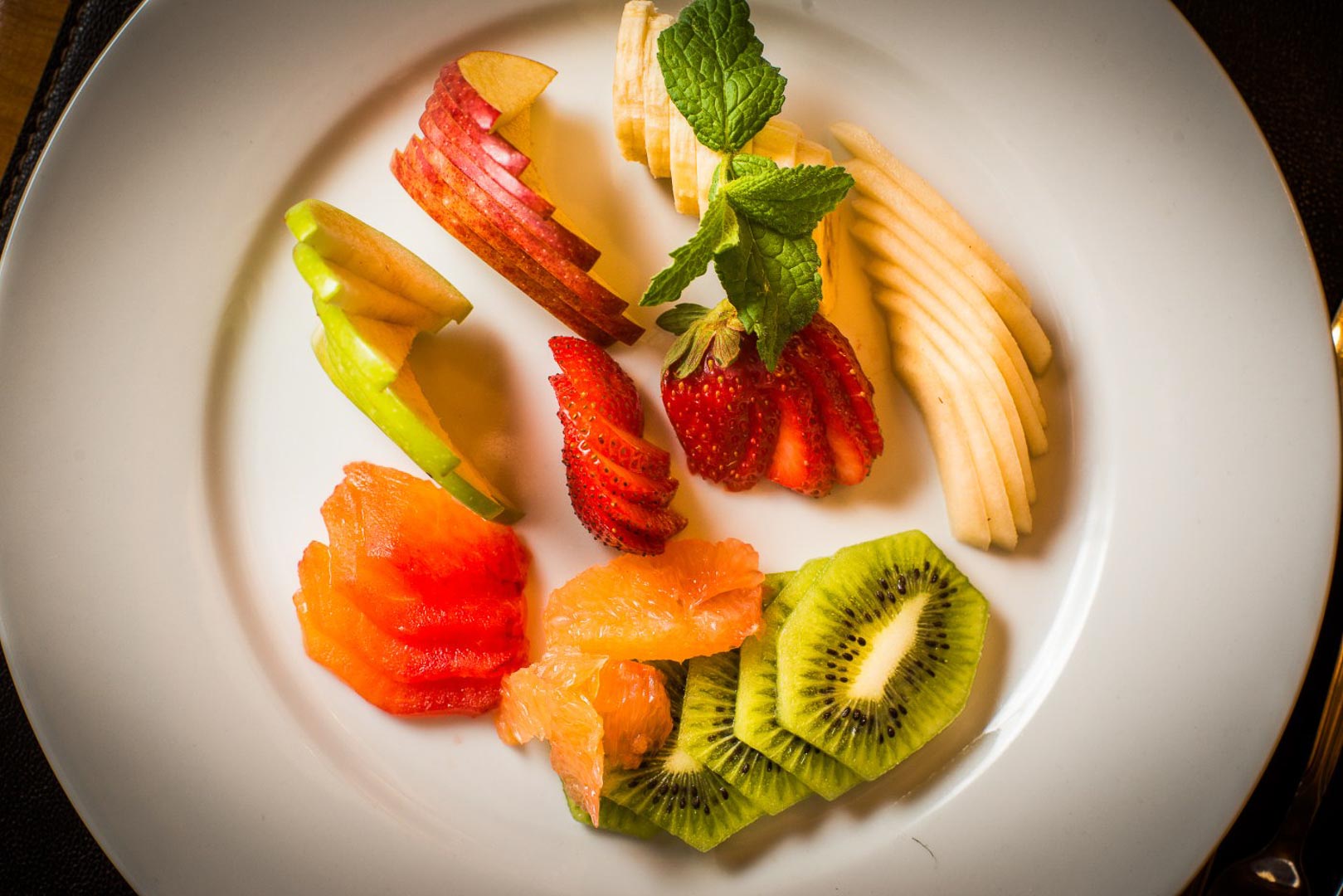
Each morning begins with a healthy breakfast of fresh fruit, cereals, and eggs cooked to order before stepping out to fish directly from camp. Throughout the day, the support team carefully breaks down and relocates the camp approximately 10 to 12 miles downstream, ensuring access to new water daily.
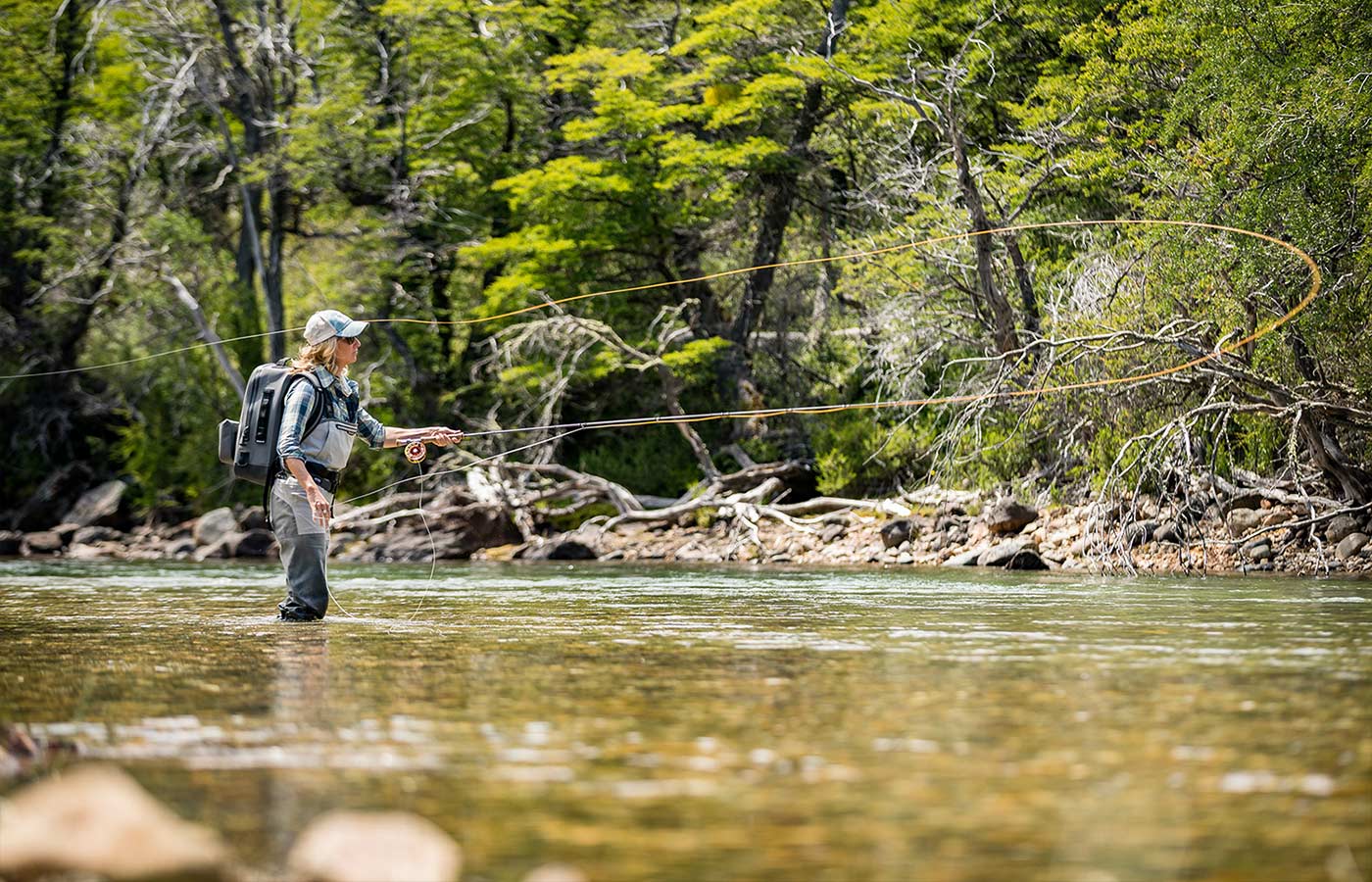
Exceptional fishing is the norm, with anglers frequently landing brown and rainbow trout exceeding twenty inches. Upon returning to camp in the evening, everything is prepared for a warm welcome: a generous spread of appetizers, a full bar, hot showers, and a crackling fire. Dinner is a highlight, often followed by drinks and stories shared under the open sky.

For many, the Unplugged experience becomes the highlight of the trip. For those who value more time on the water and a deeper connection to the surroundings, it offers a truly unique and immersive Patagonia experience.

Fishing equipment

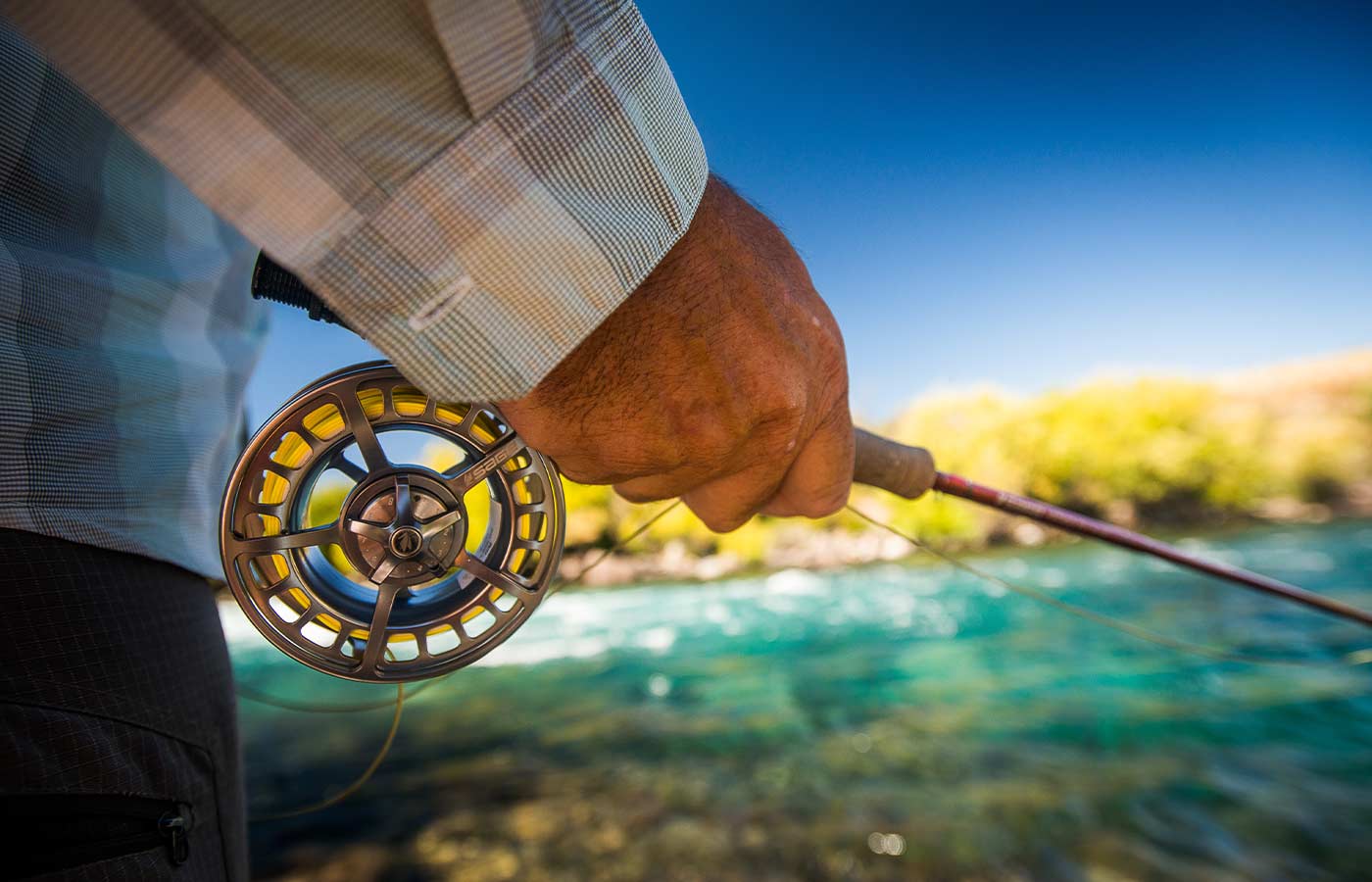
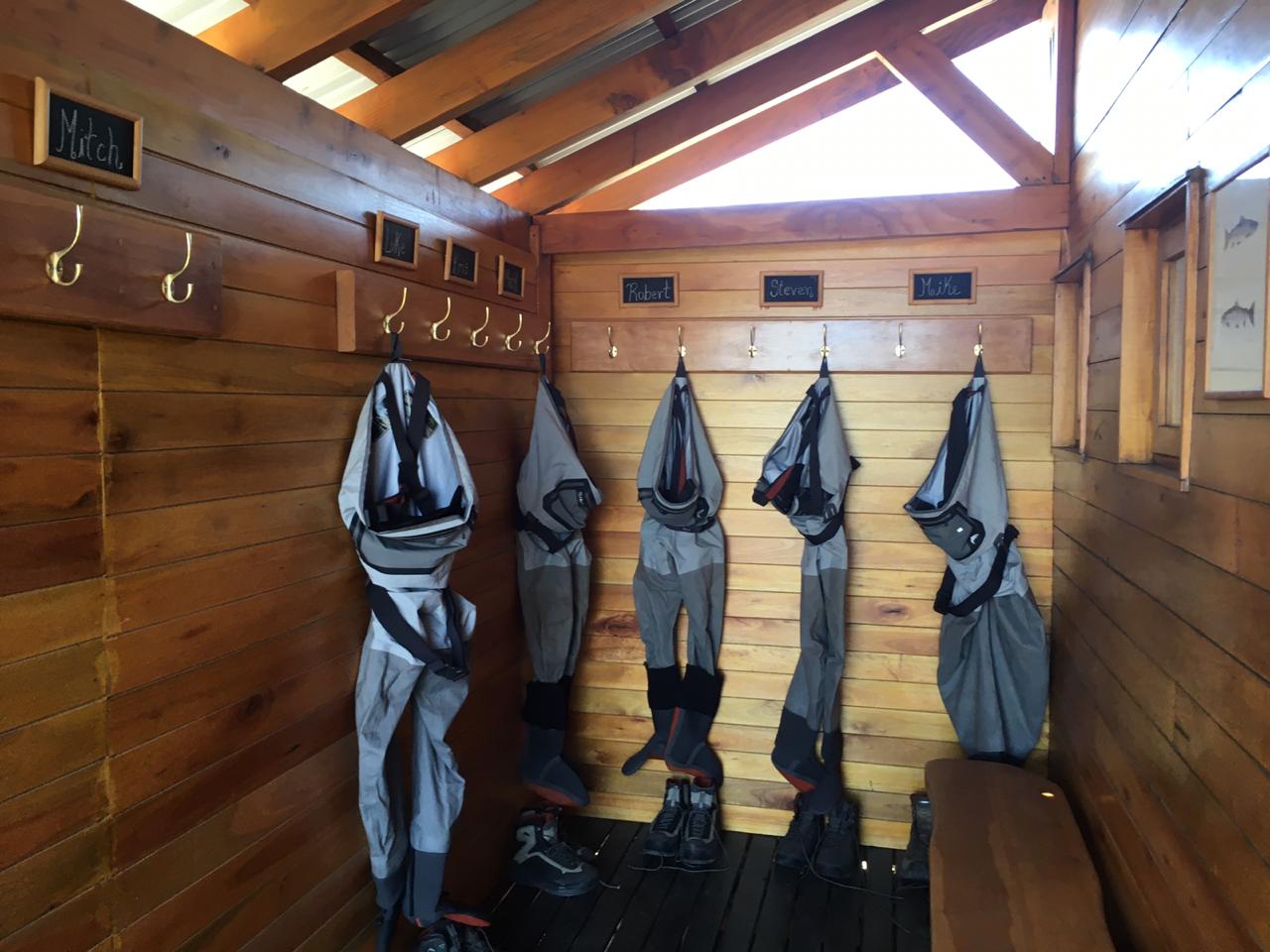
Chime Lodge provides anglers with high-quality fly fishing loaner equipment.

Fly-Fishing Equipment

RODS
    • 5wt – 9 foot (dry fly rod) 
    • 6wt – 9 foot (streamer rod) 
    • 6wt – (back up)
REELS/LINES
All reels should be equipped with at least 100yrds of 20 lbs backing
    • 5wt weight forward Floating Line 
    • 6wt Floating Line (with versatile sink tippet leaders) 
    • 6wt Full Sink Line (150-200gr.) 
    • Or 6wt Intermediate Line (used with sink tip leaders 5’s 7’s fast sink)
LEADERS & TIPPET
    • 3x – 5x (2-3 of each size) 9’ tapered leaders 
    • 1x 9 foot tapered leaders (at least 2 leaders)
    • Tippet Spools: 1x – 5x

FLIES
Chime has a nice variety of flies for sale at the Lodge ($4.50/fly aprox.), but please bring the following. Suggested are those flies most similar for trout fishing in the West (Montana, etc.) 

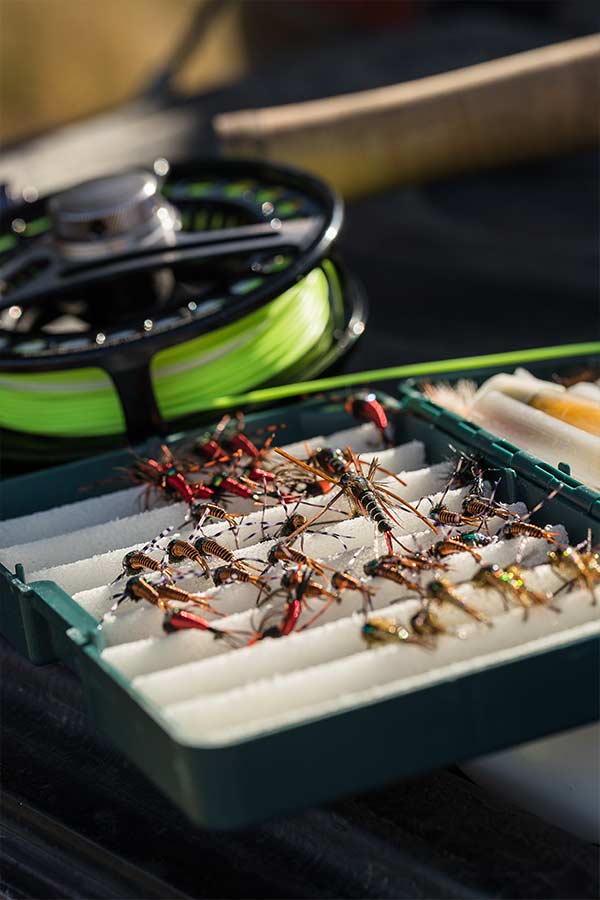
    • Large Dry Flies: Hoppers, Chernobyl Ants, Stimulators, Humpies, Wulffs (Sizes #8-12) 
    • Small Dry Flies: Tan and Olive Caddis (#12-16), Mayfly, Parachutes, Emergers, Cripples (#14- 20) 
    • Beadhead Nymphs, San Juan Worms, Green Inchworm (#14-20) 
    • Steamers: Conehead Buggers, Muddler Minnows, Bunny Leaches (make sure to bring articulated patterns both thin and bushy) 

We have a fly-tying bench for your use and we have all the flies you might need at our shop at the lodge.

Culinary Experience​

At Nervous Waters, our goal is to deliver a true taste of Argentina.

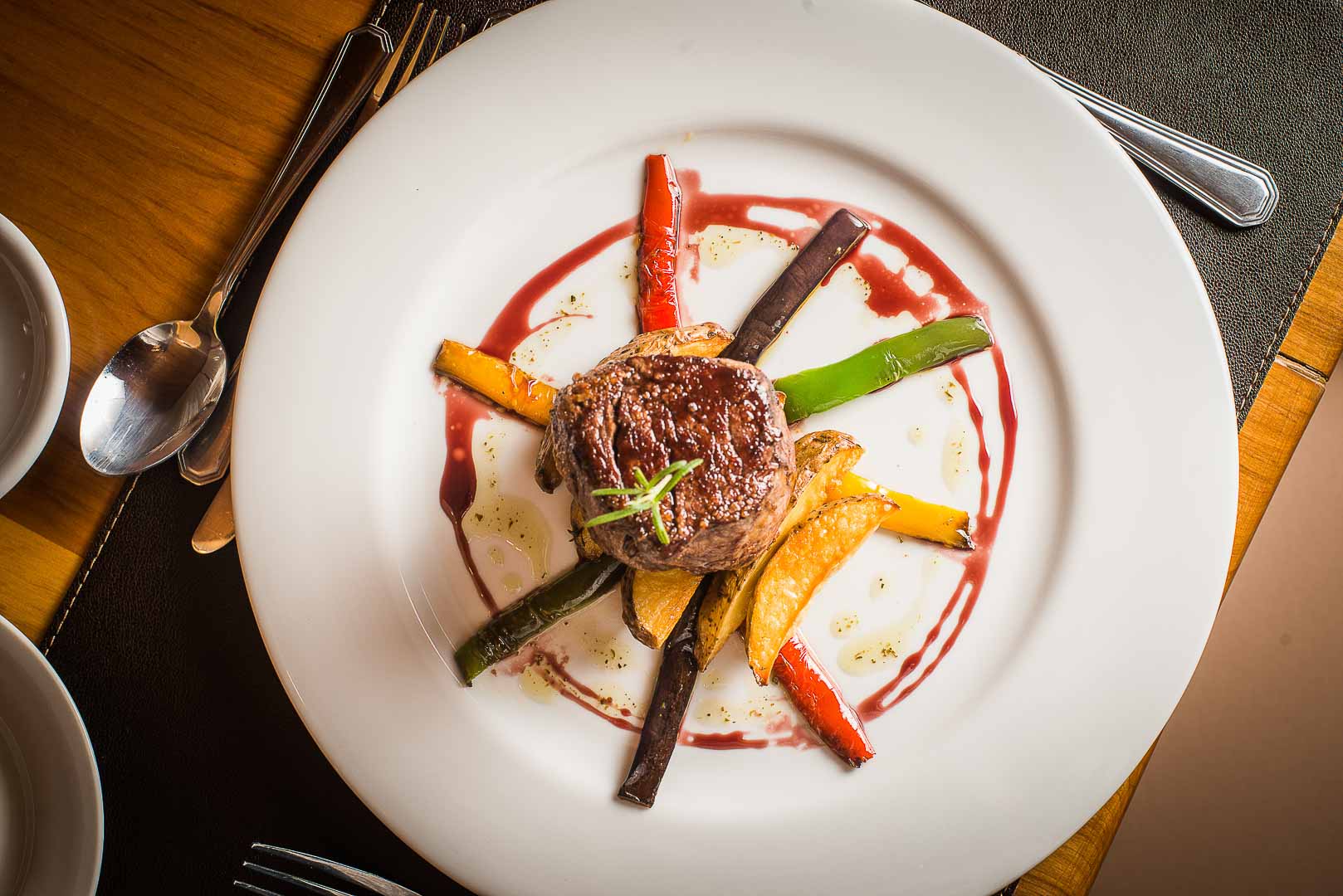
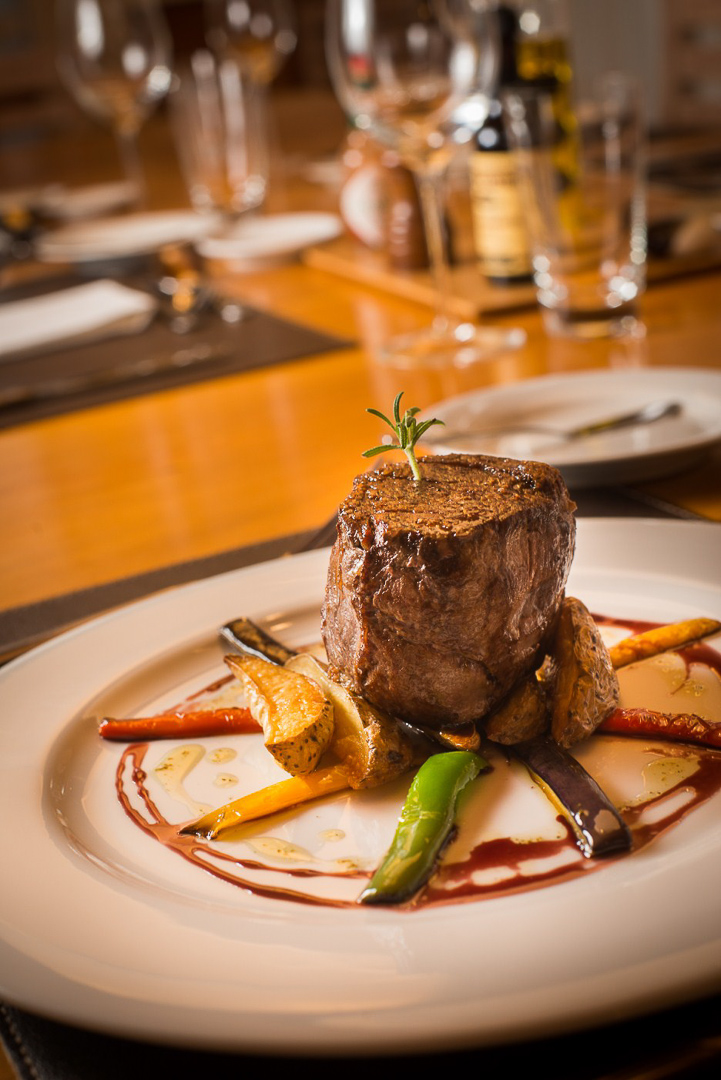
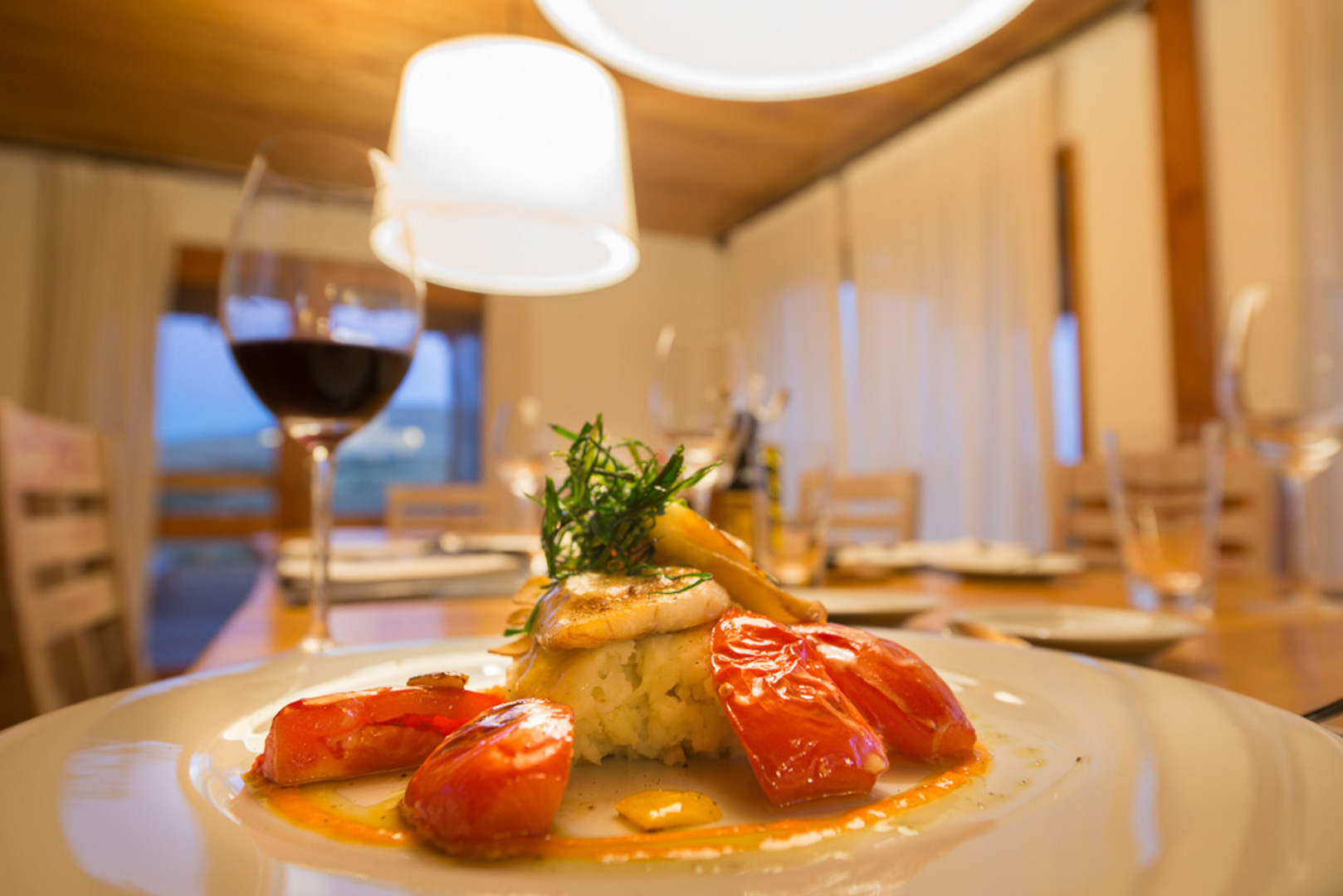
Our kitchens come to life through the use of fresh and regionally representative meats and products. By combining these elements, we create delicious flavors and varied textures that harbor hidden stories and share dining traditions with each plate. We have curated a top-notch team of experienced Argentine and international chefs, trained in both classic and avant-garde culinary techniques at each of our lodges.

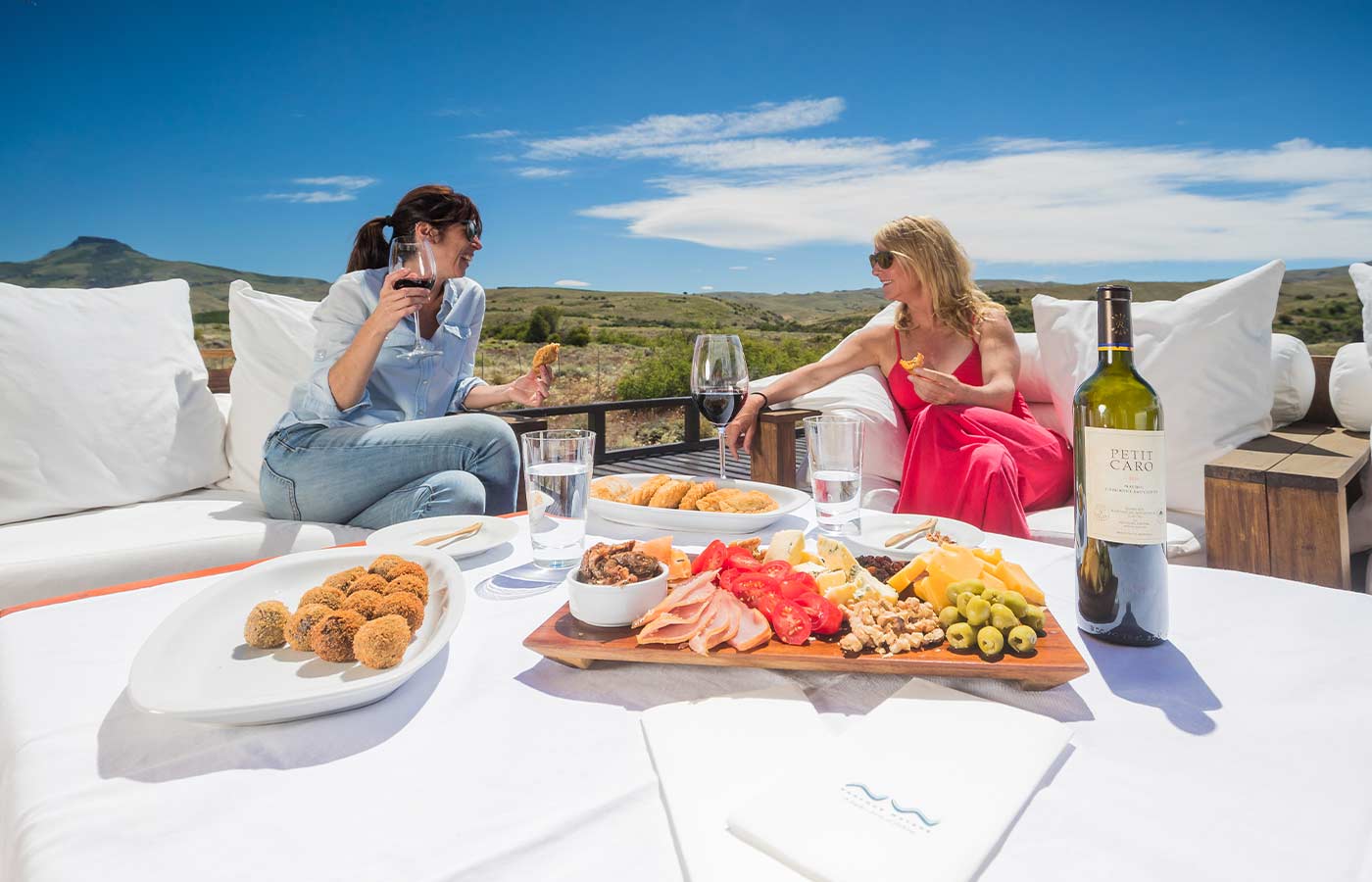
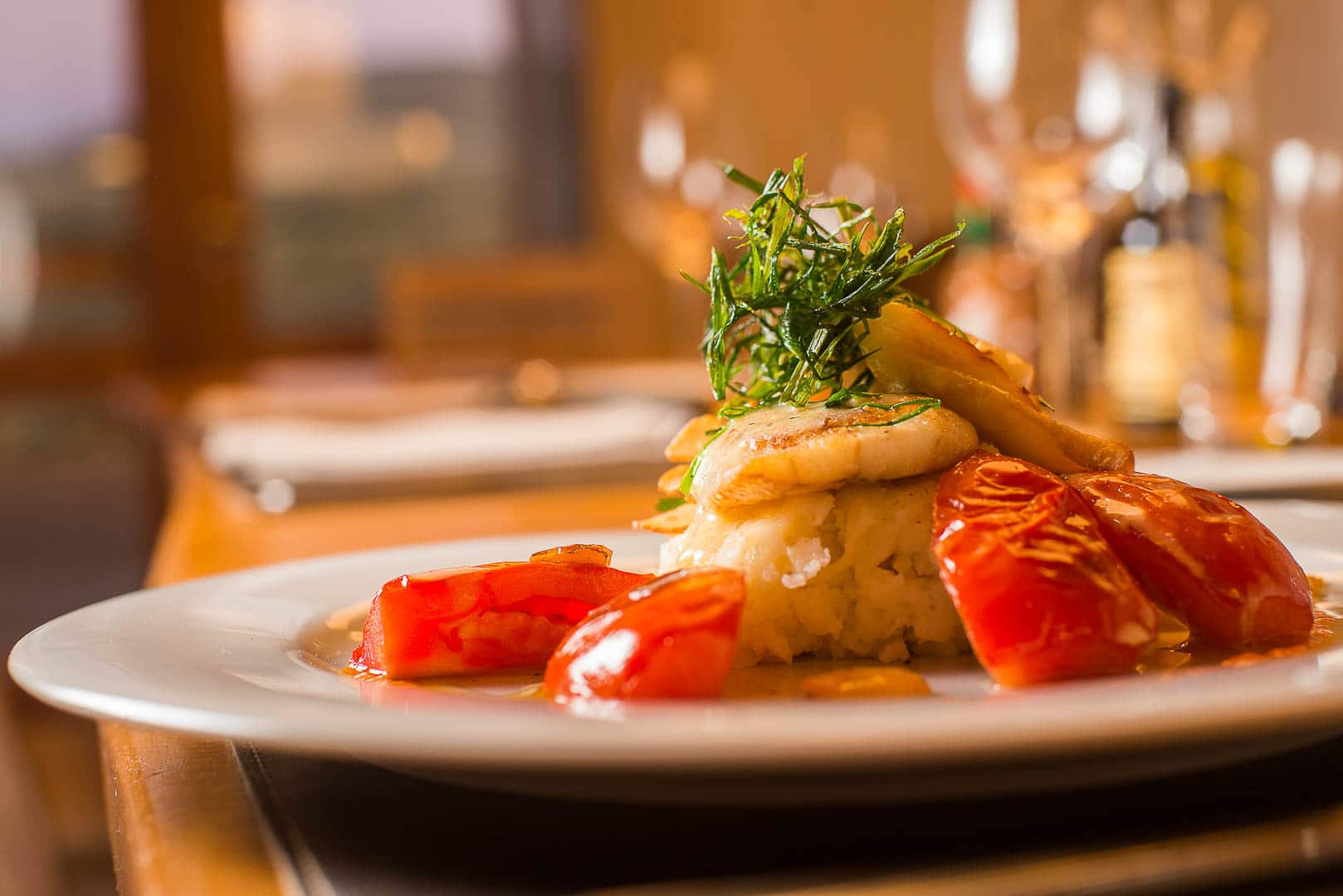
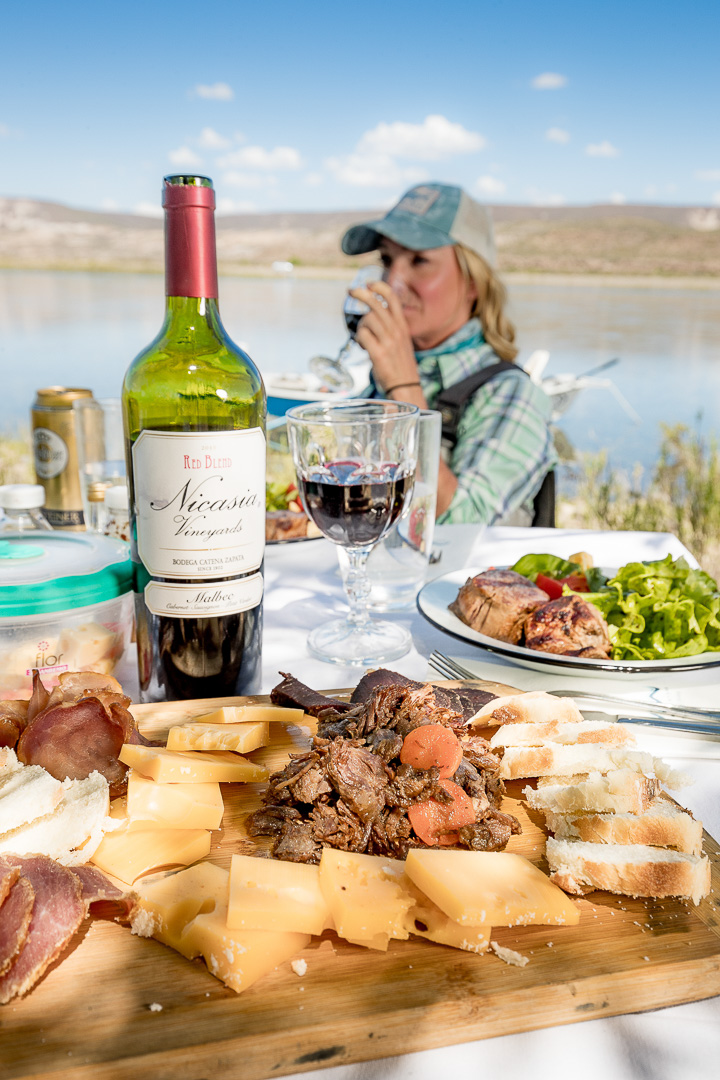
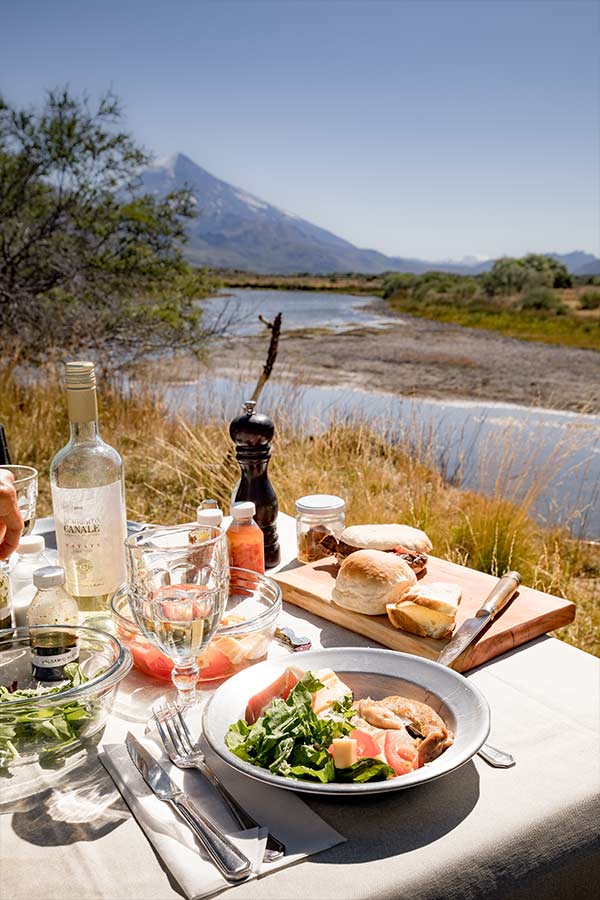
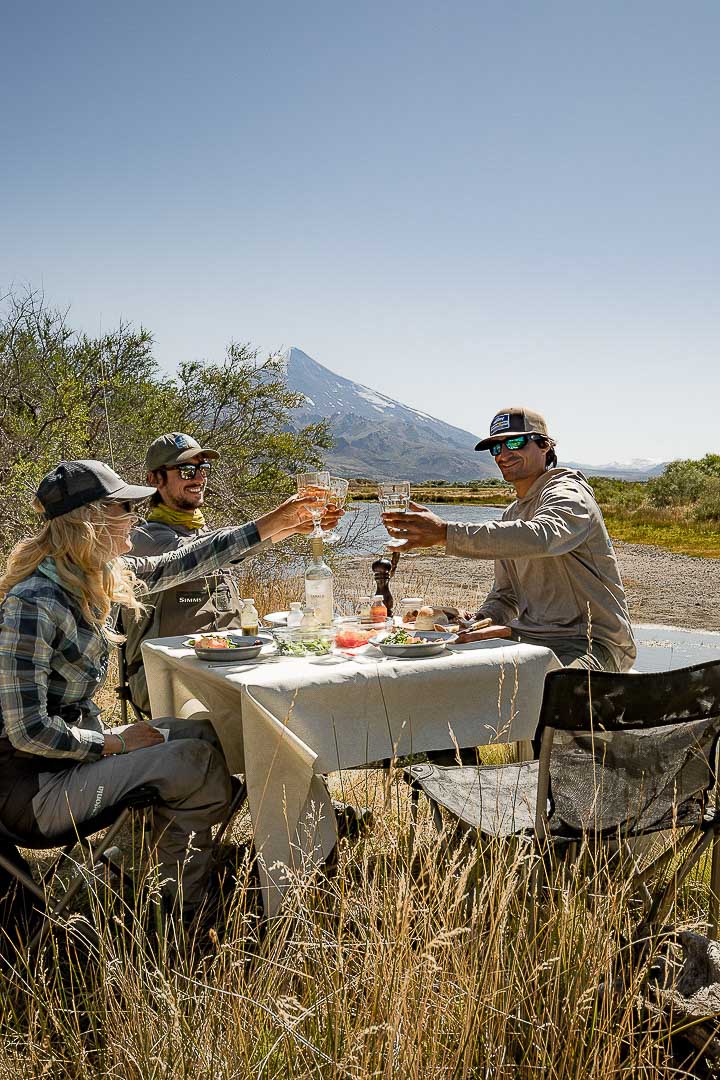
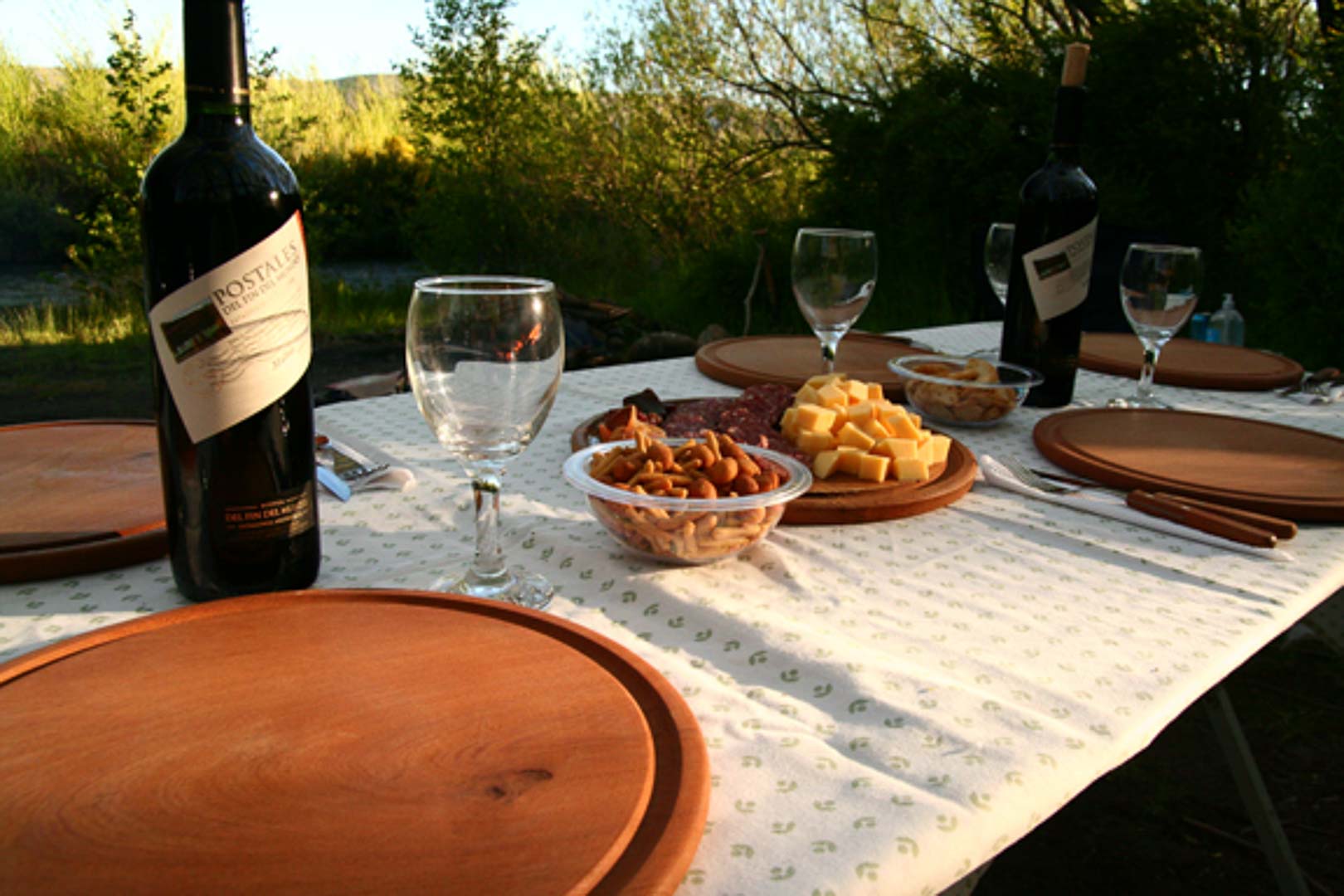
Each meal is prepared with an artisan’s touch and influenced by the earthiness of the surrounding landscape. Sustainability is at the heart of our cuisine and a true connection to nature runs through every dish. To top it off, our guests enjoy each meal in our beautifully designed lodge dining rooms and outdoor lunch experiences. Chefs prepare every dish from scratch to be served at a minute’s notice. Freshness is paramount and perfecting the flavor is our key to success. All our beef comes from Aberdeen Angus and Hereford steers. It is grass-fed cattle from our Pampas. We carefully select our suppliers, which guarantees the high quality, flavor, and tenderness of our meat. You will enjoy meat cooked on the fire and in several different ways in our lodges and in the field. Breakfast is the most important meal of the day in our lodges. Choices stretch from local free-range Eggs Benedict to organic and healthy breakfast options. We change our menu daily to keep things fresh. Later in the day, our superb lunch and dinner menus are paired with some of Argentina’s—and the world’s—best wines; Bodega Catena Zapata. In addition to our focus on fresh food with organic origins, we also celebrate our Argentine heritage with a wine partnership that brings truly world-class vintages to our lodges. Our wide selection of finest wines, the best Argentine Malbec from the Mendoza region, and a large variety of other grape selections, are served by a knowledgeable team. We feel that the food we present and the wines we serve should mirror the sporting opportunities we offer—and be the finest available. Chime Lodge’s kitchen is a culinary delight. If you take a peek into our kitchens you will find delicacies like smoked cheeses, unique local sausages called “chacinados y embutidos”, local fed lamb, venison, rabbit, and, of course, our unforgettable Black Angus Beef sourced fresh from the surrounding pampas. Our streamside lunches are carefully designed by our chef and executed by expert guides and their team. Our menus have been meticulously constructed around the local tradition of cooking over the open flame. Grass-fed lamb, beef, and local seafood are always on the menu, matched with farm-fresh vegetables and fruit. Regional flavors can be found in every dish, from hand-picked berries grown in our lodge gardens, to pine mushrooms picked fresh in the verdant forests that surround our lodge. Our classic preparations are perfected over the fire and include delicacies like the Spanish-influenced Curanto—an esteemed stew of earthly ingredients and heavenly flavors that give our kitchen a tasty local identity where every meal is truly something special.

RATES 2026-27

Season: December 2026 – April 2027

* Prices are in US$ and per person

7 nights / 6 days fishing

$ $ 6,950
  •  

6 nights / 5 days fishing

$ $ 6,350
  •  

5 nights / 4 days fishing

$ $ 5,750
  •  

4 nights / 3 days fishing

$ $ 4,950
  •  

3 nights / 2 days fishing

$ $ 3,950
  •  

WILDERNESS UNPLUGGED (Camping and Float Trip: Aluminé, Chimehuin or Limay Rivers)

Add on: 2 nights and 3 days – $ 2,950 per person based on single tent & shared guide/boat.
Substitute: Camping for a few nights at the lodge: 2 night/3 days – additional $950 supplement.

Included

Not included

Video Gallery

Our other Sporting Destinations​

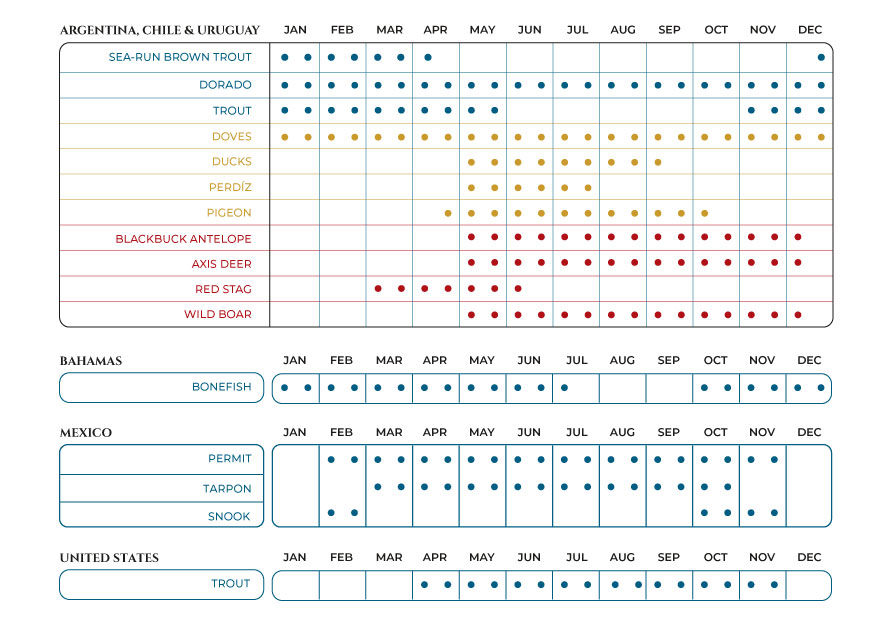
With more than 30 family-owned, high-end sporting lodges across Argentina, Chile, Uruguay, Mexico & The Bahamas, The Kautapen Group brings together a lifetime of experience dedicated to fly fishing, wingshooting, and big-game hunting. Through Nervous Waters, David Denies Bird Hunting, and Red Stag Patagonia, we deliver best-in-class guiding, authentic hospitality, and the consistency that comes only from operating our lodges under our own ownership and uncompromising standards. Each experience reflects our commitment to excellence, conservation, and the values that have guided our family for more than four decades.

Double down on your sporting adventures and experience all The Kautapen Group has to offer by combining your stay with another of our hunting or fishing lodges.

Interested in this Lodge? Let's plan your trip

What Our guests think
about us?