Beh Kay Lodge
The house of Permit | Permit, Tarpon, Snook & Bonefish

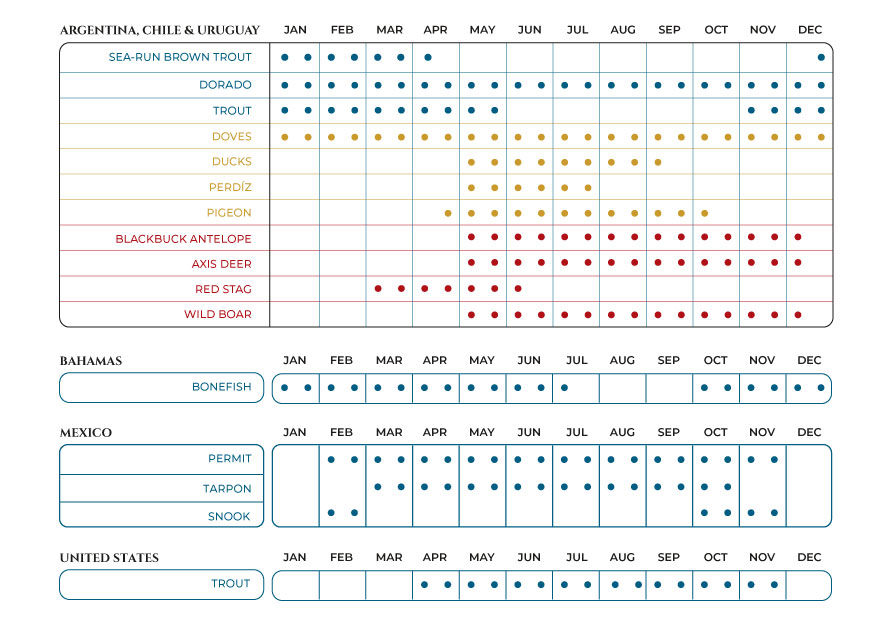
Season

Feb. to June - Aug. to Nov.

Getting There

Espíritu Santo Bay, Mexico

The Fishing

Deck of the boat or wading

Target Species

Permit, Tarpon, Snook & Bonefish

Fishing Equipment

Sgl handed fly-fishing rods

Fishing Equipment

Sgl handed fly-fishing rods

Media Gallery

Photos & Videos

Rates

Weekly per person

Combine Your Trip

The KauTapen Group

Logo for Espiritu Santo Day: blue circular sunburst with two fish shapes and the text ESPIRITU SANTO DAY
Logo for BEHKAY featuring a stylized fish silhouette above the stacked text 'BEH' over 'KAY', rendered in blue.

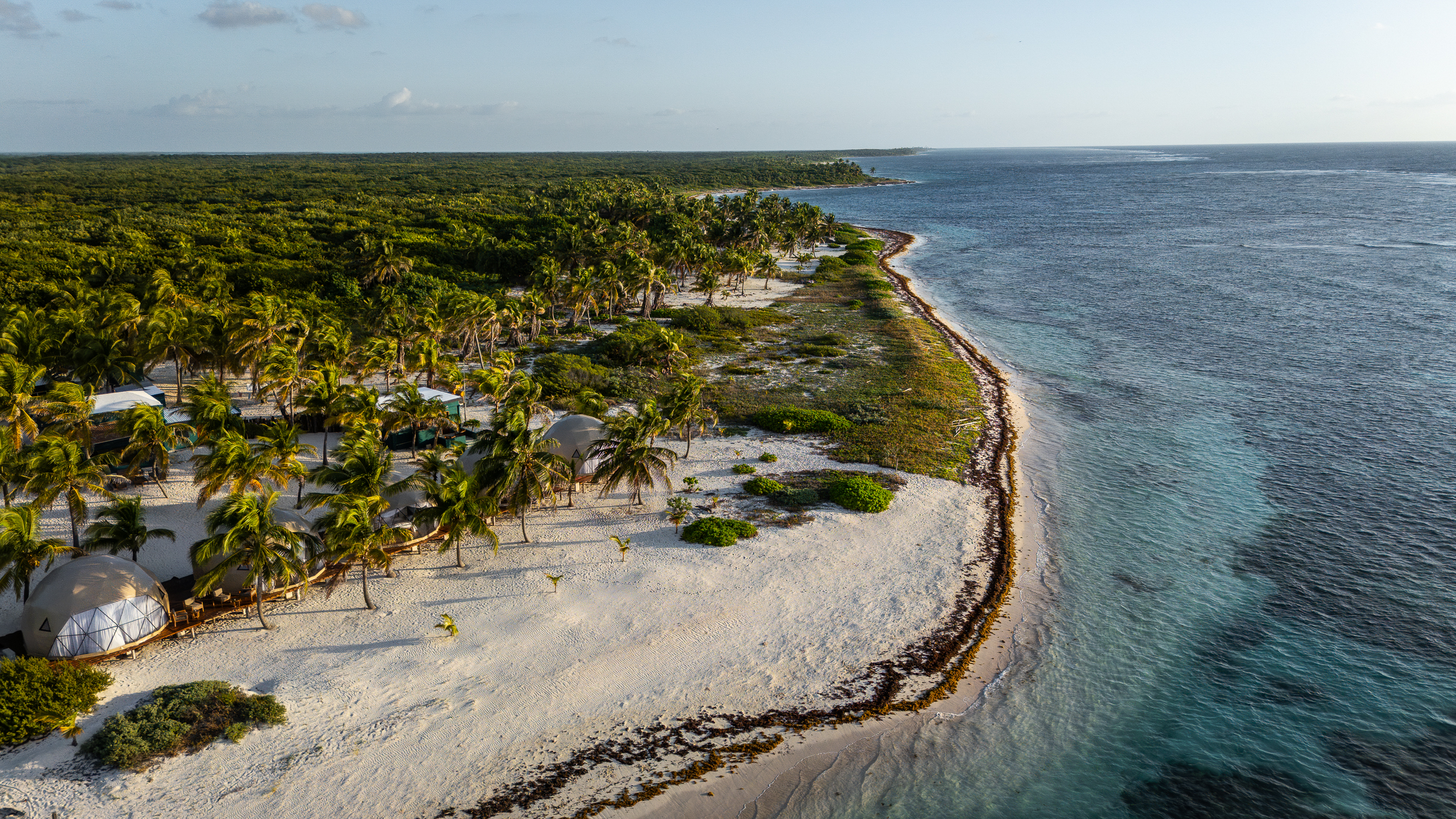
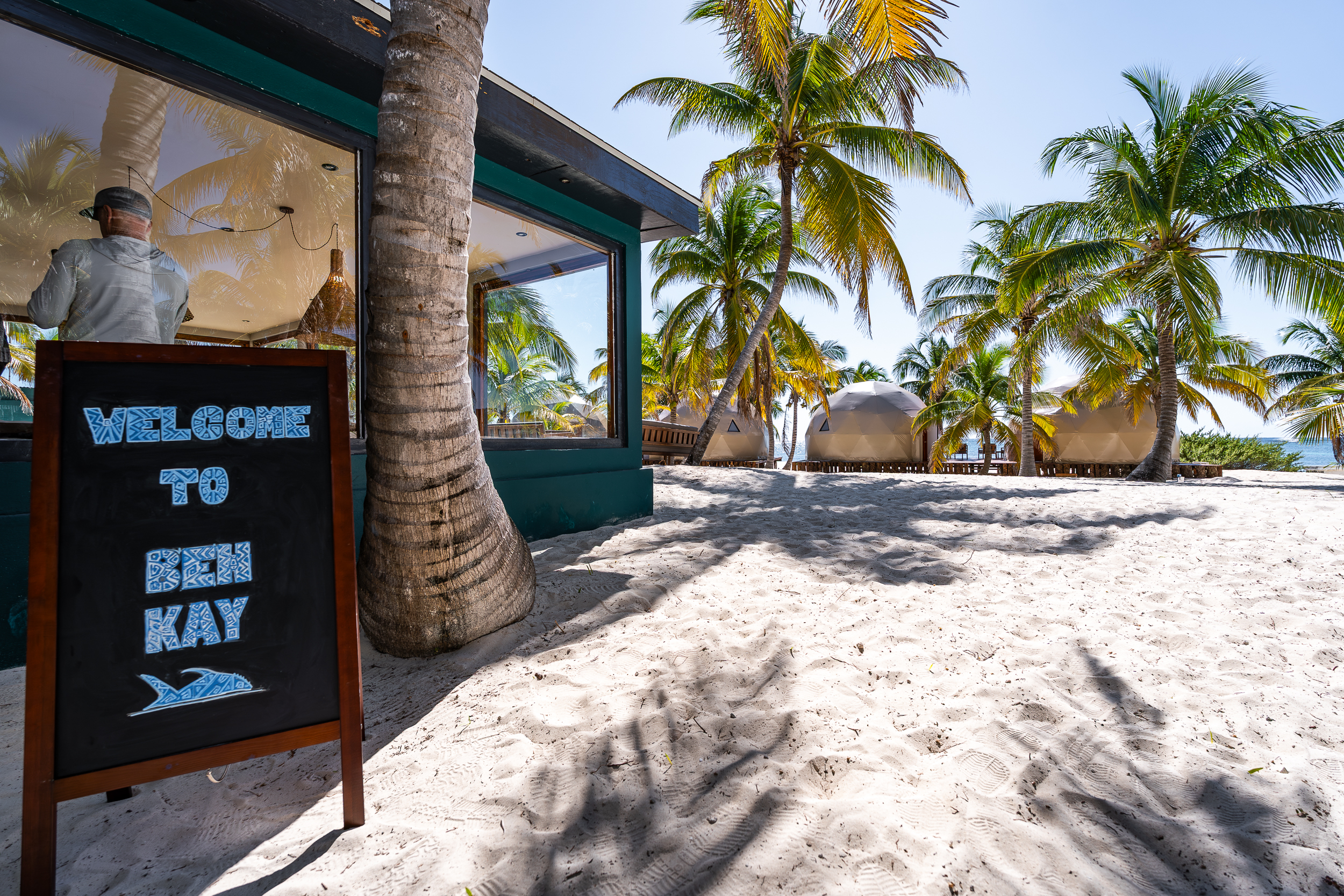
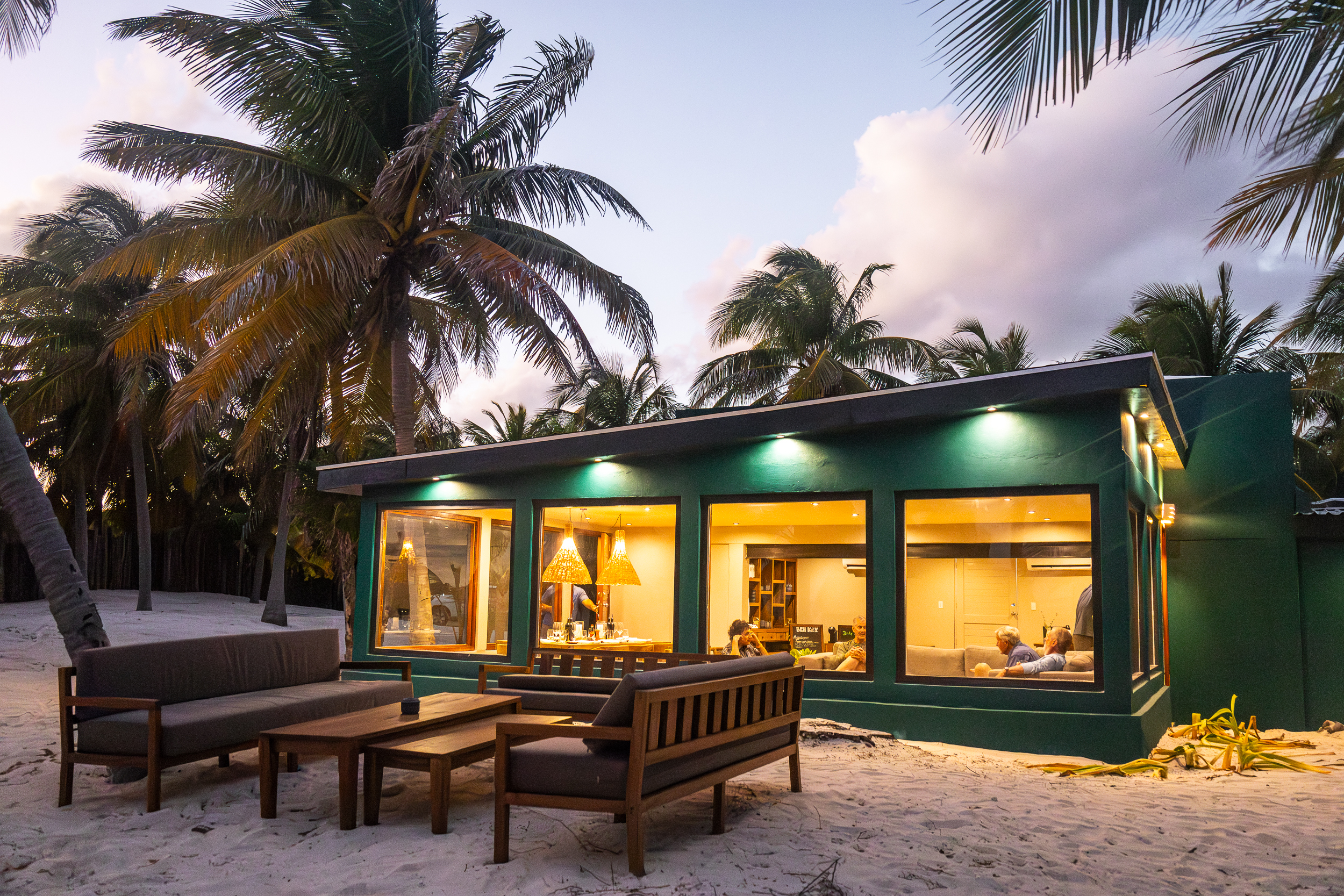
Tucked away on the pristine shores of Mexico’s Sian Ka’an Reserve, Beh Kay Lodge offers a fresh and intimate take on the Caribbean saltwater experience. Set on a quiet stretch of beach near Punta Herrero, the lodge provides direct access to Espíritu Santo Bay, one of the world’s most celebrated permit fisheries and a place where crystal-clear flats, turtle grass meadows, mangroves, lagoons, and natural channels create endless sight-fishing possibilities.

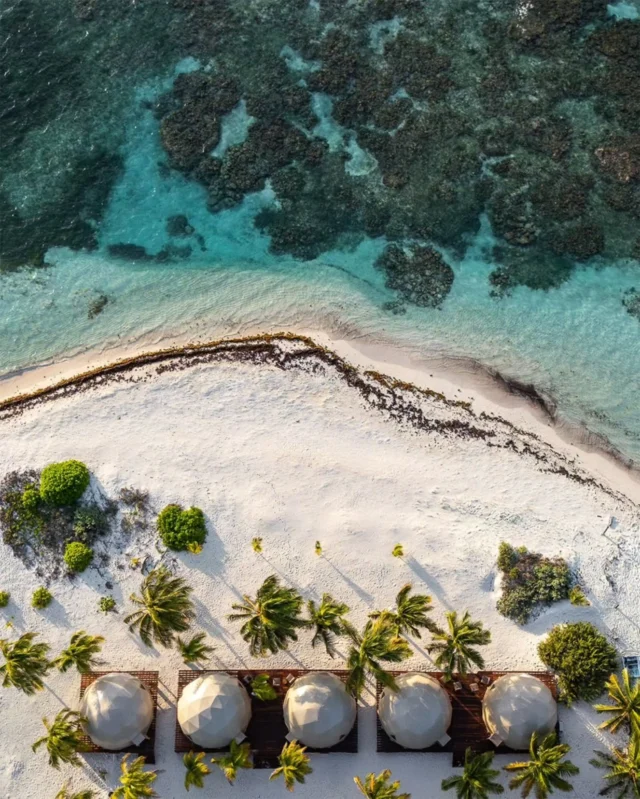
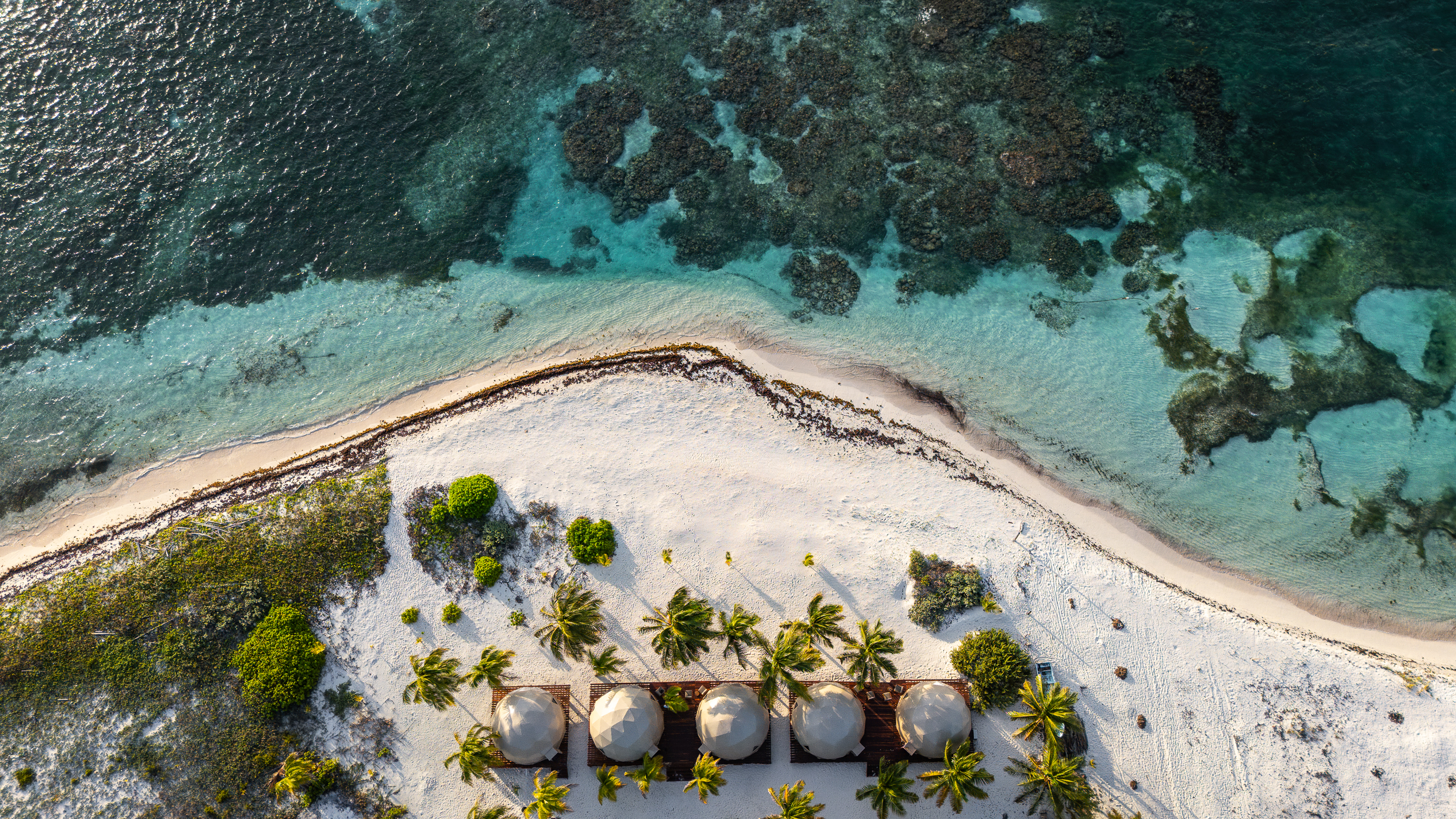
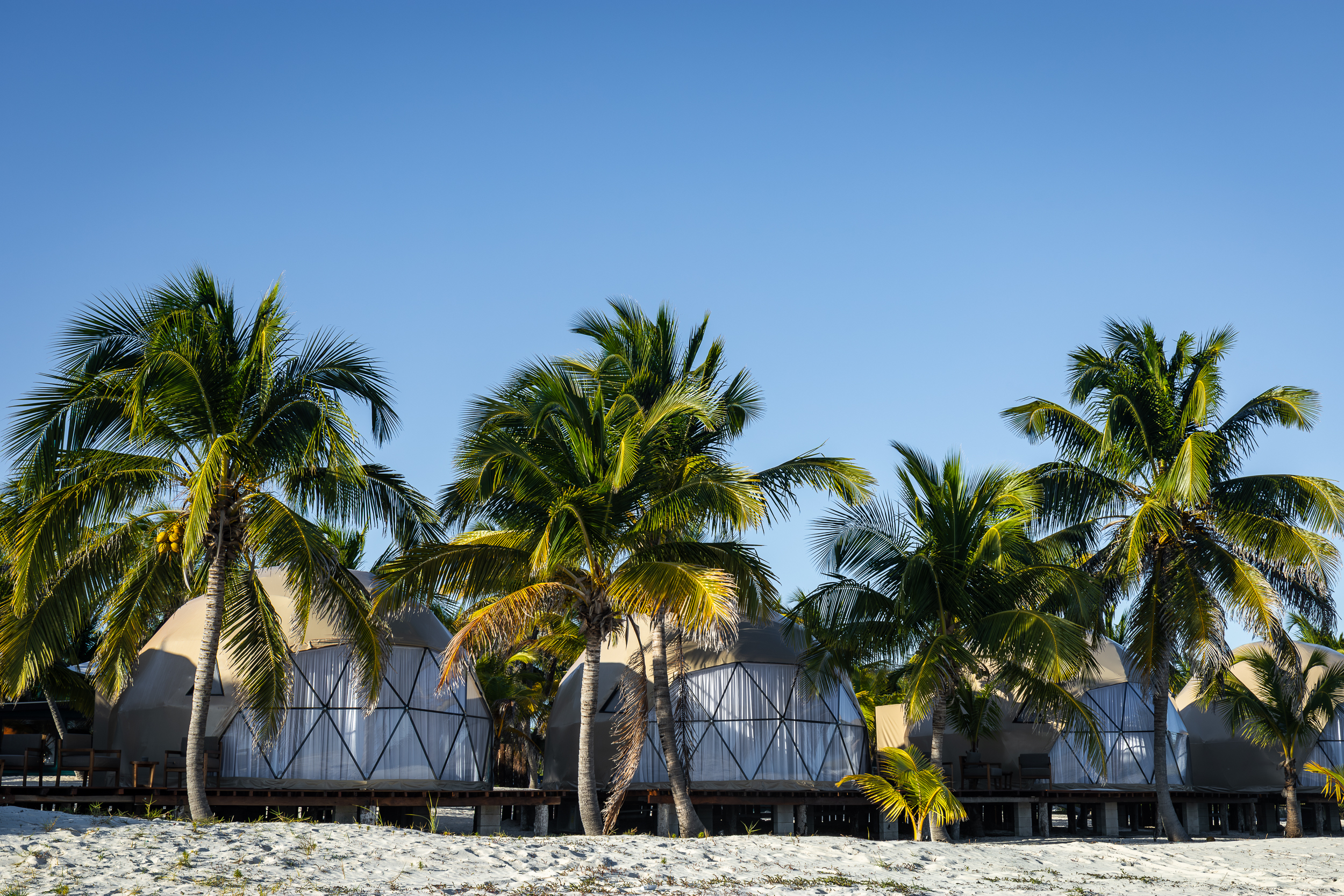
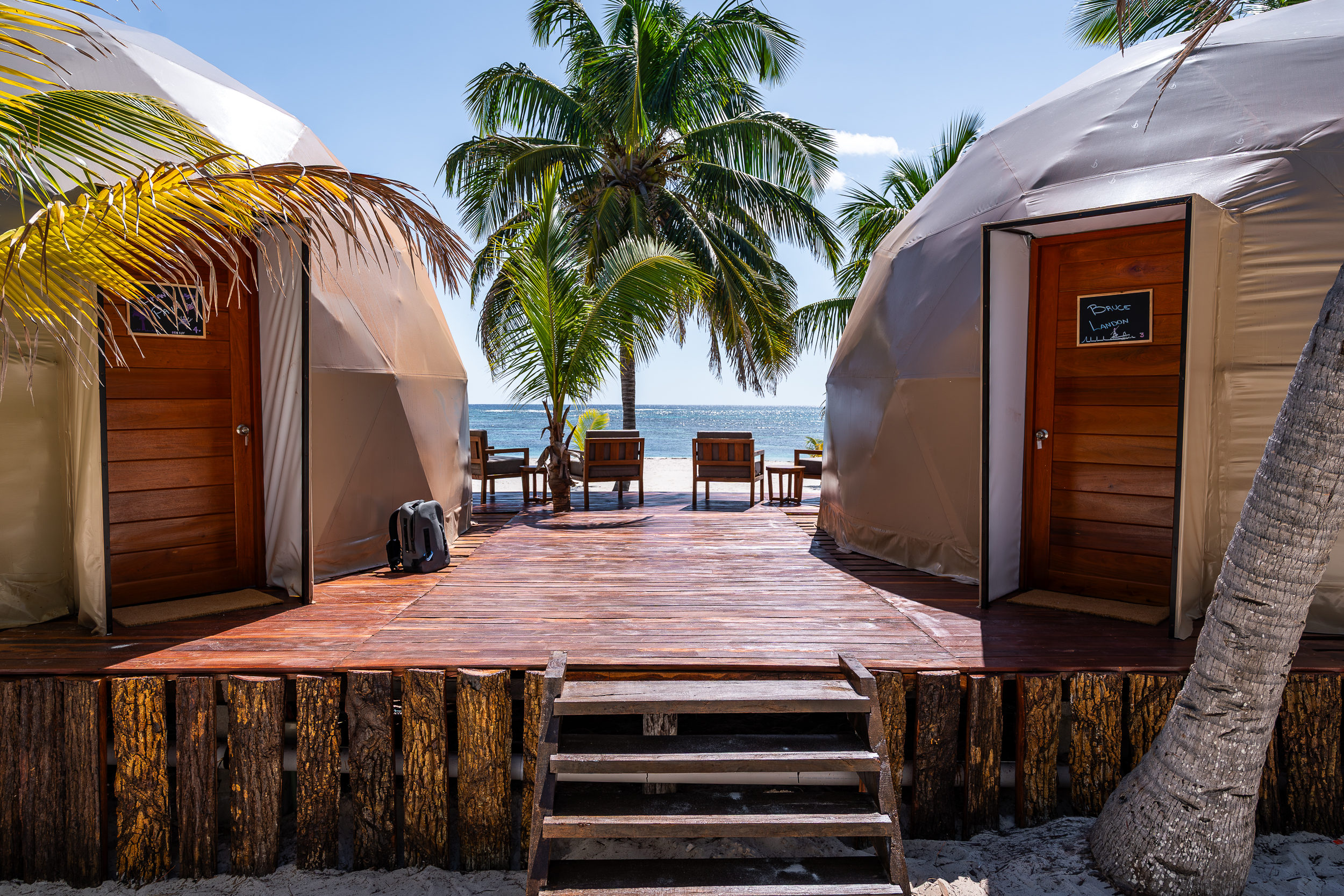
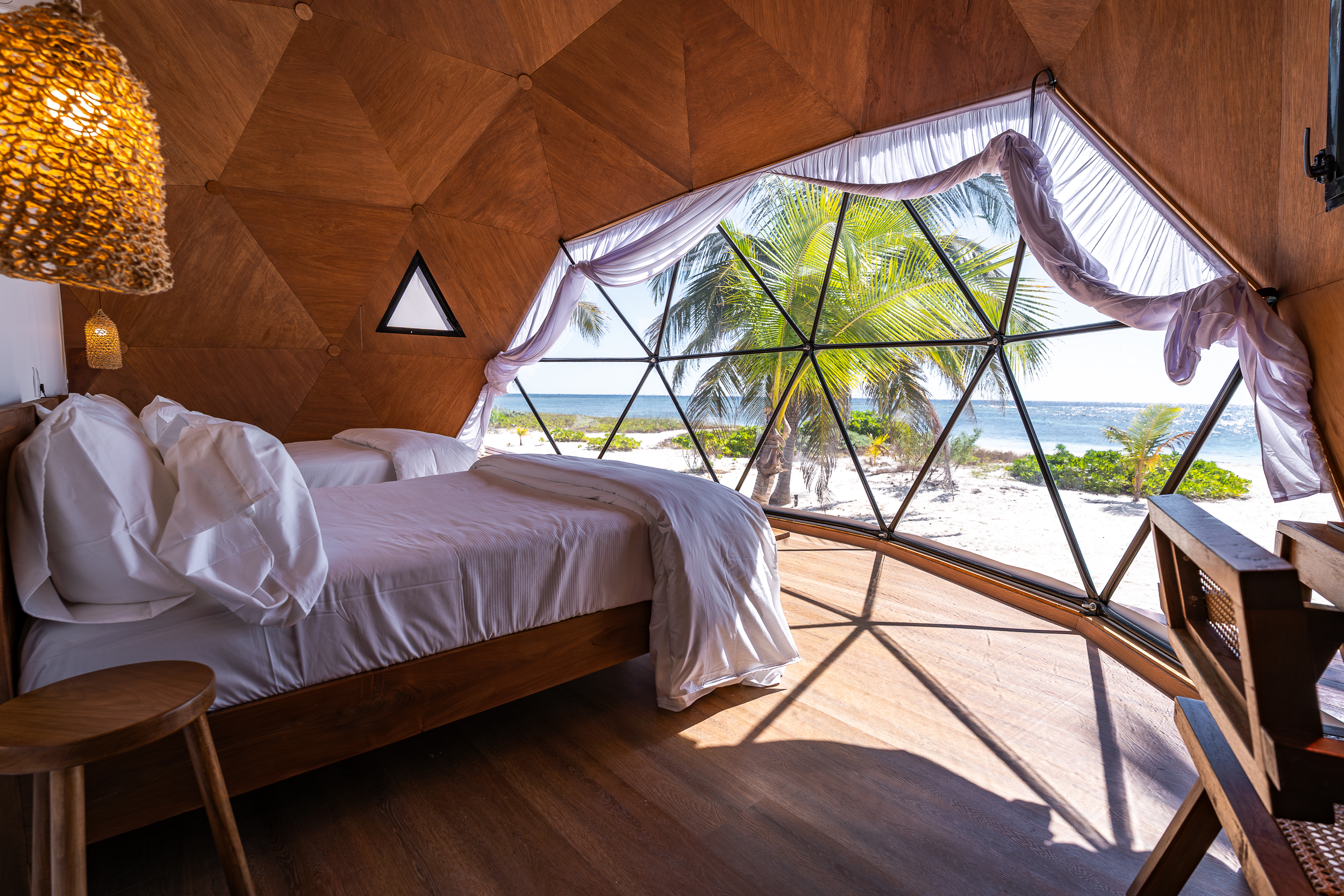
Designed for a select group of just eight anglers, Beh Kay features four spacious geodesic domes, each shared by two guests, making it the first fly-fishing lodge in the Caribbean built around this innovative concept. The domes blend comfort with a close connection to nature, offering ocean views, air conditioning, private bathrooms, and the essential amenities anglers need after a full day on the flats.

Why Choose Beh Kay Lodge?

The House of Permit

Beh Kay Lodge is small by design, built for a select group of just eight anglers on a quiet beachfront near Punta Herrero. Set just steps from the sea, the lodge combines a fresh Caribbean style with the comfort, service, and attention to detail expected from a Nervous Waters destination.
The property features four spacious geodesic domes, each designed for double occupancy with two queen-size beds, air conditioning, private en-suite bathrooms, ocean views, and essential comforts for traveling anglers. The domes give Beh Kay its own distinct personality, blending privacy, comfort, and a close connection to the beachfront setting. 

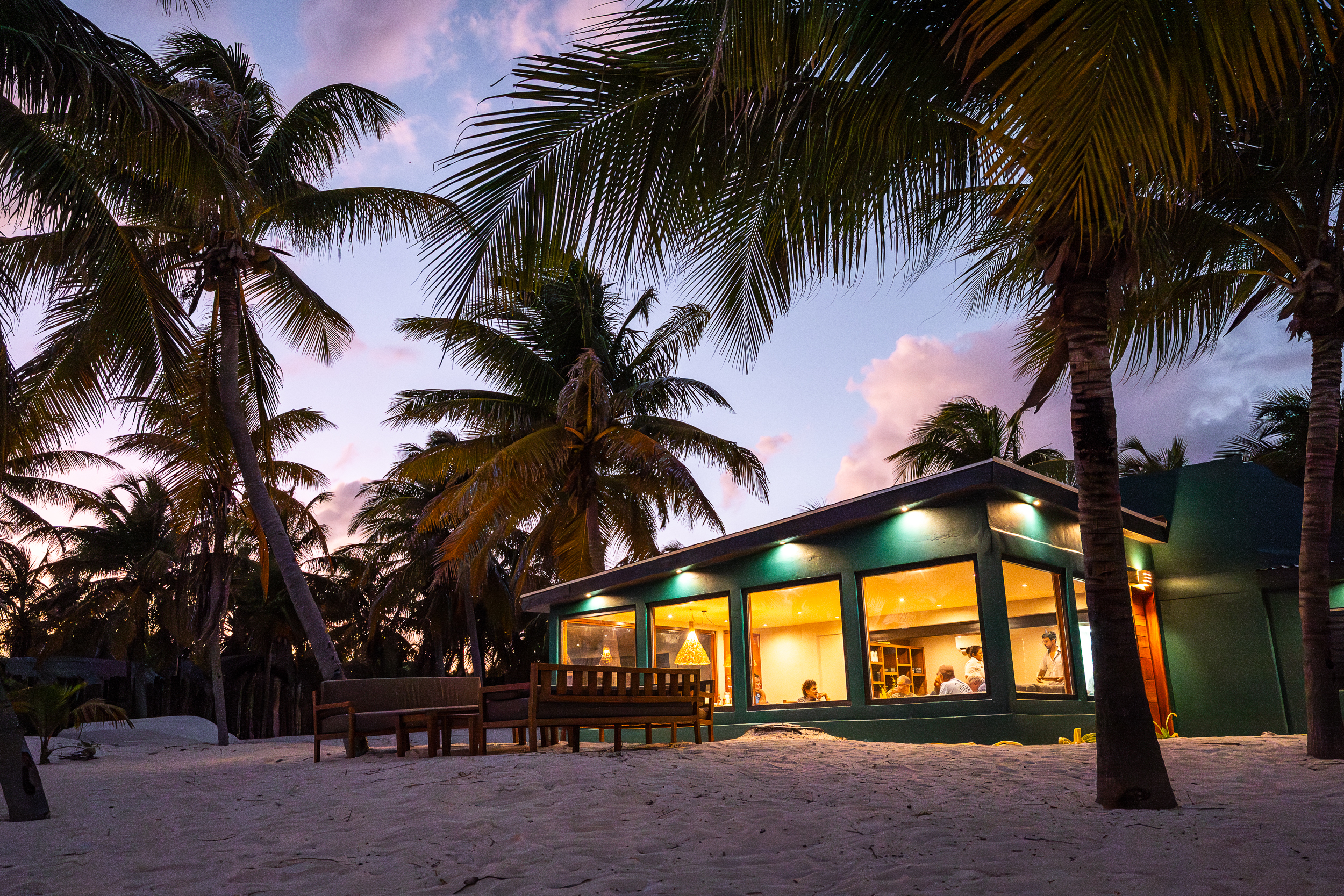
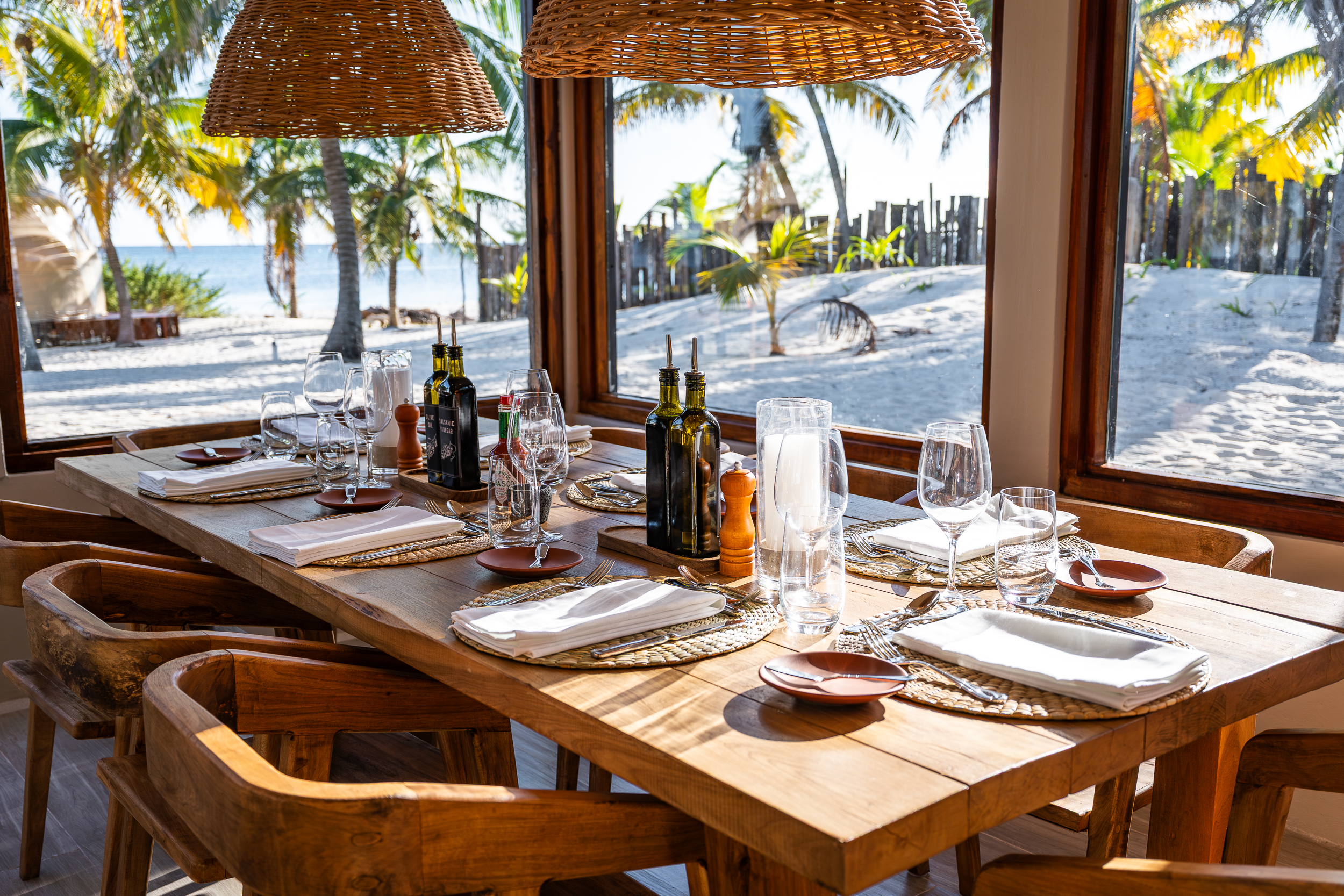
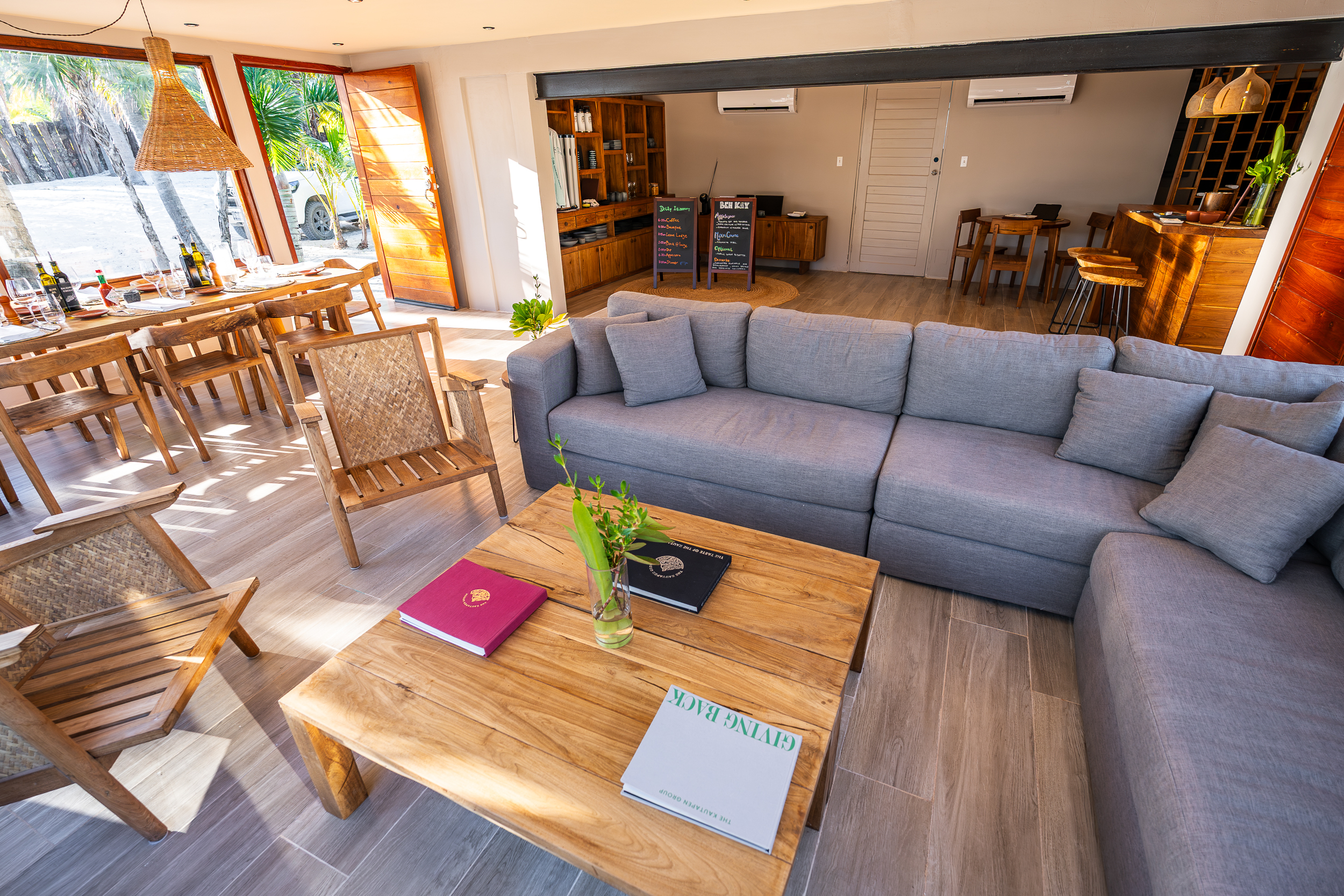
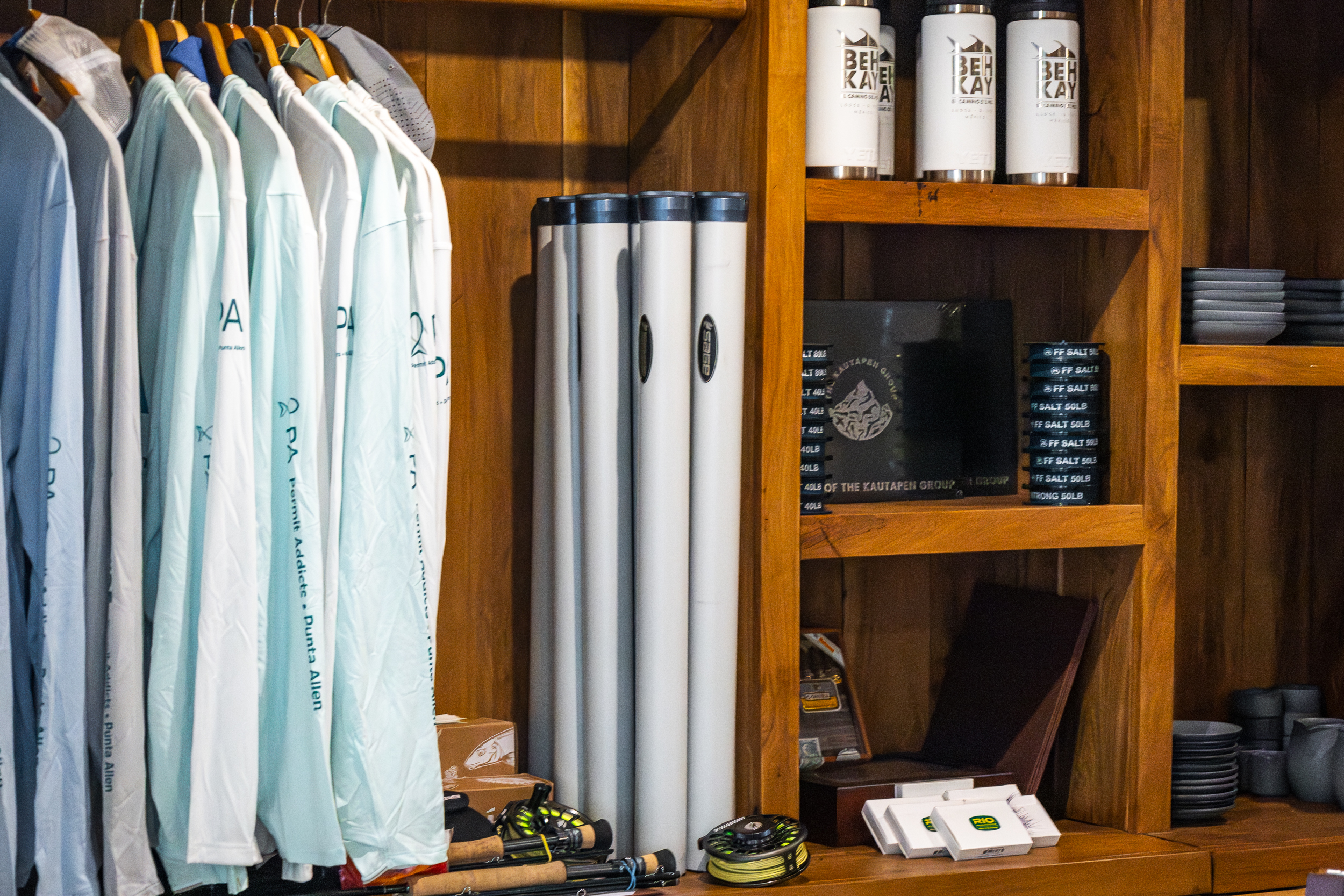
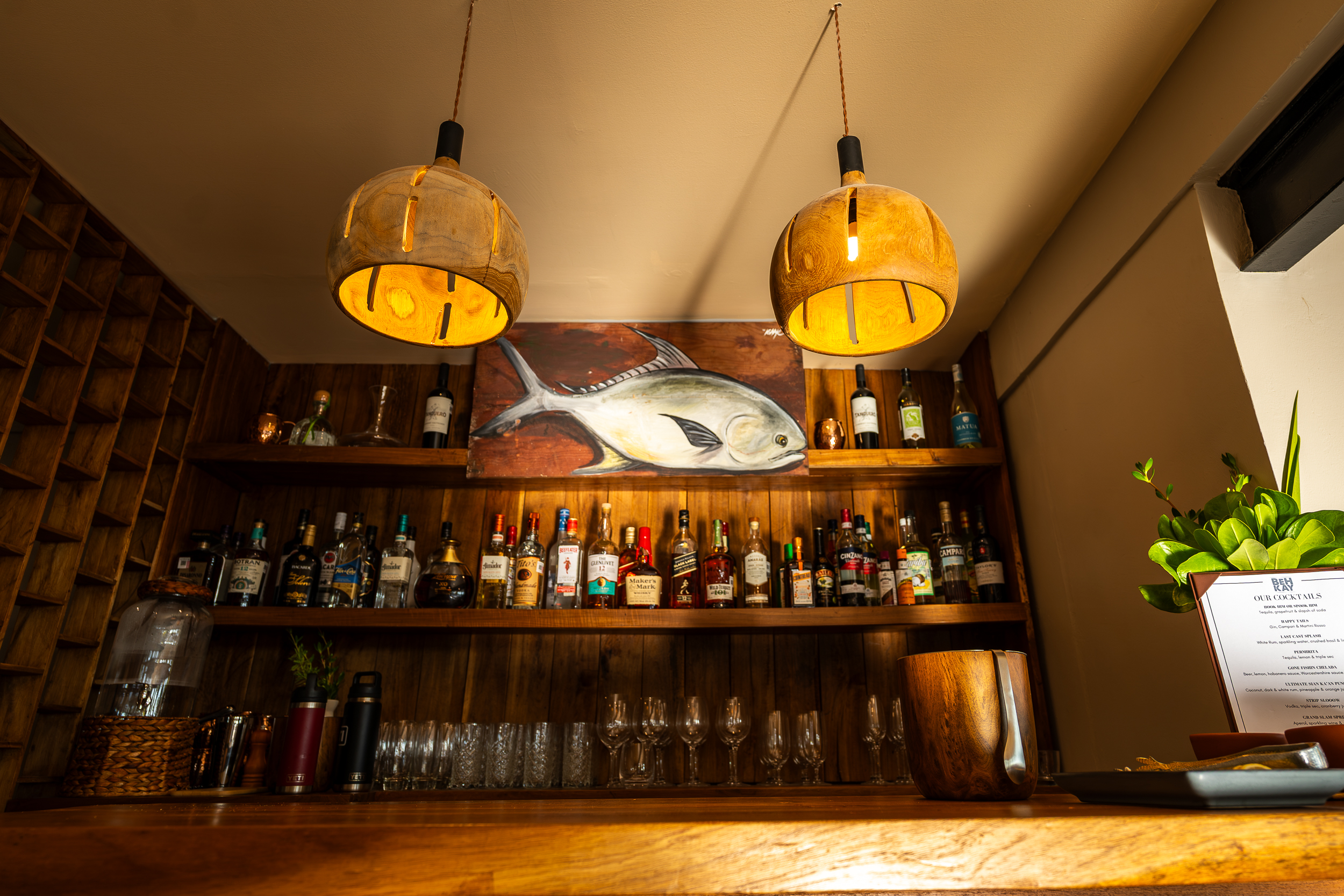
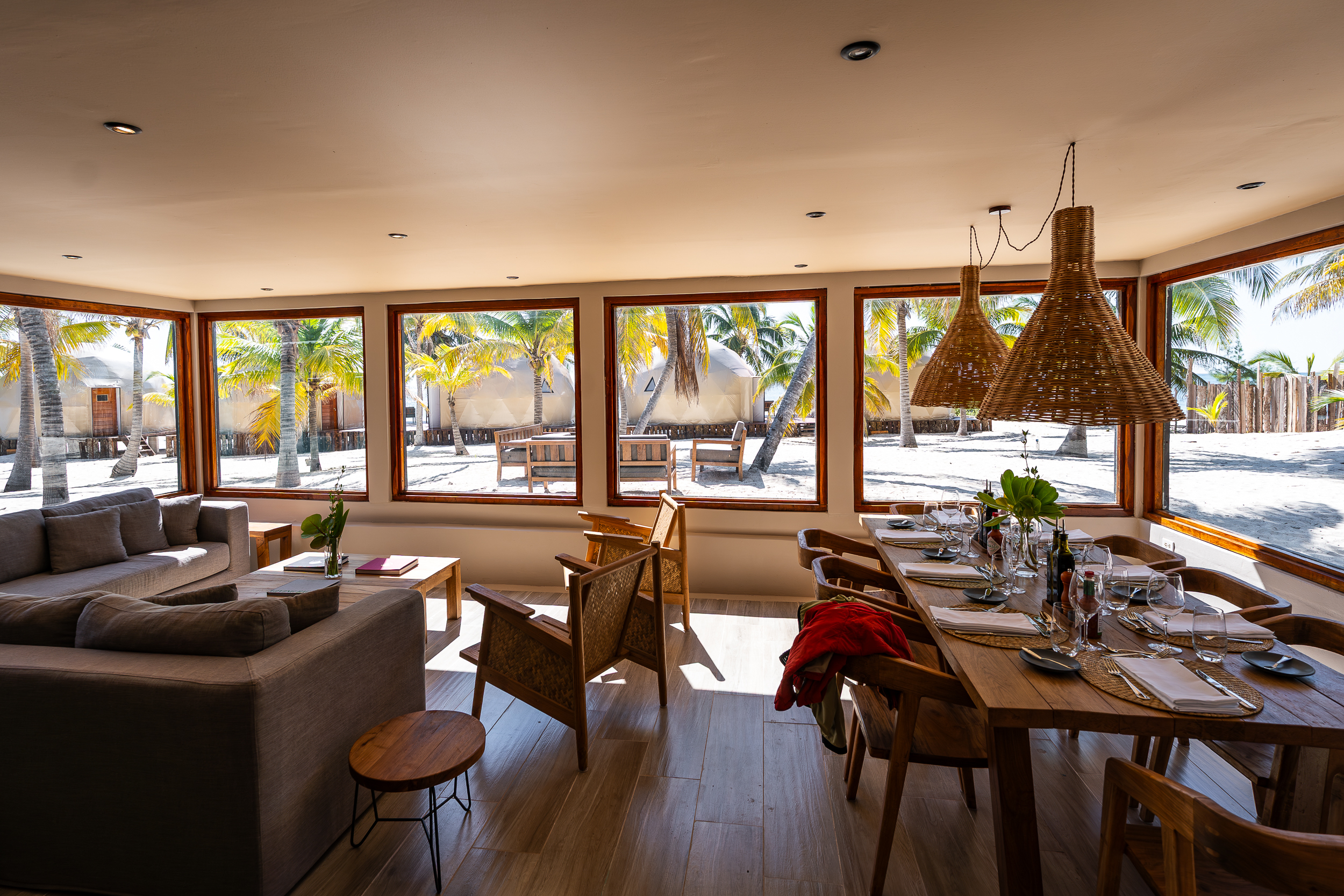
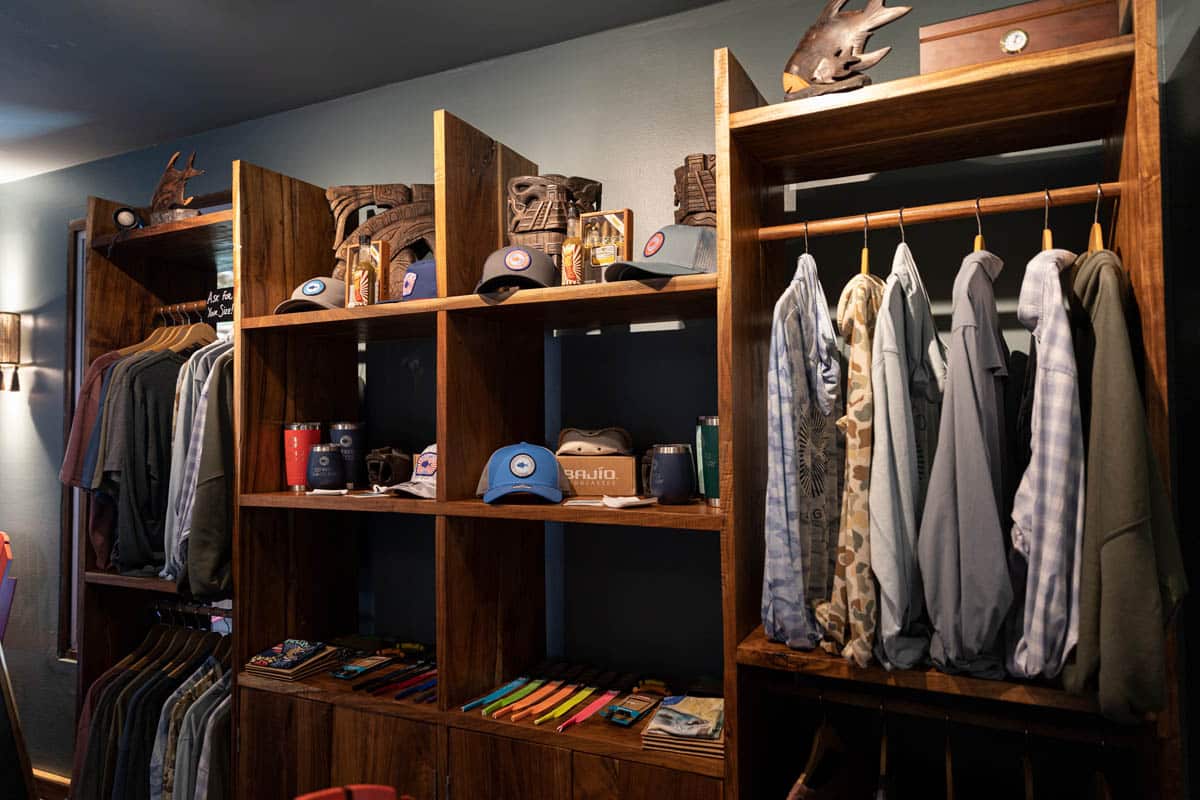
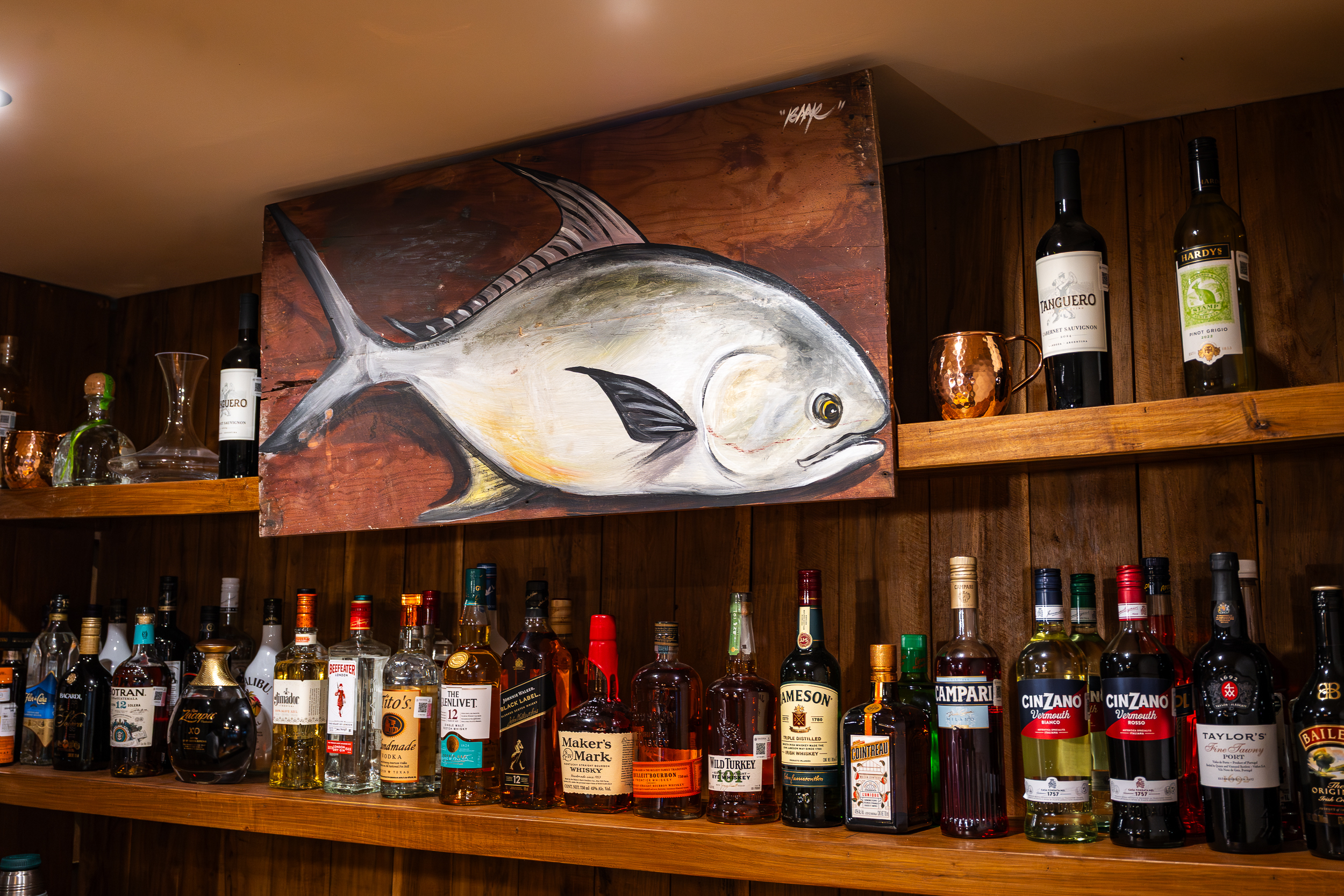
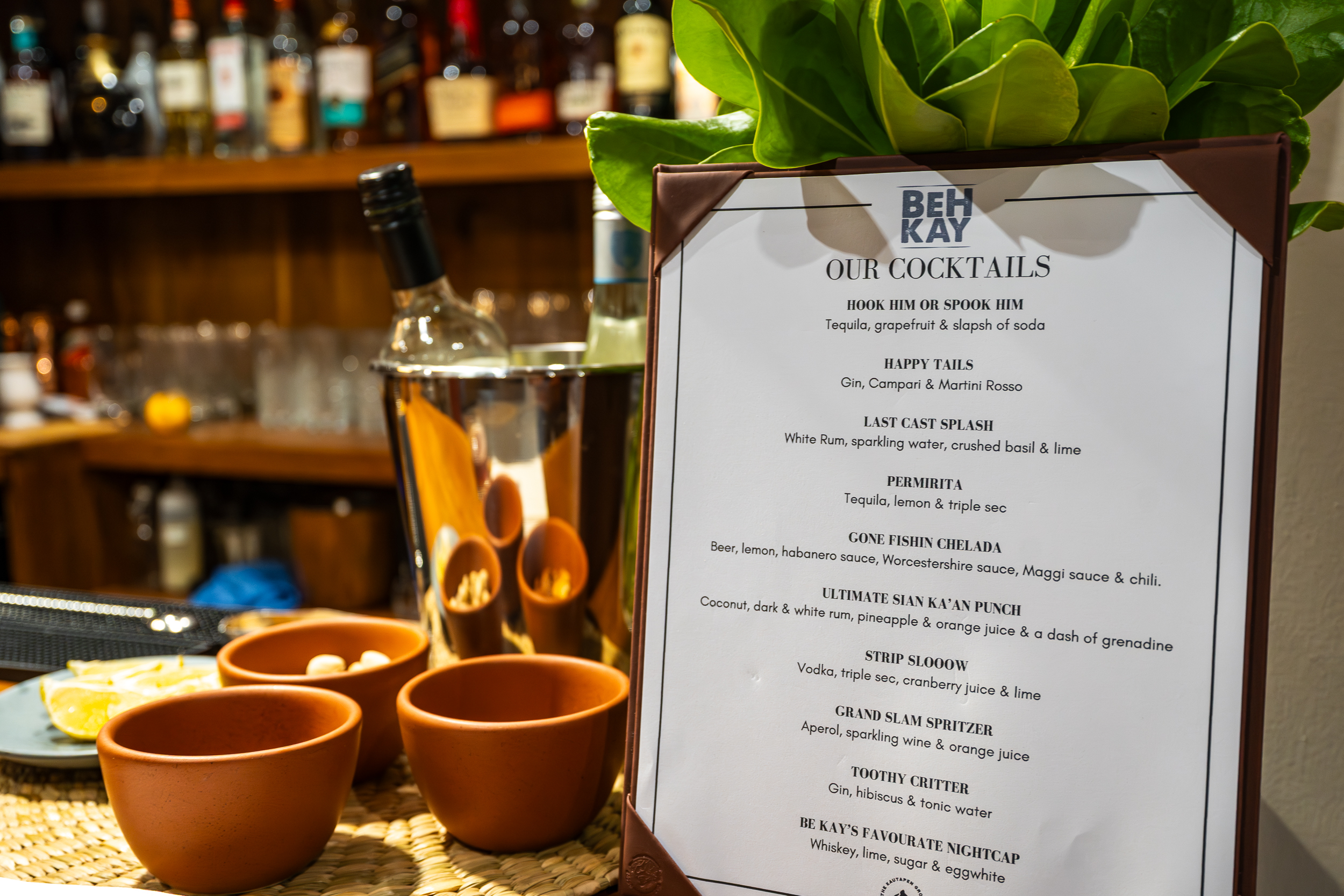
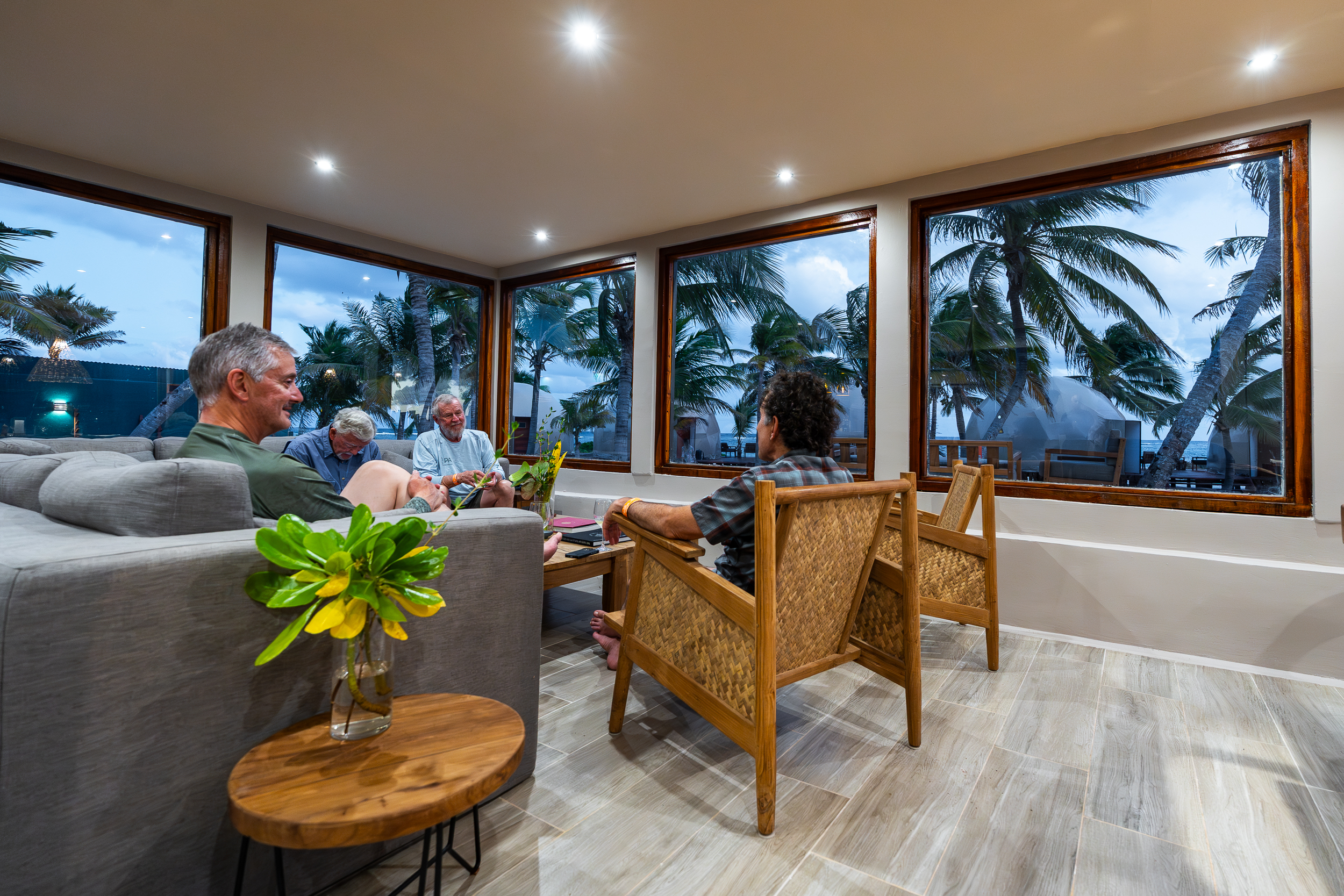
The main lodge includes a dining room, lounge area, open bar, fly shop, and fly-tying desk. Meals are prepared daily by the lodge’s on-site chef, with a fresh à la carte menu inspired by local ingredients and coastal Mexican flavors. Custom boat lunches, cold drinks, cocktails, appetizers, daily housekeeping, Wi-Fi, and laundry service complete the lodge experience.

  • Capacity: Maximum 8 anglers per week
  • Accommodations: 4 spacious geodesic domes with two queen-size beds, private bathrooms, air conditioning, and ocean views
  • Main Lodge: Dining room, lounge area, open bar, fly shop, fly-tying desk, telephone, and Wi-Fi
  • Meals: Fresh à la carte cuisine featuring local ingredients, seafood, and coastal Mexican flavors
  • Lunch: Custom boat lunches prepared daily with cold drinks and packed in Yeti coolers
  • Services: Daily housekeeping, wireless internet, open bar, and laundry service available at an additional cost
  • Fishing Equipment: Sage rods and reels paired with RIO fly lines available as part of the Sage Experience program

There are many reasons to choose one season over another for fishing Beh Kay Lodge. Travel dates, time away from work, escaping winter weather, or targeting a specific species may all influence when you decide to visit. No matter the month, weather will always play a major role in shallow-water sight fishing, especially in a fishery where permit are the main focus.
Most days at Beh Kay are built around visual fishing in clear, shallow water. Anglers can expect to search white sand flats, turtle grass meadows, mangrove edges, lagoons, and natural channels throughout Espíritu Santo Bay. When clouds, wind, or rain reduce visibility, guides may shift the approach, working mangrove shorelines, deeper lagoon edges, or backcountry water where fish continue to feed even when sight fishing becomes more difficult.
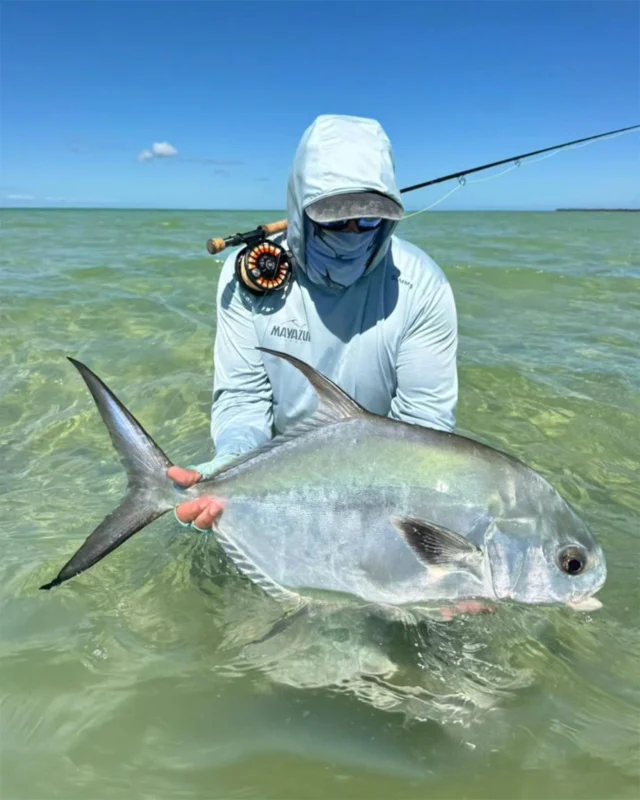
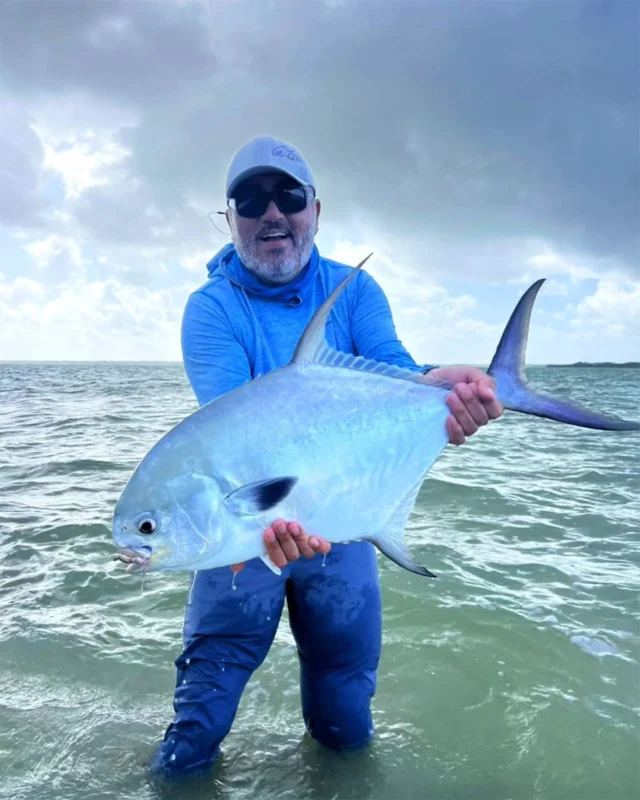
Permit are the heart of the program, but the fishery offers much more than one situation. Depending on light, tide, wind, and water levels, anglers may encounter tailing fish in skinny water, cruising singles over white sand, schools moving across turtle grass, or fish feeding along mangroves and channels. Bonefish, tarpon, snook, barracuda, jacks, and snapper also add variety throughout the season.

The guides at Beh Kay know that permit fishing demands patience, teamwork, and precision. When conditions are challenging, listening closely to your guide becomes even more important. You may not always see the fish right away, but your guide often will. Following instructions on angle, distance, speed, and fly movement can make the difference between a good shot and a missed opportunity.

WINTER (Feb.)
February marks the beginning of the Beh Kay season and offers a welcome escape from cold northern climates. While occasional cold fronts can move through the Yucatán, sunny days warm the flats quickly, and fishing after a front can be very productive.
Permit can be found feeding on crabs, shrimp, and other small prey across flats, turtle grass, and lagoon edges. Snook may also move into warmer, protected water, while bonefish and other species remain active during stable weather windows.

SPRING (Mar., Apr., & May)
Spring is one of the most reliable periods of the season at Beh Kay. Days are longer, light is stronger, and southeast winds begin to settle into a more consistent pattern. These conditions can create excellent visibility across the flats and give anglers a wide range of permit situations.
Permit are commonly found as singles, doubles, and schools throughout the bay. Some fish will cruise white sand flats, while others feed over turtle grass, along mangrove edges, or inside lagoons and natural channels. Tarpon and snook can also be found in protected backcountry water, and bonefish add steady action between permit shots.
As with all saltwater flats fishing, wind is part of the game. A lightly textured surface can actually help presentation, making the fly land more naturally than it would on glassy water. Accuracy matters. Anglers should be comfortable casting in wind, making quick adjustments, and placing a fly with confidence at forty feet with limited false casts.
Spring is also one of the most popular times to fish the Caribbean flats, so reservations at Beh Kay should be made well in advance.

SUMMER (June, Aug., & Sept.)
Summer can produce some of the most exciting permit fishing of the year. Long days, warm water, and active flats can create excellent feeding windows, especially when conditions remain stable. Beh Kay is closed during July, but June, August, and September can be strong months for anglers focused on permit.
During August and September, permit are often in their post-spawning phase, and many anglers consider this one of the best windows to find fish feeding with confidence. Schools may move across turtle grass, singles can appear on white sand, and fish may push into skinny water when tides and light align.
Summer weather can bring passing rain, clouds, or stronger wind, but these systems are often short-lived. Hurricane season officially runs from June through November, and modern forecasting allows storms to be monitored well in advance. Trip insurance is strongly recommended for summer travel.

FALL (Oct. & Nov.)
Fall is a beautiful time to fish Beh Kay. Air temperatures are comfortable, the flats are often quiet, and the overall pace of the bay can feel relaxed after the busier spring and summer months. When stable weather settles in, the fishing can be excellent.
Permit remain the primary target, with opportunities across white sand, turtle grass, mangrove edges, lagoons, and natural channels. Fish can be found in a variety of situations, from technical shots at singles to schools moving through deeper flats and protected water.
Snook fishing can also be very strong during the fall, especially around mangroves, channels, and protected edges where fish move in search of food. Tarpon, bonefish, barracuda, jacks, and snapper add variety, giving anglers more chances throughout the day when permit are selective.
As always, weather is the key variable. With good light and stable conditions, fall can deliver some of the most rewarding fishing of the Beh Kay season.

Beh Kay Lodge is accessed through Cancún International Airport (CUN), which offers multiple daily direct flights from major cities throughout the United States and Latin America. Guests typically overnight near the airport before traveling to the lodge the following morning, with the Courtyard Cancún Airport being the recommended option due to its close proximity, complimentary shuttle service, restaurant, pool, and comfortable accommodations. 
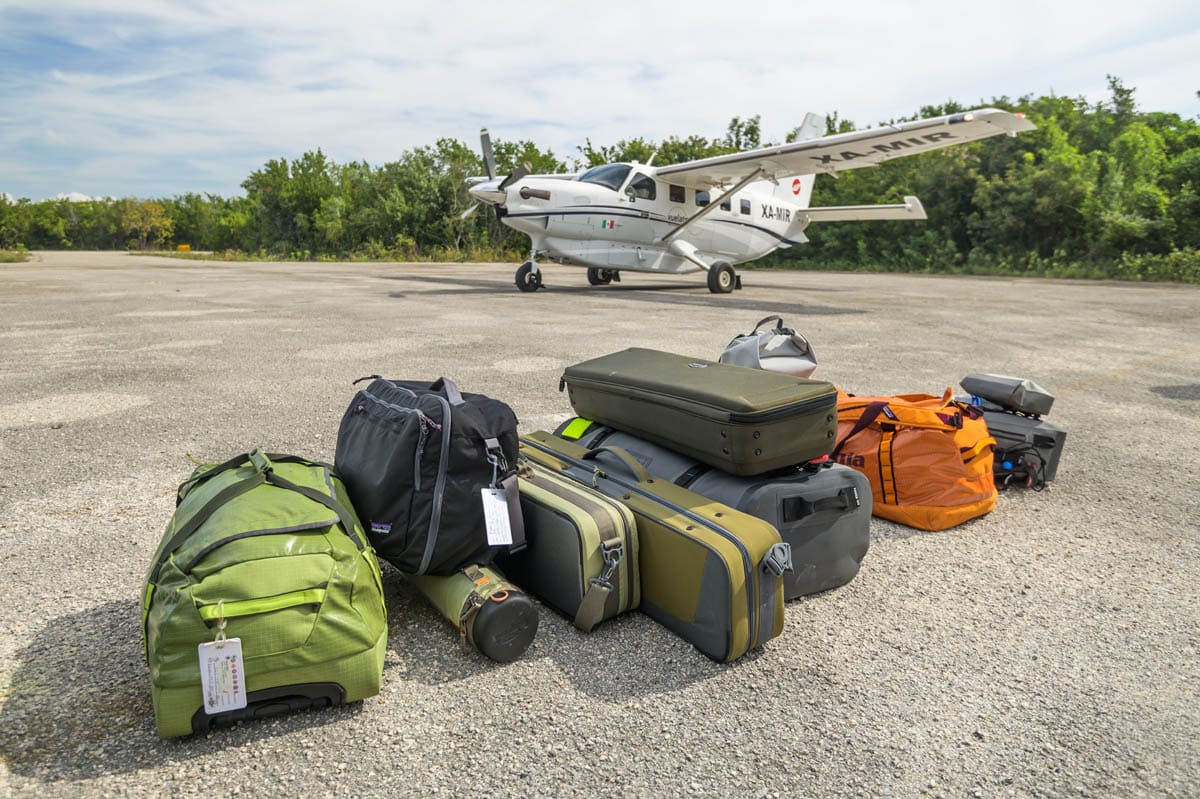
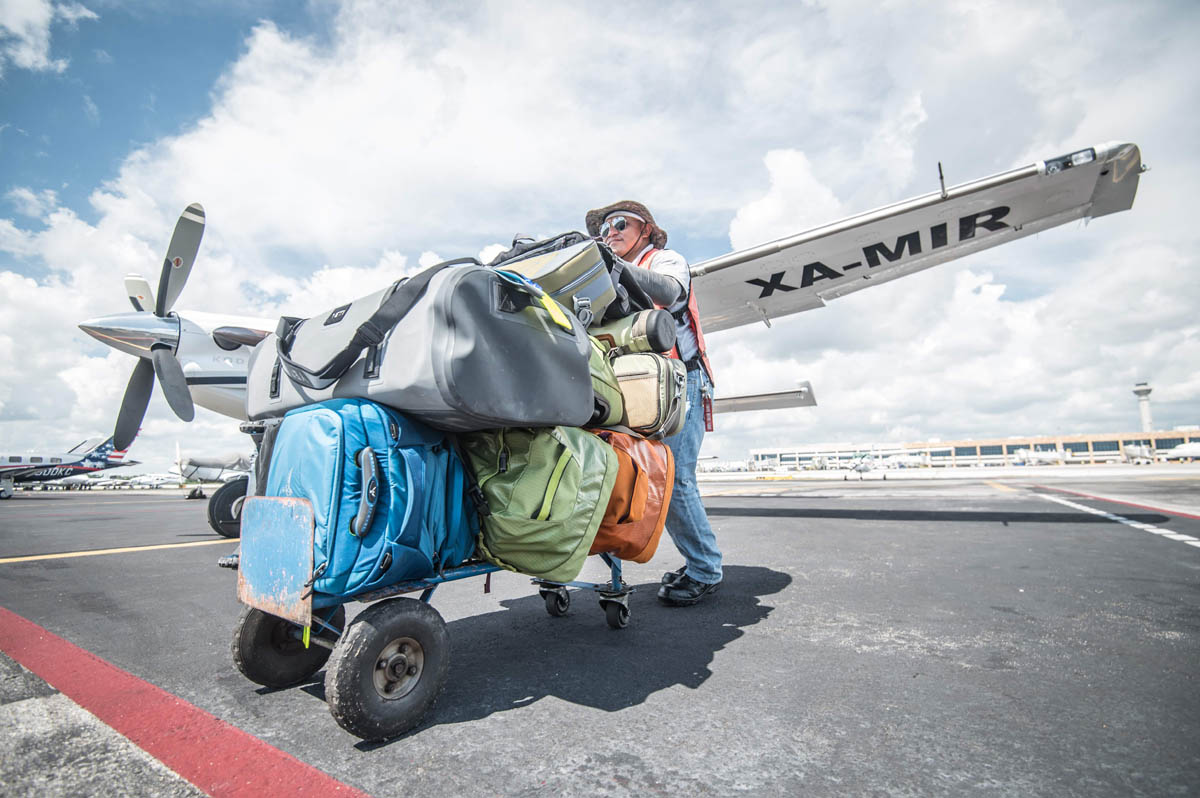
The following morning, guests are transferred from the Courtyard Marriott Cancún Airport Hotel to the private aviation terminal for a scenic charter flight south along the Caribbean coastline into the Sian Ka’an Biosphere Reserve. The flight takes approximately one hour and lands at the remote Pulticlub airstrip, followed by an overland transfer through the reserve to reach the lodge.

Despite its remarkable remoteness, reaching Beh Kay is efficient and straightforward, allowing anglers to comfortably access one of the Caribbean’s most isolated and lightly pressured saltwater fisheries in a single morning of travel from Cancún.
On departure day, guests transfer back to the Pulticlub airstrip in the morning for the return charter flight to Cancún’s private aviation terminal, where transportation will be waiting for the short transfer to CUN Airport. We recommend booking return flights no earlier than 2:00 PM.

LOCATION
Beh Kay Lodge is located on the remote Caribbean coastline near Punta Herrero, Mexico, within the Sian Ka’an Biosphere Reserve on the Yucatán Peninsula. Set directly on the beachfront, the lodge offers immediate access to Espíritu Santo Bay, one of the most celebrated permit fisheries in the region. Sian Ka’an is a vast protected reserve made up of mangroves, lagoons, estuaries, flats, beaches, and Caribbean coastline. This mix of habitats creates an ideal environment for the flats species that define the fishery: permit, bonefish, tarpon, and snook.
Espíritu Santo Bay is known for its diversity. White sand flats, turtle grass meadows, mangrove shorelines, interior lagoons, natural channels, and open coastal flats all combine to create a fishery that changes constantly with tides, wind, light, and water movement.
Part of what makes Beh Kay so special is its remote setting. Far from the developed areas of the Riviera Maya, the lodge sits in a quiet stretch of coastline where each day is shaped by the water, the weather, and the movement of fish across the bay.

The Fishing

What to expect on the water.

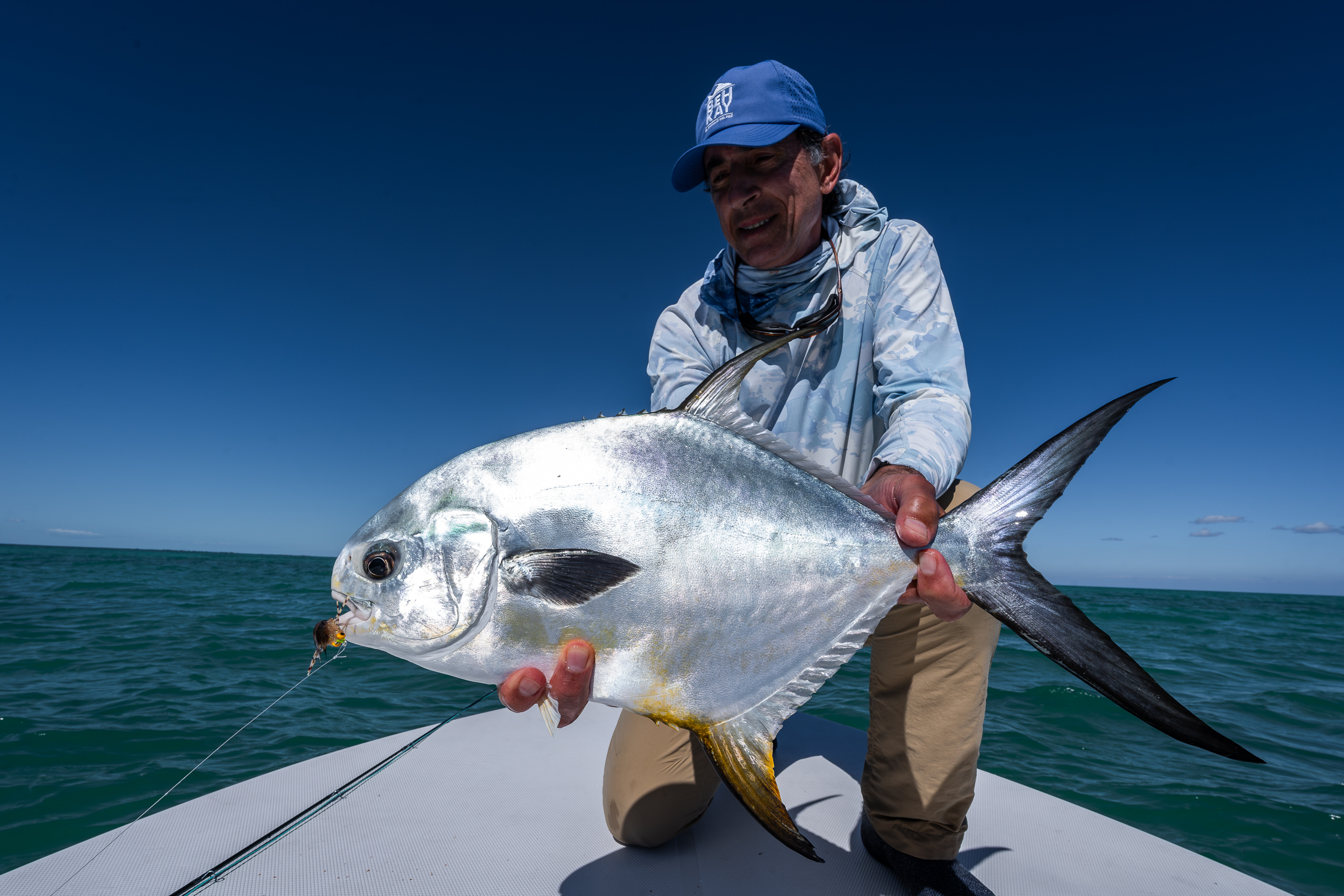
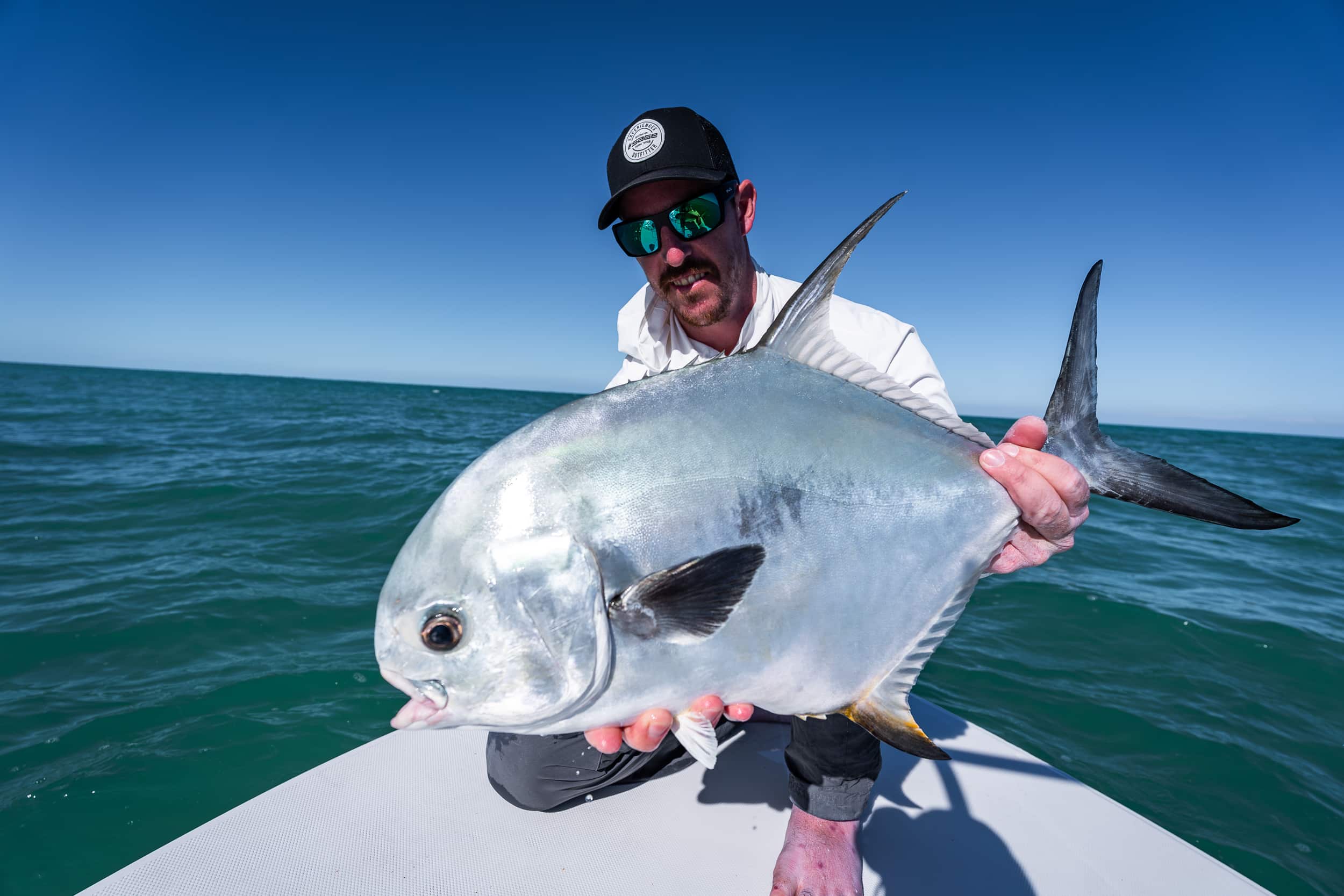
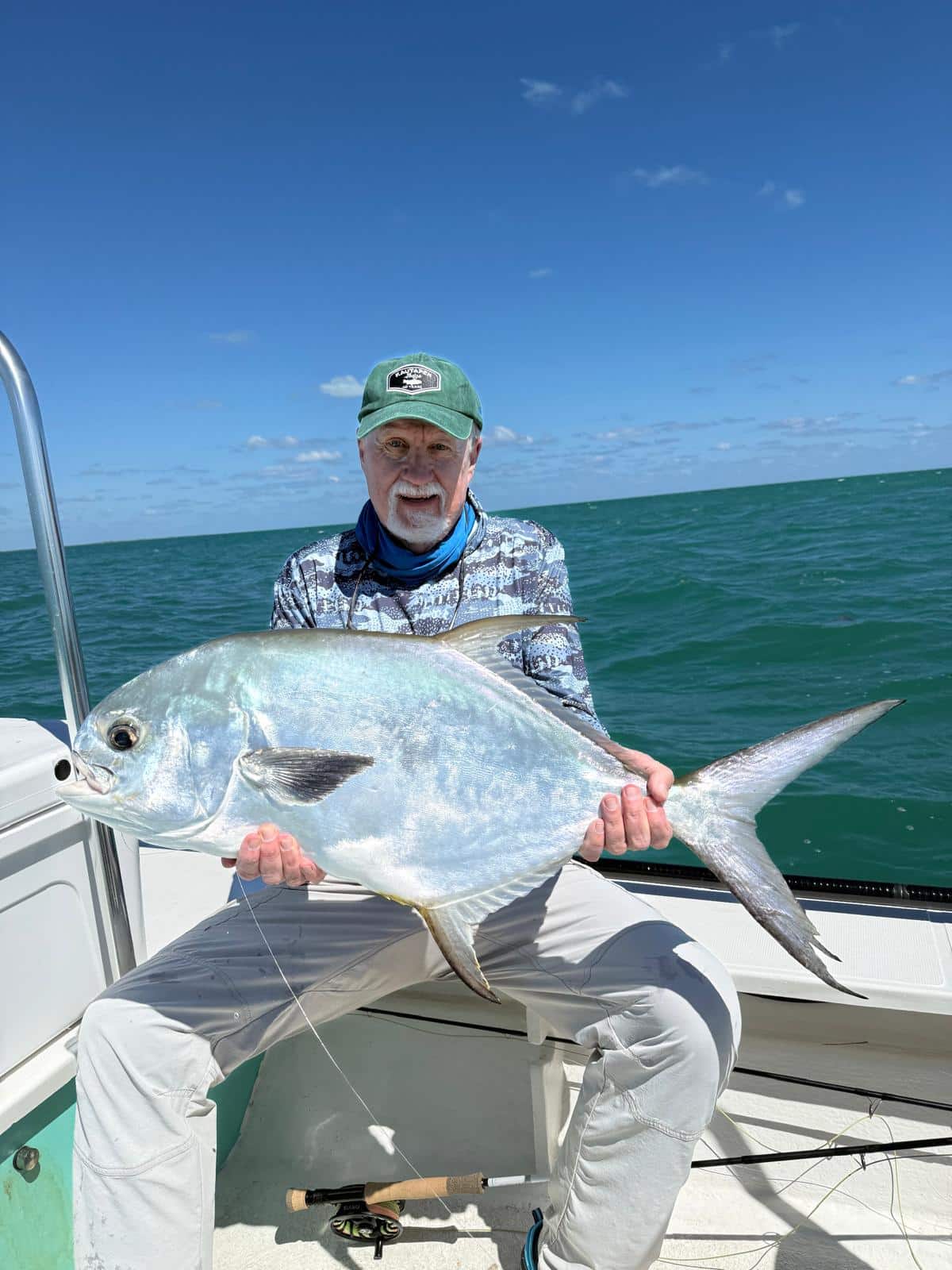
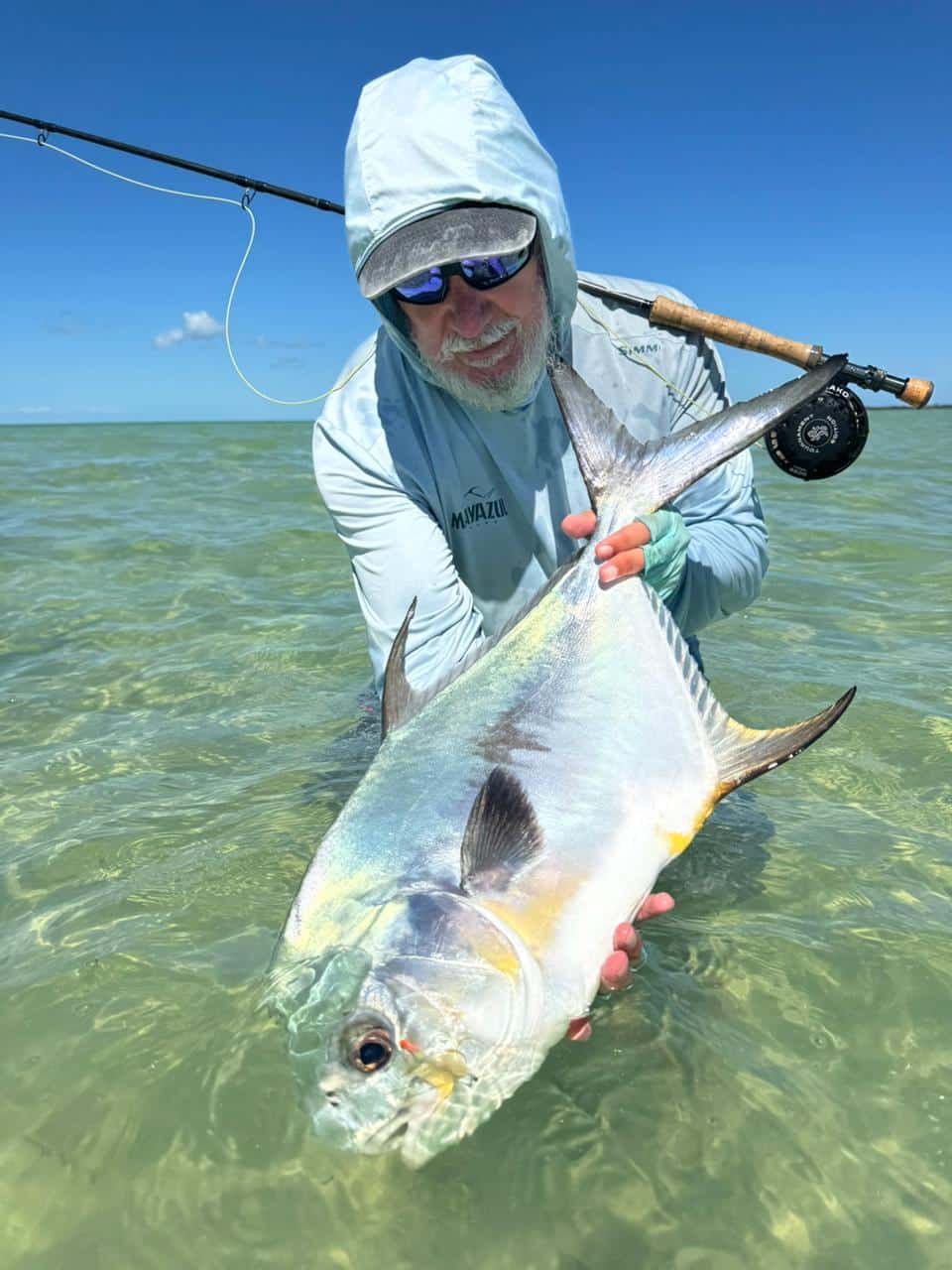
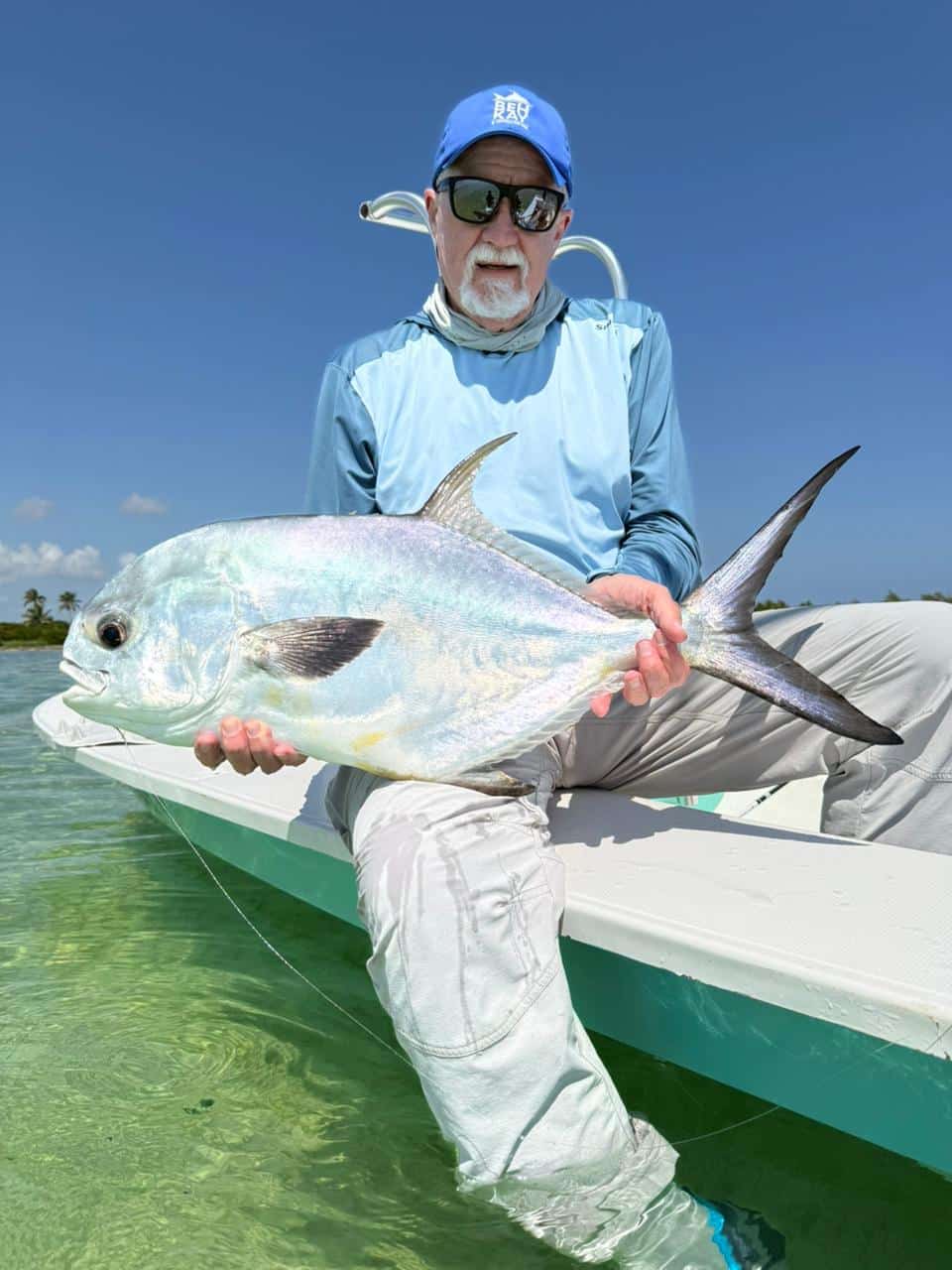
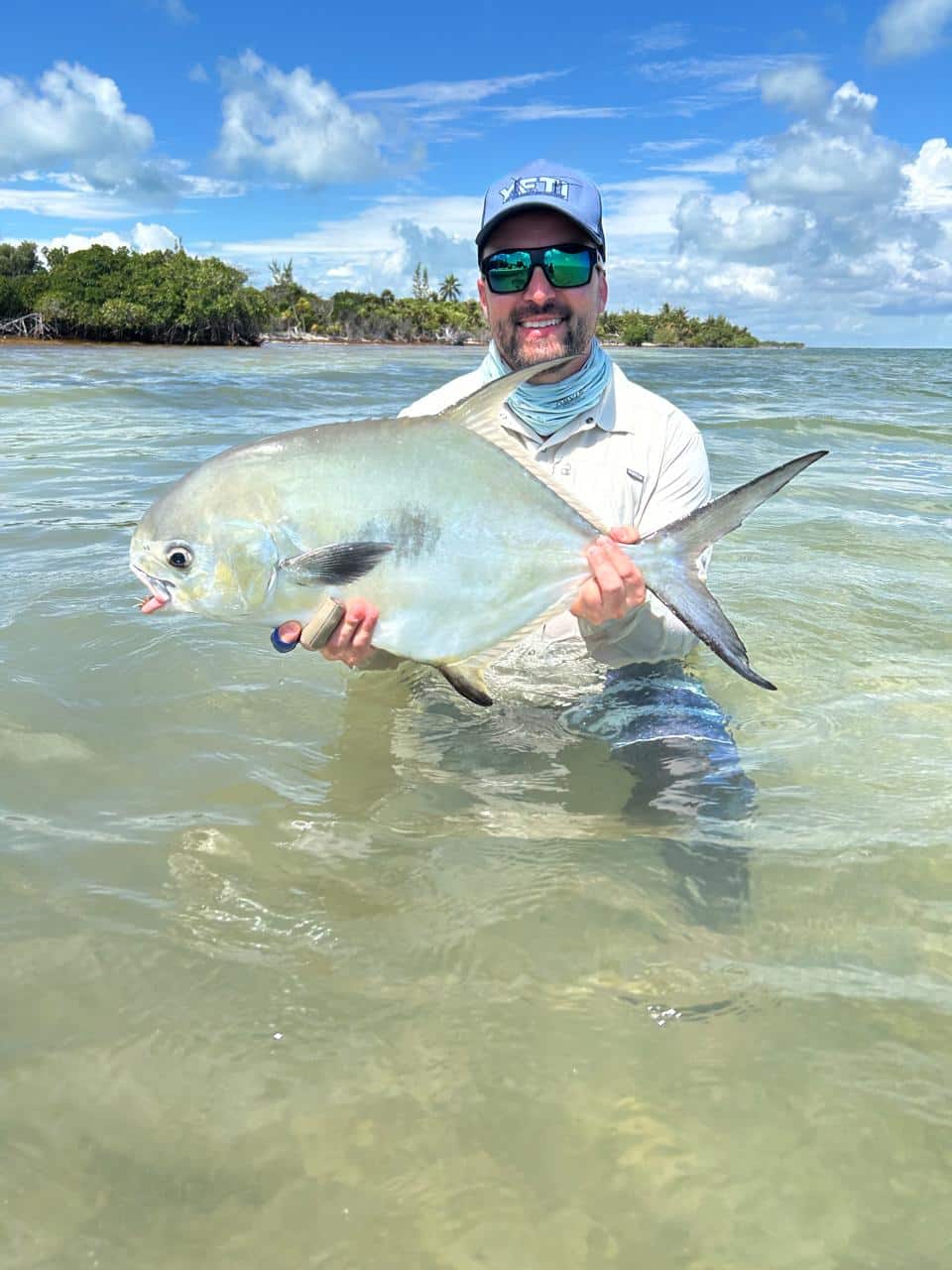
Beh Kay Lodge was built around the pursuit of permit. Set on the shores of Espíritu Santo Bay, the lodge gives anglers access to one of Mexico’s most complete and varied permit fisheries, where changing light, wind, tides, and water movement shape each day on the flats.
This is not a one-dimensional fishery. Across the bay, anglers may encounter permit tailing in skinny water, singles cruising over white sand, large schools moving across turtle grass, fish feeding close to mangroves, or small groups sliding through deeper lagoons and natural channels. Each area asks something different from the angler, and each day brings a new set of decisions. The open flats of the bay offer classic sight-fishing scenarios, with clean water, long visibility, and fish moving across sand and grass. The outer coastlines, both north along the mainland and around Isla Chal, bring a different rhythm, where conditions can shift quickly and fish often behave in less predictable ways. Inside the interior lagoons and the narrow natural channels that connect the system, the fishing becomes more technical. Large schools are less common here. Instead, anglers often focus on singles, doubles, or very small groups of fish, usually in shallower, quieter water where accuracy, timing, and presentation matter most.

PERMIT
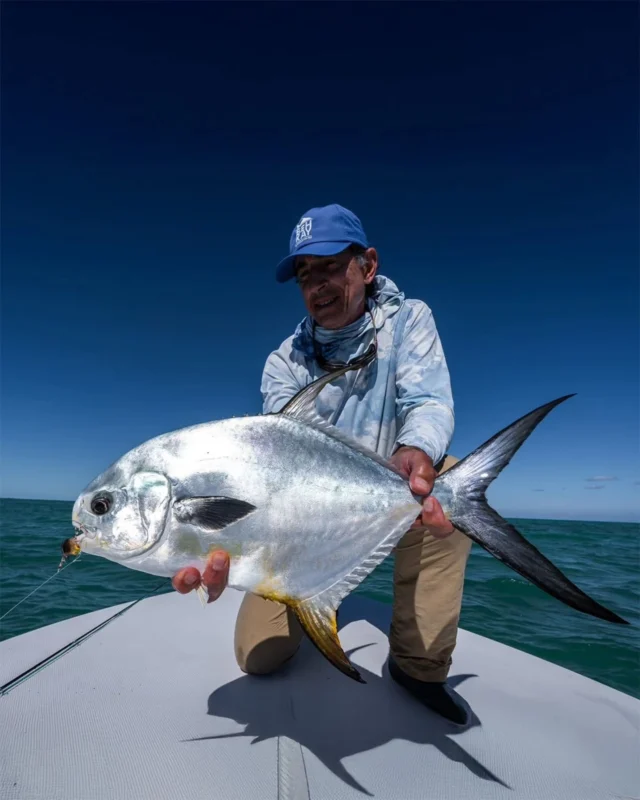
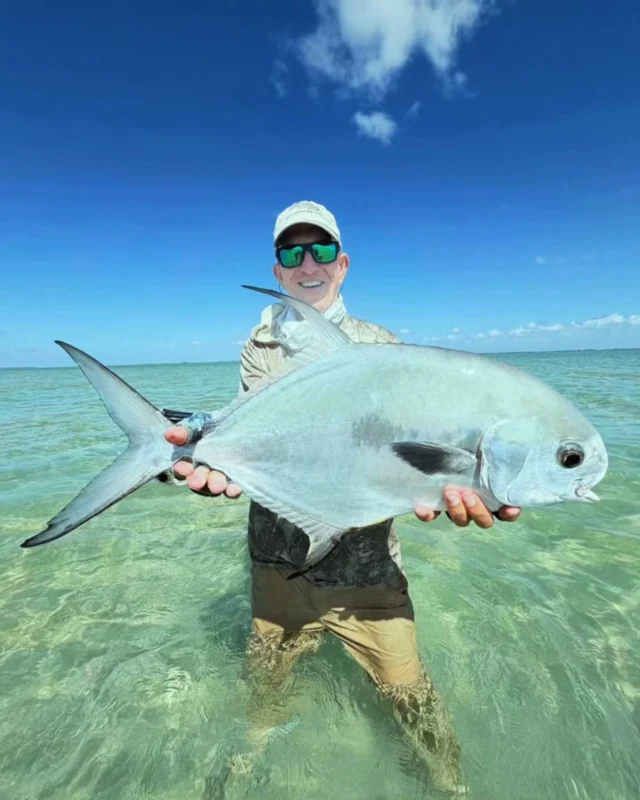
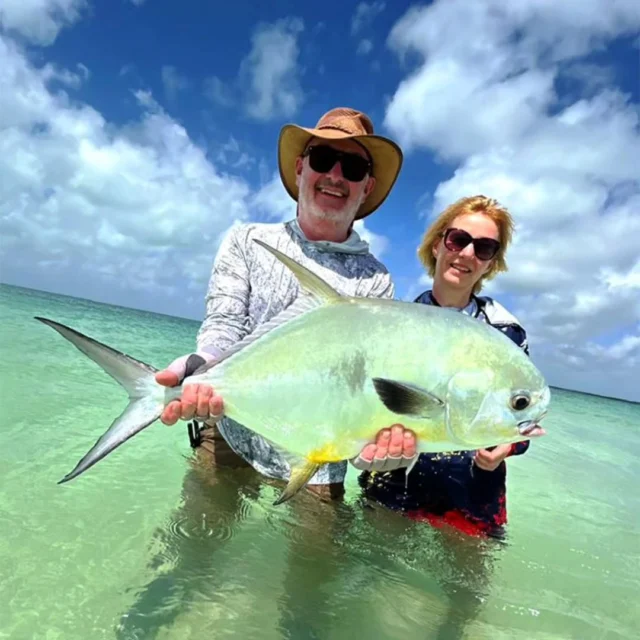
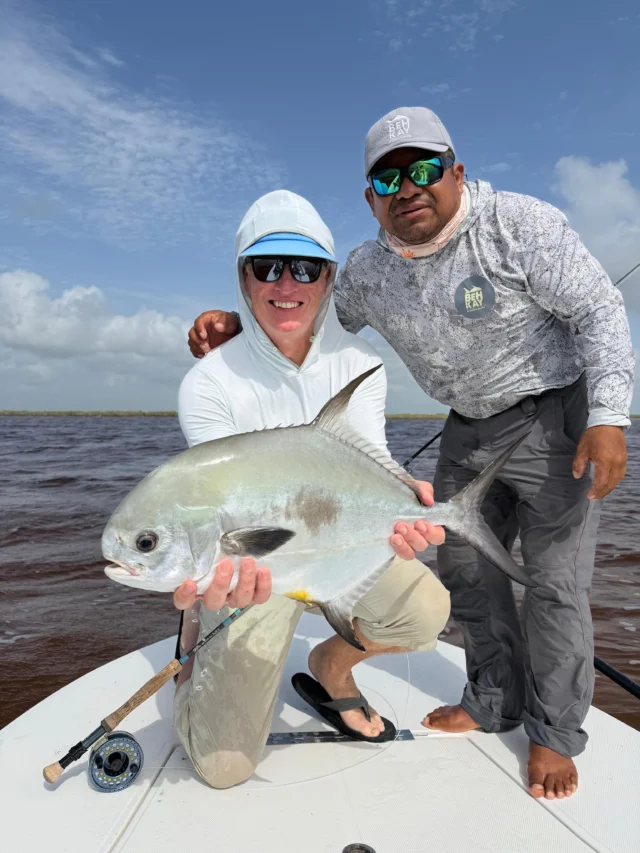
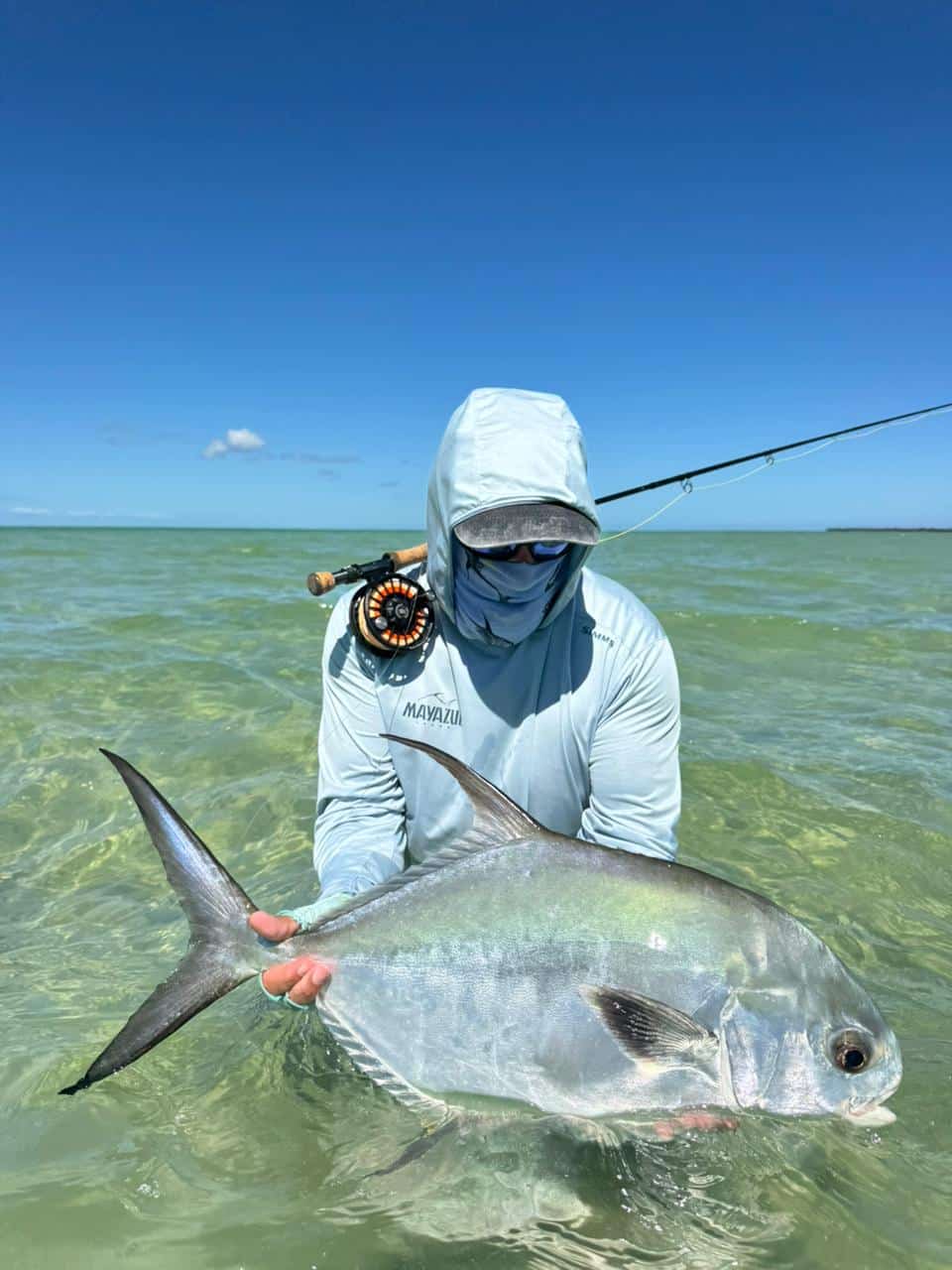
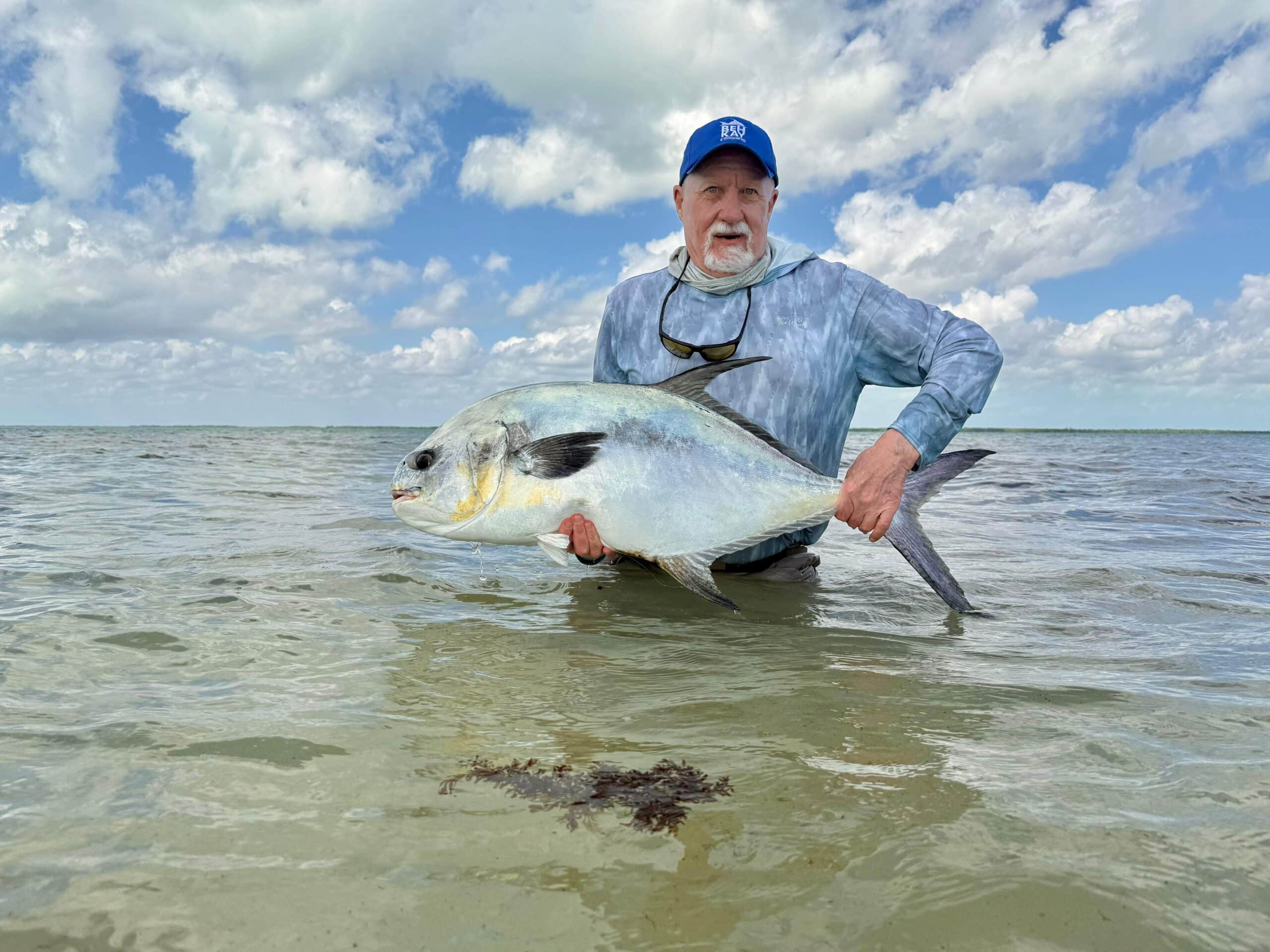
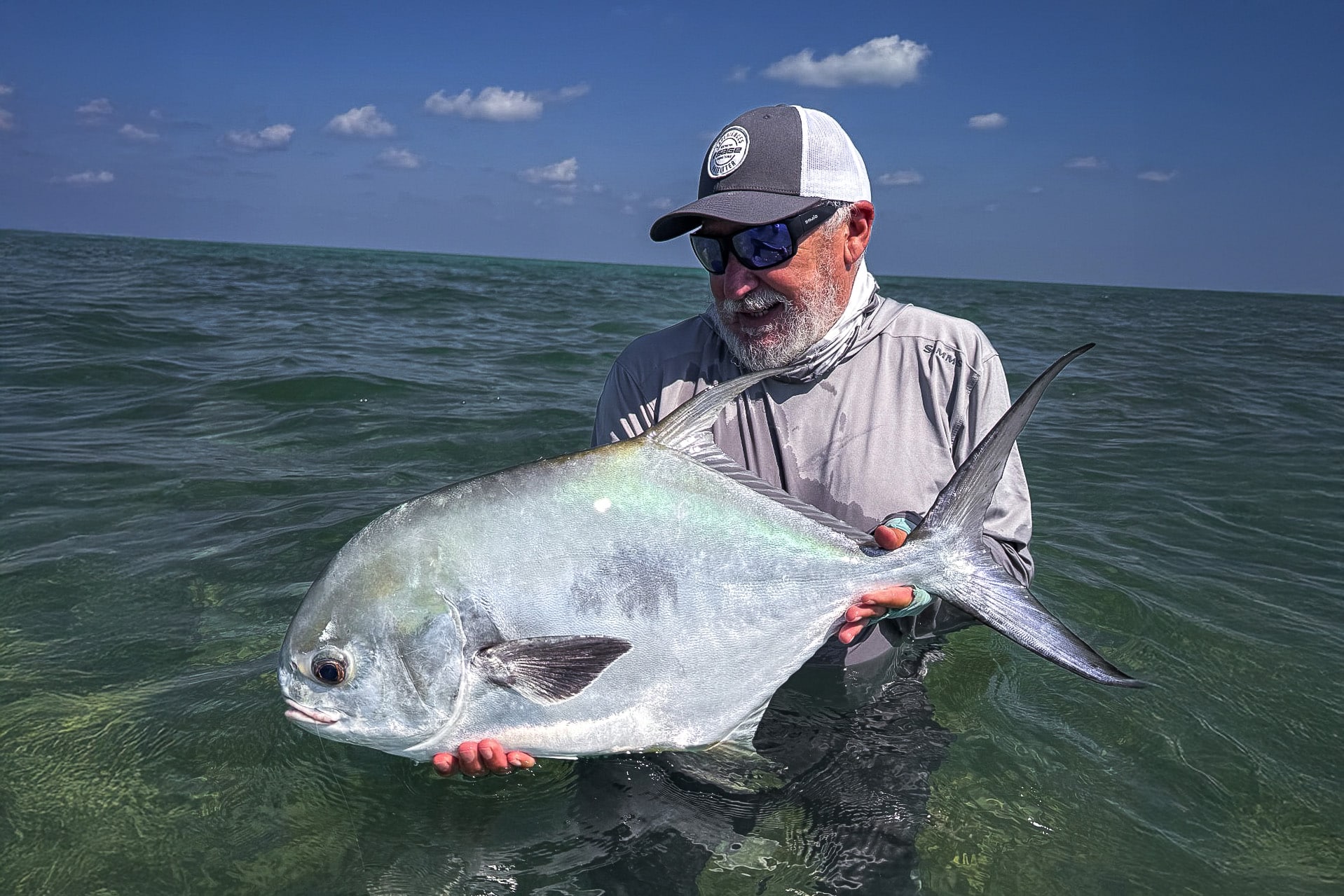
Permit are the defining species at Beh Kay and the reason behind the lodge’s identity as The House of Permit. Everything in the program is organized around creating quality shots at these fish, from the guide rotation and daily planning to the areas selected according to conditions.
Some days are built around covering water and looking for moving fish. Others are slower and more technical, waiting for the right fish to appear in the right light. Anglers may fish from the skiff, wade shallow flats when conditions allow, or work edges, channels, lagoons, and mangroves where permit move and feed throughout the day.
One of the most unique opportunities in Espíritu Santo Bay is the growing chance to target permit on floating flies. When sargassum gathers small crabs and shrimp near the surface, permit may feed higher in the water column, creating one of the most visual and memorable moments in saltwater fly fishing. Watching a fish rise slowly toward a floating fly is a different kind of tension, and one that has become part of Beh Kay’s story.

The guide program is a key part of the experience. Beh Kay’s guides work as a team, rotate with guests throughout the week, and share information about tides, light, wind, fish movement, and productive areas. In a fishery this varied, that collaboration matters. It allows each day to be shaped around the best opportunities the bay is offering. Although permit are the clear focus, Espíritu Santo Bay also gives Beh Kay anglers excellent opportunities for bonefish, tarpon, snook, barracuda, jacks, snapper, triggerfish, and other tropical species. These fish add variety throughout the week and often create memorable moments between permit shots.

BONEFISH
Bonefish are found across many of the bay’s shallow flats and can provide steady action when conditions are right. Large schools often gather near channels leading into the interior lagoons, while larger fish are commonly encountered alone or in small groups inside the lagoons themselves.

TARPON
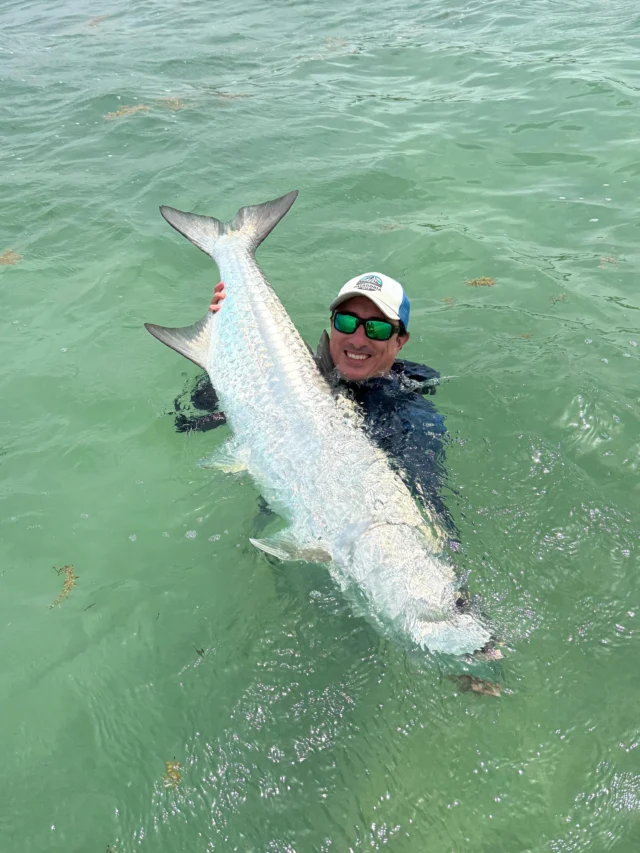
Tarpon are present through much of the season. Juvenile fish inhabit mangroves, protected waters, and areas of reddish water created by concentrated sargassum. During the summer months, larger migratory tarpon move through the system, often traveling across the outer flats and creating exciting sight-fishing opportunities.
SNOOK
Snook are most often found in the interior lagoons and mangrove systems. Anglers may find them tight to roots and structure, or feeding aggressively on schools of baitfish alongside tarpon. These moments can be fast, visual, and explosive.
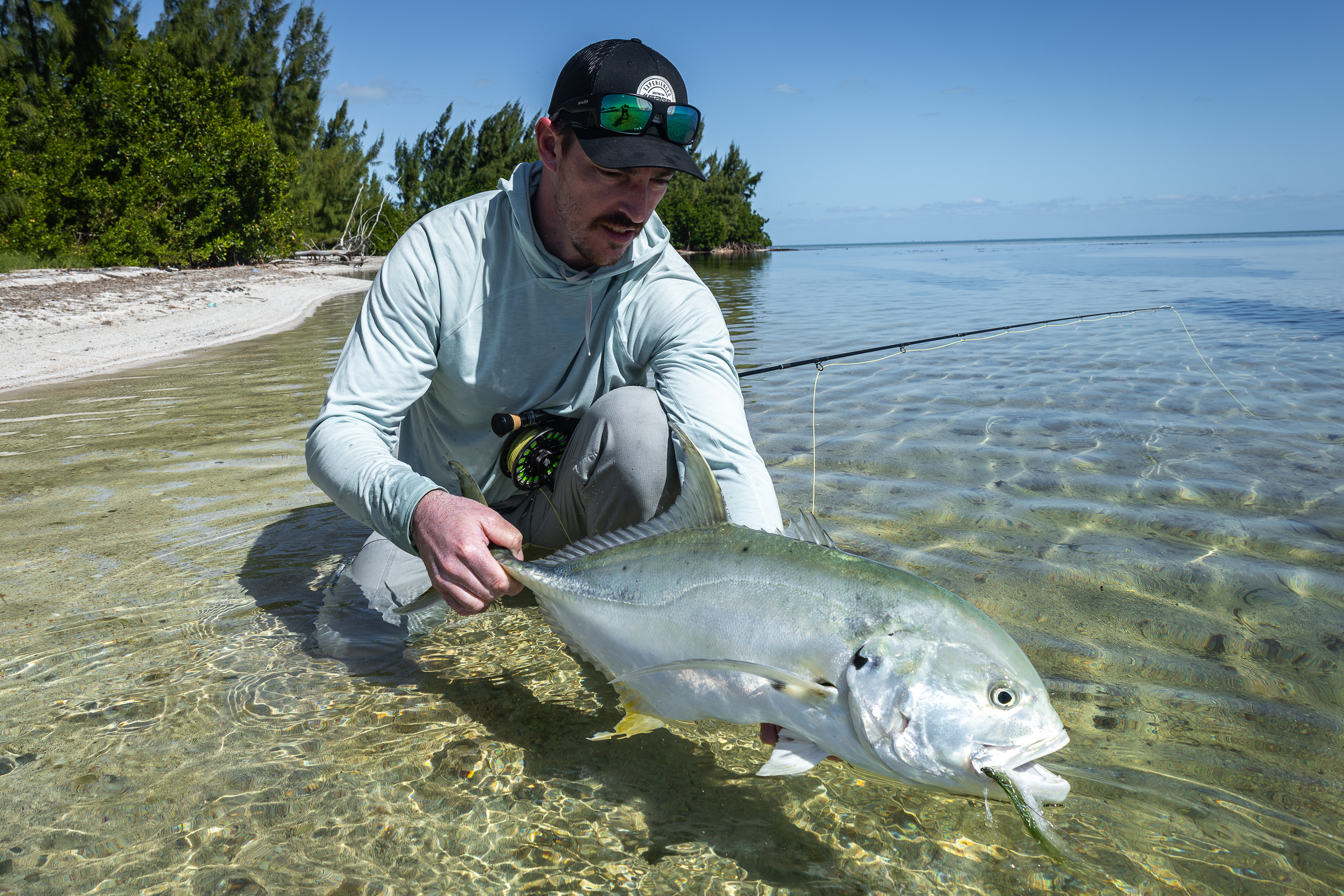
This variety gives Beh Kay real Grand Slam potential, but the program remains clear in its identity: permit first, with the rest of the bay always adding depth, surprise, and opportunity.

Beh Kay Lodge weeks are scheduled from Thursday to Thursday.
The typical trip does not include guided fishing on arrival or departure days, allowing guests time to settle into the lodge, organize tackle, and enjoy the relaxed beachfront atmosphere. Fishing days at Beh Kay are full and flexible, built around tides, weather conditions, light, and the best permit opportunities available each day.

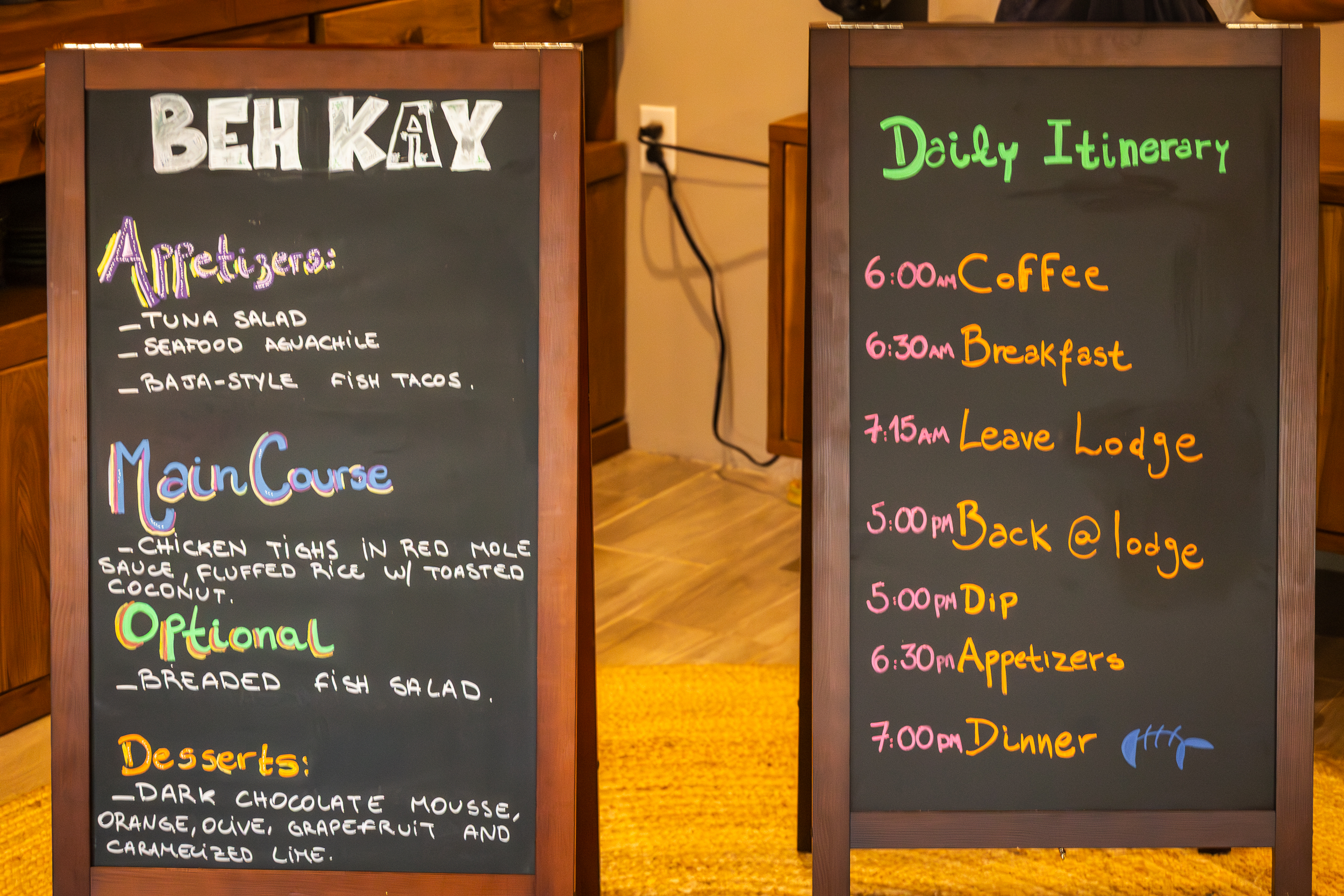
Daily Itinerary
6:00 AM – Coffee available in the main lodge
6:30 AM – Breakfast served
7:00 AM – Depart lodge for the fishing grounds
8:00 AM – Begin fishing
12:00 – 1:00 PM – Lunch taken on the water
5:00 PM – Return to the lodge for cocktails and appetizers
7:00 PM – Dinner served

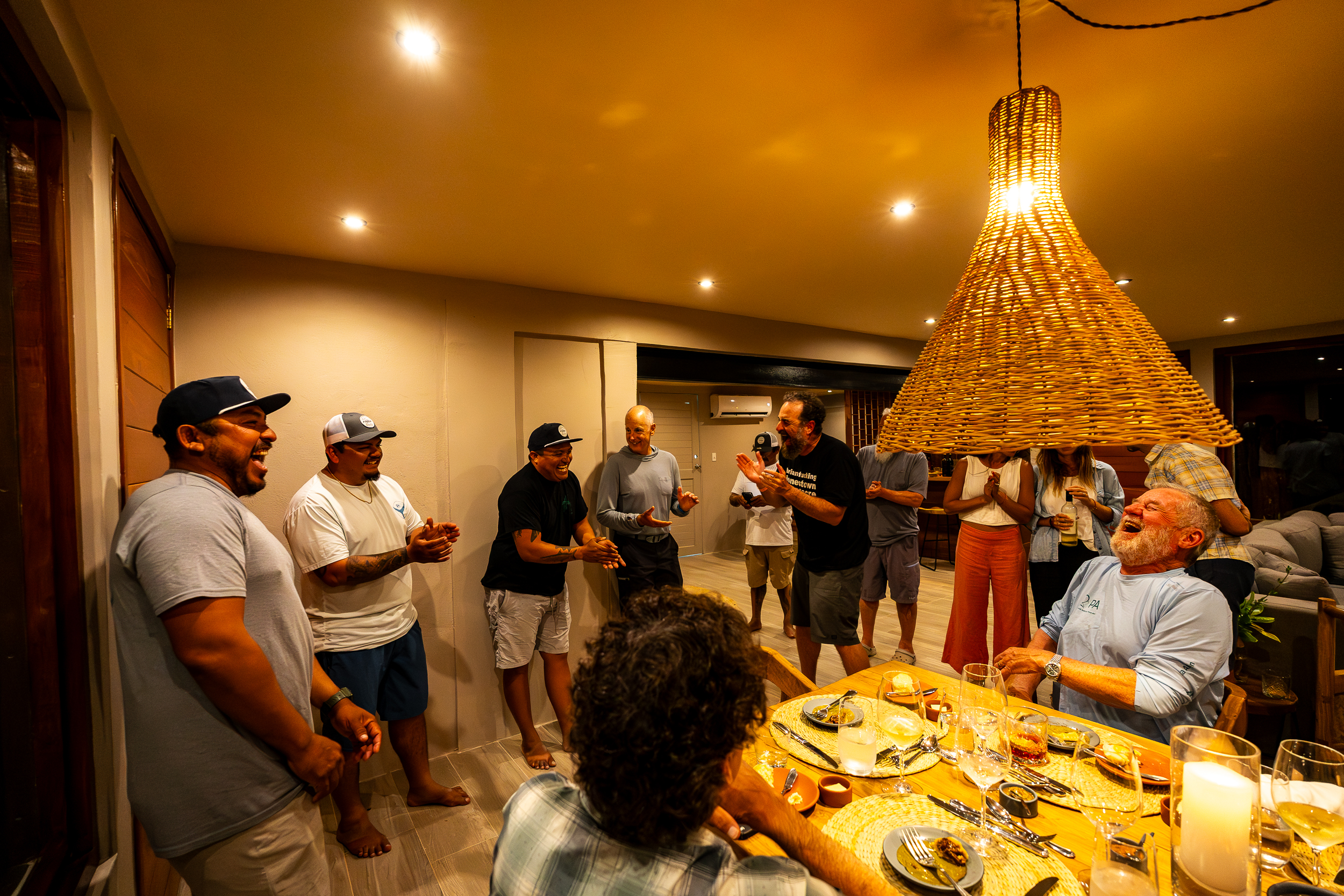
After dinner, guests often gather in the main lodge for drinks, fly tying, and stories from the day on the flats.

Fly fishing equipment

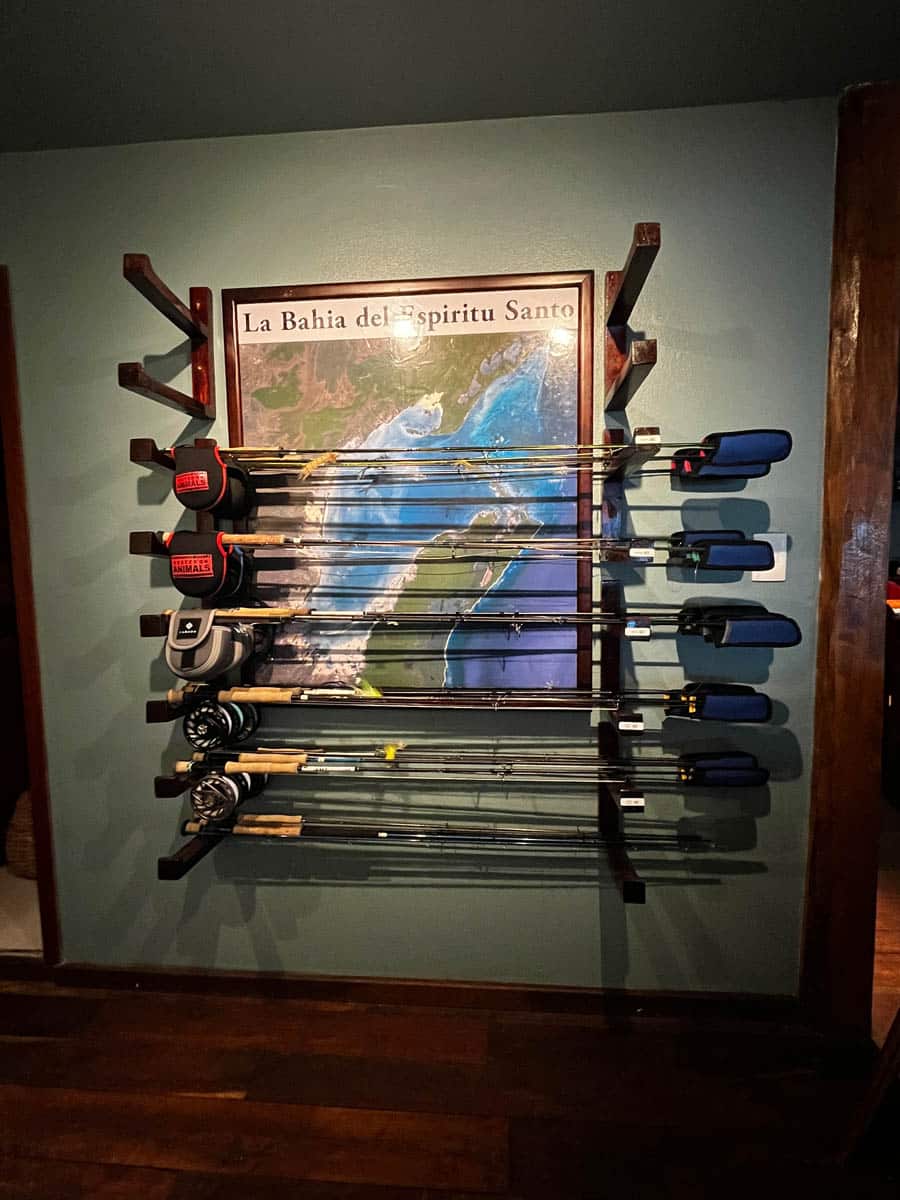
Beh Kay lodge provides anglers with high-quality loaner fly fishing equipment

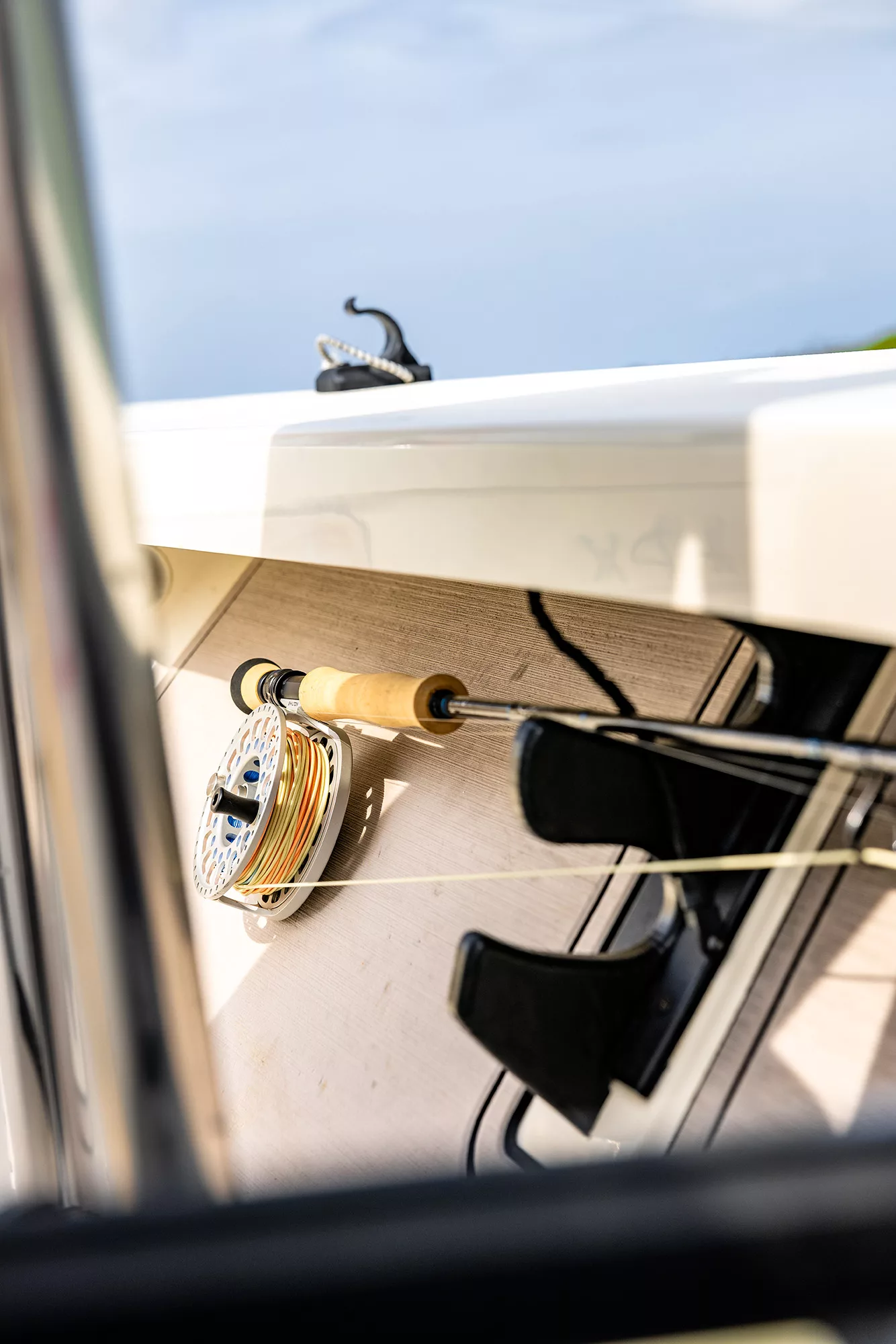
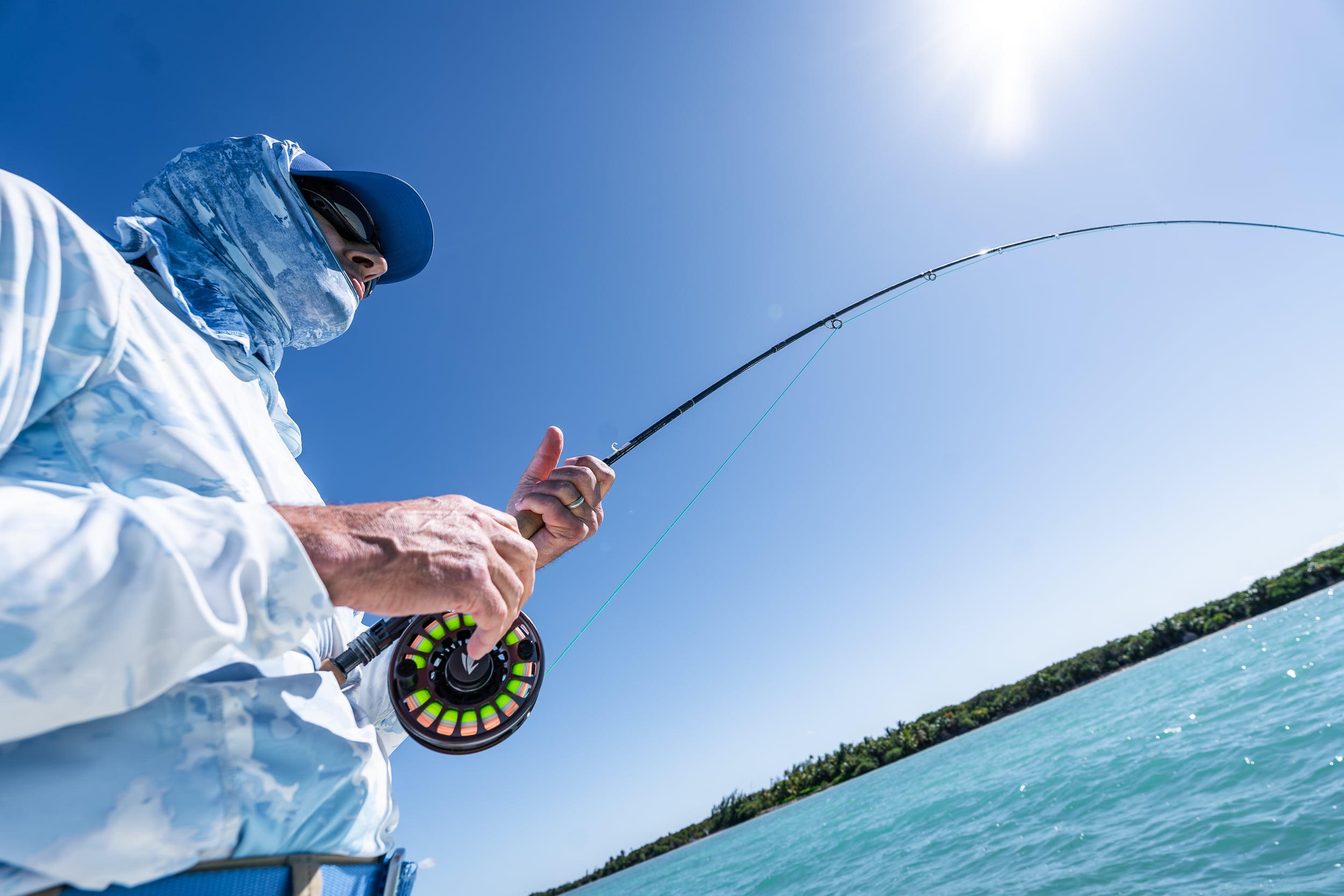
Beh Kay Lodge is proud to be recognized as a Sage Experience destination—a curated collection of the world’s finest fly-fishing lodges, selected by Sage for their exceptional fishing opportunities, personalized service, and authentic sense of place. As part of this exclusive program, Beh Kay offers guests access to high-performance Sage rods and RIO lines, perfectly matched to the technical demands of Espíritu Santo Bay’s legendary permit, tarpon, bonefish & snook fishing.


RODS

  • 7 wt. 9-foot (for bonefish)
  • 9wt. 9-foot (for permit): 2 rods set-ups
  • 10wt. 9-foot (for baby tarpon and snook)
  • 11wt. 9-foot (for migratory tarpon)
REELS/LINES:

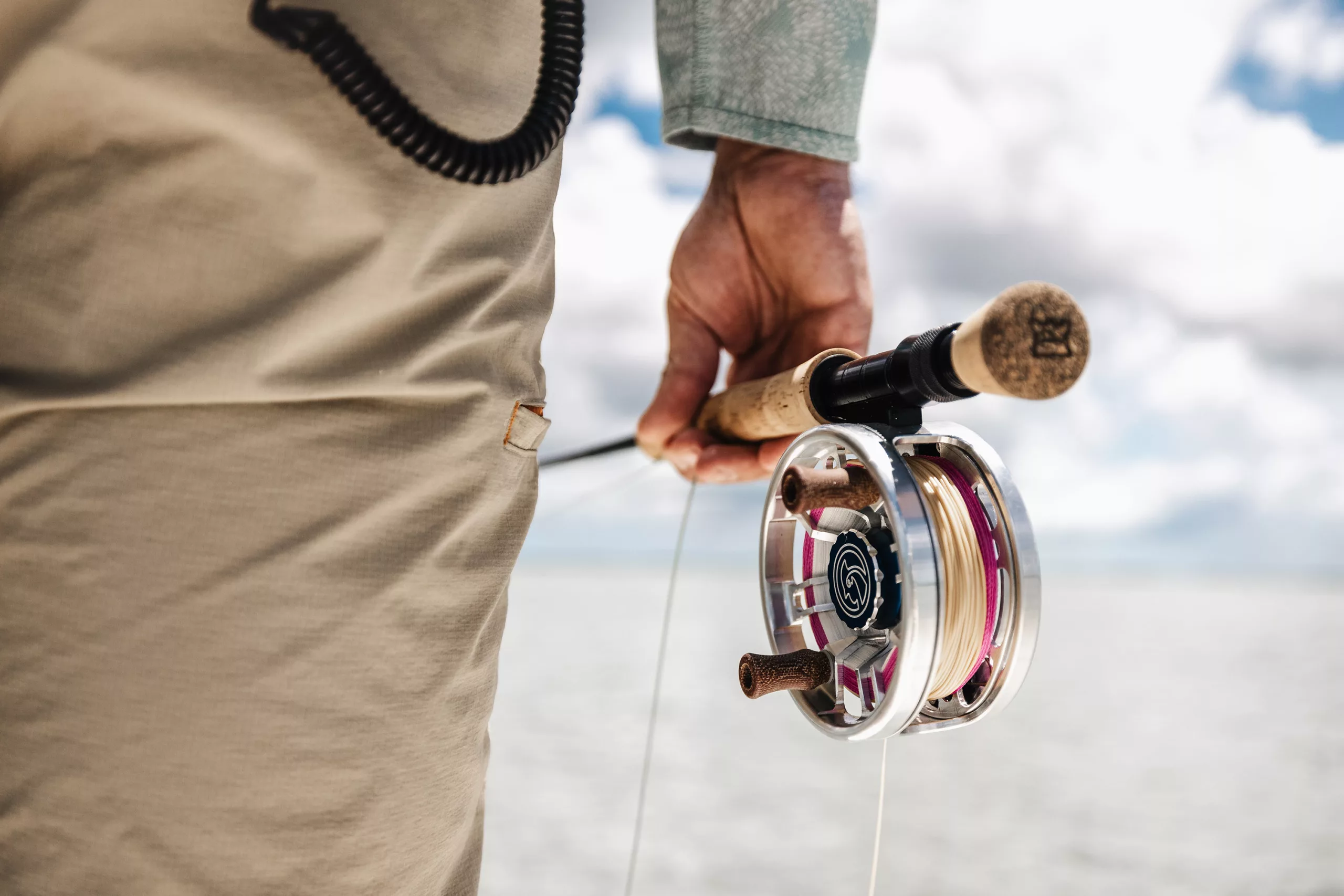
Saltwater capable reels with adjustable drags, capacity for 150 yds of 30lbs backing.

  • 7wt. tropical weight-forward Bonefish line
  • 9wt. tropical weight-forward Permit line – 2 different set-ups for Permit, both with floating lines rigged with different crab-patterns.
  • 10wt. tropical weight-forward Tarpon line (for Baby Tarpon & Snook)
  • 11wt. tropical weight-forward Tarpon line (for migratory Tarpon)
LEADERS

For Permit

        • Leader Recommendations: 10’ – 12-20lb Fluorocarbon (mostly 16lb)
        • Tippet Recommendations: (1 Spool of Each – Fluorocarbon) – 12lb, 16lb

We recommend fishing 10-12 foot 16 pound test tapered leaders most often. There are times when you can get away with a 17-20 pound test, while sometimes you will need to downsize to 12 pound. For this reason, you should have additional leaders and tippet material on hand. We also always recommend using fluorocarbon tippet material as it is more abrasion resistant.
For Bonefish

        • Leader Recommendations: 9’ or 10’ – 8.8 and 10lb 
        • Tippet Recommendations: (1 Spool of Each – Fluorocarbon) – 8 lb, 10 lb, 12 lb

Average Espíritu Santo Bay bonefish are not particularly large (2-3 pounds) and can be leader shy at times. Normally 9-10 foot 8 lb tapered leaders work fine. At other times you can get away with 10-12 lb leaders and tippet, so you should have these on hand. Although not mandatory, we always recommend using fluorocarbon tippet material as it is more abrasion resistant.

For Tarpon

        • Straight Fluorocarbon Recommendations
        • Juvenile “Baby” Tarpon: 40-50 lb Straight Fluoro
        • Adults(May -September): 80lb Straight Fluorocarbon
        • Class Leader Recommendations
        • Juvenile “Baby” Tarpon: 16lb Class – 40-60lb Shock
        • Adults (May – September) 16-22 lb Class – 80 lb Shock

For Snook
Snooks are generally not very leader shy and you should be able to present your typical baby-tarpon fly rigged with 40 or 50 lb successfully without having to change flies or leader.

For Barracudas & Sharks
Barracuda will eat long needlefish and baitfish patterns stripped very quickly. Ideally, your ‘cuda fly has a tandem or trailer hook to increase the likelihood the hook will hold. Both lemon sharks and barracuda will eat poppers as well. A 4-5 foot piece of straight monofilament with a 30” wire “bite” tippet is required. We recommend a minimum of 35-40 lb wire and our favorite brand is the knottable wire by Rio, as it is easy to knot and super strong.

FLIES

For Permit
Permit’s primary food source in Espíritu Santo Bay mainly consists of small crabs and spawning or mantis shrimp. The choice of crab and shrimp patterns, varying in sizes and weights (such as lead eye and bead chain eyes), depends on the fishing location and the depths being explored. A diverse array of flies becomes crucial to match the right pattern, accounting for distinct bottom structures, water depths, and fish behaviors. Among the essential flies for permit, variations of tan and white ragheads, typically in size #2 or #4, top the list. Equally significant are patterns imitating spawning and mantis shrimp. Notably, Enrico Puglisi’s range offers the finest Spawning Shrimp patterns, available in diverse styles, colors, sizes, and with different eye types (bead chain and lead).

        • Casa Blanca Raghead Crab | COLOR: White | SIZE: 2, 4
        • Casa Blanca Raghead Crab | COLOR: Tan | SIZE: 2, 4
        • Raghead Crab | COLOR: Tan | SIZE: 2, 4
        • Tequila Twister | COLOR: Tan | SIZE: 2, 4
        • ER Crab | COLOR: Tan | SIZE: 2, 4
        • Enrico Puglisi Spawning Shrimp | COLOR: Tan, White | SIZE: 2, 4
        • Enrico Puglisi Ascension Bay Crab | COLOR: Tan | SIZE: 2, 4
        • Cathy’s Fleeing Crab | COLOR: Tan | SIZE: 2, 4
        • Various Enrico Puglisi Crabs | COLOR: Tan | SIZE: 2, 4
        • Avalon Fly | COLOR: Tan | SIZE: 2

For Bonefish
Typically, Espíritu Santo Bay’s bonefish exhibit a preference for smaller flies, ranging from size #6 to #8, though having a couple of size #4 flies on hand is advisable. Instead of having numerous patterns, a smart approach involves curating a practical assortment of the top 8 to 10 most effective flies in diverse colors, sizes, and weights. This strategy enables precise matching of patterns to varying bottom structures and water depths. Choosing the ideal bonefish selection for Espíritu Santo Bay need not be overly complex—adhering to fundamental patterns is the key.

        • Gotcha | COLOR: Pearl | SIZE: 6, 8
        • Bunny Gotcha | COLOR: Tan | SIZE: 4, 6
        • Crazy Charlie | COLOR: Brown, Tan, White, Pink | SIZE: 6, 8
        • Beck’s Silli Legs | COLOR: Tan | SIZE: 6, 8
        • Bonefish Scampi | COLOR: Tan/Pink, Tan/Brown | SIZE: 6, 8
        • Bonefish Junk | COLOR: Tan, Brown | SIZE: 6
        • Pink Puff | COLOR: Pink | SIZE: 6
        • Bonefish Bitter | COLOR: Amber | SIZE: 6, 8
        • Veverka Mantis Shrimp | COLOR: Tan | SIZE: 6

Gotchas, Charlies, Sillilegs, Puffs, Bitters, and other basic shrimp and small crab imitations Flies size #4, #6, #8

For Tarpon
The majority of the tarpon fishing on Espíritu Santo Bay is in the backcountry lagoons and lakes for juvenile “baby” tarpon in the 5-25 pound range. During the late spring and summer months you may also encounter large adult, migratory tarpon on the flats or near the reef on a calm day. Almost any type of baitfish pattern or standard issue tarpon pattern will work well – in accordance to the size of the fish being targeted. Baby tarpon flies should be 1/0 – 2/0 & adult tarpon flies should be as large as 3/0 – 4/0. There is no scientific method to prepare your tarpon box, so just have a nice cross section of the following recommendations as well as any of the standard tarpon patterns you may already have. It is also a good idea to have a few tarpon toads and deceivers in the arsenal.

        • Fishalicious | COLOR: Red / White | SIZE: 2/0
        • Tarpon Toads | COLOR: Red/Black, Purple, Chartreuse, Brown, Tan | SIZE: 1/0 – 3/0
        • Triple Threat | COLOR: Brown | SIZE: Large & Small
        • Big-Eyed Tarpon | COLOR: Brown/Orange | SIZE: 1/0 – 3/0
        • Green Zima | COLOR: Green | SIZE: 2/0
        • Tarpon Snake | COLOR: Black | SIZE: 3/0
        • Various Clousers & Deceivers | COLOR: Green, Blue, Chartreuse, Black, White | SIZE: 3/0-2
OTHER SPECIES // SELECTION OF FLIES FOR OTHER POPULAR SPECIES

For Barracuda & Sharks

        • Snookeoo | COLOR: Red/White | SIZE: 2
        • ‘Kuda Fly | COLOR: Chartreuse | SIZE: 4
        • Major Herring | COLOR: Blue / White | SIZE: 3/0
        • Clouser Minnow | COLOR: Chartreuse / White, Blue / White | SIZE: 2/0, 2, 4
        • Saltwater Popper | COLOR: Chartreuse, Red/White, Blue | SIZE: 2/0, 2
        • Seaducer | COLOR: Red / White | SIZE: 2
        • Various Deceivers | COLOR: Multiple | SIZE: 2/0, 2, 4
        • Various Enrico Puglisi Spawning/Mantis Shrimp | COLOR: Tan, Root Beer, Olive, Pink | SIZE: 4, 1/0

For Snook
Snook will eat most all standard baitfish and baby tarpon flies, however as a rule of thumb snook tend to key in on red and white colored flies in particular. Make sure to have a handful of red/white clousers, deceivers, and even a few poppers in the box for snook. Snooks are generally not very leader shy and you should be able to present your typical baby tarpon fly rigged with 40 or 50 lb successfully without having to change flies or leader.

FOOTWEAR

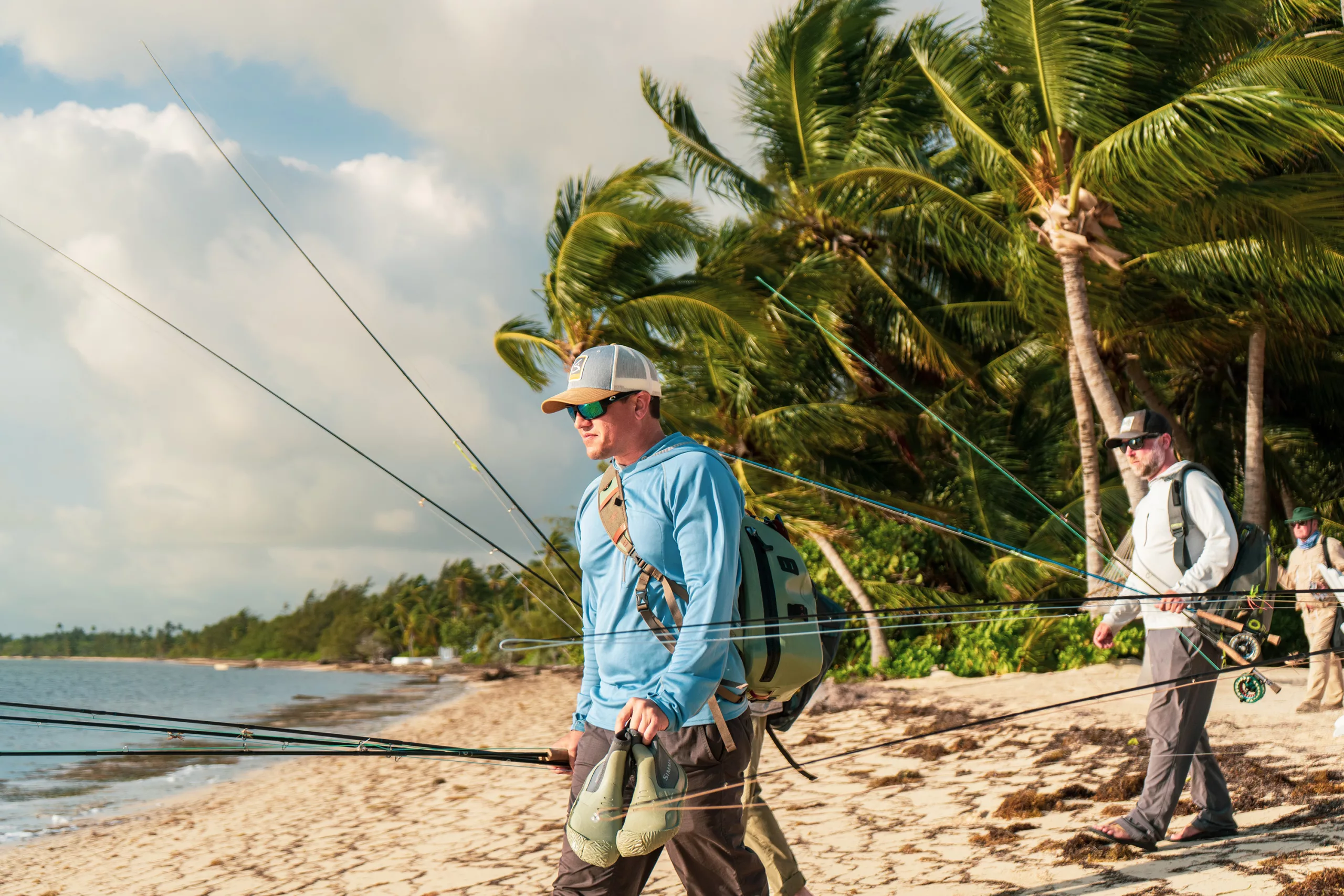
High-quality wading boots for bonefish areas.

If you are planning on fishing for permit exclusively, you can get away with some simple closed-toed sandals (Keen, Simms, or Teva). A Hip/Chest Pack for essentials is crucial when wading.

Culinary Experience in Beh Kay Lodge

At Nervous Waters, out goal is to deliver a true taste of Mexico.

The Fusion of Sea and Culture:

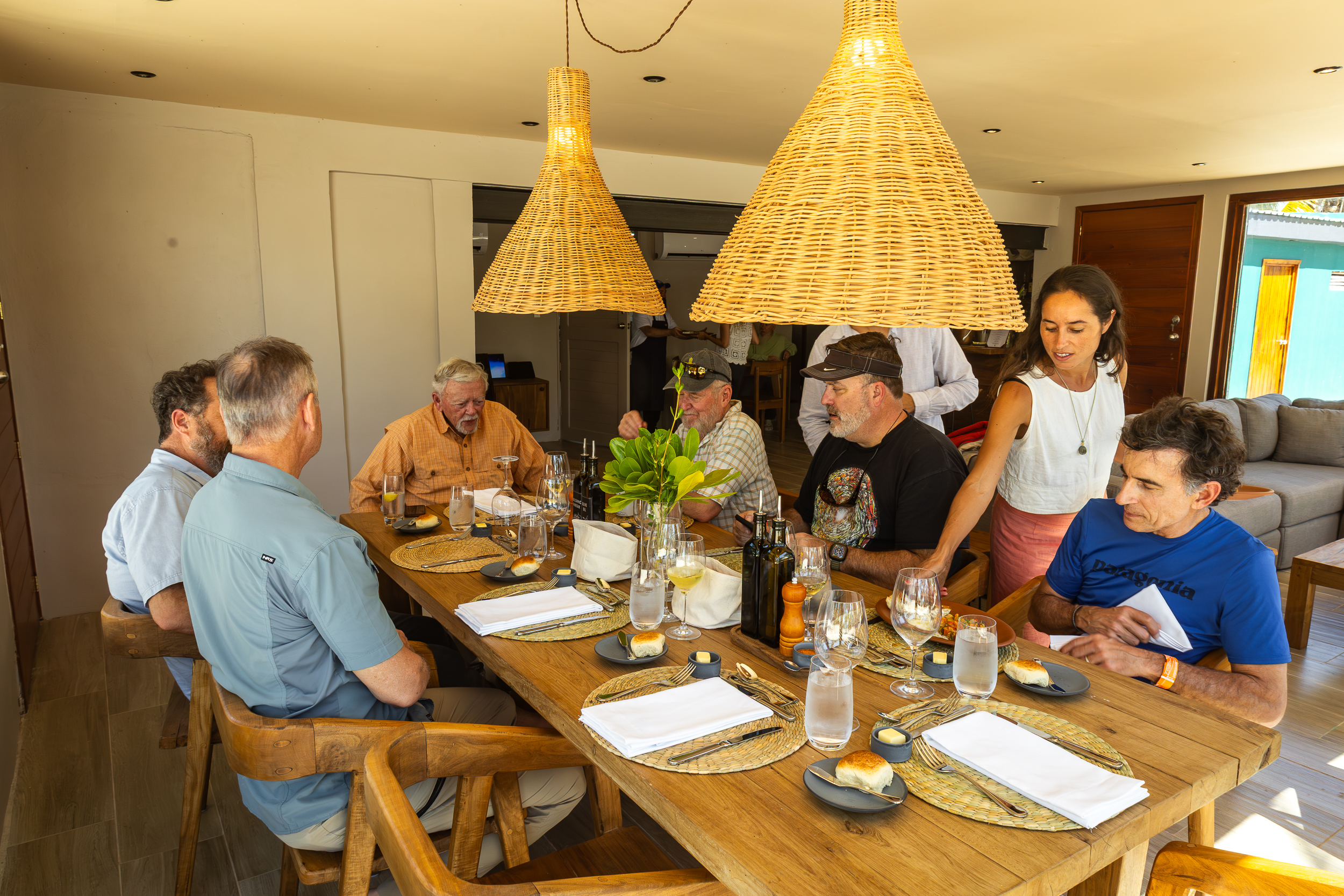
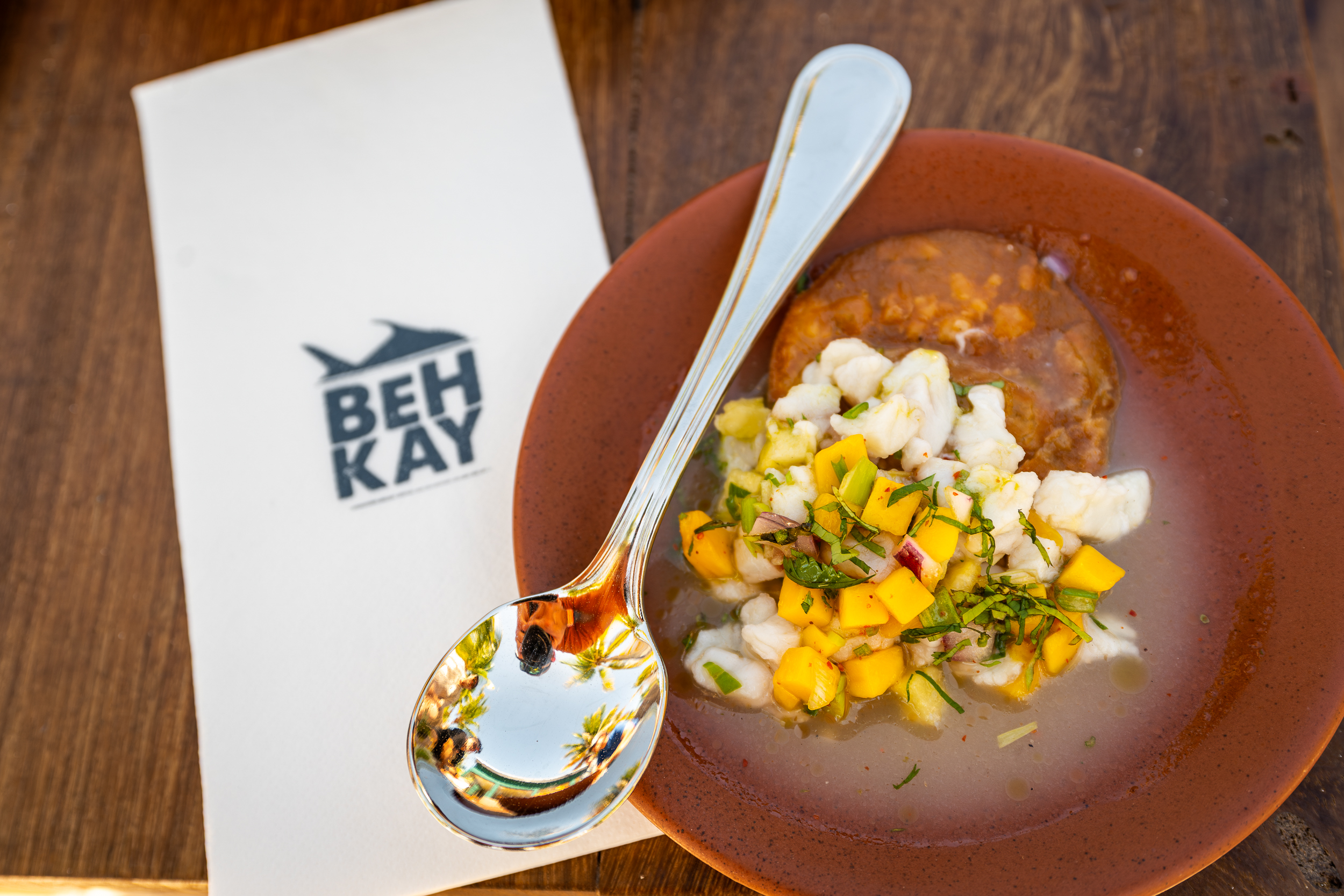
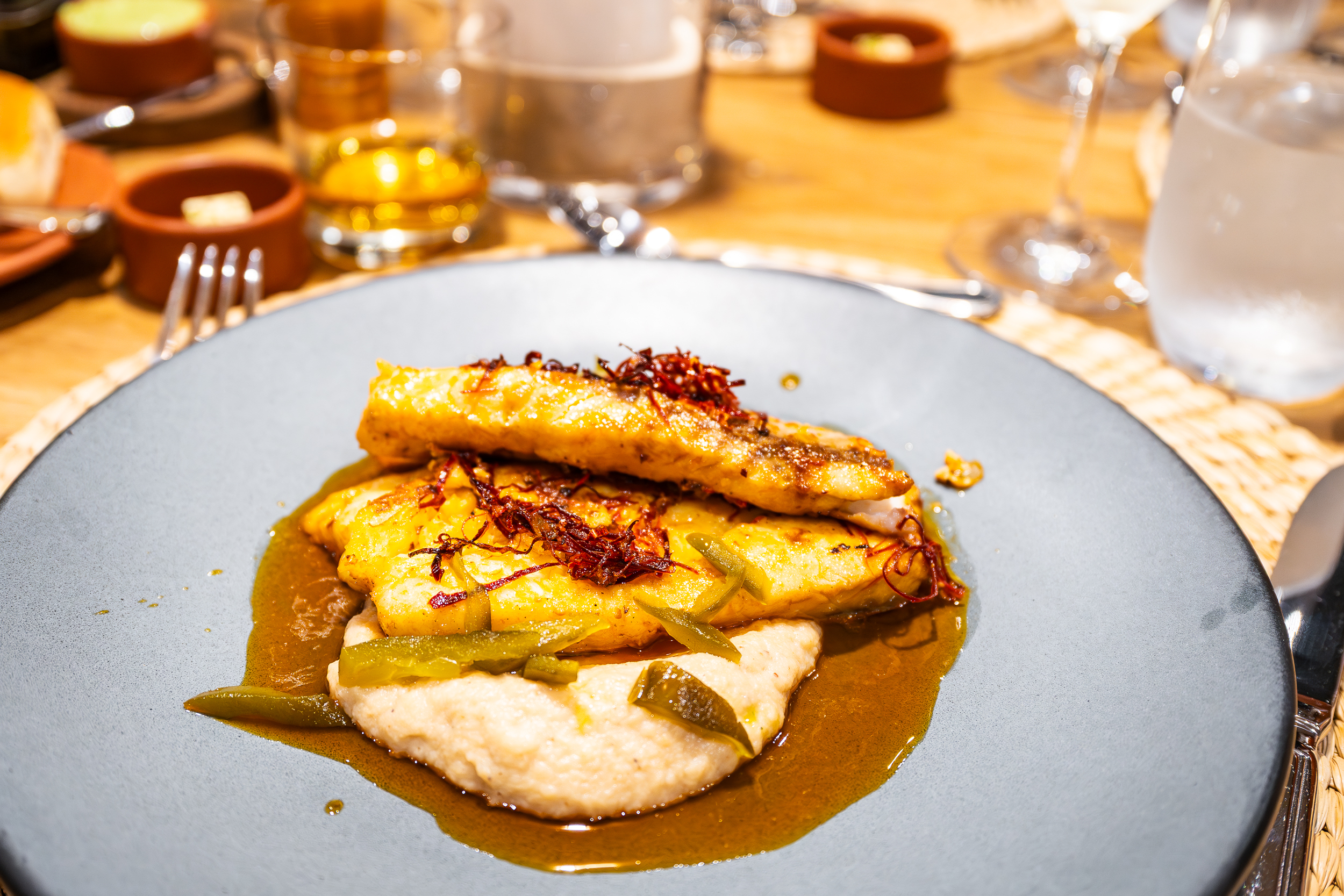
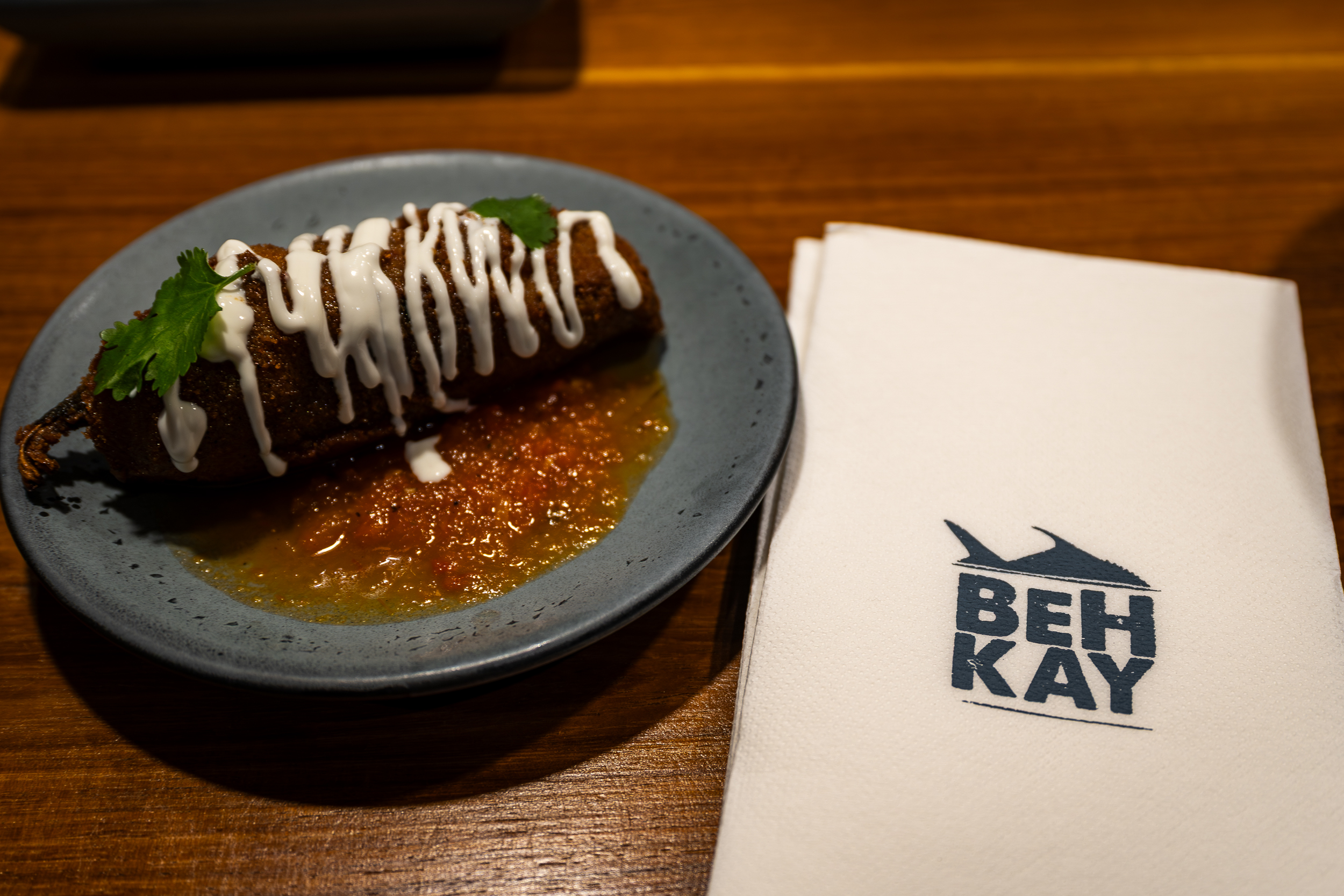
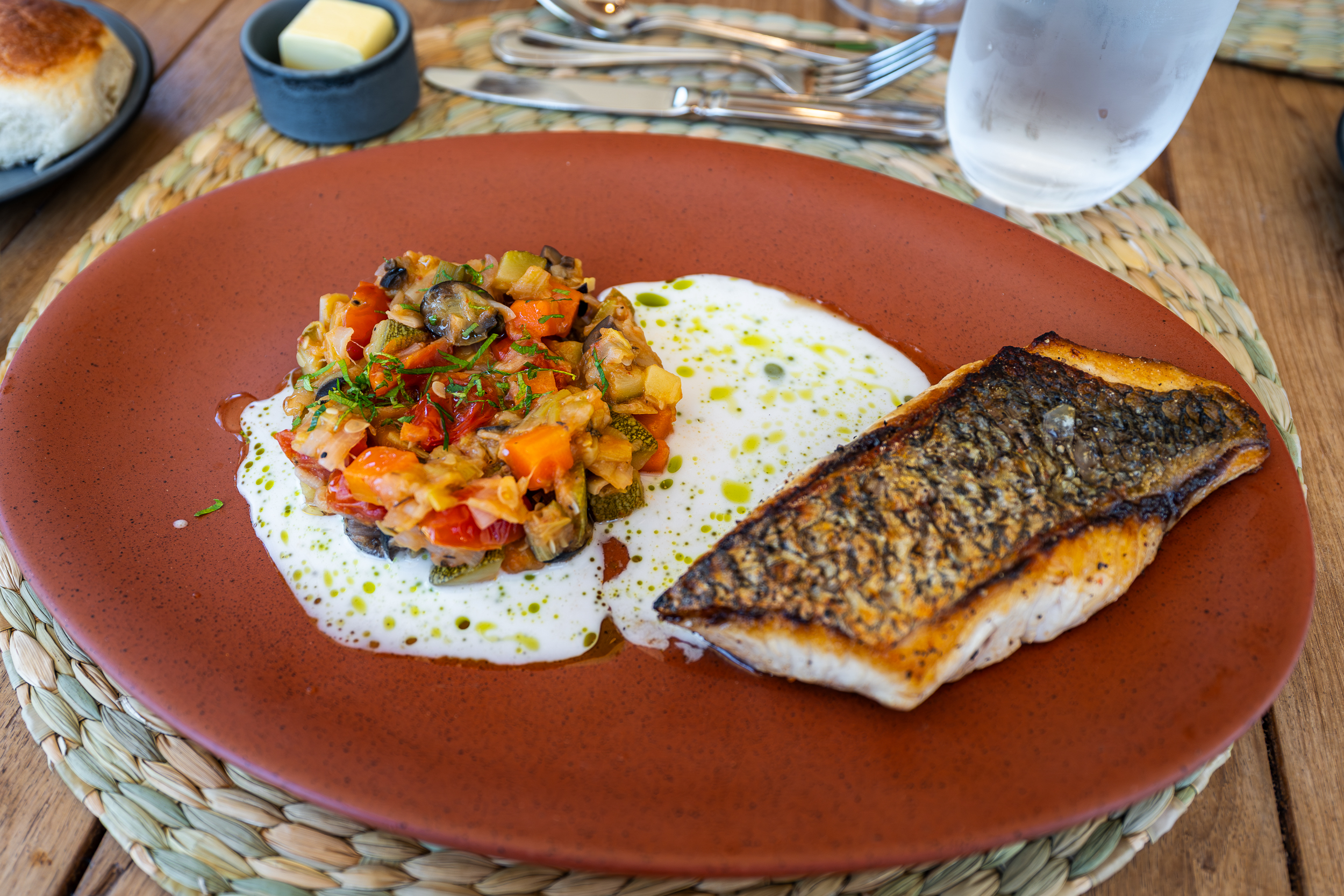
At Beh Kay Lodge, food is part of the rhythm of each day on the flats. The kitchen focuses on fresh, flavorful dishes inspired by the Yucatán coast, using local ingredients, seafood, seasonal produce, and simple preparations that feel right after a full day on the water.

Mornings begin with a complete breakfast before heading out to fish, with fresh fruit, eggs prepared to order, cereals, breads, coffee, and hearty options to start the day properly. Boat lunches are prepared daily and customized for each guest, with fresh, practical meals packed for a full day on the bay. Cold drinks are kept on board, so anglers can stay comfortable while moving between flats, lagoons, mangroves, and channels.

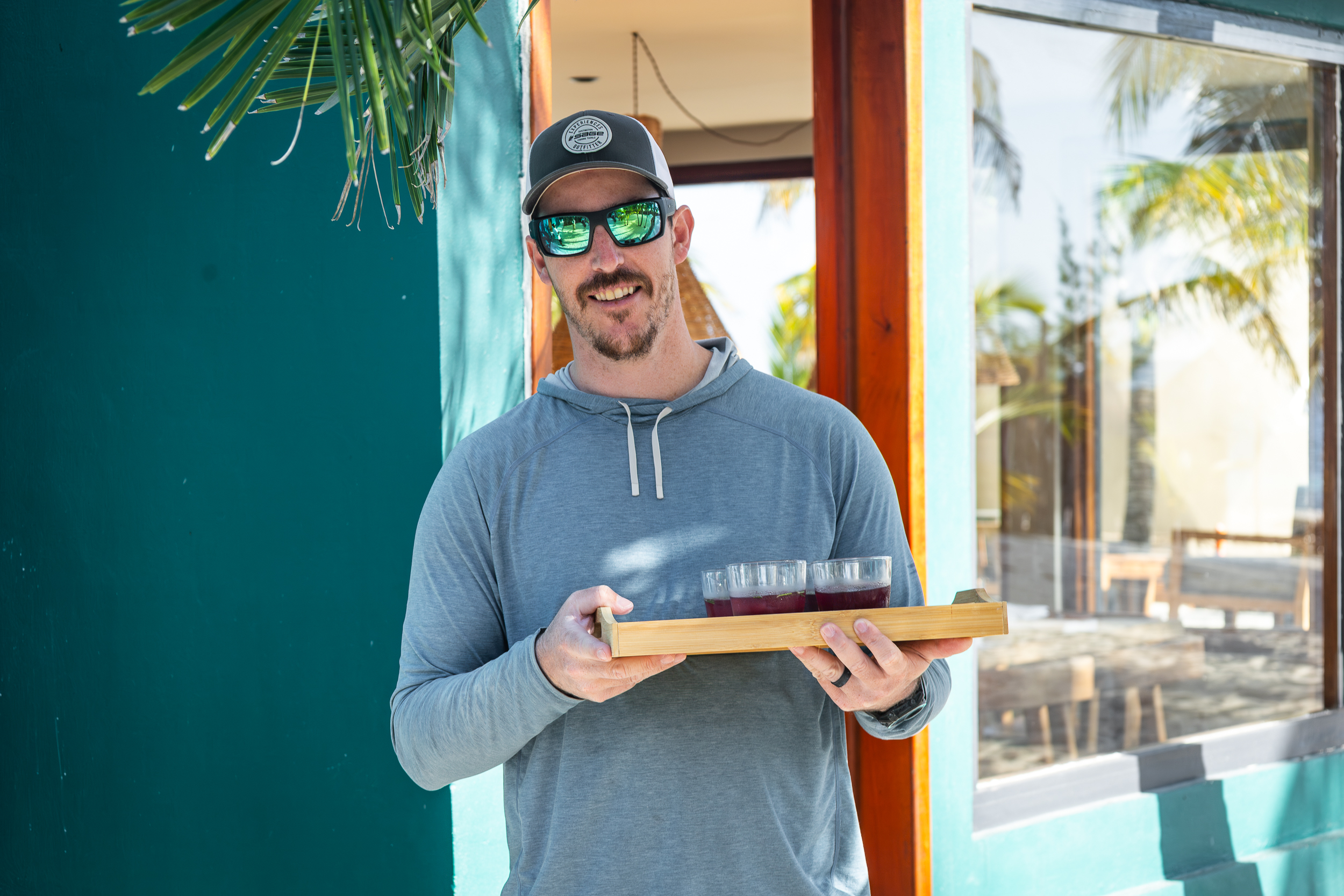
Back at the lodge, guests can enjoy cold beers, cocktails, appetizers, and relaxed dinners prepared by the lodge’s chef. The menu changes throughout the week, with an emphasis on coastal Mexican flavors, fresh seafood, quality meats, vegetables, and homemade touches.

Dining at Beh Kay is casual, comfortable, and personal—built around good food, good service, and the easy pace of life on a remote Caribbean beachfront.

RATES 2027

Season: From Feb. to June & Aug. to Nov.

Shared room & boat

Single room & boat

7 Nights / 6 Days Fishing

$ 6,950 p/person

$ 10,250 p/person

Shared room & boat

7 Nights / 6 Days Fishing
$ 7,200 p/person


Single room & boat

7 Nights / 6 Days Fishing
$ 10,650 p/person


What’s Included

Included as part of the fishing package are the scheduled transfers between the Courtyard Marriott Cancún Airport Hotel and the private aviation terminal, as well as return transfers from the charter terminal back to Cancún International Airport (CUN) or the Courtyard Marriott on departure day. Also included are the private charter flights to and from the Sian Ka’an Biosphere Reserve, all ground transfers between the Pulticlub airstrip and Beh Kay Lodge, lodging accommodations, all meals and beverages including open bar, professional guide services, loaner fishing equipment (rods, reels, and fly lines), wireless internet, and Mexican VAT tax.

What’s not Included

Commercial airfare to Cancún (CUN) and the overnight hotel stay in Cancún prior to arrival at the lodge are not included. Transfers from Cancún Airport to the hotel upon arrival are also not provided. Fishing licenses and permits ($100 per person), travel insurance, specialty alcoholic beverages outside of the lodge’s open bar, guide and staff gratuities, flies, laundry service, personal insurance, baggage insurance, items of a personal nature, and costs associated with itinerary changes requested by the guest are also not included.

Best Fishing Video Gallery

Our other Sporting Destinations​

With more than 30 family-owned, high-end sporting lodges across Argentina, Chile, Uruguay, Mexico & The Bahamas, The Kautapen Group brings together a lifetime of experience dedicated to fly fishing, wingshooting, and big-game hunting. Through Nervous Waters, David Denies Bird Hunting, and Red Stag Patagonia, we deliver best-in-class guiding, authentic hospitality, and the consistency that comes only from operating our lodges under our own ownership and uncompromising standards. Each experience reflects our commitment to excellence, conservation, and the values that have guided our family for more than four decades.

Double down on your sporting adventures and experience all The Kautapen Group has to offer by combining your stay with another of our hunting or fishing lodges.

Interested in this Lodge? Let's plan your trip

What Our guests think
about us?