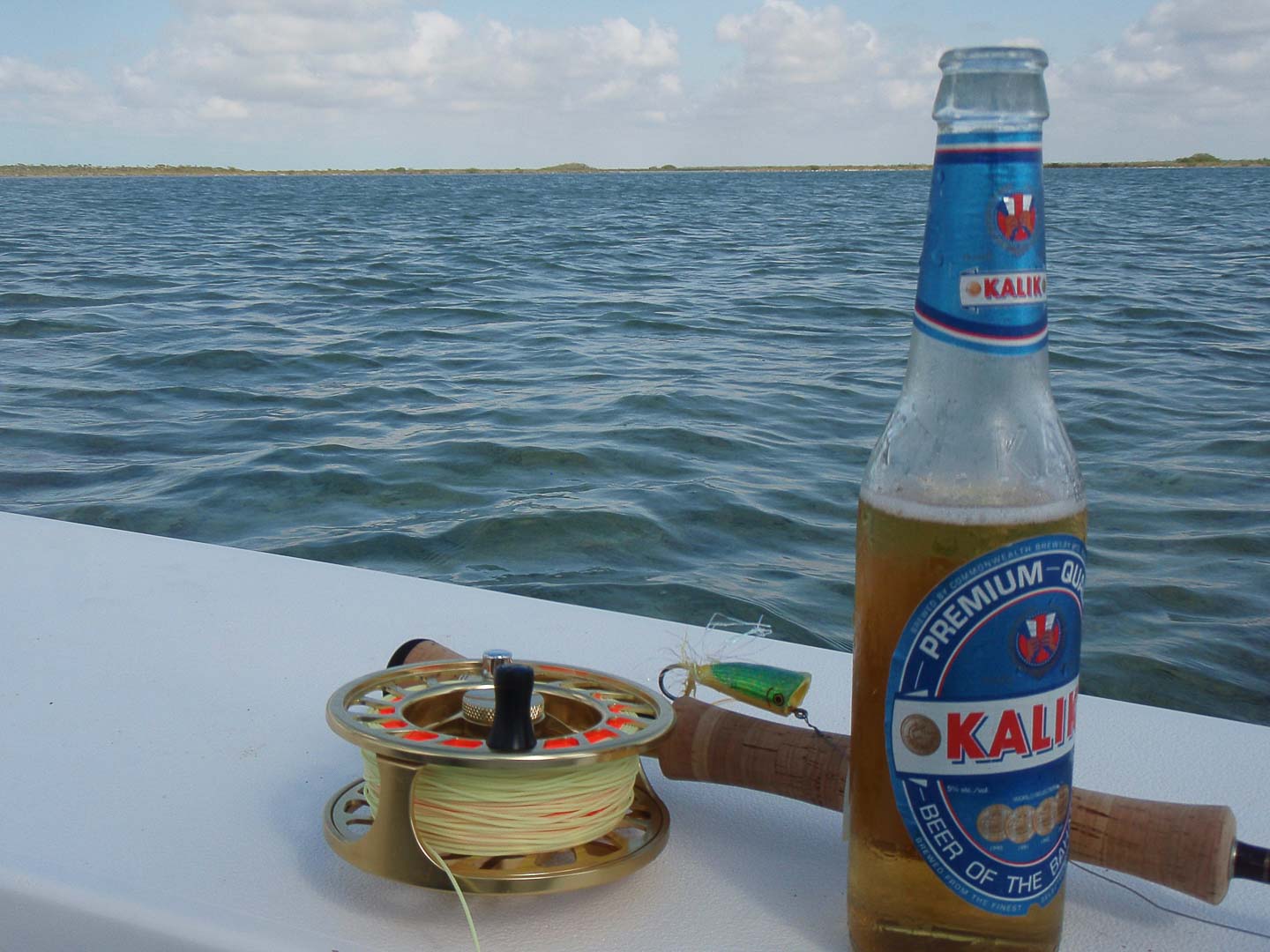
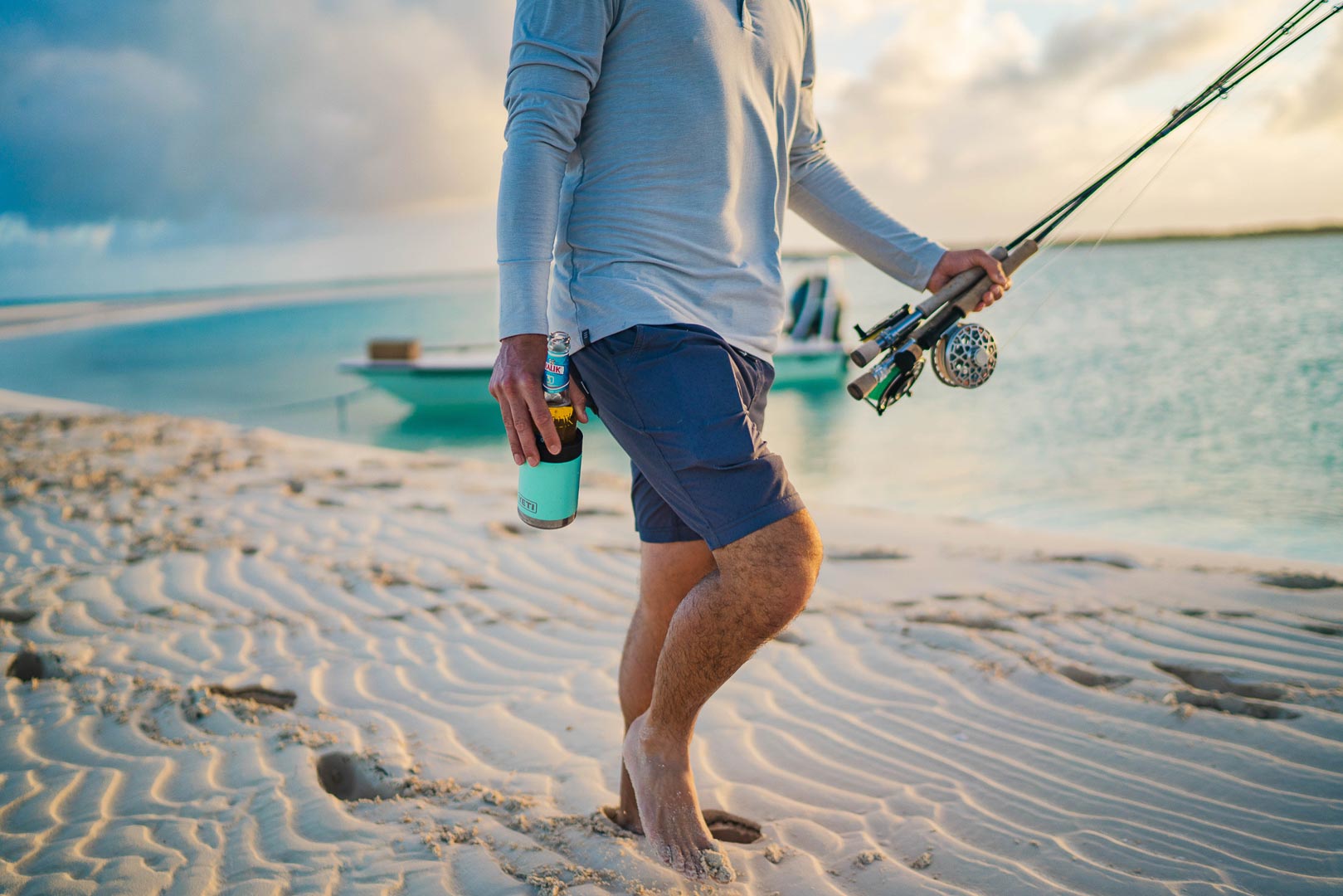
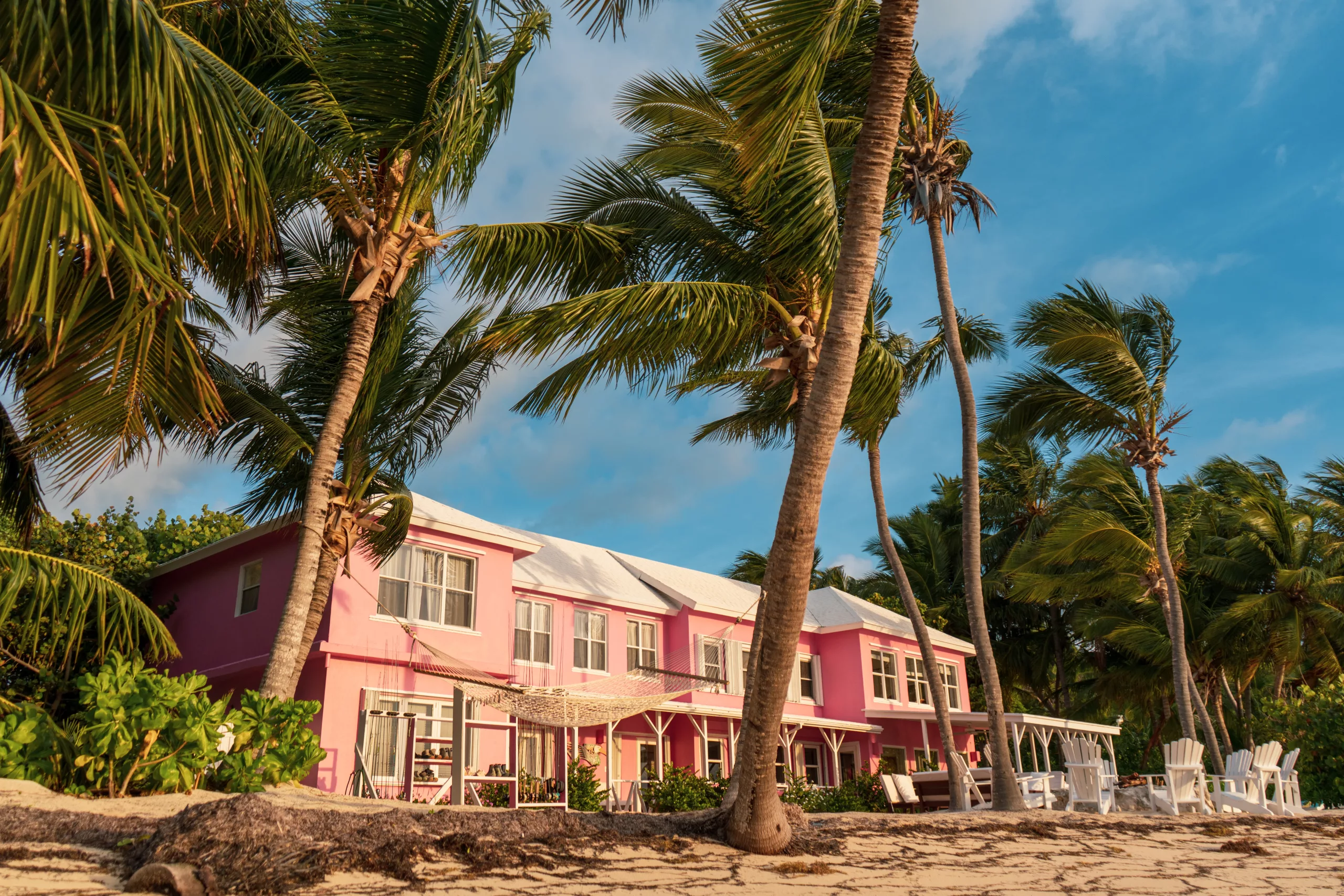
Welcome to Bair’s Lodge!
Since anglers began stalking bonefish the name Andros has meant big fish—and South Andros is home to giants. For those ready to climb to the top of the Bonefish ladder, there is only one destination: The Legendary Bair’s Lodge.
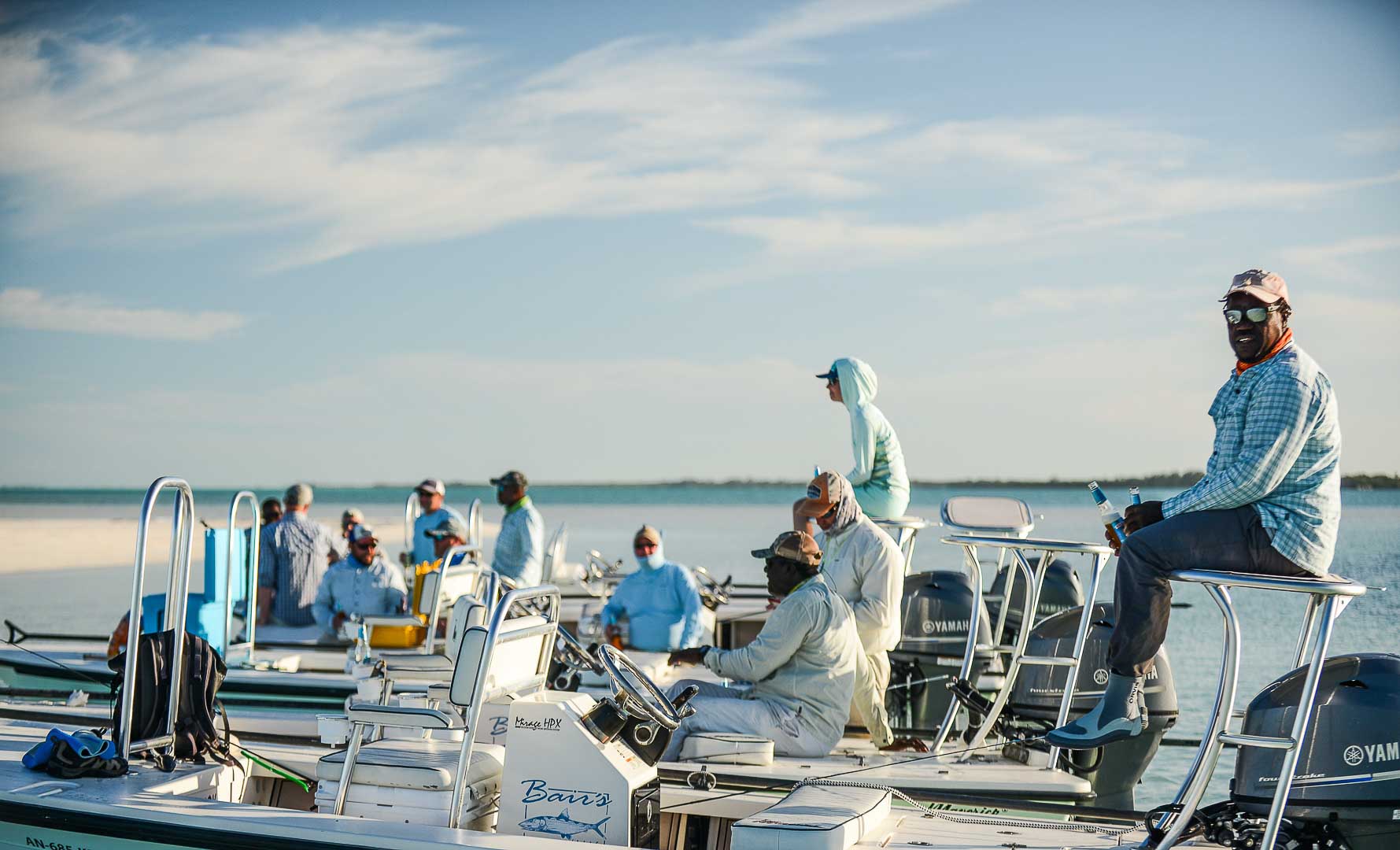
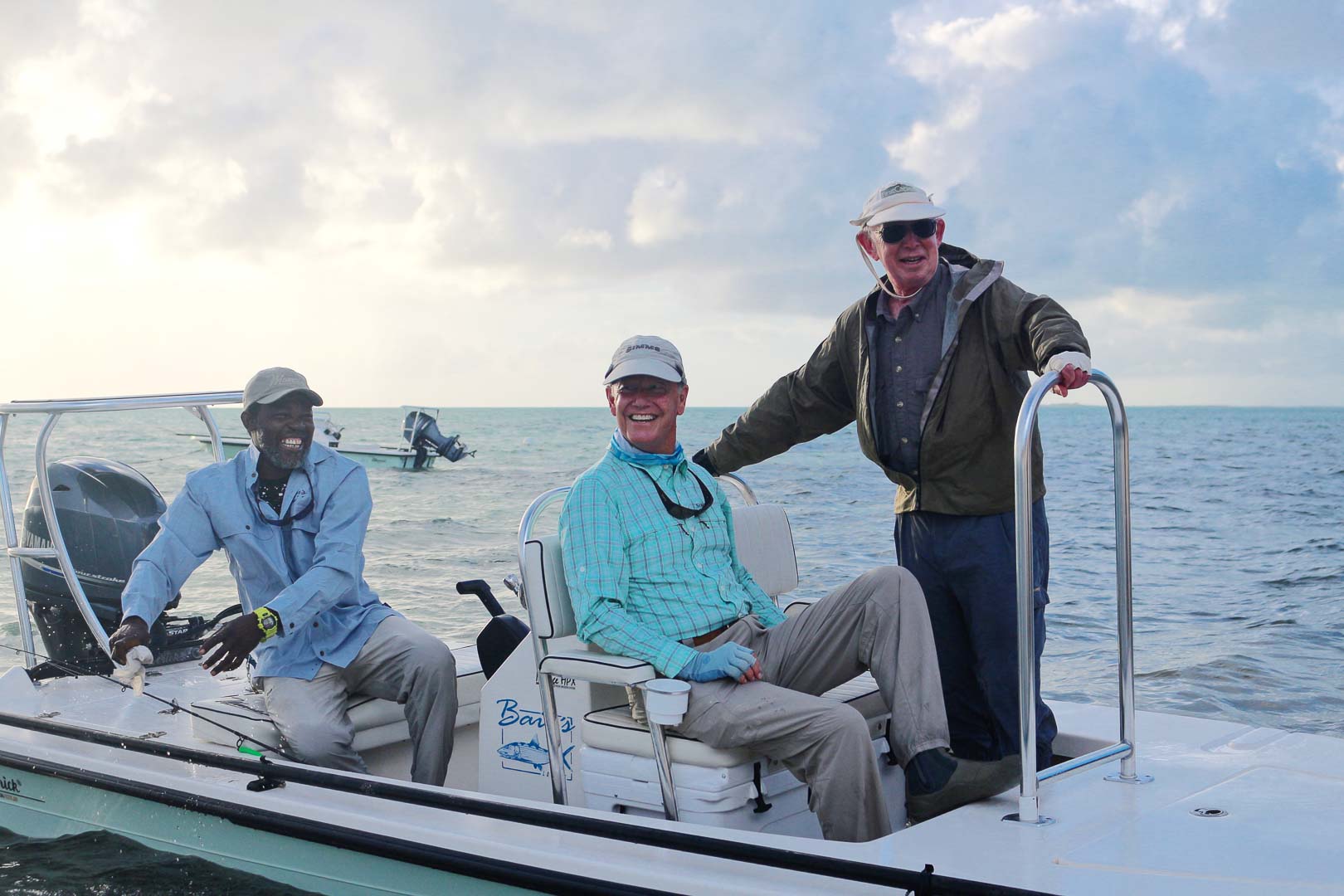
Ideally situated for fishing the South and West Flats of Andros, Bair’s accesses some of the most remote flats while providing many sheltered locations irrespective of wind direction. The lodge has also come to represent the benchmark in terms of quality guiding, delicious food, comfortable accommodations, and courteous hospitality.
Reasons to choose Bair’s Lodge
- Andros is legendary and Bair’s is perfectly situated with access to everything that makes Andros famous: the Southern Flats, the intricate creek systems and the fabled West Side.
- No trailering – you can access all the best fisheries by skiff.
- The West Side offers one of the best opportunities in the world to land double digit bonefish. You’ll see them!
- The diverse fishing grounds offer unprecedented options: singles, schools, large fish, & excellent wading opportunities.
- Fish see very little pressure in this part of the Bahamas.
- Veteran guide staff , with more than 15 years of experience, is one of the best in the Bahamas
- An excellent flat in front of the lodge when the tide is right.
- Bair’s has unmatchable accommodations in the island and has been providing the highest levels of service since 1989.
- Bairs is now accessed with an easy and affordable direct 45-minute flight from Fort Lauderdale.
Location
Bair’s Lodge is located on the East side of South Andros, in the Bahamas.
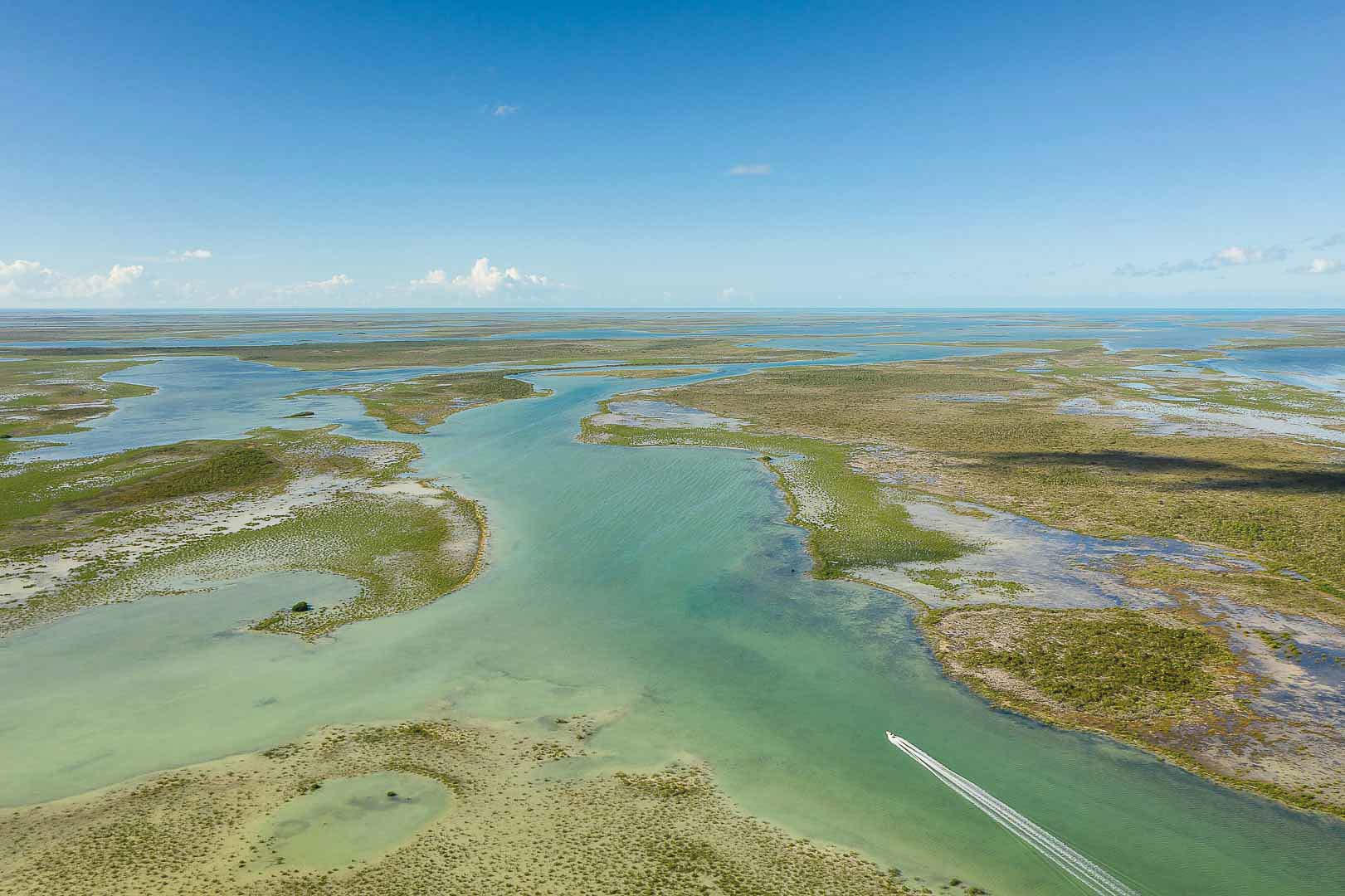
Andros is the largest of the Family islands, and still one of the least developed. This unique and unspoilt island is divided by inland creeks and large channels, called bights. Bair’s Lodge is situated between Deep Creek and Little Creek, neither more than a 5 minute boat ride from the house. These creeks open out into a broad area of inland flats with hundreds of small cays and connecting channels, covering over 120 square miles.
The pace of life on the island as with the whole of the Bahamas is very gentle, and especially in South Andros the local community is peaceful and very family oriented.
Commercial fishing for fish and lobster are the mainstays of the island.
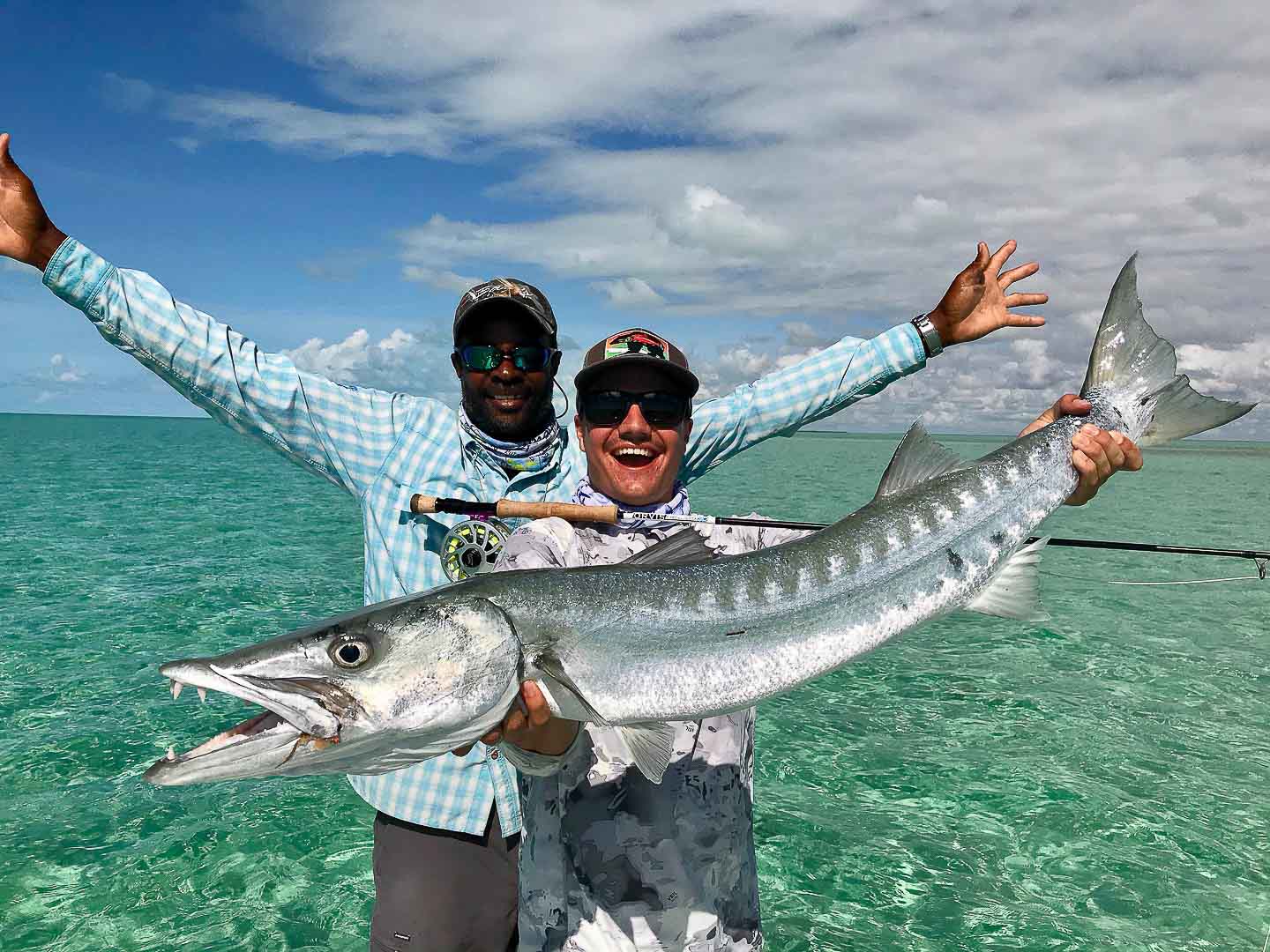
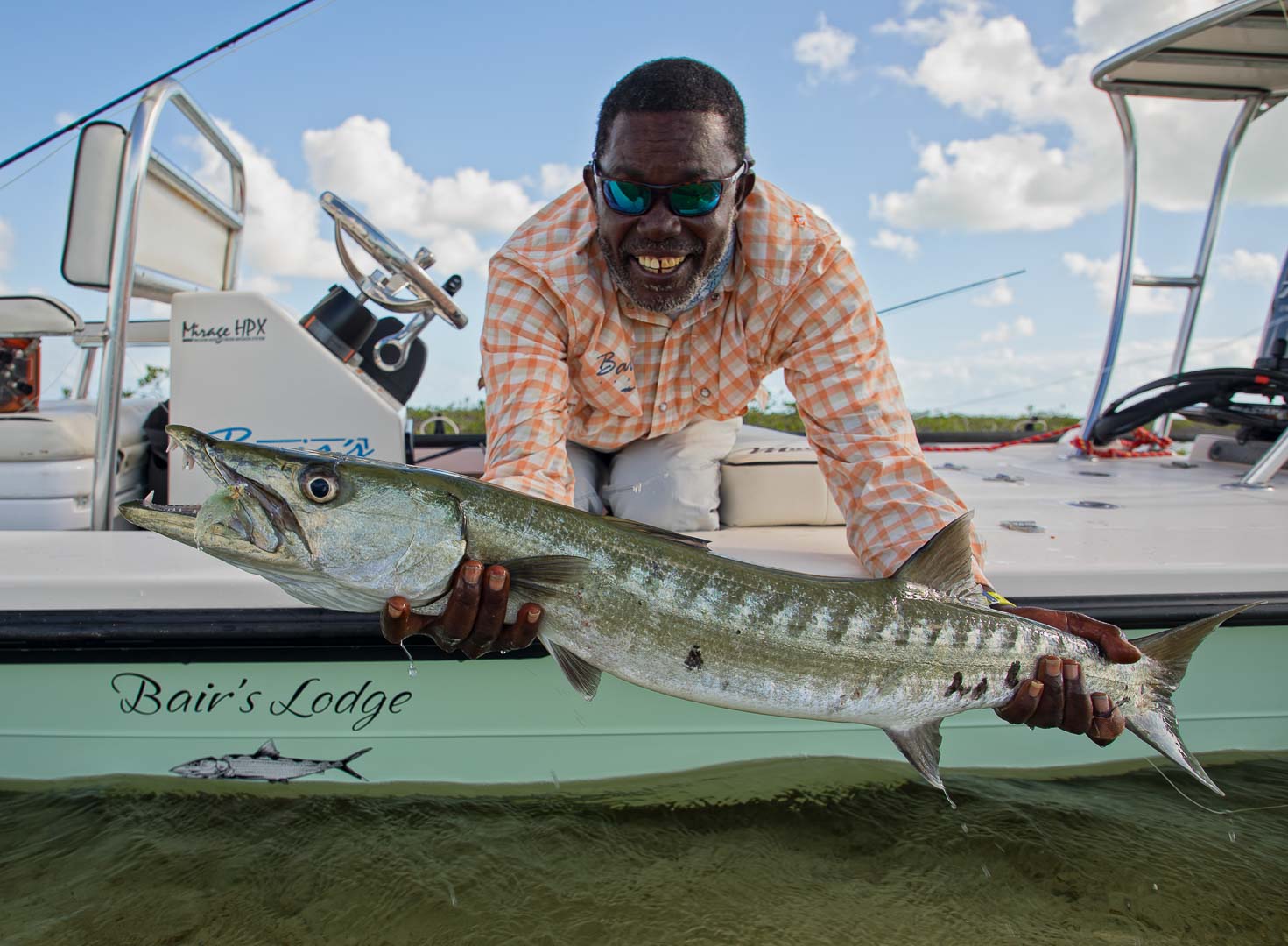
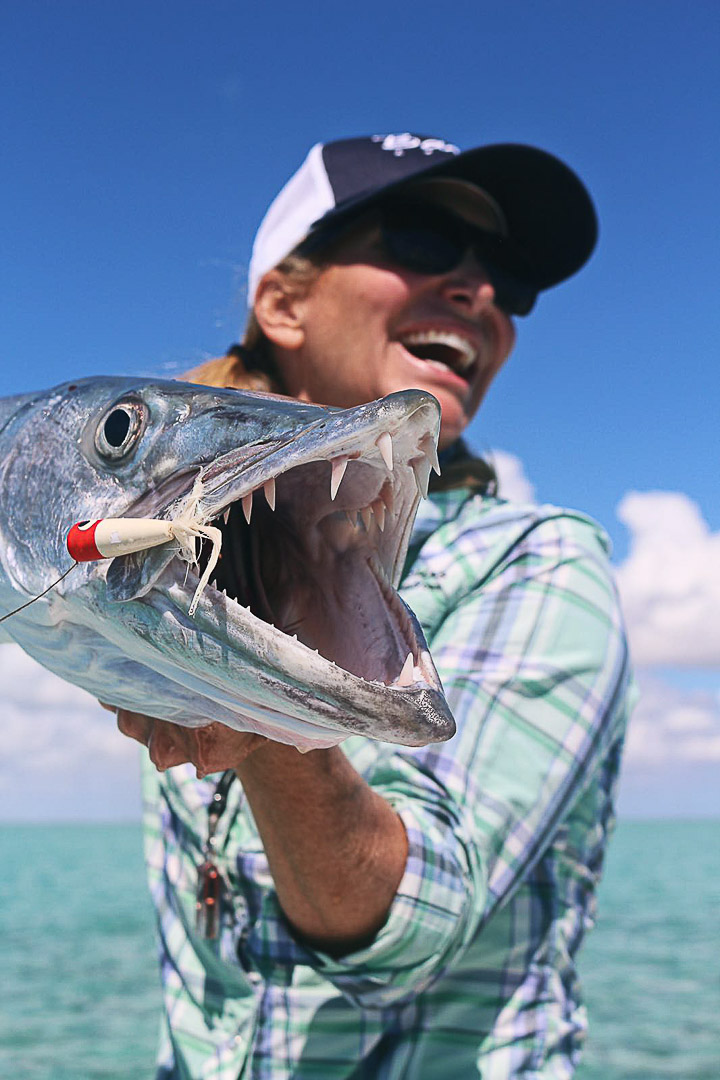
The Tongue of the Ocean runs along the coast of Andros, just off the third largest barrier reef in the world. Seasonal fishing for Wahoo, Dolphin and Tuna, # (plus occasional Marlin and Sailfish) outside the reef, can be excellent and along the reef itself there are ample opportunities to tangle with species such as Barracuda, Snapper and Grouper.
The Fishing
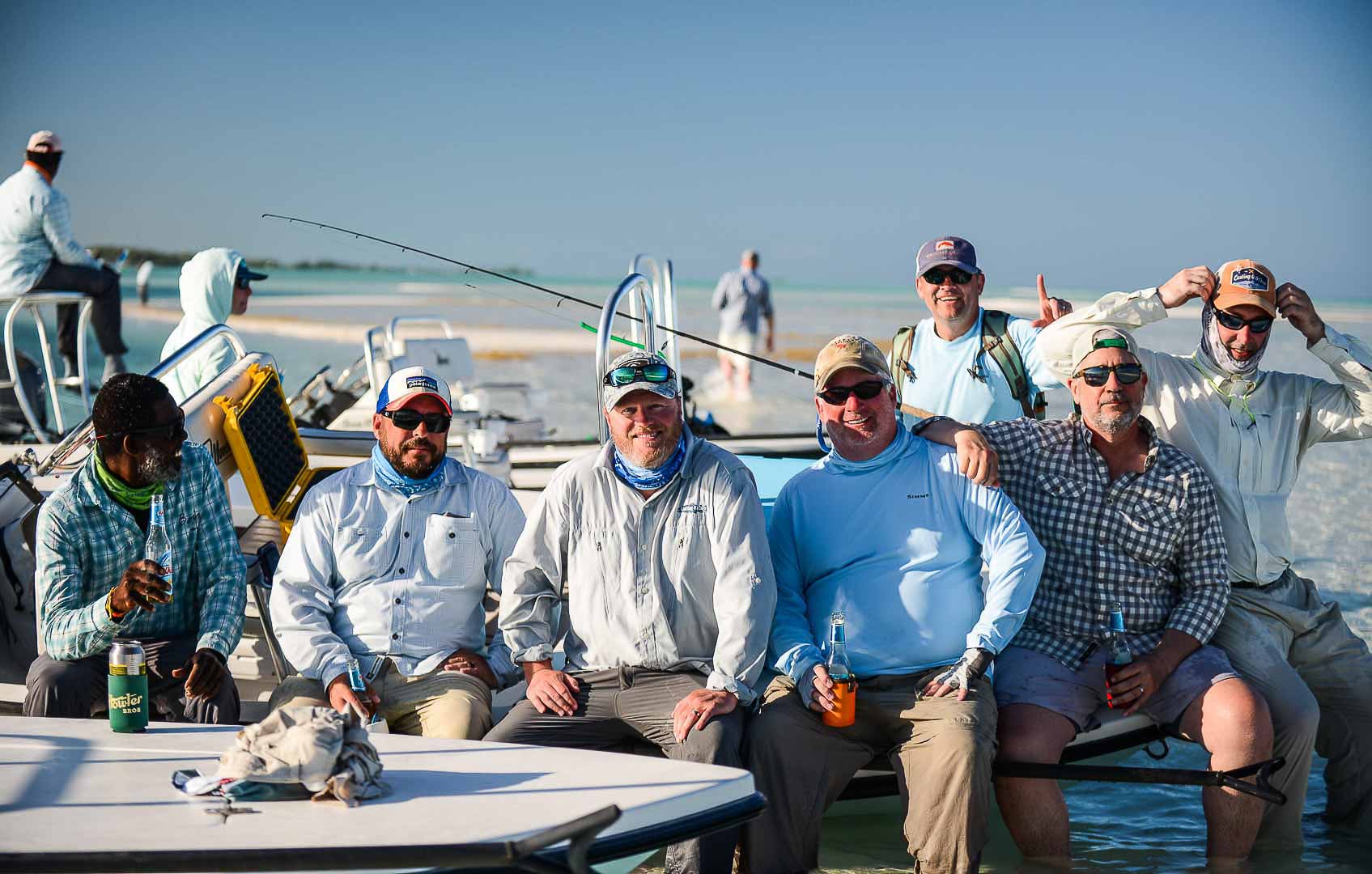
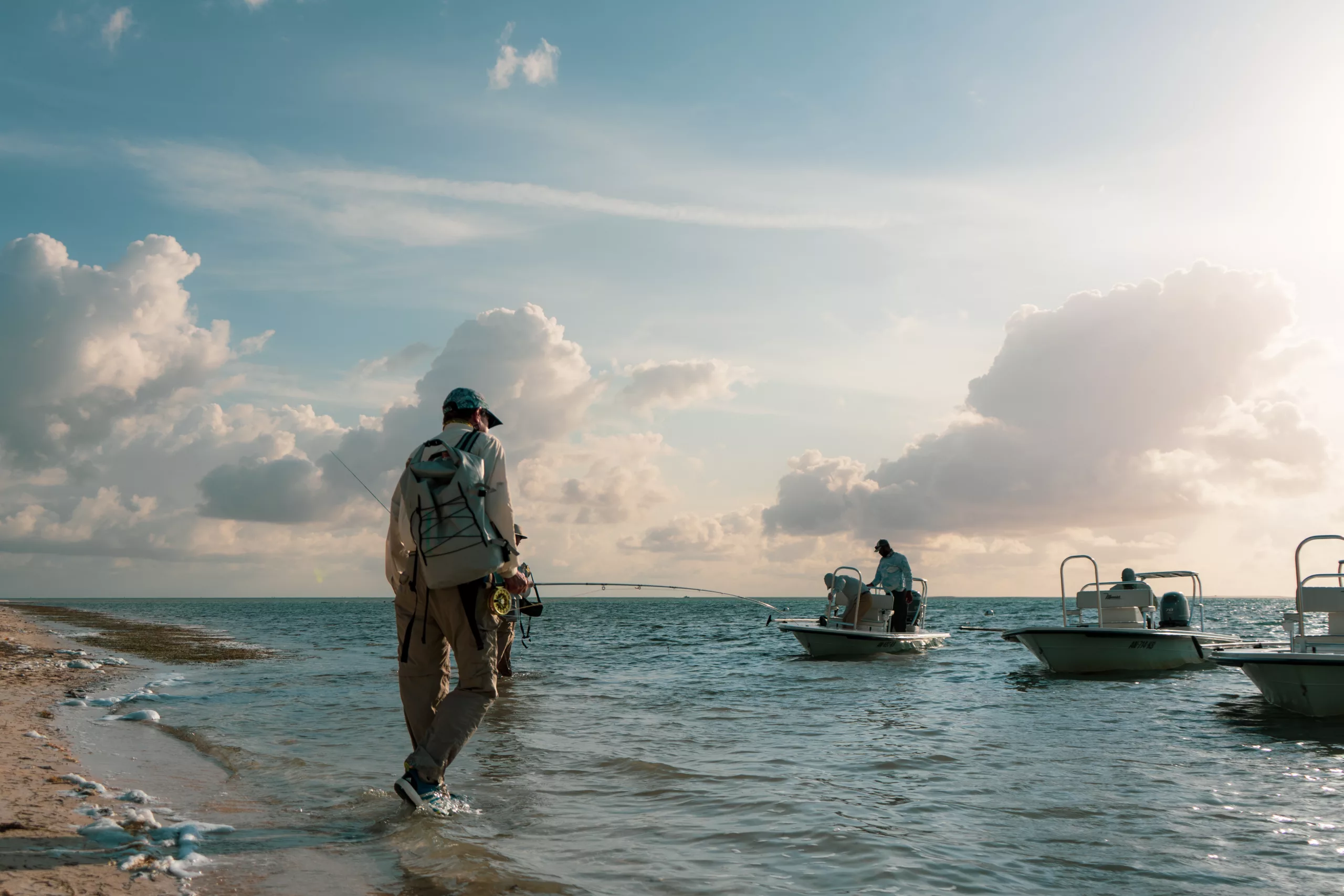
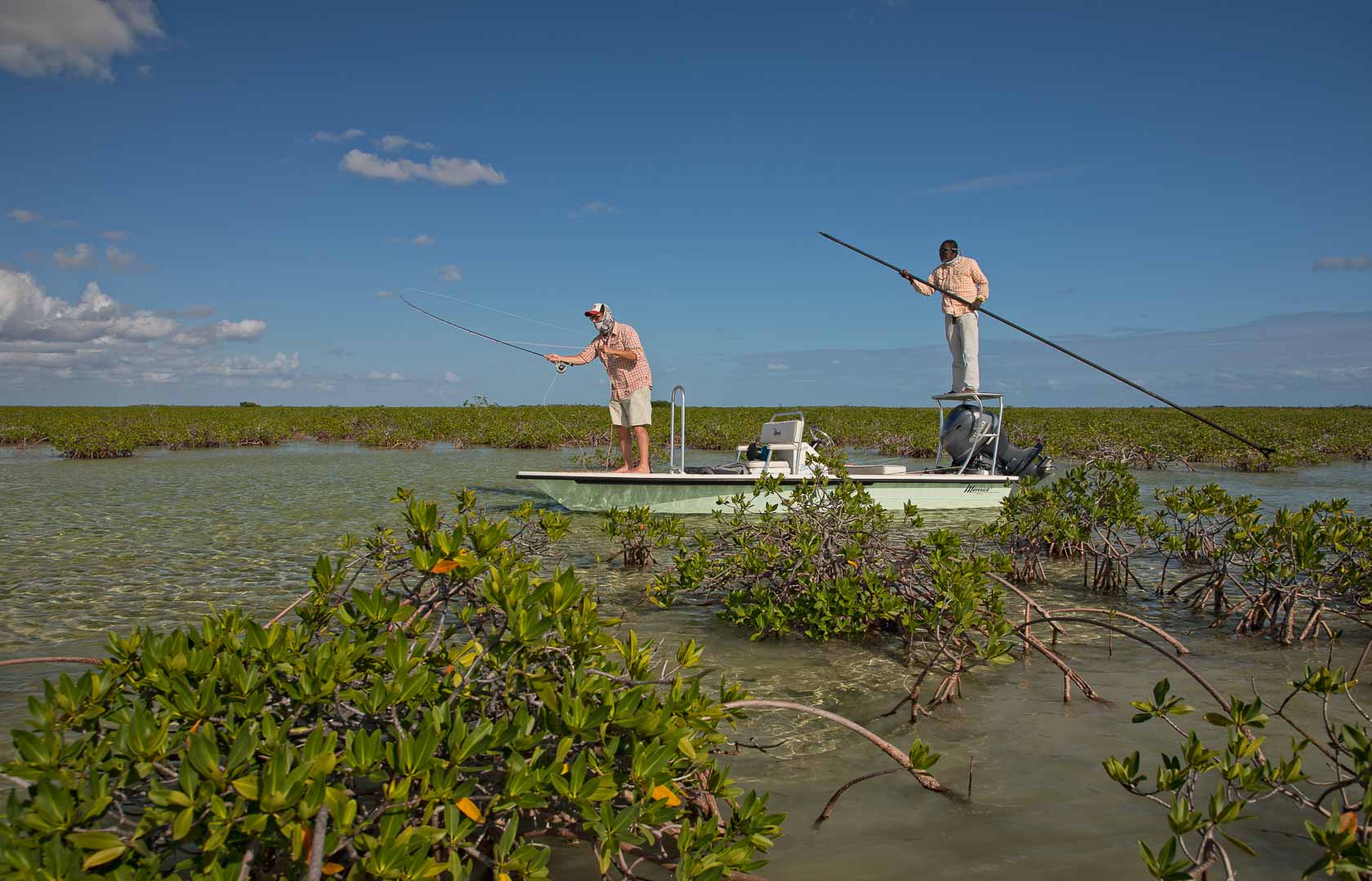
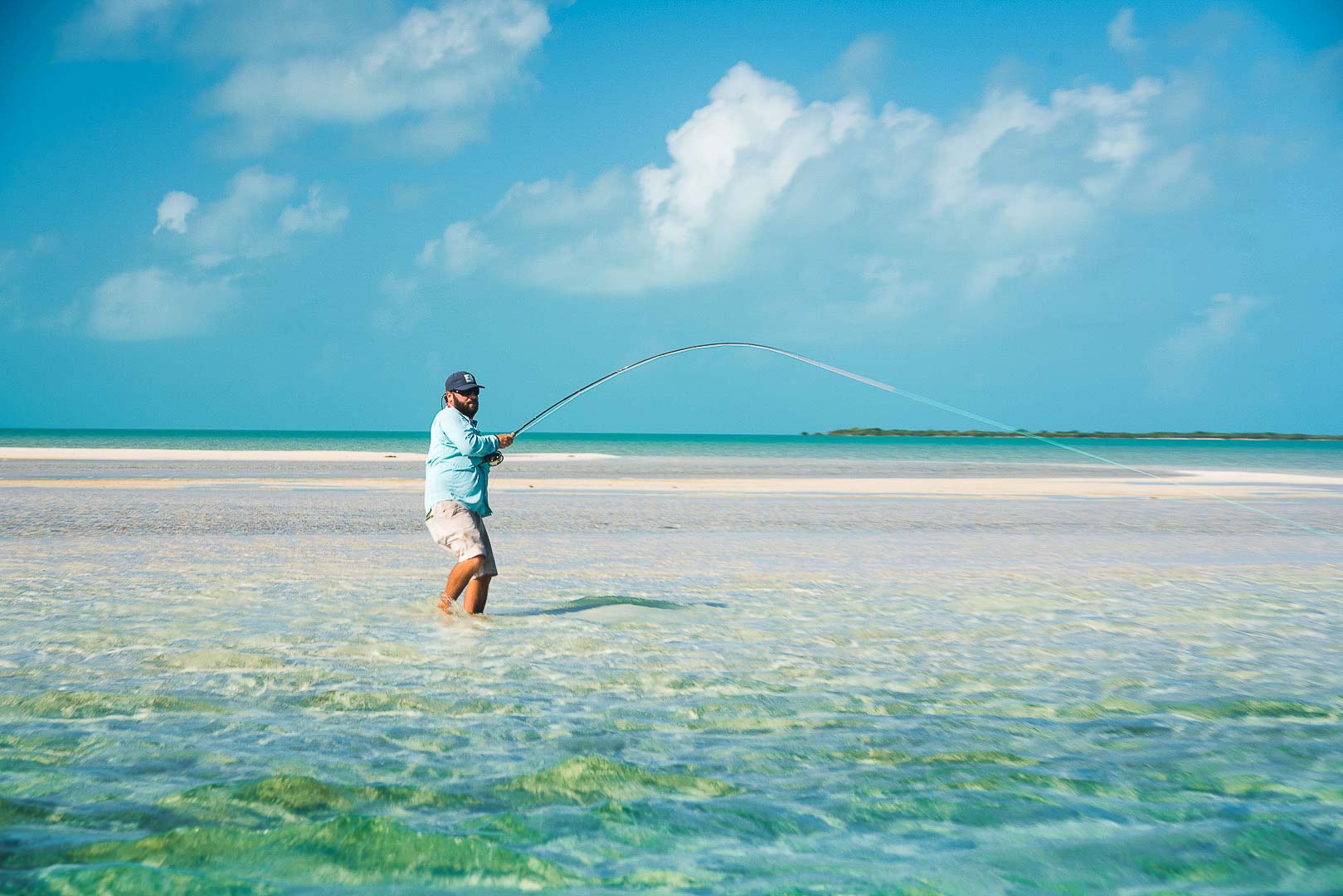
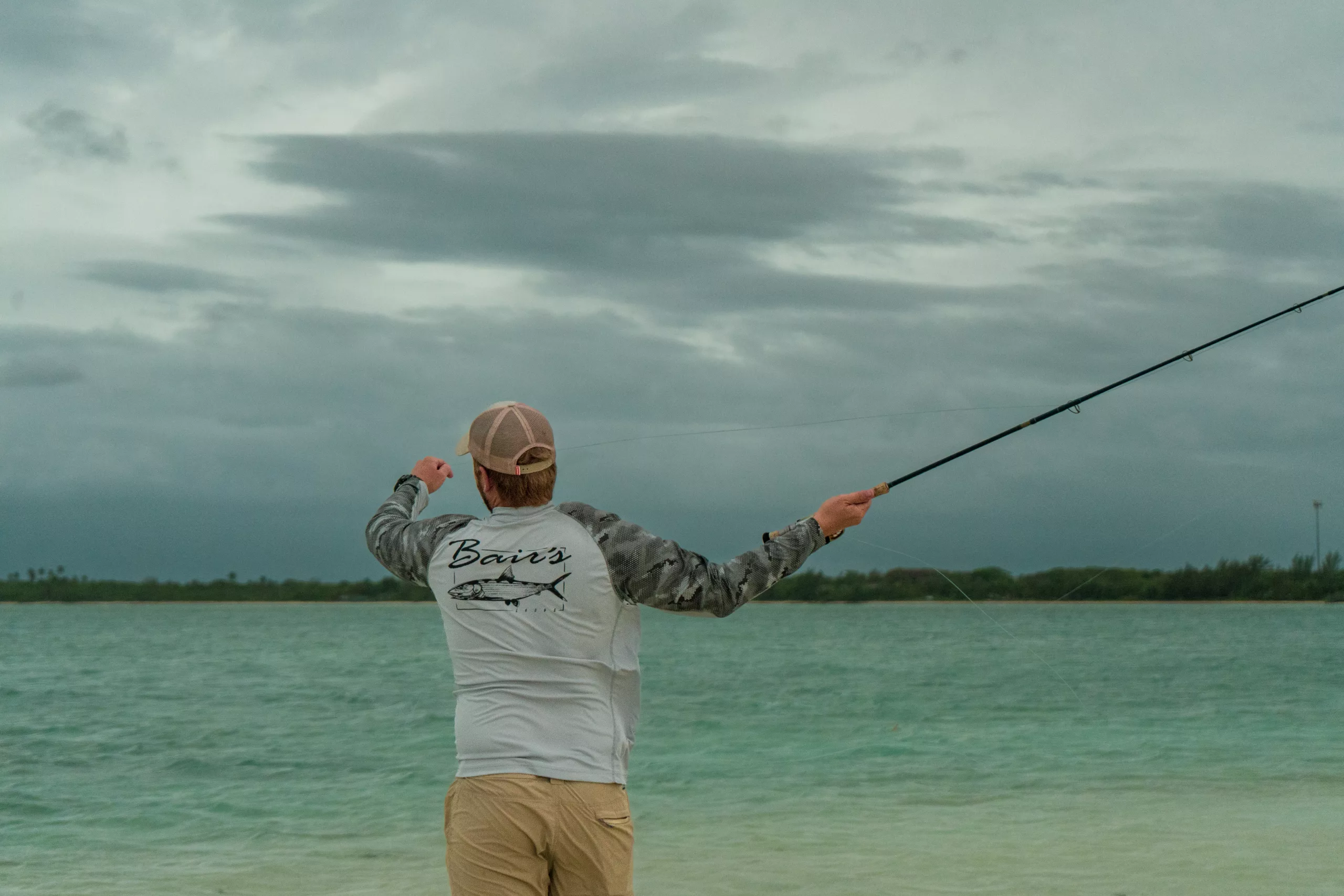
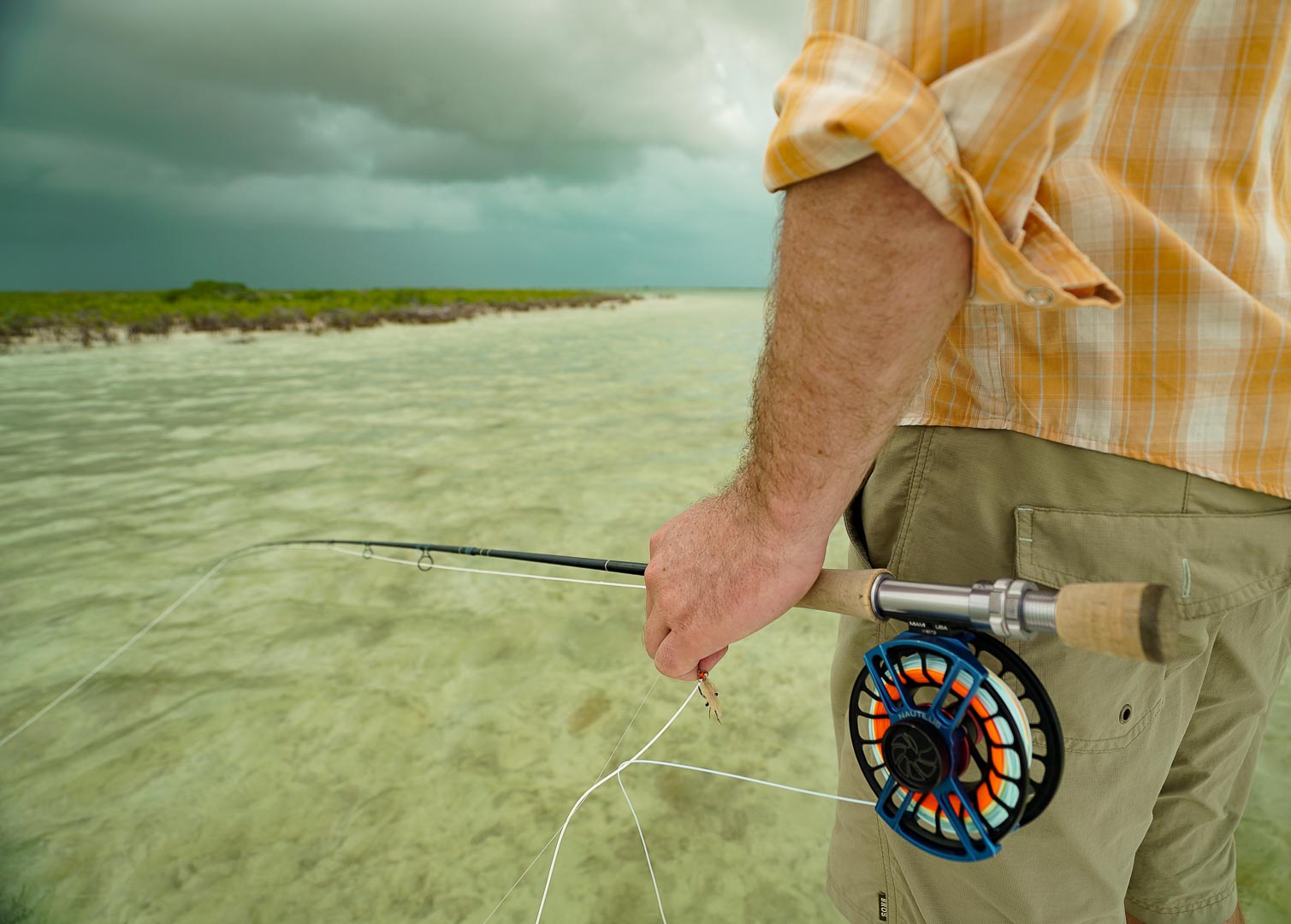
Andros has long been synonymous with the biggest bonefish in the Caribbean. The South and more particularly, West of the Island have built the reputation as the place to try for a ‘Giant’. The flats in Andros are some of the largest and most varied in the world, offering both opportunities to wade or fish from the boat, in the ocean flats or creeks and bights. This incredible choice of classic bone-fishing environments, as well as the numbers and size of the bonefish is what makes South Andros the bone-fishing capital of the world. Bair’s Lodge, famed for its access to the vast and largely under-fished flats of the South and West, is strategically situated between the South Bight and Water Cays, near Little Creek. This location gives our guests easy access to the flats of the South, whilst providing many sheltered locations irrespective of wind direction, within the interior of the Island. In addition, from Bair’s Lodge, guests have the opportunity to try for occasional Permit and Tarpon, as well as offshore and reef species such as Wahoo, Tuna, Dorado,(Seasonal Billfish), Snapper, Barracuda and Grouper.
Fishing areas
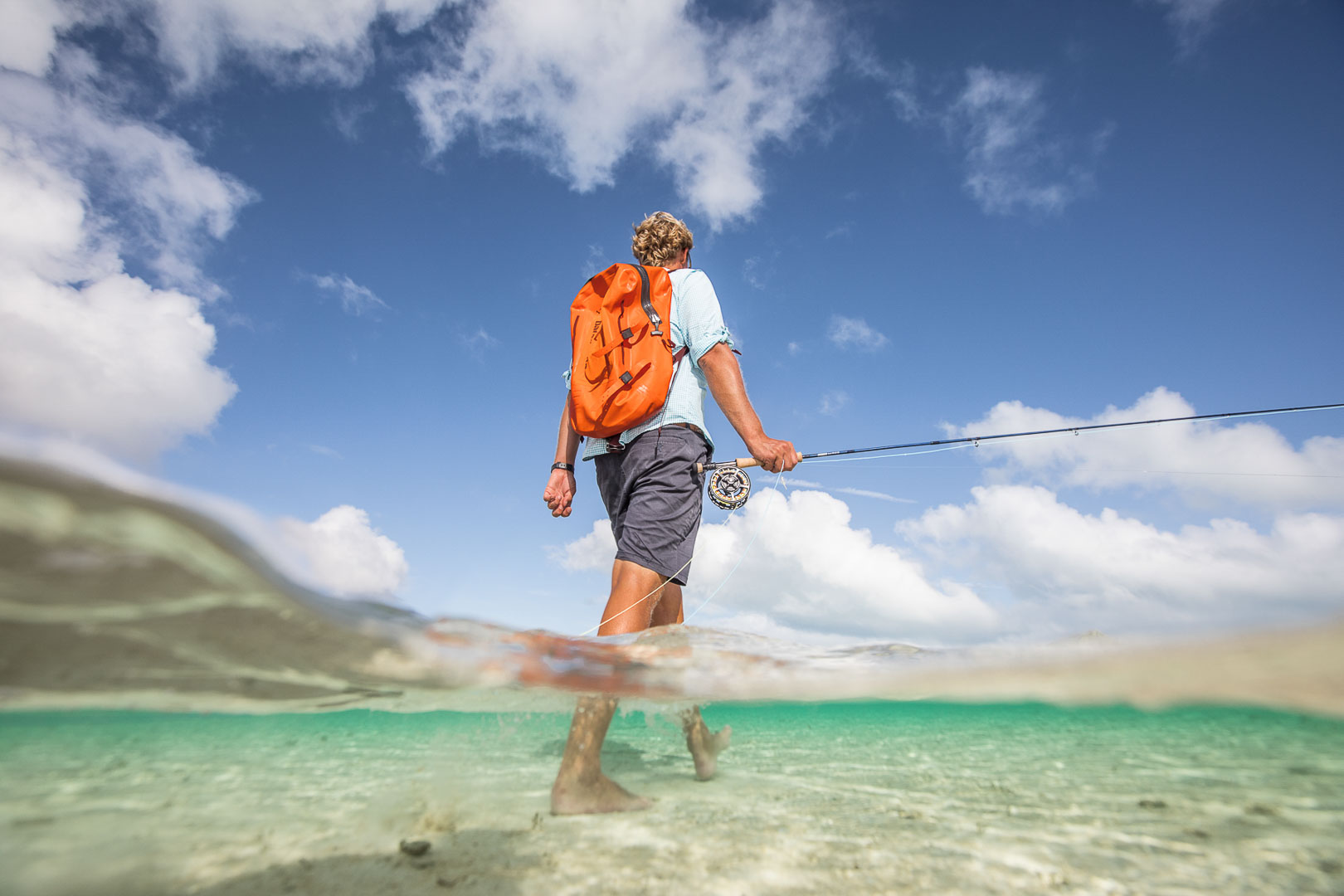
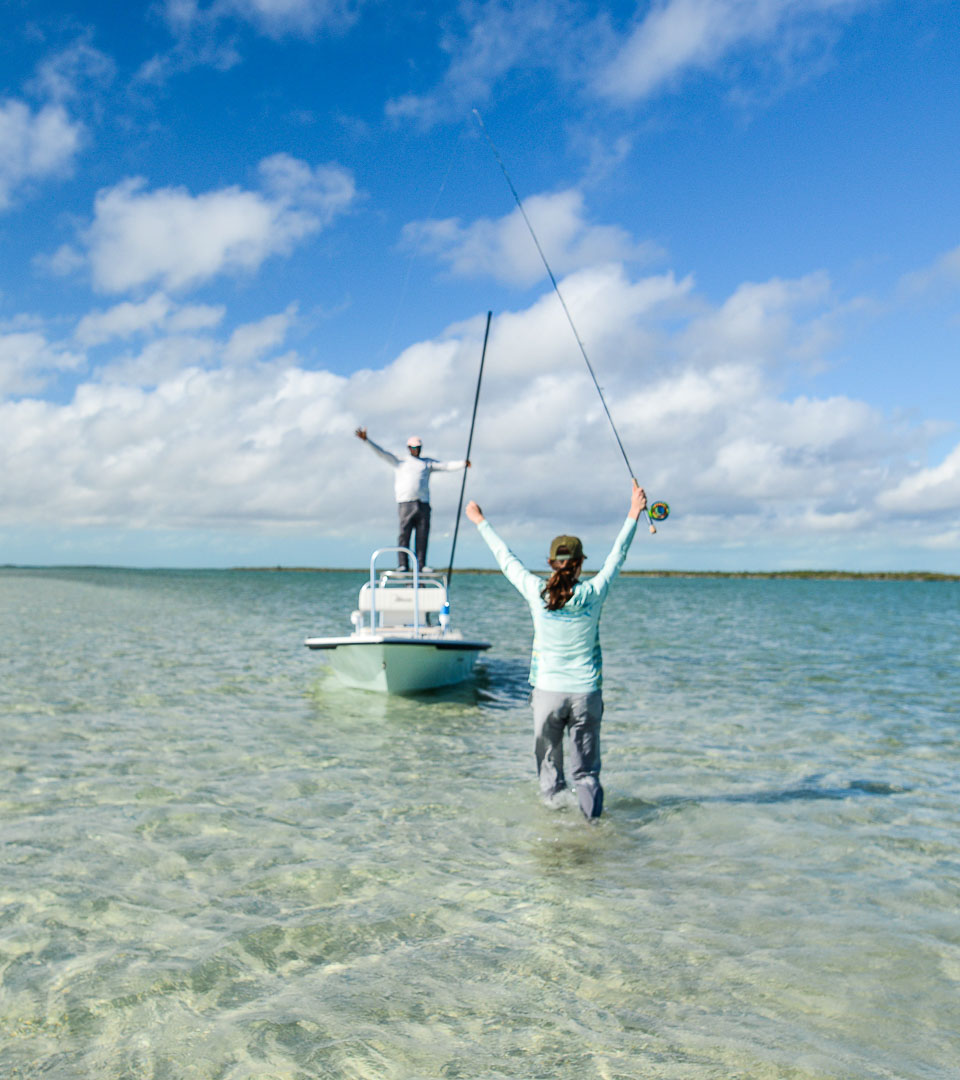
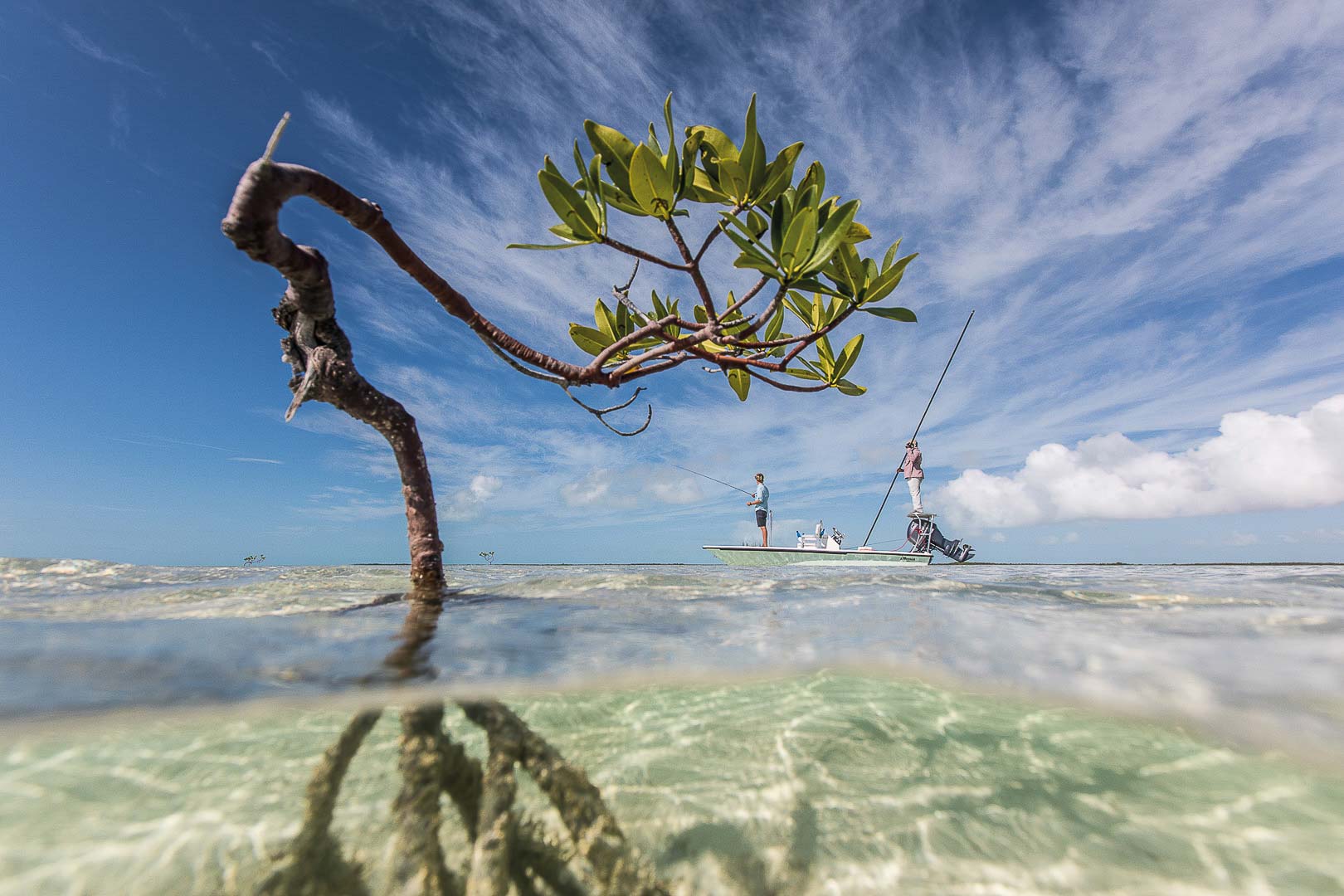
Every morning, you step out of the lodge into a boat, and can be fishing within a few minutes, or you can choose to ride further a-field to explore the more remote, pristine white sand flats Andros is famous for. Deep Creek and Little Creek a few minutes run from the lodge, open into large bay areas dotted with many small cays, where there are always flats that offer protection from the wind. Both creeks allow access to the fabled West Side and other remote Cays to the South and South- West that may provide lucky anglers with the possibility of trying for Permit and Tarpon to complete the famous “Grand Slam”. The Southern flats are home to some of the largest schools of bonefish. Grassy Creek is a 40 min boat ride from the lodge. Weather permitting you can ride on to Hawksbill Creek and onto Cistern Point. This area sees little fishing pressure and is regarded as the place to come for numbers of fish. The flats stretch as far as the eye can see and wading next to these huge schools is the experience of a lifetime.
Fishing techniques
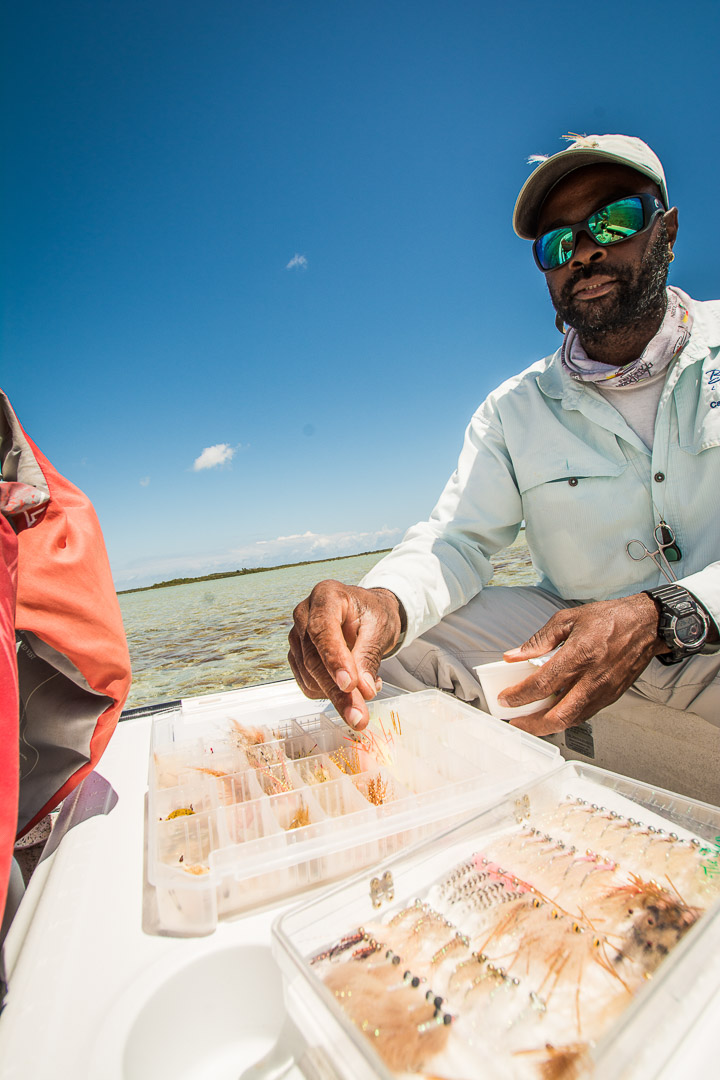
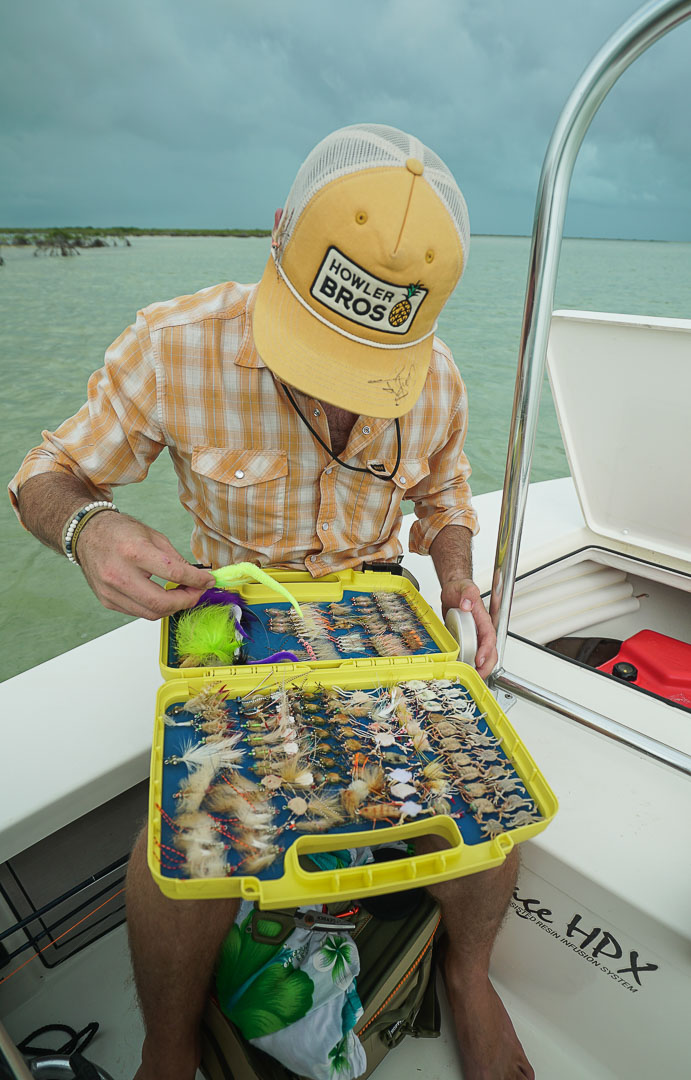
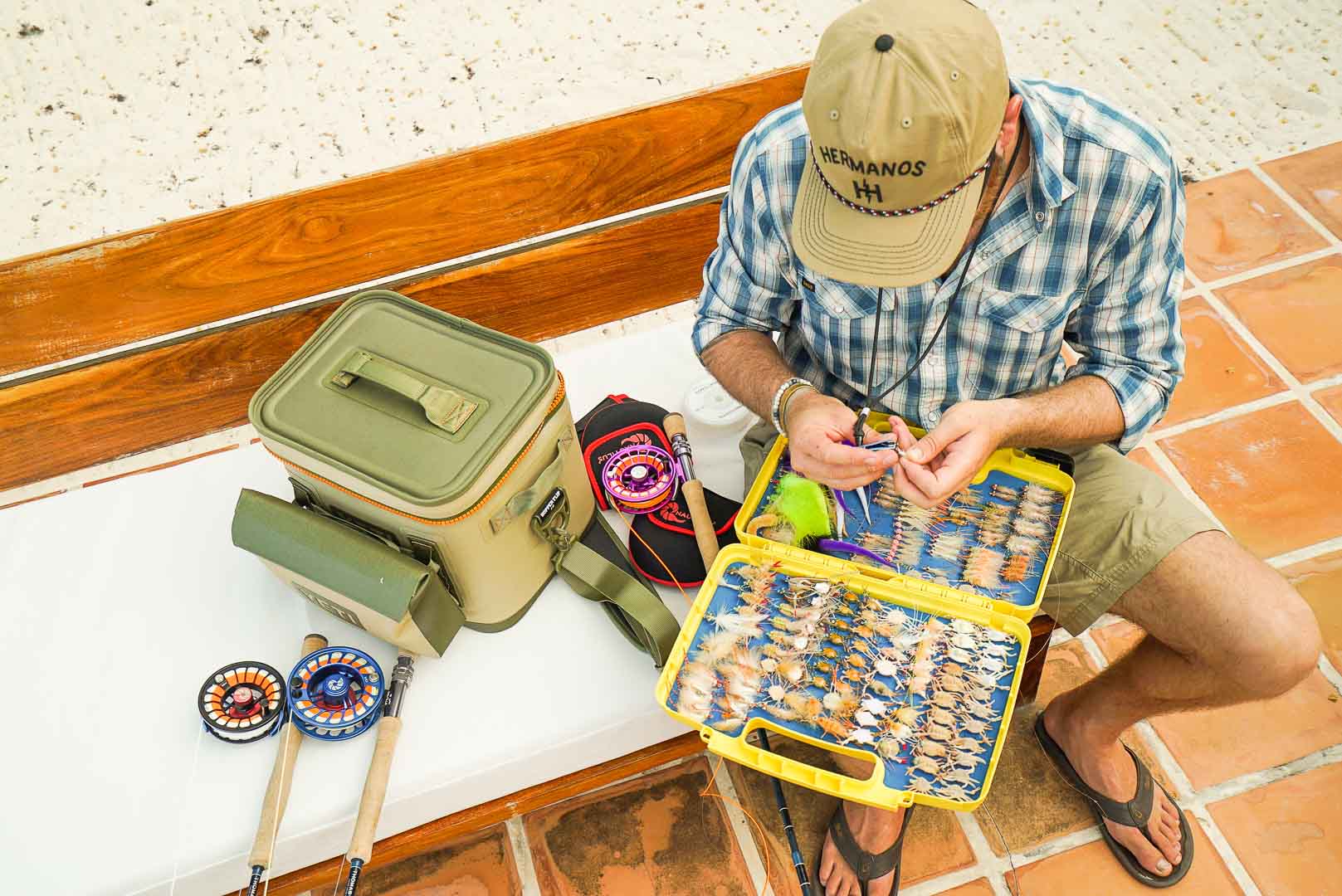
One of the biggest mistakes a bone fisherman can make is not to adjust his fly to changing water depth. Your fly should be weighted such that it sinks quickly to the bottom and then stays near the bottom within view of the fish after you begin stripping. However fishing too heavy a fly, (Lead Eyes) in shallow water will undoubtedly spook many fish. Often bonefish are spooked by seeing flies that do not match the environment in which they are swimming. A fly that matches the background color of the flat you are fishing, can pay dividends. The watchword in general is flexibility; listen to your guide, no-one in the boat has a better idea of technique or choice of fly than him!
Typical depth
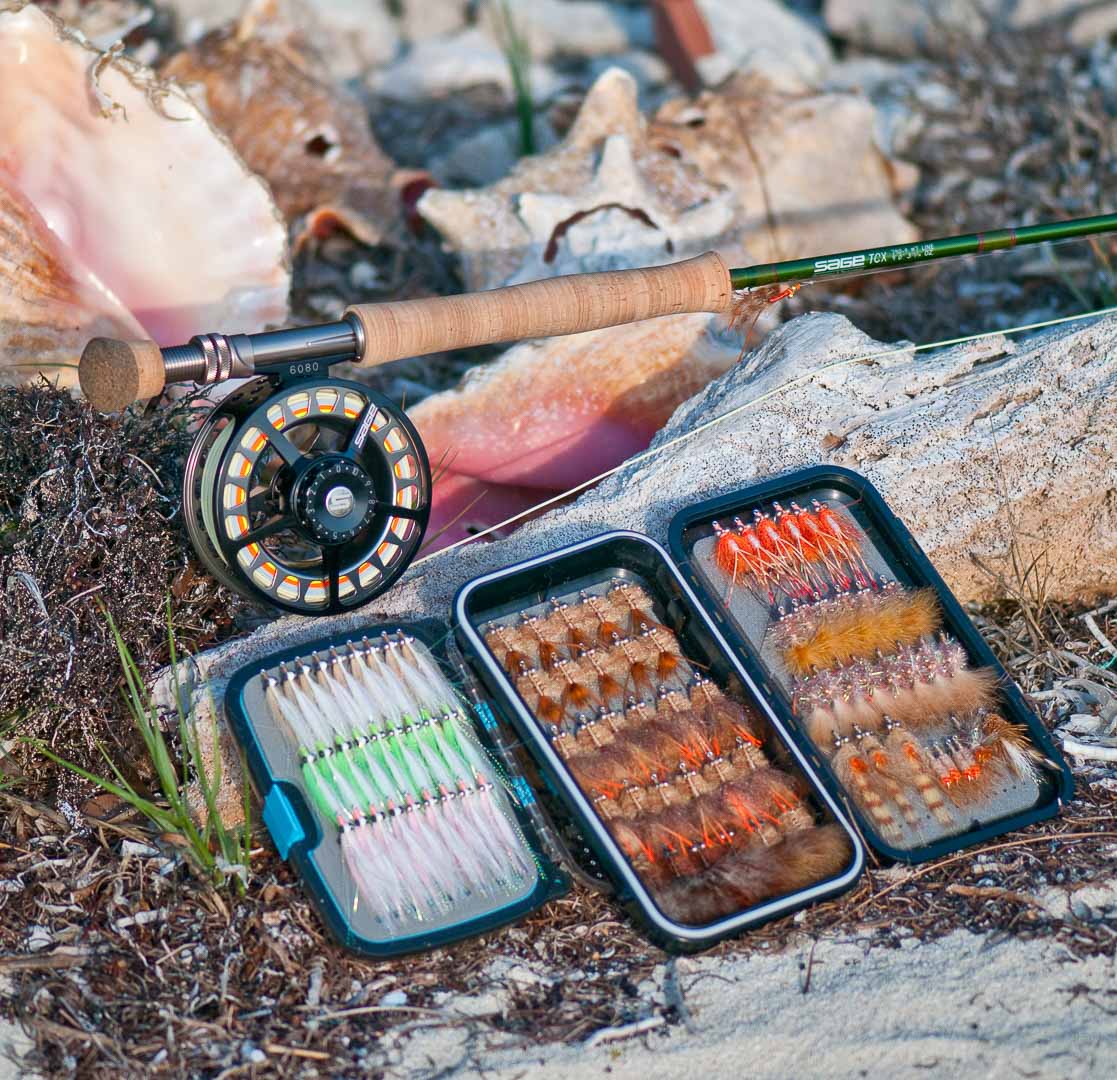
The average flat depth, whether you’re wading or poling, ranges from 12″-30″. In this depth, a Gotcha or Shrimp pattern with medium sized bead chain eyes should provide close to the perfect sink rate without overweighing the fly (and potentially spooking the fish). A good rule of thumb is your fly should reach the bottom in about 3 seconds. If you find your fly is not getting to the bottom, you should switch to a fly with lead eyes or add a few wraps of lead wire to the eye of the fly.
Deeper flats
The angler who is willing to fish deeper flats will often be rewarded with the largest bonefish. Big bonefish prefer the protection of deeper flats or shallow flats close to deep water. When you’re fishing water 3-4 feet deep, you’ll need a fly with lead eyes to get to the bottom quickly. A proven deep water fly is the Clouser minnow and the two best color combinations for bonefish are tan and white and chartreuse and white. Another killer, deep water fly is the Simram, which is a fuzzy (rabbit fur) version of the Gotcha fly with lead eyes. Lead eyes come in a variety of weights but for ease of casting, you’ll want to carry flies with the smaller lead eyes as well as the heavier lead eyes that cause many of us to duck when forward casting.
Shallow flats & tailing fish
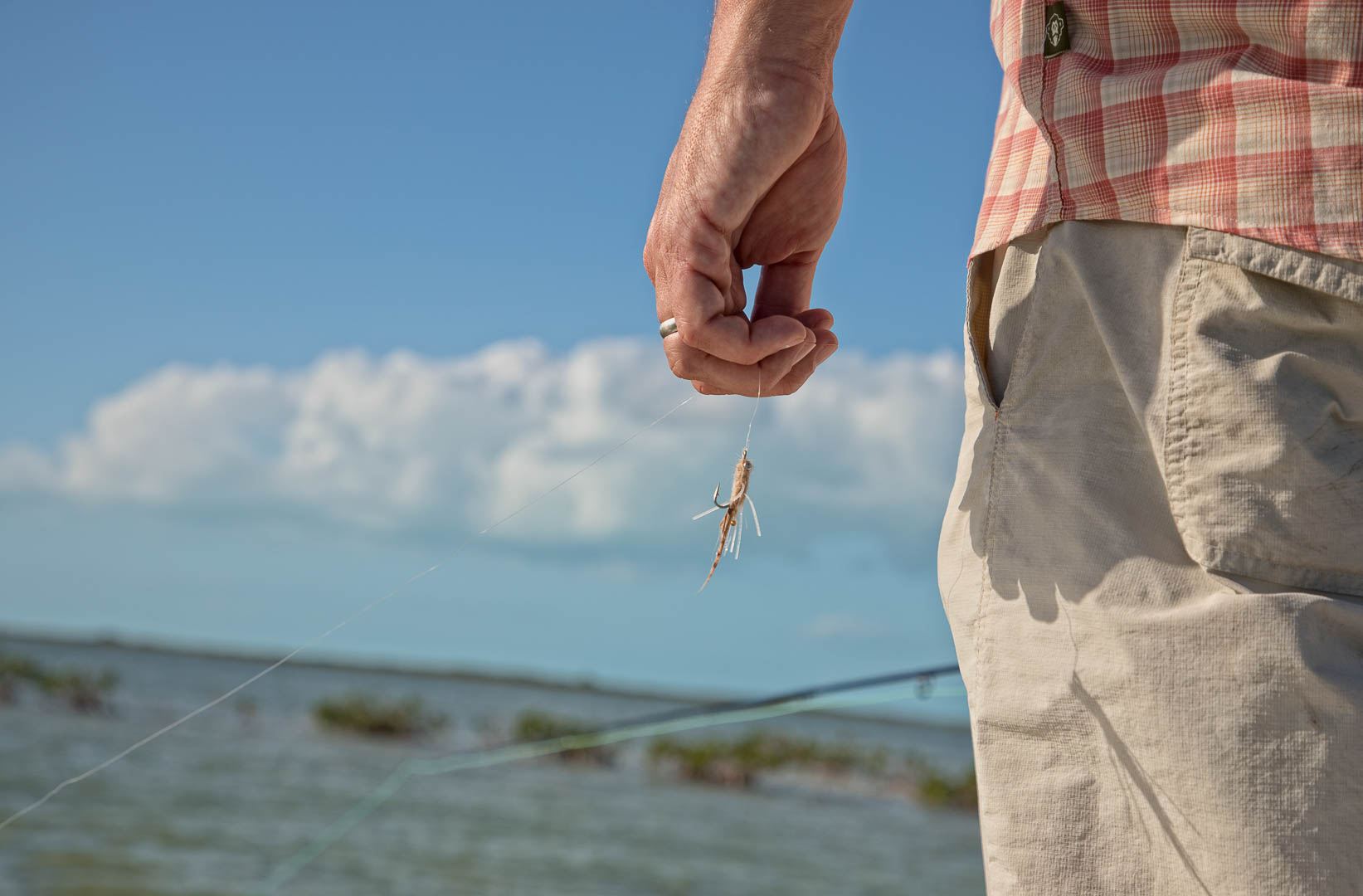
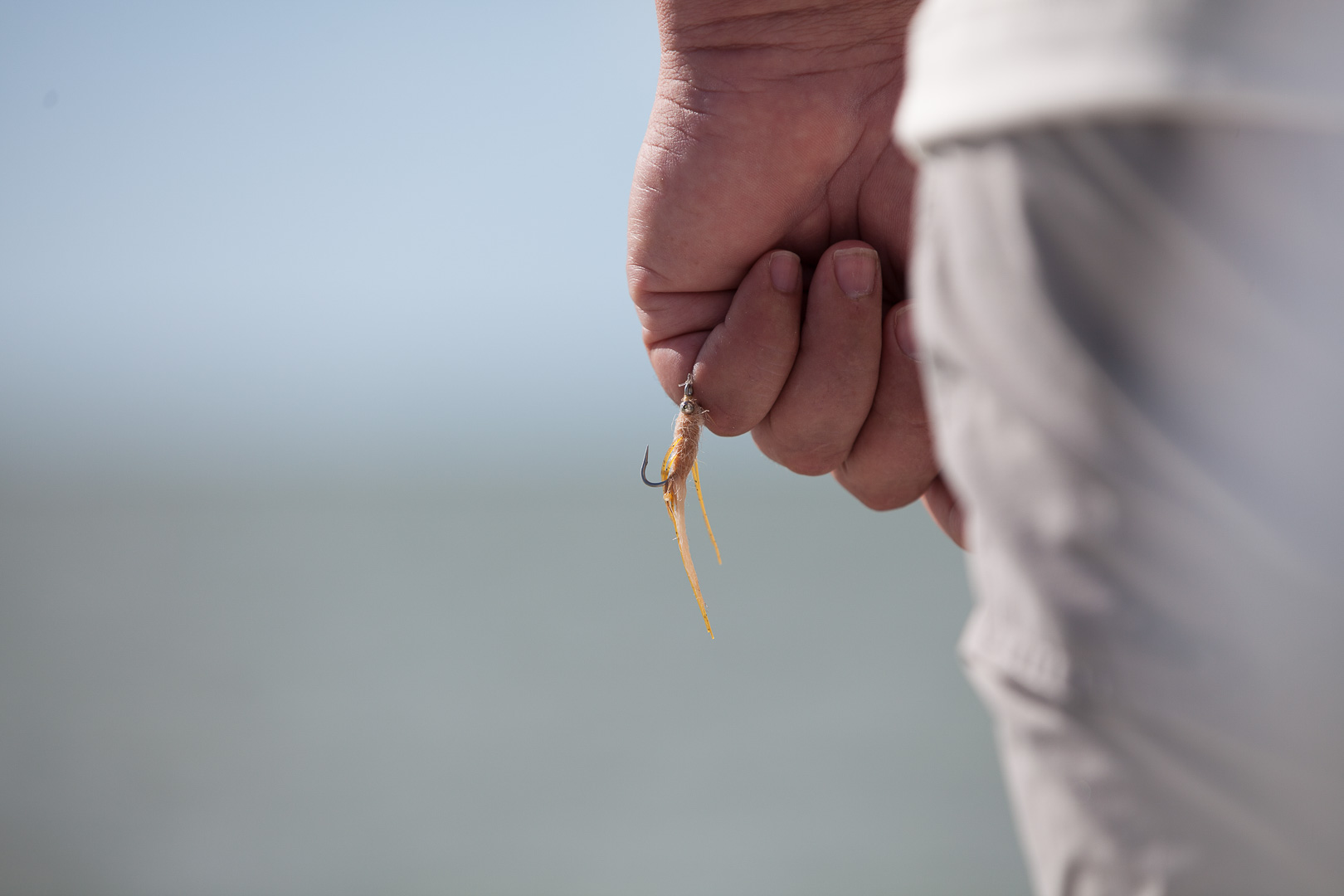
The last thing a bone-fisherman wants to do is scare an actively feeding fish by casting too heavy a fly too close to the fish. Therefore, you must go light in skinny water. By light we mean no weight other than the weight of the hook. For this we recommend mono (or plastic) eyes and a body that lands softly. A perfectly designed fly for this situation is a pattern called the bunny bone. The bunny bone is made with rabbit fur, rug yarn and mono eyes. Good color combinations would be the same as the other productive flies we’ve already described; tan and white, brown and white and the Gotcha colors, pink and white. Tie this fly in sizes 4, 6, and 8. You can throw this un-weighted fly right on the nose of a tailing fish. Its entry into the water is almost imperceptible, but it sinks well. The rabbit fur makes it look alive even before it’s stripped. If it’s within view of the bonefish and he’s hungry, all you need do is give it the tiniest of strips.
Crabflies
Crab patterns have come a long way since George Anderson introduced us to the McCrab. Actually the Mc Crab has a design flaw. It’s all deer hair. To get deer hair to sink it must be loaded with lead. To cast it you need a hard hat. Del Brown corrected this flaw by forming the body of his Del Brown permit fly with Aunt Lydia’s rug yarn. This fly sinks quickly with a lot less lead. Jan Isley used similar materials in creating the Rag Head. Bonefish like these crabs just as much as permit. When tied in smaller sizes (size # 2, # 4, and # 6), crab flies are much more enjoyable to cast and perform well on medium to deep flats for bonefish and permit. Tie one of these on when you’re fishing one of those flats where you’re not sure whether the next fish you spot is apt to be a bonefish, a permit or possibly a mutton snapper
Fishing tackle
Bonefish:
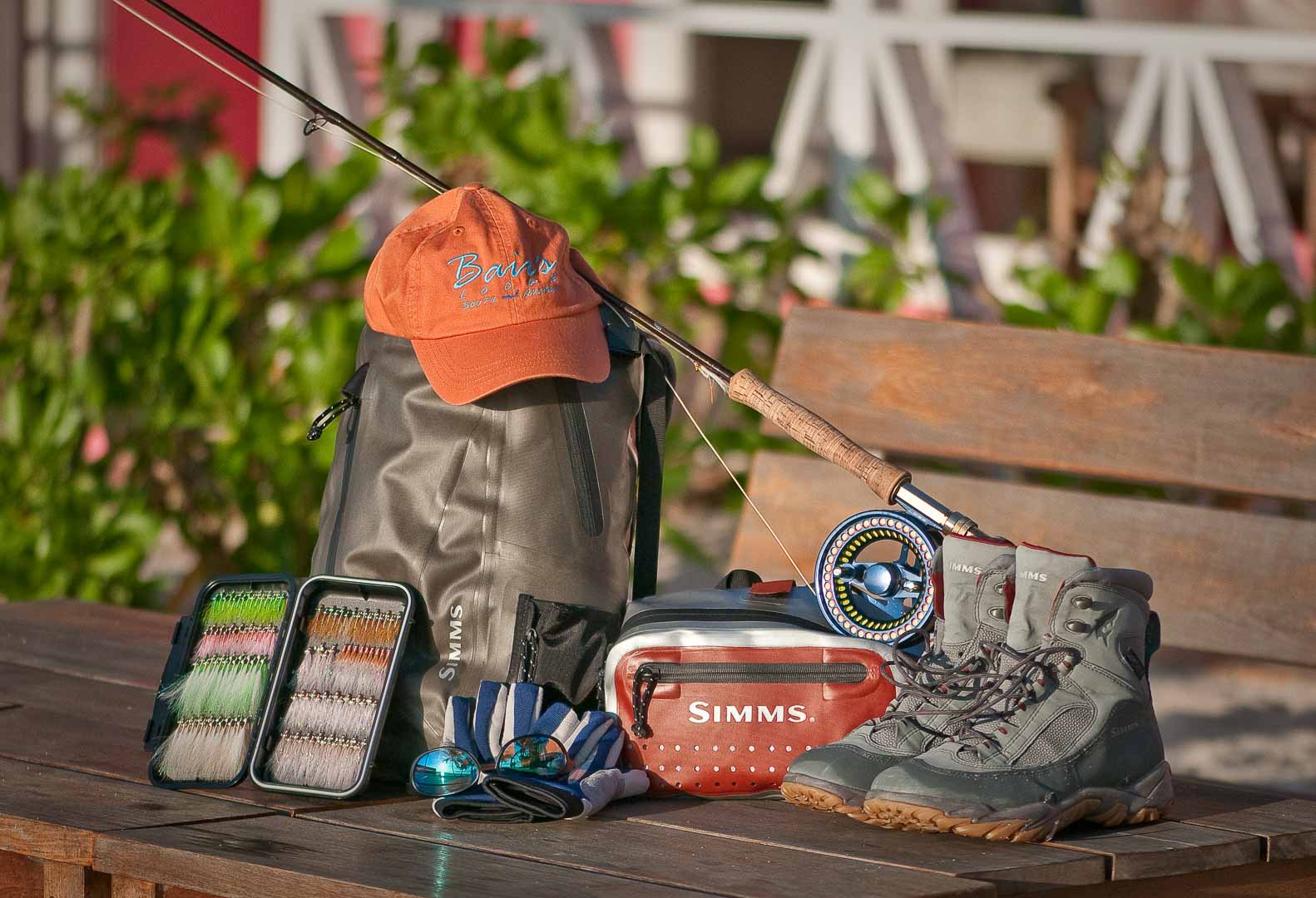
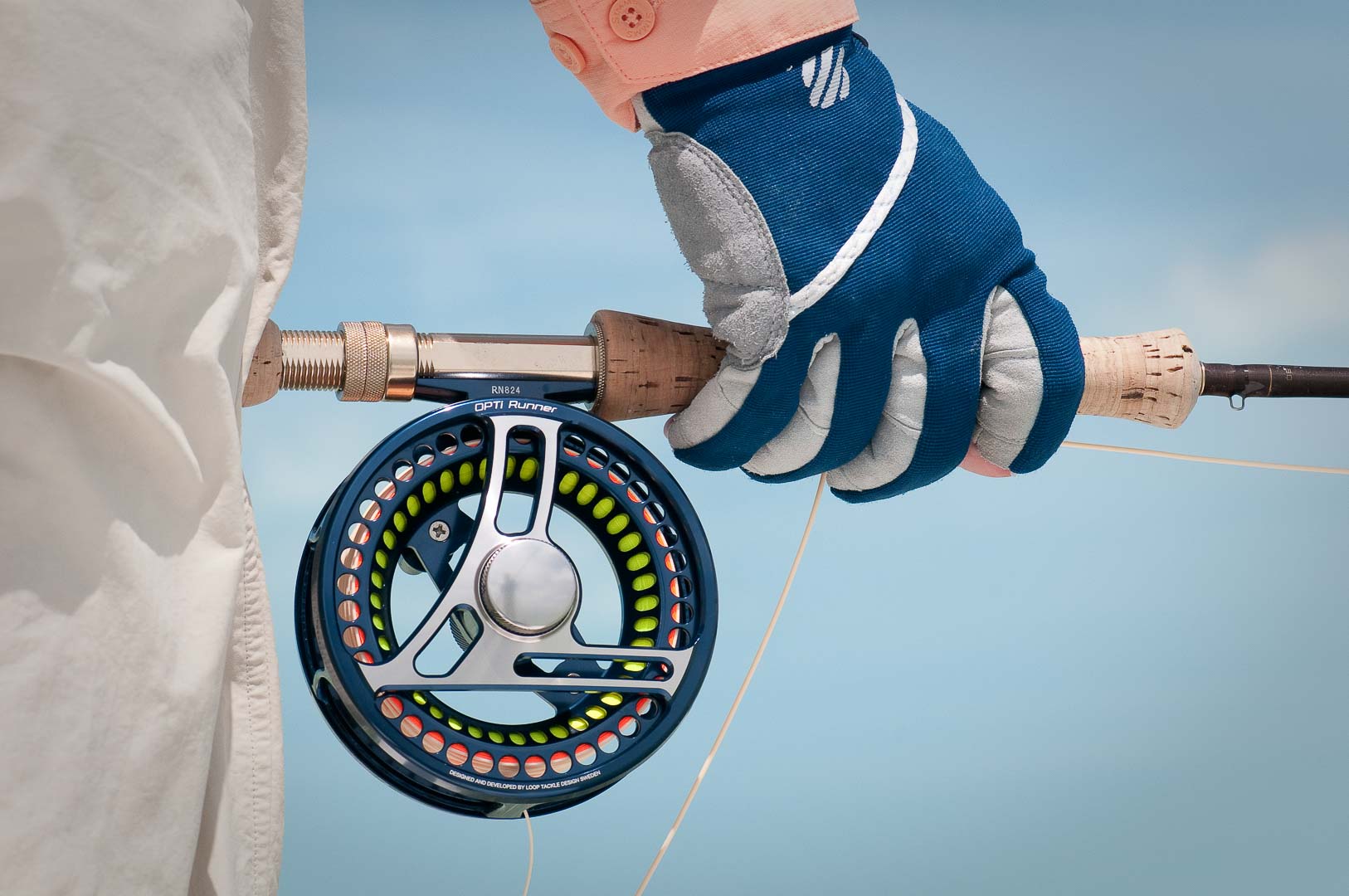
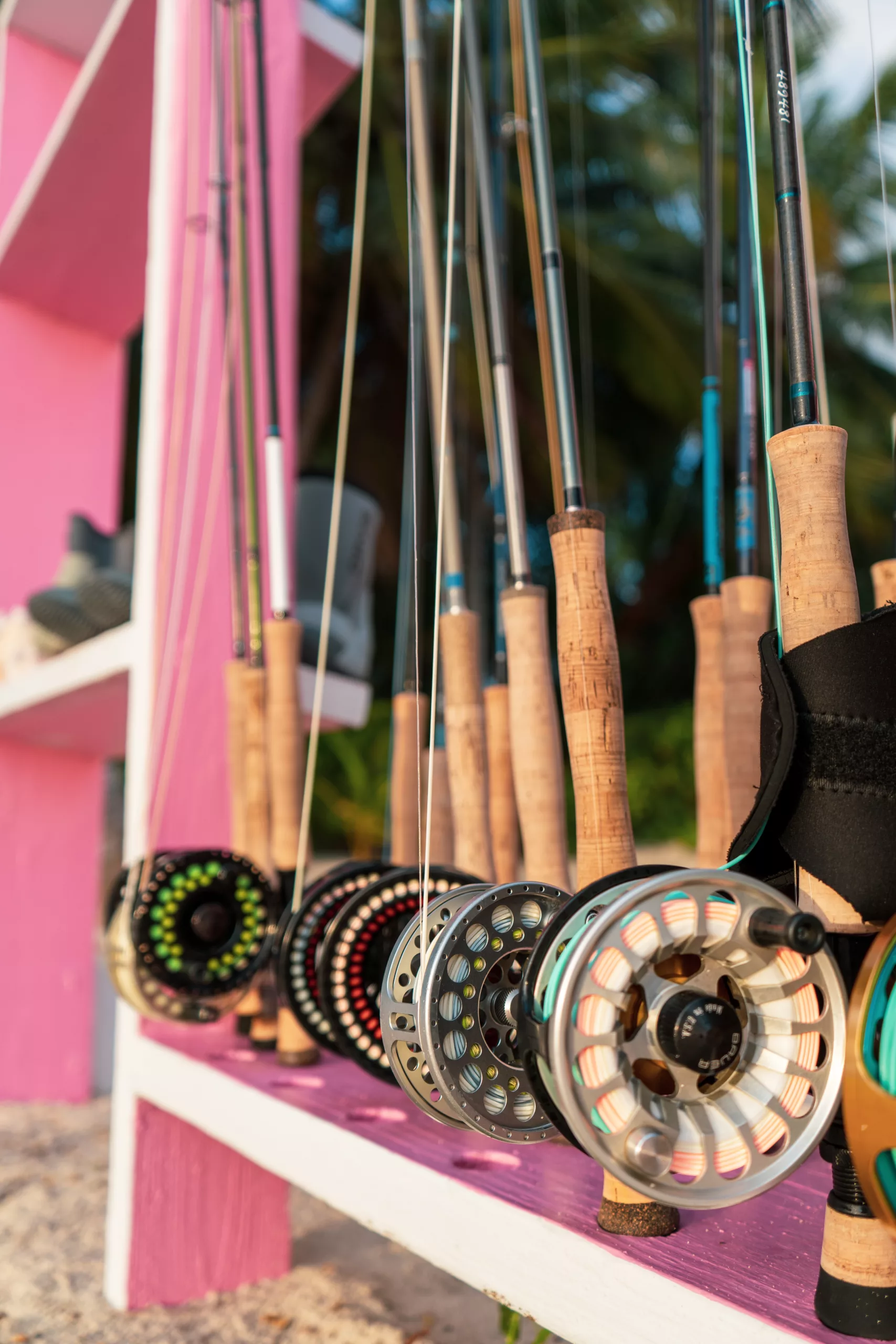
Nine foot, 8 / 9 wt rods. Under normal or windy conditions you can still make a delicate presentation with an 8 weight rod and a long leader with an un-weighted fly. We recommend anodized direct drive reels for salt water use, preferably with adjustable brake, cork disc drag, and a capacity of at least 150 yards of 20 pound test backing. A weight forward floating line should be paired off with clear leader material such as Maxima clear, Ande or Saltwater Rio. Bring spools of 20 lb., 15 lb., 12 lb., 10 lb. and 8 lb. so that you can tie leaders. We recommend using a 10 lb. or 12 lb. (or heavier) tippet when large bonefish are present. For example, 10 lb. Mason or 12 lb. Maxima or Ande. Since Rio is a thinner material than Mason, Maxima or Ande you could go to 13 lb. or 15 lb. Rio tippets. Many fresh water anglers make the mistake of using too light a tippet. Standard leader length is 9 – 12 feet, 7-9 feet on a windy day and 12-14 on a calm day. Tan and pink Fly patterns work best, Gotchas, Clousers and Crab patterns in sizes 2-8. Gregs flat’s fly, simrams and snapping shrimps. The list is endless and will depend to a large extent on the kind of flat you are fishing, it’s background color and depth.
Tarpon:
10 weight rods such as; Sage’s: RPLXi with an Abel Super 10 and a Rio Tarpon taper clear sink tip, a pre-tied tarpon leader with 15-20lb class tippet and shock tippet of 60-80lbs. For Barracuda use a wire tipped leader with about 6″ of wire and for Sharks increase this to 24″. The flies you need are patterns like Shallow Water Cockroach, Deceivers and Abel Tarpon Anchovy, in sizes 2/0 3/0 and 4/0.
About the Bonefish
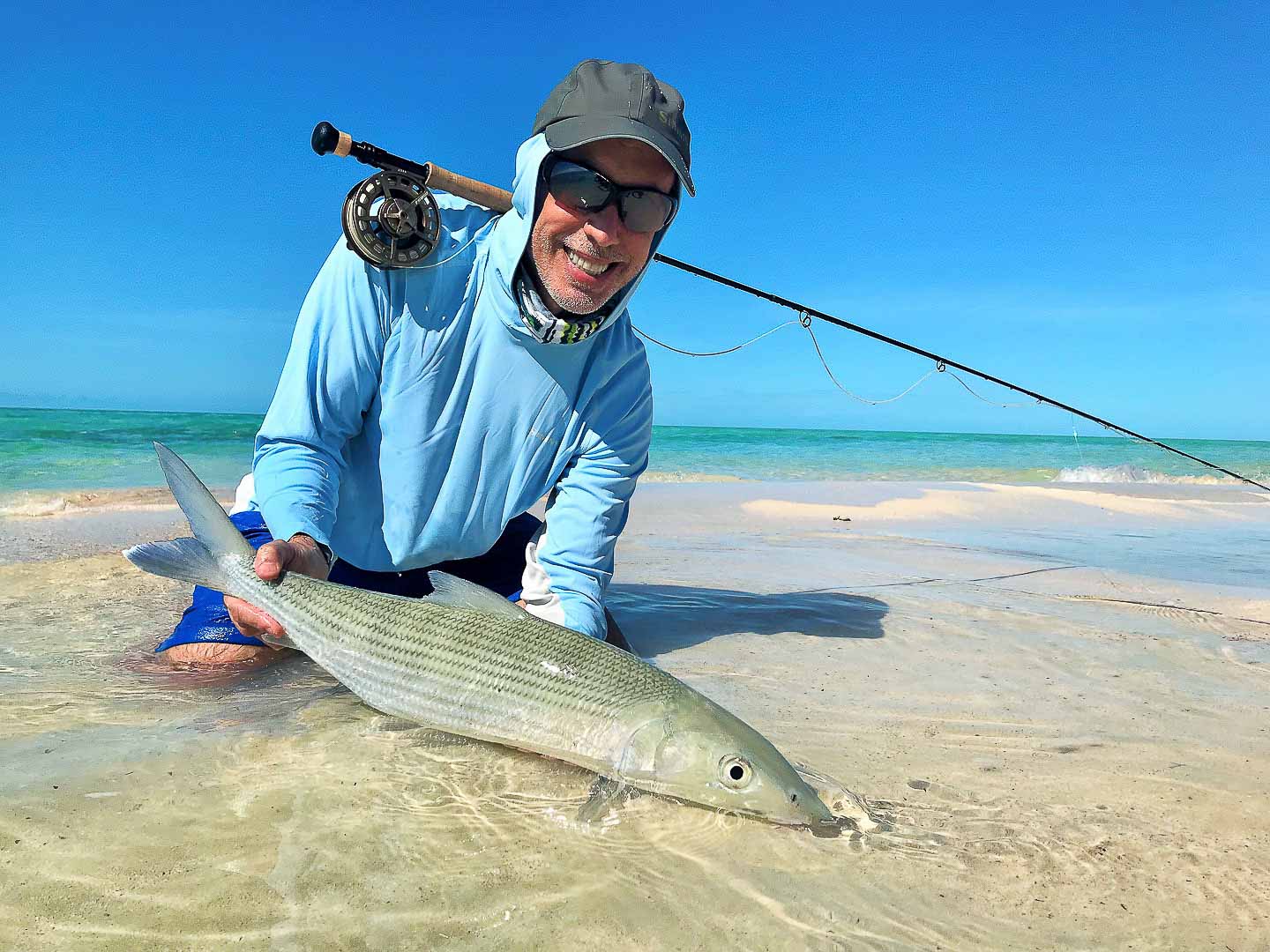
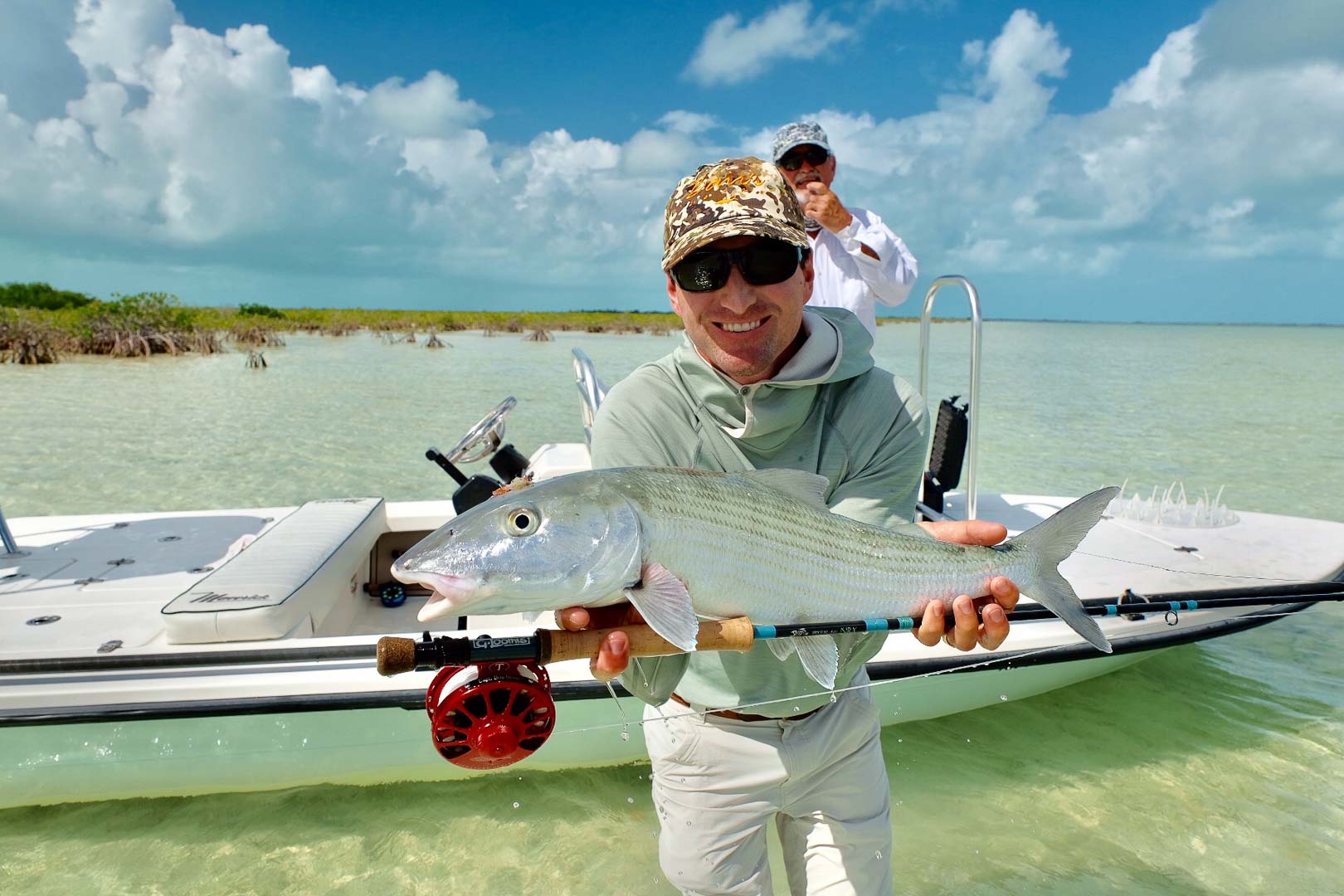
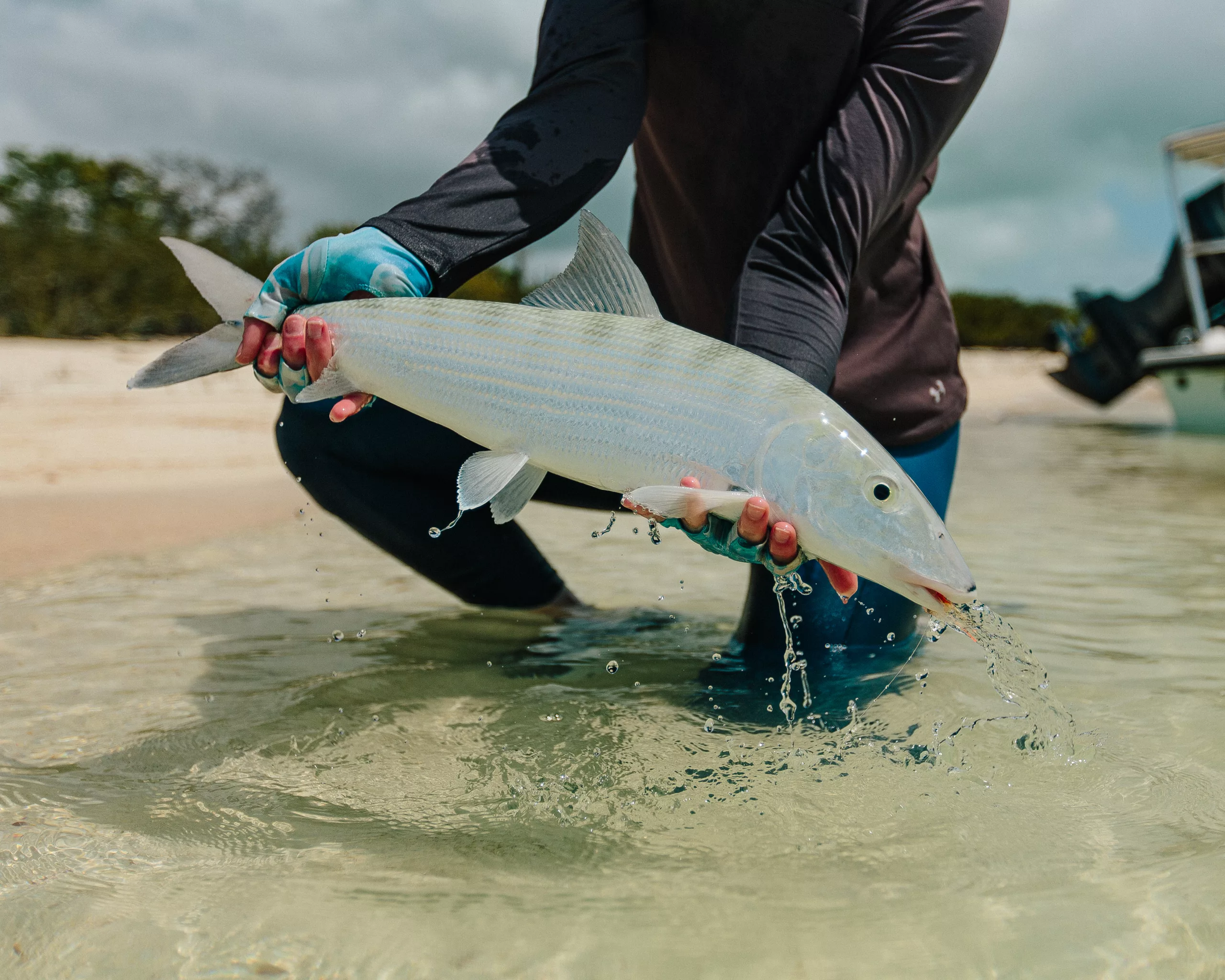
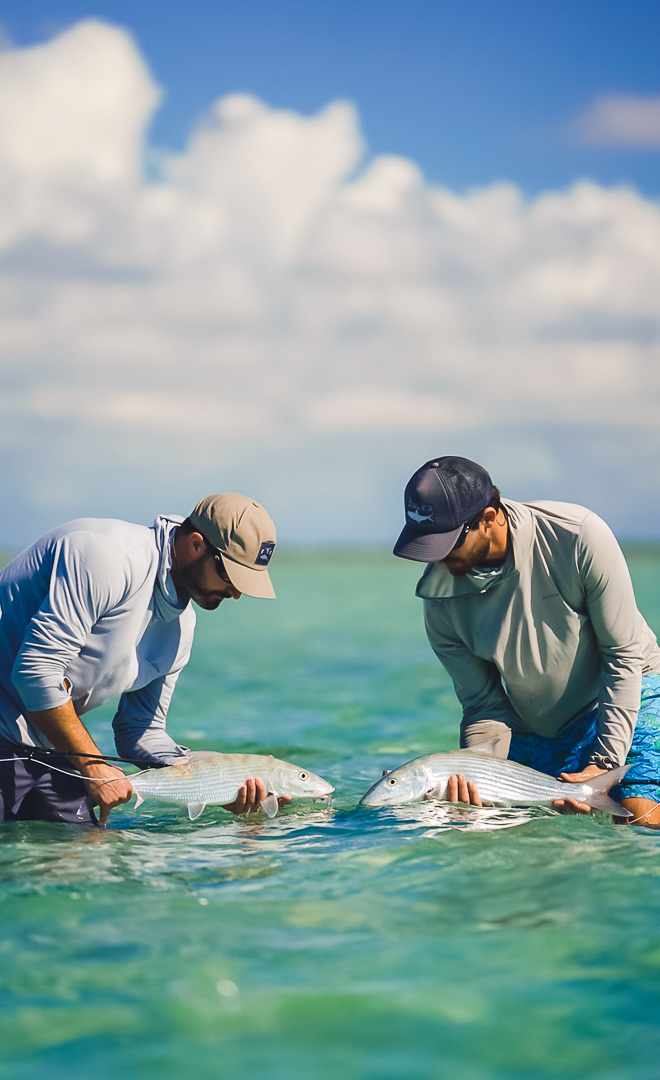
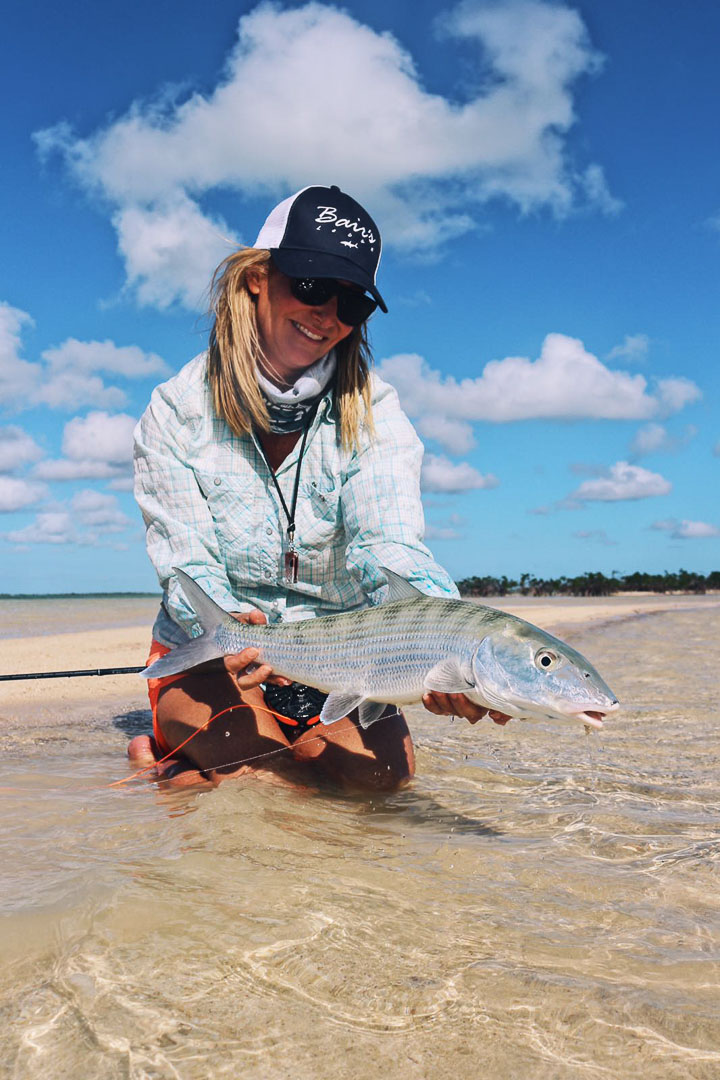
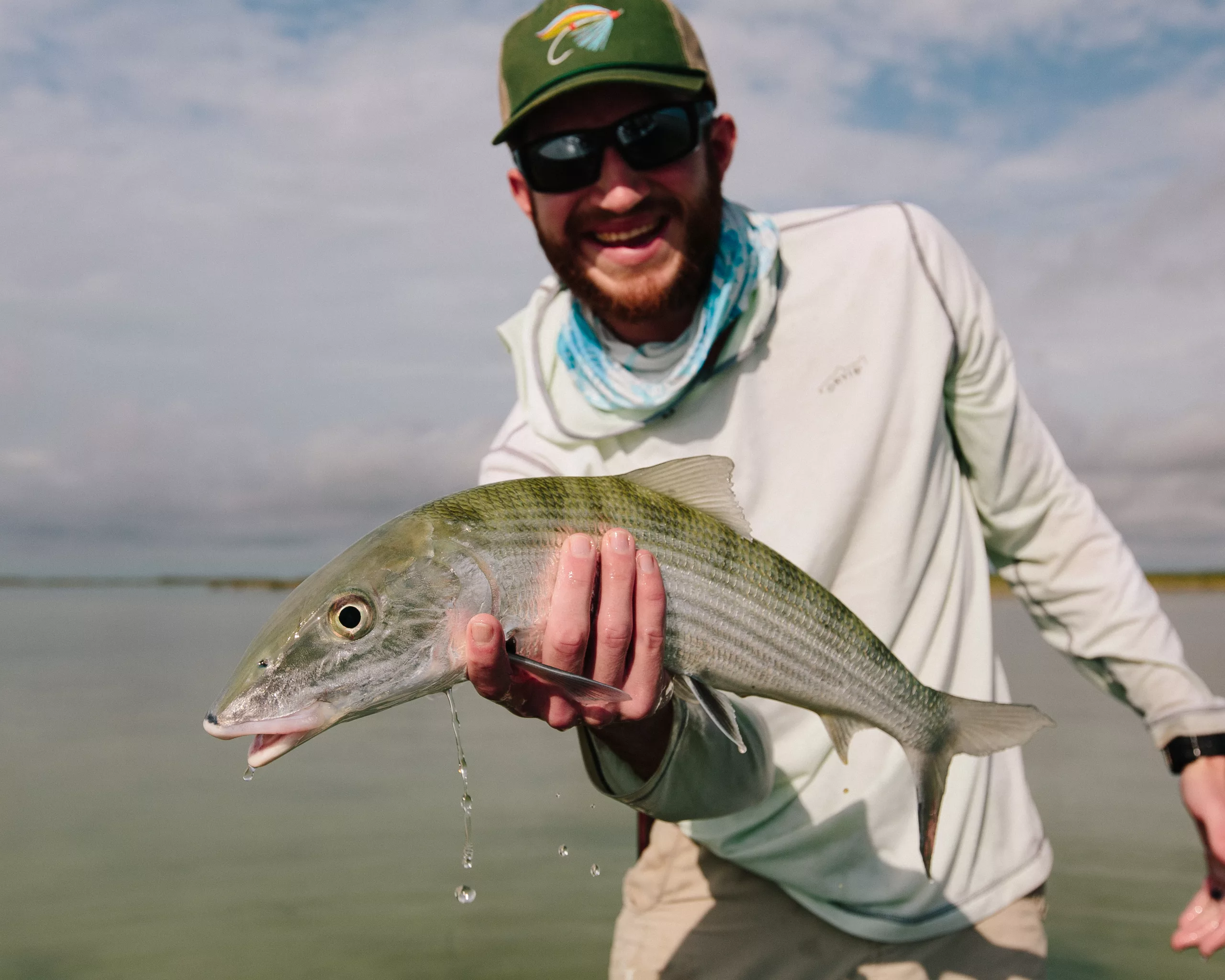
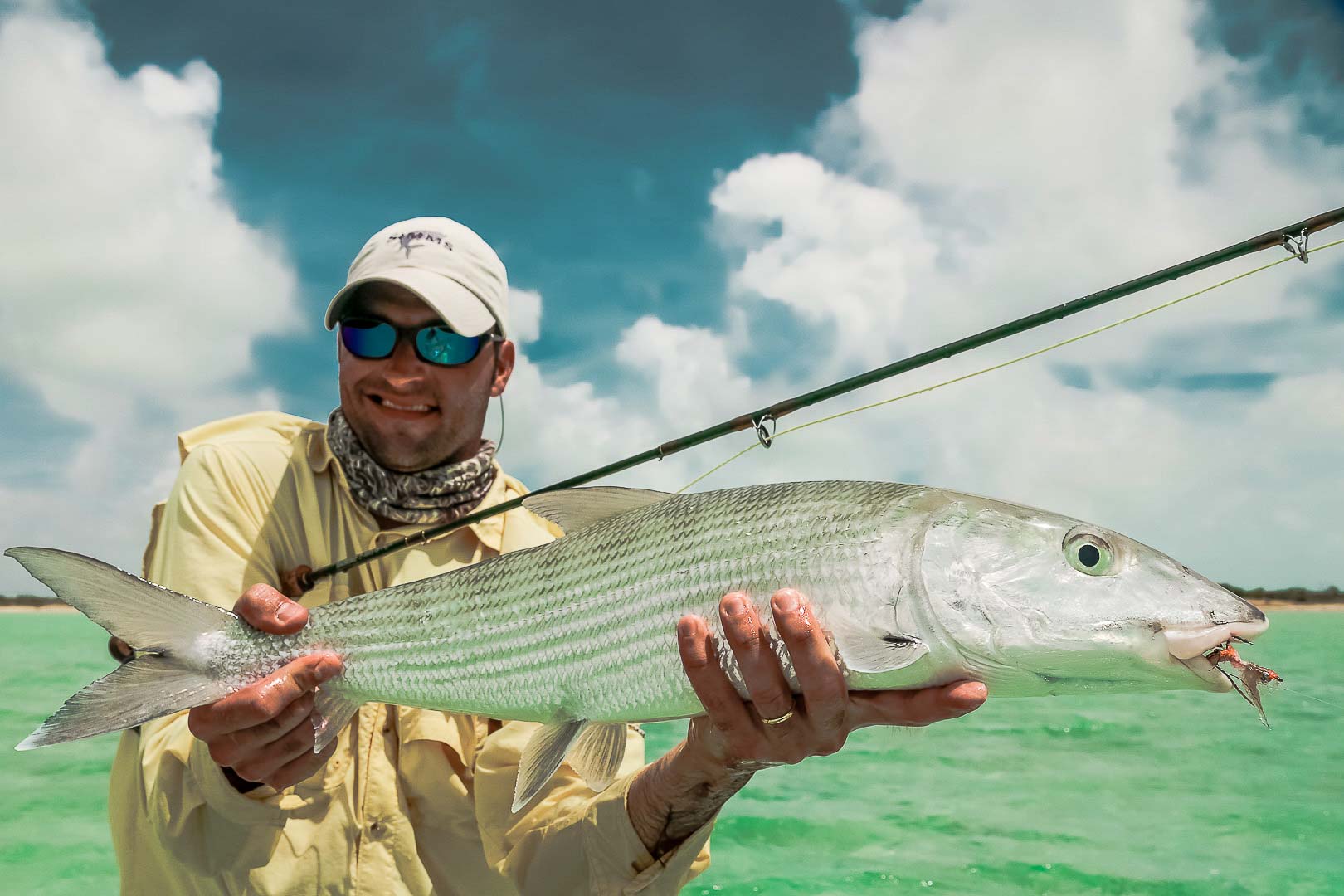
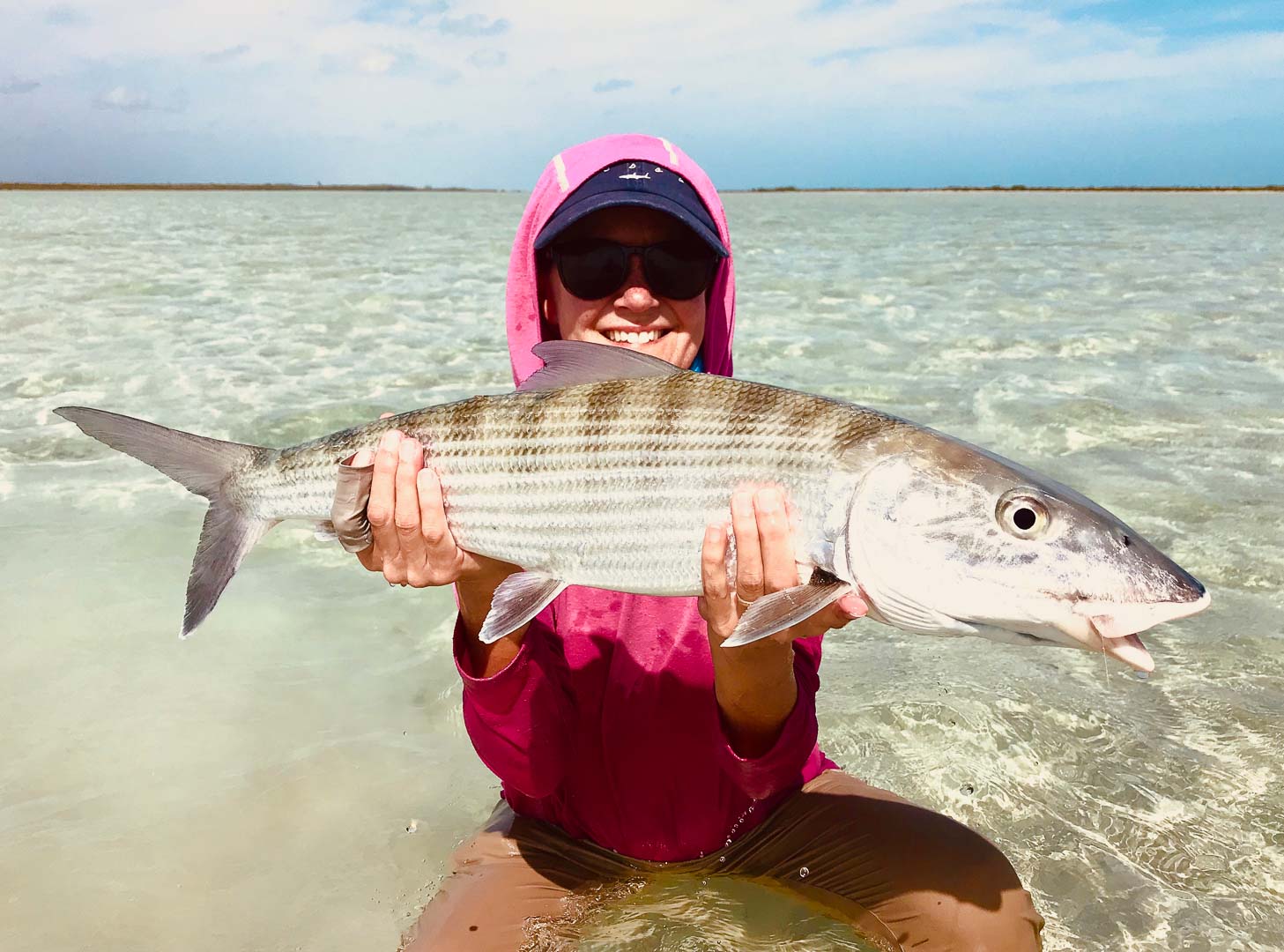
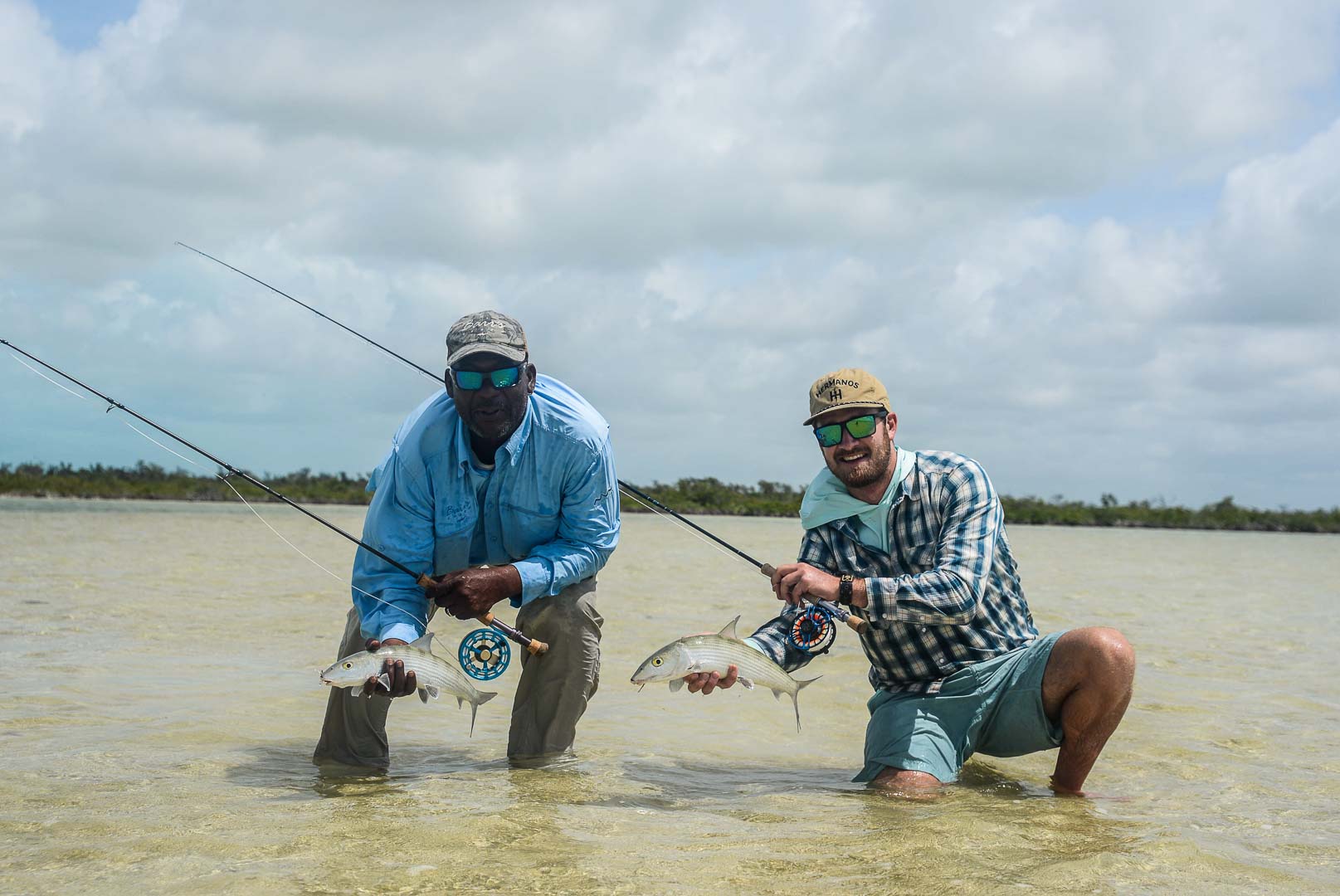
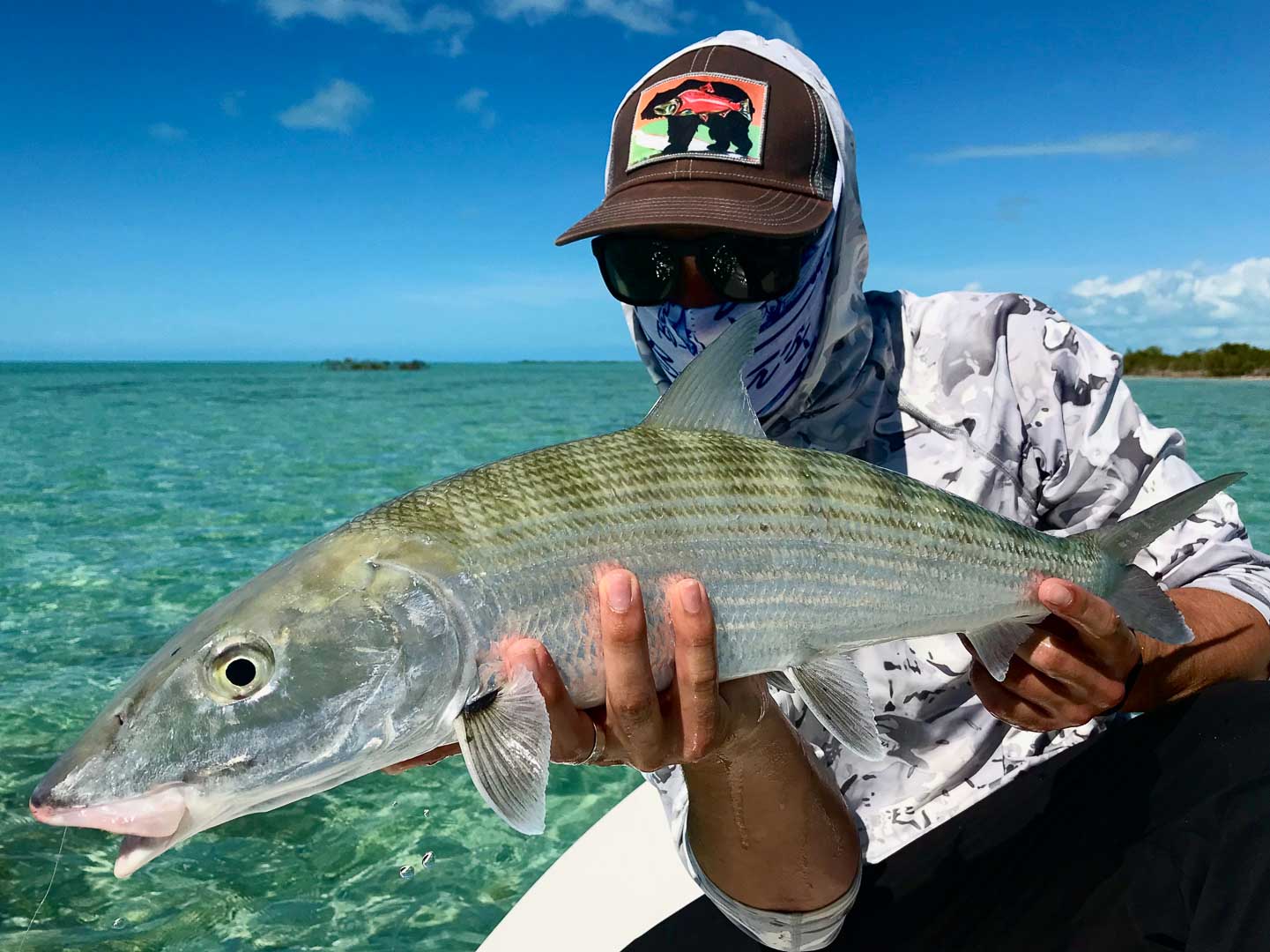
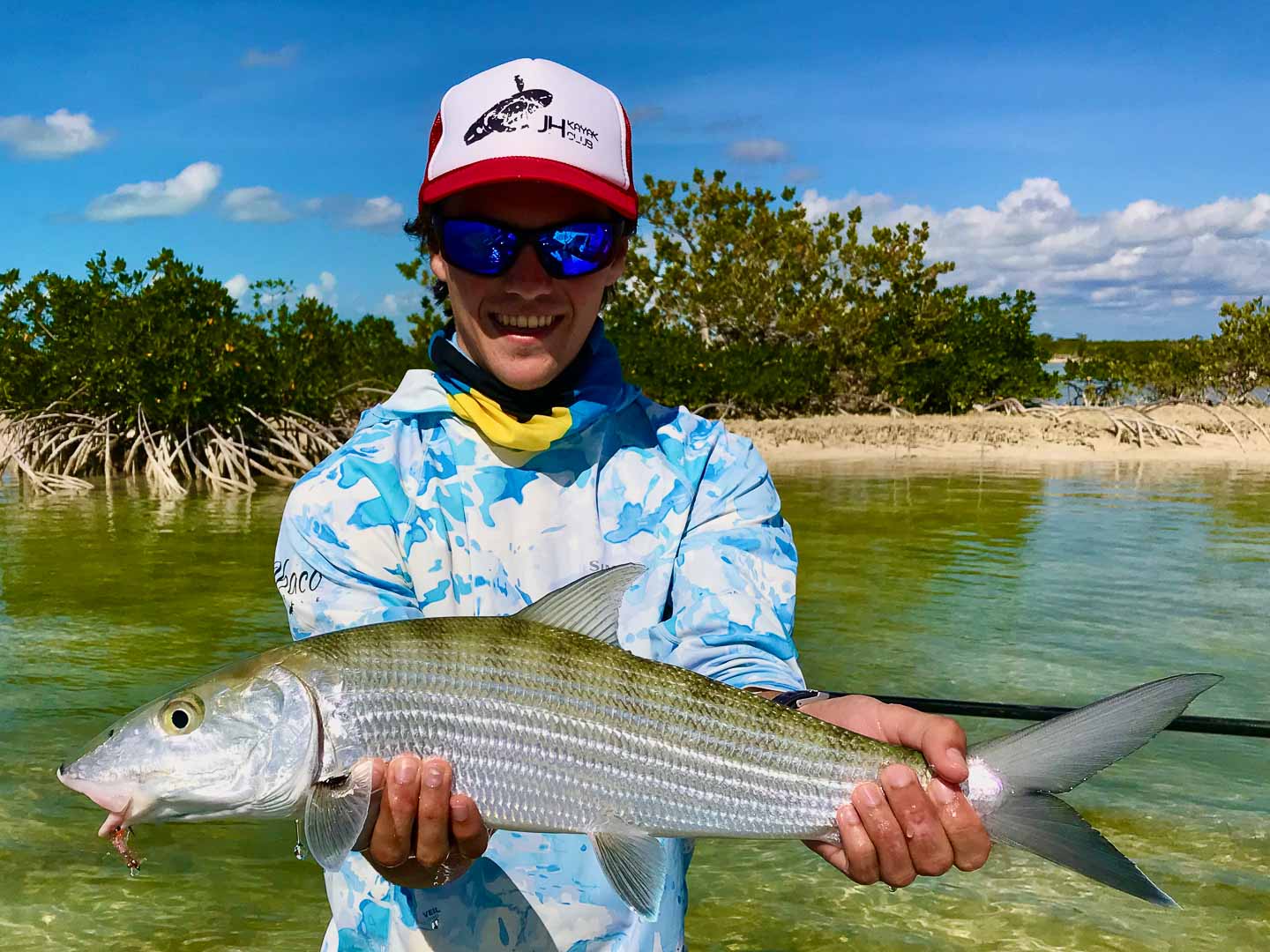
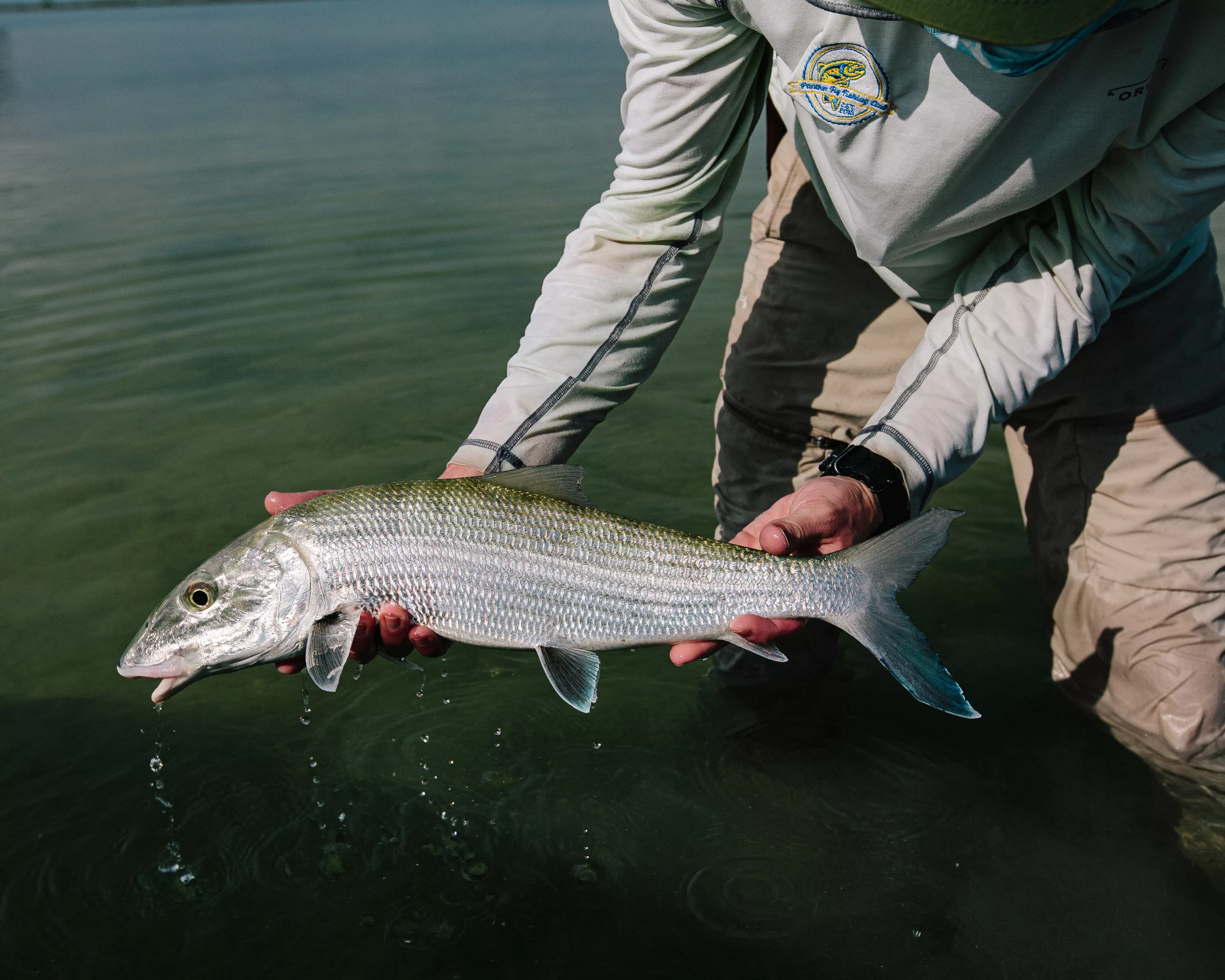
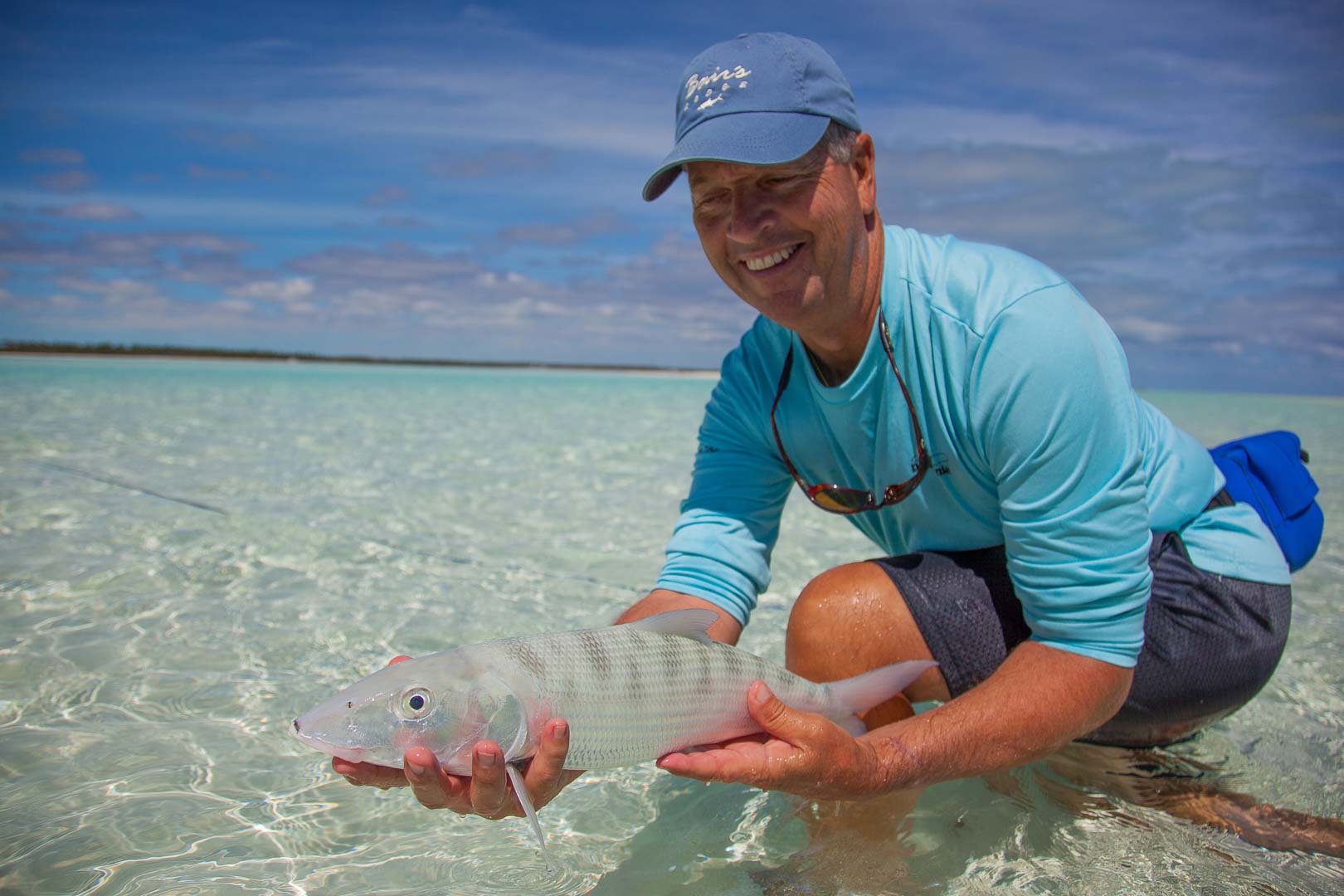
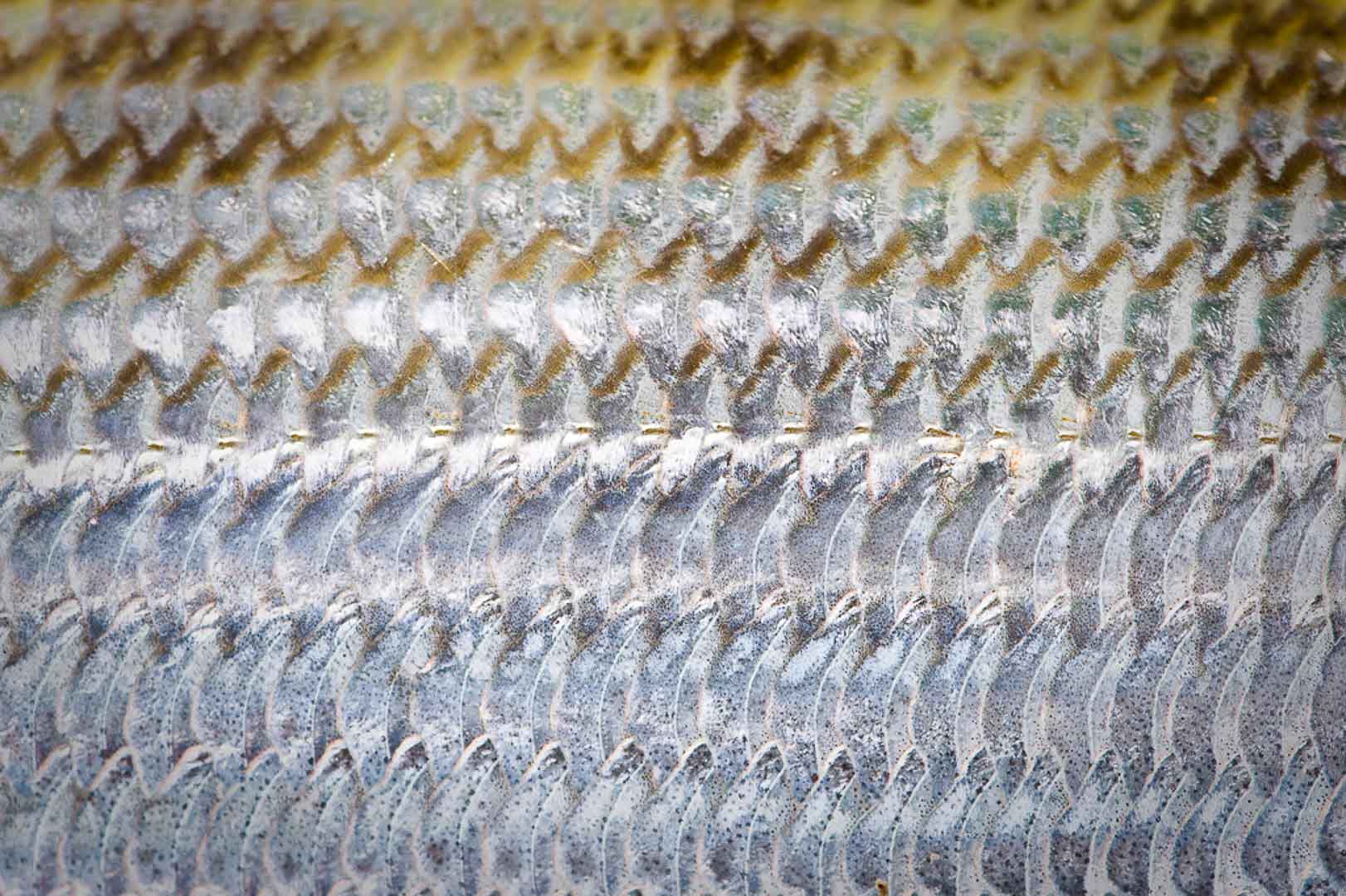
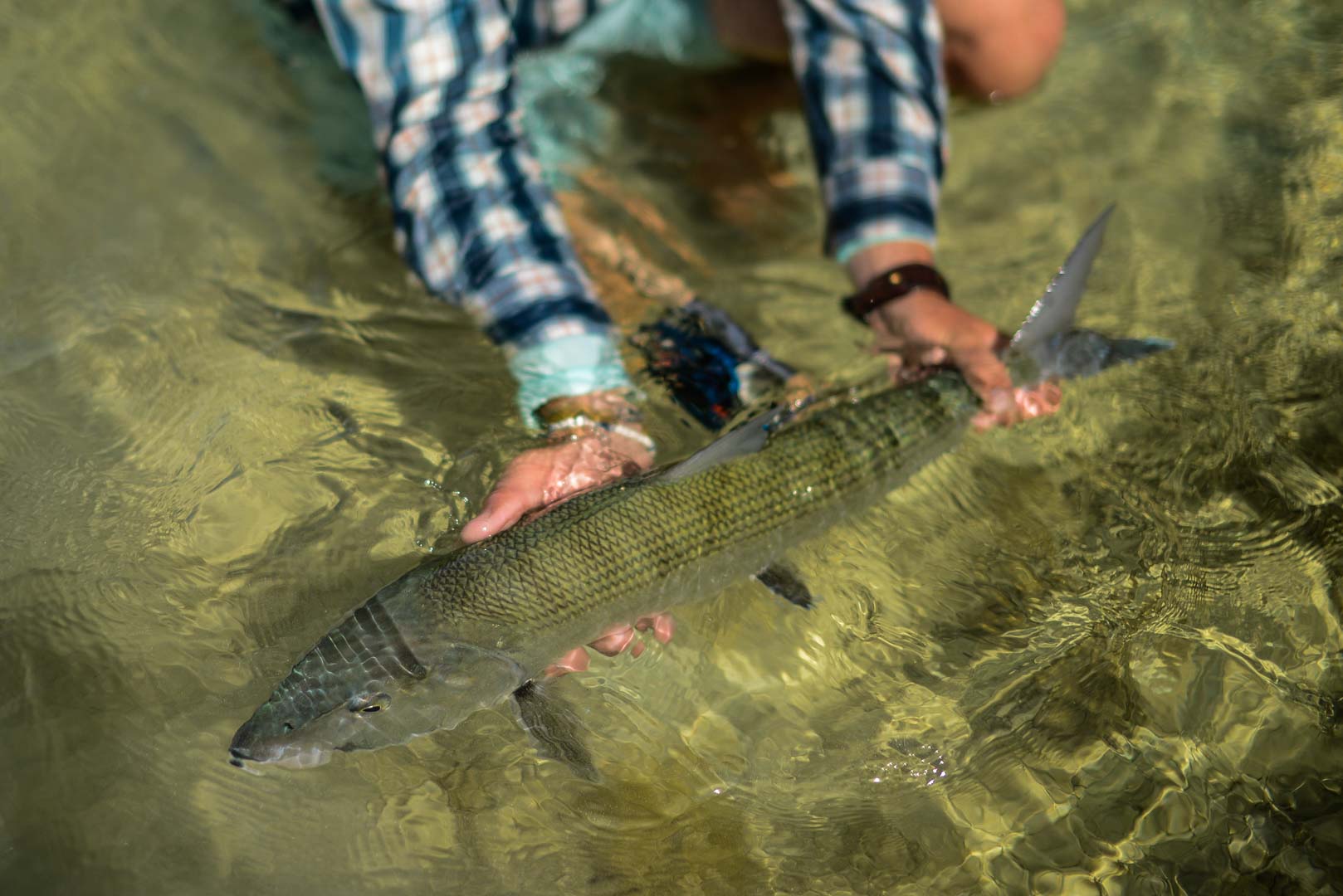
The bonefish, is probably pound for pound the strongest and fastest running salt-water fish, and it is one of the coolest to have your photo taken with. The bonefish is of the species of the Albulidae, or bonefishes. Its scientific name can be translated as “white fox.”
Bonefish are amphidromous, living in inshore tropical waters, moving onto shallow tidal flats to feed with the incoming tide, and retreating to deeper water as the tide ebbs. Its weight may reach 5lbs, though a more representative size would be about a third of that. A big bonefish, a lifetime fish would be any fish in excess of ten pounds or more. Silvery in color with dusky fins—the bases of the pectoral fins are yellow. Heavily schooling fish, with some of the larger individuals traveling singly or in schools.
Bonefish are considered to be among the world’s premier game fish, but they are virtually inedible, and they are eaten only in some locations by native populations.
As prolific as bonefish are, relatively little is known about them. The Bonefish Tarpon Trust is doing a great deal of scientific research on bonefish currently, and if you desire further information, they are an excellent and angler friendly source. Visit www.tarbone.org.
Bonefishing is a shallow-water pursuit done in depths ranging from 8 inches to several feet. Flats sporting currents; dropoffs along the edge and clean, healthy seagrass beds produce abundant small crabs and shrimps that bonefish prey upon. Bonefish are known to follow stingrays, looking for small prey items disturbed by the rooting stingrays.
More on the bonefish…
The Bonefish prefers shallows, estuaries, bays, grass flats, and other brackish areas at a depth from 0 to 84 meters. It is found worldwide in subtropical warm seas. In the Eastern Pacific, its range includes waters off California to Peru; the Western Atlantic range stretches from North Carolina to Florida, the Bahamas, the Antilles and the rest of the Caribbean almost to Brazil.
A pelagic fish, the Bonefish feeds on benthic creatures such as worms, crustaceans, and mollusks, rooting them out from the sandy bottom. Granular teeth, forming specialized dental plates, cover the bonefish’s tongue and upper jaw, and similar grinders are also present in the throat, helping the fish to grind up its prey. Small to medium-size bones often feed in schools. Sharks and barracuda frequently prey on bonefish, which may explain why the fish evolved such a sleek body for a fast getaway over the ages.
Picture Gallery
Accommodations
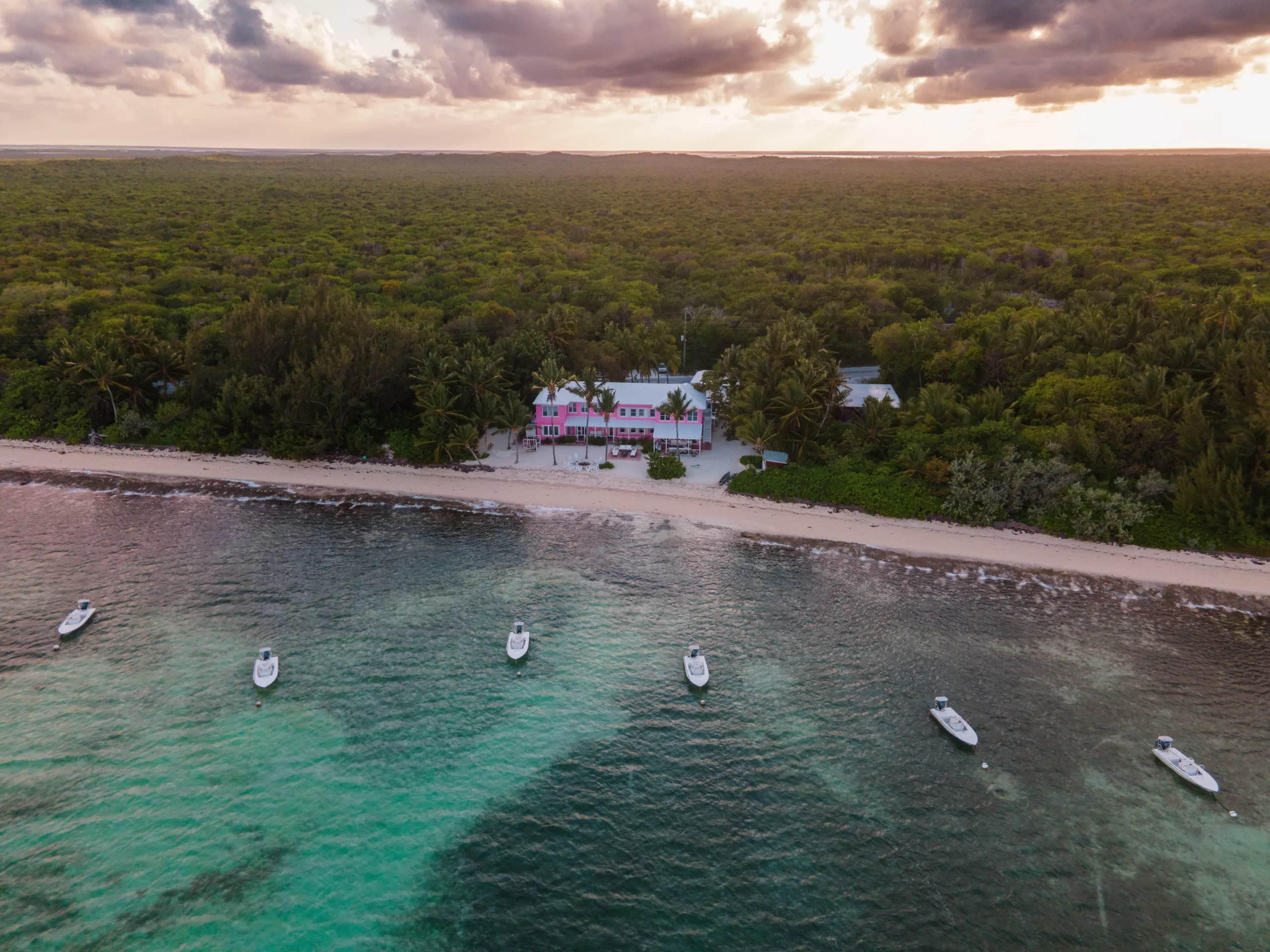
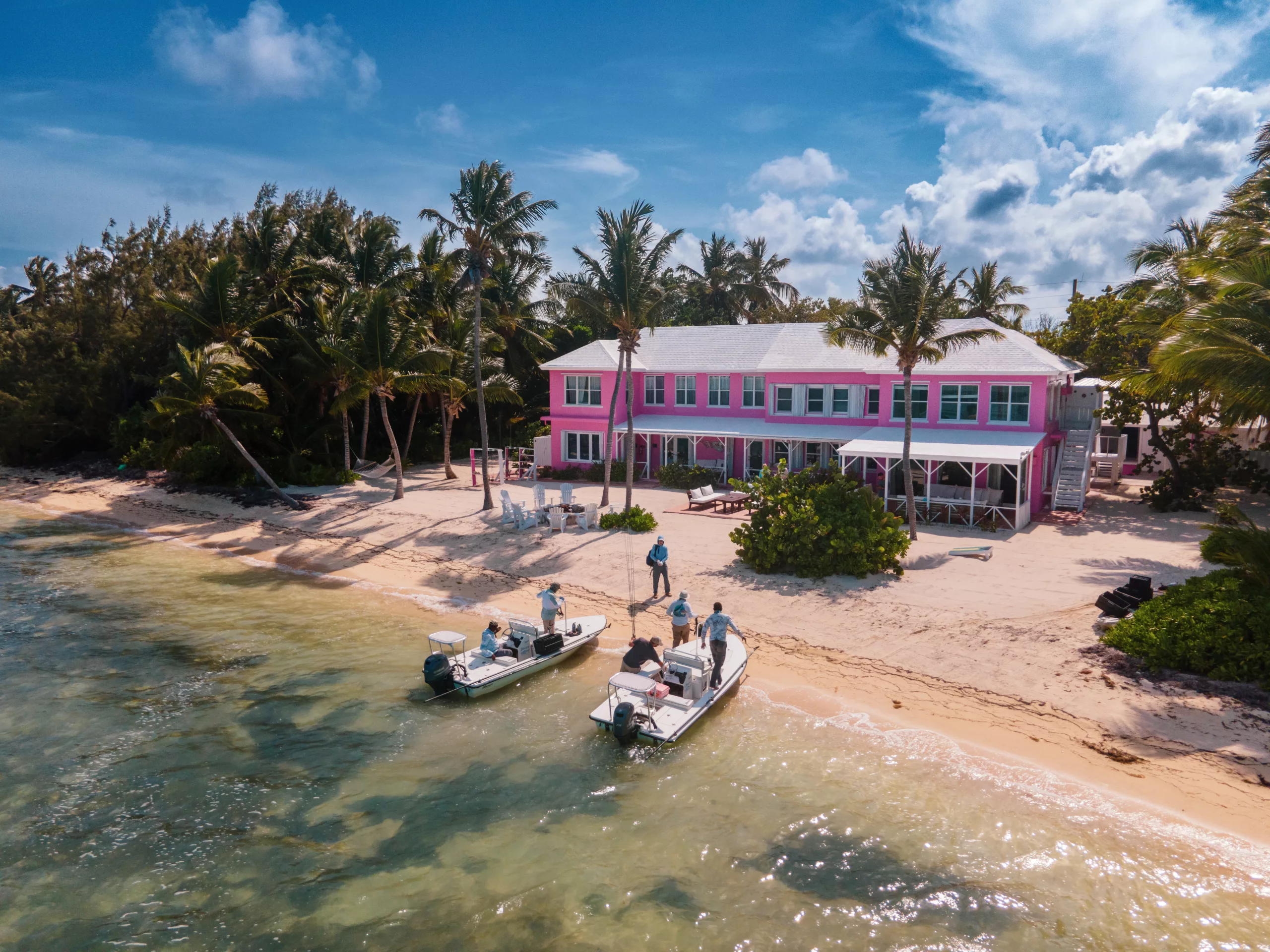
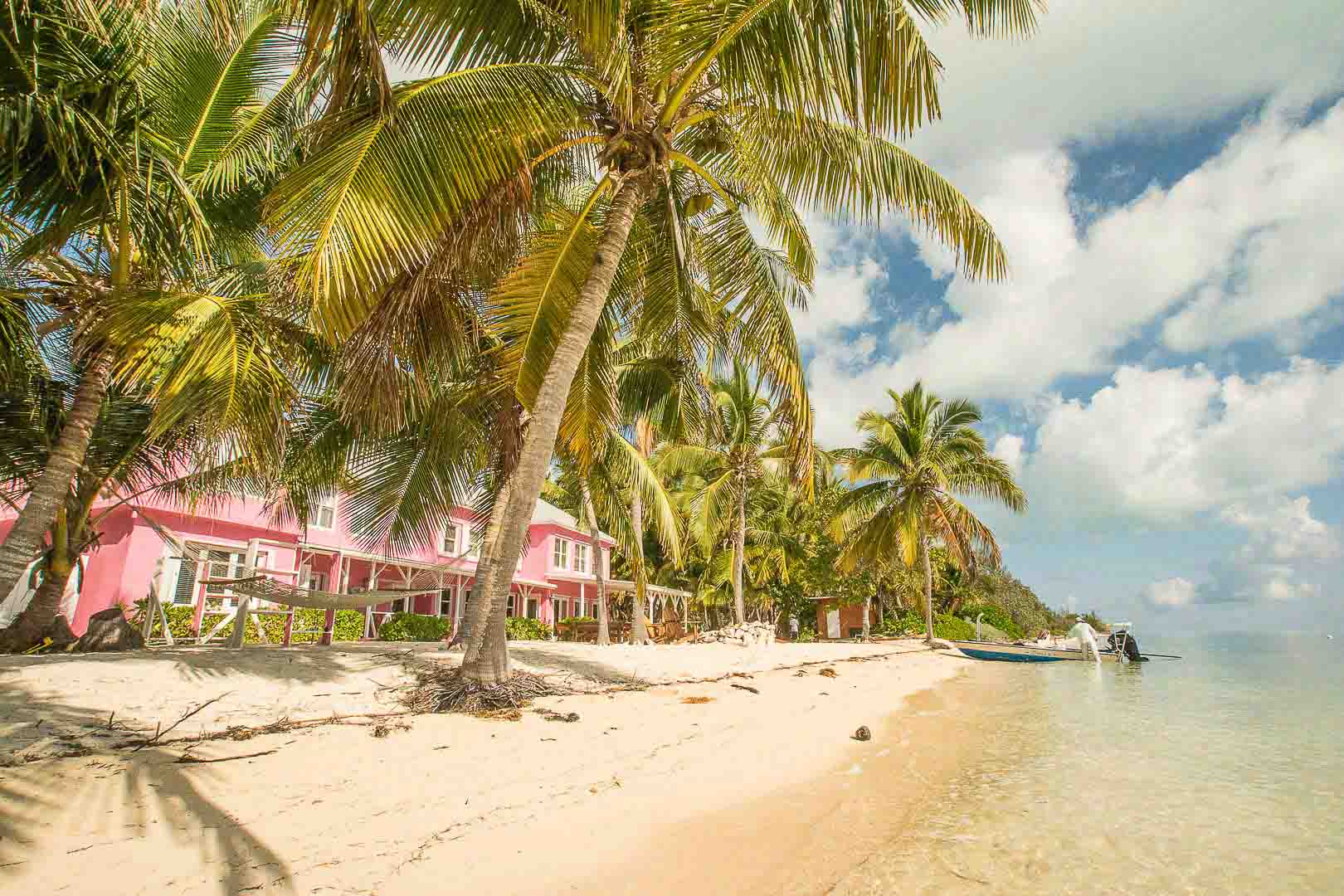
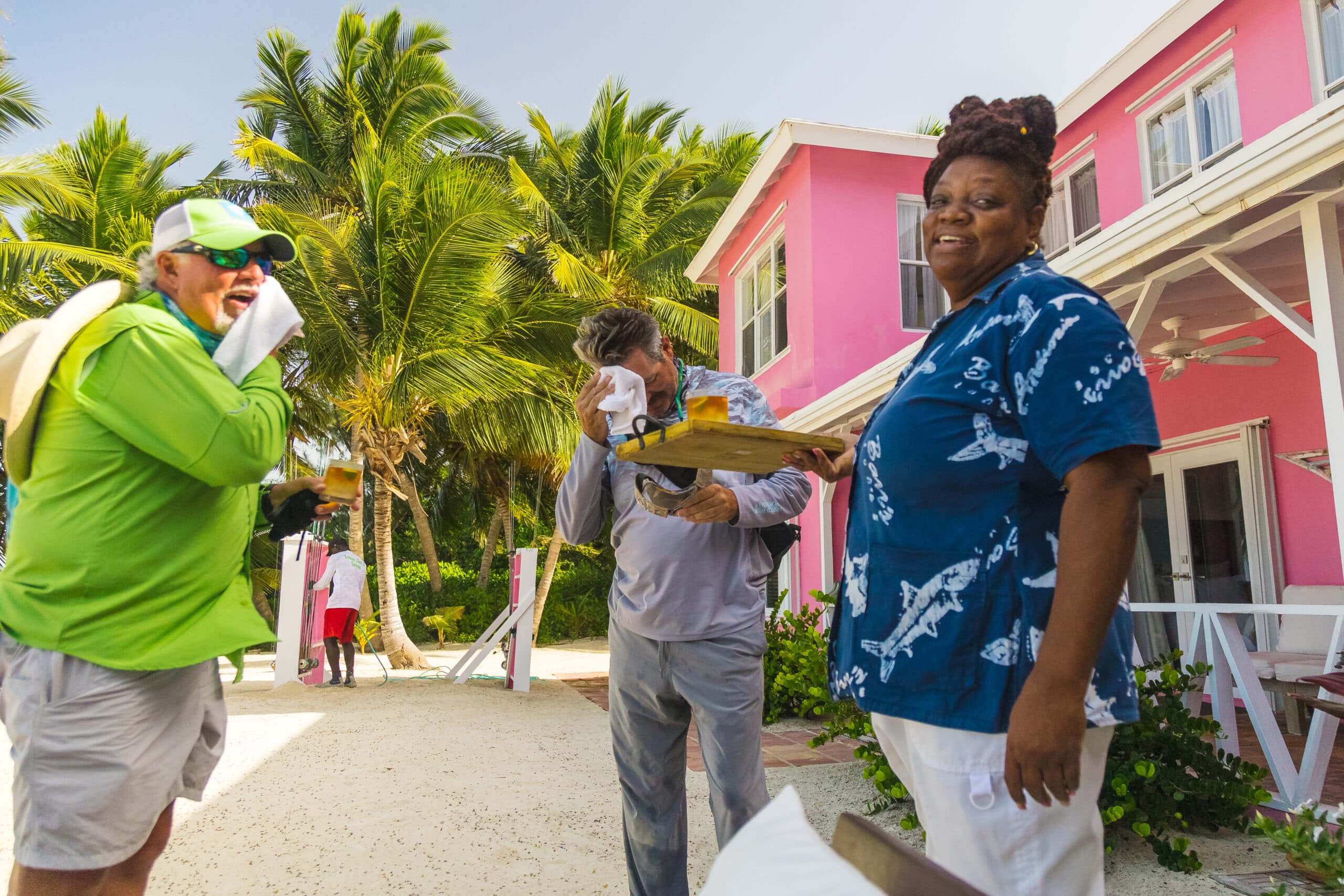
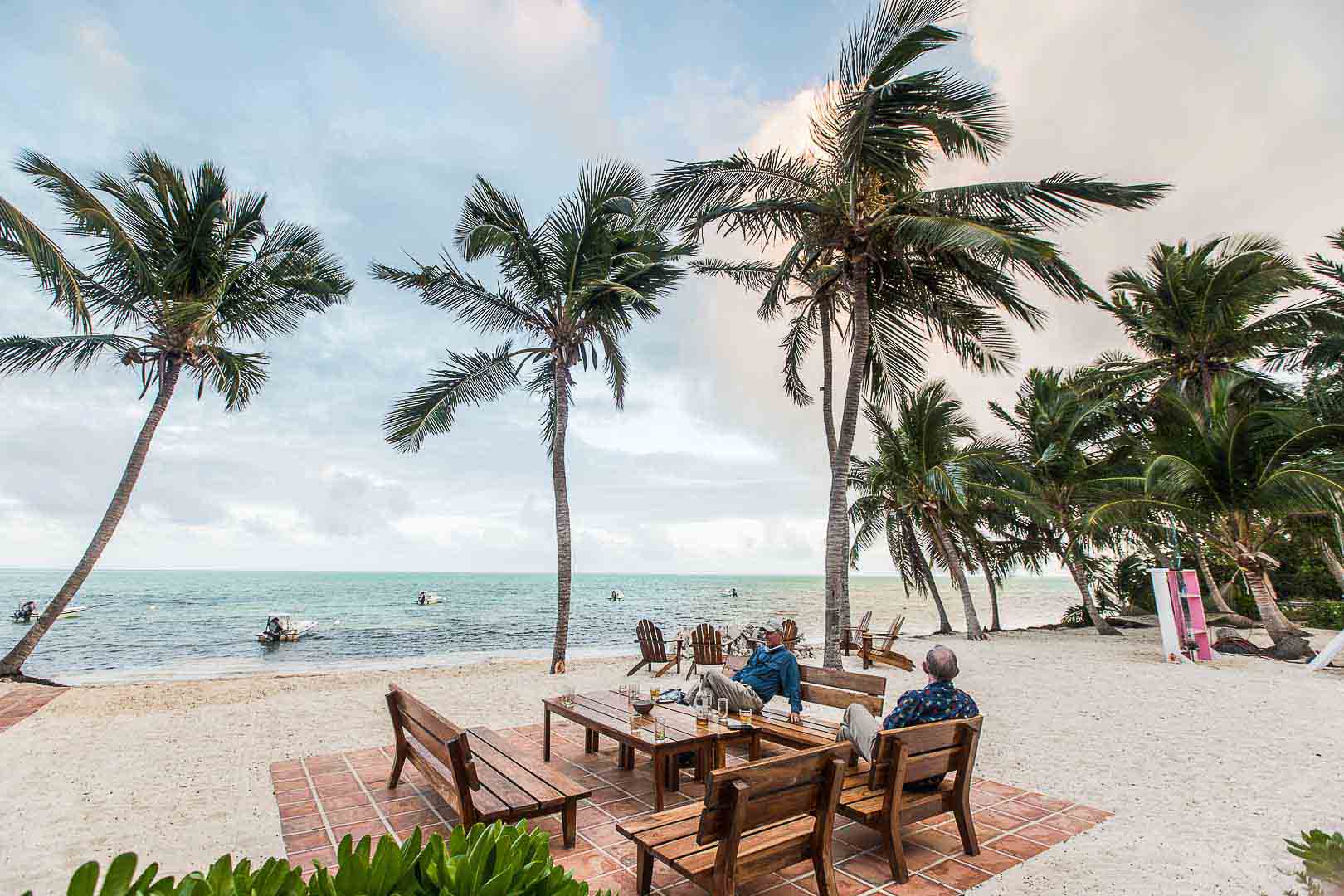
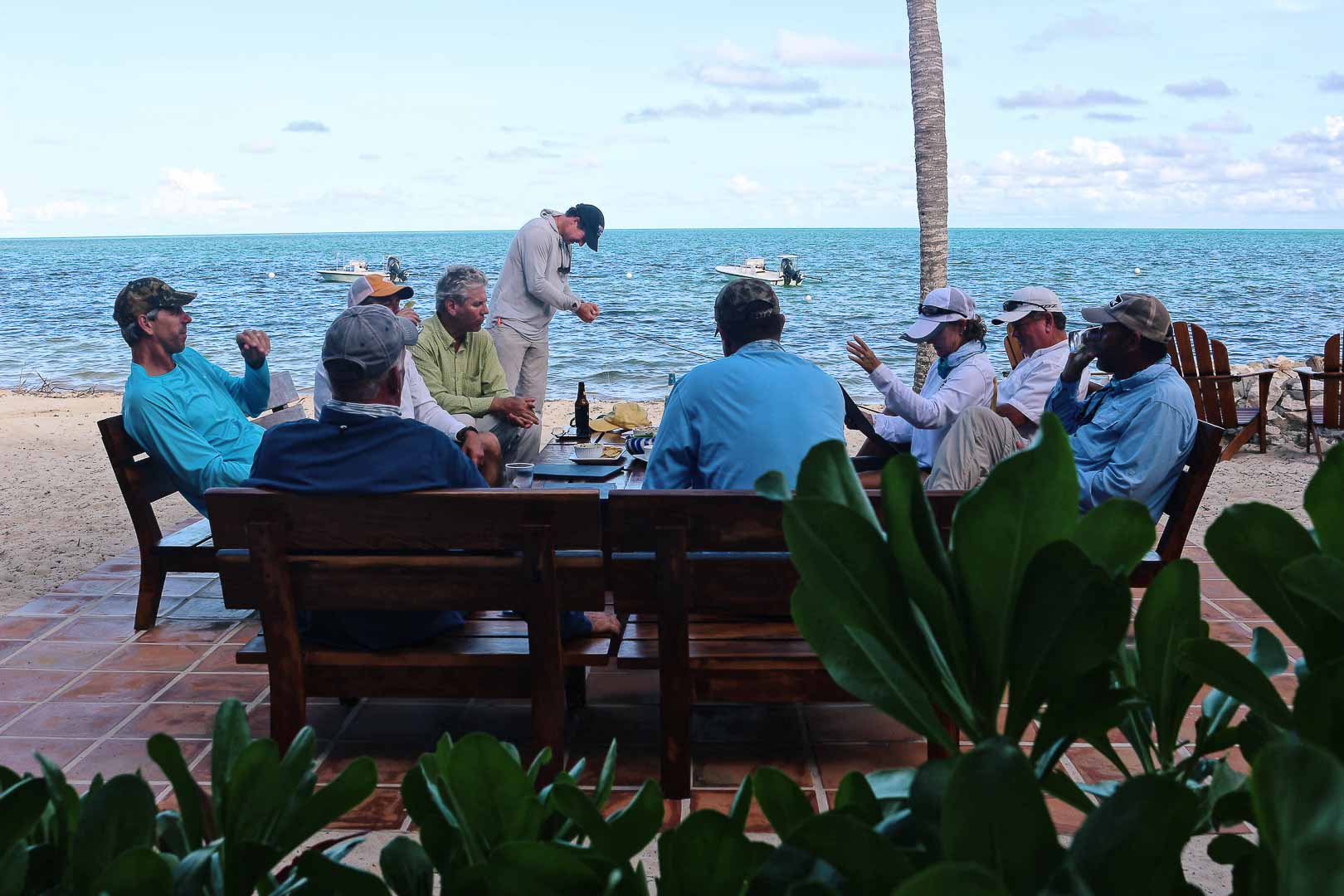
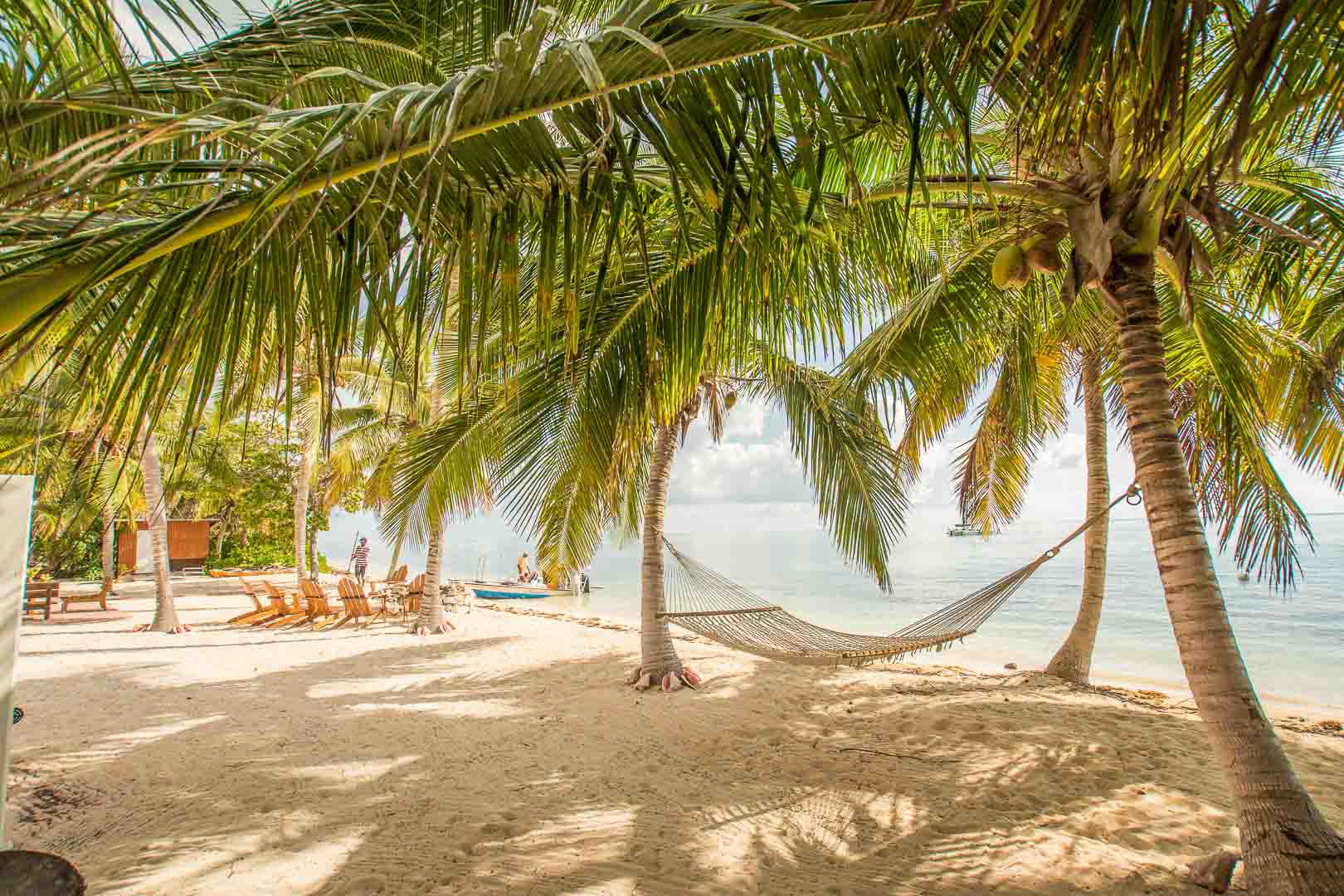
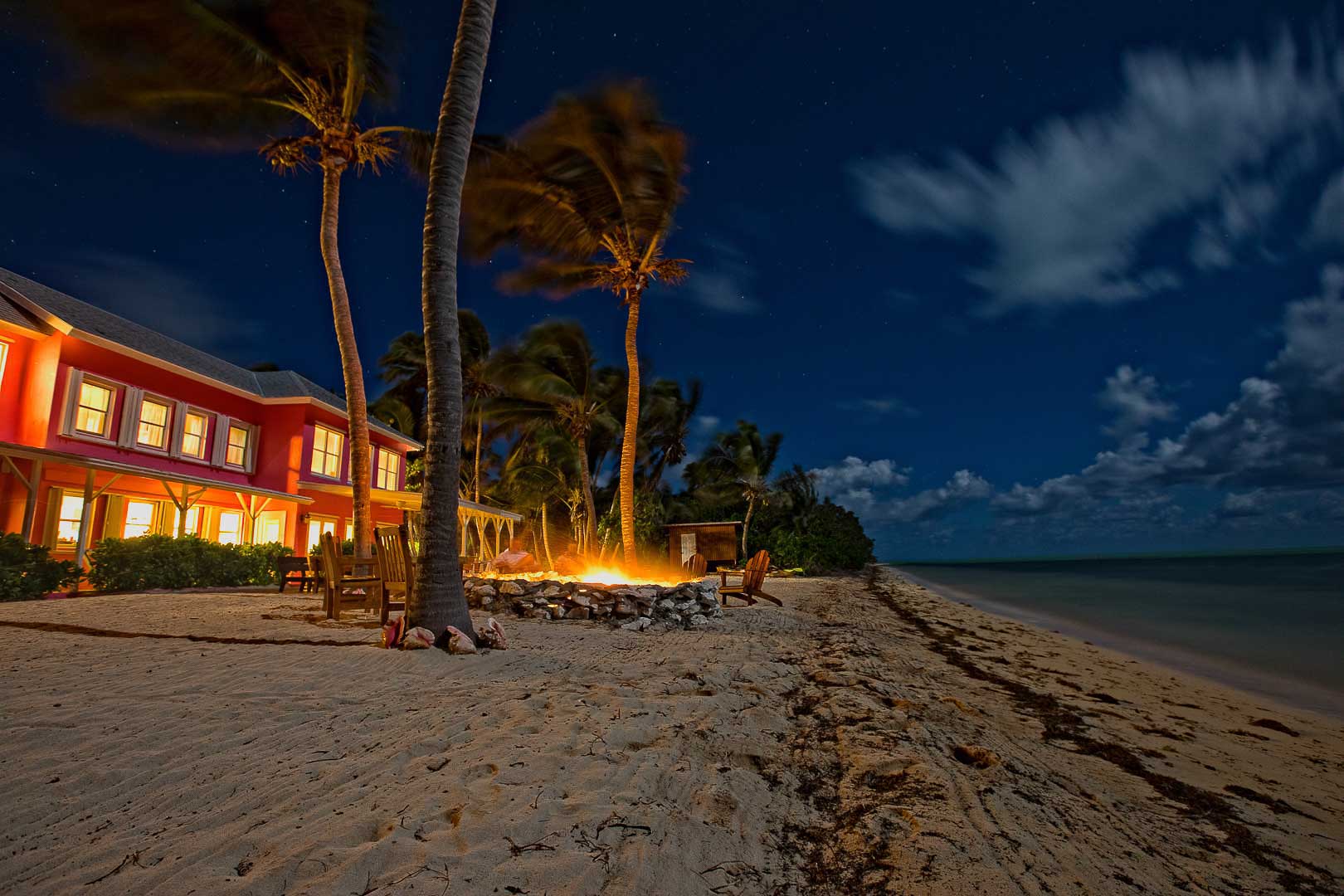
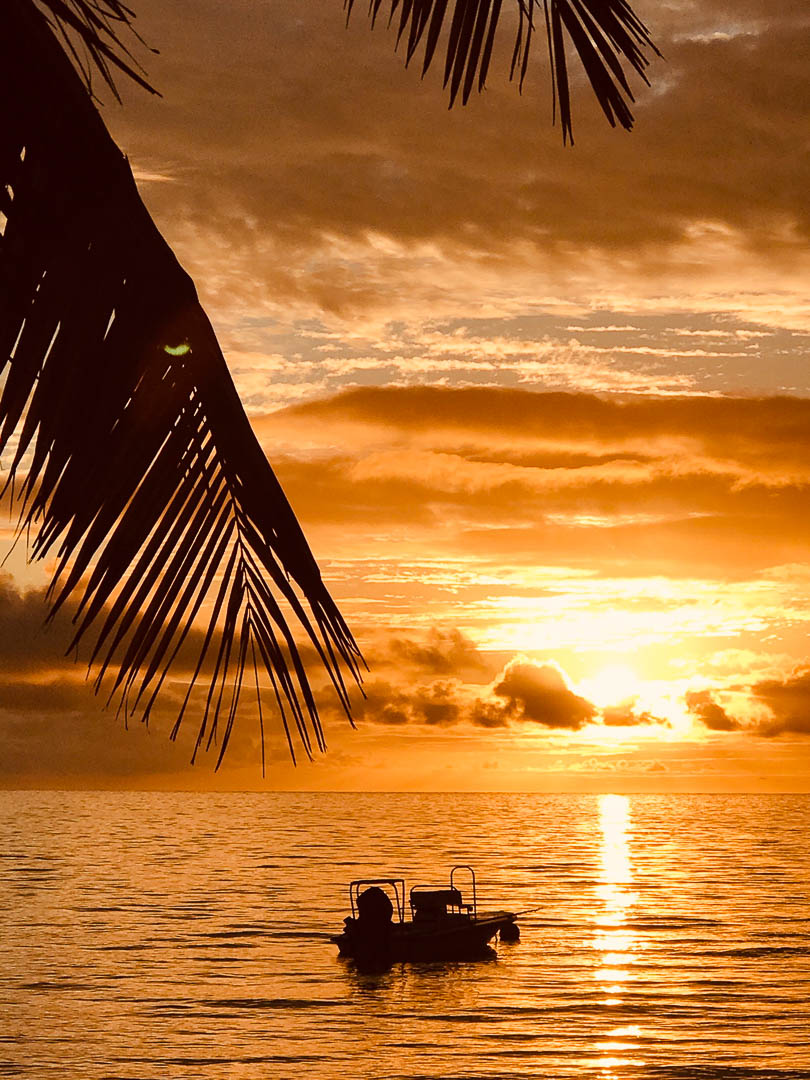
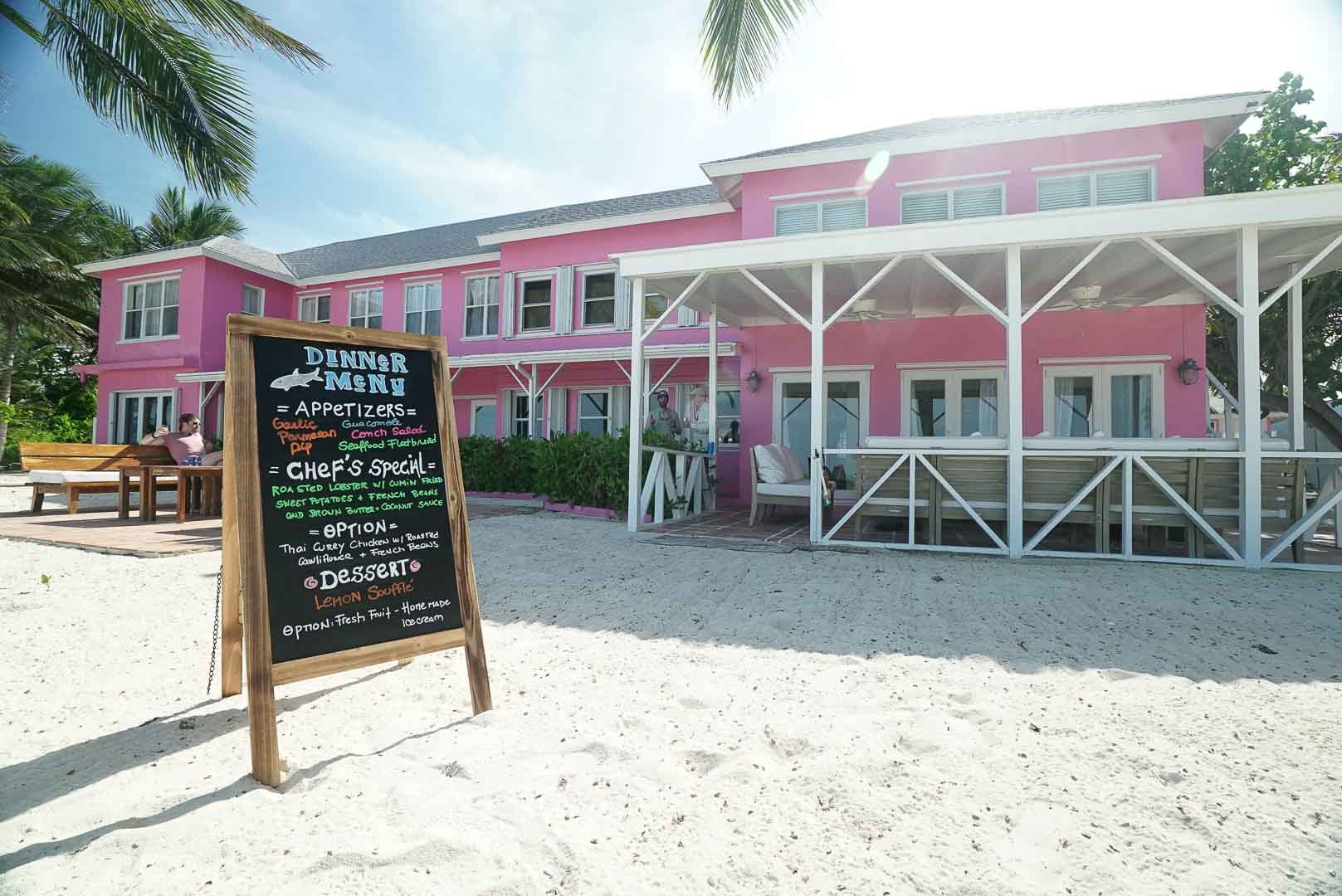
Bair’s Lodge is idyllically situated just next to the sea and our moorings. The house itself is an attractive Plantation style building surrounded by tropical flowers and palm trees. There is beach right in front of the lodge, and a wonderful sand bank, sparkling white, lies just a few meters away.
Living room and dining room
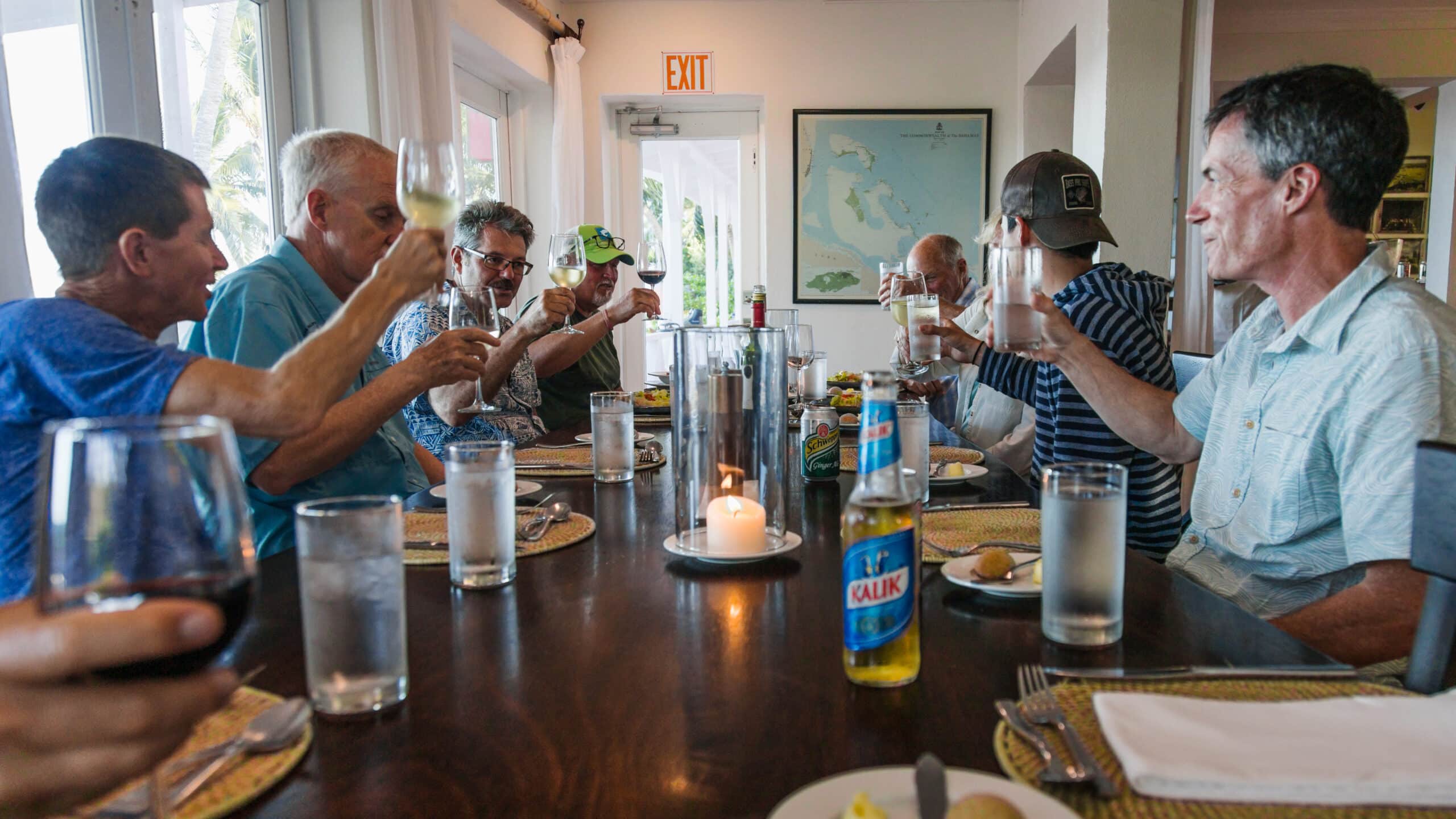
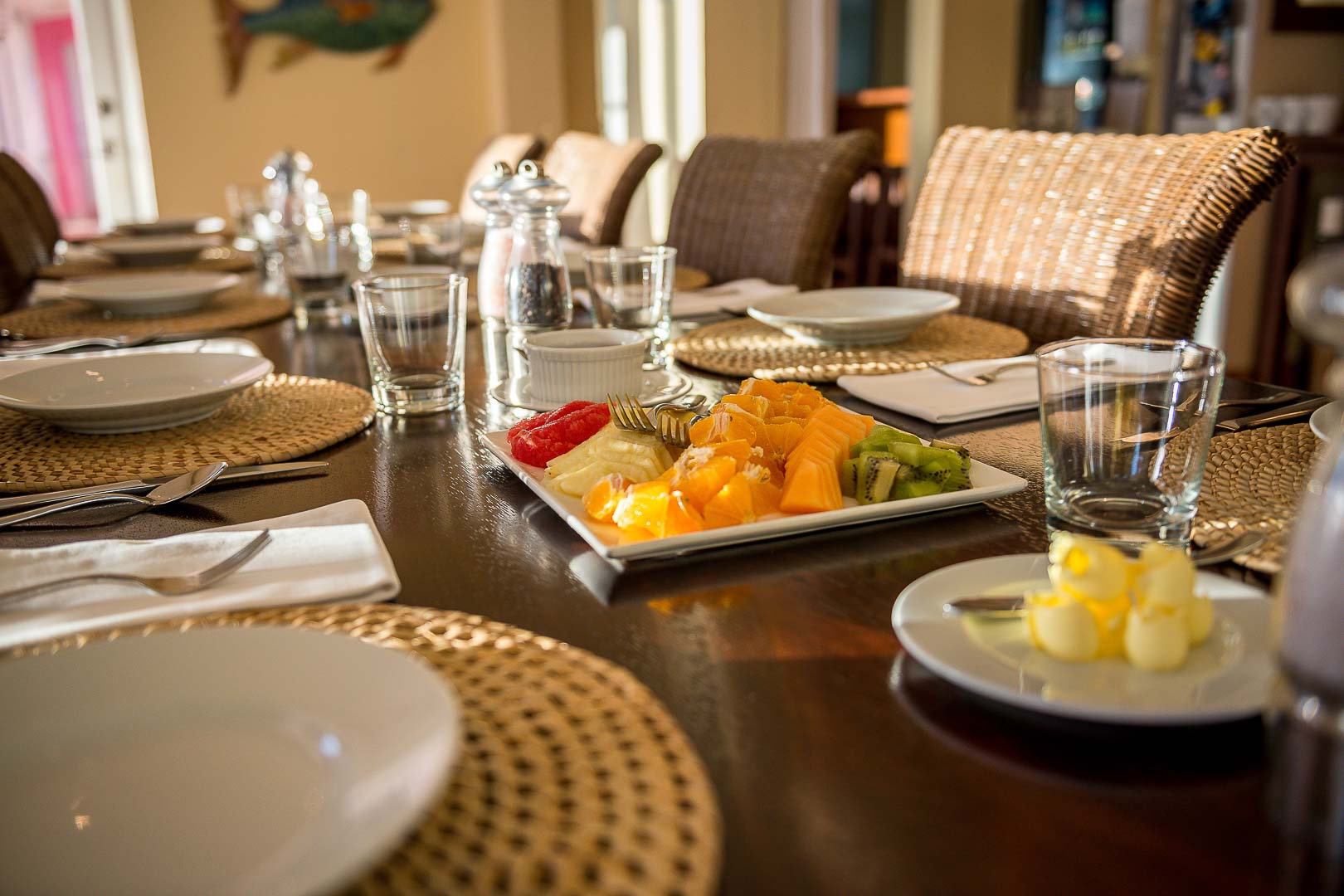
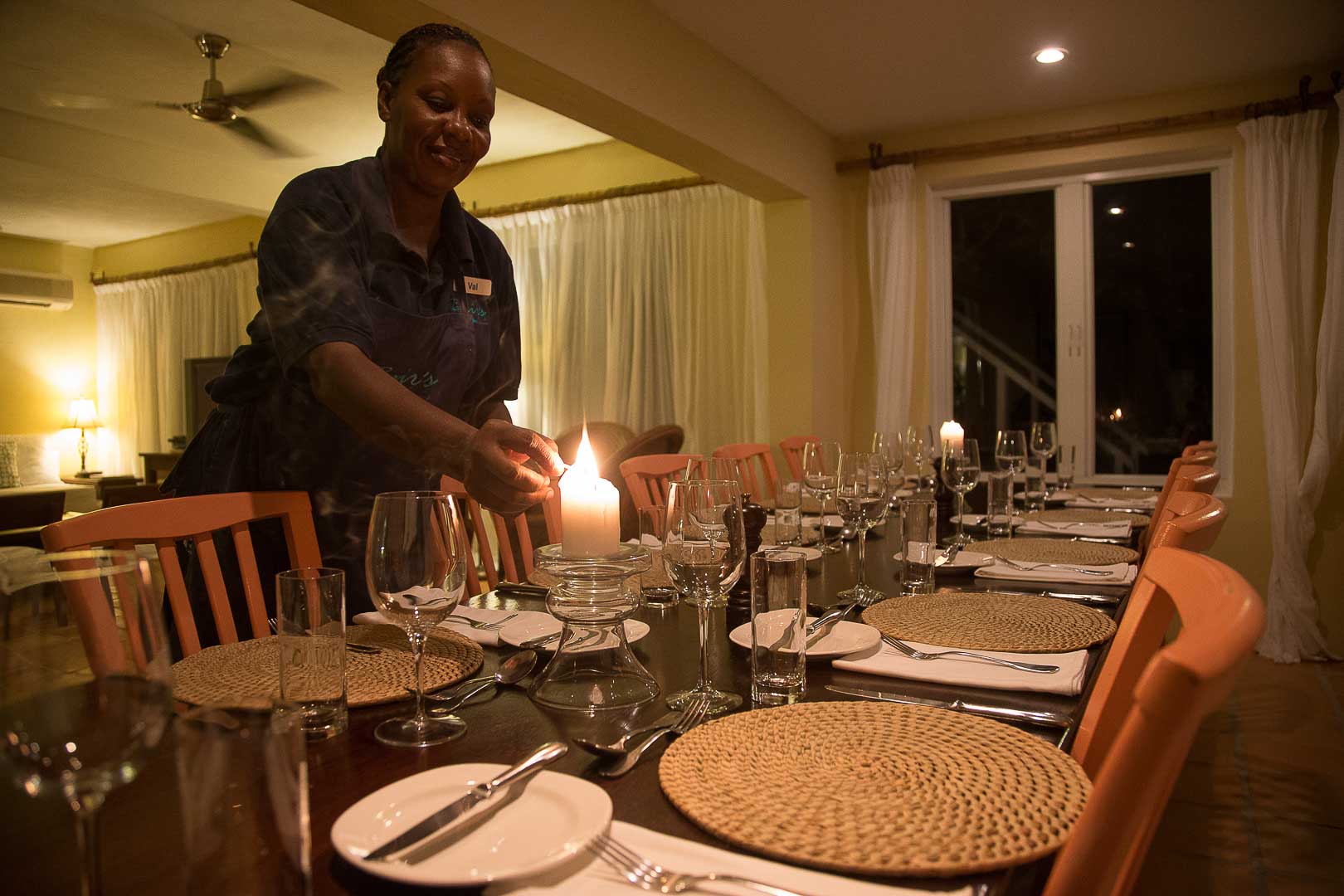
The airy living room and dining room area has comfortable sofas, plenty of reading material and faces the ocean. There is a buffet where you will find breakfast laid out in the mornings. There are 2 ceiling fans and air-conditioning.
Bar and fly-tying room
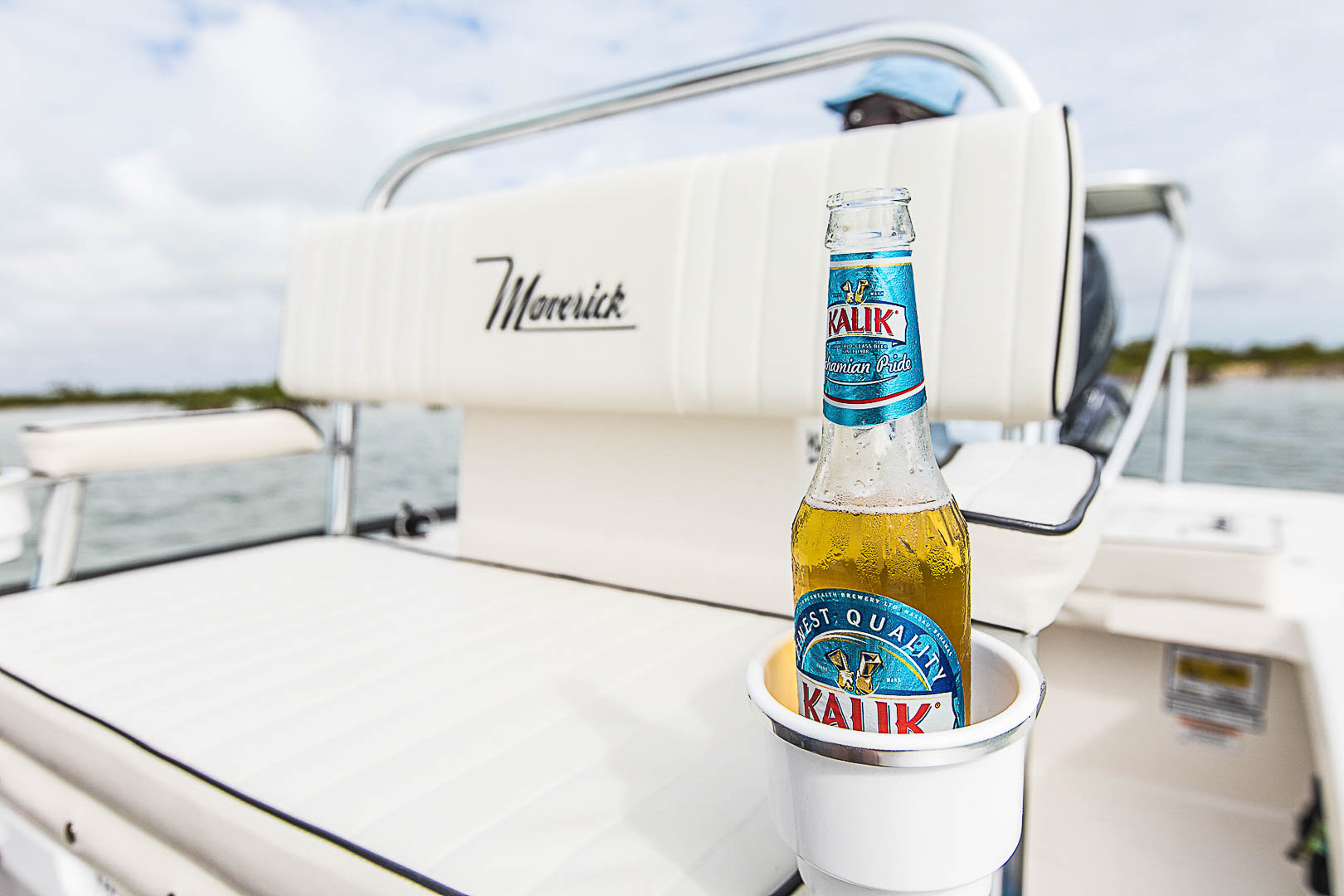
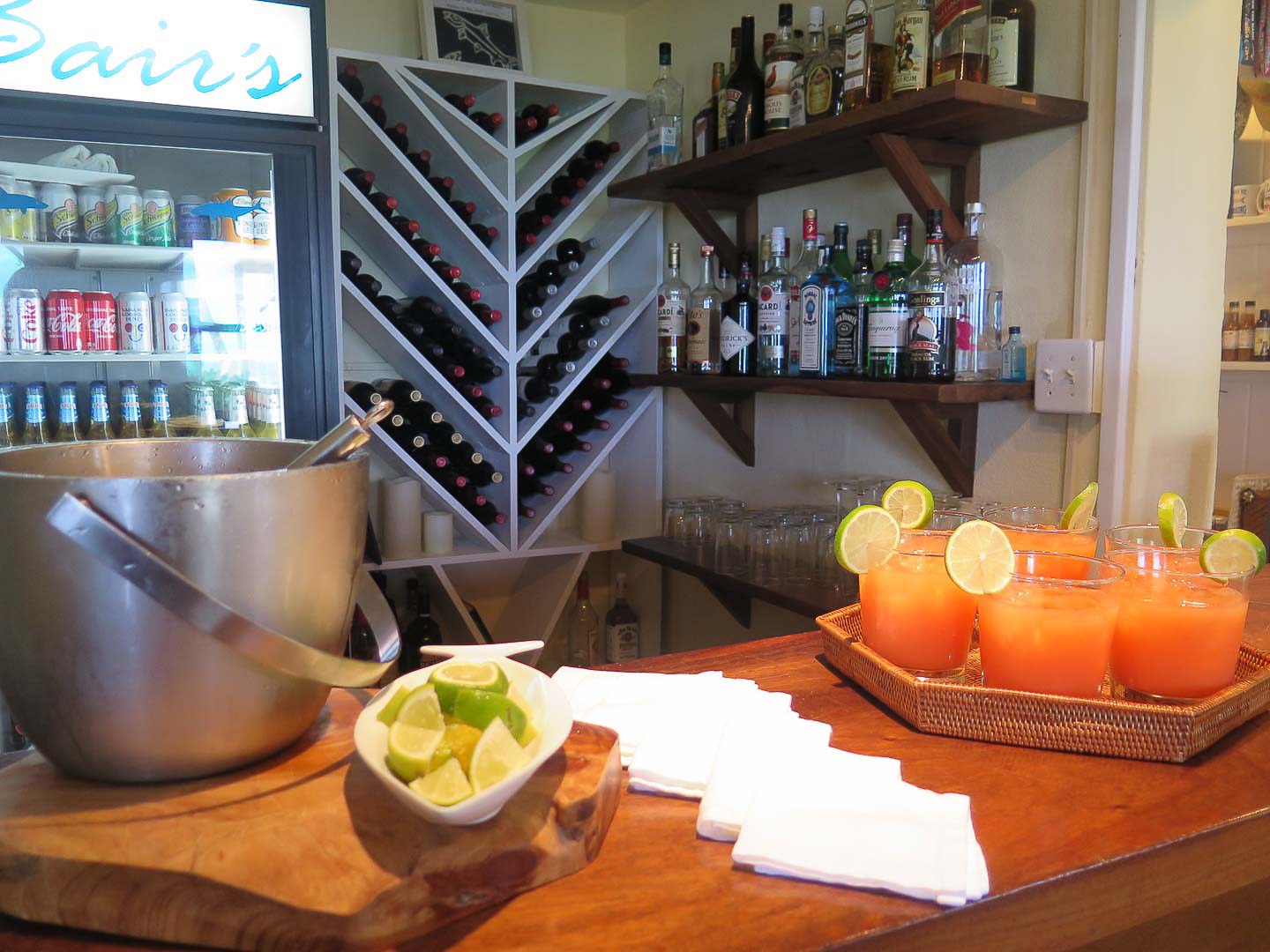
The lodge has a main bar fully stocked with spirits, cold beers, soft drinks, plenty of ice, a blender and mixers for cocktails. Next to the indoor bar, we have a fully stocked fly tying table for guests to use. Satellite television has been installed for those who wish to catch-up on news or sports during cocktail tour.
Shop and guest office
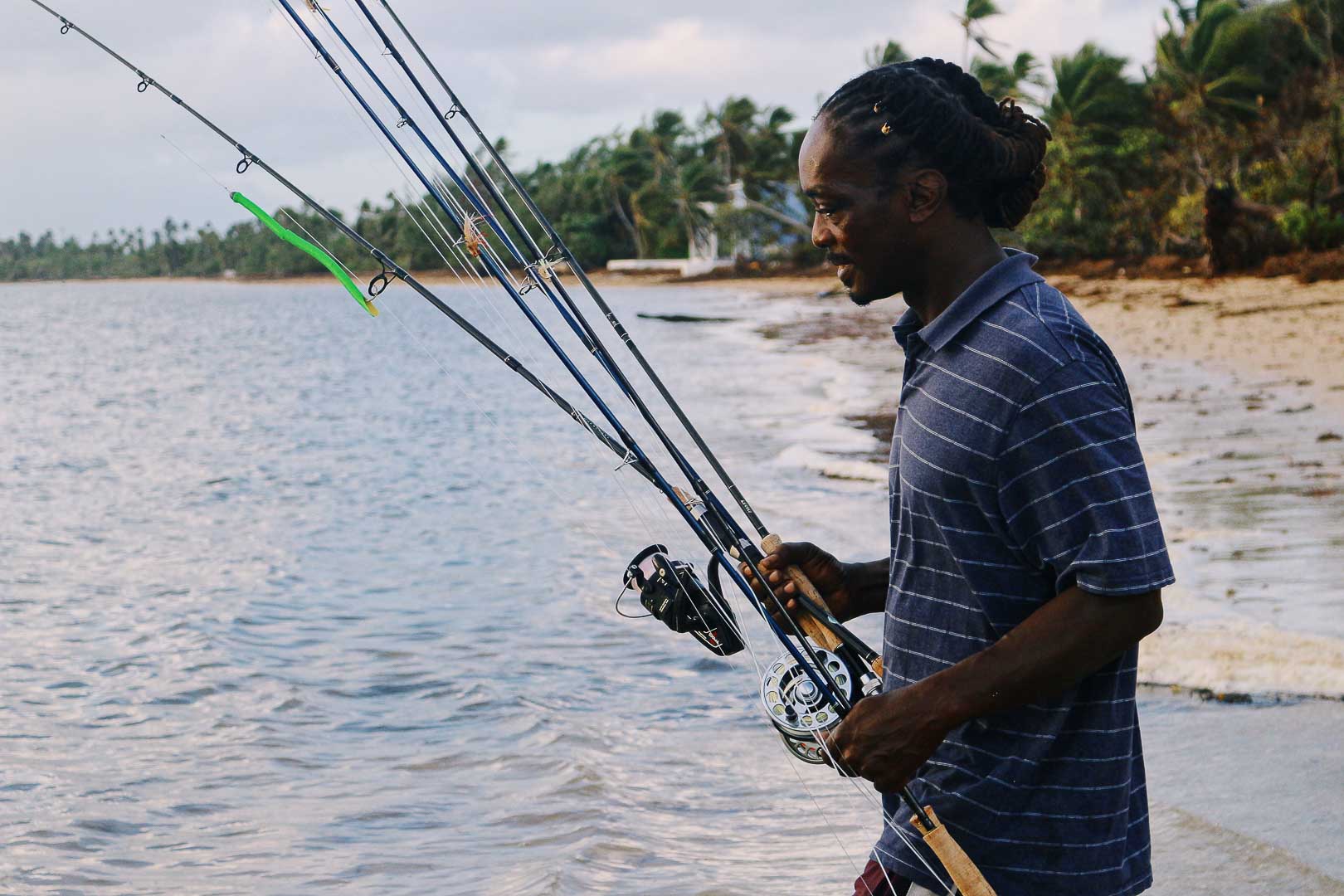
The guest office is located between the bar and the sitting room. You will find telephone facilities and a computer station with satellite internet access and e-mail facilities. The lodge has loaner rods free of charge (there is however a flat charge of $250 for any breakages that need to be sent back to the US). We also have spinning rods and reels for bone fishing or for an outing to the reef for barracuda, jacks or grouper.
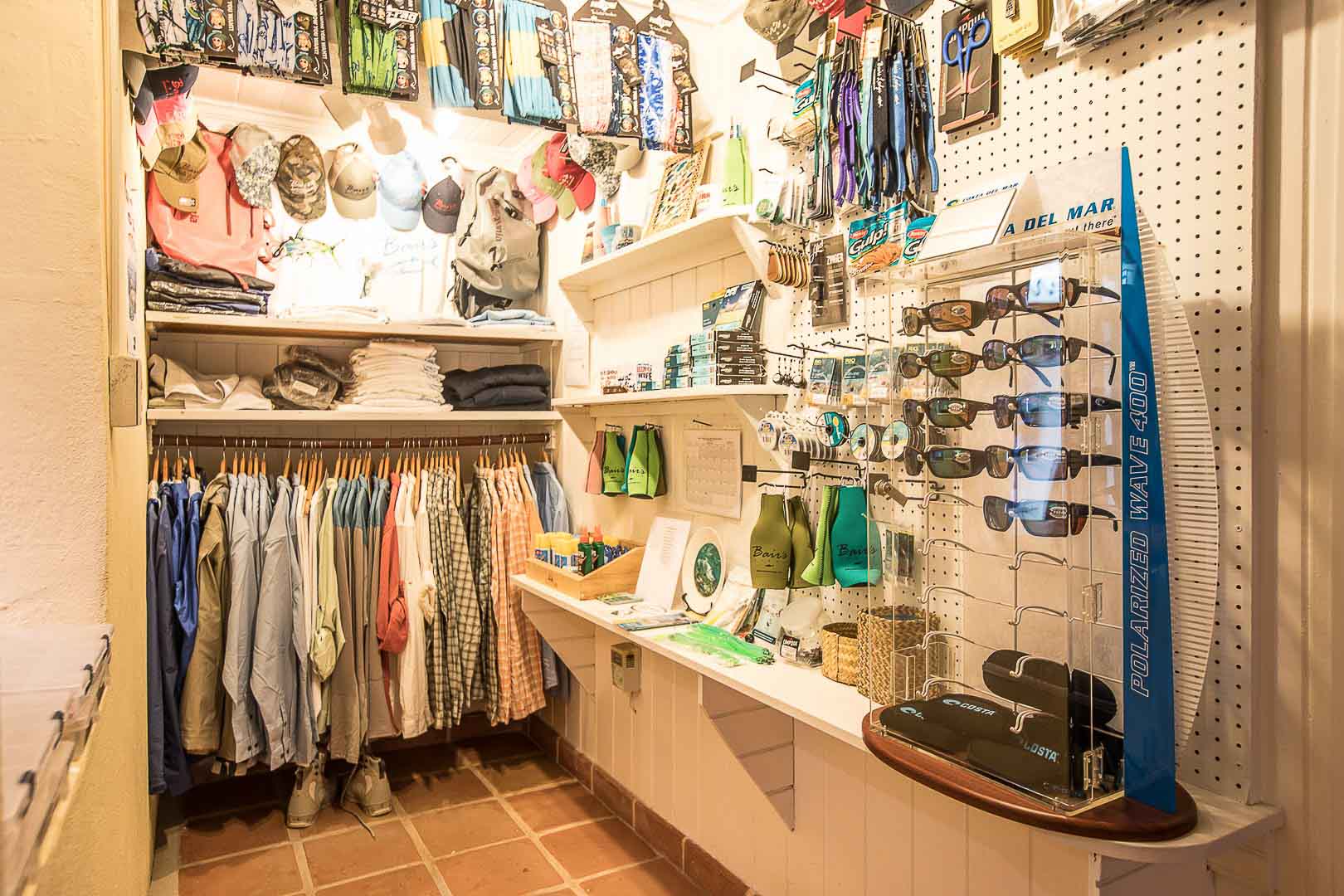
Our shop is stocked with the following: Sage rods – Hatch reels – Rio lines, backing and tippets – a good selection of flies – sunscreen and lip protectors – Mangrove sungloves – dry bags – Costa del Mar polarized sunglasses – Bair’s Lodge Fishing shirts, caps and t-shirts.
Verandah
Most of the rooms in the house open on to a long verandah facing the ocean, with comfortable benches and tables to sip coffee in the morning or cocktails in the evening. There are handy rod racks beside the outdoor showers, and we have a hose with fresh water to wash down your tackle in the evenings… From the verandah you just walk along the path to the beach where the flats boats are moored. Right by the verandah we have comfortable lounge chairs and a hammock. The prevailing Southeast wind and verandah ceiling fans ensure there is always a breeze, so you can usually enjoy evenings outdoors without insects.
Bedrooms and bathrooms
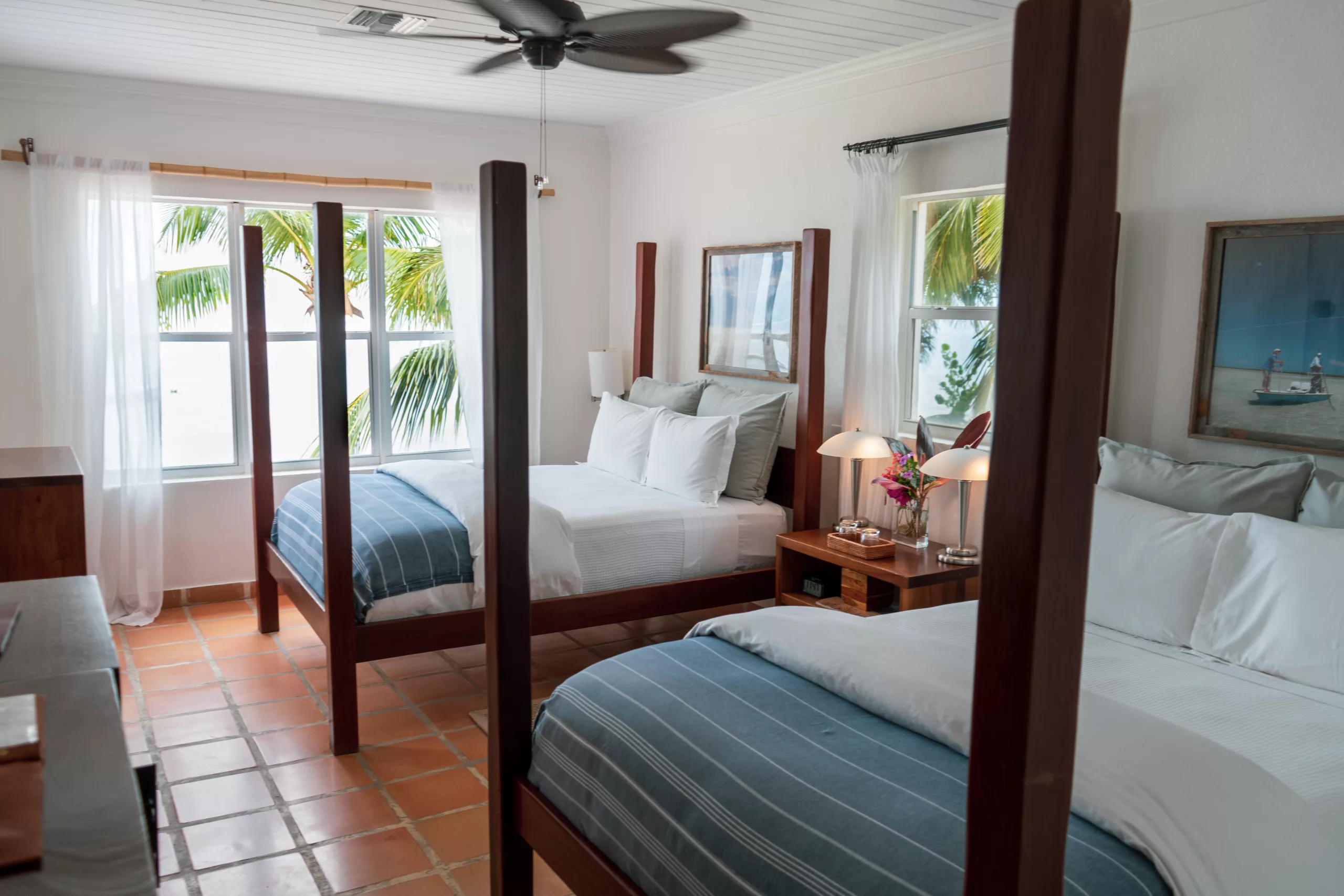
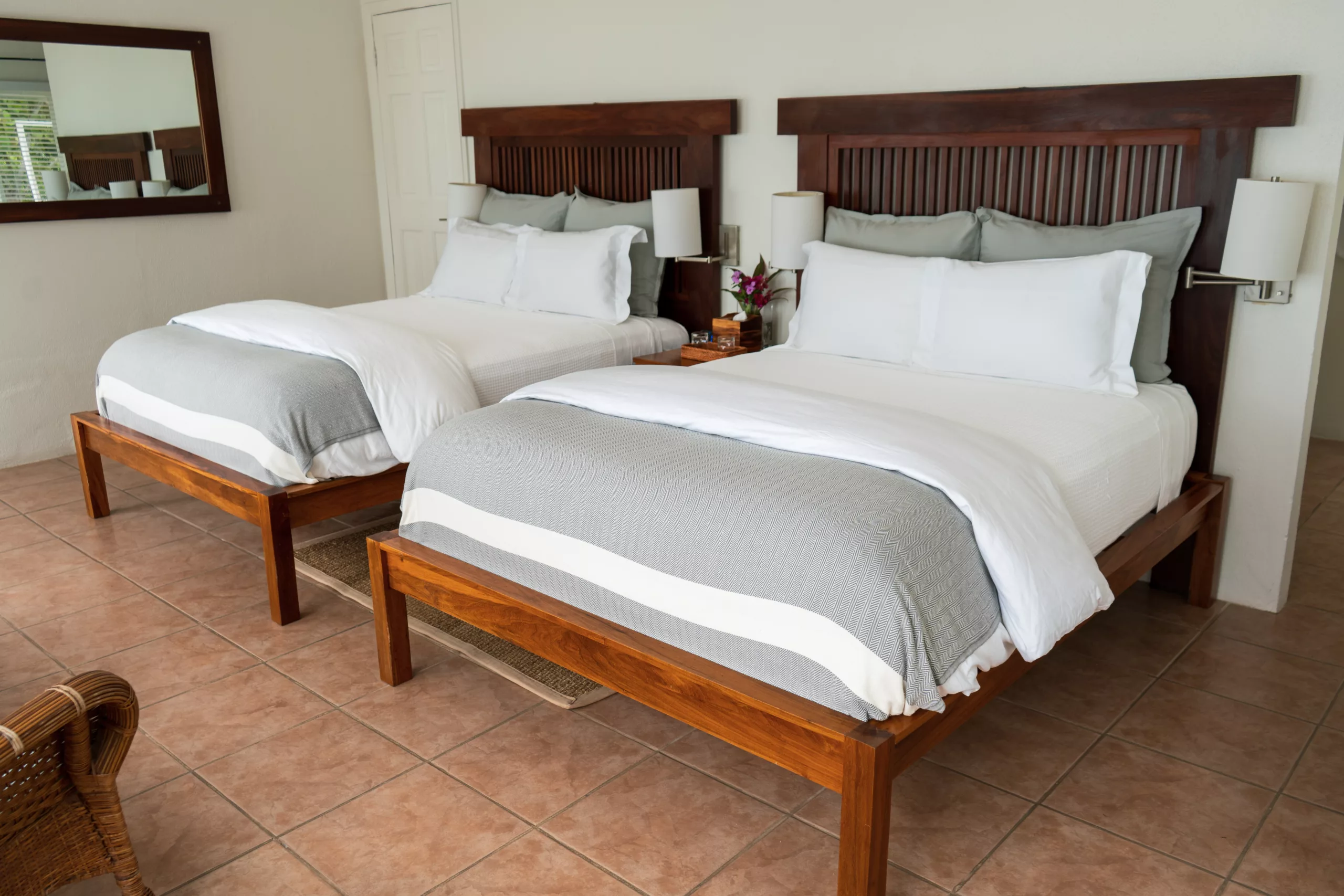
All of our bedrooms are light and airy, with terracotta tiled floors, 100% white cotton sheets as well as tropical-weight duvets and plenty of down pillows. They are fully air-conditioned, with lots of storage space and electricity outlets to recharge appliances, and a comfortable chair. All have en-suite bathrooms, full baths, and powerful showers with hot water 24 hours a day, lots of white towels, robes, and amenities. Our house keeper takes pride is maintaining the rooms spotless and will happily do your laundry. Laundry bags are provided in all the bedrooms. There are two wonderful outdoor showers right on the beach, we highly recommend you enjoy showering al-fresco!


Cuisine
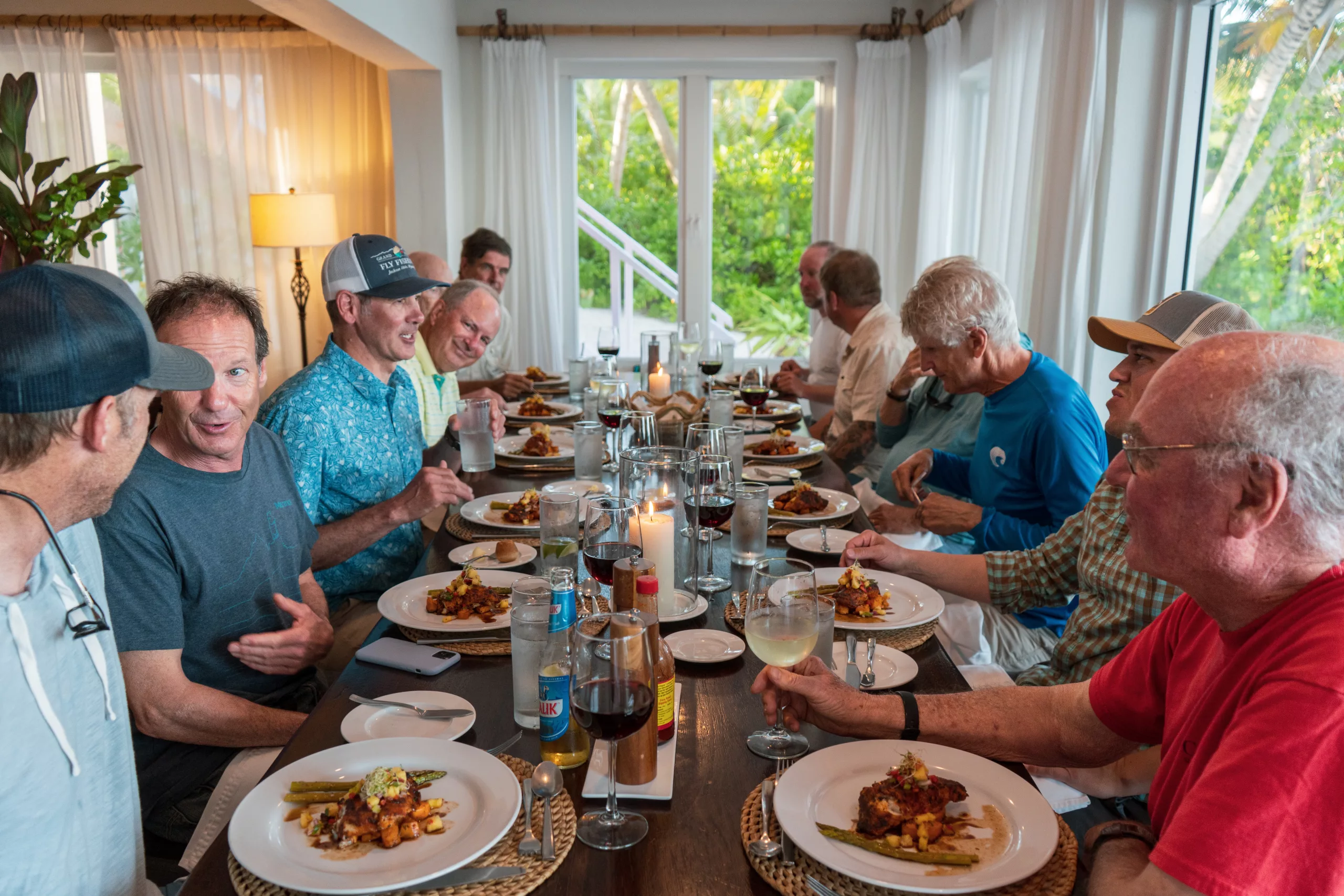
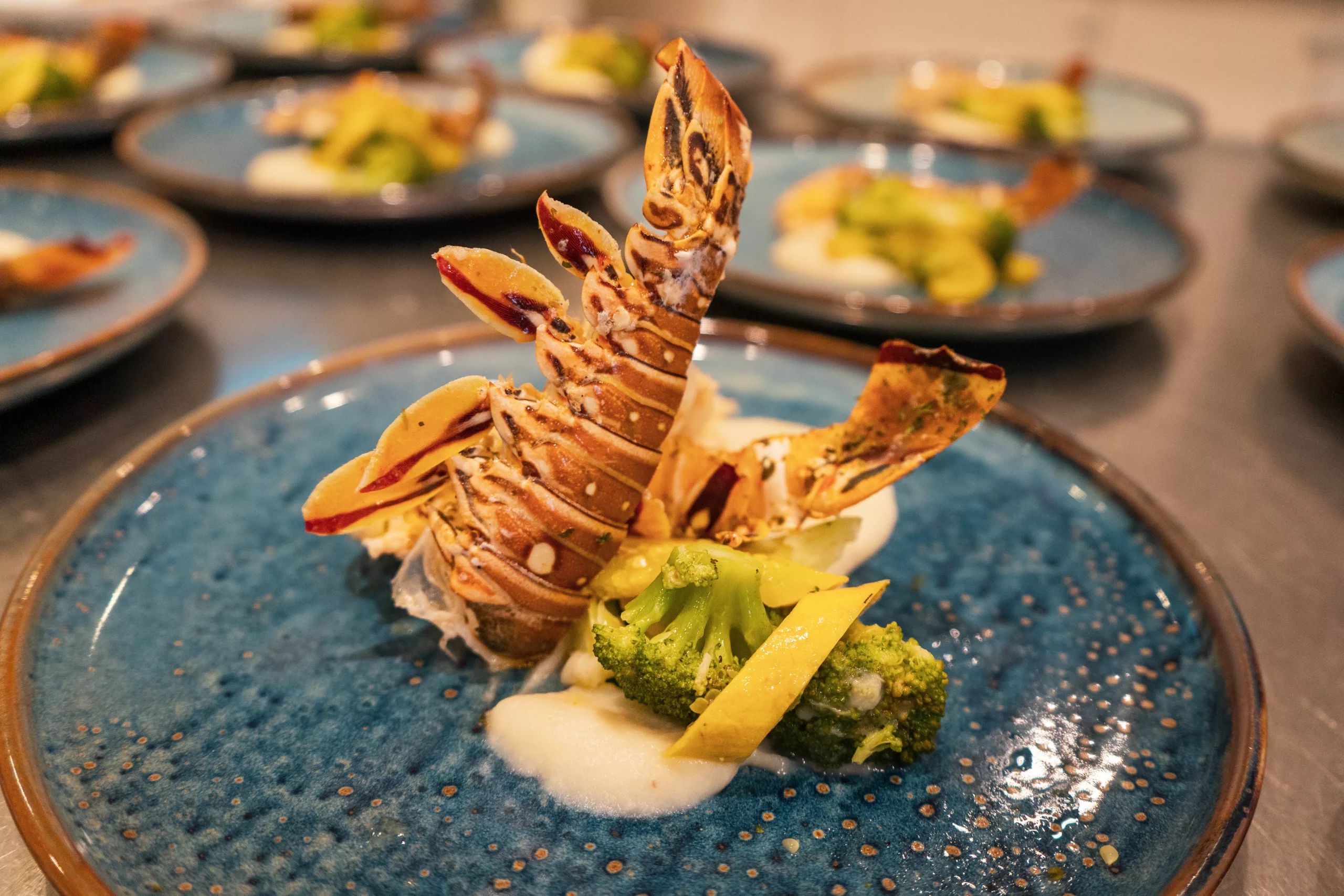
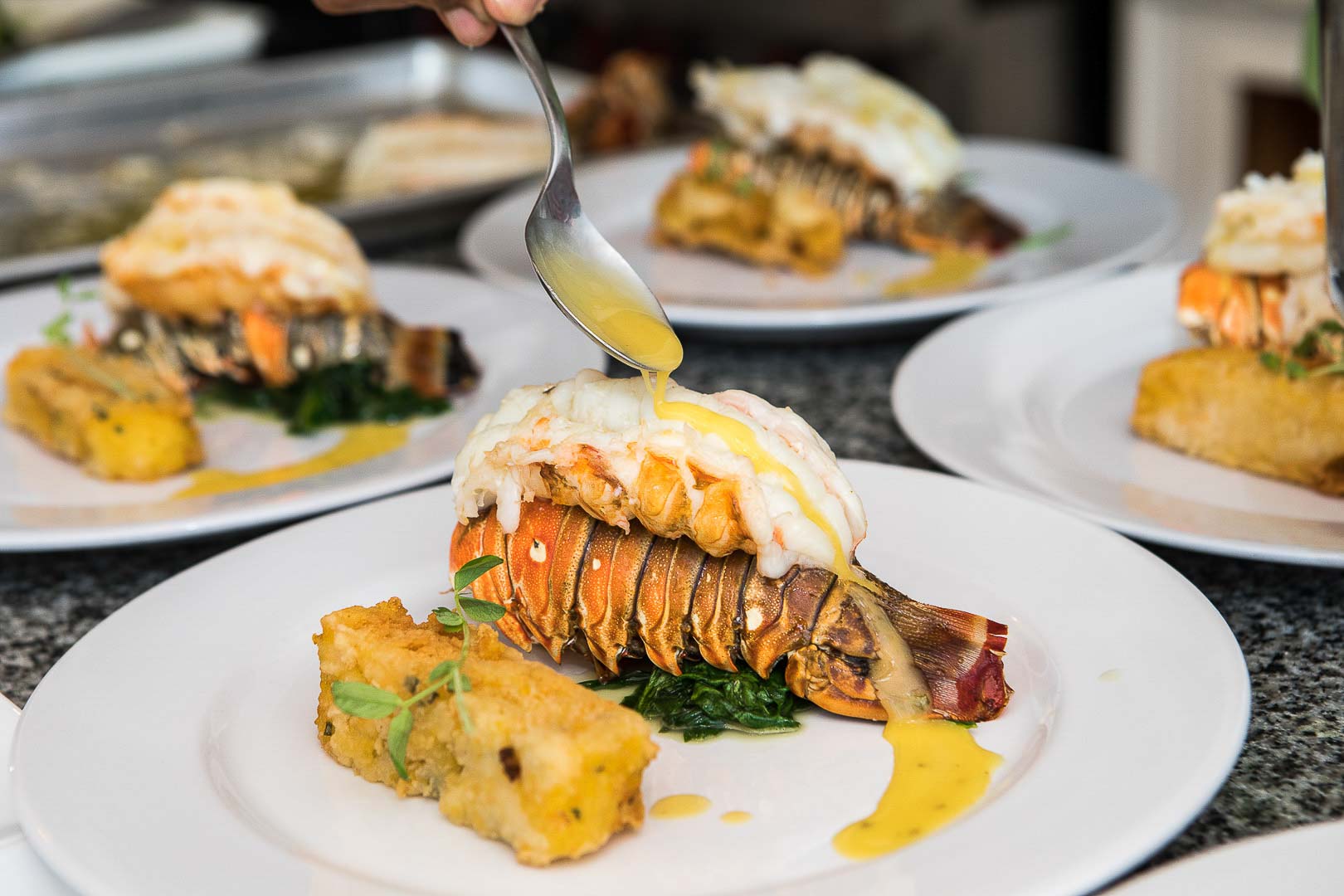
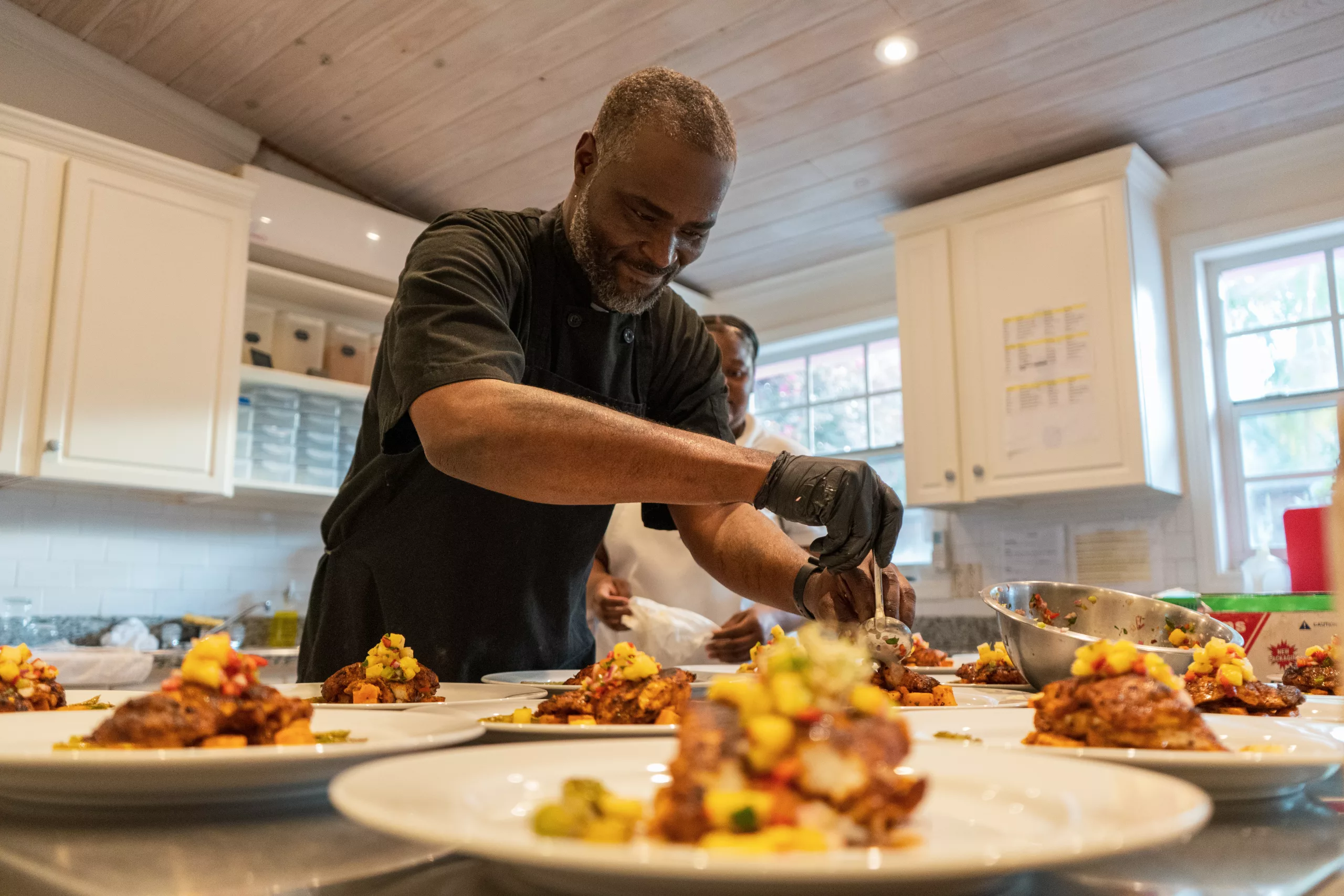
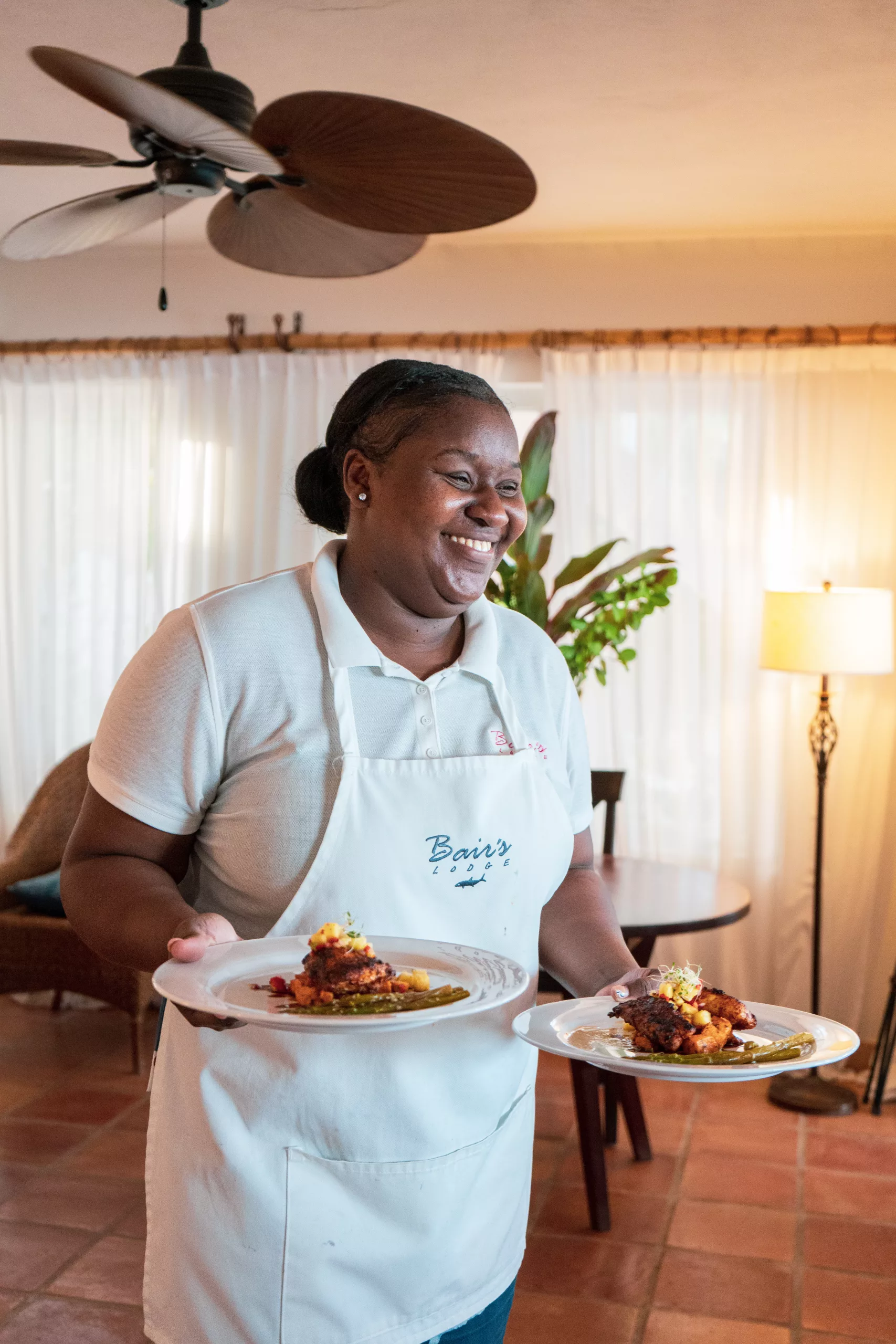
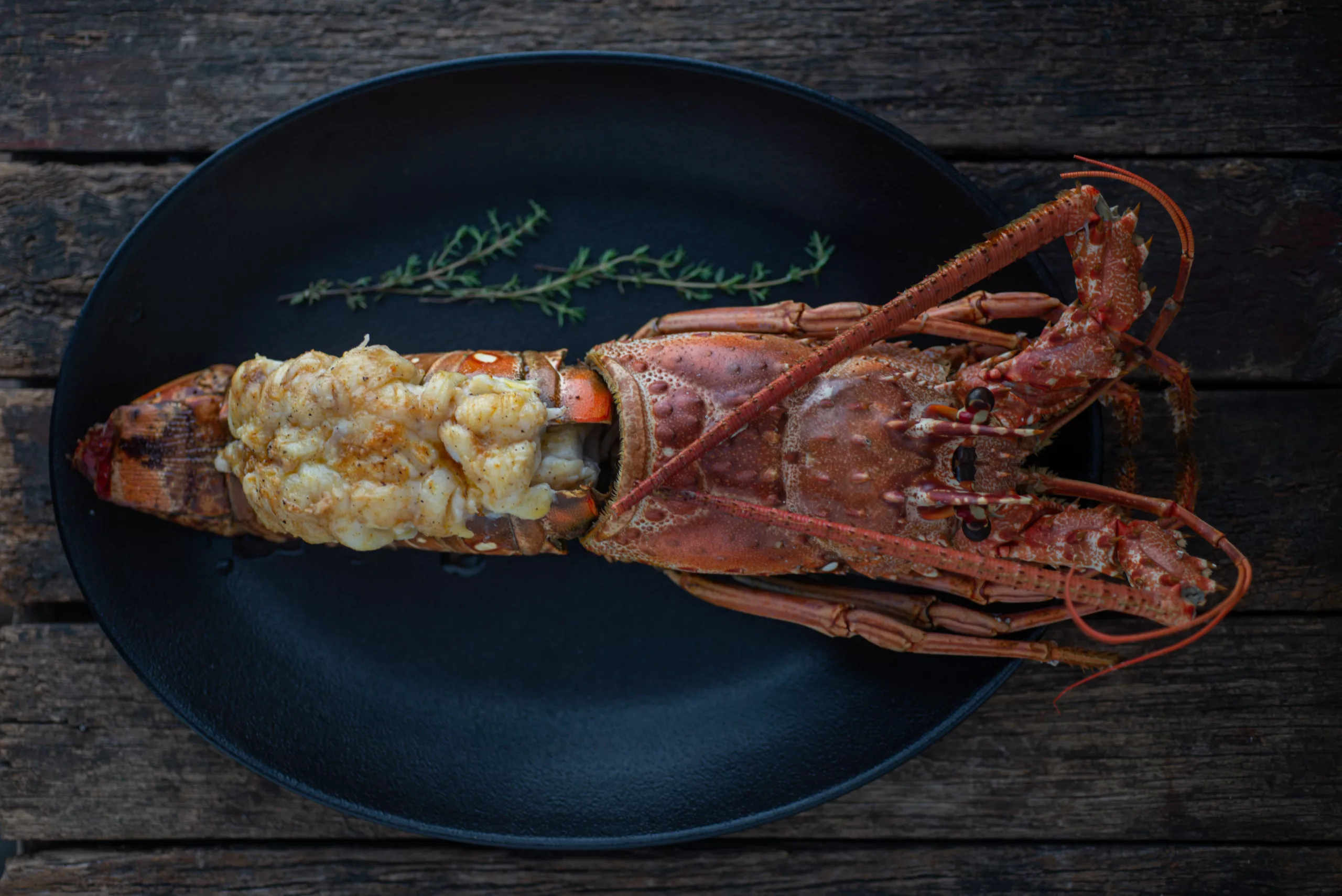
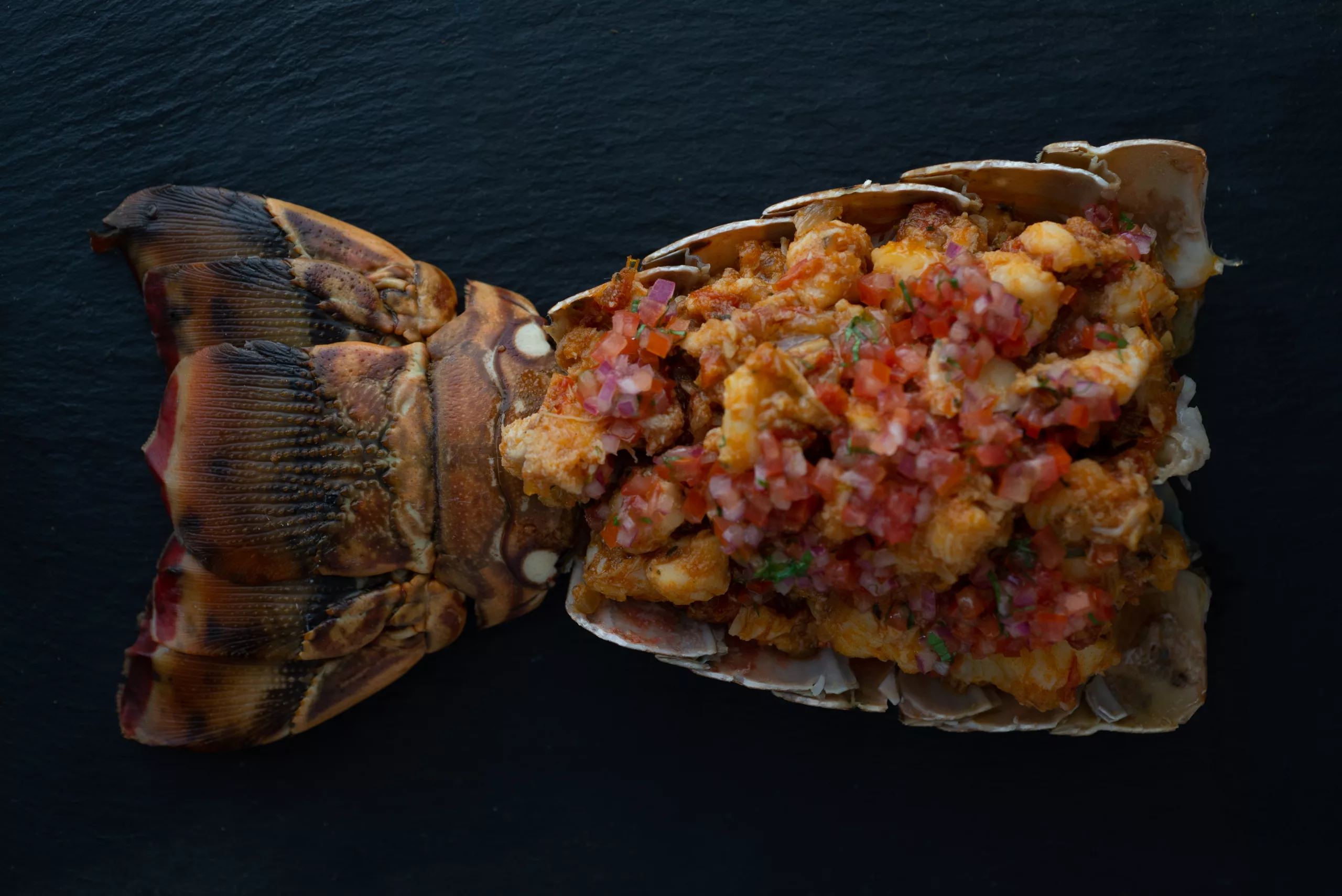
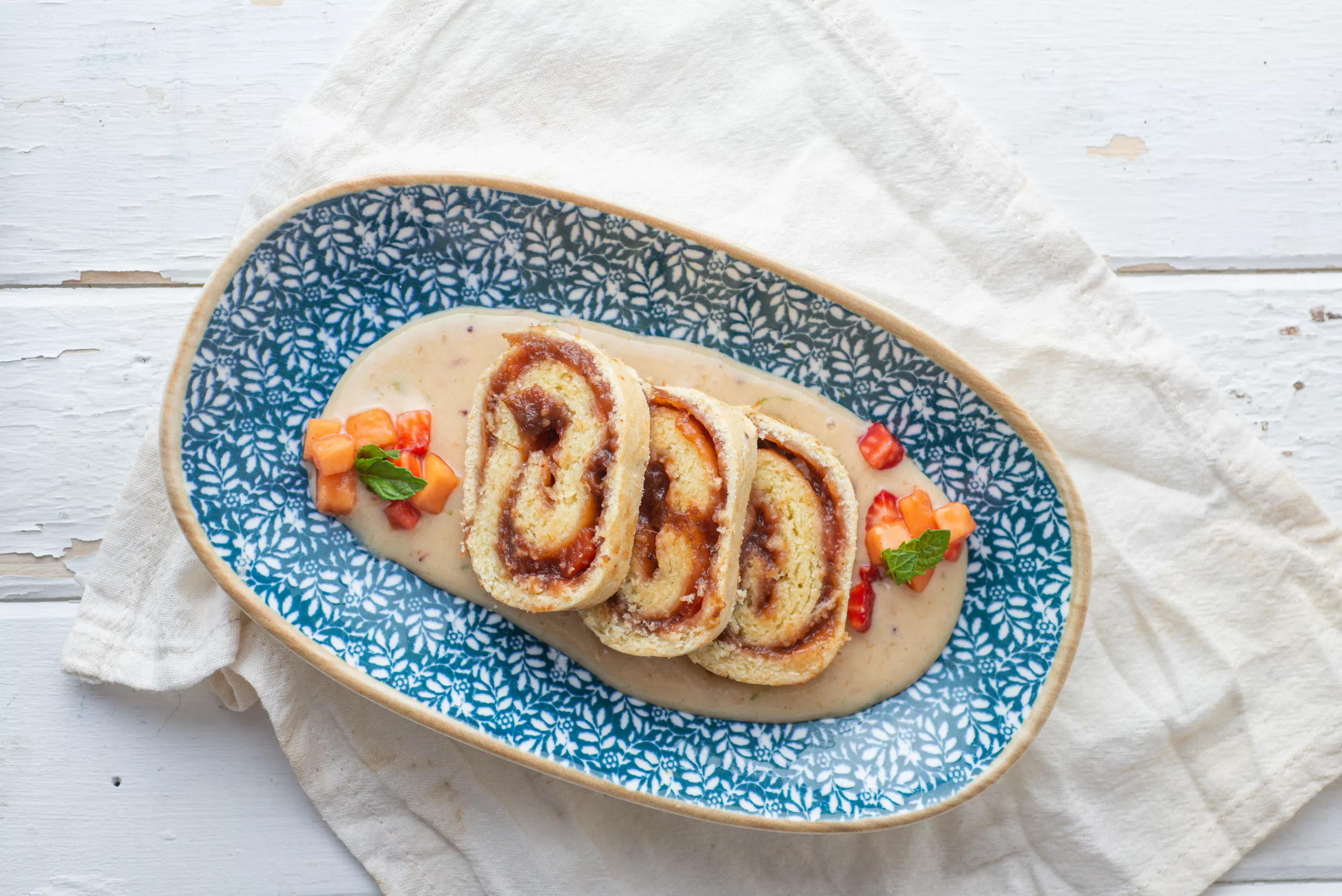
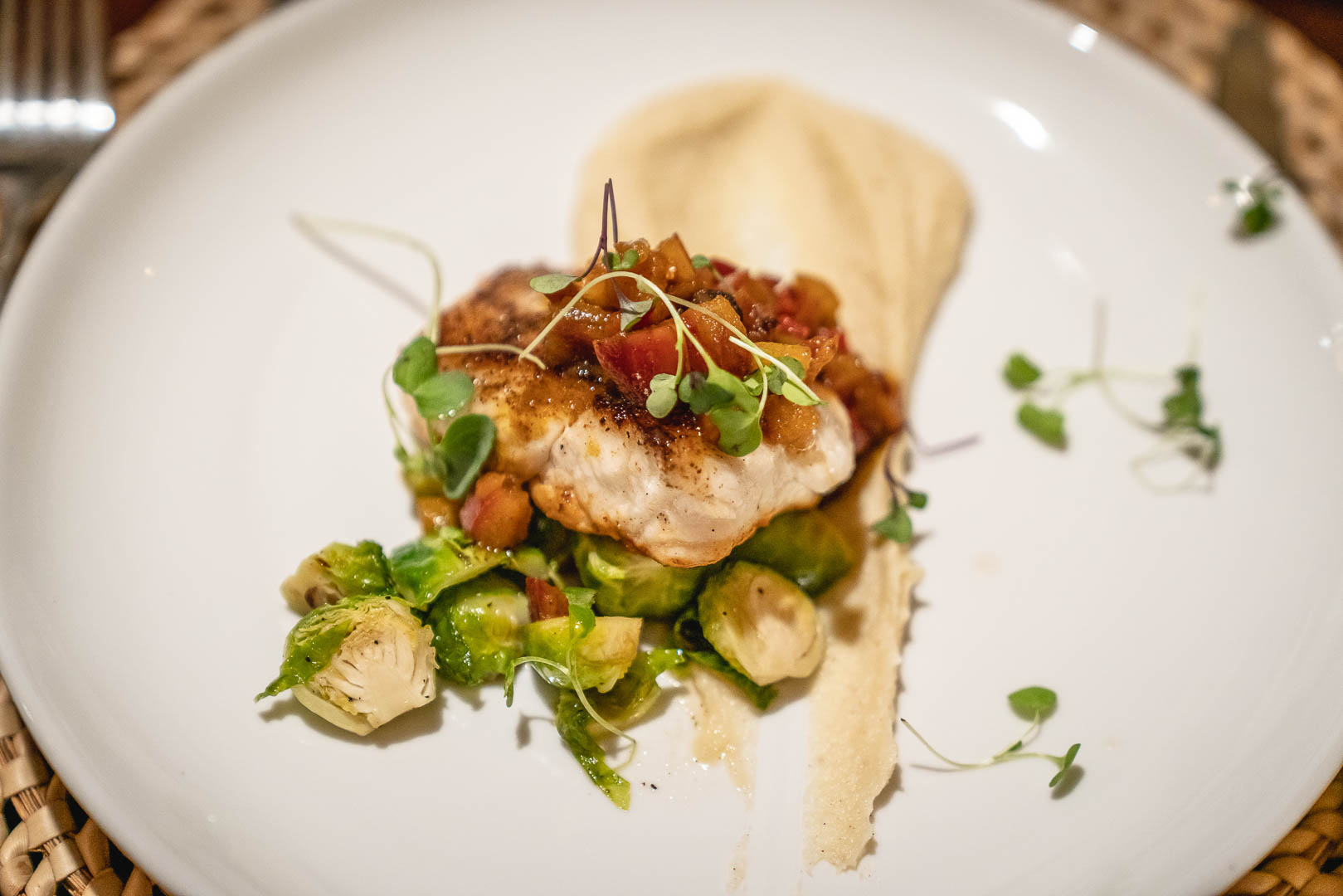
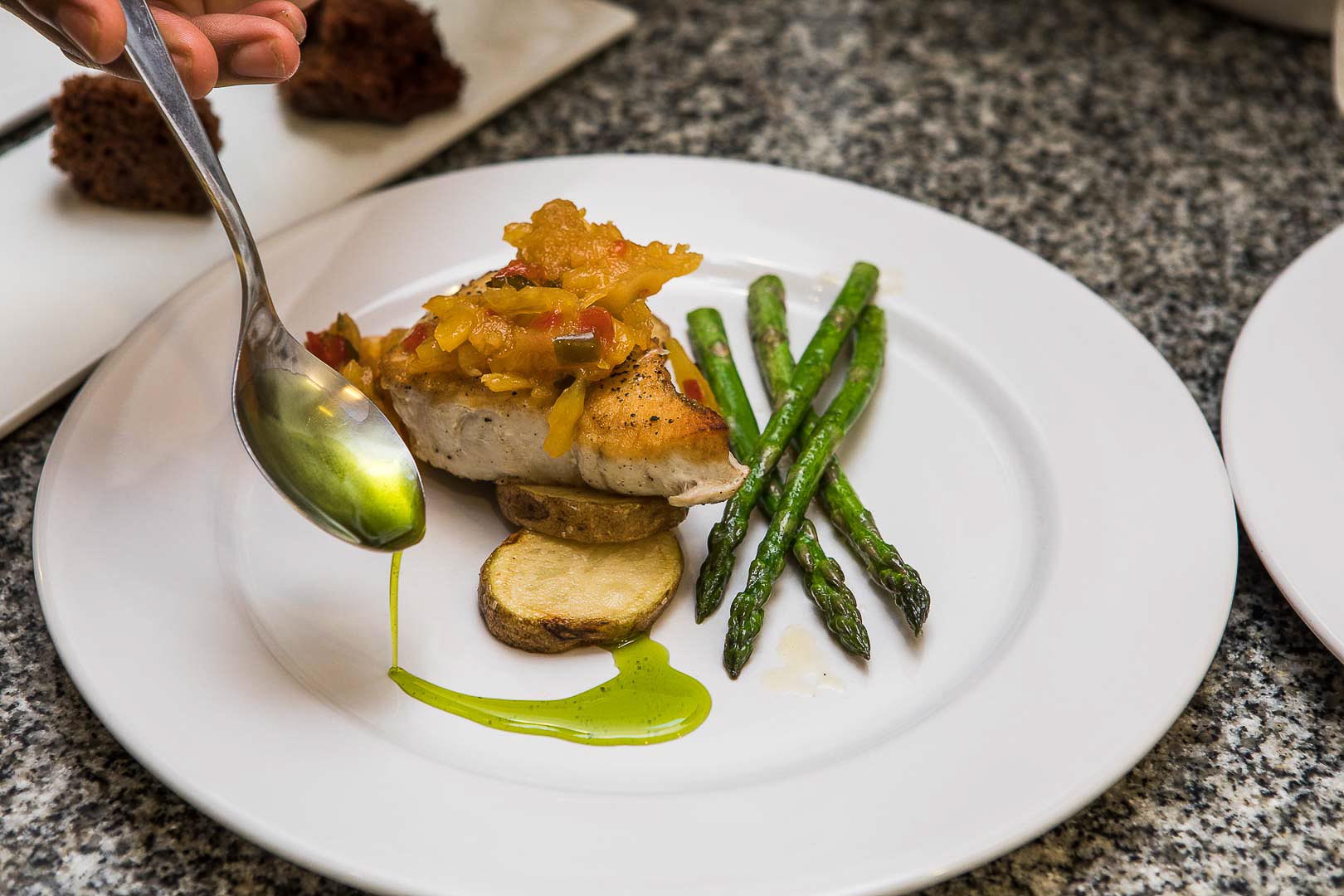
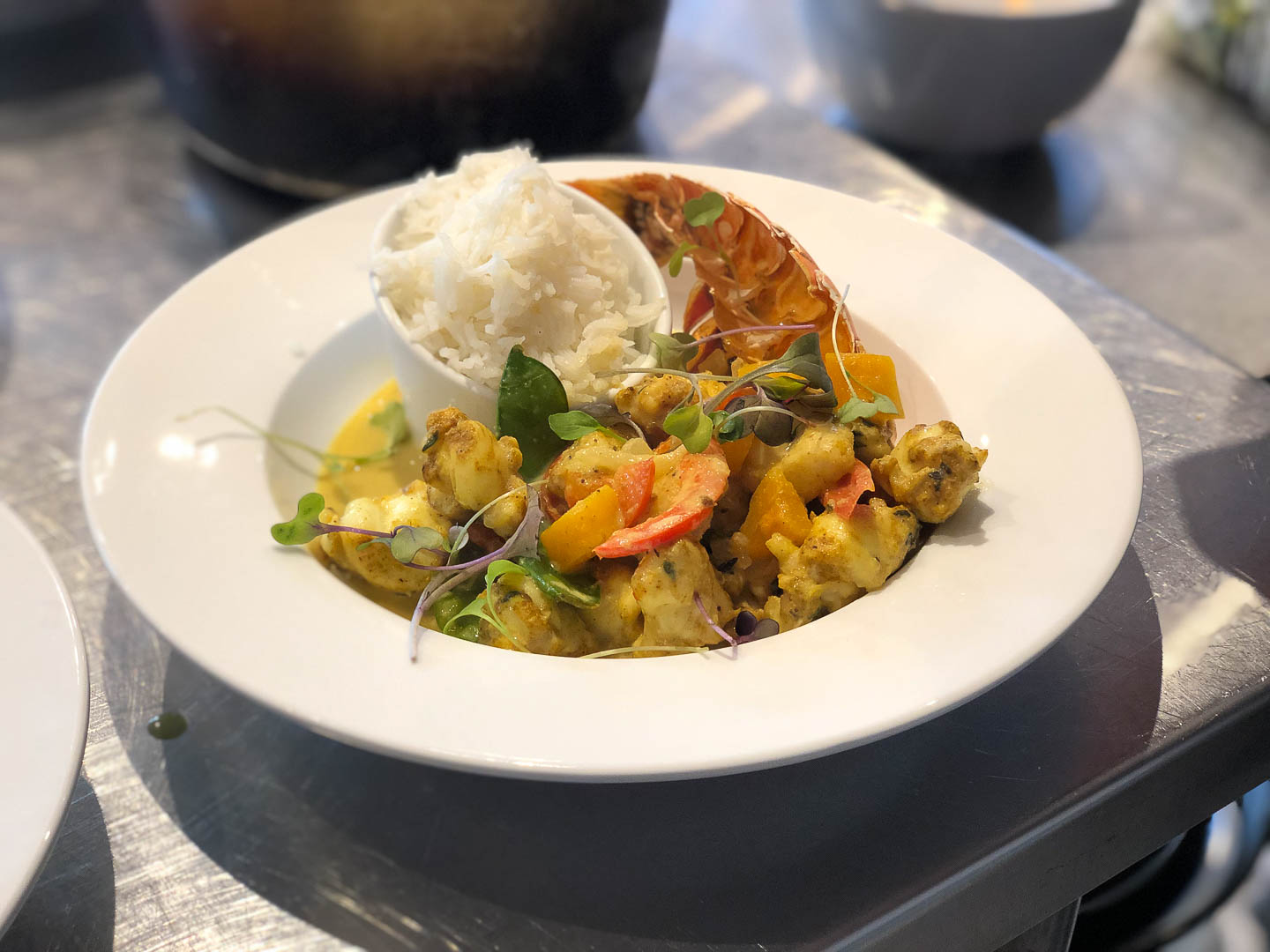
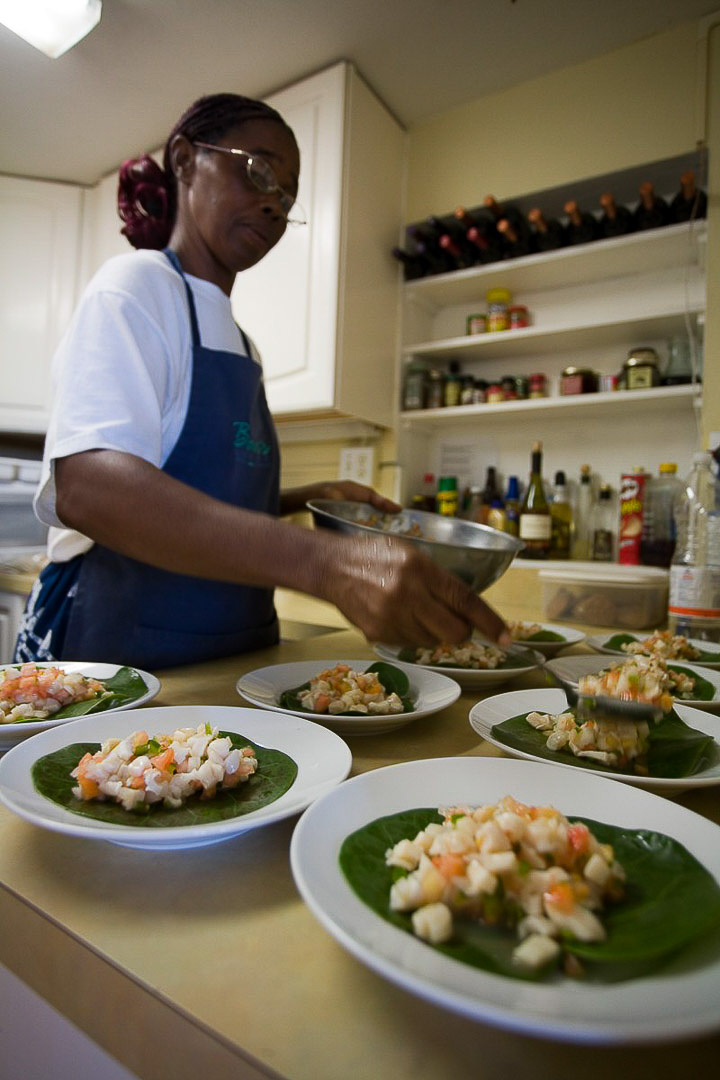
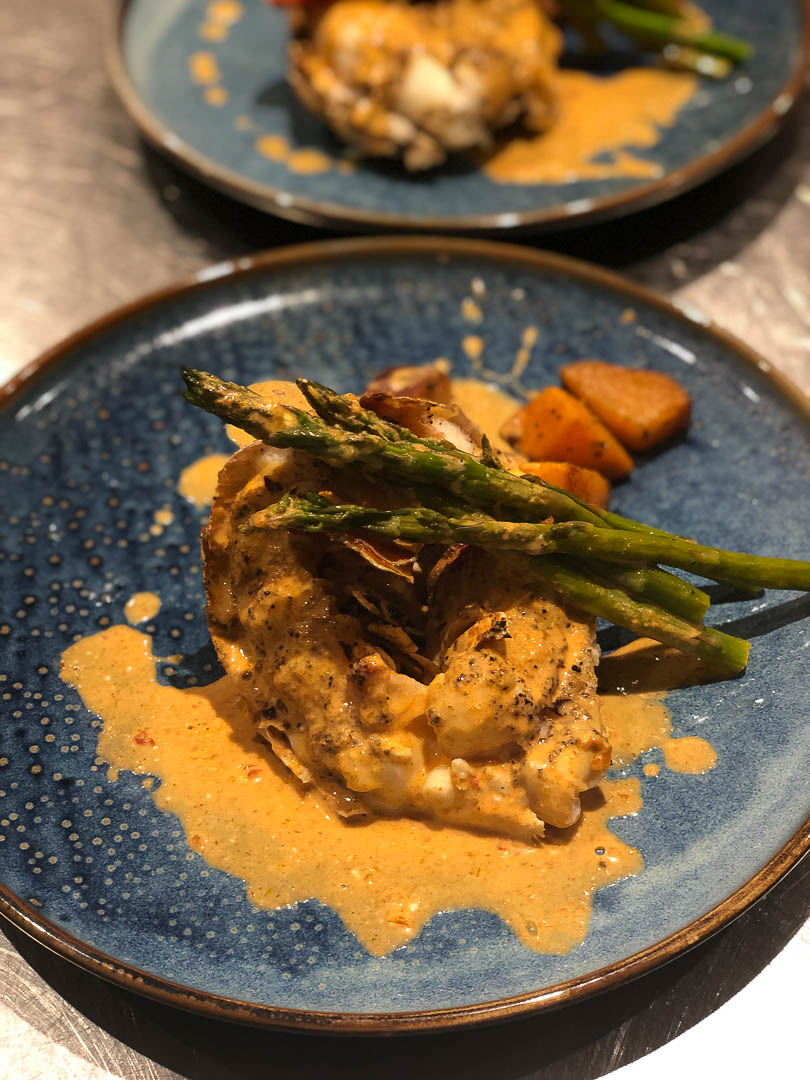
We pride ourselves with serving delicious food of fresh local produce, specializing on fresh fish (ahi tuna, grouper, and hog snapper), conch and lobster. We carefully stock our larder with fine quality foods from the US and Nassau. Our chef bakes bread, pastries and cookies daily. Our coffee is made from freshly ground beans and will be waiting for our guests in the buffet. Alternatively, we will bring a cup of coffee to your room!
A full breakfast will always feature a variety of cereals, coffee and a selection of teas, as well as fresh fruits. Eggs will be cooked to your preference, with bacon, sausages and grits. Hot cereals are also available.
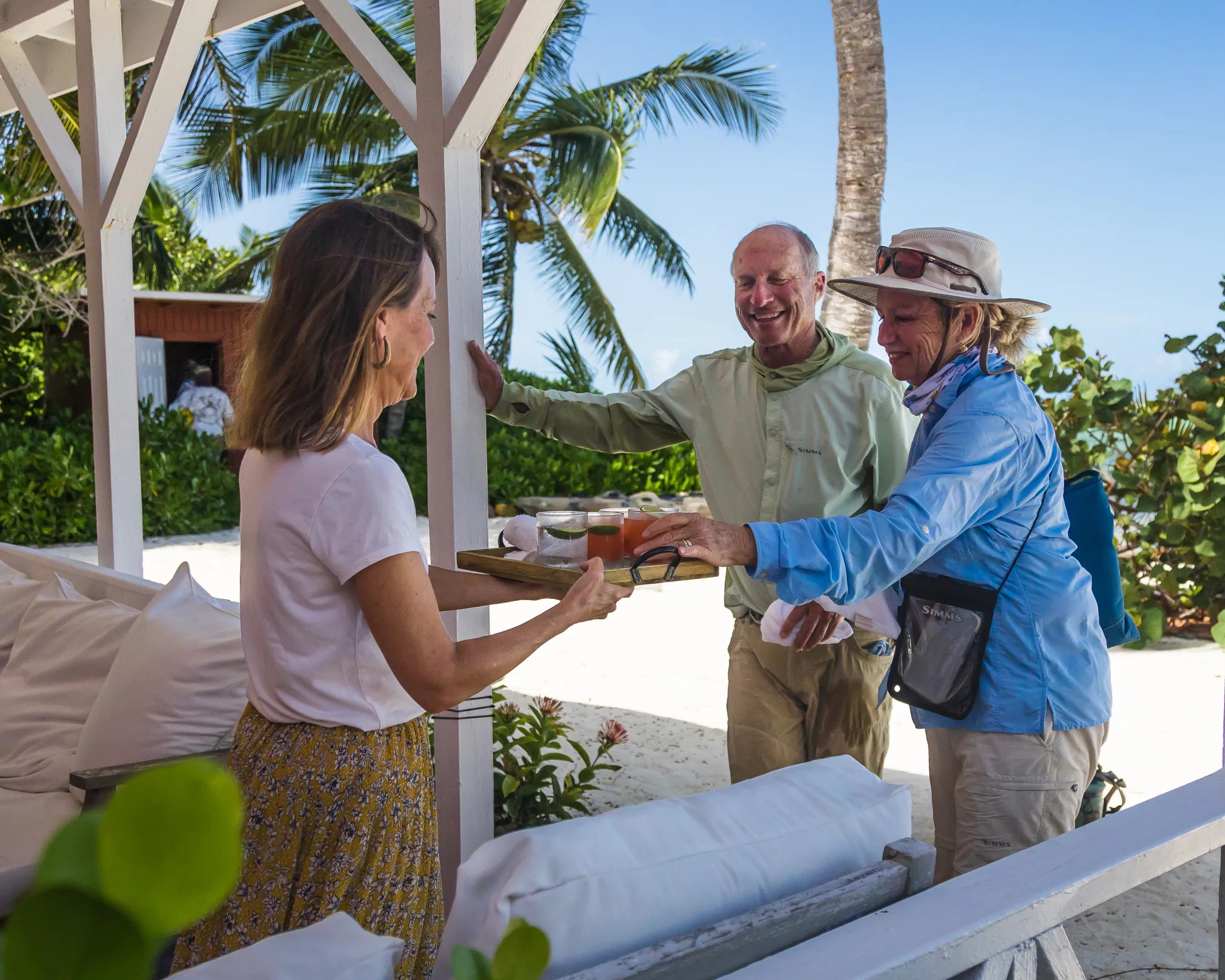
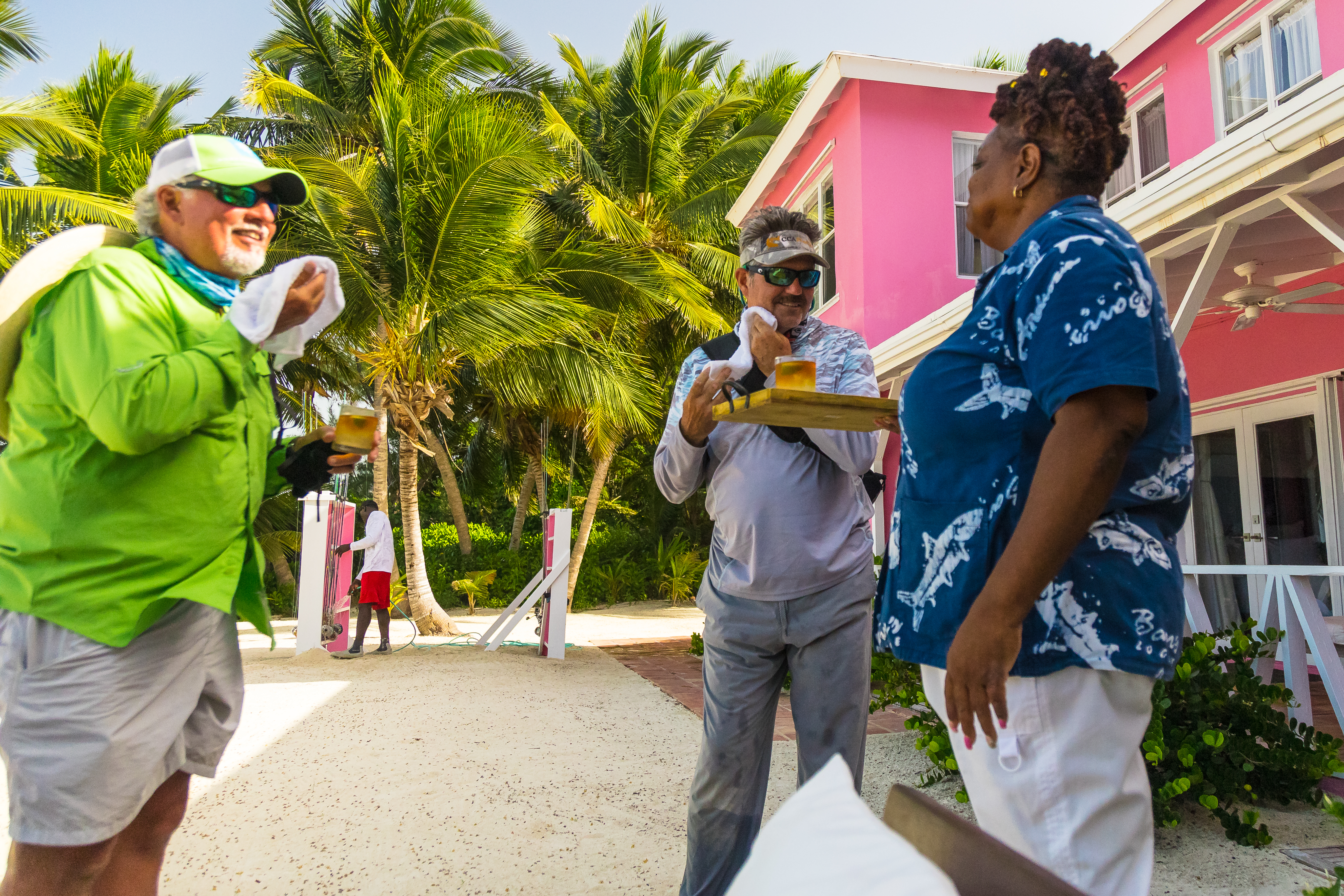
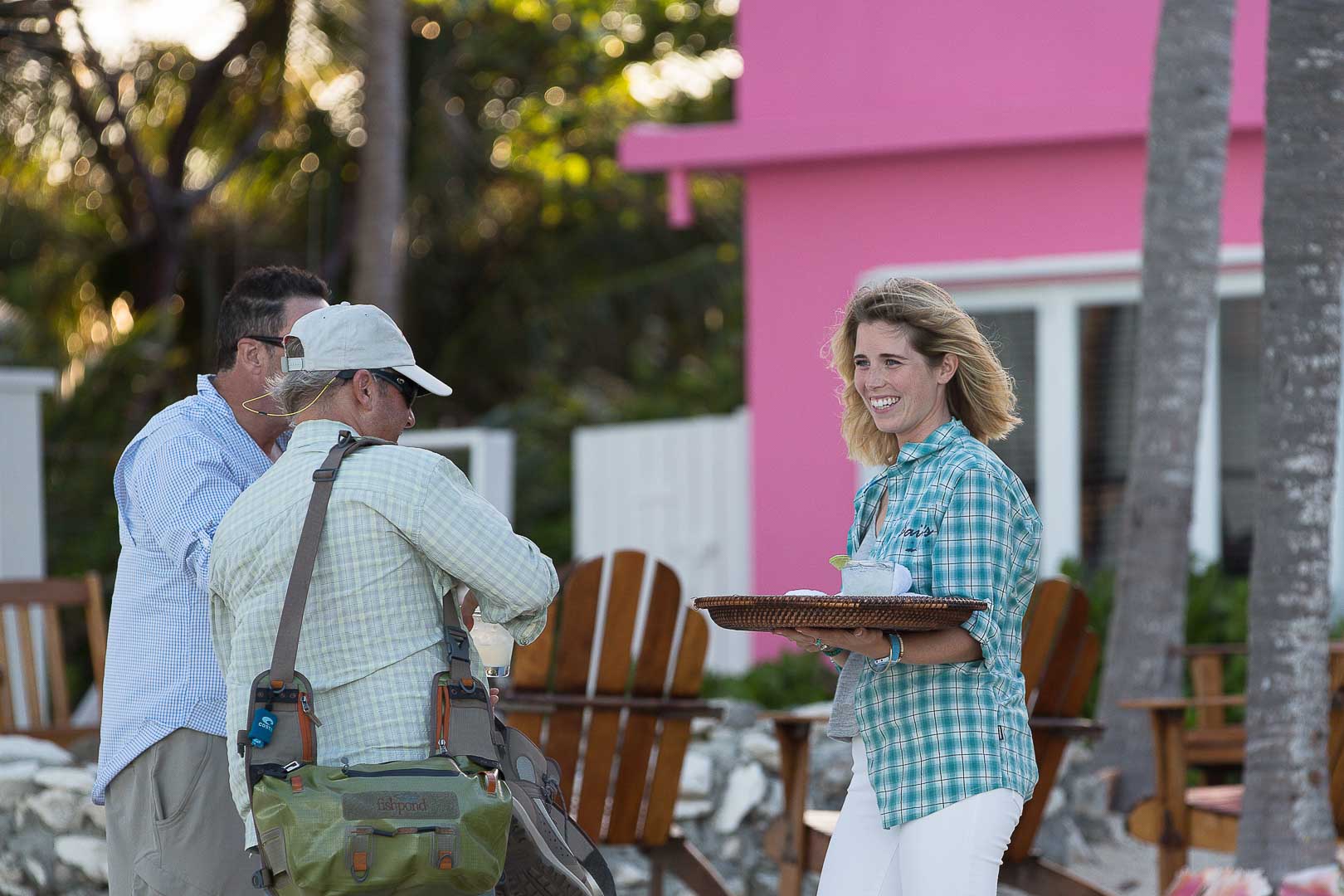
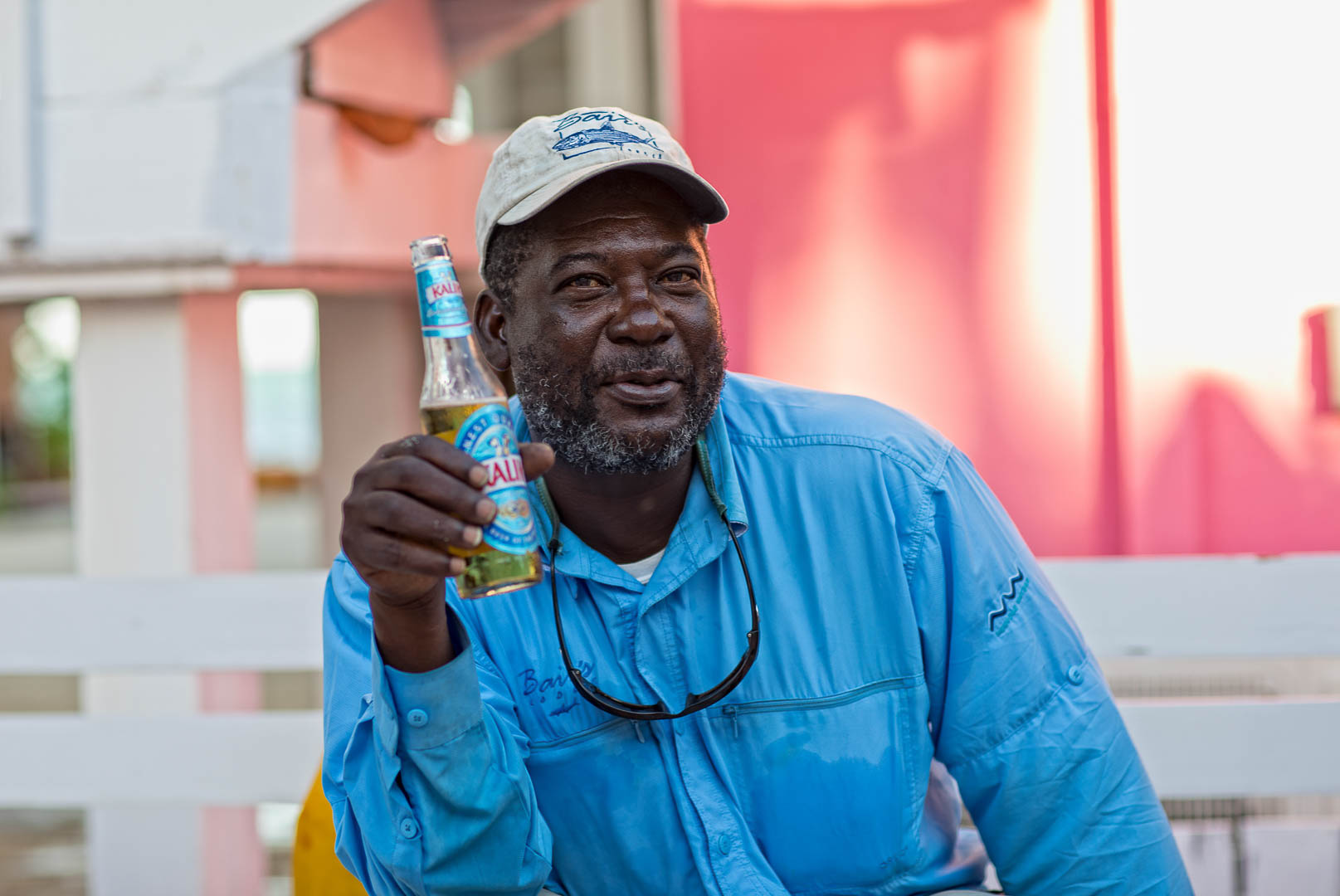
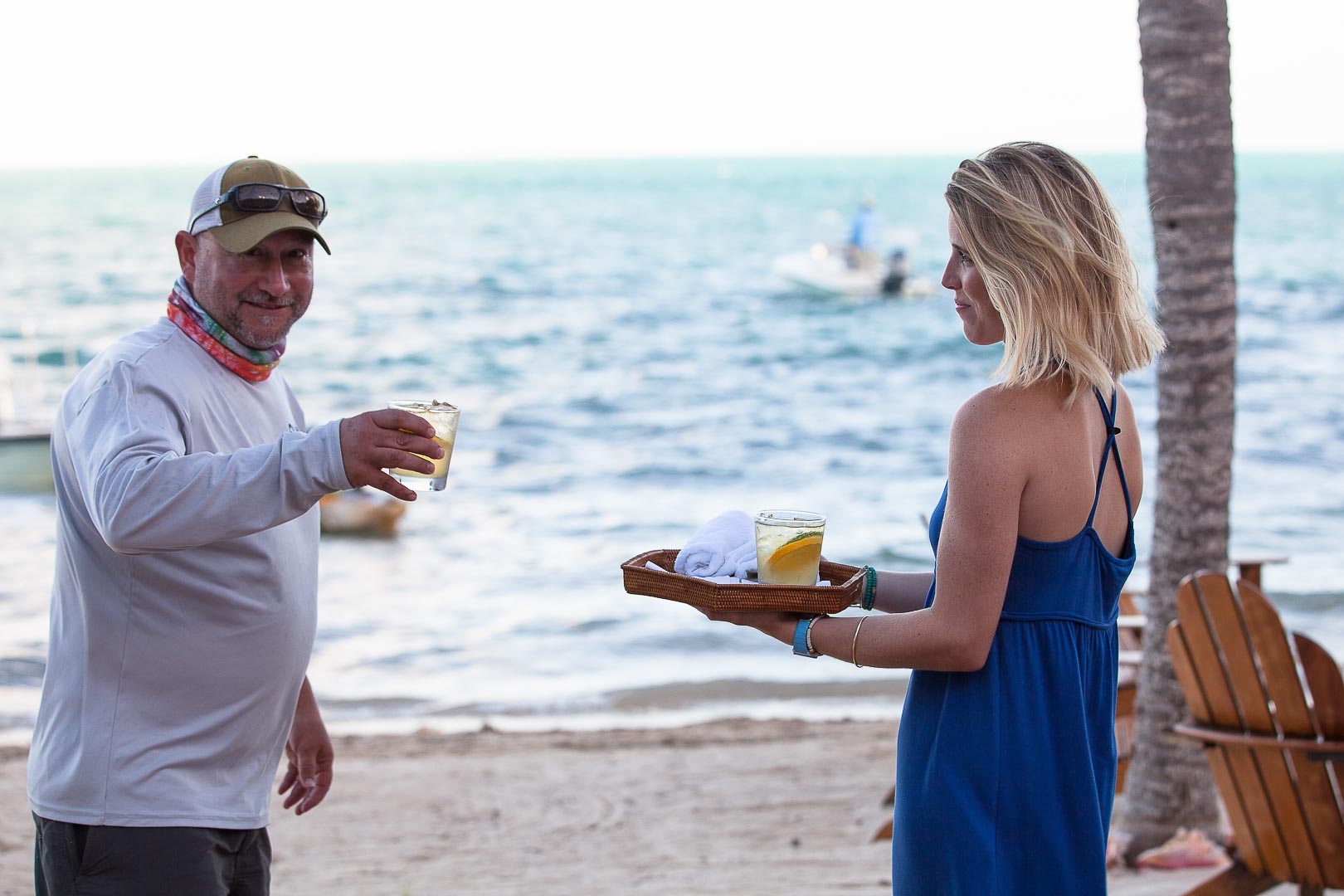
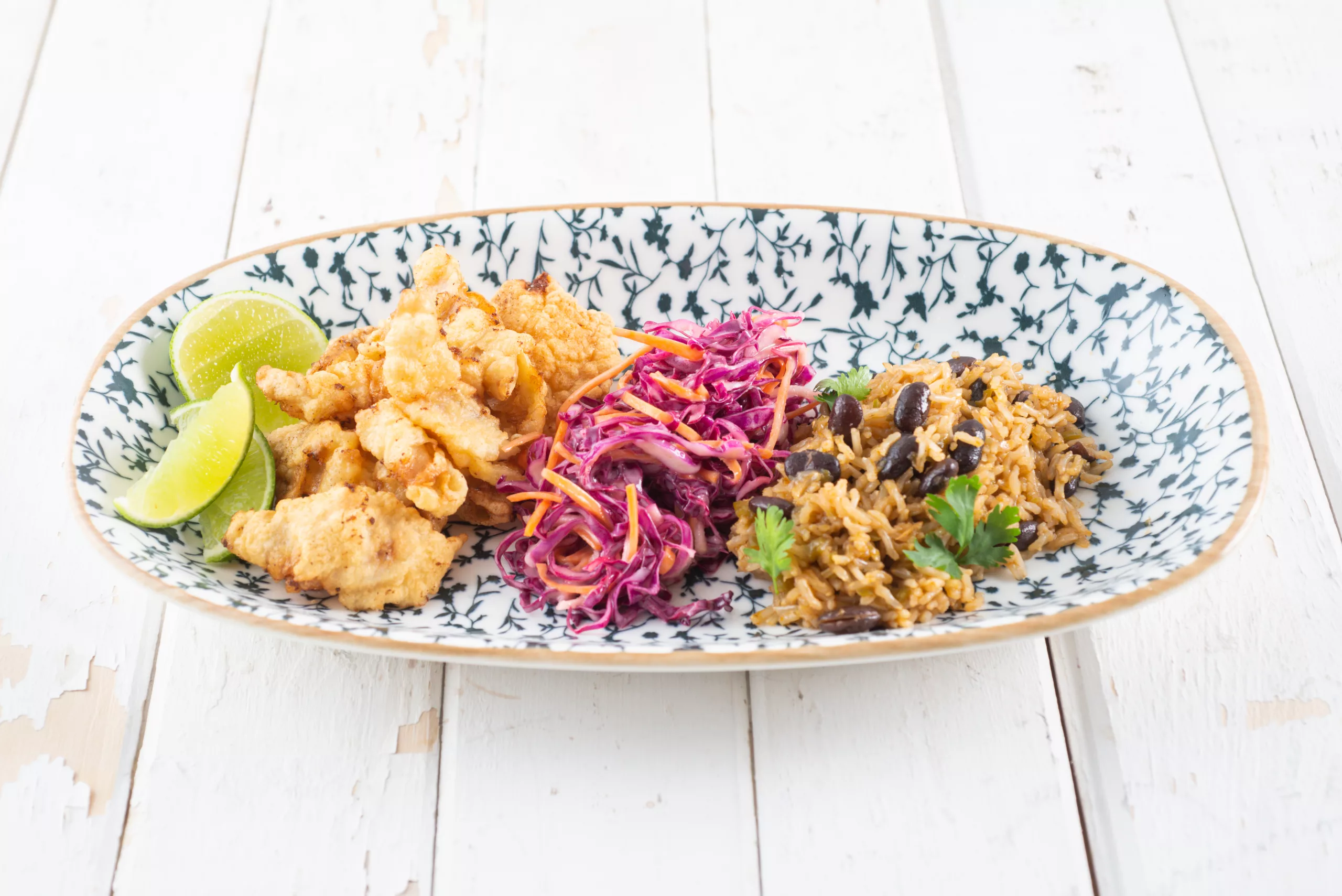
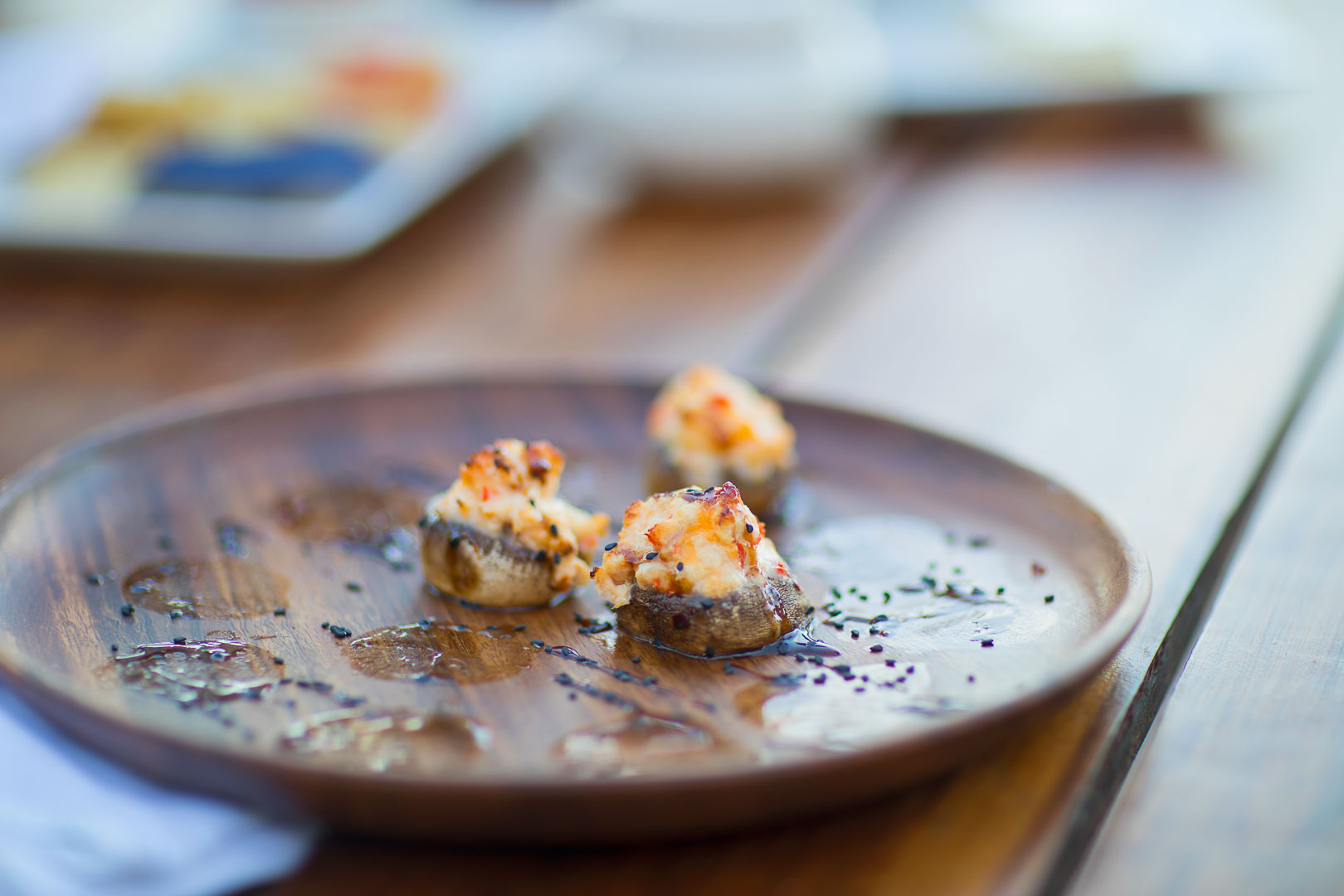
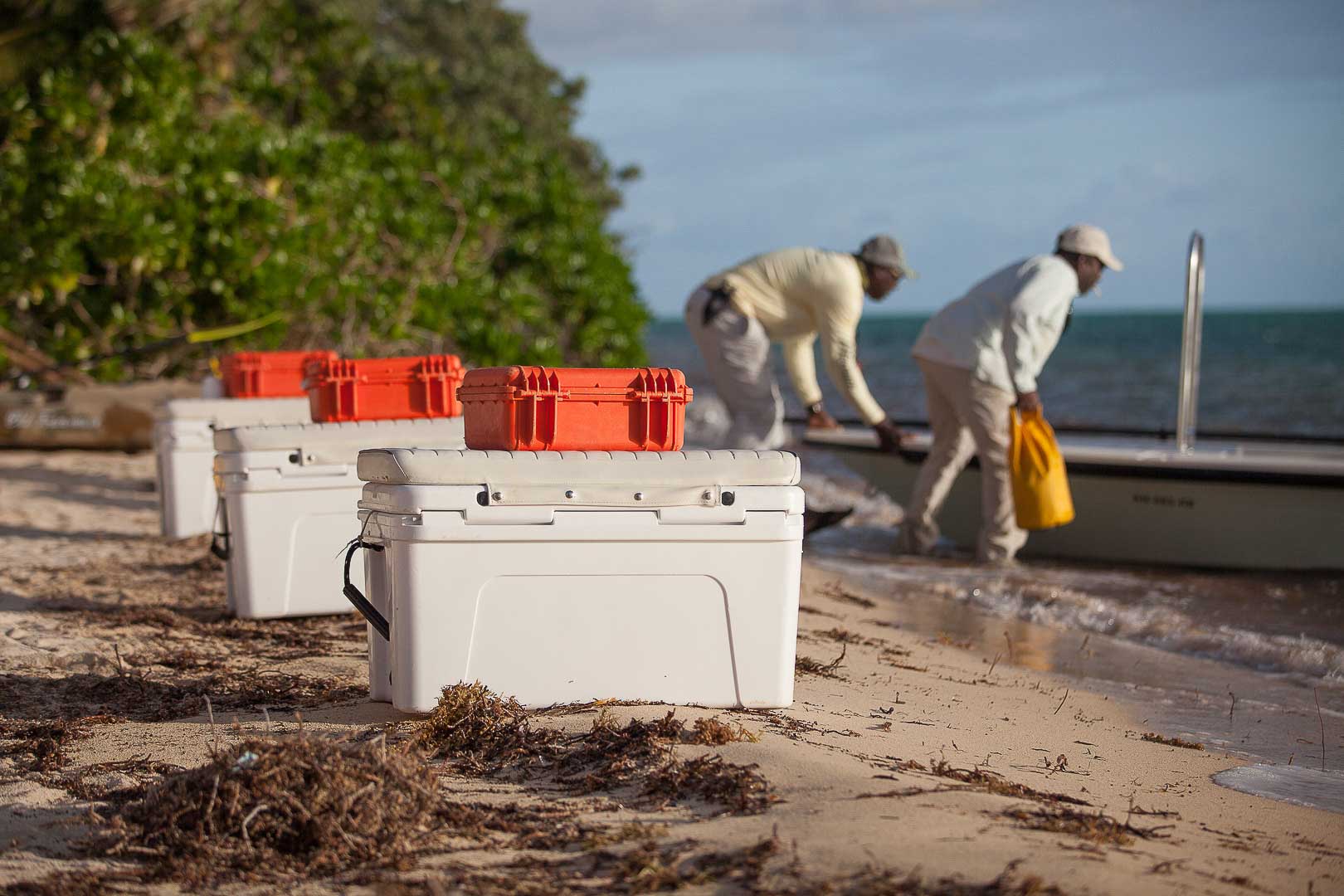
A lunch menu card allows you to choose next day’s lunch and the content of the boat coolers. We have an open bar policy at the lodge. On your return from fishing you will find cold beers, spirits, and a blender for cocktails, as well as stacks of soft drinks. Delicious appetizers are served in the verandah, so you can sample local specialties such as cracked conch, grouper fingers and conch salad.
If you have a preferred brand of liquor, please be sure to let us know in advance so the lodge can have it ready for you upon arrival (payable upon arrival to the lodge). Otherwise, you can bring your own bottle. Please note that local spirits will be available free of charge at the lodge.
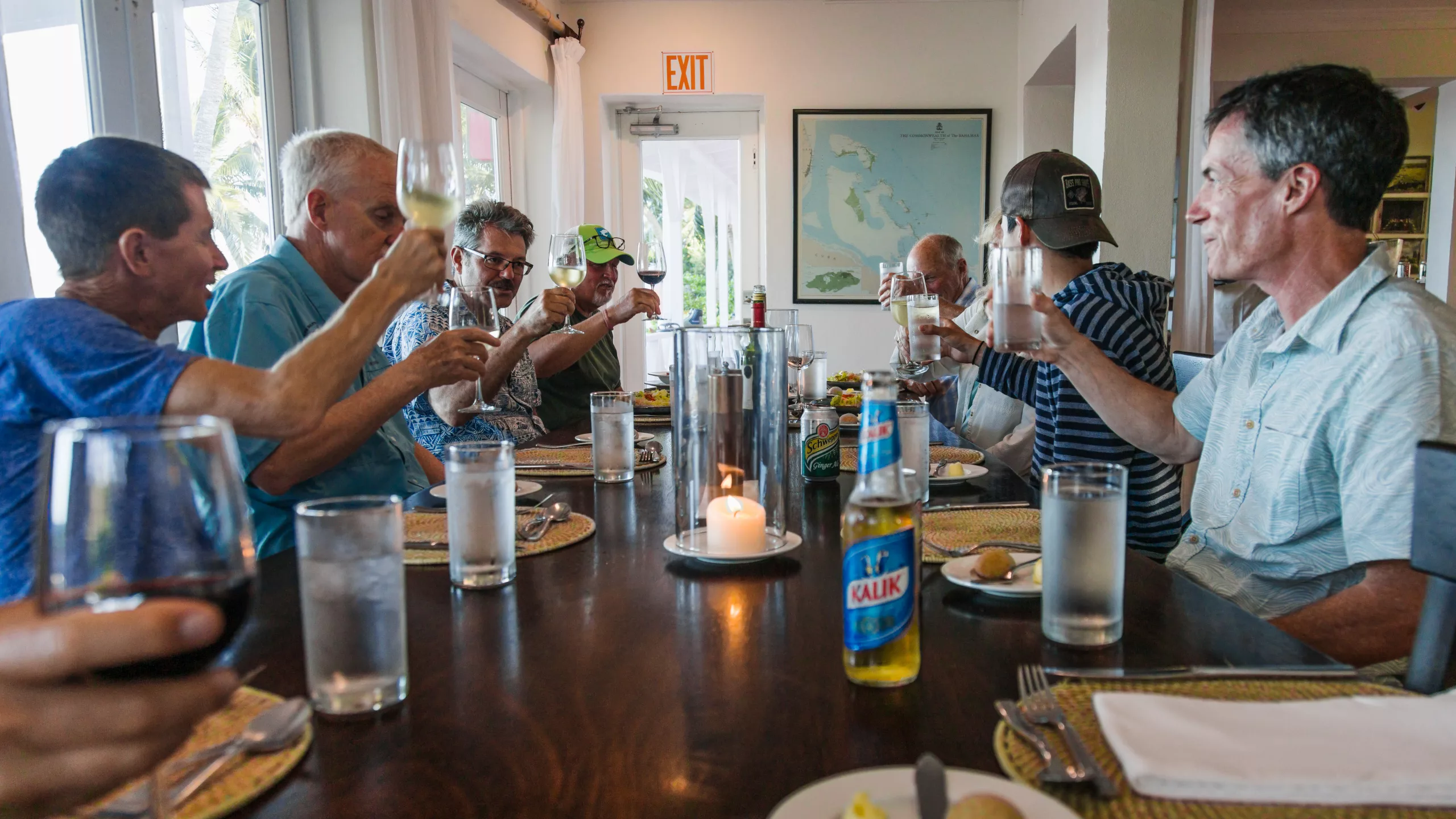
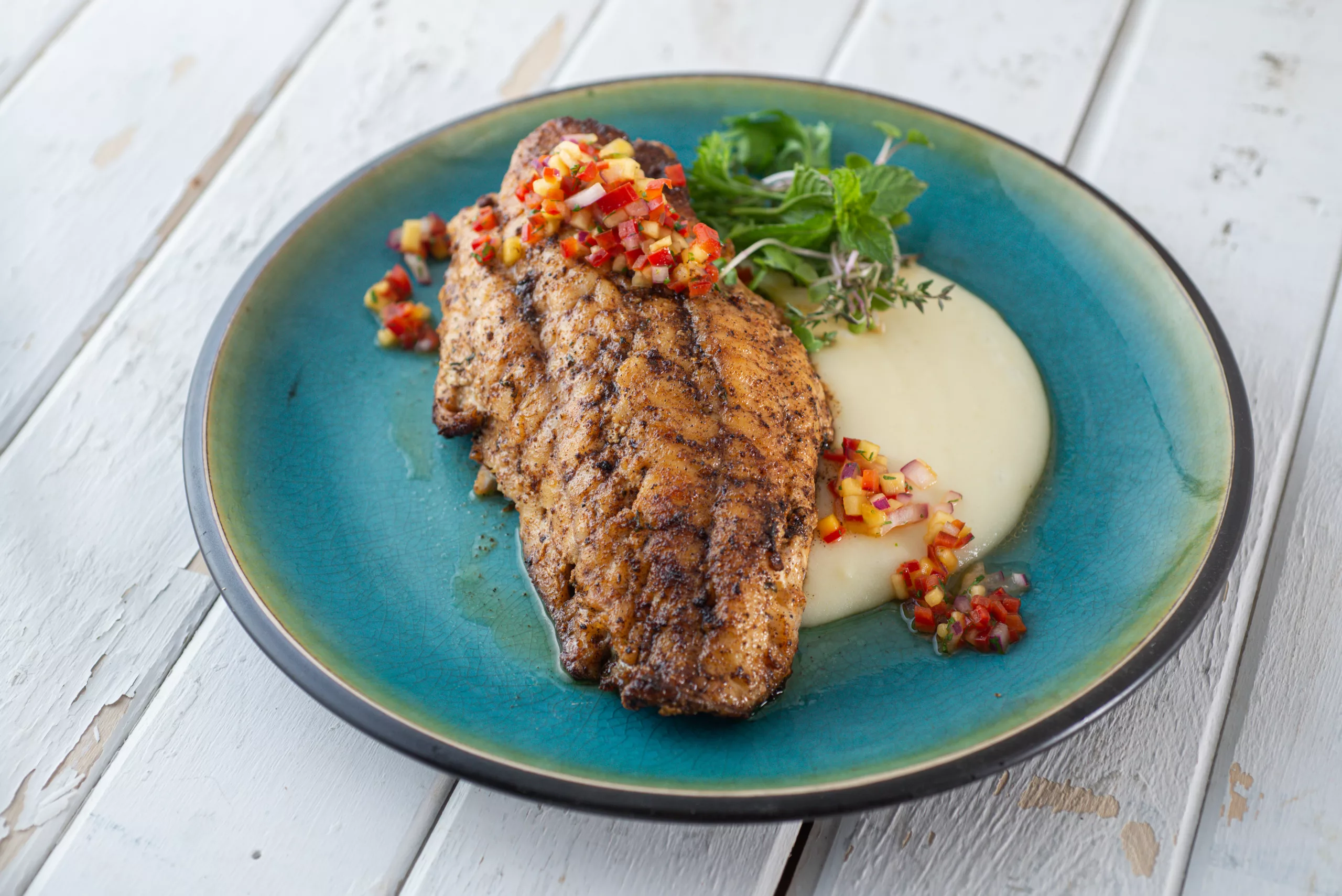
Dinner starts with appetizers such as homemade soups or conch ceviche, and all entrees are served with fresh salads. Our emphasis is on mixing local dishes with light fresh recipes such as snapper with mango salsa, and some barbequed fish.
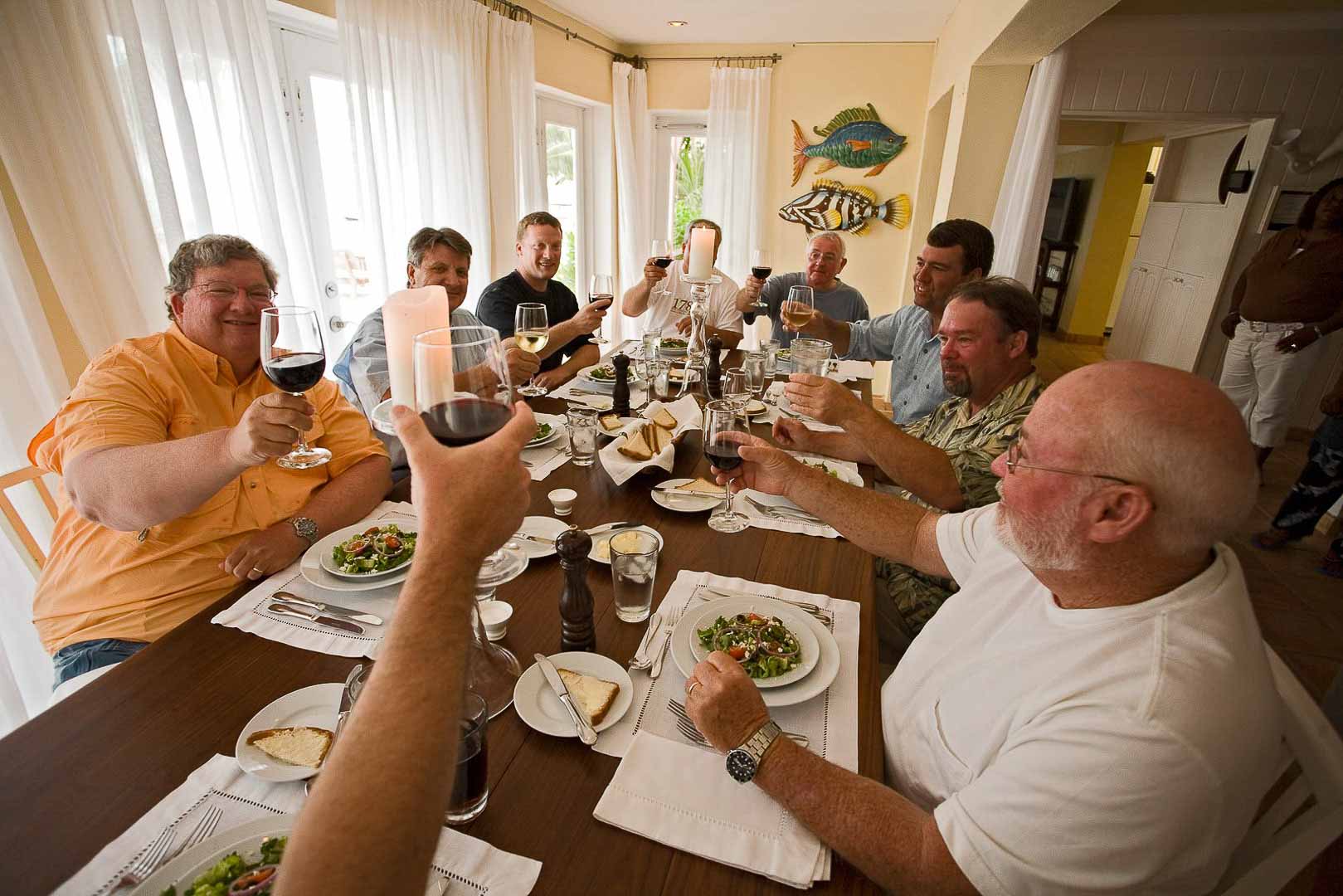
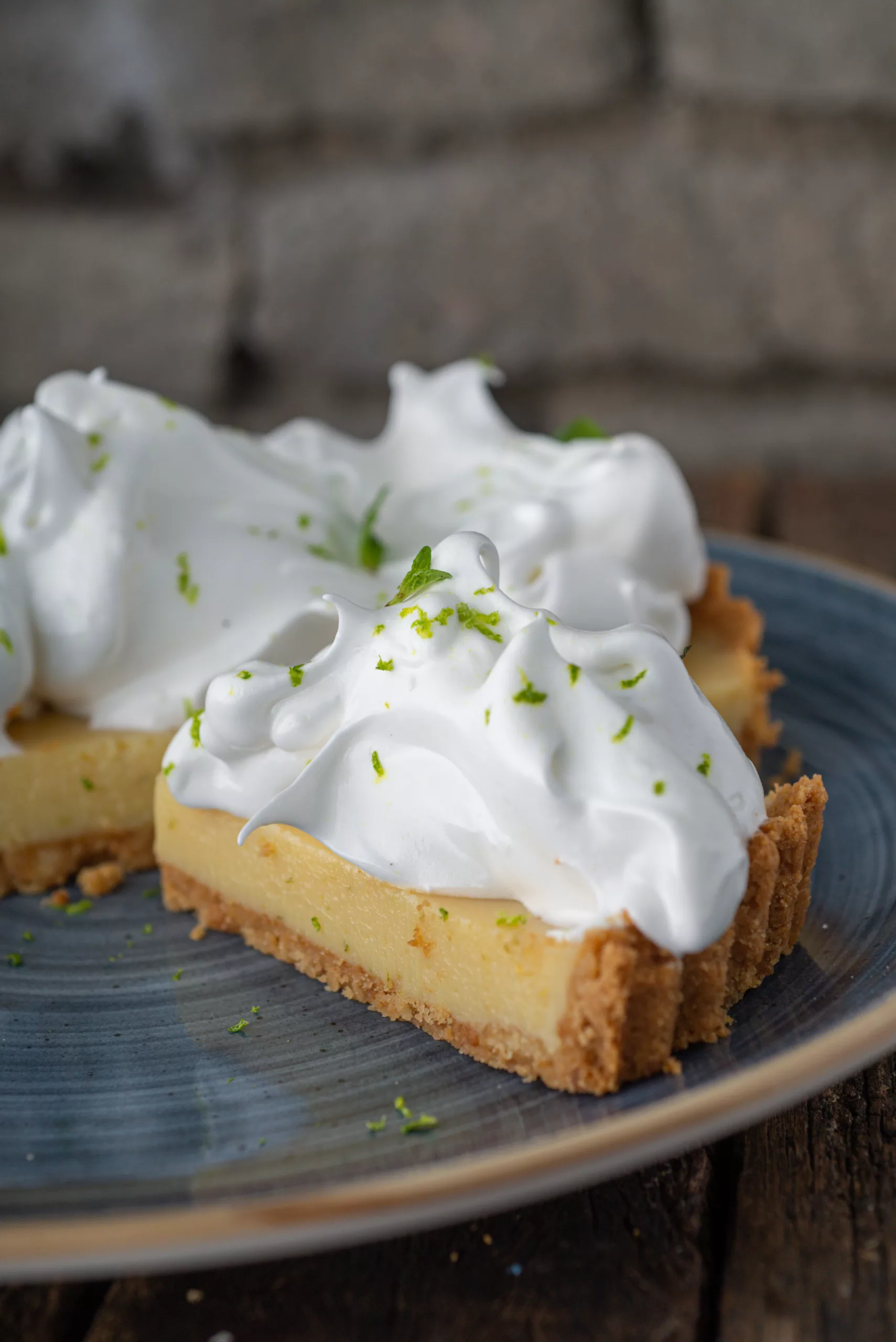
Desserts will vary from chocolate decadence to key lime parfaits. House wines such as Argentine Malbecs, Chilean Chardonnay, Sauvignon Blanc, Merlot and Cabernet Sauvignon will be served with dinner. After dinner coffee and tea and liquors will be served in the sitting room.
We can cater to special dietary needs. Fill in our questionnaire any requirements or food allergies you might have, so we can inform the chef.
Salads are offered in our cooler lunches for those on low-carbohydrate diets. The lodge has a good supply of drinking water from our reverse Osmosis system. You will find water in your bedroom and your boat, and you can drink the tap water. In our arid climate, conservation is always appreciated.
Testimonials
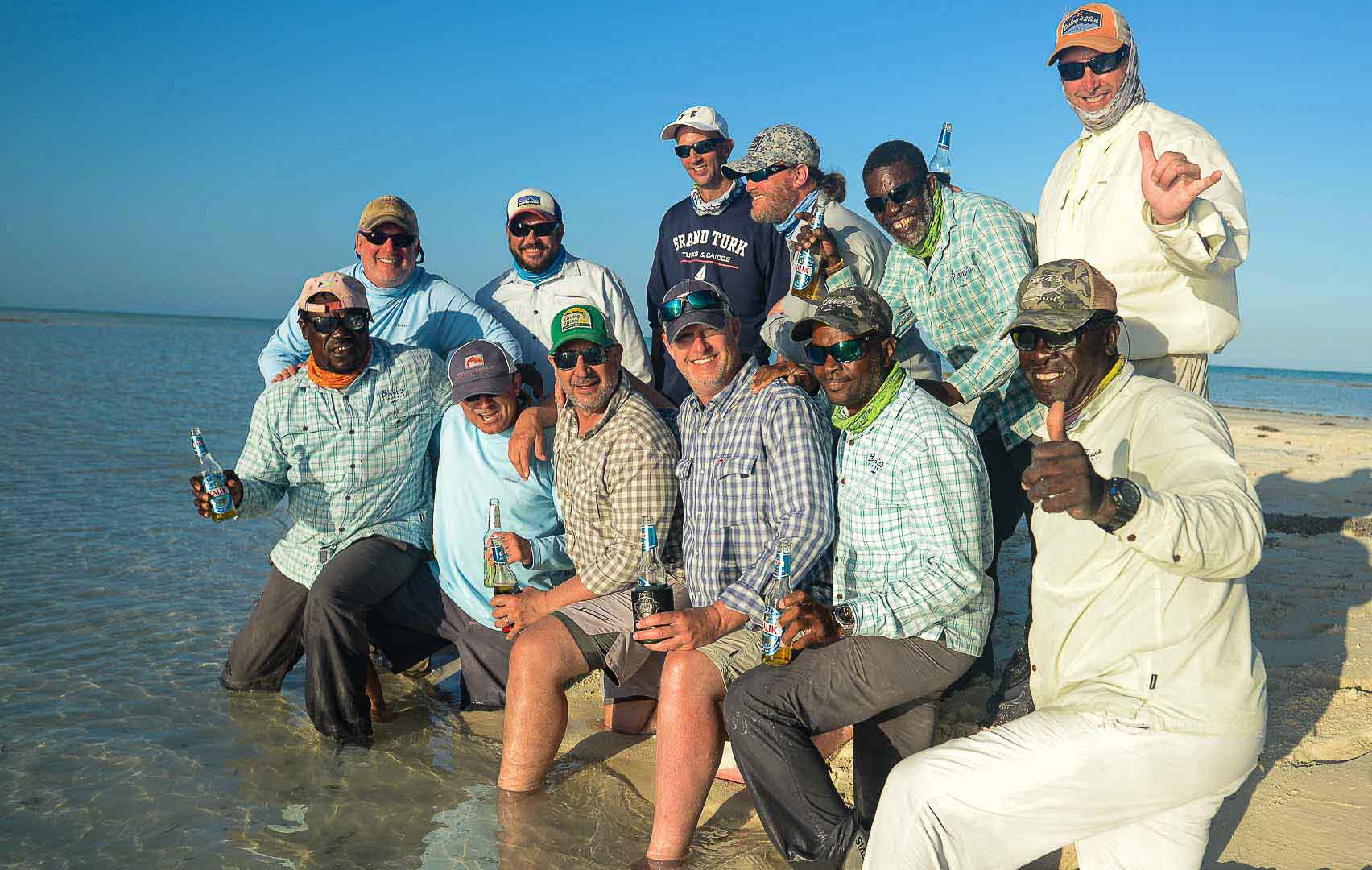
“On behalf of the entire group, I would like to express my gratitude for your efforts during our recent stay at Bair’s Lodge. It is obvious that you are passionate about making Bair’s a wonderful place to stay and fish. I was particularly impressed with the luxurious yet relaxed atmosphere that you and the rest of the staff have created at the lodge. My group was also impressed with the quality of the guides, they cared about finding and helping us land some bones and they showed friendliness and patience at all times”.
Harold S., USA.
“The lodge and personnel were “top-notch” making for an enjoyable stay. We felt over-joyed.”
Dale S., UK.
“We can’t say enough good things about Bair’s, its staff and accommodation and we will continue to return as long as we have our good health”.
Bill and Sall P., USA.
“Great food, great service, majestic blue water and sore wrists from too many fish!”
John S., Naples.
“Been coming to Bair’s for over 15 years. Best bonefish lodge in the Bahamas I have experienced”.
Scott G., Cananda.
“THANKS FOR TAKING SUCH GREAT CARE OF US!!!!!!! Everyone had such a great time. You did everything right… not just some things… everything! The fishing, the guides, the lodge, the food, the people. Everything. Everybody was already talking about rebooking for next year before we even left the island”
Archie S., Minneapolis.
“Thank you so much for making our trip such a blast. Coming back to reality was very painful, but successful. I have fallen in love with the Island and the fishing not to mention our new friends from Argentina and Bairs. We had a perfect time! We look forward to the next visit!
Jim B., USA.
“Our party had a great week at the Lodge last week, and the hosts were perfect. Despite challenging fishing conditions, the guides acquitted themselves very well, and put each boat onto fish. The house staff were very accommodating, and the food was up to the usual Bairs standards”.
Michael N., UK.
“All the guys had a great time at Bairs. The fishing and the guides were first class. The hosts were perfect and great company. Faultless!!”
James C., UK.
Rates
| High Season: Oct 2012 to Mar 2013 | |
| 7 nights / 6 days fishing | $ 4,995 |
| 6 nights / 5 days fishing | $ 4,395 |
| 5 nights / 4 days fishing | $ 3,825 |
| 4 nights / 3 days fishing | $ 3,095 |
| 3 nights / 2 days fishing | $ 2,250 |
| Peak Season: Apr to Jul 2013 | |
| 7 Nights / 6 Days Fishing | $ 5,150 |
| 6 Nights / 5 Days Fishing | $ 4,595 |
| 5 Nights / 4 Days Fishing | $ 3,995 |
| 4 Nights / 3 Days Fishing | $ 3,225 |
| 3 Nights / 2 Days Fishing | $ 2,350 |
Single Boat: 60% Surcharge
Non Fisher: $ 375 per person p/night
Transfer from Congo Town = Included in price
Full Day Fishing on Arr/Dep date: $ 750 p/boat
Half Day Fishing on Arr/Dep date: $ 550 p/boat
Before Travelling
Please take a moment to download and read through the following information well in advance of your departure. It will help answer most questions concerning your stay.
NOTE TO GROUP LEADERS: Please make sure to share this information with the rest of your group. It is vital that everyone in your group is fully prepared, understands the trip cancellation policy on refunds, and have the opportunity to purchase travel protection insurance, (especially anyone with a health issue).