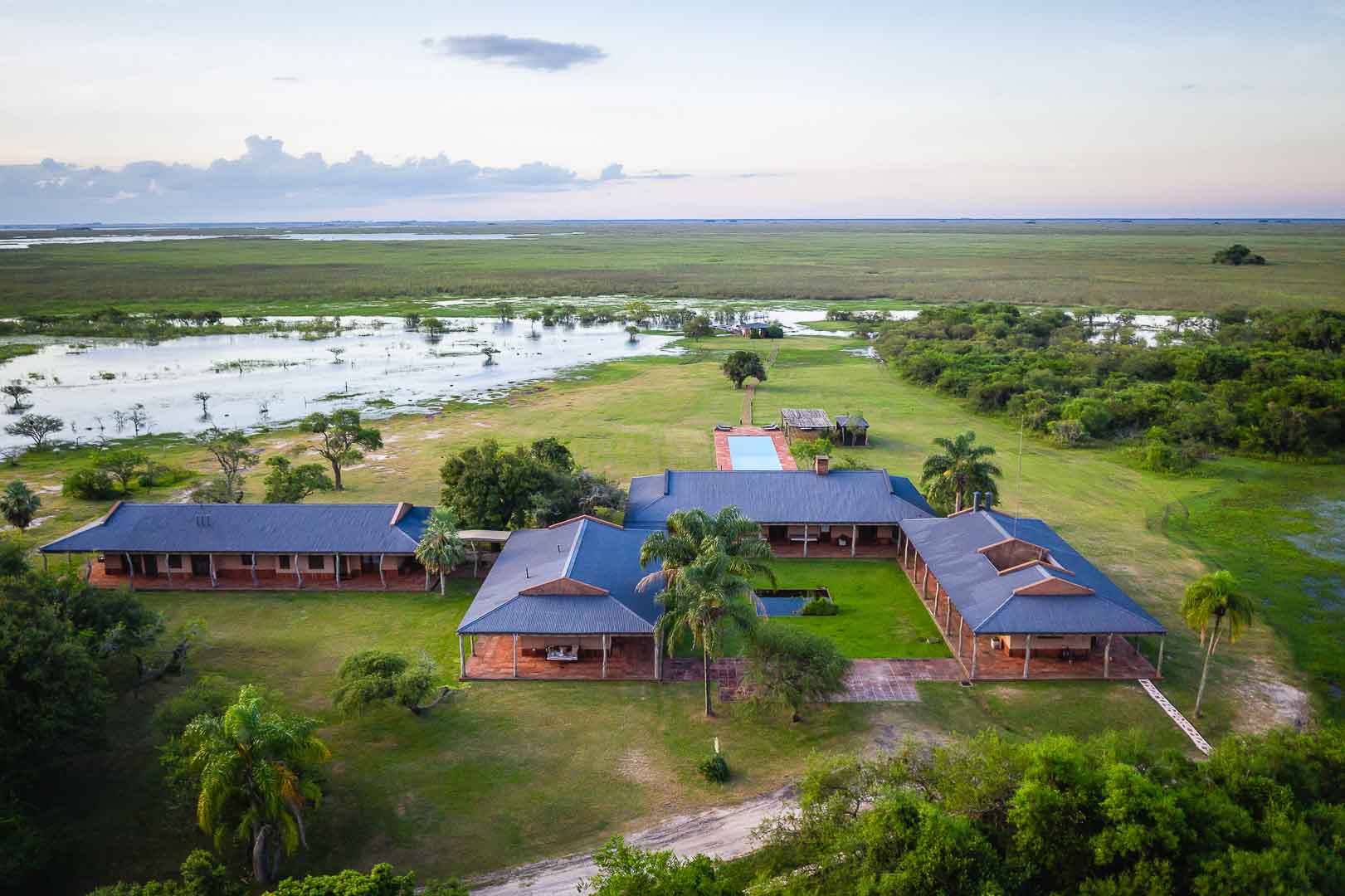
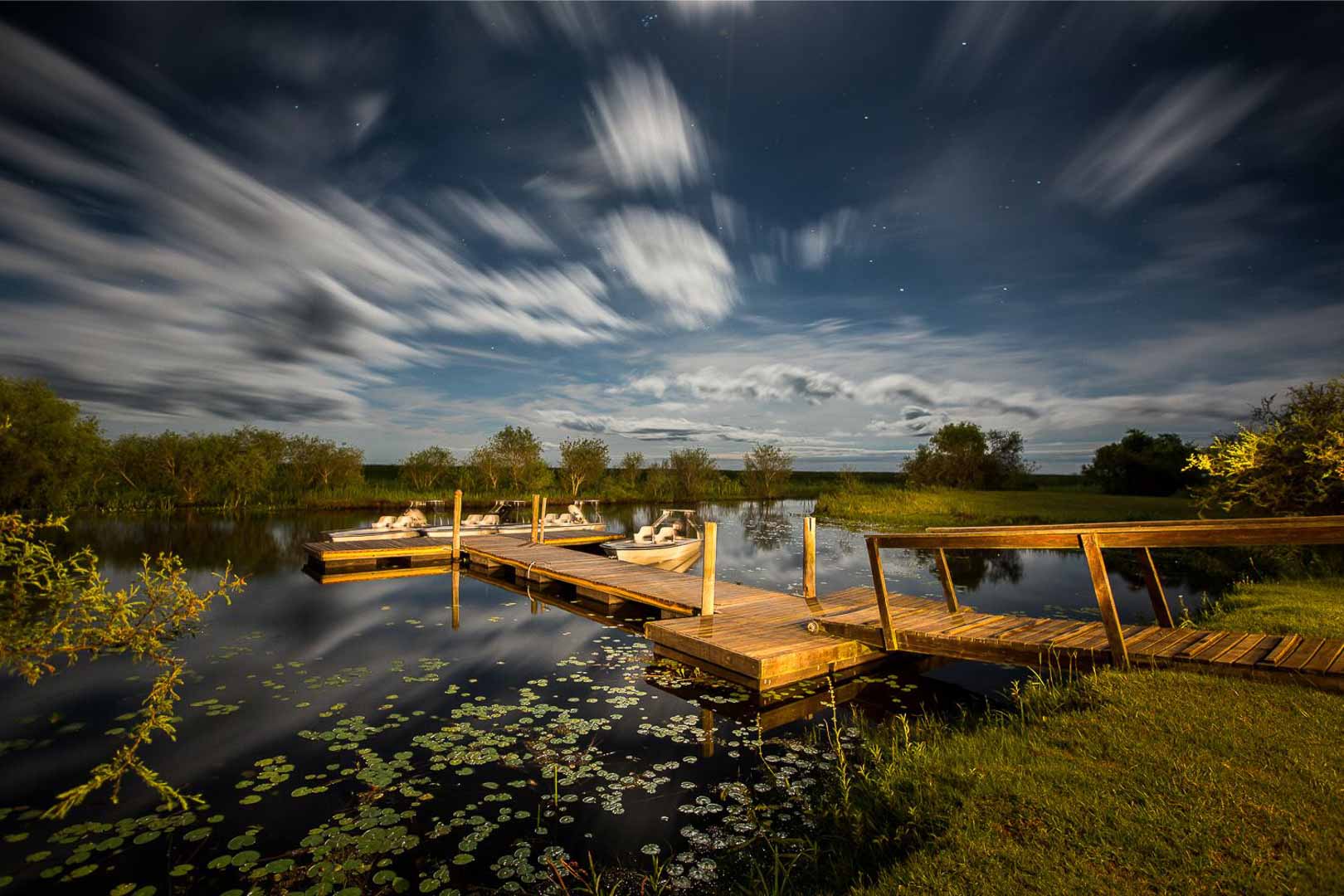
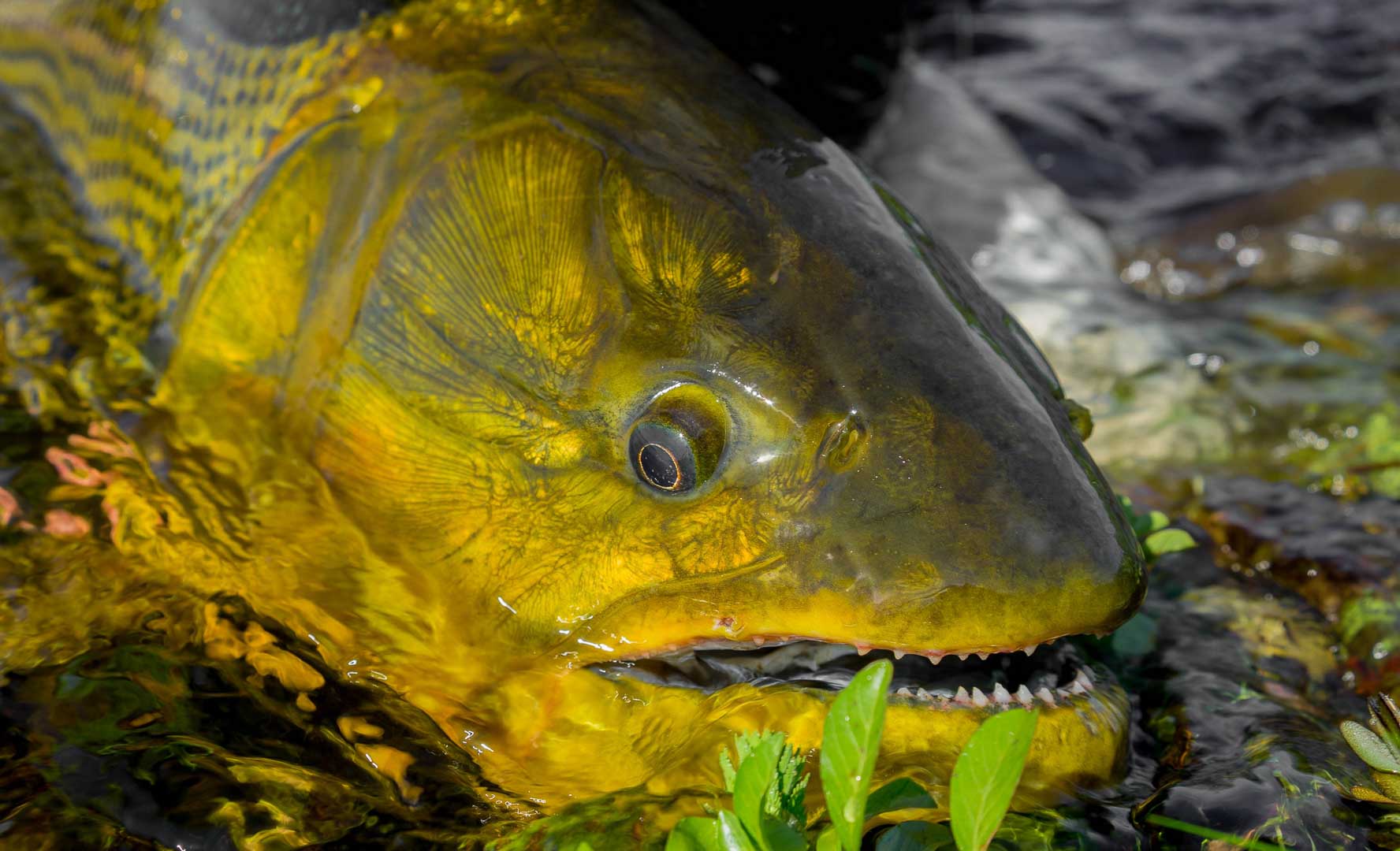
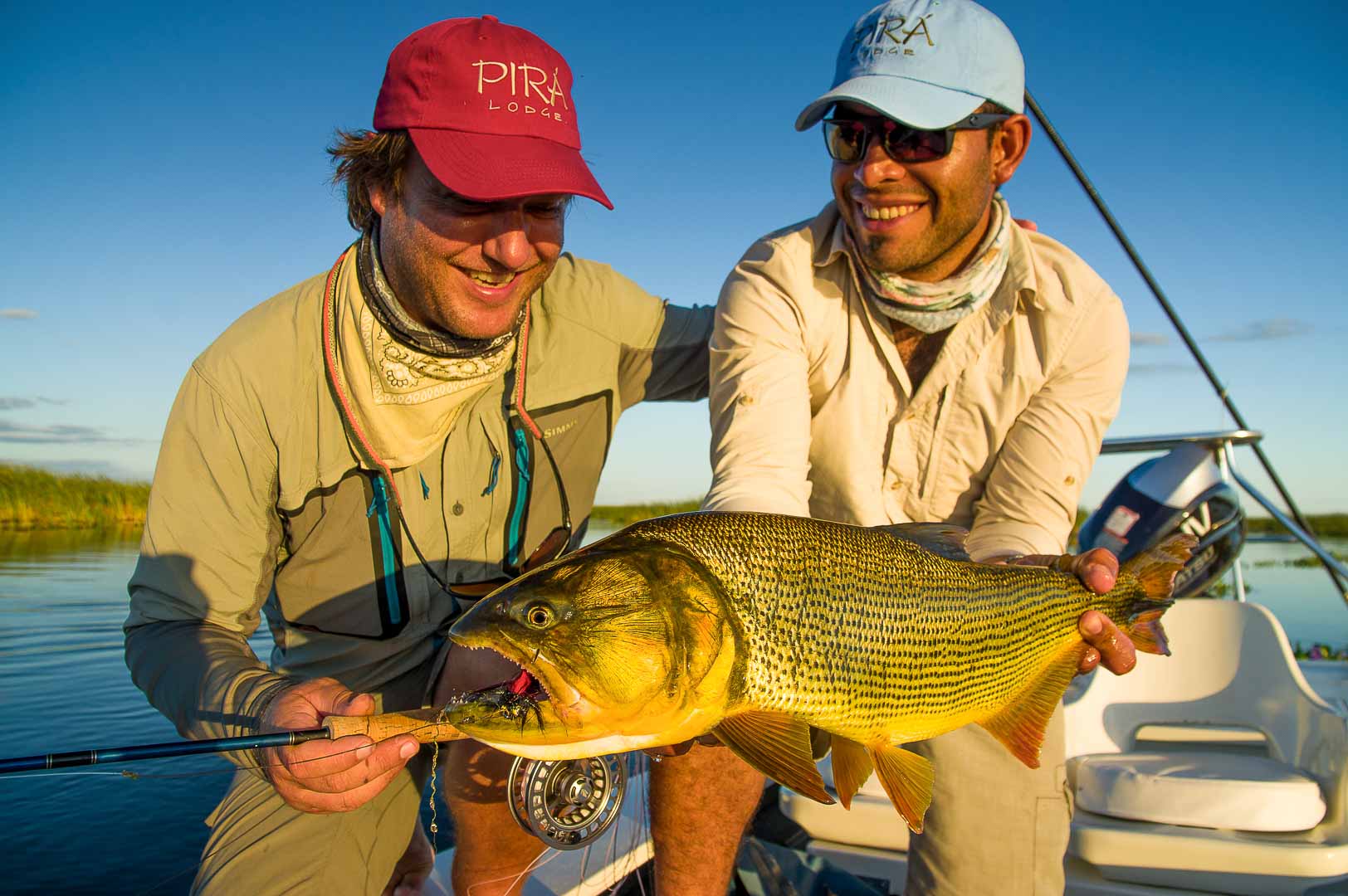
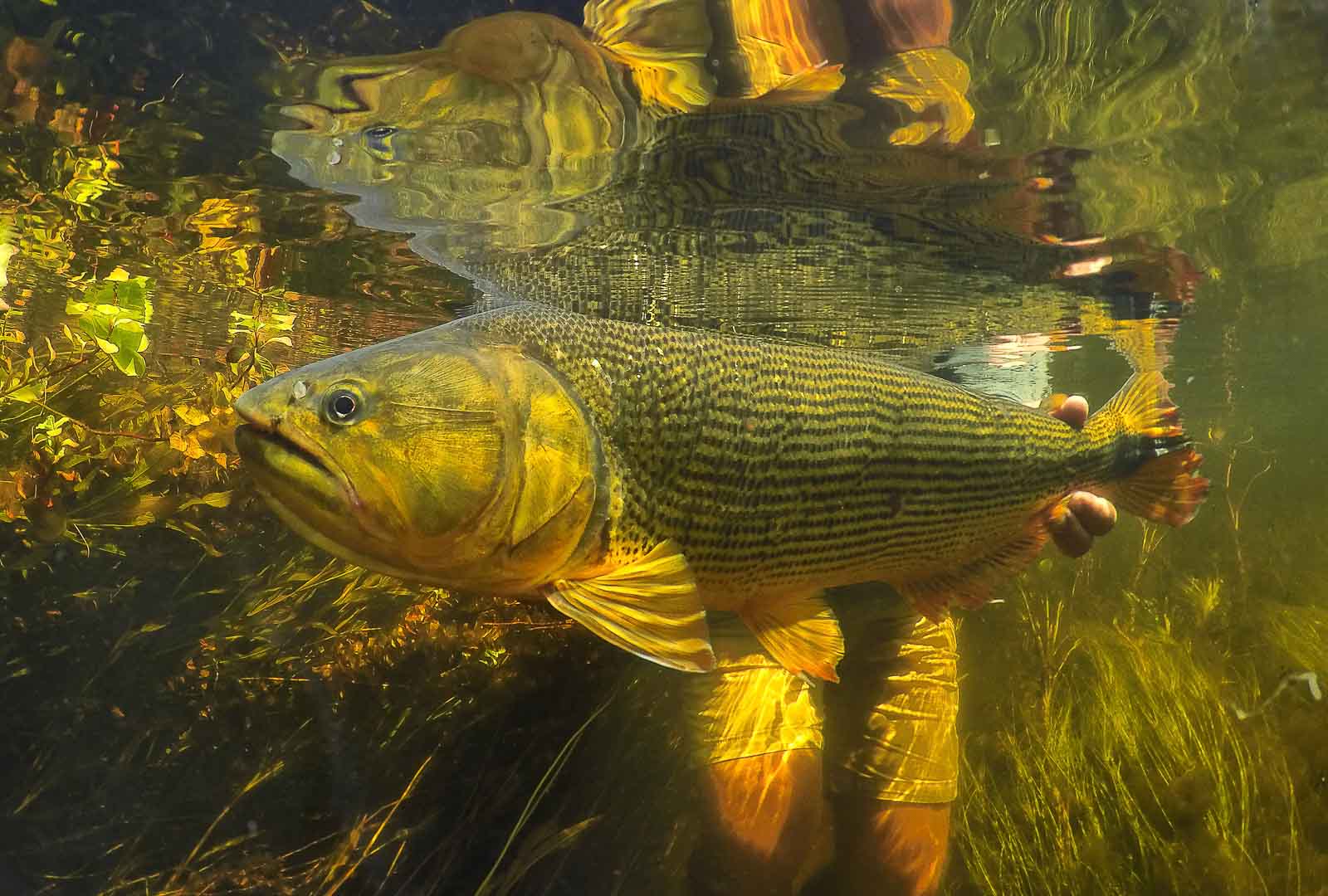
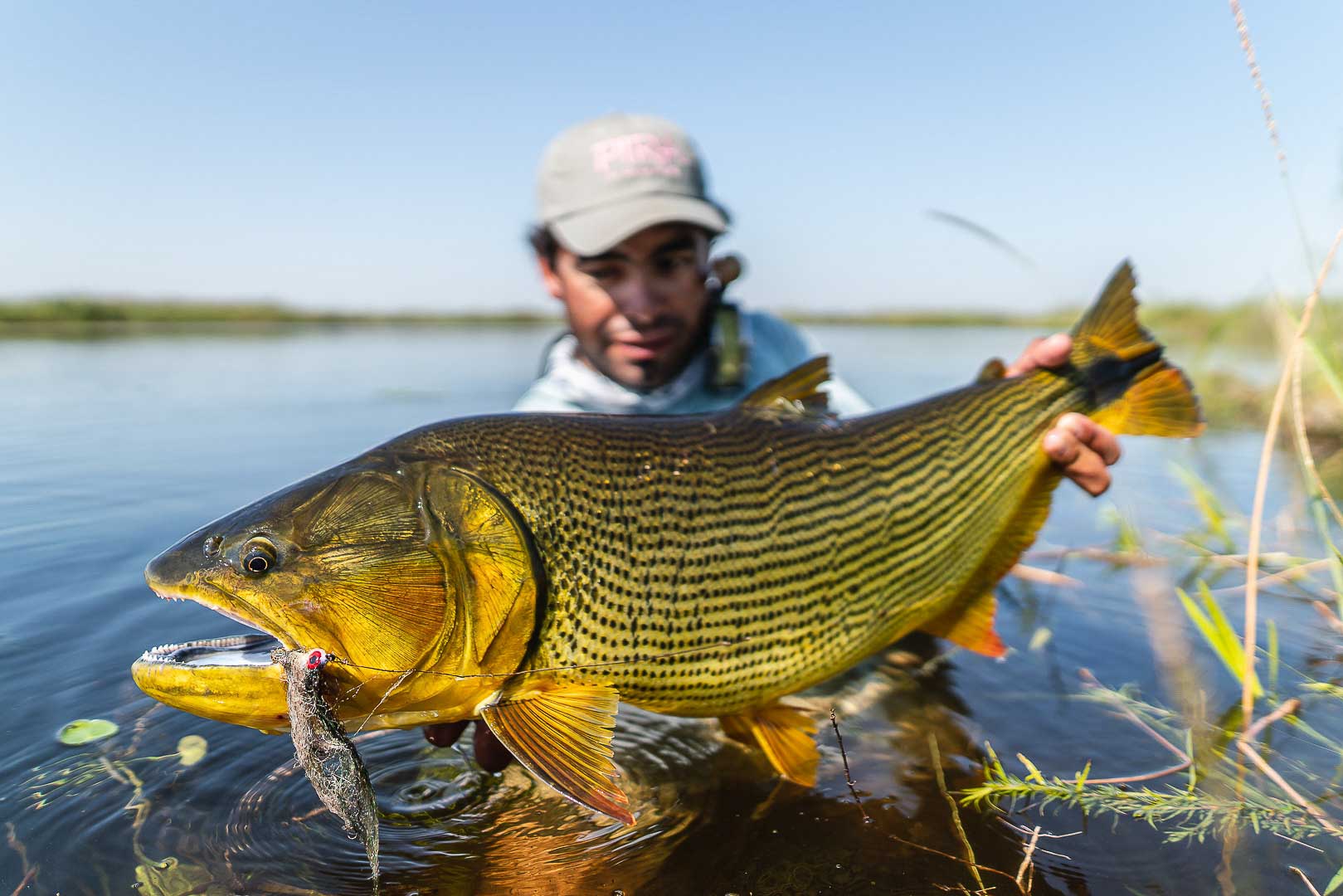
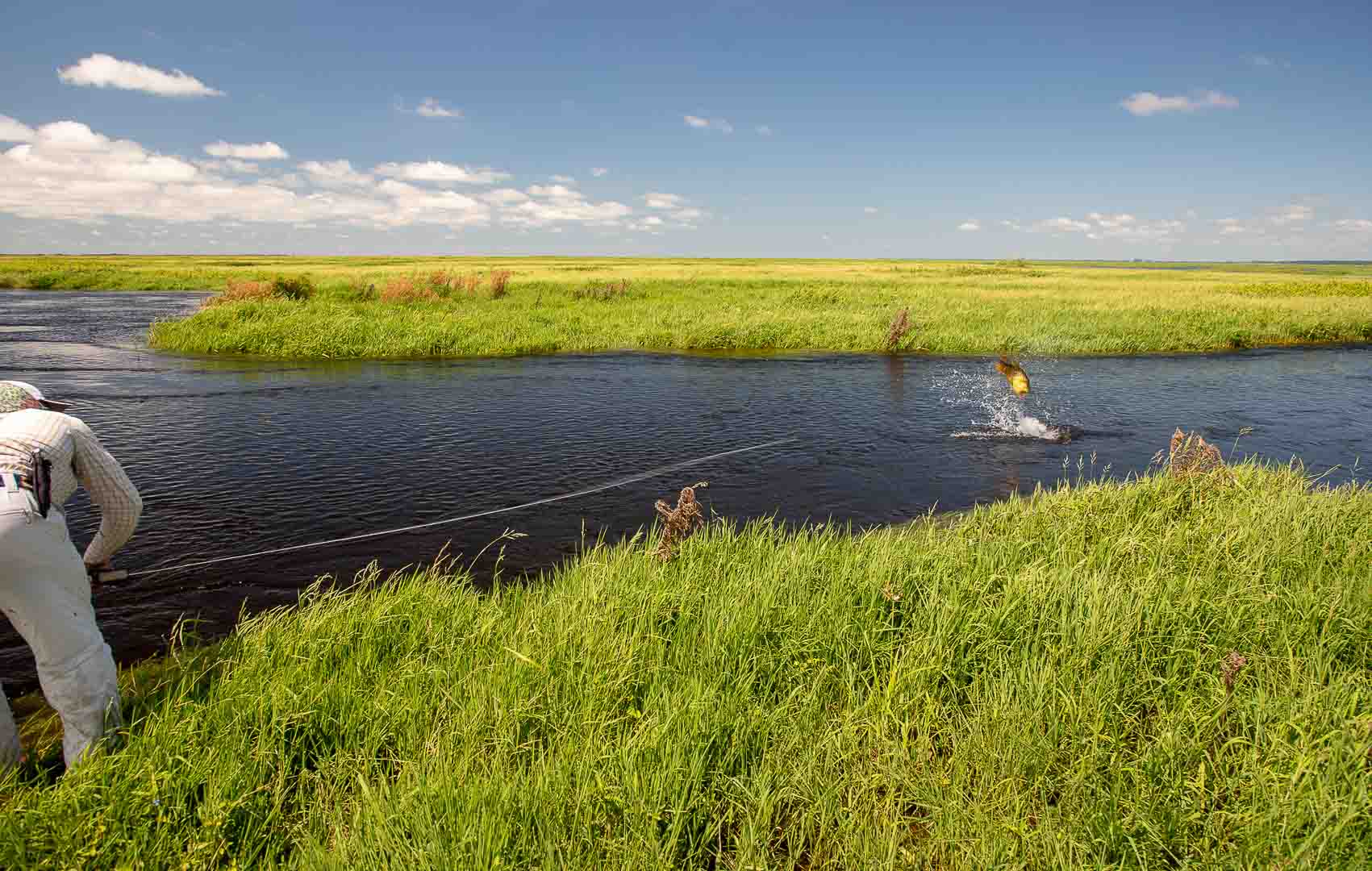
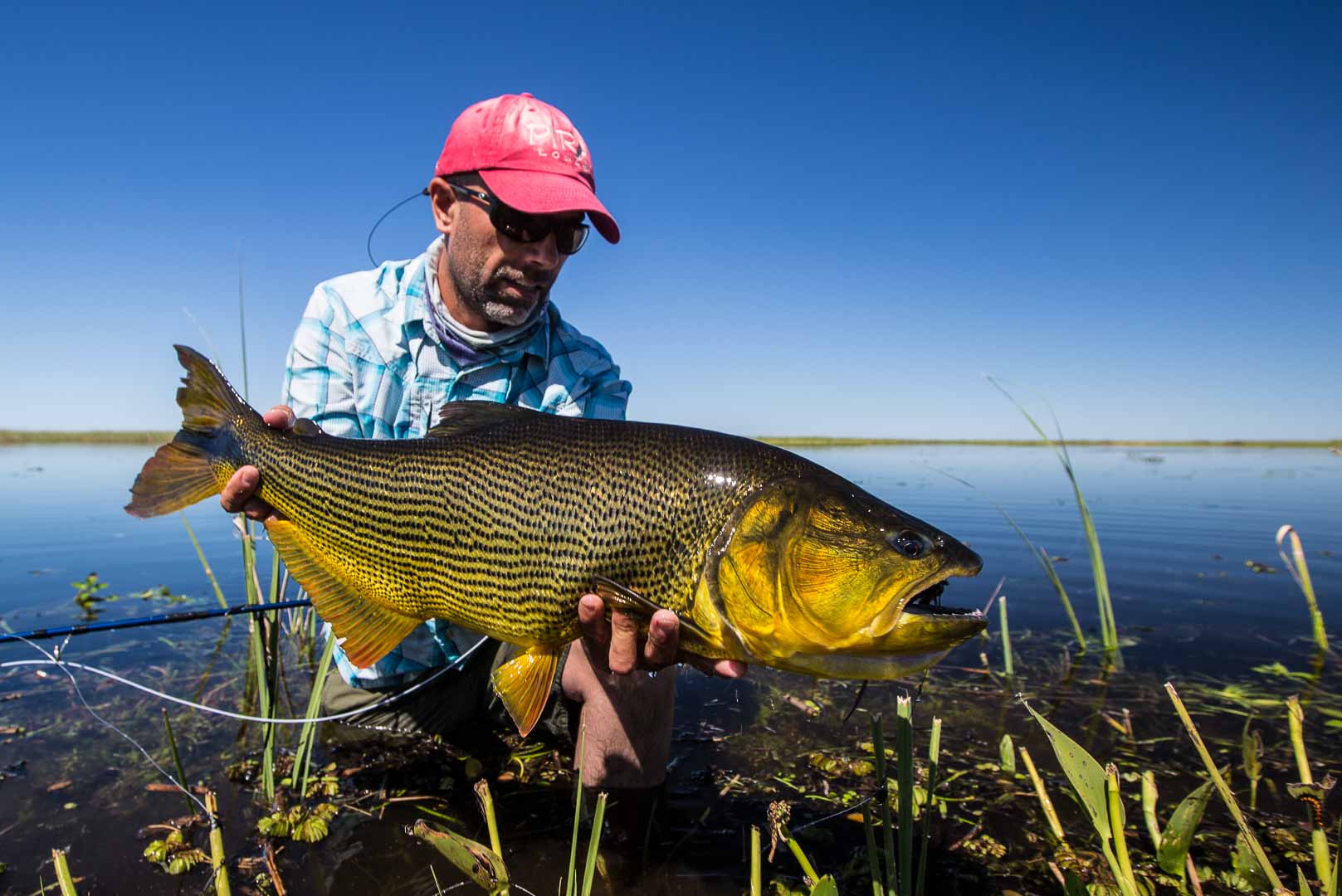
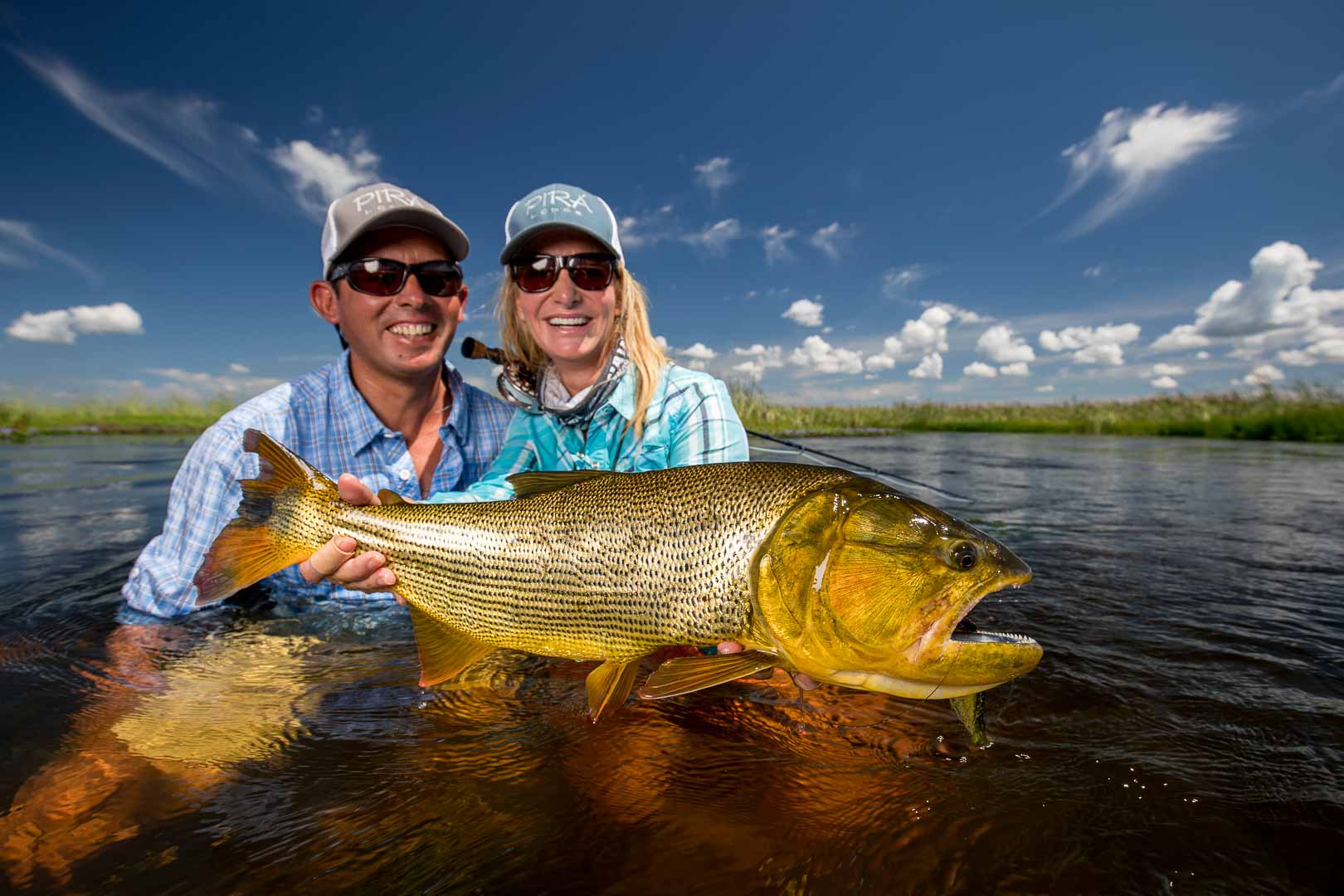
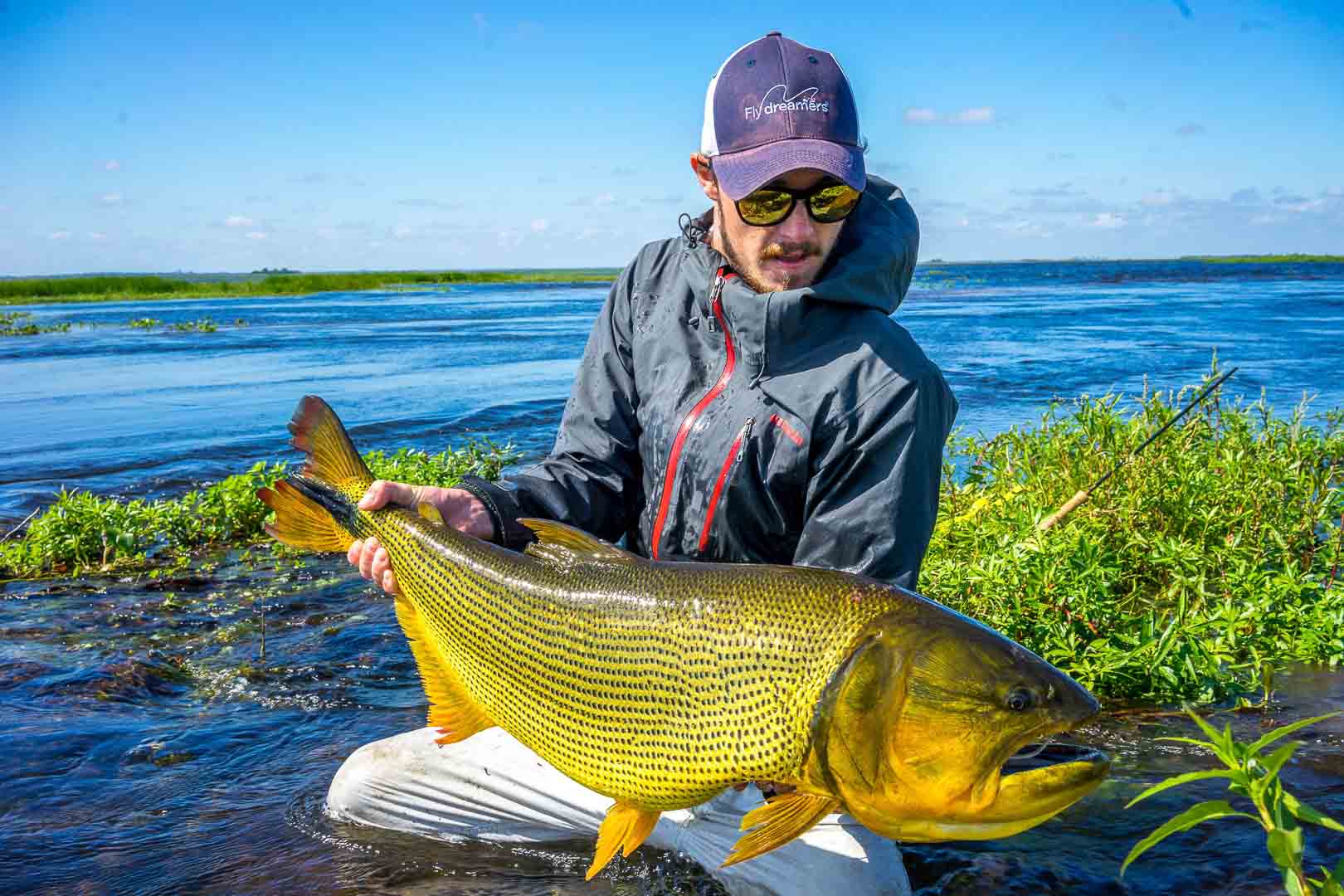
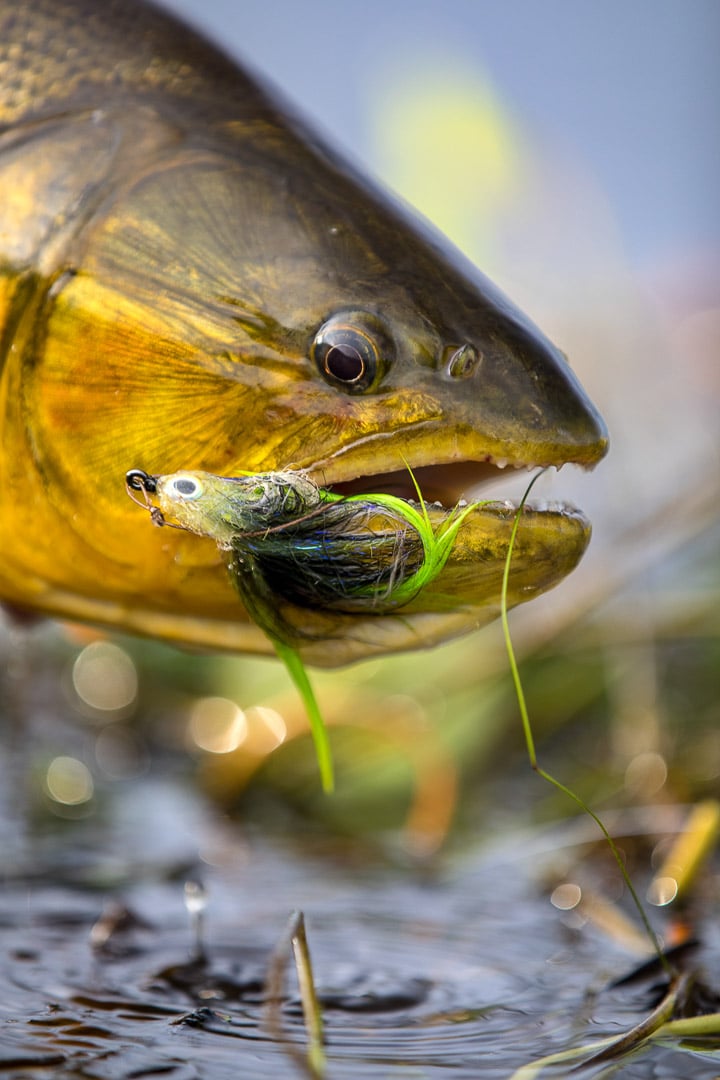
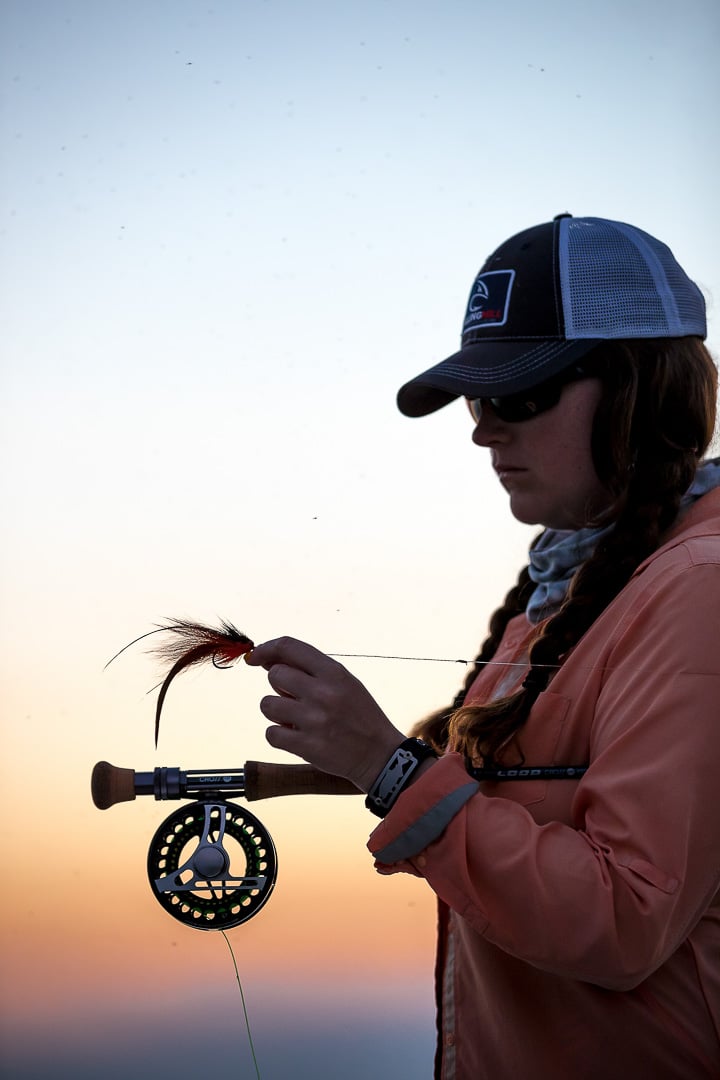
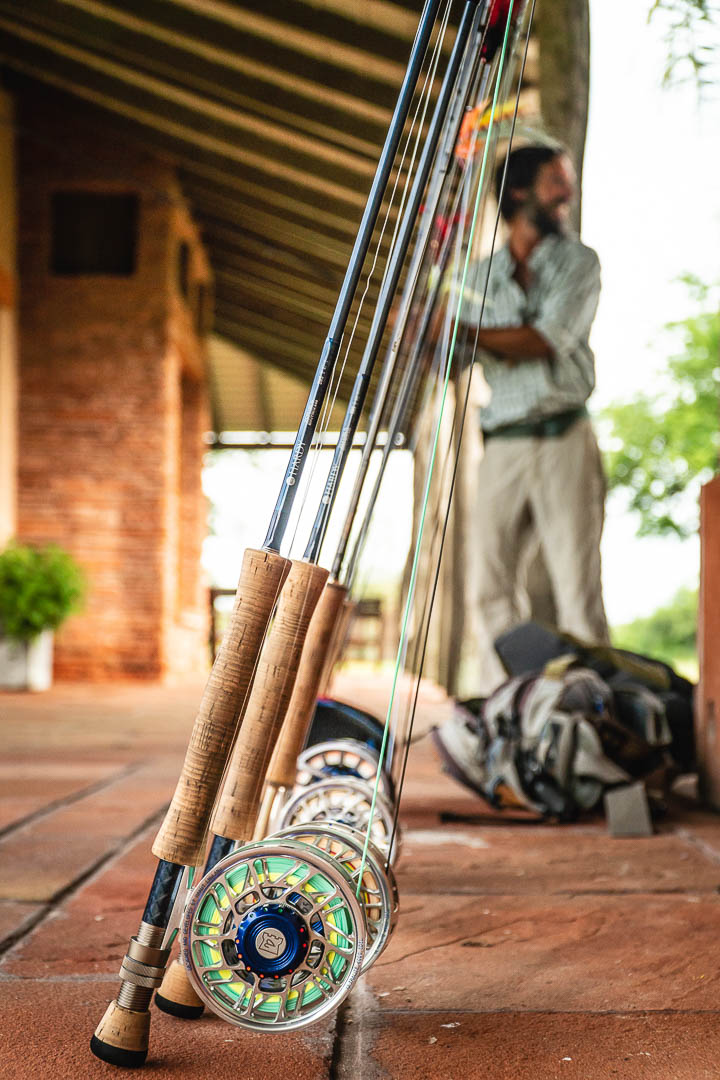
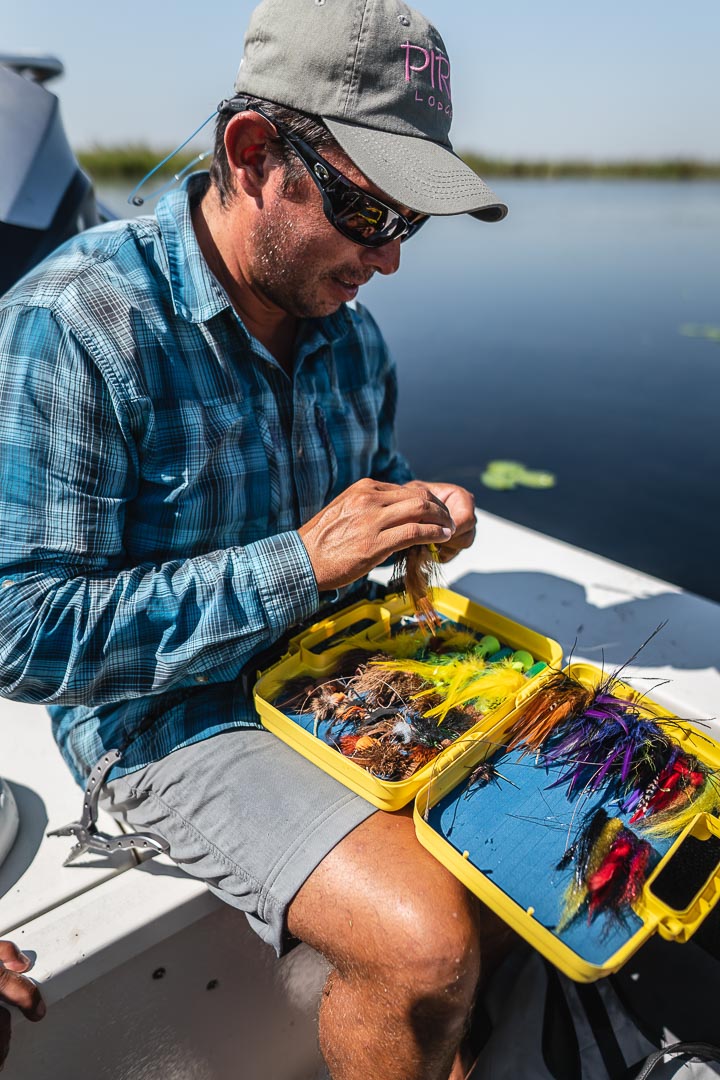
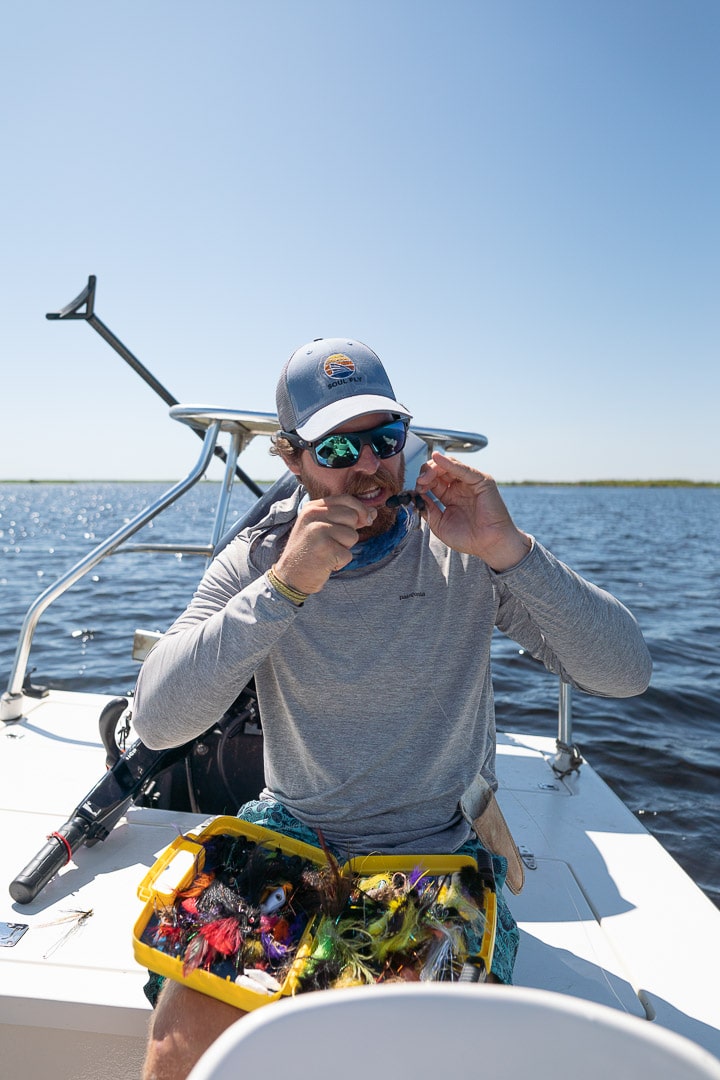
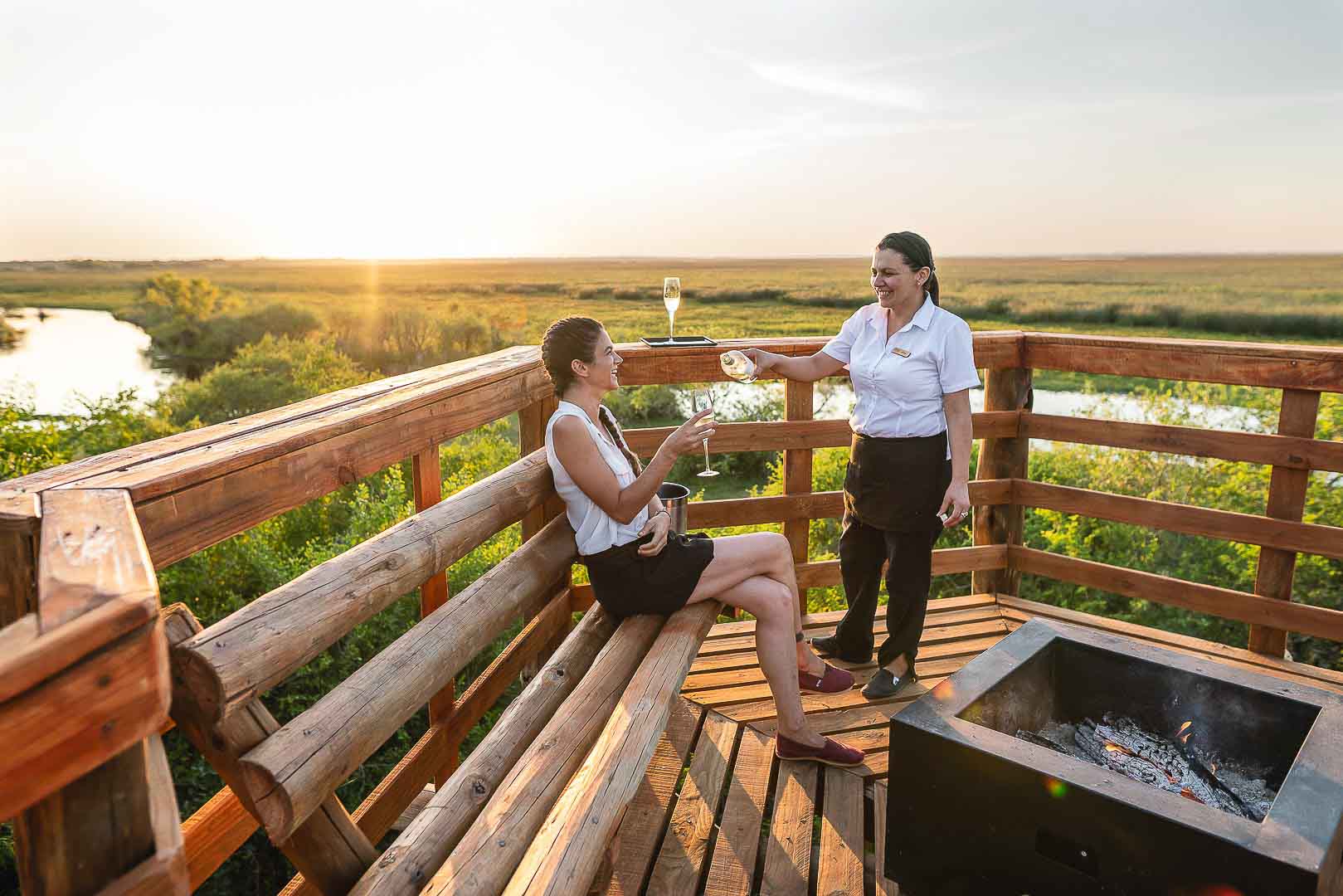
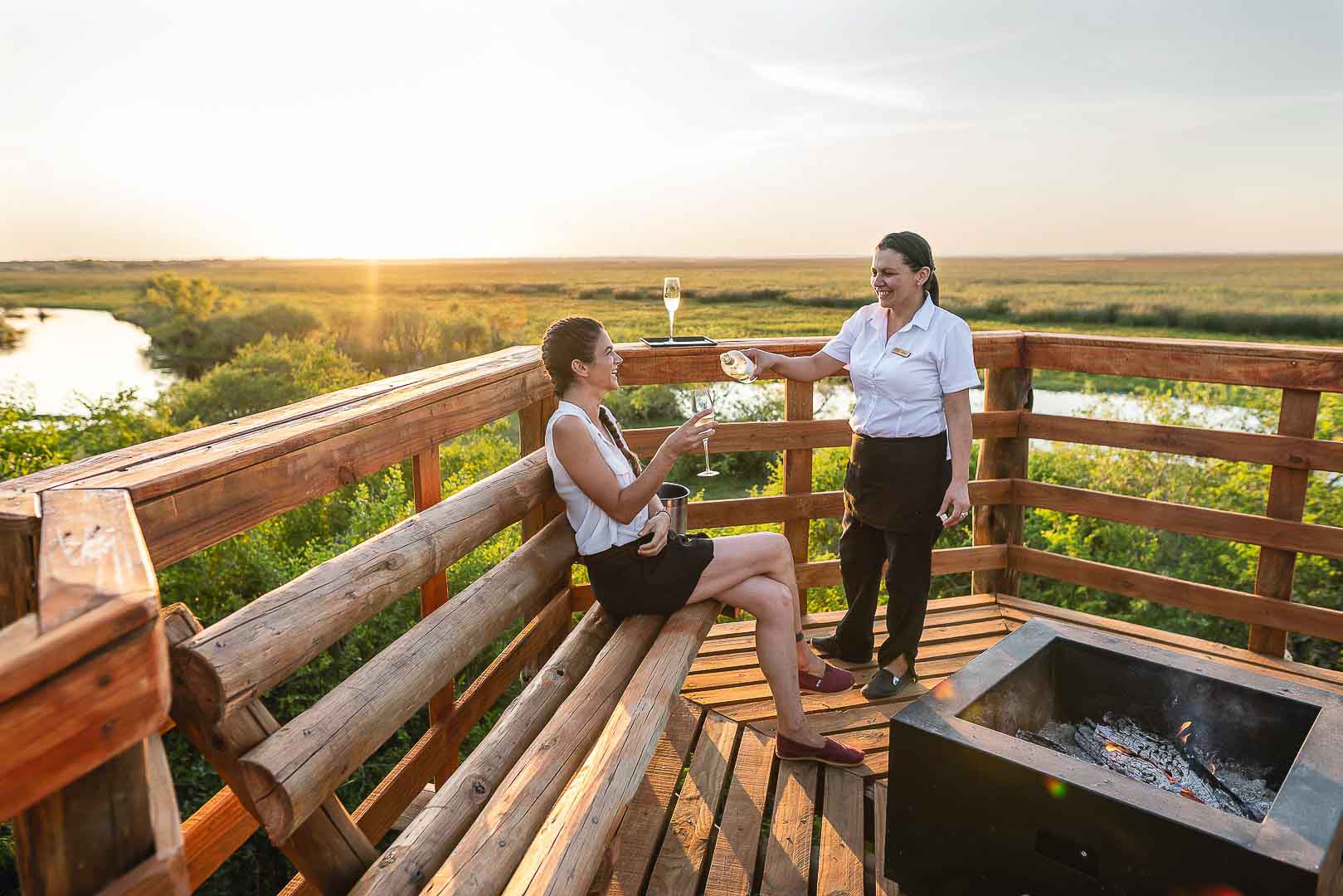
Dorado fishing at Pirá takes place within one of the planet’s largest ecological reserves—an environment that is constantly shifting, alive, and full of movement. The marsh is formed by floating grass islands, narrow creeks, lagoons, and flowing channels, while the Corriente River begins just downstream from the lodge. Together, they create two distinct watersheds, each offering a different approach to targeting dorado.
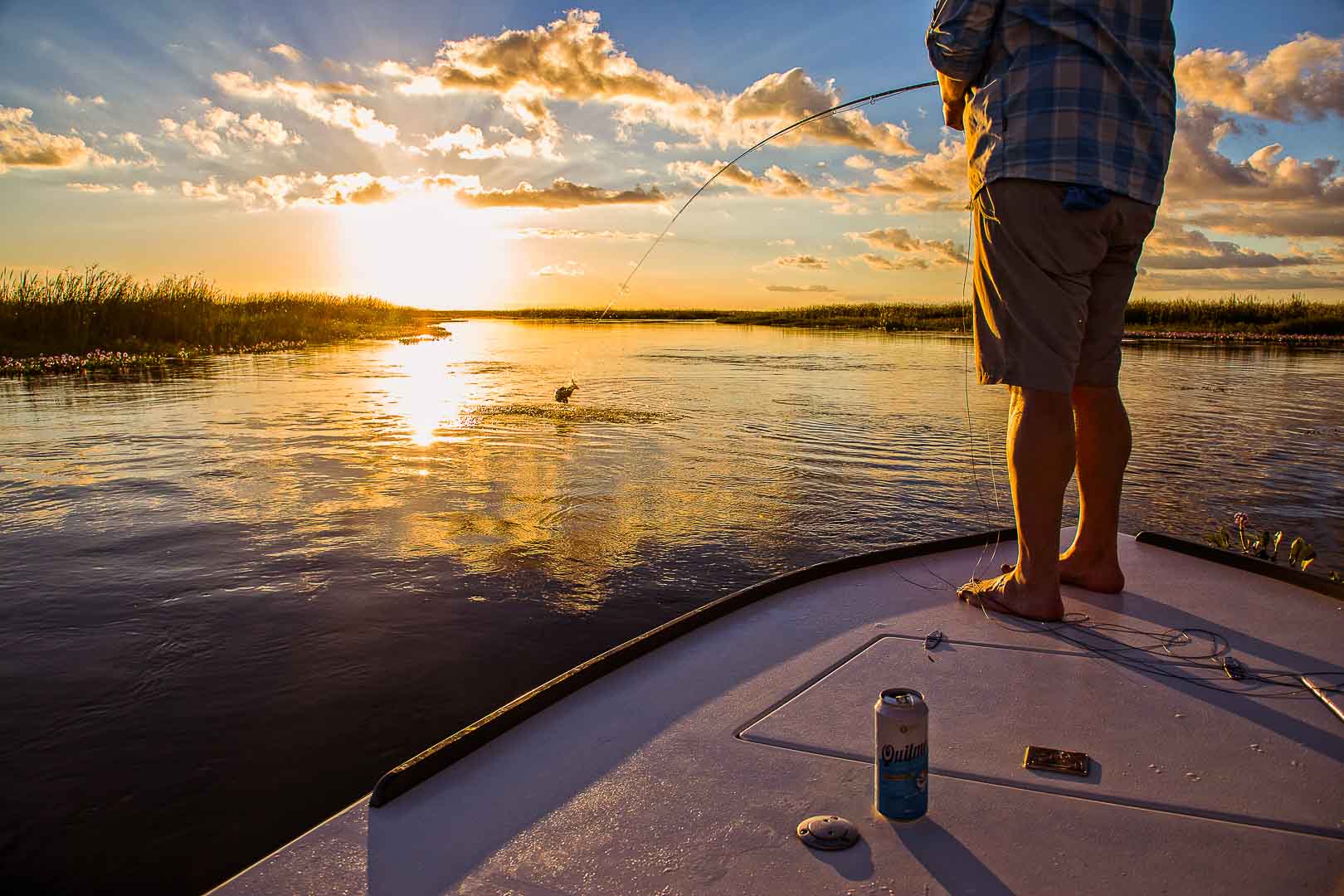
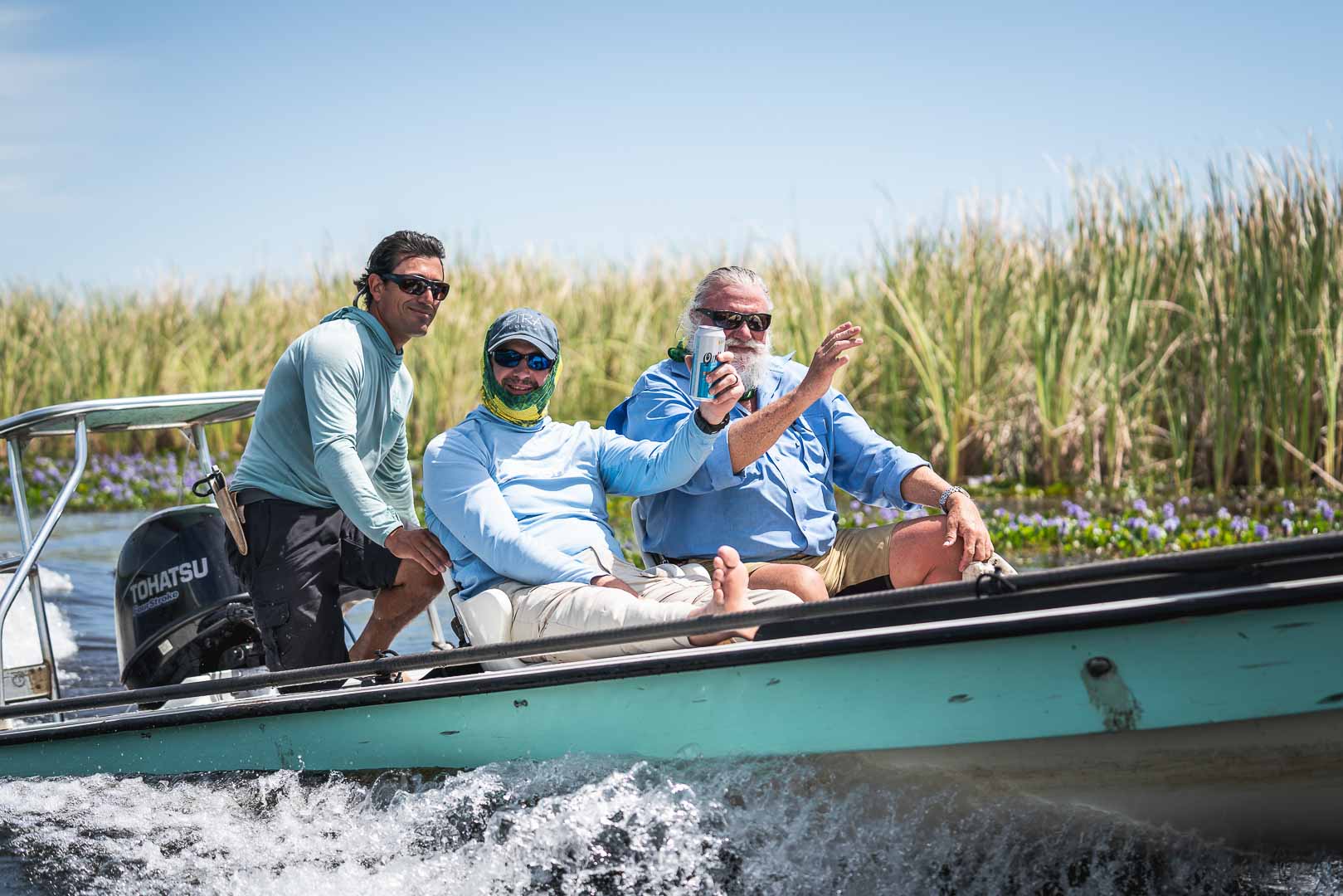
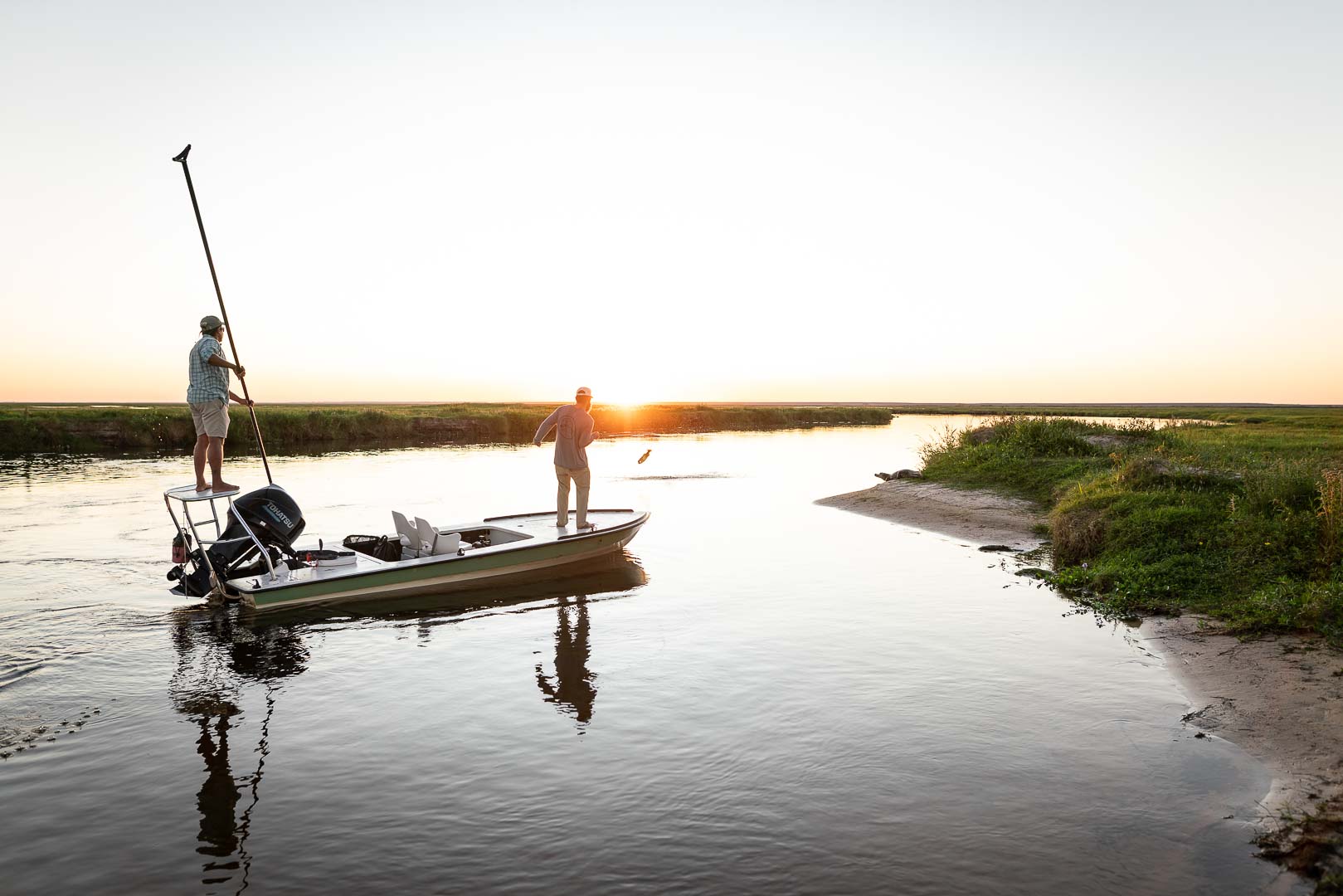
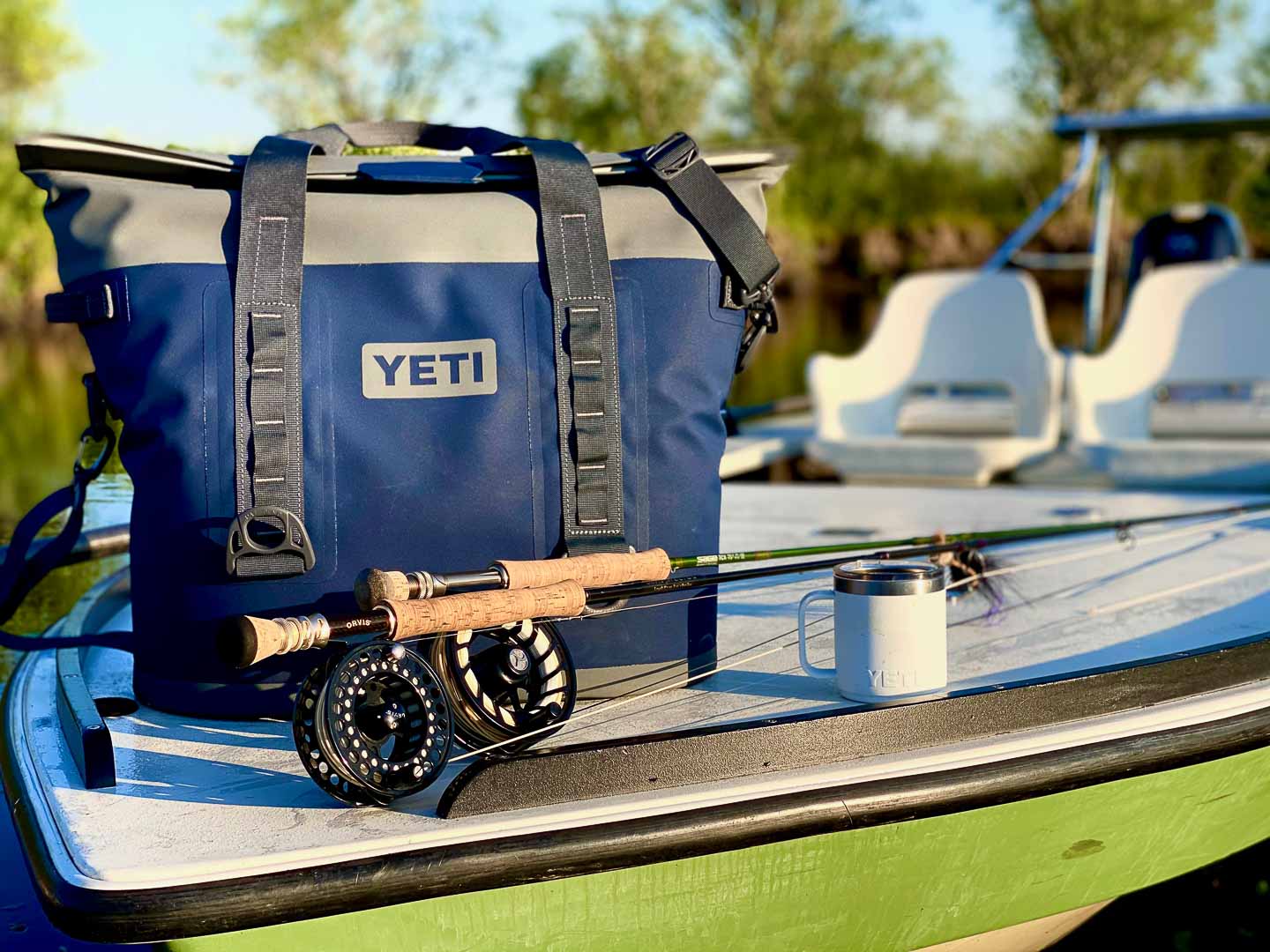
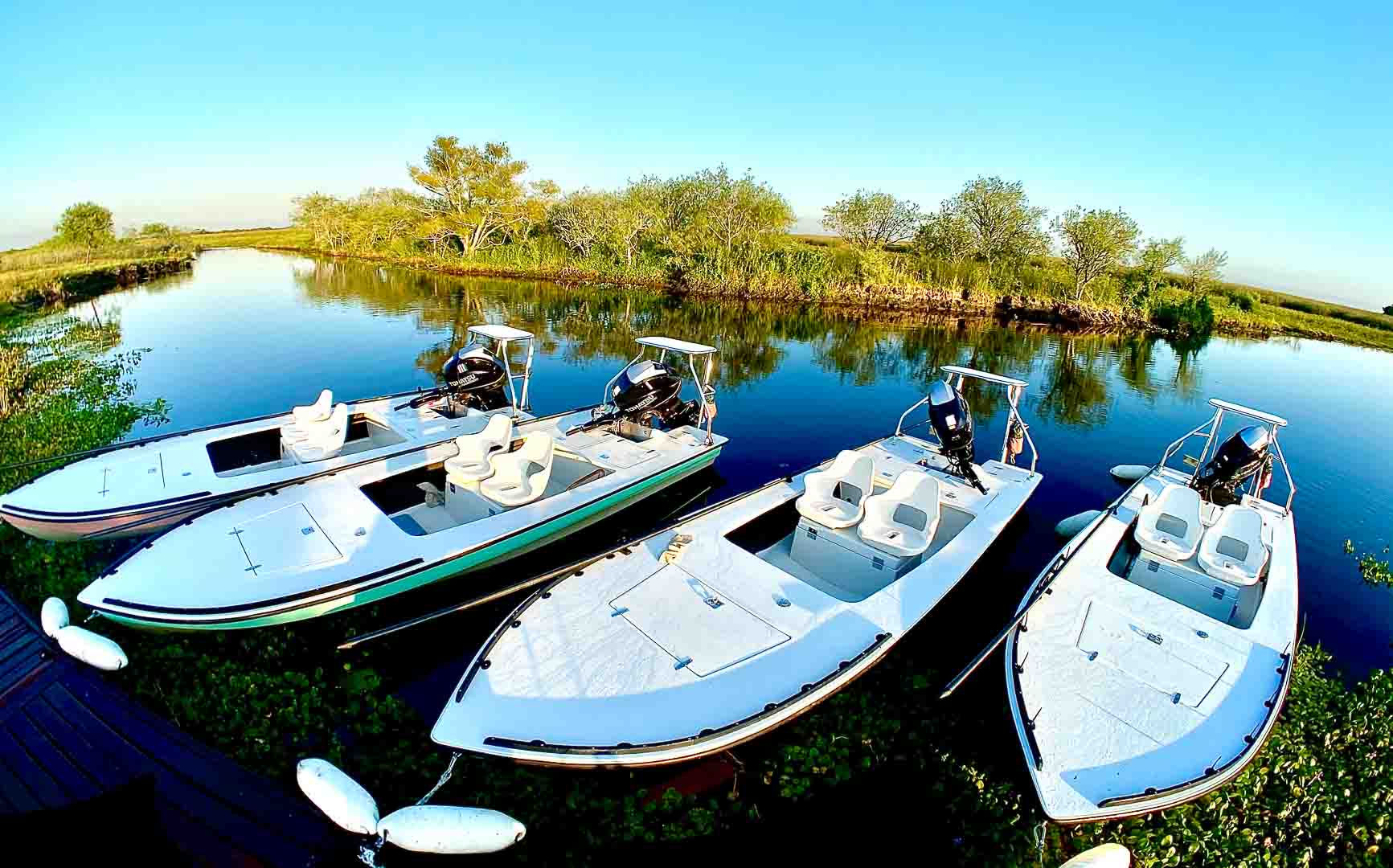
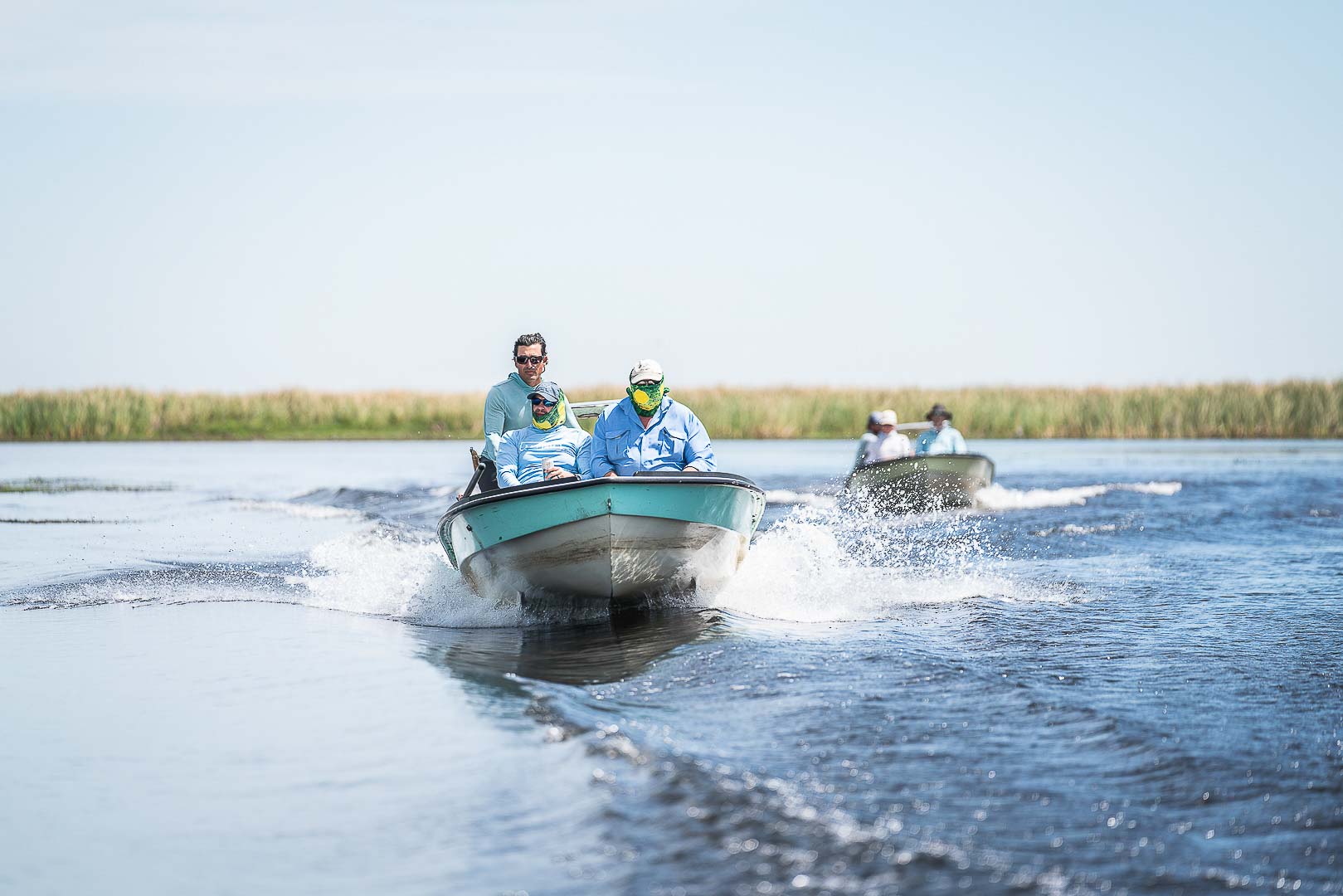
The intricate marsh is a maze of clear, shallow water where dorado move in each year, hunting through streams, side channels, and lagoons. Here, we typically fish from the bow of our Hell’s Bay skiffs—one angler at a time—taking full advantage of the structure and visibility the marsh provides. When water levels drop, wade-fishing opportunities can be excellent.
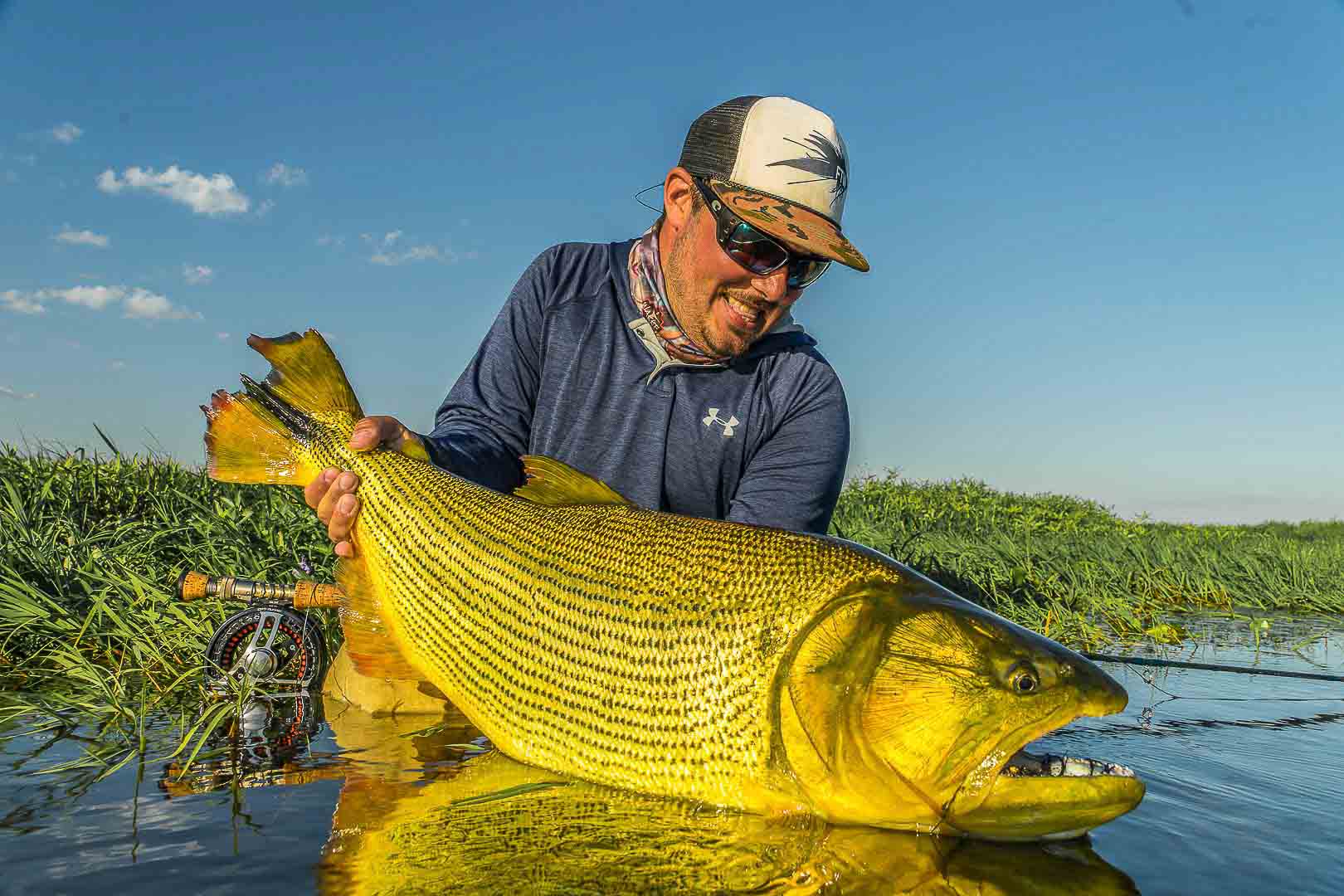
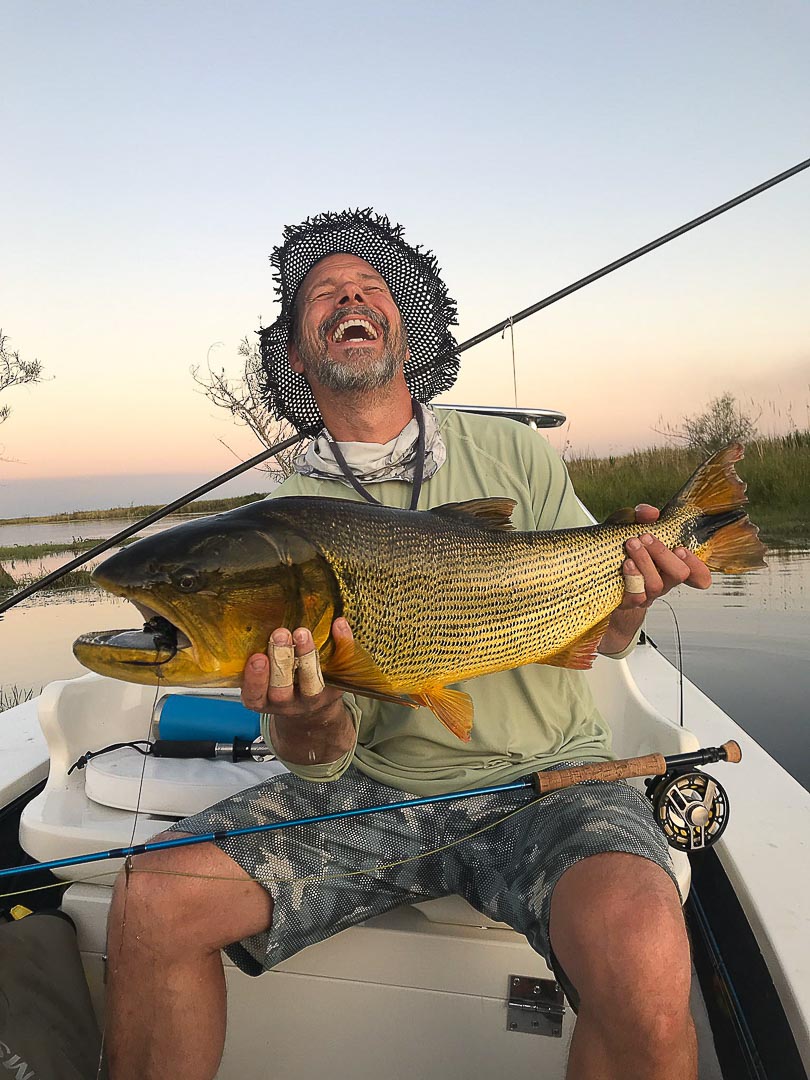
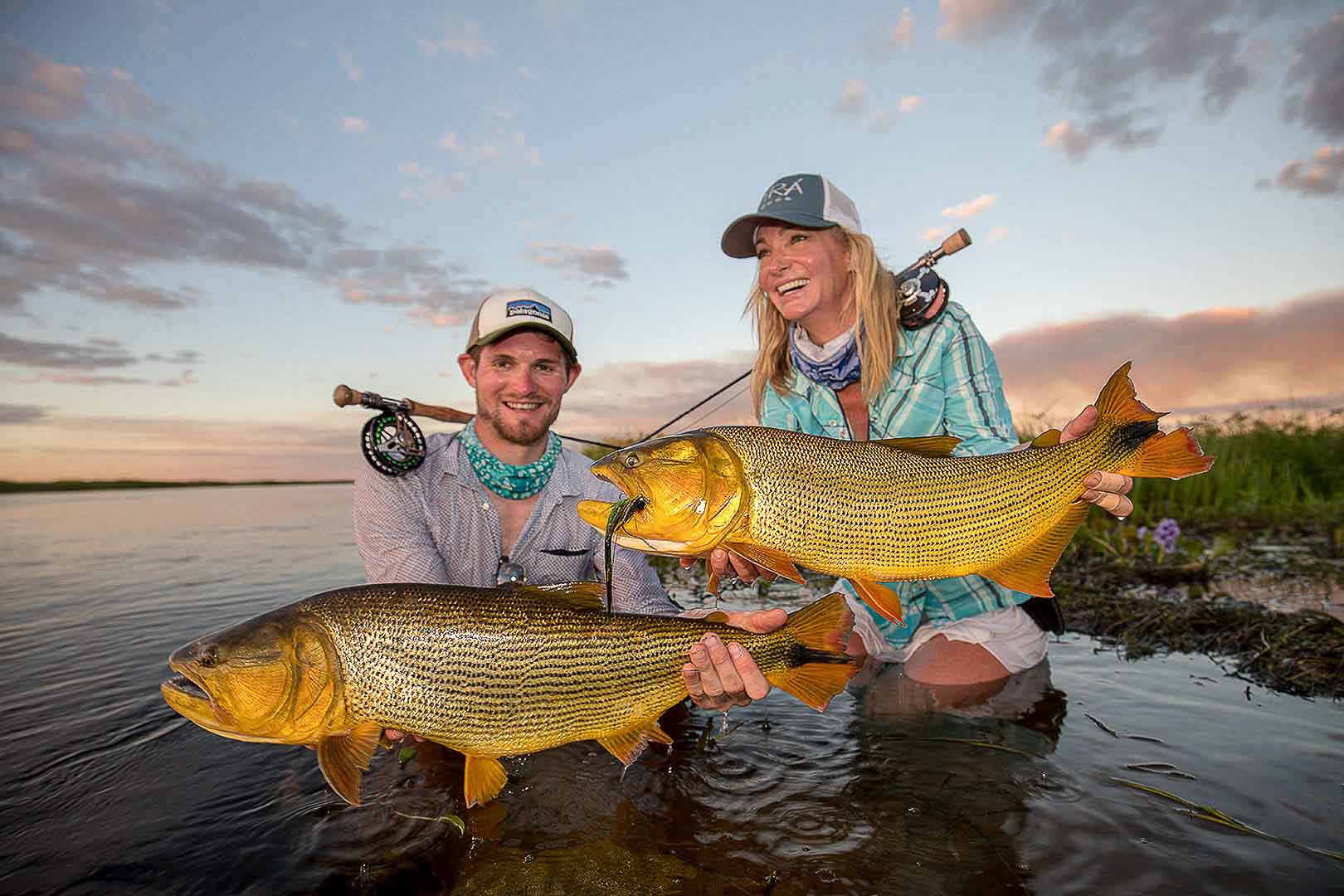
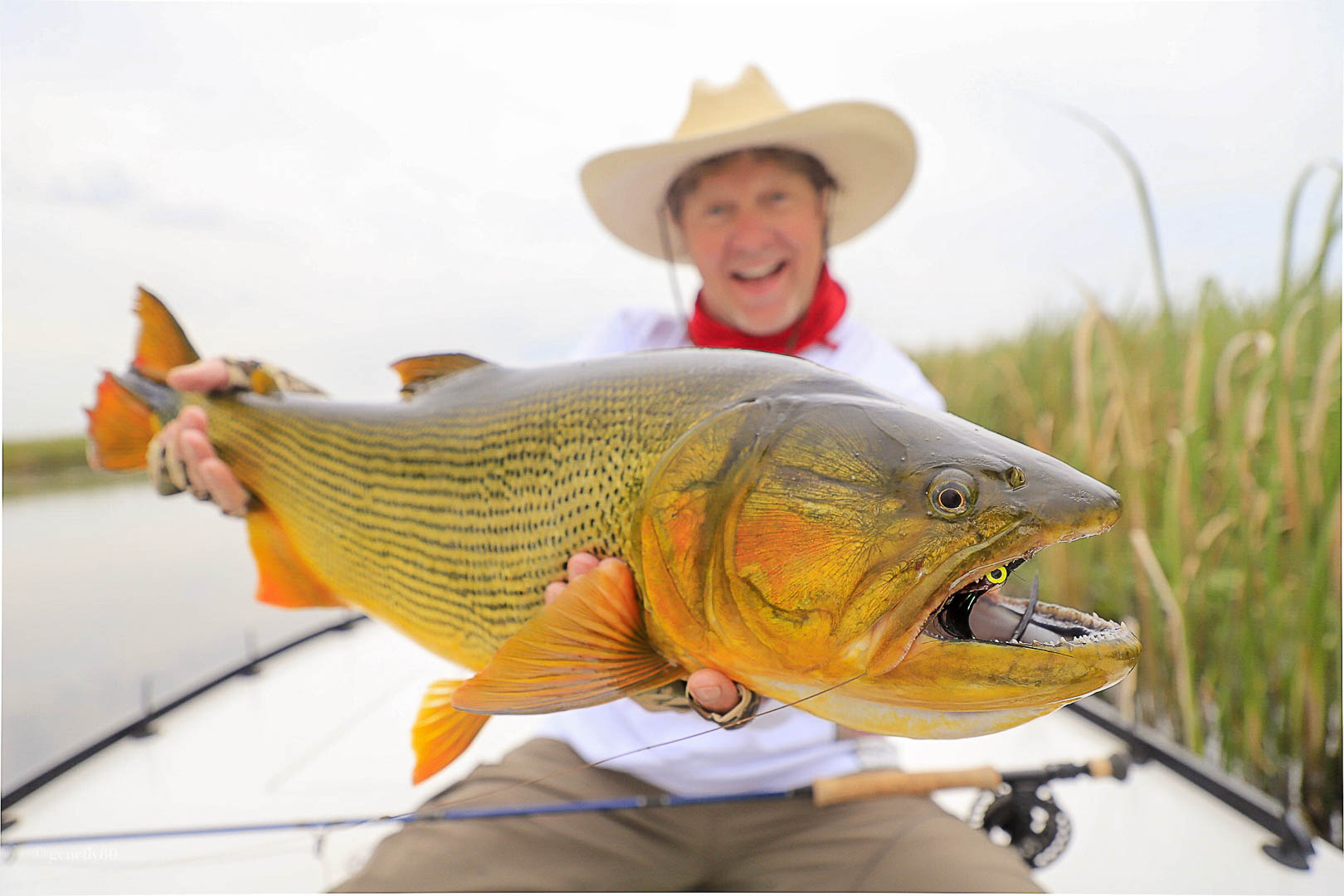
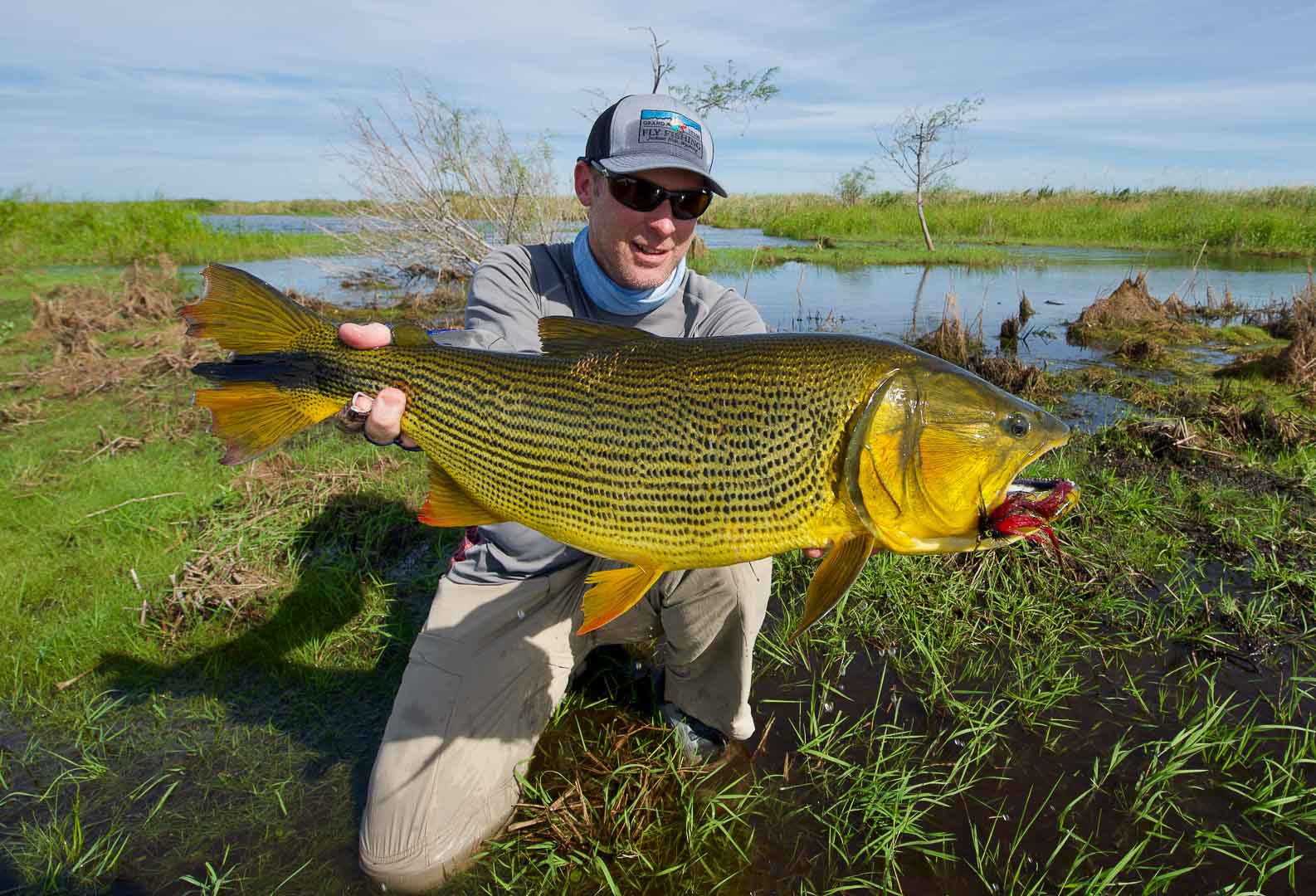
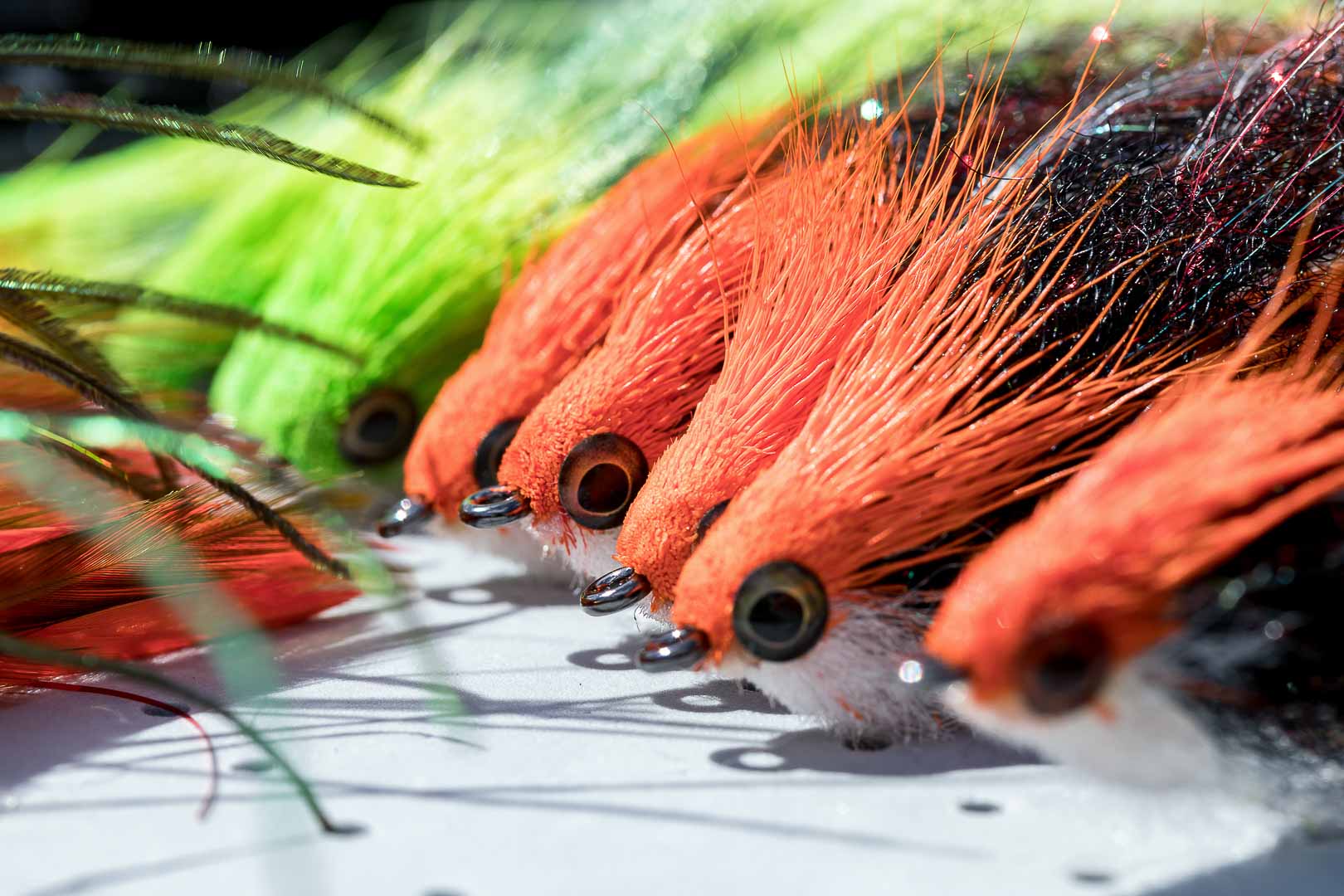
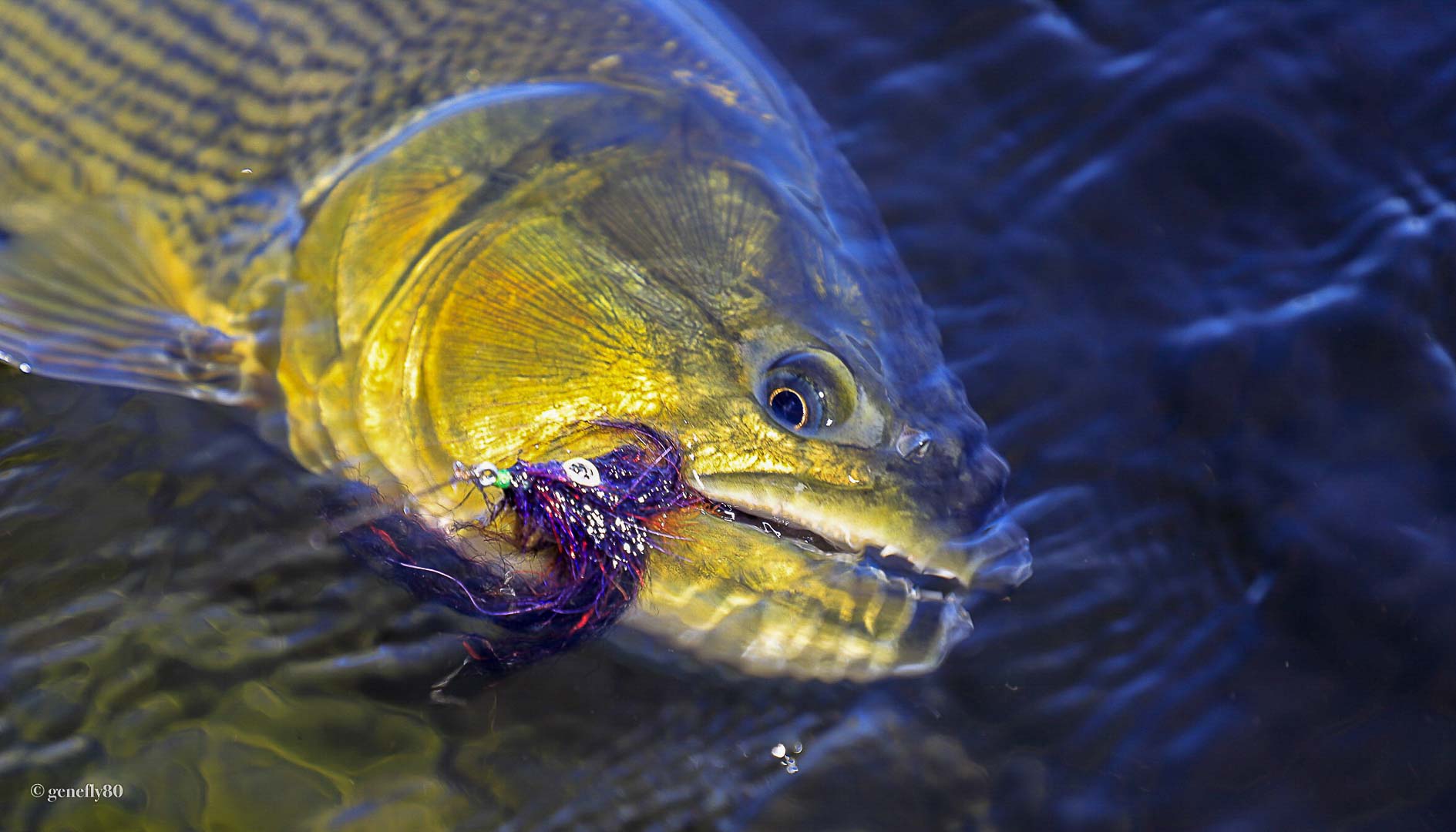
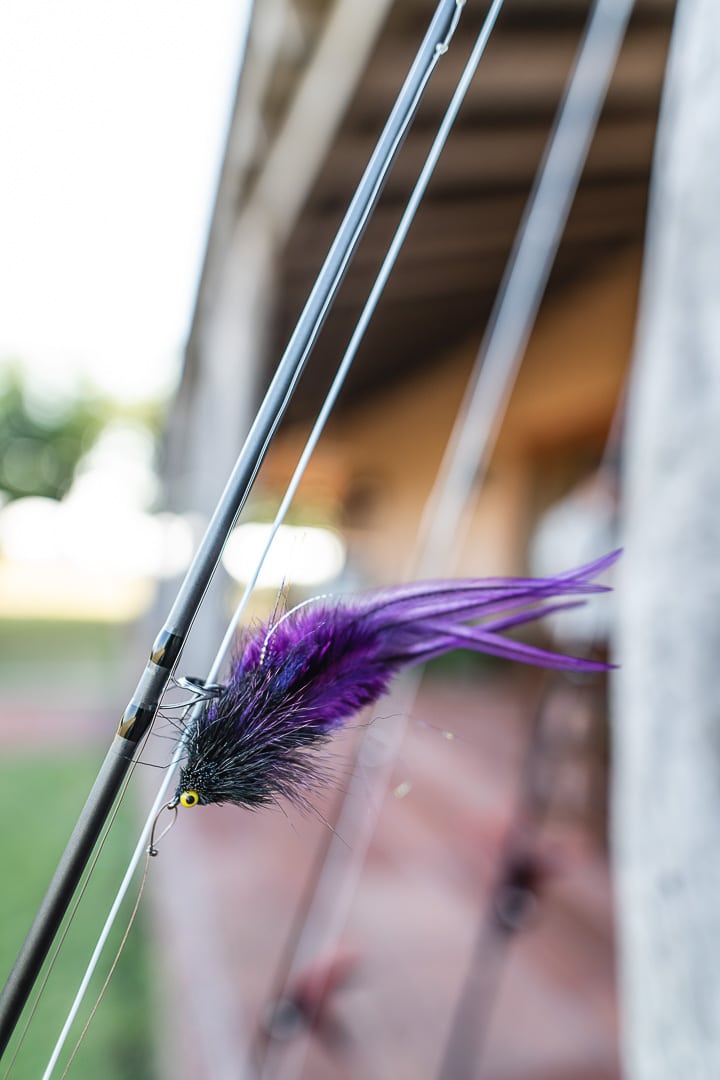
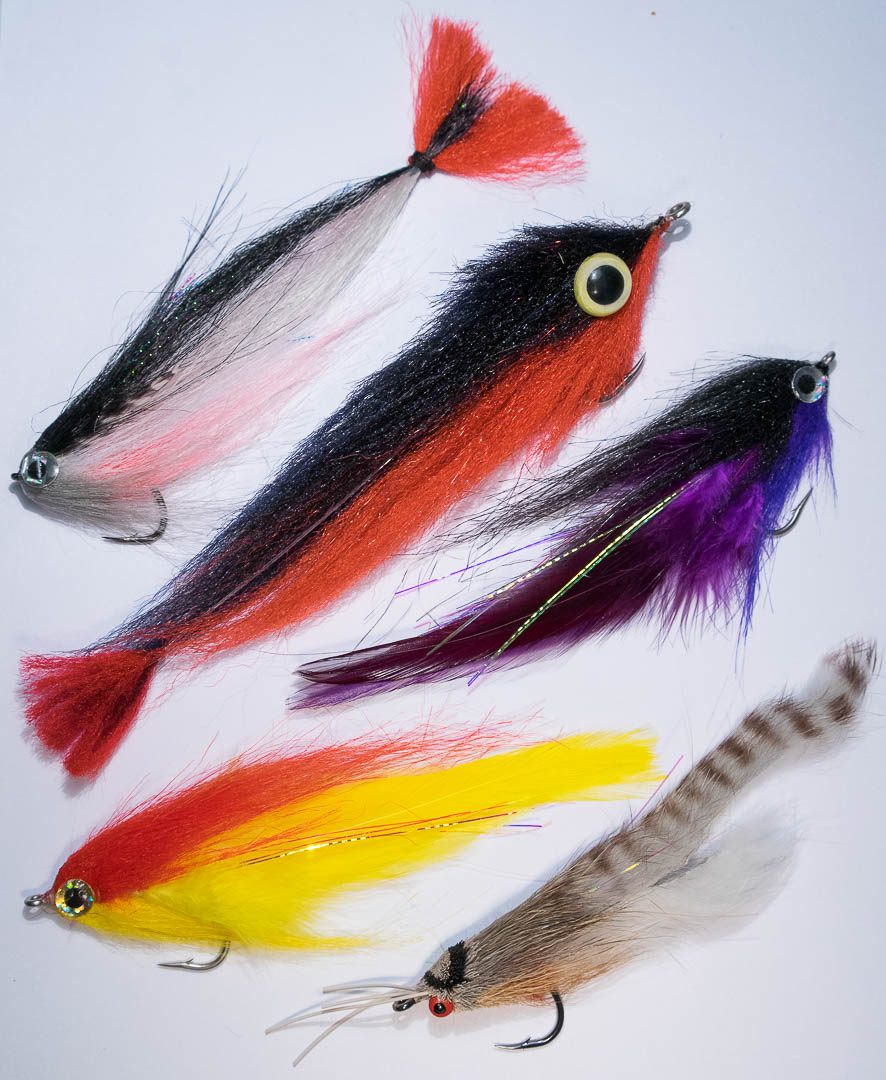
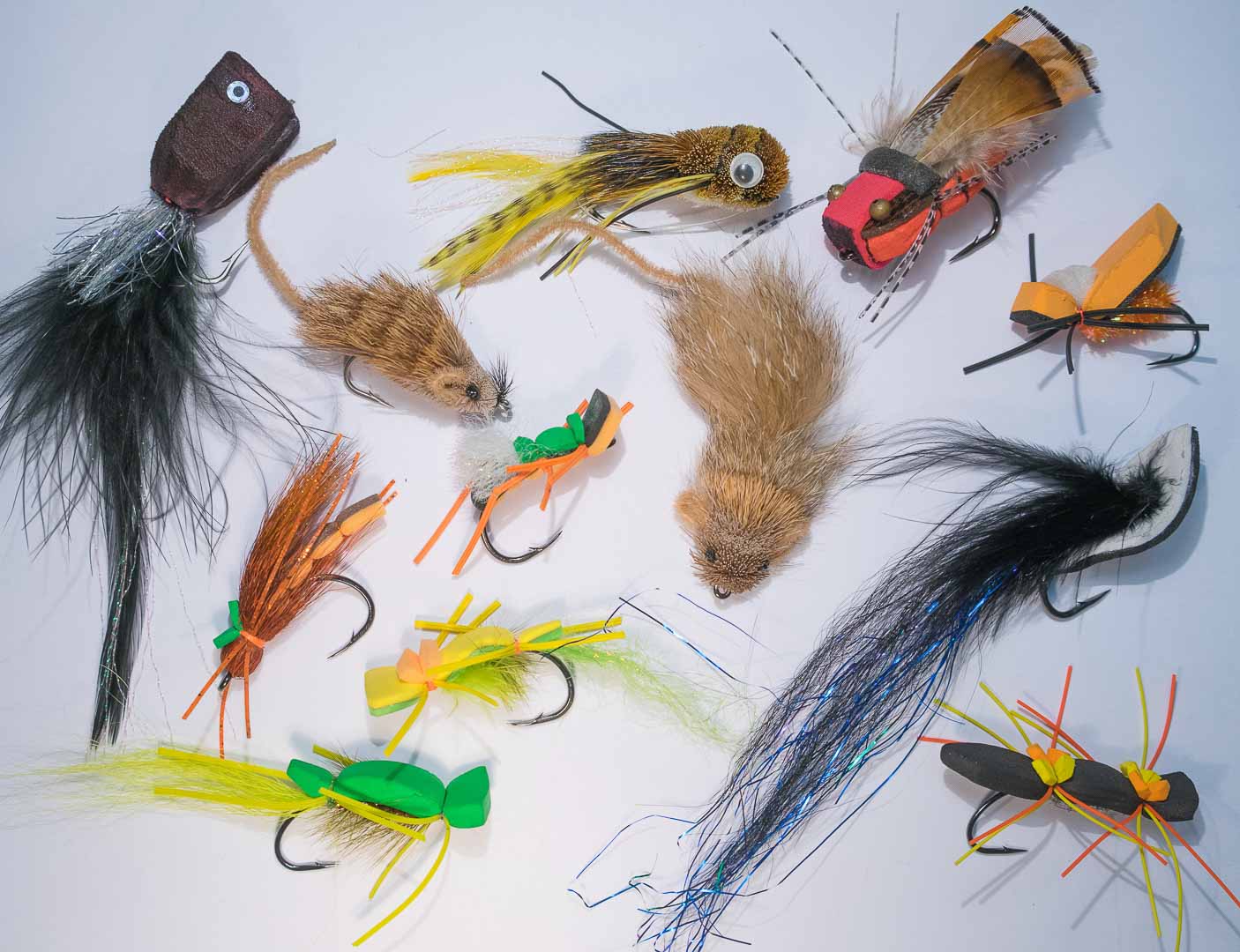
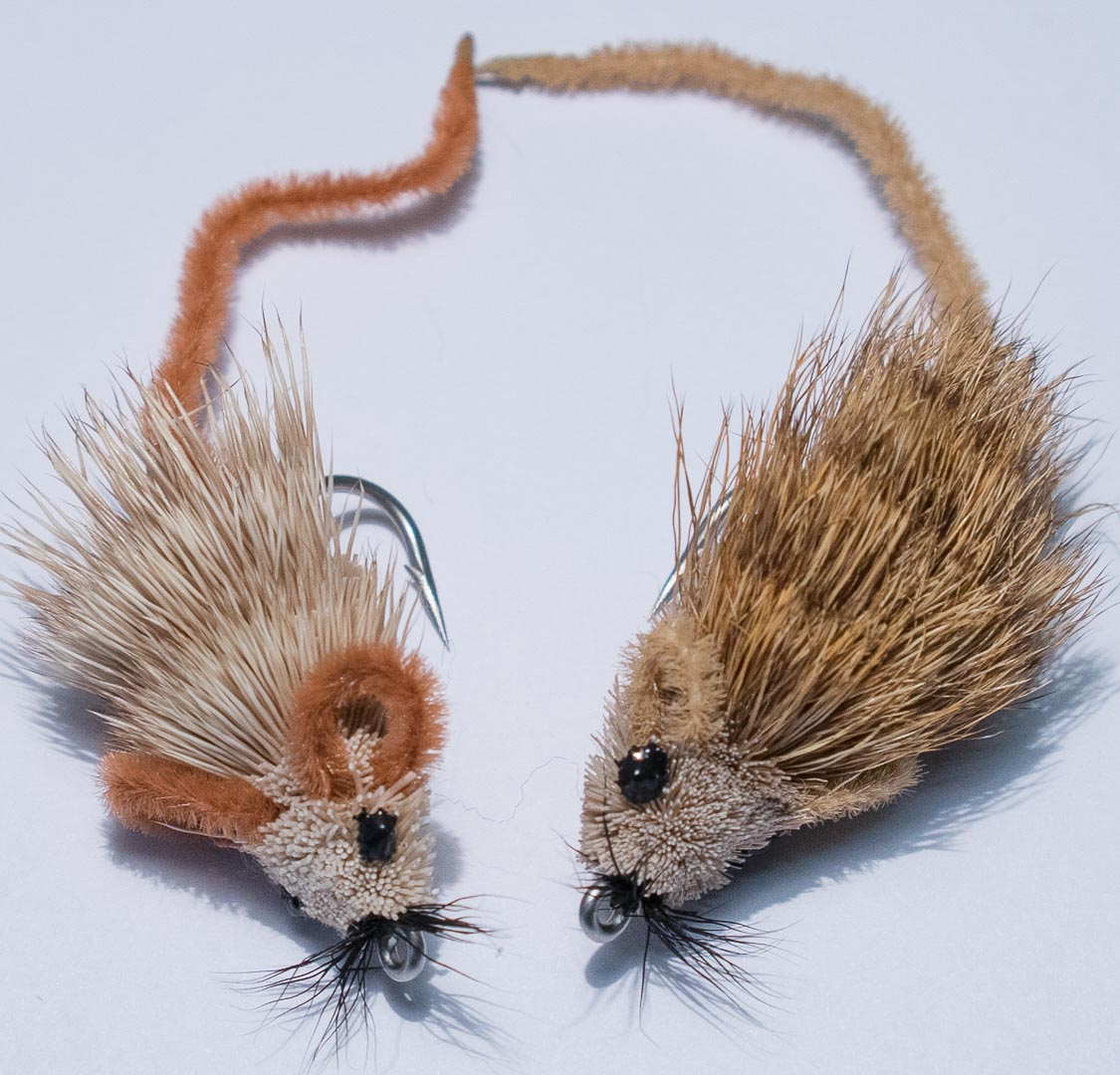
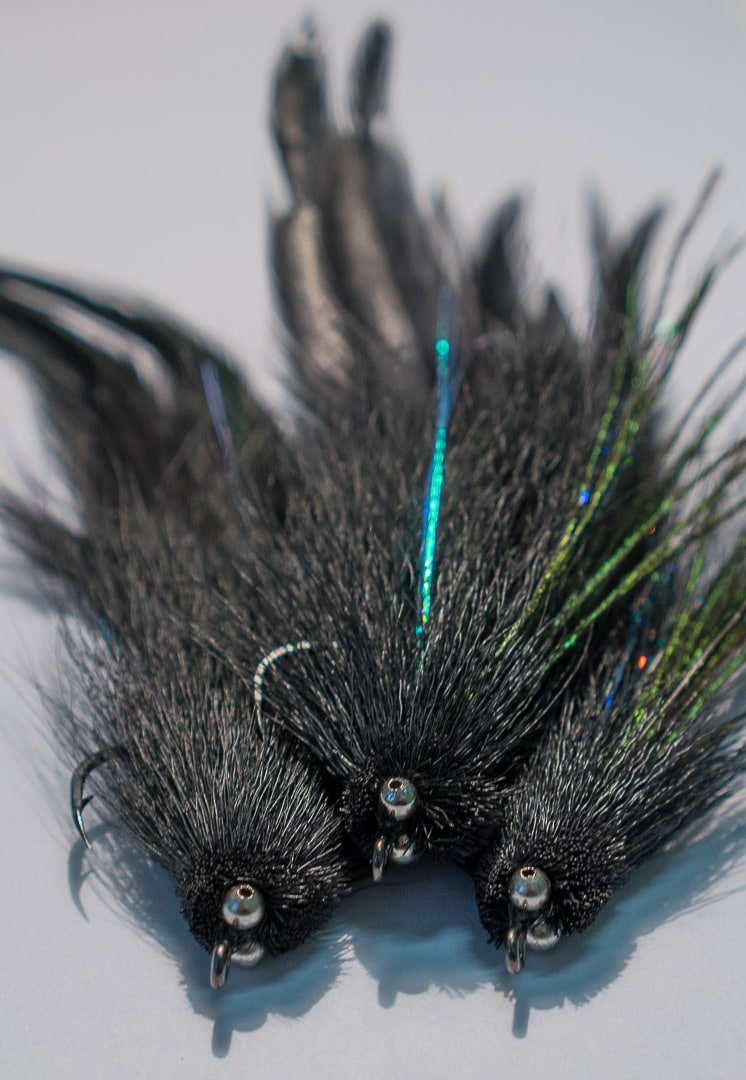
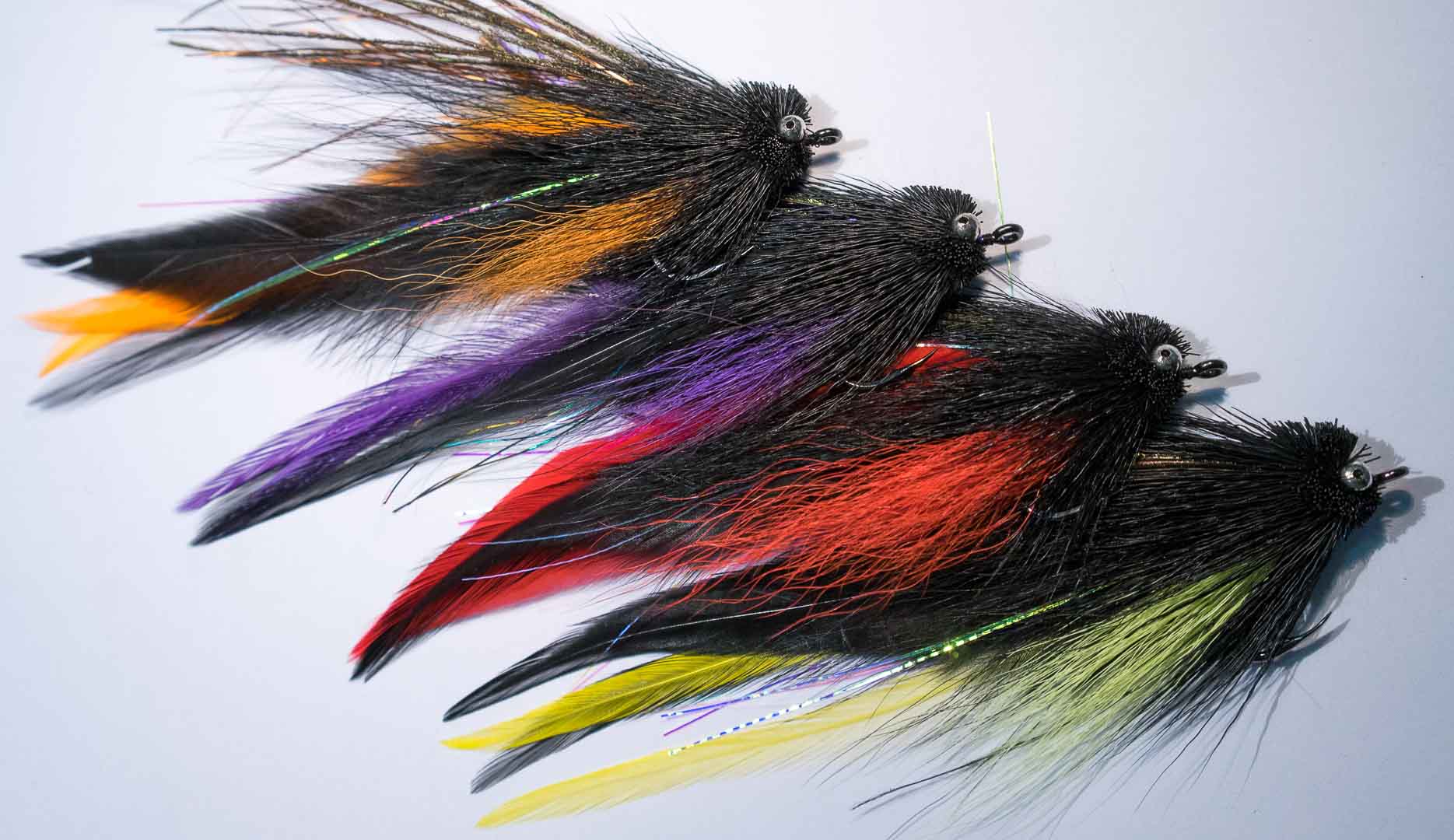
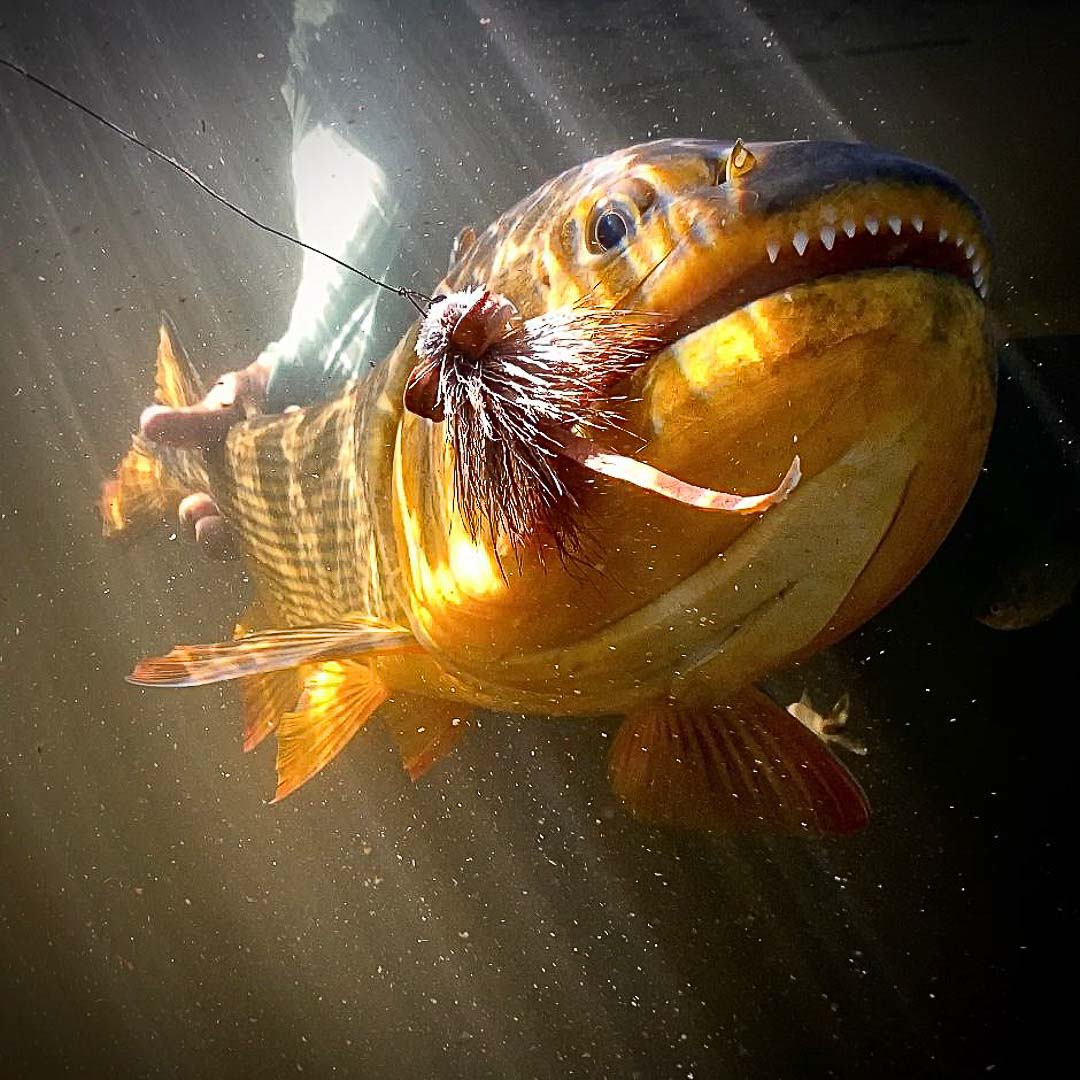
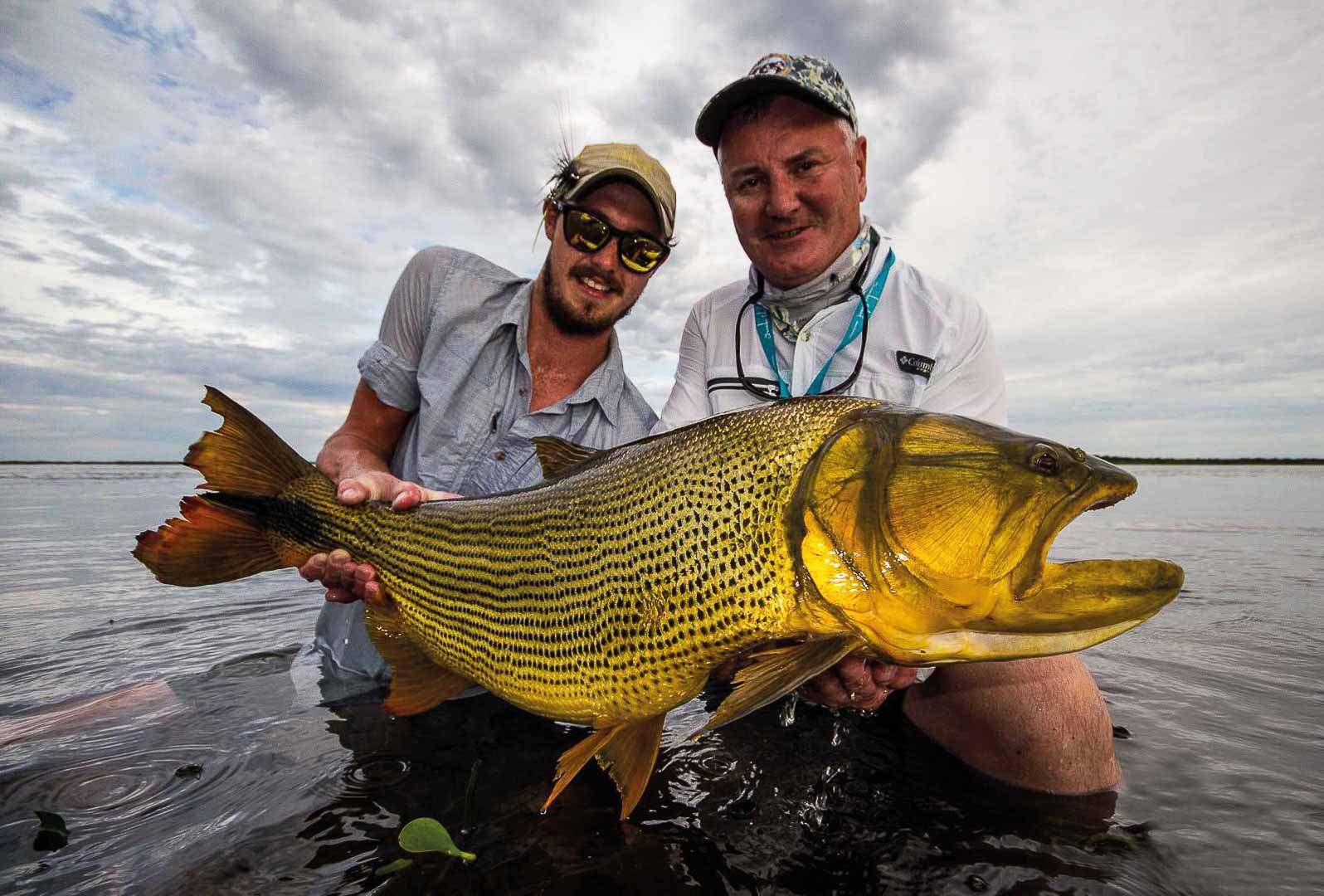
The Corriente River presents a contrasting style of fishing, with wider runs, defined banks, and deeper pools ideal for swinging or stripping streamers. Depending on water depth and current speed, anglers rotate between floating, intermediate, and sinking lines. Average fish range from 4 to 8 pounds, with regular catches of 10+ pound dorado and fish exceeding 20 pounds each season. Mouse patterns, skaters, and a wide range of streamers all have their place in this diverse system. The surrounding wetlands are rich in wildlife, making the experience as visually rewarding as it is productive.
THE TECHNIQUES
Presentation strategies vary depending on conditions. At times, a splashy landing can trigger aggressive strikes; in other situations, a soft, subtle presentation is more effective. Your guide will help you adjust accordingly throughout the day.
During the retrieve, keep your rod tip slightly below the water’s surface. This allows you to strip the fly cleanly while minimizing unnecessary disturbance from the fly line. In windy conditions, presentation becomes less critical, as the broken surface helps mask the impact of the fly and line.
CASTING
Casting in the Iberá marshlands requires versatility. In general, flies should be placed as close as possible to structure—along weed lines, banks, and edges. When blind-casting (as opposed to sight casting), it’s important to cover all likely holding water, including confluences, corners, eddies, and points.
Many marsh channels are bordered by tall grasses, making a well-executed high cast especially useful. On the Corriente River, both floating and sinking lines are used. With floating lines, casts are typically directed toward the riverbanks, where dorado actively feed. When fishing sinking lines, casting across the current and working the fly on a swing-and-strip presentation is most effective.
STRIPPING
Stripping speed varies depending on current speed and fish behavior. In many cases, a fast, erratic strip is effective, but adjustments should always be made based on conditions.
Given the aggressive nature of dorado strikes, sun gloves or a stripping guard are recommended to protect your fingers during intense retrieves and hard hits.