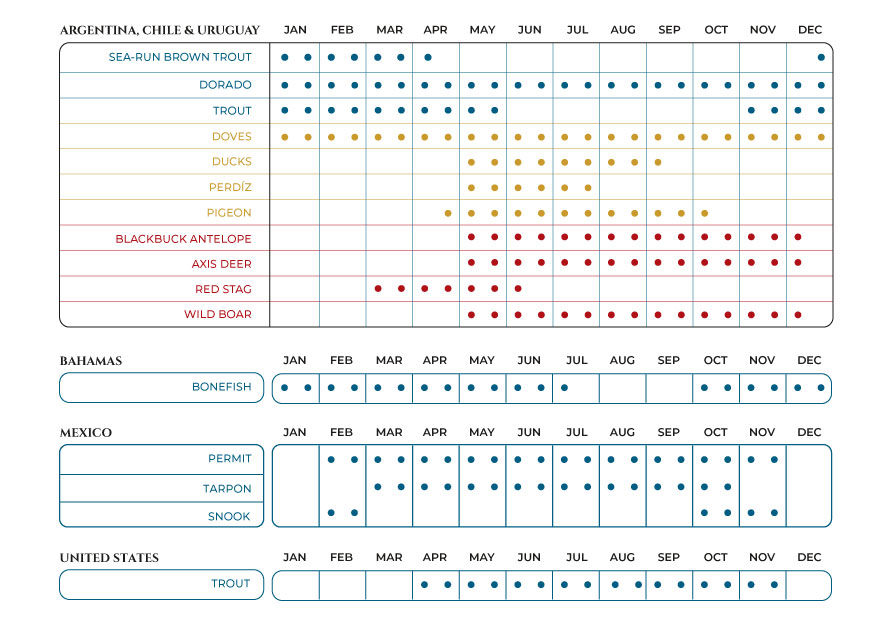
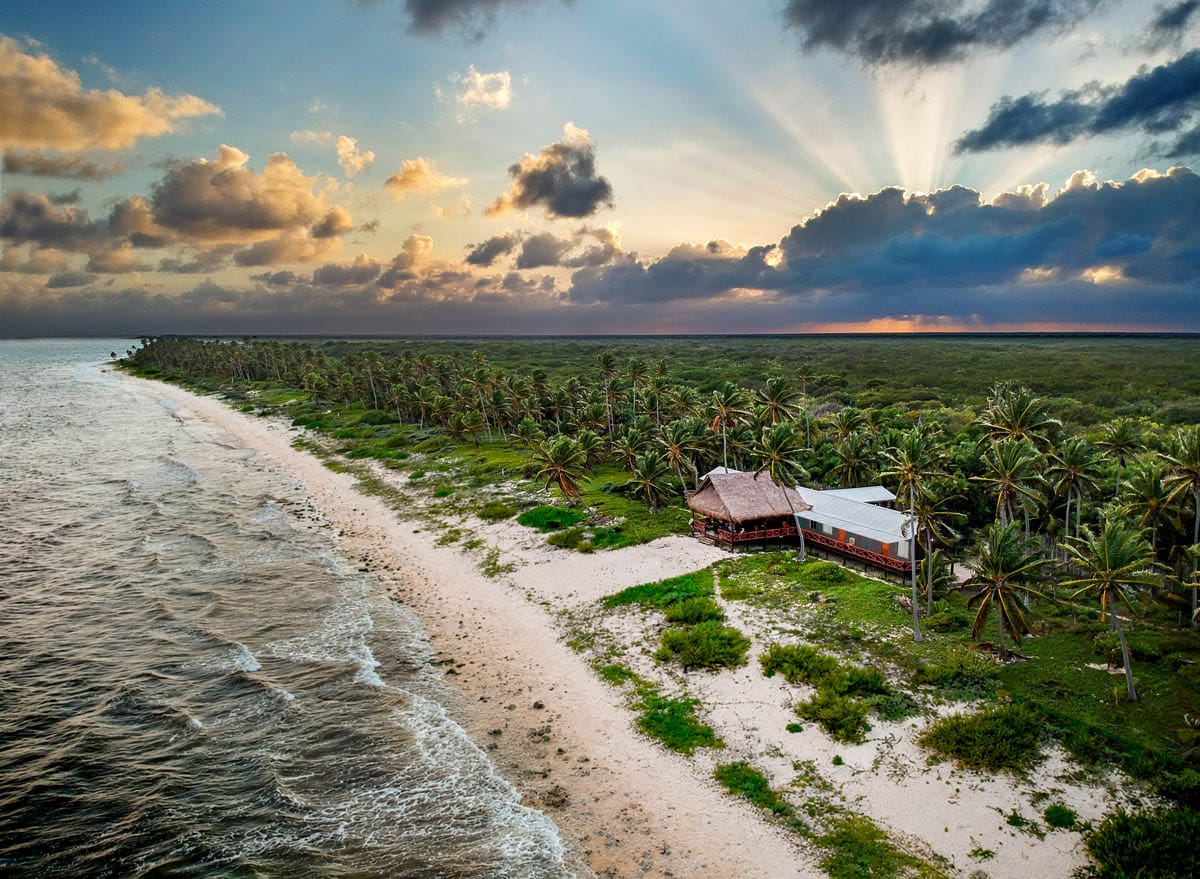
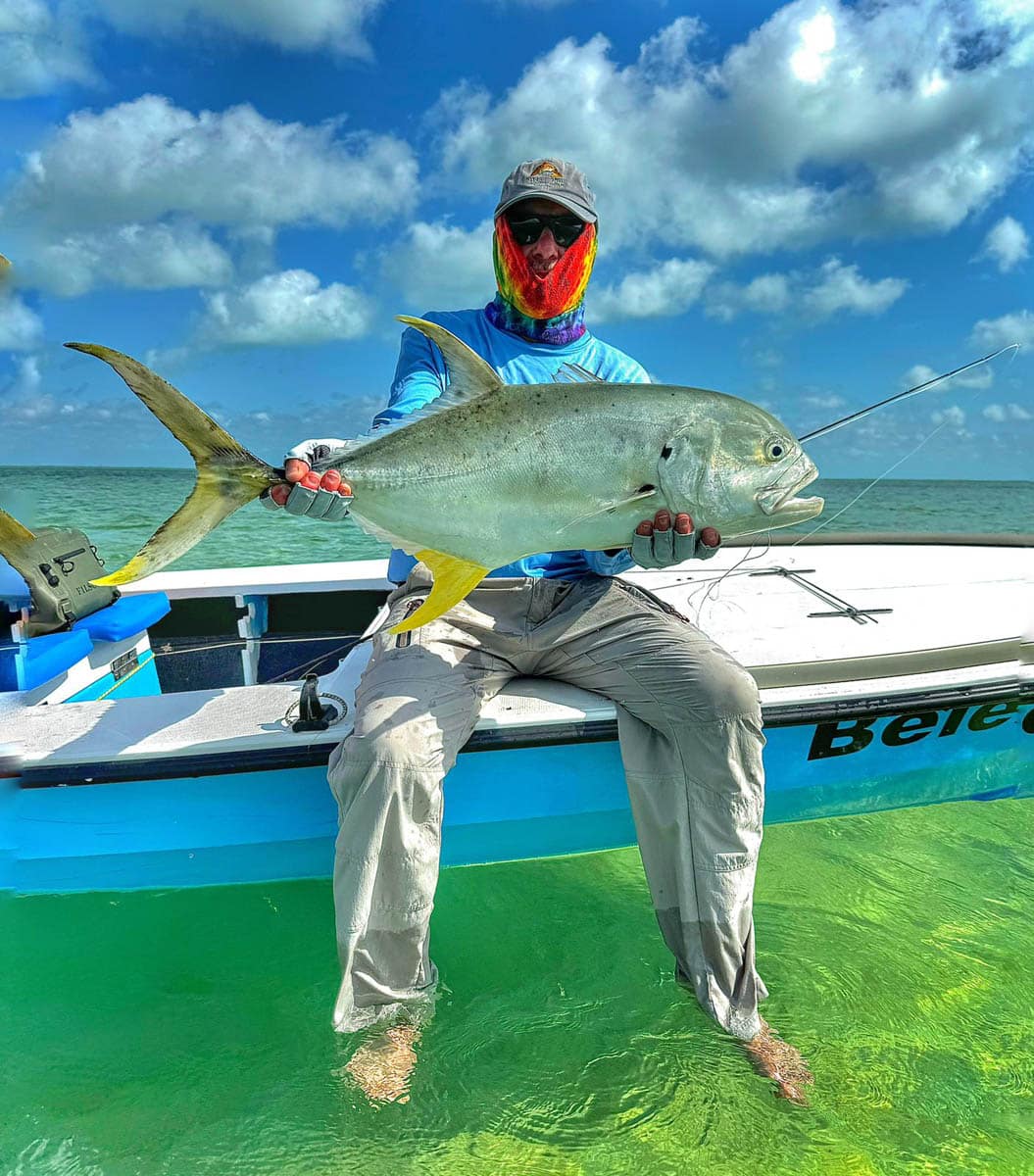
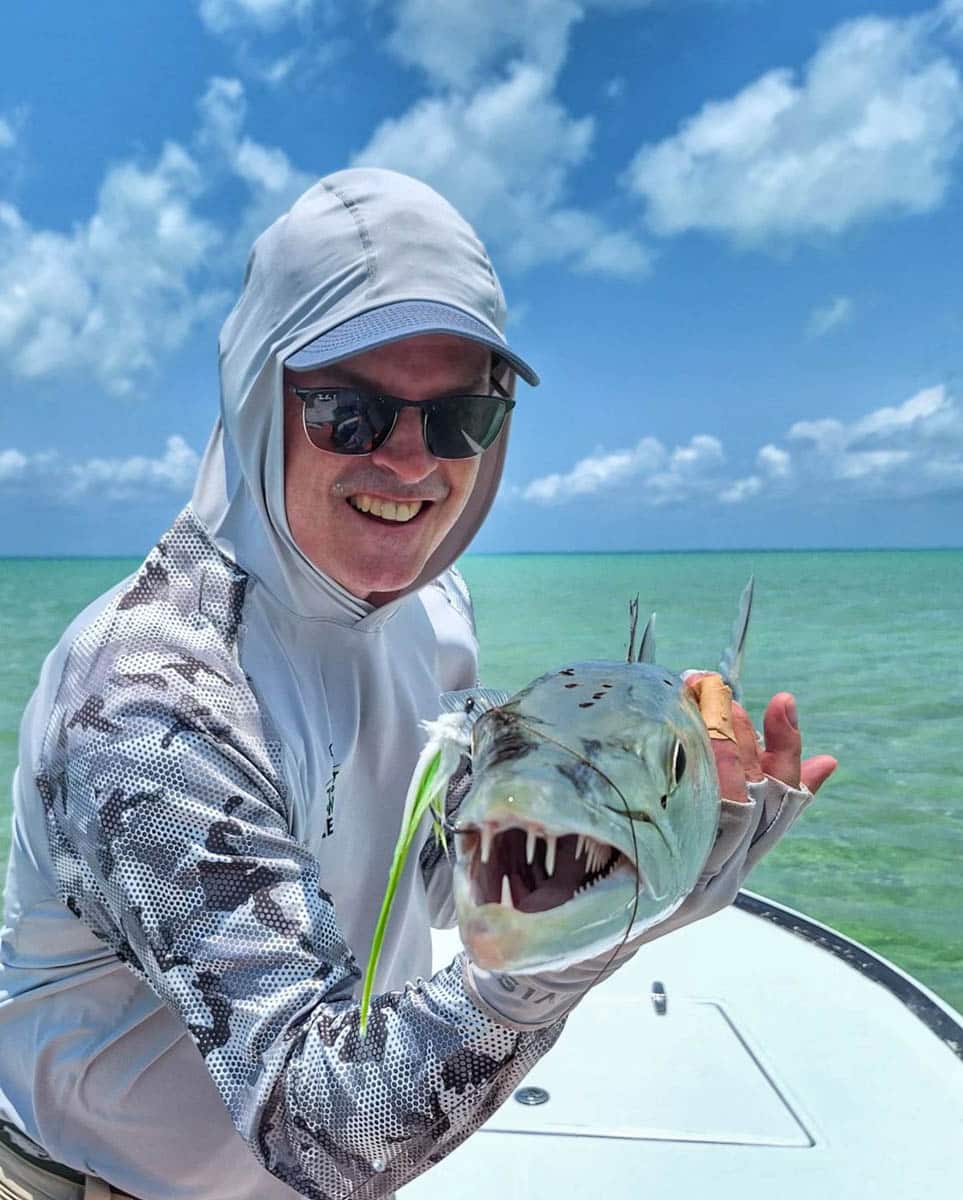
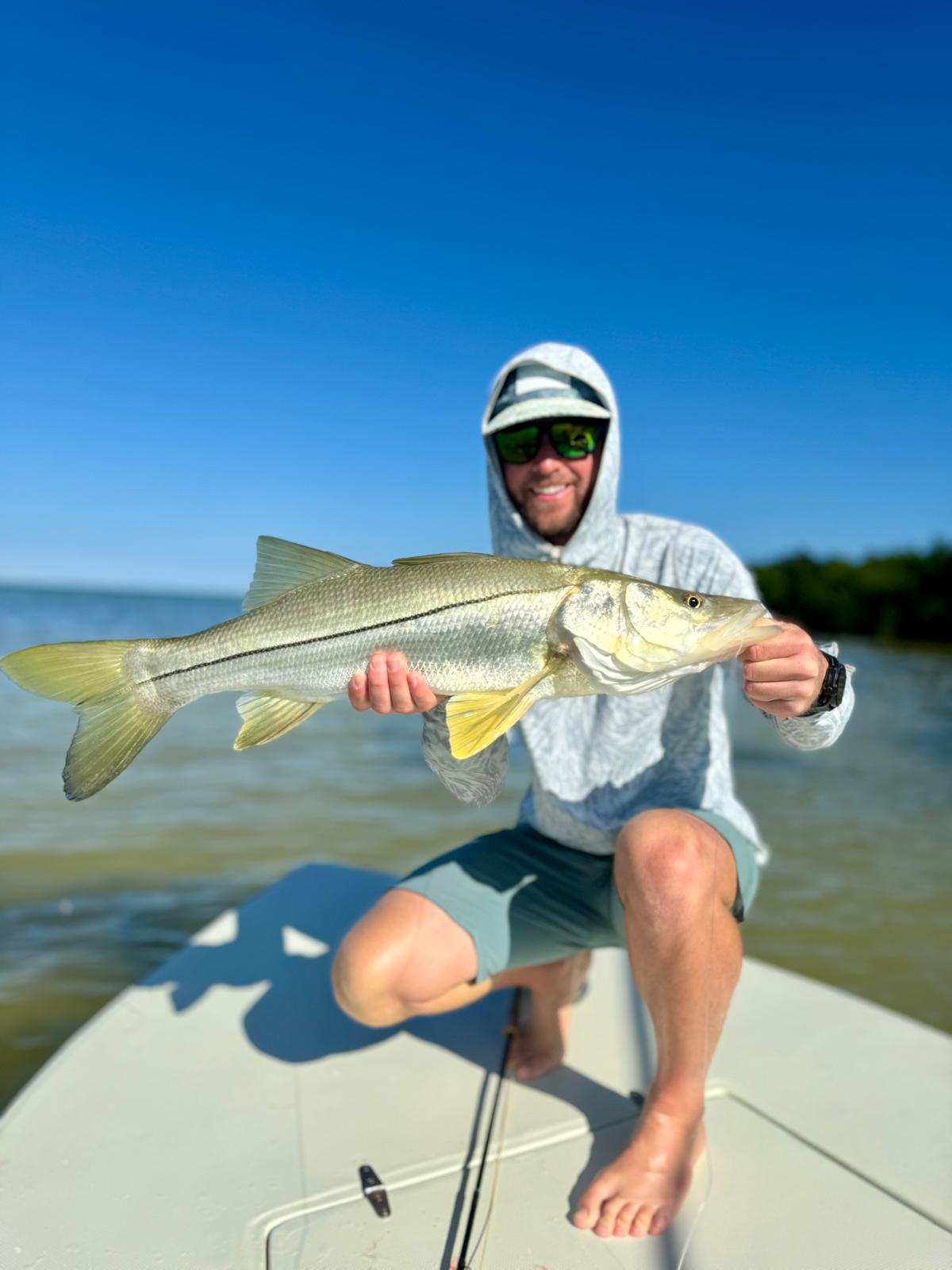
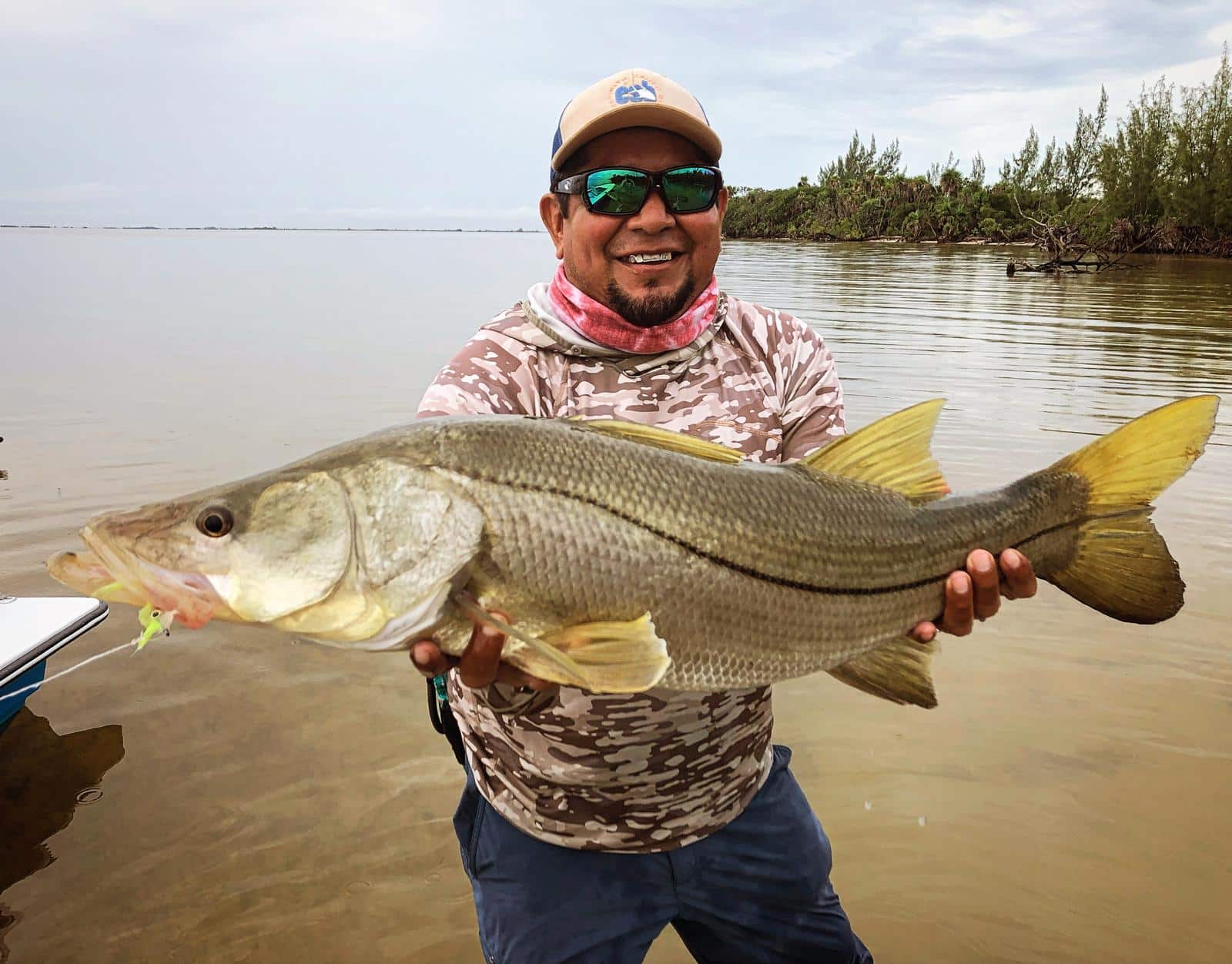
There are many reasons to choose one season over another for fishing ESB Lodge. Your decision may depend on vacation schedules, relief from winter in northern climates, business commitments, or the best timing for your target species. No matter when you choose to visit, weather will be the single most important factor influencing your success in shallow-water sight fishing.
Typically, over 90% of fishing at ESB is sight fishing in clear, shallow water. During inclement weather, your guide may suggest blind casting along mangrove shorelines. This approach is especially productive in remote backcountry lagoons, creeks, and back bays. While not traditional sight fishing, it can be extremely exciting and highly effective—especially on overcast days when visibility is reduced.
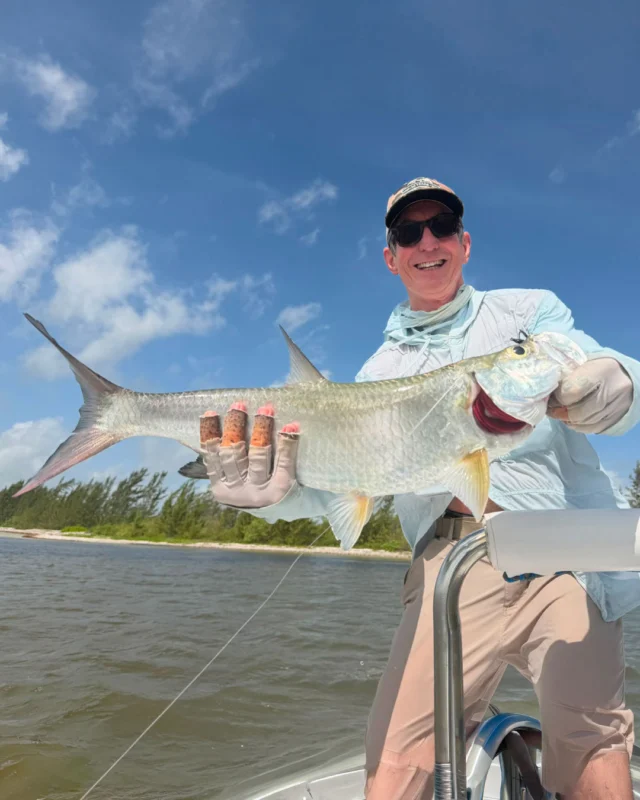
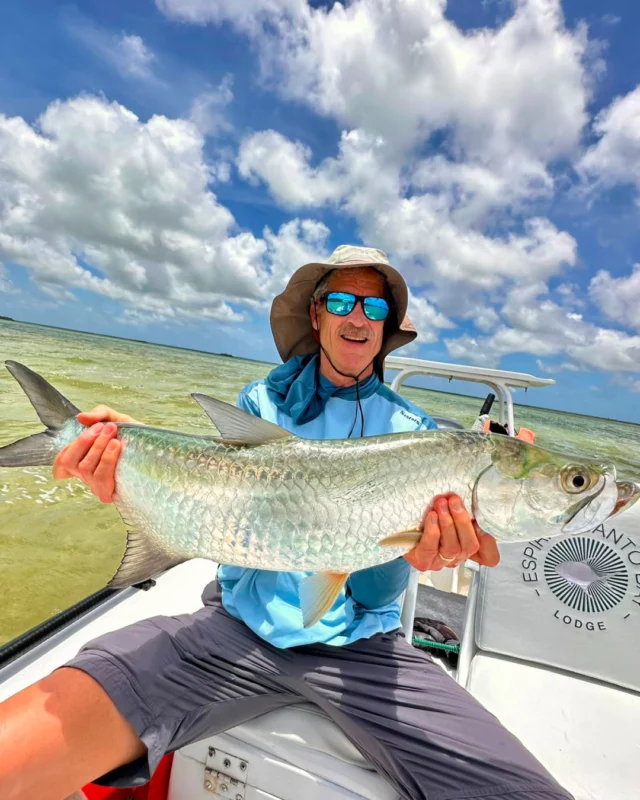
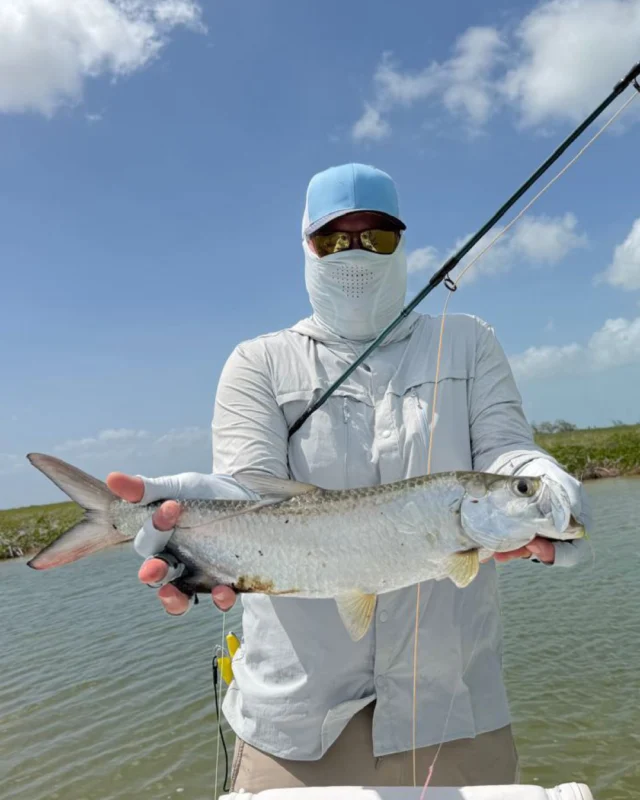
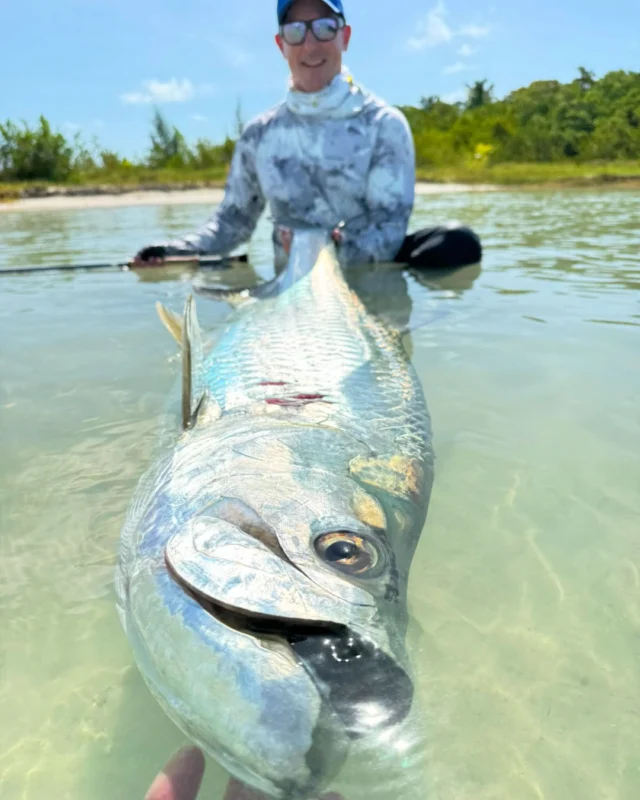
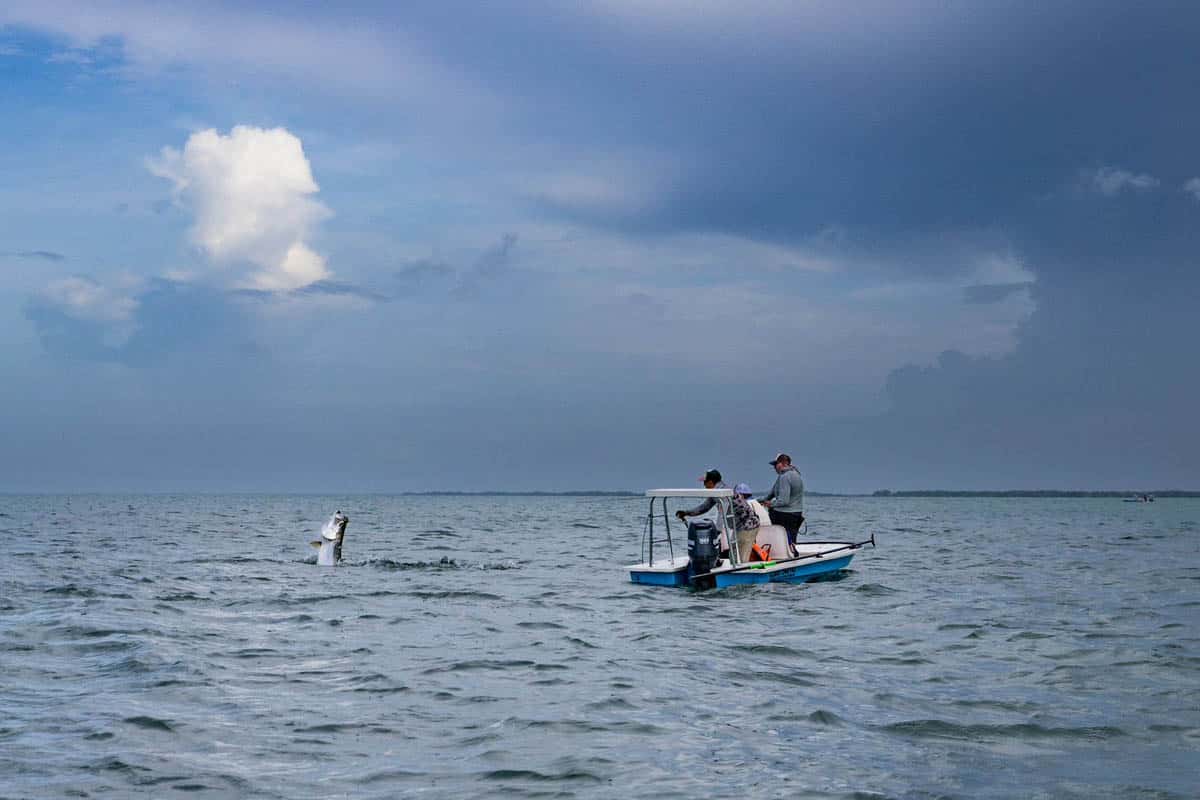
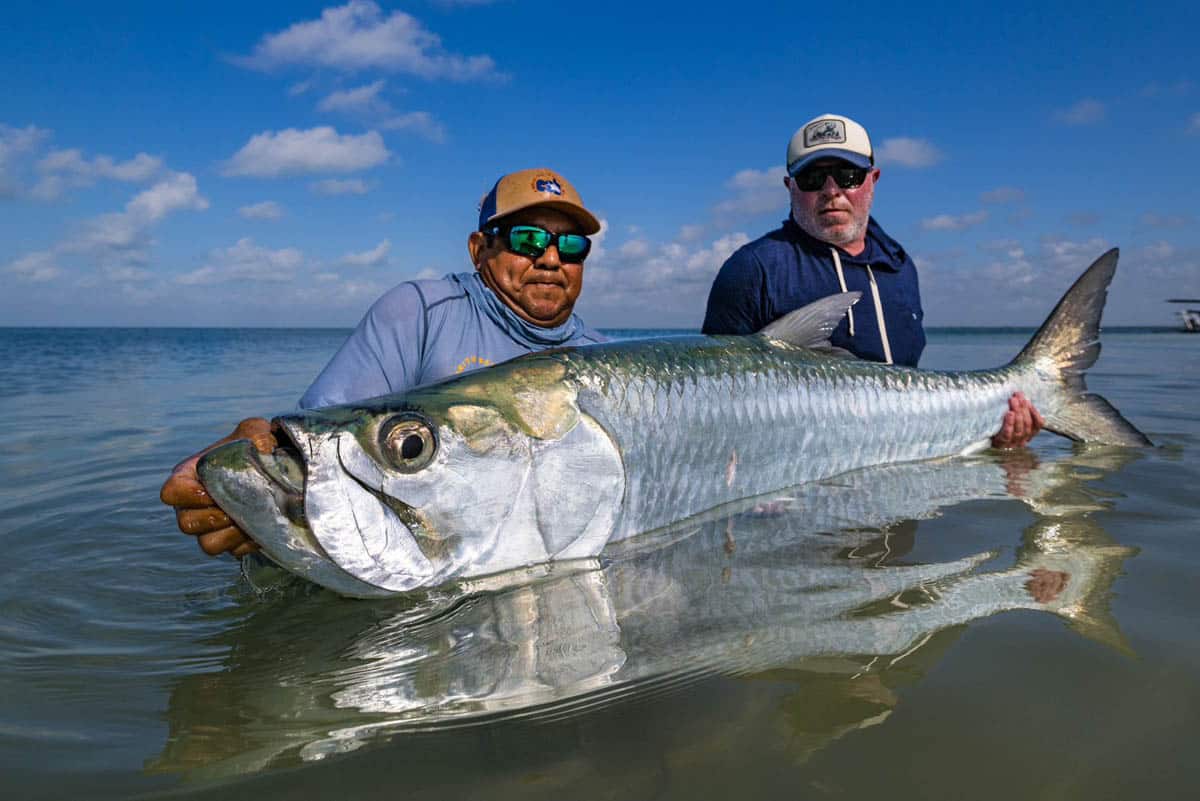
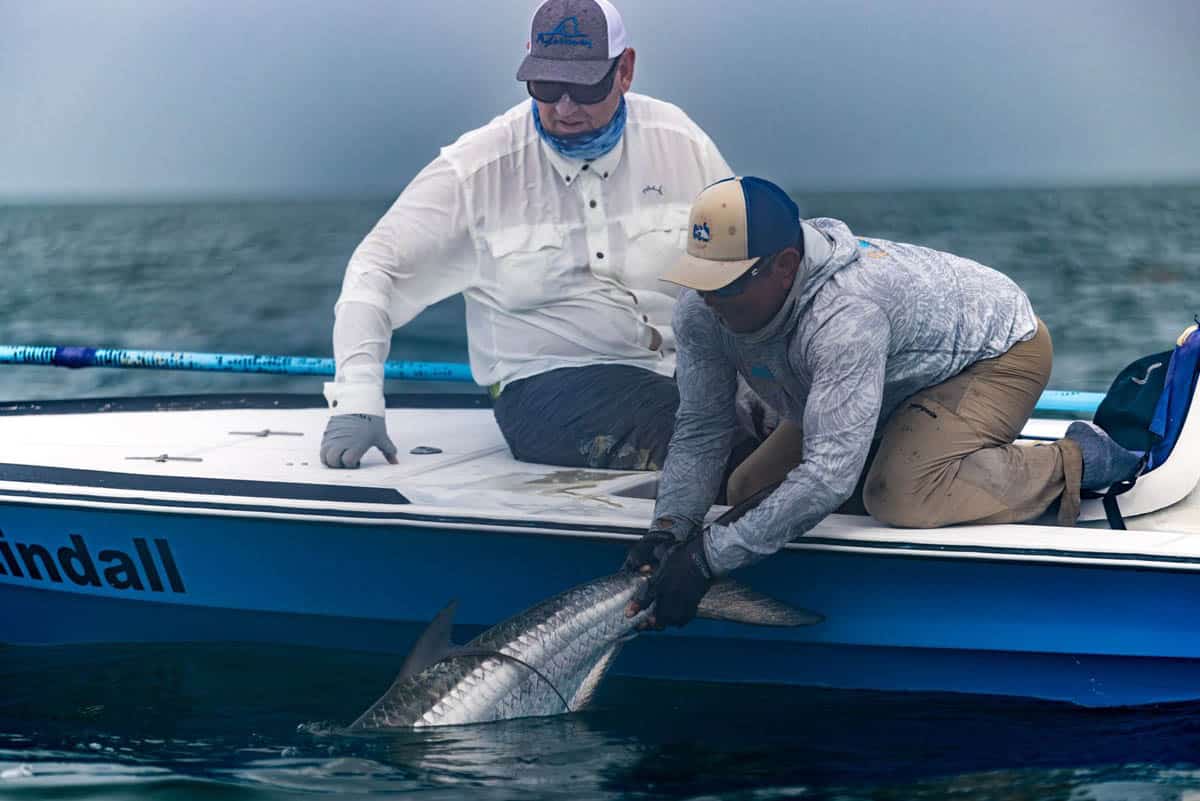
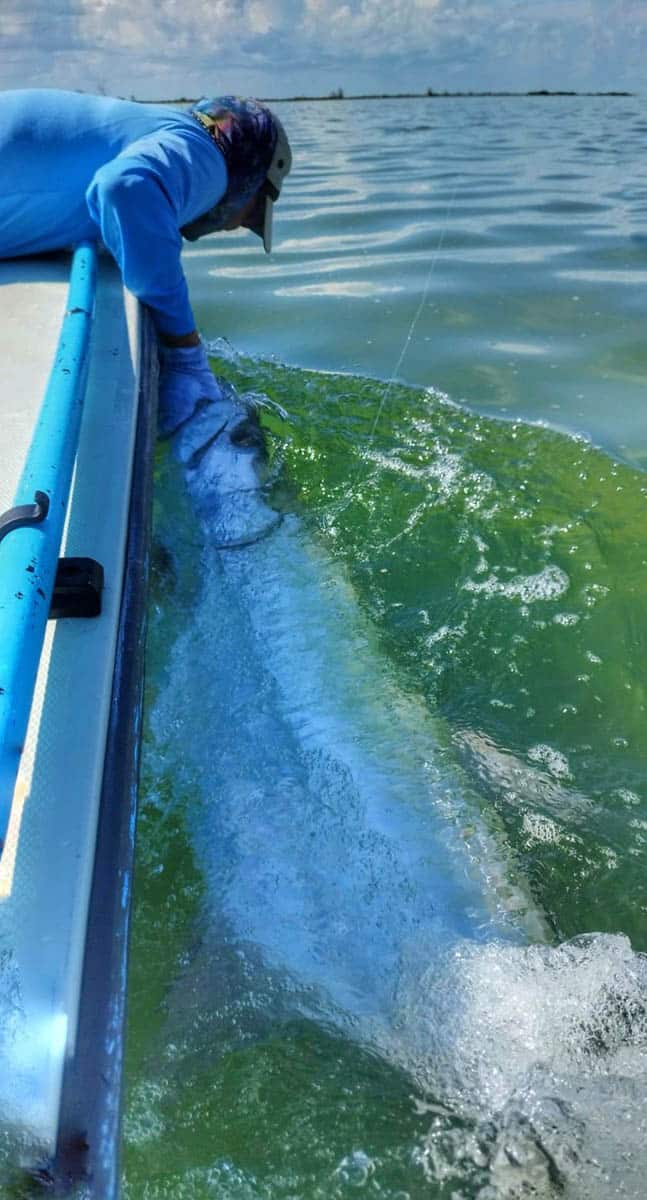
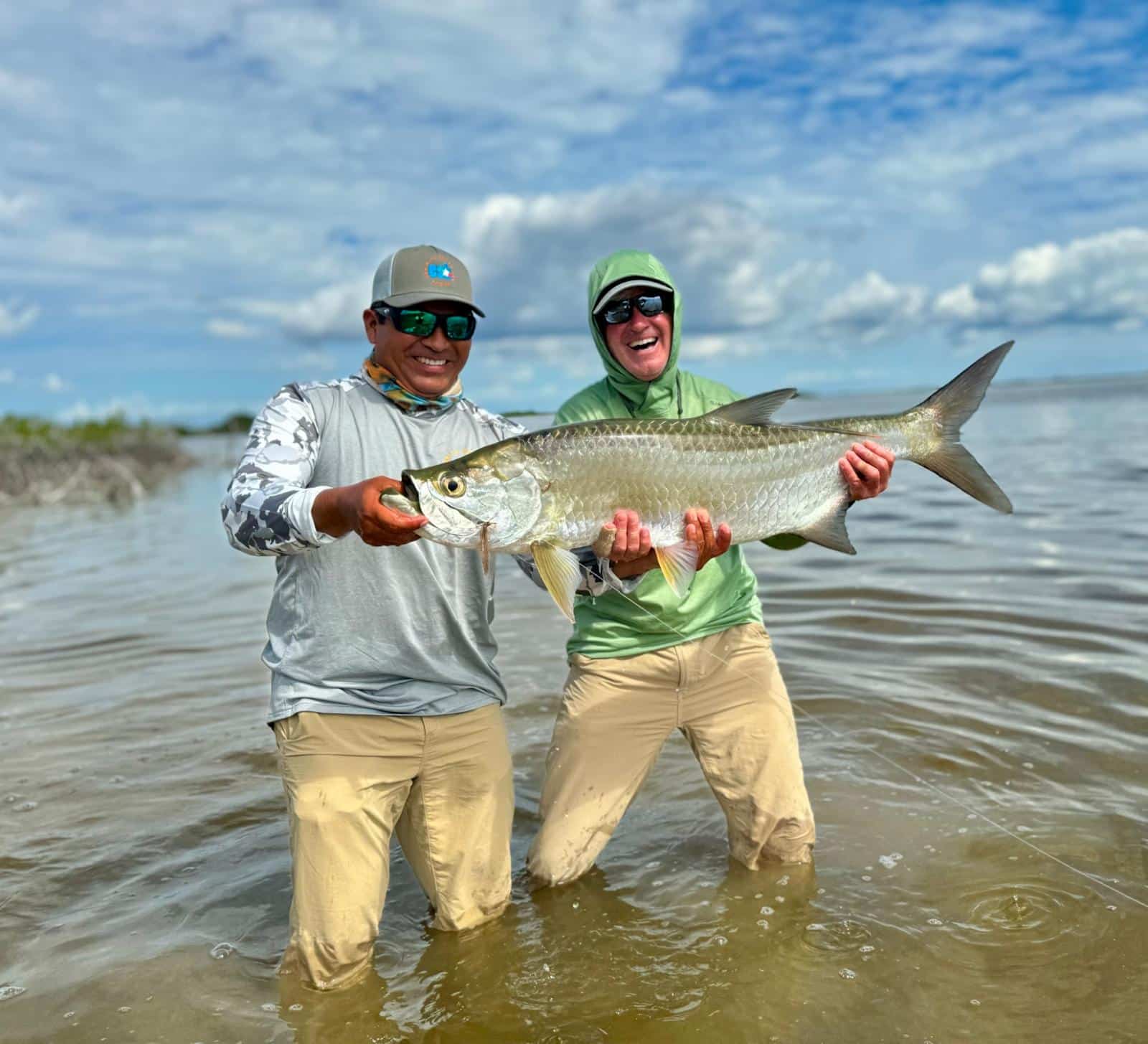
Snook often suspend in the shadows of overhanging mangroves, ambushing unsuspecting prey. Tarpon move in and out of the mangrove roots, flushing and attacking baitfish. Their explosive strikes can be startling, and the angler’s immediate task is to turn a determined fish away from the protection of the mangroves.
Flats fishing guides have exceptional eyesight and can spot fish in seemingly impossible conditions. When sight fishing becomes difficult, it is critical to work closely with your guide. You may not see the fish, but your guide often will. Following their instructions for casting and retrieving your fly in challenging conditions will significantly improve your success.
WINTER (Jan. & Feb.)
While snow and ice line the banks of your favorite Montana rivers, you can fly south to the Yucatán and comfortably wade the flats. Occasional cold fronts from the north may bring a brief chill, but water temperatures on the flats warm quickly under tropical sun. Fishing after a front can be exceptional.
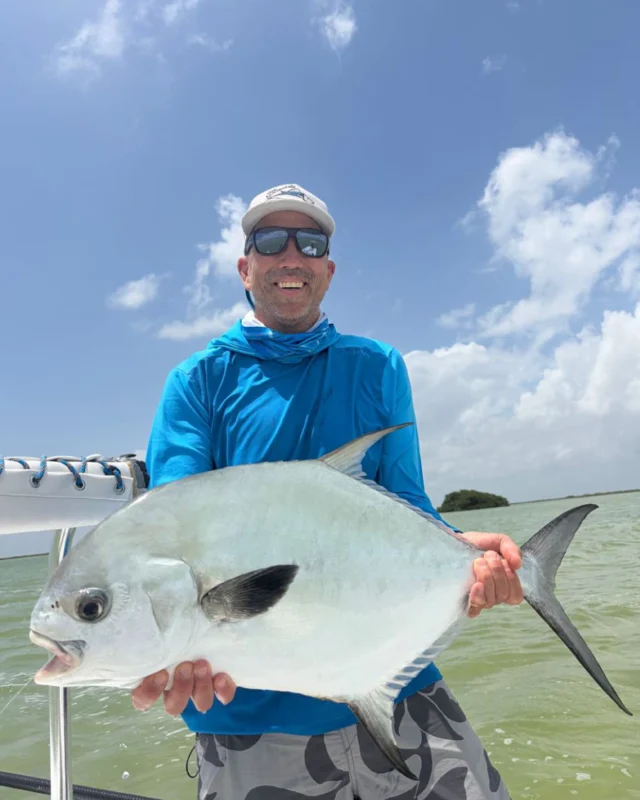
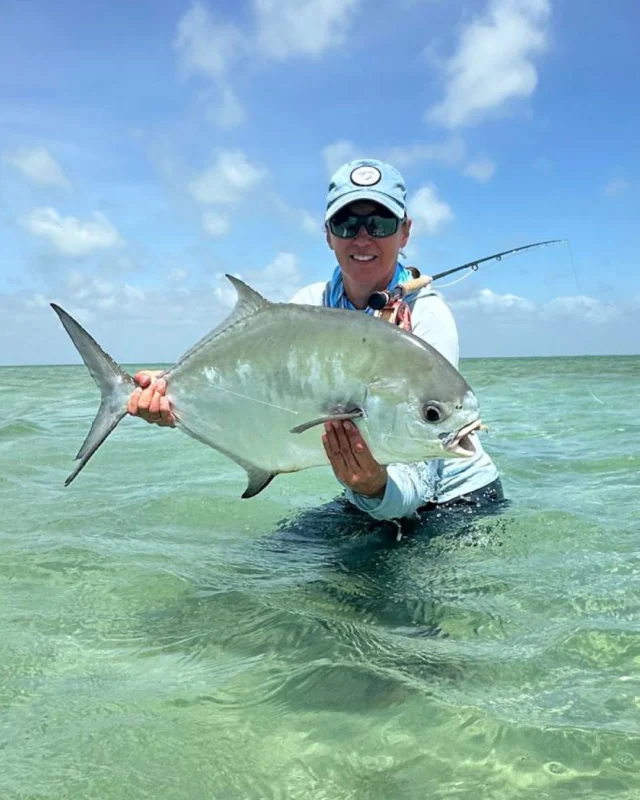
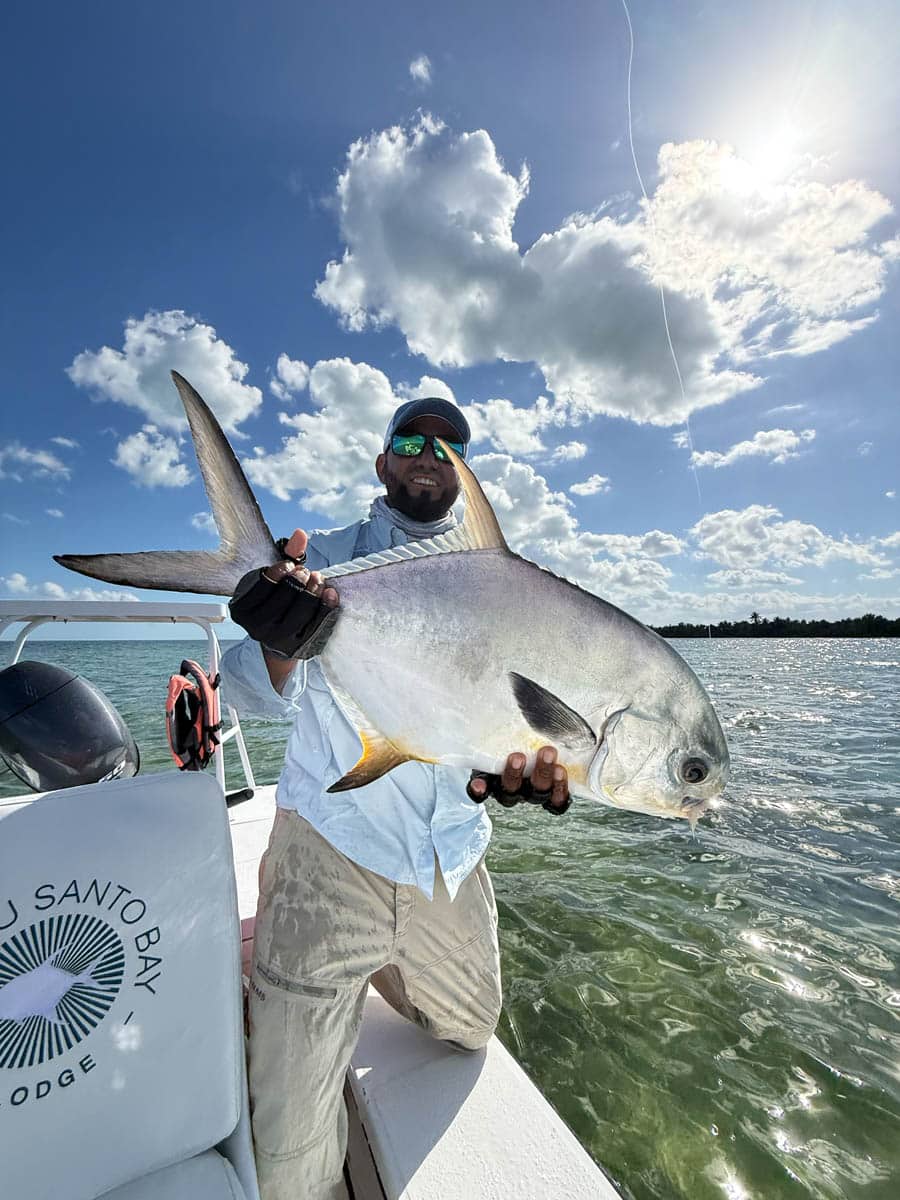
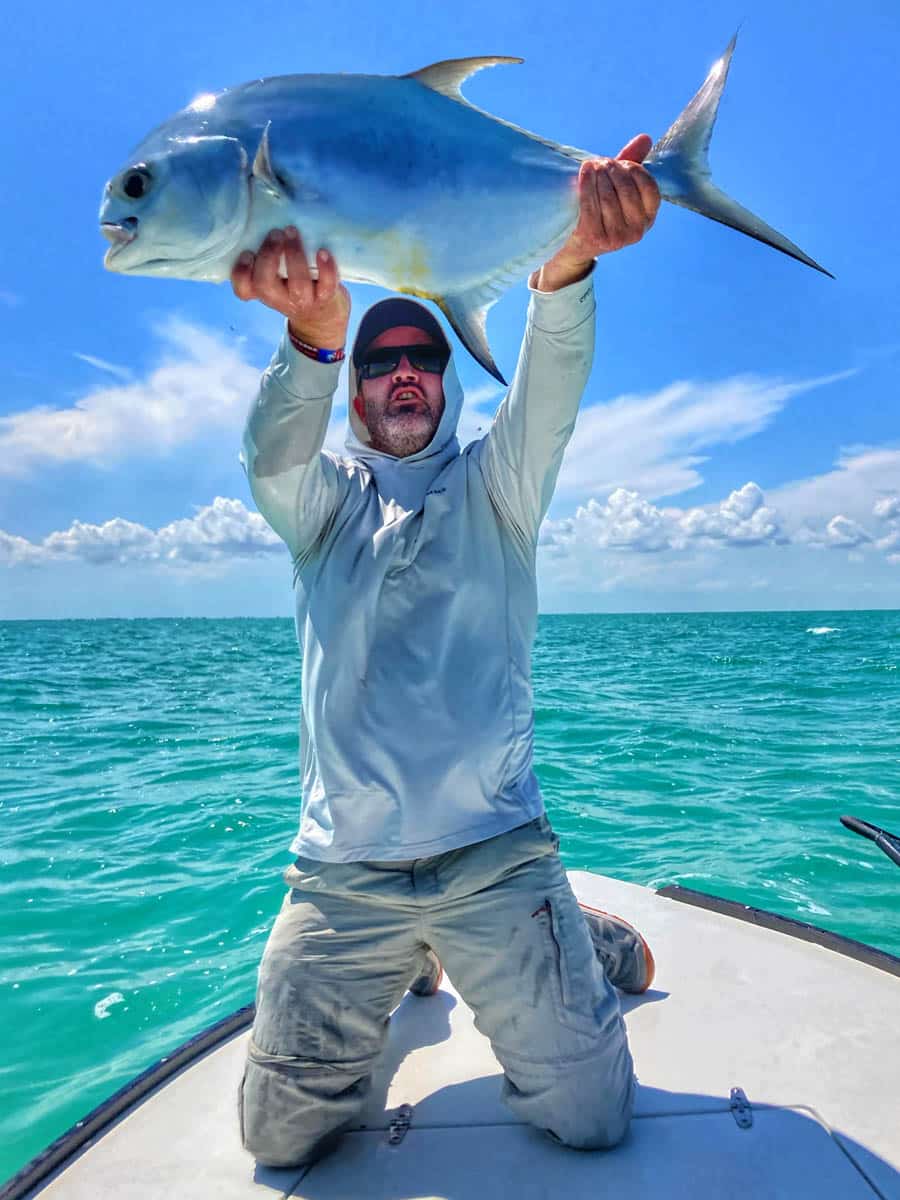
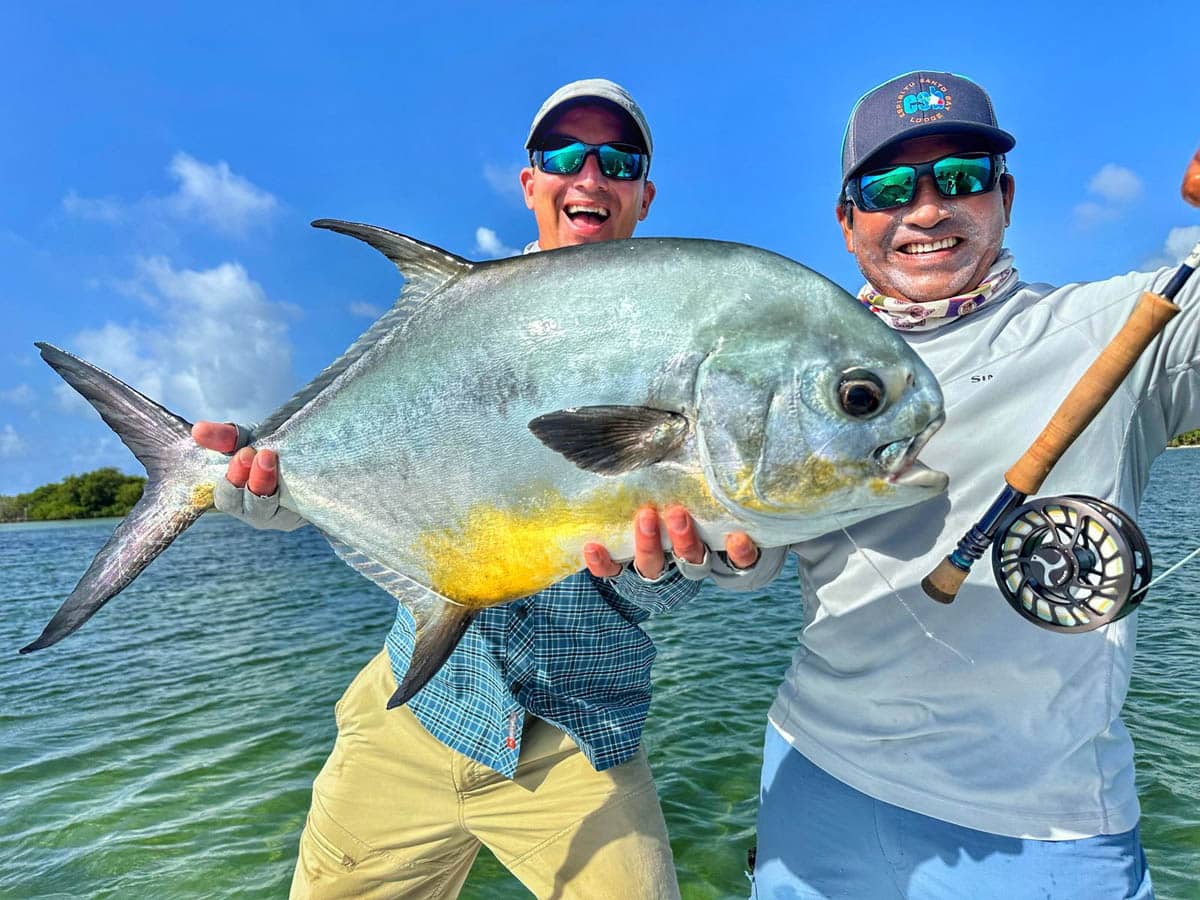
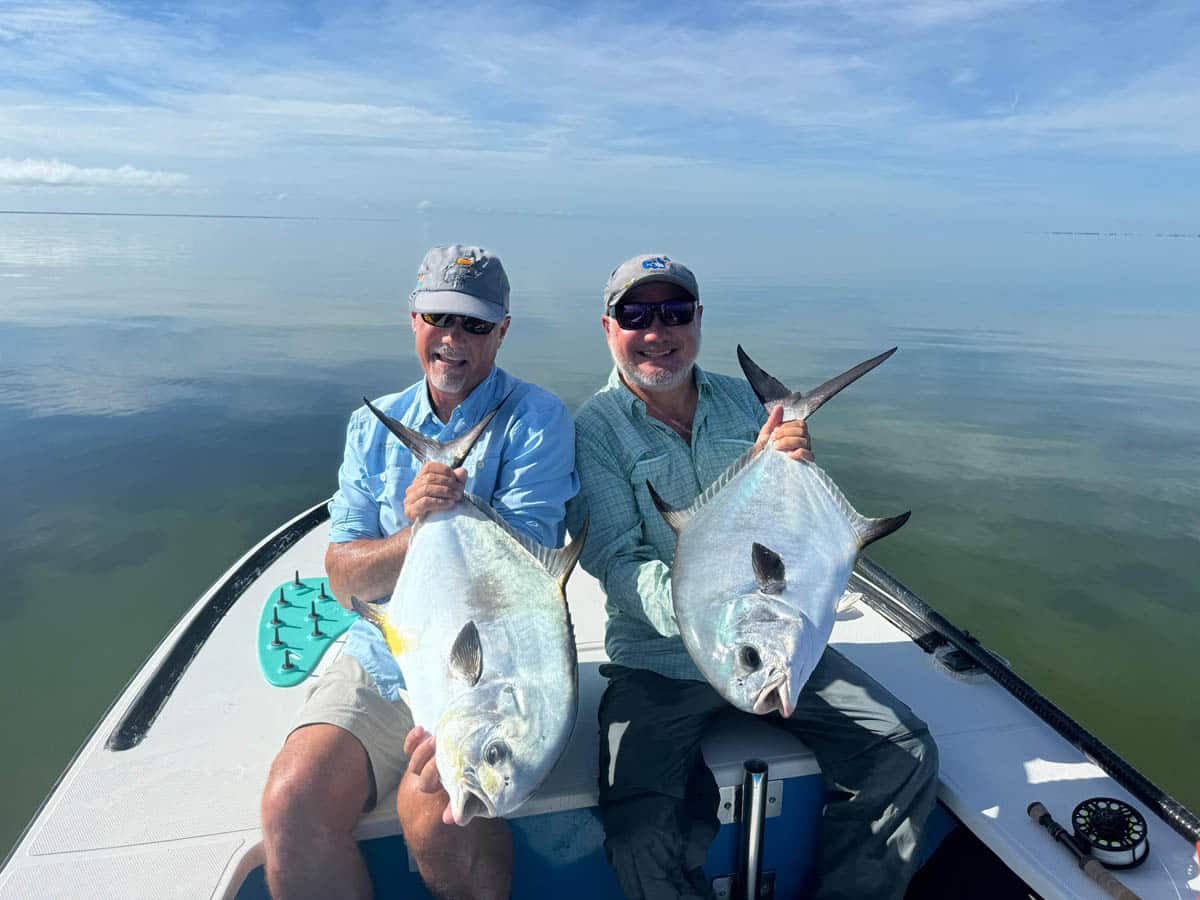
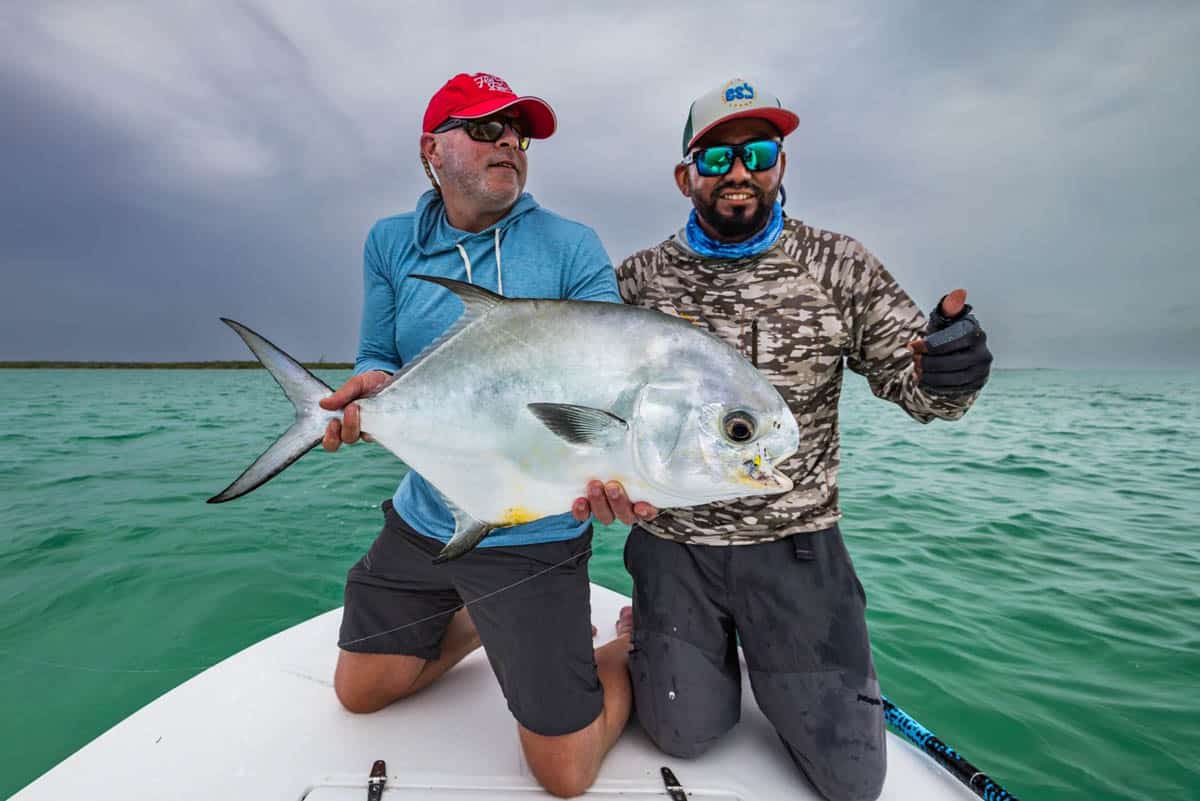
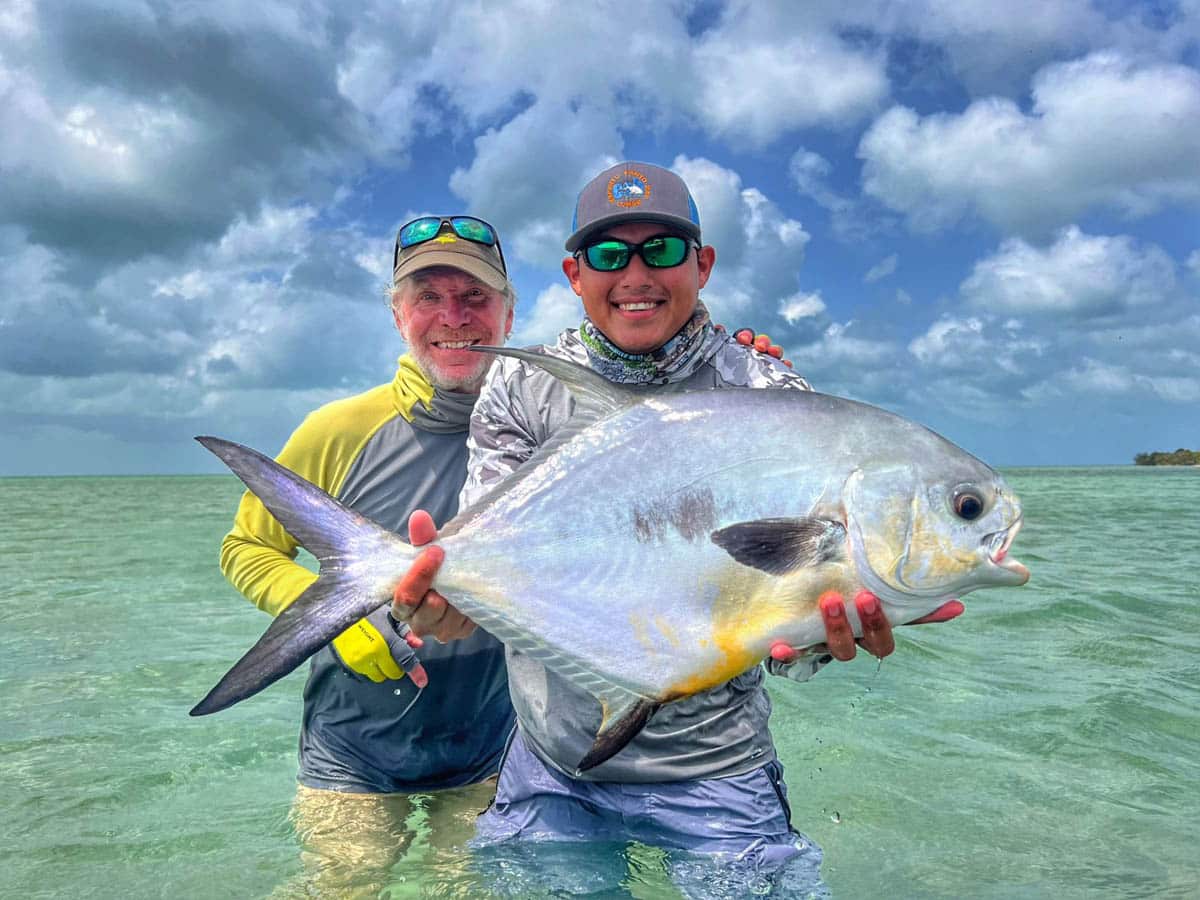
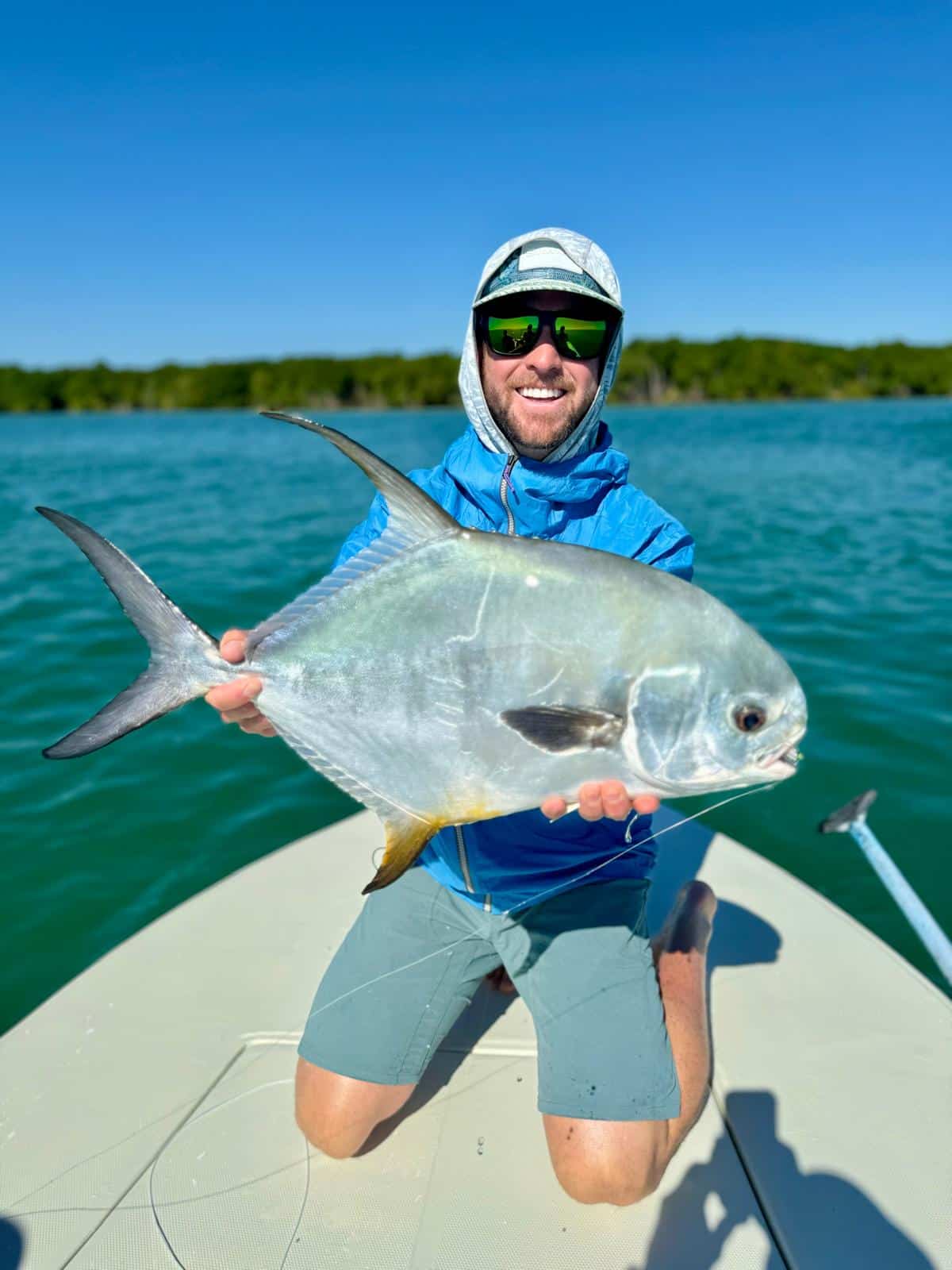
Snook warm themselves on sunny flats, and permit feed on crabs and mantis shrimp as if it were their last meal.
SPRING (Mar., Apr., & May)
Spring is one of the most predictable seasons at ESB, with long sunny days and a shift toward typical southeast winds. Cold fronts are rare and usually short-lived. Warm trade winds, clear skies, and stable conditions make this an ideal sight-fishing period.
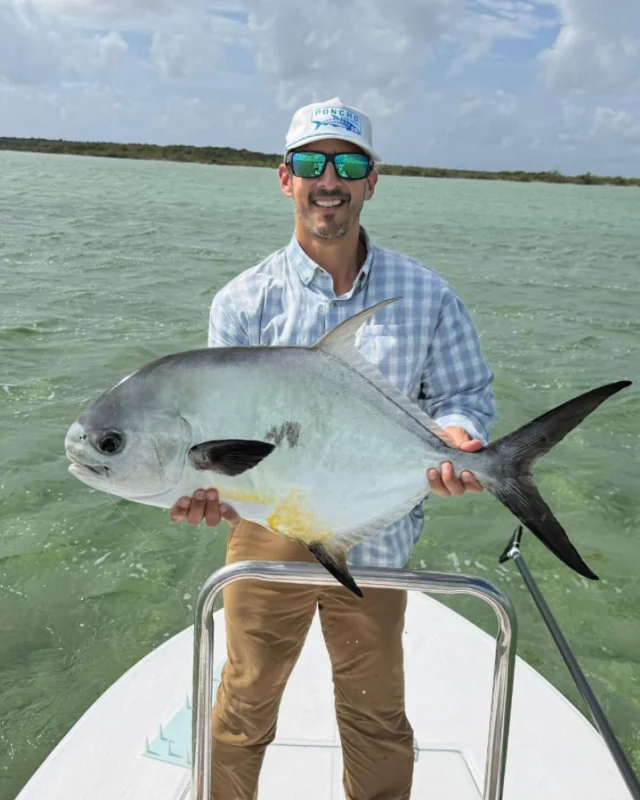
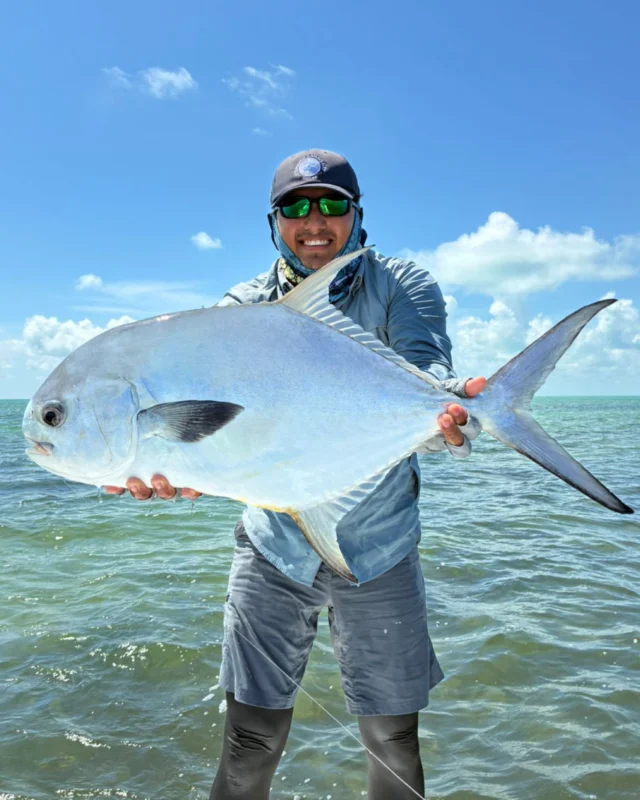
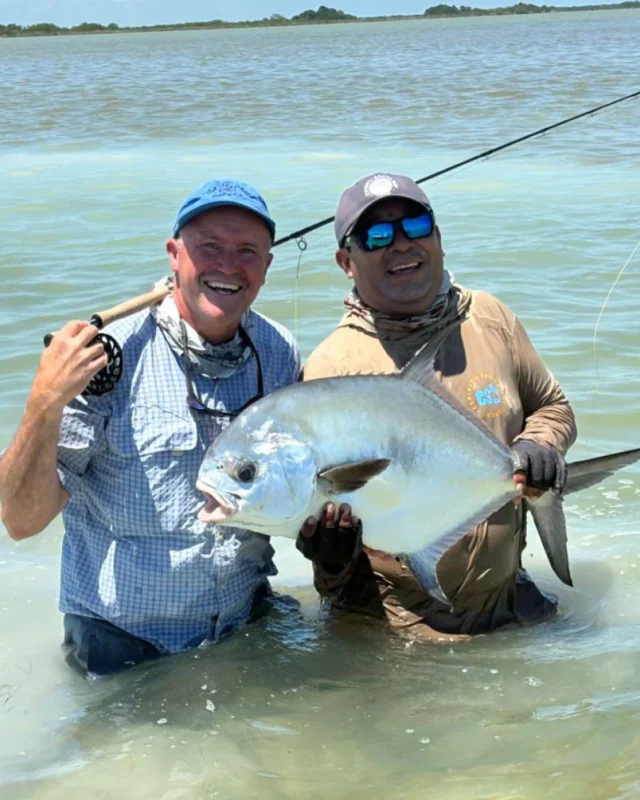
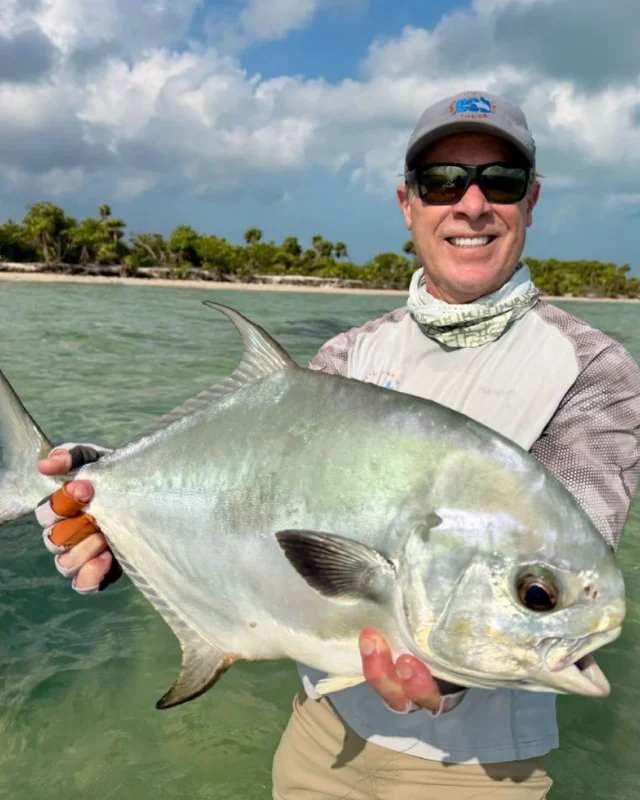
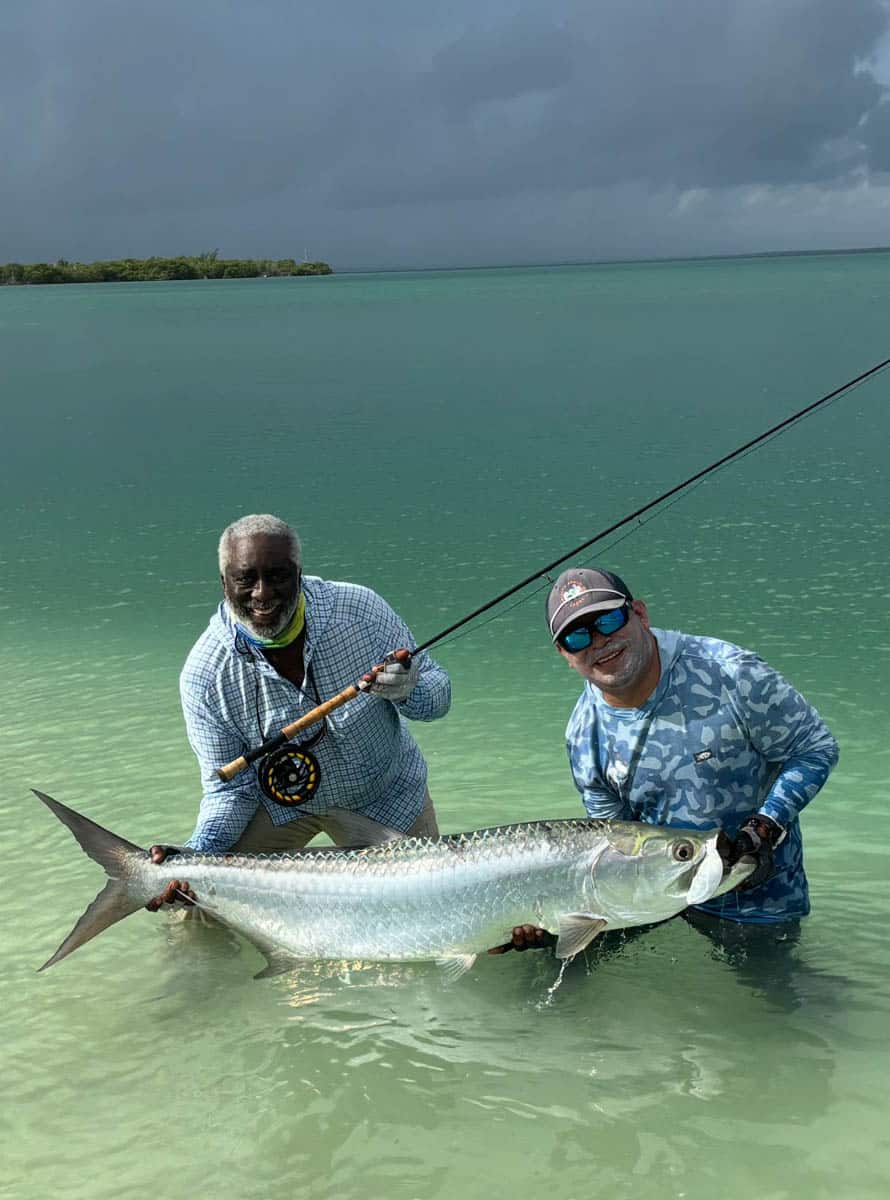
All flats species are fat and active. Creeks, back bays, and lagoons are generally clear, offering excellent fishing for snook and tarpon. Migratory tarpon may also move into the bays and along the oceanside between the shore and the reef. Permit are commonly found in bays, either in schools or as singles and doubles.
As always, wind is part of saltwater flats fishing—but it is also your friend. A lightly ruffled surface makes fly presentation easier than glassy, windless conditions. First-time anglers will benefit greatly from casting instruction with a saltwater-experienced instructor and practice with a double haul before the trip. Accuracy is essential—you should be able to place a fly on a dinner plate at forty feet in the wind with three false casts.
Spring is the most popular season for saltwater flats destinations, and reservations at ESB Lodge should be made well in advance.
SUMMER (June, AUG., & Sept)
Summer can deliver some of the best fishing of the year, with long daylight hours, stable water temperatures, and generally mild southeast winds. Bonefish and permit feed heavily on the flats, often with fewer anglers on the water.
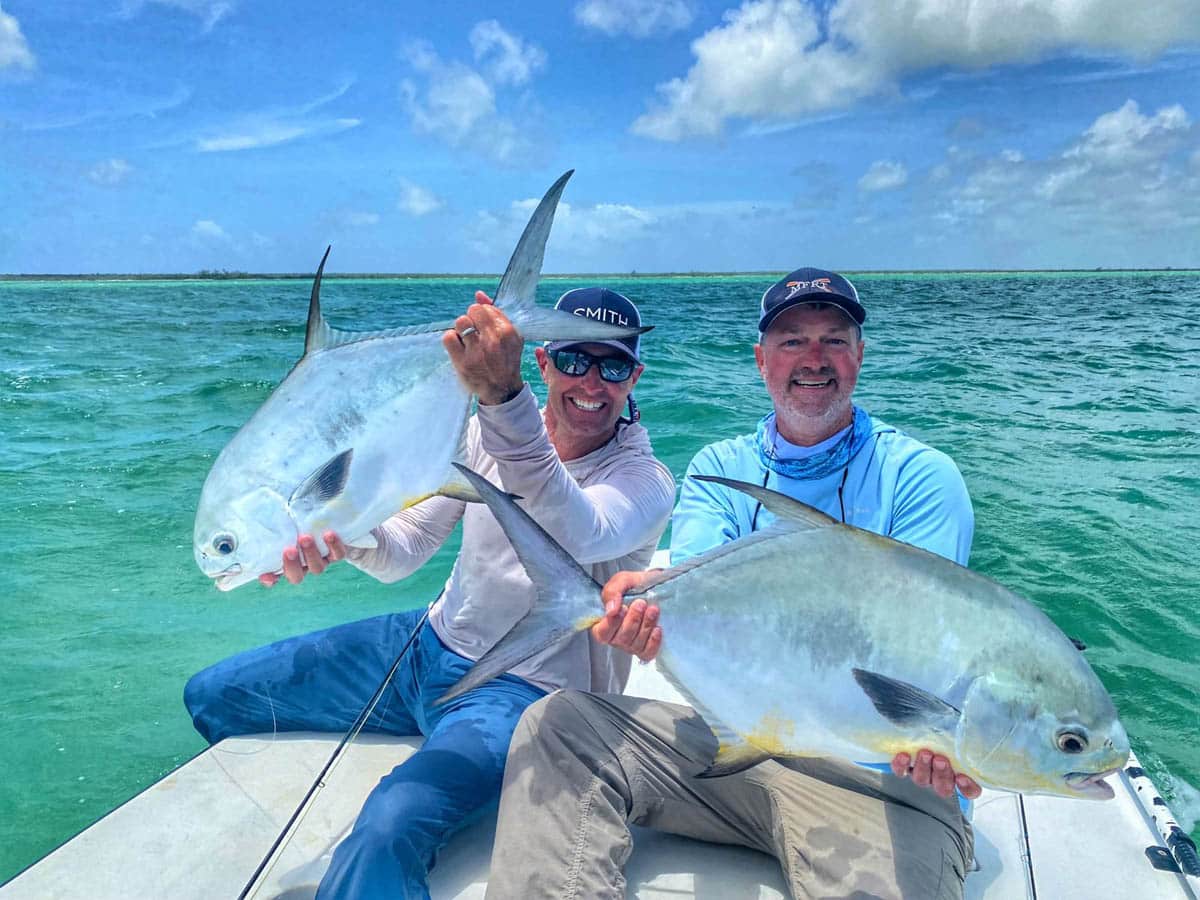
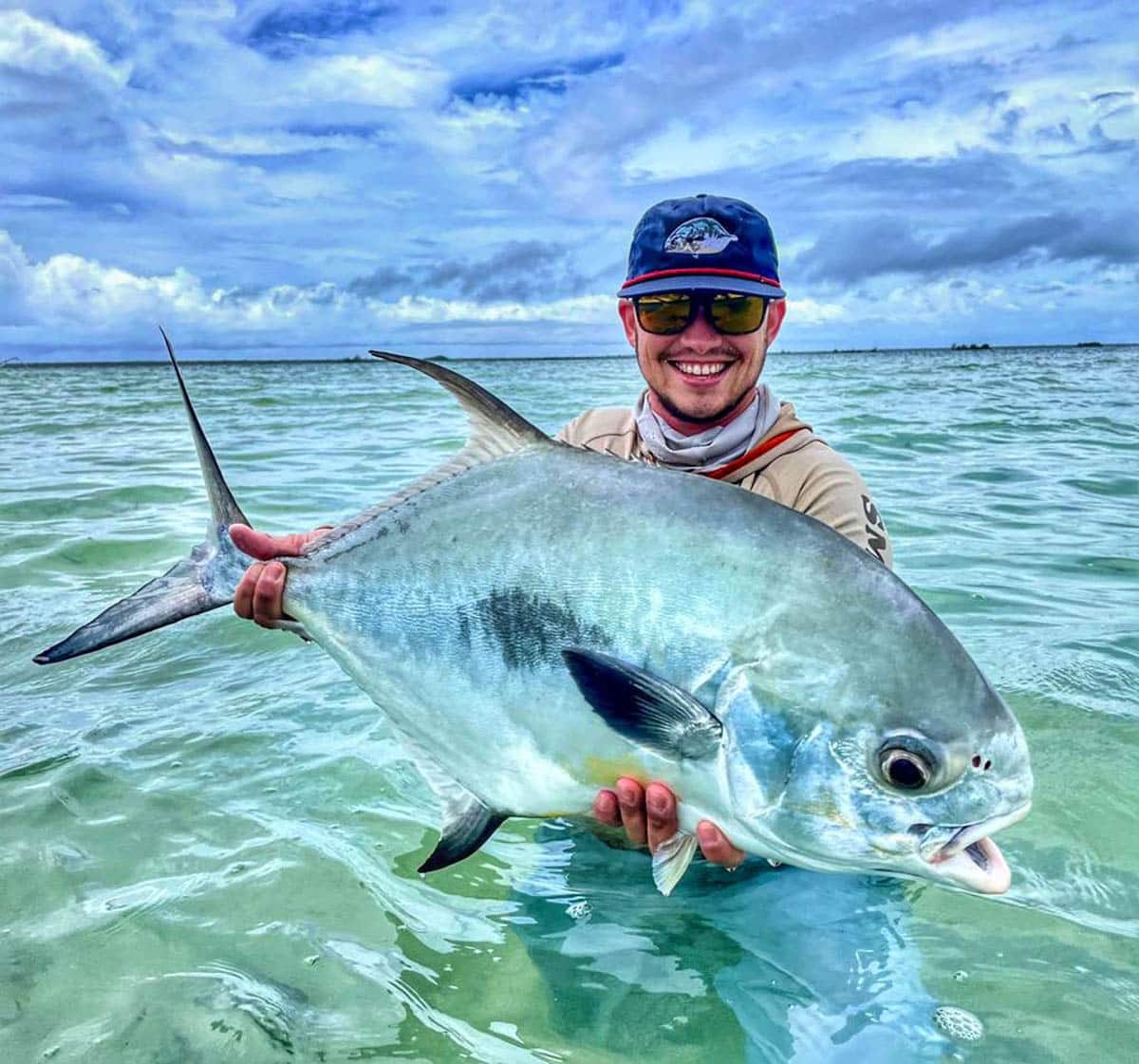
Permit are in their post-spawning phase during August and September, and anglers often report some of their highest success rates with this notoriously selective species.
Tropical weather systems can bring periods of strong wind, rain, and clouds, but these are usually short-lived, followed by a return to sunshine and light winds. Hurricane season officially runs from June through November. With modern forecasting, storms are tracked well in advance and closely monitored as they move west from the Atlantic. Trip insurance is strongly recommended during summer travel.
FALL (Oct. & Nov)
Fall may be the most pleasant time of year to fish. Sight fishing for snook on the flats can be exceptional, and air temperatures are very comfortable as the autumn sun lowers toward the southern horizon. By mid to late October, weather patterns begin to shift and gradually cool.
Snook spawn during new and full moons in the mouths of bays and passes from June through August. Their post-spawn phase brings them onto the flats in search of food. It is not uncommon to find them in small schools in very shallow water. Fall is widely regarded as the best time of year to target trophy snook on the flats at ESB, with both size and numbers peaking.
Creeks and bays are productive and enjoyable to fish, with fewer anglers on the water and relaxed fish behavior. Weather is the key variable—when conditions are stable, the fishing is outstanding.